Long-Term Effects of Whiplash From a Car Accident
It’s a truly unsettling experience to walk away from a car accident feeling “fine,” only for your neck to start aching intensely a day or two later. While many hope whiplash is just a temporary discomfort, the reality for far too many people is that those initial pains can linger, evolving into a much more persistent and debilitating challenge. This guide delves deep into the long-term effects of whiplash, helping you understand what might be happening if your symptoms aren't fading away as quickly as you expected.
Understanding Whiplash and Its Immediate Aftermath
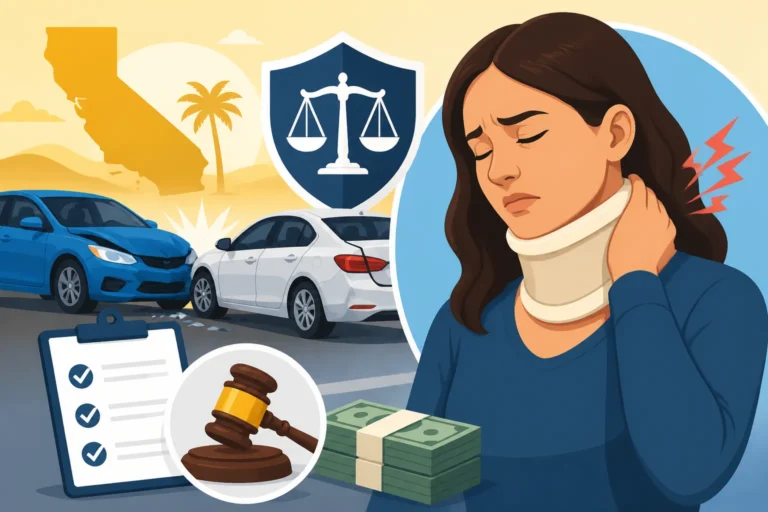
When you're involved in a car accident, especially a rear-end collision, the sudden, violent force can wreak havoc on your body. Even if the impact doesn't seem severe, the mechanics of whiplash mean that your neck and upper back can sustain significant stress. It’s not just a momentary jolt; it’s a complex injury that can have lasting repercussions.
What Exactly Is Whiplash?
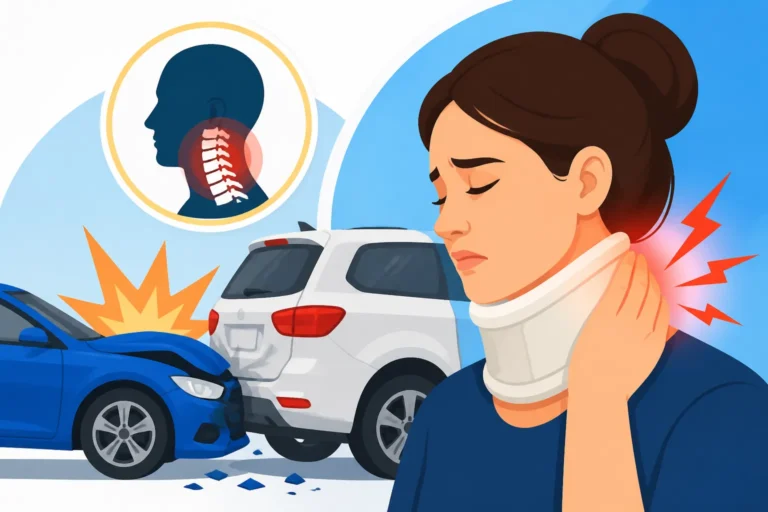
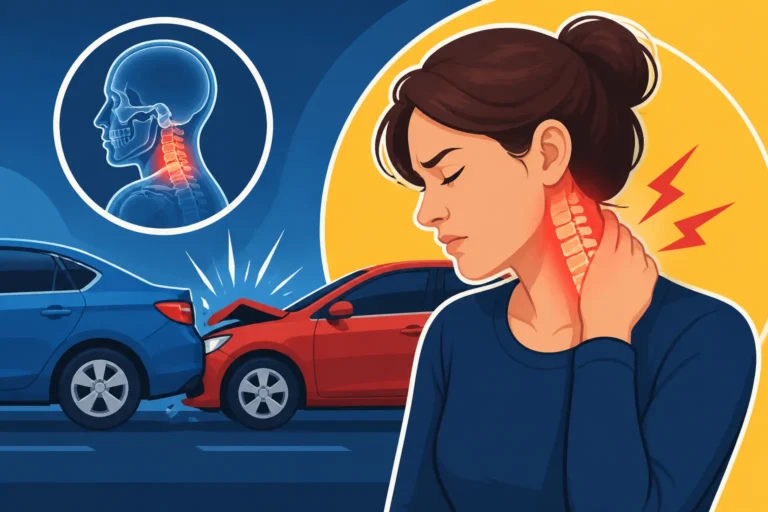
Whiplash isn't a single diagnosis; it's a term describing a range of injuries to the neck caused by a sudden, forceful, back-and-forth movement. Think of it like the crack of a whip – your head is suddenly thrown backward and then forward, far beyond its normal range of motion. This hyperextension and hyperflexion can stretch and tear the muscles, tendons, and ligaments in your neck and upper back. It can also impact the discs between your vertebrae, the nerve roots, and even the facet joints that allow your spine to move smoothly.
Often, people assume whiplash only happens in high-speed crashes, but even low-speed impacts, like those common in a minor fender bender in a parking lot, can cause this type of injury. The key factor is the sudden change in velocity and the resultant stress on the cervical spine. Knowing what exactly is whiplash? Symptoms, treatment & claims can provide a fuller picture of this common injury.
Initial Symptoms and Why They Might Be Delayed
The tricky thing about whiplash is that symptoms don't always show up right away. You might leave the accident scene feeling a bit shaken but otherwise okay. Then, 24 to 48 hours later, you wake up feeling like you’ve slept on a bed of nails, or you suddenly develop a pounding headache. This delay is incredibly common and often catches people off guard.
Why the delay? After an injury, your body releases adrenaline and endorphins, which can mask pain. Also, inflammation and swelling take time to develop. As these processes kick in, the true extent of the soft tissue damage becomes apparent. Common initial symptoms include neck pain and stiffness, headaches (often starting at the base of the skull), shoulder pain, dizziness, blurred vision, and fatigue. It's vital to remember that these symptoms, even if delayed, are legitimate indicators of injury and should prompt a medical evaluation. This is crucial for your health and also for documenting any potential car accident claim.
The Spectrum of Long-Term Whiplash Effects
While many people recover from whiplash within a few weeks or months with proper care, a significant percentage experience persistent symptoms that evolve into chronic issues. This isn't just "in their head"; these are very real, often debilitating long-term effects of whiplash from a car accident.
Chronic Pain and Stiffness
One of the most common and frustrating long-term effects of whiplash is chronic neck pain and stiffness. What started as acute discomfort can morph into pain that lasts for months, even years. This isn't just a minor annoyance; chronic pain can severely impact your quality of life, making everyday tasks excruciating. Imagine struggling to turn your head to check blind spots while driving, or finding it impossible to sleep soundly due to constant aching. This persistent pain can stem from ongoing inflammation, scar tissue formation, nerve irritation, or changes in muscle function around the cervical spine. Many individuals also report tenderness in the shoulders and upper back, sometimes even radiating down the arms. Understanding how long does whiplash last? is a common concern for those experiencing ongoing pain.
Neurological and Cognitive Symptoms
Beyond the direct pain in your neck, whiplash can trigger a cascade of neurological and cognitive problems. These can be particularly insidious because they're not always outwardly visible, making them hard for others to understand.
- Persistent Headaches: While initial headaches are common, some individuals develop chronic tension headaches or even migraines that continue long after the accident. These can be triggered by muscle tension, nerve irritation, or even subtle brain changes from the trauma.
- Dizziness and Vertigo: The delicate balance system within your inner ear and brain can be affected by the whiplash injury, leading to lingering feelings of dizziness, lightheadedness, or vertigo (the sensation that you or your surroundings are spinning). This can make simple activities like walking or driving feel perilous.
- Tinnitus: Some people report a persistent ringing, buzzing, or hissing sound in their ears, known as tinnitus, which can develop or worsen after a whiplash injury.
- Cognitive Difficulties: You might find yourself struggling with concentration, memory, or processing information. This "brain fog" can make it challenging to perform tasks at work, follow conversations, or even read a book. It’s a frustrating symptom that often goes unaddressed without specialized evaluation.
- Visual Disturbances: Blurred vision, double vision, or sensitivity to light can also be part of the long-term whiplash picture, impacting daily function and comfort.
Psychological and Emotional Impacts
The physical trauma of a car accident and the subsequent chronic pain can take a massive toll on your mental and emotional well-being. It's not uncommon for individuals to develop significant psychological symptoms.
- Post-Traumatic Stress Disorder (PTSD): The experience of a car crash, especially if it was sudden or severe, can be traumatic. Many develop PTSD and emotional distress after a car accident, experiencing flashbacks, nightmares, heightened anxiety, and avoidance behaviors related to driving or similar situations.
- Anxiety and Depression: Living with chronic pain, limited mobility, and the uncertainty of recovery can naturally lead to feelings of anxiety and depression. Simple tasks become difficult, hobbies are abandoned, and social interactions might diminish, creating a cycle of isolation and despair.
- Irritability and Mood Swings: Constant pain and frustration can make you more irritable, impacting relationships with family and friends. Minor inconveniences can feel overwhelming, leading to mood swings that are hard to control.
- Sleep Disturbances: Pain makes it hard to get comfortable, and anxiety or PTSD can lead to insomnia or restless sleep. Poor sleep, in turn, exacerbates pain and cognitive difficulties, creating a vicious cycle.
Other Persistent Physical Issues
Whiplash isn't always confined to the neck. The forces involved can affect adjacent areas, leading to a host of other persistent physical complaints.
- Temporomandibular Joint (TMJ) Dysfunction: The forceful movement of the head can sometimes affect the jaw joint, leading to pain, clicking, or difficulty opening and closing your mouth. This can make eating and speaking uncomfortable.
- Shoulder and Arm Pain/Numbness: Nerve compression or irritation in the cervical spine can cause pain, tingling, numbness, or weakness that radiates down into the shoulders, arms, and hands. This can mimic other conditions and requires careful diagnosis.
- Fatigue: Persistent pain, poor sleep, and the sheer effort of coping with chronic symptoms can lead to profound and debilitating fatigue. This isn't just being tired; it's an exhaustion that sleep doesn't resolve.
- Reduced Range of Motion: Over time, fear of movement, muscle guarding, and structural changes in the neck can lead to a significantly reduced range of motion, making it difficult to turn, tilt, or extend your head.
Factors Influencing Long-Term Recovery
It's clear that not everyone experiences long-term whiplash. So, what differentiates those who recover fully from those who endure chronic issues? Several factors play a significant role.
Severity of the Initial Injury and Collision
While even minor collisions can cause whiplash, the general rule of thumb is that more severe impacts often correlate with a higher risk of prolonged symptoms. This isn't always about vehicle damage; it's about the forces transmitted to your body. Factors like the speed of impact, whether you were aware of the impending collision, the position of your headrest, and whether your head turned at the moment of impact can all influence the biomechanics of the injury. If you were hit from behind unexpectedly, your body might have been completely unprepared, leading to greater muscle strain. It's also important to consider if there were any pre-existing conditions, like degenerative disc disease, that might make the neck more vulnerable to injury. Understanding who is at fault in a car accident? Complete guide covers how these details are assessed.
Importance of Early Diagnosis and Consistent Treatment
One of the most critical factors in preventing long-term whiplash is timely and consistent medical intervention. Ignoring symptoms or hoping they'll just go away can allow the acute injury to become chronic.
- Early Diagnosis: Seeing a doctor promptly after an accident, even if your symptoms are delayed, is crucial. A medical professional can assess your injuries, rule out more serious conditions, and establish a clear diagnosis. This also provides vital documentation for your claim, helping to prove injuries in a car accident claim.
- Physical Therapy: Often, a cornerstone of whiplash treatment involves physical therapy. This can include exercises to restore range of motion, strengthen muscles, improve posture, and reduce pain. Consistency is key here; skipping sessions can undermine progress.
- Chiropractic Care: For some, chiropractic adjustments can help restore proper alignment to the spine and alleviate nerve impingement.
- Medication and Specialist Referrals: Pain relievers, muscle relaxants, and anti-inflammatory drugs might be prescribed to manage symptoms. In more complex cases, a doctor might refer you to a neurologist, pain management specialist, or orthopedic surgeon.
Individual Health and Lifestyle Factors
Your individual health profile and lifestyle choices can also significantly impact your recovery trajectory.
- Age: Older individuals may have a harder time recovering due to age-related degeneration of discs and joints, making their cervical spine more susceptible to severe injury and slower to heal.
- Overall Fitness: People who were physically fit and had strong neck muscles before the accident often fare better, as their bodies are more resilient.
- Mental Health: Those with pre-existing anxiety, depression, or a history of chronic pain might find their whiplash symptoms more difficult to manage, as psychological distress can amplify pain perception.
- Stress Levels: High stress levels can increase muscle tension, making neck pain worse and hindering recovery.
- Coping Mechanisms: How you cope with pain and disability plays a role. Those who actively engage in their recovery, seek support, and maintain a positive outlook often have better outcomes than those who withdraw or fall into a cycle of negativity.
Living With and Managing Chronic Whiplash
If you're facing long-term whiplash, it's not a sentence to perpetual suffering. While there might not be a "cure," effective management strategies can significantly improve your quality of life.
Multidisciplinary Approach to Treatment
Managing chronic whiplash often requires a team effort, involving various healthcare professionals working together.
- Ongoing Physical Therapy: A long-term physical therapy plan can help maintain muscle strength, flexibility, and proper posture, mitigating stiffness and pain.
- Pain Management Specialists: These doctors can offer a range of treatments, from medication management (including nerve blocks or injections) to more advanced interventions, to help control persistent pain.
- Psychological Support: Therapy, counseling, or cognitive behavioral therapy (CBT) can be invaluable for addressing the anxiety, depression, and PTSD associated with chronic pain. Learning coping strategies and pain management techniques can make a huge difference.
- Ergonomic Adjustments: Making changes to your workspace, car, and home environment to support proper posture and reduce strain on your neck can be very beneficial. This might include special pillows, ergonomic chairs, or hands-free devices.
- Alternative Therapies: Many people find relief through acupuncture, massage therapy, or yoga, though these should always complement, not replace, conventional medical care.
Advocating for Your Health and Claim
Living with chronic whiplash means you'll need to be your own best advocate, both for your health and for any car accident claim you might be pursuing.
- Detailed Symptom Documentation: Keep a pain journal. Note down your symptoms daily, their intensity, what makes them better or worse, and how they impact your daily activities. This consistent record is invaluable for your doctors and for supporting your claim. The more thorough your documentation, the better equipped you'll be to demonstrate the full scope of your suffering if you need to understand how much is my car accident settlement worth? .
- Consistent Medical Records: Ensure every visit, every treatment, and every recommendation is clearly documented in your medical records. These records are the backbone of any personal injury claim. How delayed symptoms affect your claim often hinges on clear, continuous documentation.
- Seeking Legal Advice: If your whiplash symptoms have become chronic, especially if they’re impacting your ability to work or enjoy life, it's often wise to consult with a car accident attorney. They can help navigate the complexities of insurance companies, which may try to downplay long-term injuries. An attorney can help you understand your rights and ensure you receive fair compensation for past and future medical expenses, lost wages, and pain and suffering. They can also provide guidance on dealing with insurance adjusters after a car accident.
When considering a settlement, remember that average settlement for whiplash can vary wildly depending on the severity and duration of your symptoms, as well as the specific laws in your state.
Long-Term Whiplash Symptoms and Impacts
To summarize the wide range of effects, here’s a quick overview:
| Category | Common Long-Term Symptoms | Impact on Daily Life |
|---|---|---|
| Pain & Physical | Chronic neck pain, stiffness, shoulder pain, arm numbness/tingling, reduced range of motion, jaw pain, chronic fatigue. | Difficulty sleeping, working, driving, exercising, hobbies, self-care. |
| Neurological | Persistent headaches (tension, migraine), dizziness, vertigo, tinnitus, blurred vision, light sensitivity. | Impaired balance, inability to concentrate, increased risk of falls, driving difficulties. |
| Cognitive | "Brain fog," difficulty concentrating, memory problems, slowed processing speed. | Reduced productivity at work/school, frustration, social withdrawal. |
| Psychological | Anxiety, depression, PTSD, irritability, mood swings, social isolation, fear of driving. | Damaged relationships, loss of enjoyment in life, mental health strain. |
Disclaimer
Please remember that this article provides general information and is not a substitute for professional medical or legal advice. If you have been in a car accident and are experiencing symptoms, consult with a qualified healthcare professional. If you are considering a personal injury claim, seek advice from an experienced attorney.