Statute of Limitations for Car Accidents in Nebraska
Being involved in a car accident in Nebraska is an incredibly stressful experience, leaving you reeling with physical pain, damaged property, and a whole host of questions about what to do next. Amidst the chaos of medical appointments and dealing with insurance adjusters, one crucial detail often gets overlooked: the strict legal deadlines for filing a claim. Missing these deadlines can, unfortunately, shut down your right to seek compensation entirely. This comprehensive guide will walk you through Nebraska's specific statute of limitations for car accidents, detailing what it means for your personal injury and property damage claims, and highlighting critical exceptions you absolutely need to know.
Understanding Nebraska's Statute of Limitations for Car Accidents
When you’ve been in a car accident, it feels like there’s a never-ending to-do list, from getting your car repaired to managing doctor’s visits. But tucked away in all of that, there’s a legal clock ticking, and it’s called the statute of limitations. This isn't just a suggestion; it's a hard deadline set by law, and understanding it is paramount to protecting your rights.
The Basics: What is a Statute of Limitations?
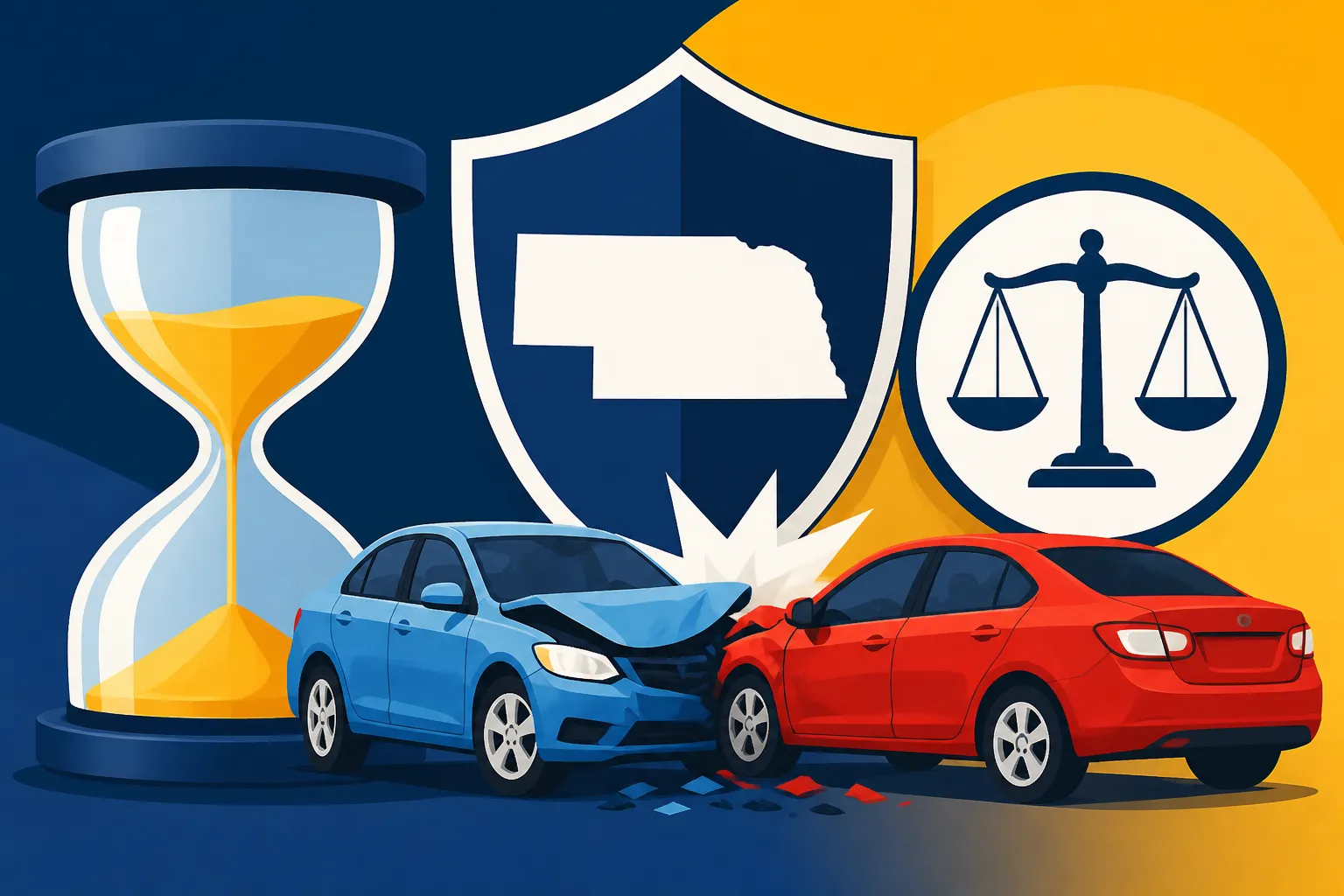
Think of a statute of limitations as an expiration date for filing a lawsuit. Every state has these laws, and they dictate the maximum amount of time you have to initiate legal proceedings after a particular event has occurred. In the context of a car accident, this means the timeframe within which you must file a personal injury lawsuit or a property damage lawsuit in the civil court system. If you fail to file your lawsuit before this deadline passes, the court will almost certainly refuse to hear your case, no matter how strong your evidence or how severe your injuries. It’s a harsh reality, but it’s how the legal system operates to ensure cases are brought forward in a timely manner while evidence is still fresh and witnesses’ memories are clear.
The General Rule in Nebraska for Personal Injury
For most car accident cases involving personal injuries in Nebraska, you typically have four years from the date of the accident to file a lawsuit in court. This four-year window applies whether you’re seeking compensation for medical bills, lost wages, pain and suffering, or other damages related to your physical injuries. For example, if you were involved in a collision on I-80 near Omaha on January 1, 2024, you would generally have until January 1, 2028, to file a lawsuit. It sounds like a long time, but navigating recovery, investigations, and negotiations can eat up that time faster than you’d expect. Remember, this deadline applies to filing a formal lawsuit, not just making an insurance claim, though insurance claims should certainly be initiated much sooner. For more details on the general concept, check out our guide on what is a no-fault state and which states are no-fault.
Property Damage Claims and Their Deadlines
It's common for people to think that the same deadline applies to everything after an accident. While that's often true in Nebraska, it's essential to understand that property damage claims are technically distinct from personal injury claims. In Nebraska, similar to personal injury, you have four years from the date of the accident to file a lawsuit for property damage. This covers the costs of repairing or replacing your vehicle, as well as any other personal property that was damaged in the crash, such as items in your car. So, if your beloved pickup truck was totaled in a crash on West O Street in Lincoln, you’d generally have the same four-year period to pursue a lawsuit for its value as you would for your own physical injuries. It's often beneficial to resolve property damage quickly so you can get back on the road, but the legal window for a lawsuit remains open for this period.
Important Exceptions and Nuances to Nebraska's Timeline
While the four-year rule is a good general guideline, the legal world is rarely simple. There are several situations where Nebraska’s statute of limitations can be different, either shorter or extended. Missing these nuances can be just as detrimental as missing the primary deadline, making it incredibly important to understand if any apply to your unique situation.
Minor Victims and the Discovery Rule
Not everyone involved in an accident is an adult with full legal capacity. What happens if a child is injured? In Nebraska, if the person injured in the car accident is a minor (under the age of 19), the four-year statute of limitations generally does not begin to run until they turn 19. This means a child injured at age 10 would have until their 23rd birthday (19 + 4 years) to file a lawsuit for their personal injuries. This extension recognizes that minors cannot legally pursue claims on their own behalf.
Another important exception is the "discovery rule." Sometimes, injuries aren't immediately apparent. You might feel fine right after a low-speed rear-end collision, only to experience severe neck pain, like whiplash, weeks or even months later. The discovery rule can extend the statute of limitations in cases where the injury or its cause wasn’t, or couldn’t reasonably have been, discovered at the time of the accident. In such scenarios, the clock may not start ticking until the date you discovered the injury or reasonably should have discovered it. This is particularly relevant for subtle injuries such as a herniated disc from a car accident or certain traumatic brain injuries. However, proving when an injury should have been discovered can be complex and often requires strong medical evidence.
Claims Against Government Entities
This is a big one that catches many people off guard. If your car accident involves a government entity in Nebraska – perhaps a city bus, a county-owned vehicle, or a poorly maintained state highway that contributed to the crash – the deadlines are significantly shorter and much stricter. Before you can even sue a government entity, you usually have to provide official notice of your claim to the specific government agency within a much shorter timeframe. For most tort claims against the State of Nebraska or its political subdivisions, you generally have one year from the date of the accident to file a written notice of claim. After submitting this notice, the lawsuit itself typically must be filed within two years after the claim accrues. Failing to provide this initial notice within the strict timeframe will almost certainly bar your ability to sue later, even if you are within the general personal injury statute of limitations. This is a common pitfall, and if you suspect a government entity might be involved, you absolutely need to act quickly and seek legal guidance.
Wrongful Death Claims
Tragically, some car accidents result in fatalities. When an accident leads to the death of an individual, the surviving family members or estate may have the right to file a wrongful death claim. This type of claim seeks compensation for losses suffered due to the death, such as funeral expenses, medical bills incurred before death, loss of financial support, and loss of companionship. In Nebraska, the statute of limitations for filing a wrongful death lawsuit is two years from the date of the victim’s death. This is a shorter deadline than the standard personal injury claim, and it's crucial for affected families to be aware of this specific timeframe during what is undoubtedly an incredibly difficult period. Understanding how much is a car accident settlement worth can be particularly complex in these tragic circumstances.
Why Adhering to the Statute of Limitations is Critical
It cannot be overstated: the statute of limitations is not a suggestion, a guideline, or a recommendation. It is a legal barrier. Ignoring it can lead to the outright dismissal of your case, regardless of its merits. This is why it’s often one of the first things a car accident lawyer will assess when you seek their help.
The Dire Consequences of Missing the Deadline
Imagine you've been in a severe car accident, sustained serious injuries requiring extensive medical treatment, and lost months of work. You’ve diligently collected medical records, police reports, and witness statements. You know the other driver was clearly at fault. However, if you let the four-year (or two-year, or one-year for government claims) deadline pass without filing a lawsuit, all that effort and all those legitimate damages could amount to nothing. The court will simply dismiss your case, and you will lose your legal right to pursue compensation from the at-fault party and their insurance company. It’s a permanent forfeiture of your claim, leaving you to bear the financial burden of your accident alone.
How Insurance Companies May Leverage Deadlines
Insurance companies are not in the business of readily handing out large settlements. They are for-profit entities that aim to minimize their payouts. A common tactic, whether intentional or not, is to drag out negotiations. They might request more documents, delay responses, or make lowball offers that you might feel pressured to accept. If you’re not careful, these delays can push you dangerously close to, or even past, the statute of limitations. Once that deadline passes, the insurance company has little to no incentive to negotiate further, as you can no longer sue them or their insured. They know you've lost your leverage. This is one of the many reasons why it's so important to understand how car accident insurance claims work and to not let the process linger indefinitely without legal counsel.
Preserving Evidence and Witness Testimony
While the statute of limitations dictates the deadline for filing a lawsuit, acting quickly after an accident is crucial for building a strong case, even within that timeframe. The longer you wait, the harder it becomes to gather compelling evidence. Accident scenes get cleaned up, skid marks fade, surveillance footage is overwritten, and vehicle damage is repaired. More importantly, witnesses' memories fade, and they may become difficult to locate over time. Timely action ensures that a thorough investigation can be conducted, evidence can be properly documented and preserved, and witness statements can be taken while the events are still fresh in their minds. This proactive approach strengthens your position immensely, whether you end up negotiating a settlement or taking your case to court. For instance, the importance of police reports and car accident fault cannot be overstated in these initial stages.
Practical Steps to Take After a Nebraska Car Accident
Navigating the aftermath of a car accident in Nebraska can feel overwhelming, but taking immediate and decisive action can significantly protect your health and your legal rights. Knowing what steps to prioritize can make all the difference, especially when you have strict deadlines looming.
Seek Medical Attention Immediately
Your health is the absolute priority. Even if you feel fine right after the collision, adrenaline can mask pain, and some serious injuries, like concussions or whiplash, have delayed symptoms. Get checked out by a medical professional as soon as possible. This isn't just about your well-being; it's also vital for your potential legal claim. Medical records create an undeniable link between the accident and your injuries, establishing a clear timeline and documenting the extent of your harm. Without this official documentation, it can be incredibly difficult to prove that your injuries were a direct result of the car accident, especially if you wait weeks or months to see a doctor. Remember, it's often asked, why you should see a doctor after a car accident, and the answer encompasses both your health and your claim's validity.
Document Everything at the Scene
If you are physically able to do so safely, documenting the accident scene immediately can be invaluable. Take photos and videos of everything: vehicle damage from multiple angles, the position of the cars, road conditions, traffic signs, skid marks, and any visible injuries. Exchange information with the other driver(s), including names, contact details, insurance information, and license plate numbers. Speak to any witnesses and get their contact information. If the police respond, make sure a police report is filed, as this document often provides crucial details about the accident, including who the officers believe was at fault in a car accident. The more information you gather at the scene, the better positioned you’ll be to prove the other driver was at fault and support your claim later on. This thoroughness is a key component of what to do after a car accident.
Consult with a Nebraska Car Accident Lawyer
Given the complexities of personal injury law, the strict deadlines, and the tactics insurance companies employ, one of the most proactive steps you can take is to consult with an experienced Nebraska car accident lawyer. A lawyer can immediately assess your situation, explain the applicable statutes of limitations (including any exceptions), and guide you through the entire claims process. They can handle communication with insurance adjusters, gather evidence, negotiate a fair settlement, and, if necessary, file a lawsuit on your behalf before the deadline.
Trying to manage all of this on your own, especially while recovering from injuries, is incredibly challenging. Many personal injury attorneys offer free consultations, so there’s no upfront cost to understand your options. Finding the right legal guidance can feel like searching for a needle in a haystack, but services like LegalMatch can help connect you with experienced Nebraska attorneys who understand the local laws and court systems. Engaging a lawyer early ensures that your rights are protected and that you don't inadvertently jeopardize your claim by missing a crucial deadline or making a statement that could harm your case. They can help you understand whether it's worth getting a lawyer for a car accident.
Here's a quick summary of Nebraska's key deadlines:
| Type of Claim | Statute of Limitations (General) | Notes/Exceptions |
|---|---|---|
| Personal Injury (Bodily Harm) | 4 years from date of accident | – Minors: Clock starts when victim turns 19. – Discovery Rule: Clock may start when injury/cause was discovered or should have been discovered. |
| Property Damage (Vehicle, etc.) | 4 years from date of accident | Standard for vehicle repairs, replacement, or other damaged personal items. |
| Wrongful Death | 2 years from date of death | Applies to claims filed by surviving family/estate after a fatality. |
| Claims Against Government Entities | 1 year for notice, 2 years for lawsuit | Requires formal written notice to the government agency within 1 year; actual lawsuit must be filed within 2 years. This is a critical and often shorter deadline. |
Disclaimer
Please remember that this article provides general information and should not be considered legal advice. The specifics of your car accident case are unique, and laws can change. It is crucial to consult with a qualified attorney in Nebraska to discuss your individual situation and ensure you meet all applicable deadlines and requirements.