Do You Have to Call the Police After a Minor Accident?
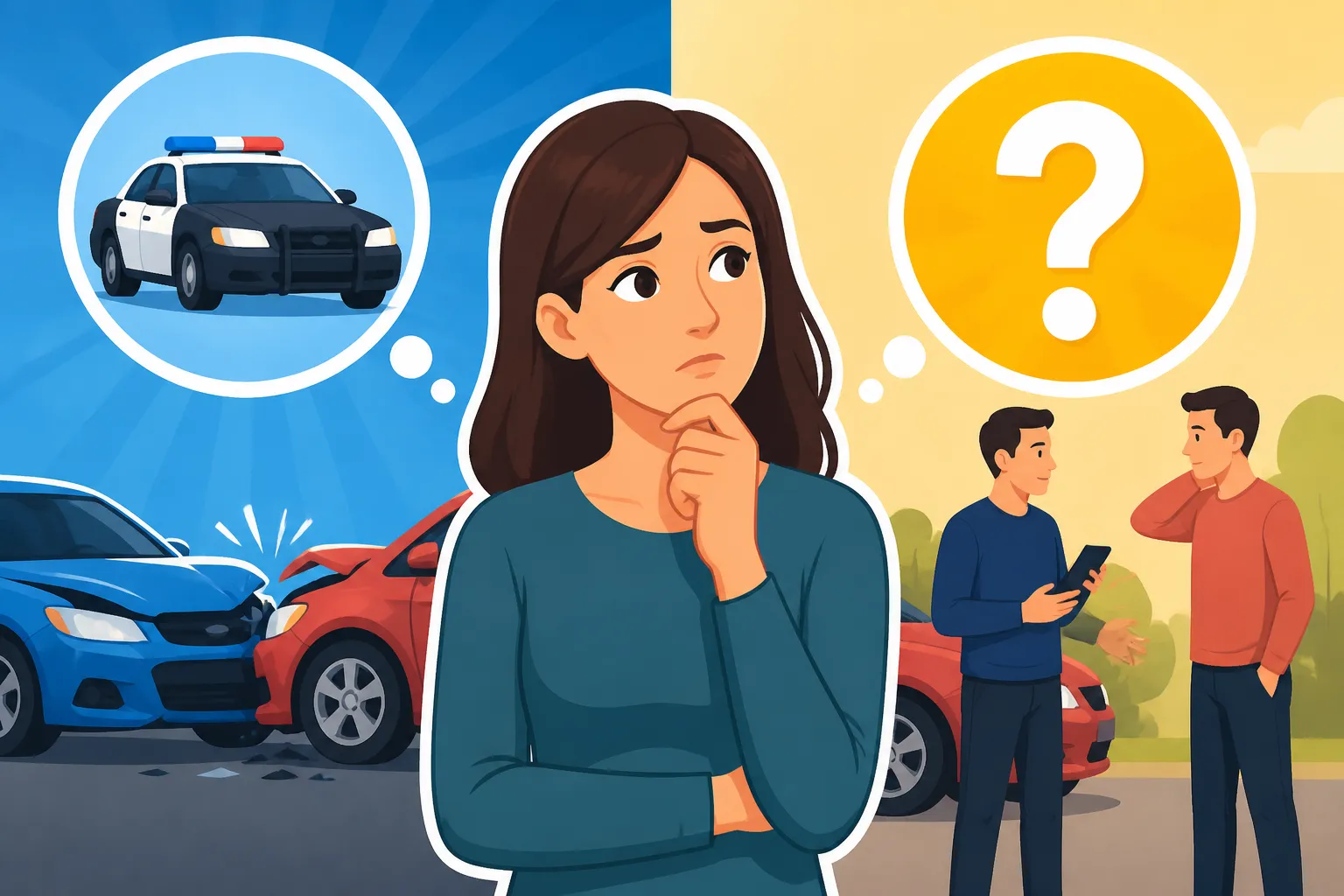
It’s happened to almost all of us: that heart-stopping moment when another vehicle clips yours, or you back into a pole, and the damage seems… well, minor. You might think, "Do I really need to call the police for this fender bender?" The instinct to just exchange information and move on is strong, especially when you’re stressed and just want to get back to your day. But navigating the aftermath of even a seemingly small car accident can be surprisingly complex, and what seems minor now could become a major headache later. This comprehensive guide will walk you through when and why calling the police, or at least understanding the reporting requirements, is crucial, even for those "oops" moments that don't look like a total disaster.
What Truly Defines a "Minor" Car Accident?
When you're standing by the side of the road, heart pounding, looking at a scuff mark on your bumper, it's easy to dismiss it as "minor." But what one person considers minor, another (or more importantly, an insurance company or the law) might not. This subjective view can lead to big problems down the line. It's not just about the visible damage; it's about potential injuries and legal obligations too.
Understanding Property Damage Thresholds
Every state has specific legal thresholds that determine when an accident must be reported to the police or state authorities, even if no one is injured. These thresholds are usually tied to the estimated cost of property damage. For instance, in states like California, an accident resulting in injury or death, or property damage exceeding $1,000, legally requires reporting to the DMV within 10 days. In other states, like Texas, the threshold for reporting to the police directly is often lower, sometimes around $1,000 or even $500 in combined damages, and always if there's injury or death.
The kicker here is that what looks like a small scratch might conceal hundreds or thousands of dollars in underlying damage. A simple dent in a bumper can hide issues with sensors, internal bracing, or even frame alignment that are far more expensive to fix than surface-level aesthetics suggest. Relying on a quick visual assessment in the immediate aftermath is rarely accurate and can lead to you unknowingly violating reporting laws. Imagine a scenario where you think it's a $200 repair, but the body shop quotes $1,500 because a sensor array in the bumper was damaged. Without a police report, you could be on the hook or facing issues with your insurance claim.
Recognizing Potential for Undiscovered Injuries
This is perhaps the most critical point when considering whether to involve law enforcement. Even in very low-speed collisions, occupants can sustain injuries that don't manifest until hours or even days later. Whiplash is the classic example; you might feel fine at the scene, adrenaline masking the pain, only to wake up the next morning with severe neck stiffness and headaches. Similarly, soft tissue injuries, concussions, or even internal bruising can be delayed.
If you decide not to call the police and later discover you have a significant injury, pursuing a claim becomes much harder. An official police report documents the time, date, location, parties involved, and initial observations, lending credibility to your claim. Without this report, it's your word against the other driver's. Imagine telling your insurance company you have a new neck injury from an accident a week ago that you didn't report to the police. They might reasonably question the connection between the accident and your injury, making it tougher to get compensation for your medical bills and pain and suffering. This is why experts always advise seeing a doctor after a car accident, even if you feel okay.
Legal Requirements for Reporting Car Accidents
The question of whether to call the police isn't just about good practice; it's often a legal obligation. These requirements vary significantly from state to state, so understanding the laws where your accident occurred is paramount.
State-Specific Reporting Thresholds
Almost every state has specific criteria that mandate police involvement or at least a formal accident report filing. As mentioned, these criteria typically revolve around injury, death, or a certain dollar amount of property damage. For instance, in states that follow the Florida Statutes, if an accident involves injuries or fatalities, or if property damage appears to be over $500, law enforcement must be notified. California, on the other hand, specifies reporting to the DMV if there’s an injury or death, or if property damage to any one person exceeds $1,000. It's not always about calling 911 immediately for a minor dent, but rather ensuring the incident is recorded with the proper authorities.
Failing to meet these reporting requirements can lead to penalties, including fines, points on your driving record, or even license suspension, depending on the severity and specific state laws. More importantly, it can jeopardize any future insurance claim. If you don't report an accident that legally requires it, your insurance company might deny your claim, arguing that you didn't follow the proper procedure, especially if the other party disputes the facts later.
Situations Always Requiring a Police Report
While property damage thresholds can be a gray area, certain situations unequivocally demand police presence, regardless of how "minor" the damage appears. Ignoring these can have severe legal consequences.
First and foremost, if anyone involved in the accident is injured, or if there is a fatality, you must call the police. This isn't optional. Even if the injury seems minor, like a scraped knee, it triggers the reporting requirement. Second, if either driver appears to be under the influence of drugs or alcohol, you need to call the police immediately. Driving under the influence is a serious crime, and police involvement is necessary to ensure public safety and proper legal procedure. Third, if a driver flees the scene of the accident – known as a hit-and-run – you should always call the police. They will need to investigate and document the incident to try and identify the other driver. Finally, if you suspect any foul play, such as insurance fraud, or if there’s a dispute over fault and the other driver becomes uncooperative or aggressive, calling the police provides an impartial third party to mediate and document the scene. In these scenarios, even if your car only has a dent, the circumstances dictate police involvement.
The Clear Benefits of Calling the Police, Even for Minor Incidents
It might feel like an overreaction to call the police for a small scrape, especially when you're just wanting to get home. But resist that urge. There are significant, often overlooked, advantages to having an official police report on file, even for what seems like a trivial car accident. These benefits can save you a lot of grief and money down the road.
Creating an Official Record and Documentation
The most straightforward benefit of calling the police is the creation of an official police report. This document is an objective, third-party account of the accident, usually compiled by an officer trained in accident investigation. It typically includes:
- The date, time, and location of the accident.
- The names and contact information of all parties involved (drivers, passengers, witnesses).
- Insurance information for all vehicles.
- A diagram of the accident scene.
- The officer's observations about how the accident occurred.
- Any citations issued.
- Details about property damage and visible injuries.
This report serves as invaluable evidence for your insurance company and, if necessary, in a court of law. Without it, you're relying solely on notes, photos, and the other driver's potentially conflicting account. If you need to file a car accident insurance claim, the police report provides a foundational, neutral account of the incident, making the claims process smoother. It details critical information like who was present and their initial statements, which can be vital if someone tries to change their story later. For example, if you were involved in a minor fender bender in Sacramento and exchanged information, but the other driver later claims you sped off, a police report would prove otherwise.
Aiding in Fault Determination
One of the biggest headaches after an accident is determining who is at fault. While a police officer doesn't always have the final say in assigning legal fault (that's ultimately up to insurance companies or the courts), their report often includes crucial details that strongly suggest fault. The officer’s investigation might include witness statements, physical evidence like skid marks, vehicle positioning, and traffic violations. These observations can provide a clear picture of what happened.
For instance, if the other driver was issued a citation for running a red light, that's a powerful indicator of their fault. This information, documented in the police report, makes it much harder for their insurance company to deny responsibility or try to shift blame. Without this official documentation, proving who is at fault in a car accident can become a drawn-out battle between you and the other driver's insurance, potentially leading to a frustrating back-and-forth where each side tries to minimize their client's responsibility. Having a police report simplifies the process for your own insurance company when they are determining who is at fault.
Deterring Future Disputes
Unfortunately, some individuals are not entirely honest after an accident. What starts as an amicable exchange of information can quickly turn sour if the other driver later denies involvement or exaggerates their damages or injuries. A police report acts as a strong deterrent against such behavior.
Knowing that an official record exists, detailing the incident, makes it less likely that the other party will try to fabricate a story or deny responsibility. If they do, your insurance company can refer directly to the police report to dispute their claims. This is especially useful when dealing with common scenarios like a parking lot accident where people might feel less obligated to report. The report solidifies the facts, protecting you from frivolous claims or accusations down the line. It ensures that critical details like what information to exchange after a car accident are officially recorded and verified.
The Significant Risks of Not Calling the Police
Deciding to bypass law enforcement for a "minor" accident might seem like the easy way out in the moment. You avoid the wait, the paperwork, and the potential hassle. However, this seemingly convenient choice can open a Pandora's box of problems that far outweigh any temporary benefits.
Undiscovered Injuries or Exaggerated Claims
As we touched upon earlier, injuries aren't always immediately apparent. Adrenaline can mask pain, and some conditions, like whiplash or concussions, have delayed symptoms. If you don't call the police, and then days later you realize you're in significant pain, it becomes much harder to link those injuries directly to the accident. The other driver or their insurance company could argue that your injuries stem from something else that happened after the incident. This is a common tactic by insurance companies to avoid payouts.
Even more concerning, if you don't have a police report, the other driver might later claim injuries or property damage far more severe than what you observed. Without an official record of the initial state of affairs, it’s your word against theirs. This leaves you vulnerable to exaggerated or even fraudulent claims that you have little formal documentation to dispute. This is why it's so important to understand common car accident injuries and their potential for delayed symptoms.
Disputes Over Fault and Non-Cooperation
When there’s no police report, determining fault becomes a much more subjective process, often devolving into a "he-said, she-said" argument. Each driver will naturally tell their side of the story to their respective insurance companies, potentially omitting details or twisting facts to shift blame. Without an independent third-party account from the police, insurance adjusters have to piece together what happened using limited and often biased information. This can lead to your insurance company assigning you a higher percentage of fault than you deserve, simply because there's insufficient evidence to prove otherwise.
Furthermore, some at-fault drivers might become uncooperative after the fact. They might refuse to provide their insurance information, ignore calls, or even deny the accident ever happened. Without a police report, you might struggle to even locate them or their insurance details. This is especially true if you are hit by an uninsured driver, as a police report is often crucial for filing an uninsured motorist claim with your own policy. This frustrating situation can leave you stuck paying for damages out of your own pocket or fighting a prolonged battle with your insurer.
Insurance Company Complications and Denials
Your insurance company prefers, and often requires, a police report for most claims, even minor ones. While you should call your insurance if it wasn't your fault, a police report bolsters your claim significantly. Without it, your claim might be delayed, more heavily scrutinized, or even denied. Insurance companies rely on these official documents to verify the incident, assess fault, and process payouts. They want objective evidence, not just anecdotal accounts.
If you don't report the accident to the police, and it later turns out to be more severe than initially thought (e.g., higher repair costs or delayed injuries), your insurer might view your lack of reporting as a failure to mitigate potential damages or follow proper procedure. This could impact your ability to get a fair settlement or even lead to increased premiums because the claim becomes harder to resolve. Remember, insurance companies determine who is at fault based on available evidence, and a police report is often the strongest piece of that puzzle.
Steps to Take if You Decide Not to Call the Police
While it's generally advisable to call the police for any accident involving damage or potential injury, there might be rare instances where you and the other driver genuinely agree it's a minimal incident with no injuries and negligible damage. If, and only if, you find yourself in such a truly rare and clear-cut "minor" situation and decide not to call law enforcement, you must take meticulous steps to protect yourself.
Exchange Information Thoroughly
Do not simply scribble down a name and phone number. Be comprehensive. You need:
- Full Name and Contact Information: Get the other driver's full legal name, phone number, and email address.
- Driver's License Information: Photograph or write down their driver's license number and the state it was issued in. Verify it matches their appearance and vehicle registration.
- Vehicle Information: Get the make, model, year, color, and license plate number of their vehicle. Note any distinguishing features or existing damage.
- Insurance Information: Get the name of their insurance company and their policy number. If they don't have their card, ask them to call their agent on the spot.
- Witness Information: If anyone saw the accident, get their names and contact information. They could be crucial if a dispute arises.
It’s also wise to note the exact location of the accident, including street names, cross streets, and any nearby landmarks. The more detail, the better.
Document the Scene Extensively
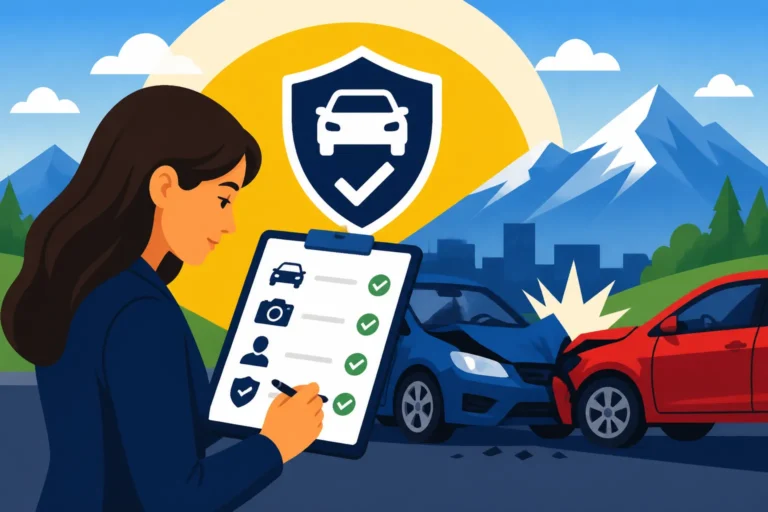
Your smartphone is your best friend here. Treat it like a crime scene investigator would. Take photographs and videos from multiple angles:
- Overall Scene: Capture wide shots showing the positions of both vehicles, road markings, traffic signs, and any relevant surroundings.
- Vehicle Damage: Take close-up photos of all damage to both vehicles. Get multiple angles and distances. Make sure to capture any pre-existing damage on either vehicle to prevent later claims of new damage.
- License Plates: Clear photos of both license plates.
- Driver's Licenses and Insurance Cards: Photograph these documents directly.
- Skid Marks or Debris: If present, photograph them to show the point of impact or vehicle movement.
- Injuries: If anyone does have visible injuries, document them, even if seemingly minor.
Beyond photos, write down a detailed account of what happened while it's fresh in your mind. Include weather conditions, road conditions, time of day, and a step-by-step narrative of the collision. This personal documentation, combined with thorough photos, can serve as a substitute for an official police report if you are later forced to file a claim. You can learn more about how to document a car accident scene to ensure you capture everything important.
Notify Your Insurance Company Promptly
Even if the accident seems incredibly minor and you haven't called the police, you should almost always notify your own insurance company. Many policies require you to report accidents within a specific timeframe, regardless of fault or severity. Failing to do so could be a breach of contract and might jeopardize your coverage if a claim arises later.
When you call your insurer, be factual and avoid admitting fault. Provide them with all the information and documentation you collected. They can advise you on the next steps, even if it's just to open a "notice only" file, which means they're aware of the incident but no claim has been formally initiated yet. This proactive step helps protect you should the other driver decide to pursue a claim against you or if delayed injuries emerge. Remember, should you call your insurance if it wasn't your fault? The answer is almost always yes.
How Insurance Companies View Police Reports
It's easy to forget that insurance companies are businesses, and their primary goal is to manage risk and payouts. When it comes to car accident claims, they lean heavily on reliable information to make their decisions. This is where a police report truly shines.
The Credibility Factor
A police report carries significant weight with insurance adjusters because it's considered an objective, third-party account. Unlike statements from the drivers involved, which can be colored by bias, stress, or a desire to avoid blame, a police officer’s observations are generally seen as impartial. The officer isn't invested in the outcome of an insurance claim; their job is to document the facts as they perceive them at the scene.
This credibility can be a game-changer when it comes to disputes. If the other driver gives a conflicting story to their insurance company, your adjuster can point to the details in the police report, including any citations issued or the officer's diagrams, to support your version of events. This reduces the "he-said, she-said" scenario and often speeds up the claims process. Without this independent verification, insurance companies might spend more time investigating, which can delay your settlement.
Evidence for Your Claim
For your insurance company to process your claim efficiently and fairly, they need strong evidence. A police report provides a structured compilation of many essential pieces of evidence:
- Identification: It confirms the identities of all parties and vehicles involved.
- Location and Time: It verifies exactly when and where the accident took place.
- Initial Observations: The officer's notes on visible damage, road conditions, and witness statements are vital.
- Citations: If the other driver received a traffic ticket, this is powerful evidence of their negligence.
This concrete evidence helps your insurance company build a strong case for why the other driver is at fault, or to defend you if you are wrongly accused. It streamlines the investigation process by providing them with a solid starting point. This ultimately helps them determine how insurance companies determine who is at fault and can lead to a quicker resolution of your claim. Without this robust evidence, your insurance company might have to conduct a more extensive investigation, potentially interviewing witnesses, reviewing traffic camera footage, and consulting accident reconstruction experts, all of which take time and resources.
Comparing Scenarios: With and Without a Police Report
To really highlight why a police report is often crucial, let's look at the differences between having one and not, especially when things don't go as smoothly as planned after a "minor" incident.
| Feature/Scenario | With Police Report | Without Police Report |
|---|---|---|
| Initial Documentation | Official, objective third-party record of the incident, including details, parties, and preliminary fault assessment. | Relies solely on personal notes, photos, and potentially subjective accounts from involved parties. |
| Fault Determination | Strong evidence for insurance companies to determine fault, especially if citations are issued. | Often leads to "he-said, she-said" disputes; harder for insurance to definitively assign fault. |
| Delayed Injuries | Provides a clear link between the accident and subsequent injuries, supporting medical claims. | Challenging to prove causation; other driver/insurer may argue injuries came from a separate incident. |
| Uncooperative Driver | Police record includes driver info; legal follow-up is easier if the other party becomes unresponsive. | Difficult to track down driver or obtain insurance info if they refuse to cooperate later. |
| Insurance Claim Process | Generally smoother, faster processing due to credible, comprehensive evidence. | Can be delayed, subject to deeper scrutiny, or even denied due to lack of objective evidence. |
| Legal Compliance | Fulfills state reporting requirements for accidents above certain thresholds (injury/damage). | May violate state laws if damage/injuries exceed reporting thresholds, leading to fines or other penalties. |
| Protection Against Fraud | Deters exaggerated claims by the other party; provides a baseline for actual damages/injuries. | Vulnerable to inflated claims; no official record to dispute false accusations. |
As you can see, the peace of mind and protection offered by a police report far outweigh the momentary inconvenience of waiting for an officer.
Final Thoughts and Best Practices
When you're involved in a car accident, even one that appears insignificant, it's a stressful event. The urge to minimize the disruption and get back to your routine is completely understandable. However, prioritizing convenience over due diligence can have lasting and expensive repercussions. The potential for hidden damages, delayed injuries, and uncooperative individuals makes the "minor accident" a common pitfall in the car accident claim process.
My strong advice, based on years of seeing how these situations unfold, is this: err on the side of caution. If there's any visible damage, any potential for injury (even a headache or stiffness), or any dispute with the other driver, call the police. It's a small inconvenience that can save you immense trouble and financial strain later.
Always remember to document everything you can at the scene, exchange information thoroughly, and promptly notify your insurance company. These are non-negotiables, whether the police are called or not. Don't let a "minor" accident turn into a major regret. Protecting yourself and your rights after a collision is paramount.
Disclaimer
This article provides general information and guidance regarding car accident claims and police reporting. It is not intended as legal advice. Laws regarding accident reporting and insurance claims vary by state. For specific advice concerning your situation, you should consult with a qualified legal professional or your insurance provider.