What Is Subrogation in a Car Accident Claim?
Navigating the aftermath of a car accident can feel like drowning in a sea of confusing insurance jargon and complex procedures. Many people find themselves utterly bewildered when their own insurance company starts talking about "subrogation," wondering what on earth it means for their claim, their deductible, and even their future premiums. This guide is here to demystify subrogation, breaking down exactly what it is, how it functions in a car accident claim, and what you need to know to protect yourself and your finances.
Understanding the Basics of Subrogation
The term "subrogation" might sound like something straight out of a legal textbook, and honestly, it pretty much is. But at its core, it's a very practical principle designed to ensure fairness in financial recovery after an incident like a car accident. It's all about making sure the right party ultimately pays for the damages they caused.
What Exactly Is Subrogation?
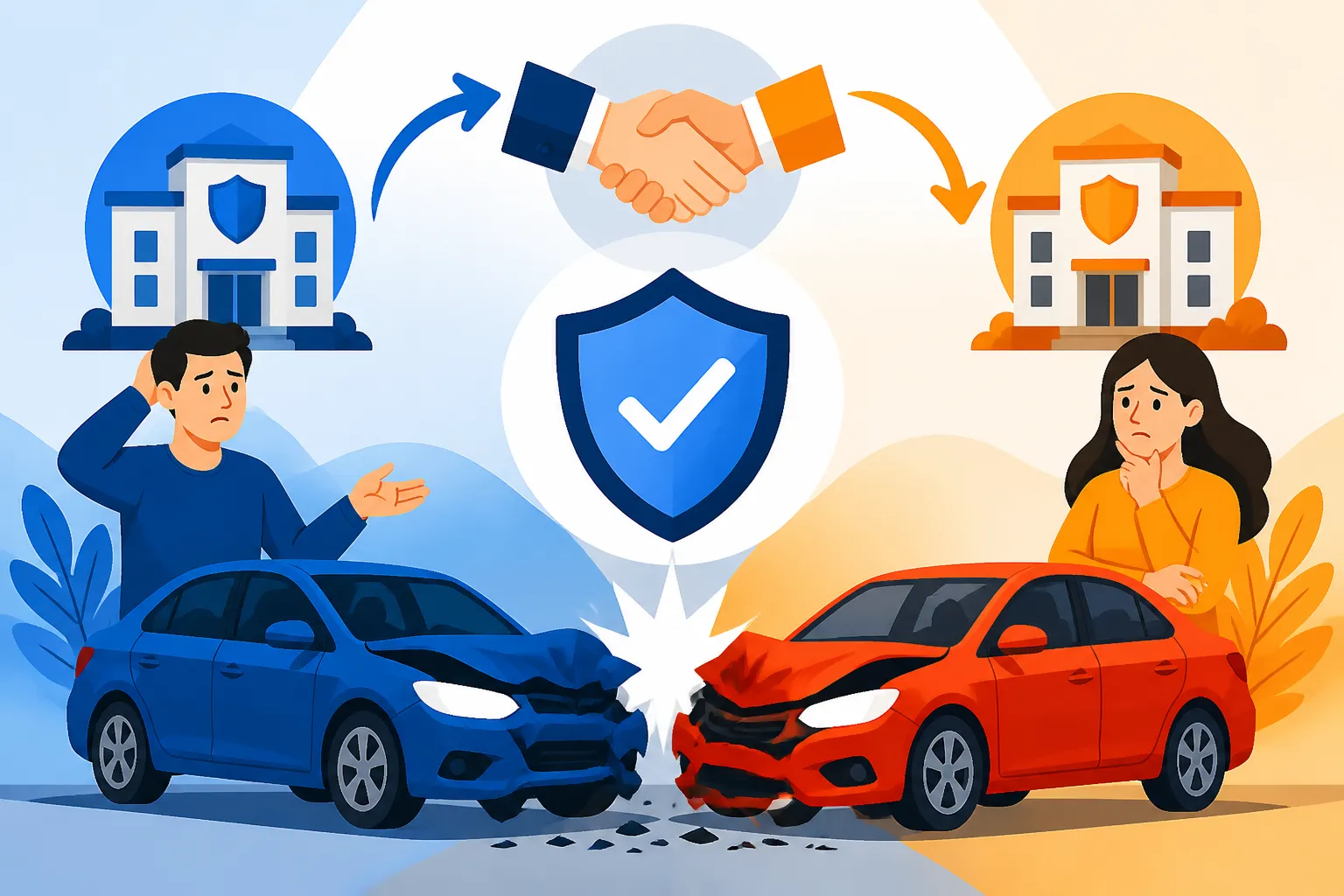
In the simplest terms, subrogation is your insurance company's legal right to step into your shoes and pursue the at-fault party for costs they paid out on your behalf. Think of it this way: you get into an accident, and the other driver is clearly at fault. Your car is damaged, and you might have some medical bills. To get you back on your feet quickly, your own insurance company (let's say it's GEICO or Progressive) pays for your car repairs and maybe even some of your immediate medical expenses, depending on your policy. But they didn't cause the accident, did they? The other driver did. So, subrogation allows your insurer to then go after the at-fault driver's insurance company to recover the money they paid to you.
It's a way to prevent you from being inconvenienced while also making sure the negligent party's insurer bears the financial responsibility, rather than your own. Without subrogation, insurance companies would have no way to recover these funds, which would ultimately lead to higher premiums for everyone. It's a fundamental aspect of how car accident insurance claims work.
The Parties Involved in a Subrogation Claim
When a subrogation claim kicks off, there are usually a few key players involved, each with a distinct role. Understanding these roles helps clarify the process and your position within it.
First, there's you, the insured, or the "subrogor" in legal terms. You're the one who suffered the loss (the accident, the damage, the injuries) and whose insurance company paid out first. You're the reason the whole process started!
Next, there's your insurance company, the "subrogee." This is the entity that paid for your damages and is now seeking to recover those funds from the party responsible for the accident. They are acting on your behalf, using your right to claim damages from the at-fault driver.
Then we have the at-fault driver. This is the person whose negligence caused the accident and, therefore, the damages. Their insurance company is the ultimate target of the subrogation claim.
Finally, there's the at-fault driver's insurance company. They are the ones who are legally obligated to cover the damages caused by their insured. They are the ones from whom your insurer will be seeking reimbursement. It's a delicate dance between these two insurance carriers, often handled by their respective claims departments. Sometimes, you might even have a third-party involved, like a collision repair shop or a medical provider, if they had a lien on your settlement.
How Subrogation Works in Car Accident Claims
The beauty, and sometimes the frustration, of subrogation is how it simplifies your initial recovery while shifting the burden of collecting payment to the insurance companies. It's designed to make your life a little easier when you're already stressed.
When Your Insurer Pays First
Imagine you're driving down I-5 near San Diego, and suddenly another car swerves into your lane, causing a collision. Your car is pretty banged up, and you're shaken but thankfully okay, save for some immediate neck pain. The other driver clearly made an unsafe lane change, and a police report confirms this, finding them at fault in a lane-change accident. In this stressful situation, you just want your car fixed and your medical bills taken care of, and you want it done now.
This is where your own insurance policy, specifically your collision coverage or potentially your medical payments (MedPay) or personal injury protection (PIP) coverage, comes into play. If you have these coverages, your insurance company will often pay for your repairs and initial medical expenses upfront. This allows you to get your vehicle to a body shop like Caliber Collision or get to a doctor without waiting for the at-fault driver's insurance to acknowledge fault and approve payment, which can sometimes take weeks or even months. Your focus can remain on getting better and getting your car repaired. However, this payment isn't a final absorb-the-cost situation for your insurer. This is merely the first step in the claims process, paving the way for subrogation. They pay, you recover, and then they recover their payout from the true party at fault. This is why it’s often advised that you call your insurance even if it wasn't your fault.
The Process of a Subrogation Claim
Once your insurance company has paid out on your behalf, the subrogation process officially begins. It's a fairly standardized procedure, although the timeline can vary.
First, your insurance company's subrogation department will open a case. They'll gather all the documentation related to your claim: the police report, accident photos, repair estimates, medical bills, witness statements, and any other evidence that helps prove the other driver was at fault. This is where the initial work of documenting a car accident scene really pays off. They essentially compile a compelling case demonstrating that the other driver's negligence caused your damages and that your insurer paid for those damages.
Next, your insurer will formally notify the at-fault driver's insurance company of their subrogation claim. They'll present their evidence and demand reimbursement for the funds they disbursed. At this point, the at-fault driver's insurer will conduct their own investigation to verify the facts, determine who is at fault in a car accident, and assess their insured's liability. Negotiations often take place between the two insurance companies. Sometimes it's a straightforward recovery, especially if fault is clear. Other times, if there's a dispute over fault or the amount of damages, it can become a longer process, occasionally even leading to arbitration between the insurers. Throughout this, you typically won't be heavily involved, which is one of the main benefits of subrogation from your perspective.
Why Subrogation Matters to You
While subrogation is primarily an interaction between insurance companies, it absolutely has a direct and significant impact on you, the policyholder. Understanding these implications can help you navigate your post-accident recovery with greater confidence.
Impact on Your Insurance Rates and Deductible
One of the biggest concerns for anyone involved in an accident, even if it wasn't their fault, is how it will affect their insurance rates. The good news is that if your insurance company successfully recovers their payout through subrogation, it generally means the claim will be treated as a "not-at-fault" incident on your record. In most cases, a successful subrogation claim should prevent your rates from increasing due to that specific accident. This is a crucial financial benefit for you.
Even more immediately, subrogation also plays a key role in getting your deductible back. When your own insurer pays for your repairs or medical bills under your policy, you typically have to pay your deductible first. For example, if your car repairs cost $5,000 and your deductible is $500, your insurer pays $4,500, and you pay $500 to the repair shop. When your insurer successfully subrogates and recovers the full $5,000 from the at-fault driver's insurer, they will often include your deductible in that recovery. Once recovered, your insurance company will reimburse you for your deductible. This process can sometimes take several weeks or even a few months, depending on the speed of the subrogation claim, but it means you won't be out of pocket for that initial expense.
Protecting Your Rights During Subrogation
While your insurance company handles the heavy lifting of subrogation, you still have rights and responsibilities that can impact the process. It's important not to hinder your insurer's efforts, as doing so could potentially jeopardize your ability to recover your deductible or even impact your claim.
First, cooperate fully with your insurance company. Provide them with any requested information, documentation, or statements. This helps them build the strongest possible case against the at-fault driver's insurer. Secondly, avoid negotiating directly with the at-fault driver or their insurance company about the property damage portion once your insurer has started the subrogation process. Doing so could complicate things and potentially lead to a situation where your insurer cannot fully recover their costs, which could then affect your deductible reimbursement. Remember, your insurer is essentially stepping into your shoes for that specific portion of the claim.
If you suffered injuries, the subrogation process typically applies only to the property damage and medical payments your insurer made. Your personal injury claim, including pain and suffering and lost wages, remains your responsibility to pursue, either directly with the at-fault driver's insurer or with the help of a legal professional. While your insurer is recovering their costs, you'll still be dealing with insurance adjusters after a car accident regarding your personal injury claim.
Subrogation in Different Scenarios
Subrogation isn't a one-size-fits-all concept. Its application and impact can look quite different depending on who was at fault in the accident. This is where understanding fault becomes incredibly important.
When You Are the At-Fault Driver
Let's flip the script. What if you are the one found responsible for the accident? Say you misjudged a turn in a parking lot and hit another parked car, or perhaps you were involved in a rear-end collision, where fault is often presumed against the rear driver. In such cases, your insurance company will pay for the damages to the other driver's vehicle and any injuries they sustained, up to your policy limits.
Here, subrogation still applies, but from the other side. The other driver's insurance company, after paying their insured's damages (say, for their vehicle repairs), will then subrogate against your insurance company to recover those costs. They are stepping into their insured's shoes to pursue you (or rather, your insurance) for the damages you caused. This means your insurance company will be the one receiving the subrogation demand and paying it out. This scenario is why having adequate liability coverage is so crucial. If your policy limits aren't high enough to cover all the damages, you could be personally responsible for the remaining balance, which is a stressful thought for any driver.
When You Are the Not-At-Fault Driver
This is the scenario we discussed earlier, where subrogation works in your favor. When another driver causes an accident, and your own insurance pays for your damages, your insurer has the right to subrogate against the at-fault driver's insurance.
For instance, if you're driving in Houston and are hit by a drunk driver, your insurer might cover your immediate vehicle repairs and medical care. Then, they will pursue the drunk driver's insurance (or the driver themselves, if uninsured) to recover those costs. This helps ensure that the negligent party's insurance ultimately bears the financial burden. The key benefit here is that you get your vehicle repaired and your medical needs addressed promptly, without having to wait for the often slower process of getting the at-fault driver's insurer to accept liability and issue payment. This is also how fault affects your insurance claim, as a successful subrogation means the accident won't count against your driving record as an at-fault incident. If you ever have questions about how to prove the other driver was at fault, gathering evidence at the scene is critical.
Here’s a simplified breakdown of how subrogation typically flows:
| Step | Not-At-Fault Driver's Perspective | At-Fault Driver's Perspective |
|---|---|---|
| 1. Accident Occurs | You are hit by another driver. | You hit another driver. |
| 2. Initial Payment | Your insurance company pays for your vehicle damage and/or medical bills (e.g., via collision, MedPay, or PIP coverage). | Your insurance company will likely receive a claim from the other driver for their damages. |
| 3. Deductible Applied | You pay your deductible to your insurer or repair shop. | No deductible for you at this stage for the other party's damages (your liability coverage pays). |
| 4. Subrogation Initiated | Your insurance company contacts the at-fault driver's insurance company to recover the funds paid out. | The other driver's insurance company contacts your insurance company for reimbursement (subrogation demand). |
| 5. Investigation & Negotiation | Your insurer handles this process. | Your insurer investigates and negotiates with the other insurer. |
| 6. Recovery/Reimbursement | If successful, your insurer recovers their payout AND your deductible from the at-fault driver's insurer. | Your insurer pays the subrogation demand to the other insurance company. |
| 7. Your Deductible Returned | Your insurance company reimburses you for your deductible. | Your insurance rates may increase due to being an at-fault driver. |
Common Misconceptions and Challenges
Despite its clear purpose, subrogation can still be a source of confusion and even frustration for individuals involved in car accidents. Addressing some common myths and understanding potential challenges can help manage expectations.
The Myth of "Double Dipping"
One frequent concern people have is whether accepting payment from their own insurance company, and then later getting a settlement from the at-fault driver's insurance, amounts to "double dipping." Let me assure you, this is absolutely a myth when subrogation is in play correctly. Subrogation is specifically designed to prevent double dipping.
Here’s why: when your insurance company pays you, they are doing so under the terms of your policy. By paying you, they acquire your rights to seek recovery from the at-fault party for those specific damages. If you were to then separately recover those same damages from the at-fault driver's insurance, it would indeed be double dipping, and your insurance company would have a claim against you for the money they paid. This is why it's vital to allow your insurer to handle the subrogation for the damages they've covered. If you settle directly with the at-fault driver's insurer for property damage after your own insurer has paid you, you could be admitting fault or complicating your insurer's ability to pursue their subrogation rights, potentially leading to issues with your deductible recovery. What is an admission of fault (and how to avoid it)? It's crucial not to sign anything that waives your right to claim damages from the other party or releases them from liability if your own insurer is still pursuing subrogation.
Dealing with Subrogation Demands
While you're usually on the receiving end of the benefits of subrogation when you're not at fault, there might be times when you encounter a subrogation demand directly. This is particularly relevant if you were the at-fault driver and perhaps didn't report the accident to your own insurance company, or if your coverage lapsed.
If you receive a subrogation demand directly from another insurance company, it means they are seeking reimbursement from you personally for damages their insured sustained. This can happen if you were uninsured or underinsured, or if there was a dispute over coverage. Your first step should always be to contact your own insurance company immediately, even if the accident happened some time ago. They are there to defend you and manage these demands under the terms of your liability policy. If you have no insurance, or your policy limits are exhausted, you might be personally liable. In such cases, seeking legal advice can be incredibly important, as negotiating with an insurance company on your own can be daunting. Remember, your insurer is generally best equipped to handle these demands, and ignoring them can lead to serious consequences, including lawsuits or judgments against you. What happens after you file a car accident claim? It often includes this kind of inter-insurance company communication.
Disclaimer
Please remember that this article provides general informational guidance and is not a substitute for professional legal advice. Car accident claims and insurance policies can be complex, and laws vary significantly by state. If you have been involved in a car accident, it is always recommended to consult with a qualified attorney or your insurance provider to discuss the specific details of your situation.