How to File a Car Accident Claim in Massachusetts
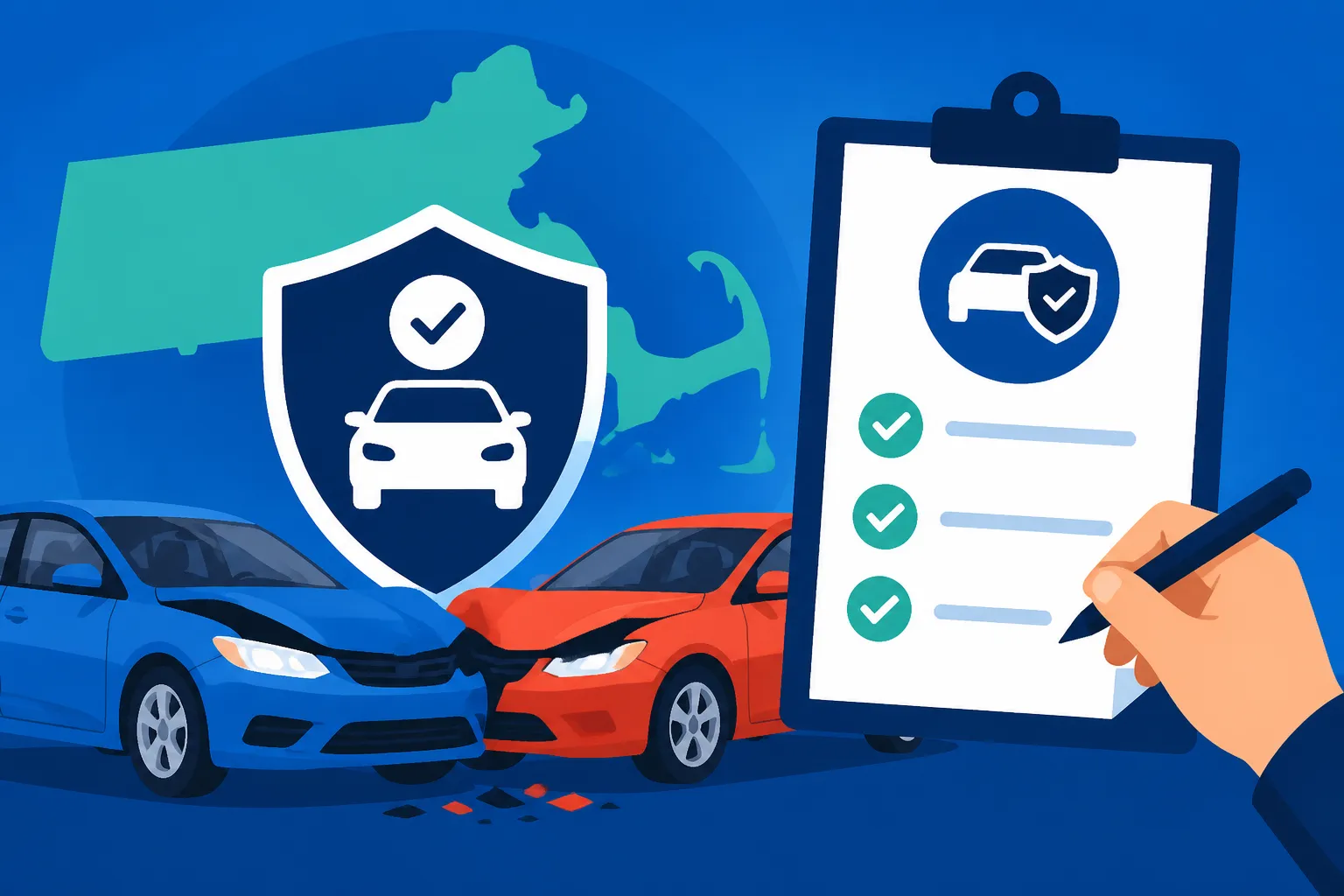
Getting into a car accident is one of those incredibly jarring, stressful experiences that can throw your whole life into disarray. It’s bad enough anywhere, but trying to navigate the aftermath in a state like Massachusetts, with its unique "no-fault" insurance laws, can feel like trying to solve a Rubik's Cube blindfolded. You're hurt, your car might be damaged, and you're left wondering: "What do I even do first? Who pays for what?" This guide is here to untangle that confusion, walking you through the precise steps to file a car accident claim in Massachusetts, ensuring you understand your rights and responsibilities every step of the way.
Understanding Massachusetts' No-Fault System
First things first, let's talk about what makes Massachusetts different: it’s a "no-fault" state when it comes to personal injuries. This isn't just a quirky local rule; it profoundly impacts how you recover medical expenses and lost wages after a crash. Many people find this system confusing, and honestly, it can be. It's not as simple as pointing fingers; it's about understanding how your own insurance kicks in first. If you want a deeper dive, check out our comprehensive guide on what a no-fault state really means.
What "No-Fault" Really Means for Your Claim
In Massachusetts, the core idea behind the no-fault system is to streamline the process for minor injuries, ensuring that medical bills and lost wages are paid quickly, regardless of who caused the accident. This is primarily handled through Personal Injury Protection, or PIP, coverage. Every registered vehicle in Massachusetts is required to carry PIP. If you're involved in an accident, your PIP coverage will typically cover up to $8,000 in medical expenses, lost wages (up to 75% of your gross wages), and replacement services (like hiring help for household tasks you can't perform).
This means that if you're injured in a car accident, you generally file a claim with your own insurance company first, even if the other driver was clearly at fault. This can be frustrating because it feels like you're taking responsibility for someone else's mistake, but it's how the system is designed to work for initial injury costs. This first-party claim process is usually much faster than trying to get compensation from the at-fault driver's insurance from the outset, especially for less severe injuries.
When Fault Still Matters
While PIP handles your initial injury costs regardless of fault, it's crucial to understand that the no-fault system doesn't mean fault is completely irrelevant. Oh no, it absolutely matters in several key scenarios.
Firstly, no-fault primarily applies to bodily injury claims. For property damage – the dents, scrapes, and total destruction of your vehicle – the at-fault driver's insurance is still on the hook. So, if someone rear-ends you on I-93, their insurance will pay to fix or replace your car. Secondly, if your medical expenses exceed the $8,000 PIP limit, or if you suffer what Massachusetts law defines as "serious injuries" (things like permanent disfigurement, fracture, loss of sight or hearing, or death), you can step outside the no-fault system. This is when you can pursue a "third-party" claim against the at-fault driver for additional damages, including pain and suffering, which PIP does not cover. Determining fault is critical in these situations, and this is often where the real battle begins with insurance companies.
Minimum Insurance Requirements in Massachusetts
To drive legally in Massachusetts, you must carry specific minimum liability insurance coverage. Understanding these minimums is important because it sets the baseline for what you and other drivers are covered for.
Here’s a quick breakdown of the Massachusetts minimums:
- Bodily Injury to Others (BI): $20,000 per person / $40,000 per accident. This covers injuries you cause to others.
- Personal Injury Protection (PIP): $8,000 per person per accident. As discussed, this covers your own medical expenses and lost wages.
- Bodily Injury Caused by an Uninsured Auto (UM): $20,000 per person / $40,000 per accident. This protects you if an uninsured driver injures you.
- Property Damage to Others (PD): $5,000 per accident. This covers damage you cause to another person's property.
Many drivers choose to purchase higher coverage limits than these minimums, and for good reason. An accident can quickly exceed these amounts, leaving you or the other parties financially vulnerable. If you're hit by a driver with only minimum coverage and your damages are extensive, you might find yourself in a tricky situation, which is why having adequate uninsured motorist coverage is so important.
Immediate Steps After a Car Accident in Massachusetts
The moments immediately following a car accident are often chaotic and frightening. It's easy to feel disoriented and unsure of what to do. However, taking the right steps at the scene can significantly impact your ability to file a successful claim later on. This isn't just about protecting your claim; it's about protecting yourself and others. For a general overview, our guide on what to do after a car accident is a great resource.
Prioritizing Safety and Calling for Help
Your first priority should always be safety. If possible and safe to do so, move your vehicle to the side of the road or out of active traffic lanes. Turn on your hazard lights. If anyone is injured, even if it seems minor, call 911 immediately. Don't try to be a hero and move someone who is seriously injured unless there's an immediate, life-threatening danger like a fire.
Even for seemingly minor fender-benders, calling the police is almost always a good idea, especially in a state like Massachusetts where insurance complexities can arise. The police report can be an invaluable, objective record of the accident details, which helps immensely when insurance companies start trying to determine fault. Many towns, especially within the Greater Boston area like Cambridge or Somerville, have specific police non-emergency lines if 911 seems too extreme for a minor incident, but a clear police record is always beneficial for your claim. The police report often serves as the official documentation of the incident, which can be crucial when dealing with your insurance provider. Does a police report determine who pays? Not always, but it certainly helps.
Gathering Critical Information at the Scene
Once the immediate safety concerns are addressed and emergency services are en route, start collecting information. This isn't a friendly chat; it's about documenting everything you can. Your memory can fade, and details can blur, so write things down or use your phone to take notes and photos.
Here's a checklist of what to gather:
- Other Driver's Information: Full name, address, phone number, driver's license number.
- Vehicle Information: Make, model, year, license plate number, and Vehicle Identification Number (VIN) if possible.
- Insurance Information: Company name and policy number for all involved vehicles.
- Witness Information: Names, phone numbers, and addresses of any witnesses. Their impartial account can be critical.
- Photos and Videos: Take pictures of the accident scene from multiple angles, showing vehicle positions, damage to all vehicles, road conditions, traffic signs, skid marks, and any visible injuries. A picture really is worth a thousand words when explaining what happened to an insurance adjuster.
- Police Information: Officer's name, badge number, and the police report number.
Remember, while exchanging information, try to remain calm and factual. Avoid admitting fault or discussing the extent of your injuries, even if you feel fine. Admitting fault, even casually, can complicate your claim significantly. You can learn more about avoiding an admission of fault if you're concerned about this.
Reporting the Accident to the RMV and Your Insurer
In Massachusetts, there's a specific requirement for reporting accidents. If the accident resulted in property damage exceeding $1,000, or any bodily injury (even minor), you must file a "Motor Vehicle Crash Operator Report" with the Registry of Motor Vehicles (RMV) within five days of the incident. This form, also known as Form RMV-101, is essential. Even if the police responded, you are still responsible for submitting this report. You can obtain this form from the RMV website or any police station.
Immediately after ensuring safety and gathering information, you should also notify your own insurance company. Even if the other driver was clearly at fault, it's generally a good idea to inform your insurer about the accident. They can guide you through the process and help with your PIP claim for injuries. You're not necessarily "filing a claim" against your policy for property damage at this point, but you're certainly letting them know an incident occurred. This is a common question, and our guide on whether you should call your insurance if it wasn't your fault has more details.
Filing Your Car Accident Claim in Massachusetts
Once you've handled the immediate aftermath, the real work of filing your claim begins. This is where Massachusetts' no-fault system truly comes into play, dictating whether you pursue a first-party claim (through your own insurance) or a third-party claim (against the other driver's insurance). This can feel like a maze, but breaking it down makes it manageable.
Initiating a First-Party Claim for PIP Benefits
For any injuries sustained in the accident, your first step will typically be to initiate a claim for Personal Injury Protection (PIP) benefits with your own insurance company. This is your first-party claim. As we discussed, PIP covers up to $8,000 for medical bills, lost wages, and replacement services, regardless of who caused the accident.
Here's how this usually unfolds:
- Contact Your Insurer: Notify your insurance company about the accident as soon as possible. They will open a claim and assign an adjuster.
- Complete PIP Application: Your insurer will send you a PIP application form (often called a "Part 2" application). You'll need to fill this out, providing details about your injuries, medical treatment, and any lost wages.
- Seek Medical Treatment: It's absolutely vital to seek medical attention promptly after an accident, even if you feel okay initially. Many common car accident injuries, like whiplash or concussions, have delayed symptoms. Timely medical documentation links your injuries directly to the accident, which is crucial for your claim. Your doctors and medical facilities will bill your PIP coverage directly, or you might pay and get reimbursed.
- Submit Medical Bills and Wage Loss Documentation: As you incur medical expenses, ensure your healthcare providers send the bills directly to your insurer, or keep meticulous records if you're paying upfront. For lost wages, you'll need documentation from your employer confirming your time off and your regular wages.
The goal here is to get your immediate medical and wage loss needs covered quickly, reducing financial stress while you recover. This often feels like a faster process than waiting for liability to be determined in a traditional fault system. Our guide on how to file a car accident insurance claim goes into more general detail about this process.
Pursuing a Third-Party Claim for Property Damage or Serious Injuries
While your PIP covers your initial injury costs, you'll likely need to file a third-party claim against the at-fault driver's insurance company for property damage to your vehicle, or if your injuries meet the "serious injury" threshold.
Here's how that process generally works:
- Notify the At-Fault Driver's Insurer: You'll contact the other driver's insurance company directly to report the accident and initiate a claim for your vehicle damage. They will assign a property damage adjuster.
- Vehicle Inspection: The adjuster will arrange for an inspection of your damaged vehicle to assess the cost of repairs or determine if it's a total loss. They might recommend using one of their preferred body shops, but you generally have the right to choose your own.
- Negotiating Property Damage: Based on the inspection, the insurance company will provide an offer for repairs or the actual cash value (ACV) if your car is totaled. You might need to negotiate this, especially if you feel the offer is too low or if you want to claim diminished value.
- Bodily Injury Claim (if applicable): If your injuries are severe enough to "break the $8,000 threshold" or meet one of Massachusetts' "serious injury" definitions, you can then pursue a bodily injury claim against the at-fault driver. This is where you can seek compensation for pain and suffering, future medical expenses, and any lost income beyond what PIP covered. This process is often much more complex and almost always involves dealing with adjusters who are looking out for their company's bottom line. Our article on dealing with insurance adjusters after a car accident offers some valuable strategies.
Dealing with Insurance Adjusters
Navigating conversations with insurance adjusters can feel like a high-stakes game. Remember, their primary role is to protect the insurance company's interests, which often means minimizing payouts. This doesn't make them inherently bad people, but it does mean you need to be prepared and cautious.
When speaking with adjusters from your own insurance company (for your PIP claim or your property damage if you choose to use your collision coverage), you can generally be more open, as they are contractually obligated to pay your covered benefits. However, when speaking with the other driver's insurance adjuster, be very careful.
Here are some tips:
- Be Polite but Firm: Maintain a respectful tone, but don't feel pressured to agree to anything you're uncomfortable with.
- Stick to the Facts: Only discuss what you know for certain. Avoid speculating about fault or the extent of your injuries.
- Don't Give a Recorded Statement: You are generally not required to give a recorded statement to the other driver's insurance company. Politely decline if they ask. This is a common tactic to try and get you to say something that could be used against your claim.
- Document Everything: Keep a detailed log of all communications, including dates, times, names of adjusters, and summaries of conversations. Follow up important discussions with an email confirming what was discussed.
- Don't Settle Too Early: Especially for injury claims, do not accept a quick settlement offer before you fully understand the extent of your injuries and medical treatment. It's impossible to know your full damages until you've reached maximum medical improvement (MMI).
Navigating Common Challenges and Legal Considerations
Even with Massachusetts' no-fault rules, car accident claims can quickly become complicated. You might face denials, lowball offers, or disputes over fault. Understanding some key legal considerations can empower you to protect your rights.
The Role of the Statute of Limitations
One of the most critical legal concepts in any car accident claim is the "statute of limitations." This is a strict deadline for filing a lawsuit in court. In Massachusetts, for most personal injury claims arising from a car accident, the statute of limitations is three years from the date of the accident. This means if you don't file a lawsuit within that three-year window, you generally lose your right to pursue compensation, no matter how strong your case.
This three-year clock applies to both bodily injury claims and property damage claims. While most claims settle out of court, you must keep this deadline in mind. It's easy to get caught up in treatment and negotiations, but missing this deadline can be devastating. Our article on the statute of limitations for car accidents by state offers a broader context, but remember the three-year rule for Massachusetts.
When to Consider Legal Counsel
The decision to hire a car accident lawyer can be daunting, but there are definitely situations where it's not just a good idea, but essential. While you can handle a simple property damage claim on your own, especially if fault is clear, personal injury claims can quickly become complex, particularly in a no-fault state like Massachusetts.
You should seriously consider legal counsel if:
- You've suffered serious injuries: If your medical bills are extensive, you have long-term injuries, or your injuries meet Massachusetts' serious injury threshold, an attorney can help you navigate stepping outside the no-fault system and pursuing a third-party claim for pain and suffering.
- Fault is disputed: If the other driver or their insurance company is trying to place blame on you, an attorney can gather evidence to prove the other driver was at fault. This is especially important for your property damage claim and any potential third-party injury claim.
- The insurance company denies your claim or makes a lowball offer: Insurers are notorious for trying to pay as little as possible. An experienced attorney knows how to negotiate with insurance companies and how much your claim is truly worth.
- You're dealing with multiple parties or complex situations: Accidents involving commercial vehicles, rideshares, or multiple vehicles can be very complicated.
- You've lost significant income: Calculating lost wages and future earning capacity can be intricate, and a lawyer can ensure you receive fair compensation.
Many car accident lawyers in Massachusetts offer free consultations, so there's no harm in discussing your case. Our comprehensive guide on whether you need a lawyer for a car accident offers more insights into this decision.
What If the Other Driver Is Uninsured or Underinsured?
It's a terrifying thought: you're involved in an accident, and the at-fault driver either doesn't have insurance or has such minimal coverage that it won't cover your damages. Unfortunately, this scenario is a real possibility, even in states with mandatory insurance laws.
In Massachusetts, this is where your Uninsured Motorist (UM) and Underinsured Motorist (UIM) coverage comes into play. These coverages, which are mandatory to carry at minimum levels in Massachusetts (UM at $20,000/$40,000), protect you in these exact situations.
- Uninsured Motorist (UM) Coverage: If the at-fault driver has no insurance at all, your UM coverage will step in to cover your bodily injuries and, in some cases, property damage (if you carry Uninsured Motorist Property Damage coverage) up to your policy limits.
- Underinsured Motorist (UIM) Coverage: If the at-fault driver has insurance, but their limits are lower than your damages, your UIM coverage can cover the difference up to your policy limits. For example, if the at-fault driver has Massachusetts' minimum $20,000 BI coverage, but your bodily injury damages are $50,000, your UIM coverage could pay the remaining $30,000 (assuming you have sufficient UIM limits).
This is why reviewing your own insurance policy and considering higher UM/UIM limits is so important. It's protection against the irresponsibility of others. If you find yourself in this situation, it’s highly advisable to consult with an attorney, as these claims can be complex. You can read more about what to do if the other driver has no insurance.
Key Deadlines and Contacts for Massachusetts Car Accident Claims
Understanding the critical timeframes and where to go for information is vital when filing a claim in Massachusetts. This table provides a quick reference for some of the most important details.
| Action / Entity | Key Detail | Deadline / Contact Information |
|---|---|---|
| RMV Crash Operator Report | Required if damage > $1,000 or any bodily injury. | 5 days from the date of the accident. Form RMV-101. Submit to RMV and relevant police departments. |
| Notifying Your Insurer | Timely notification of the accident is usually required by your policy. | As soon as reasonably possible after the accident. Check your specific policy for reporting requirements. |
| Filing PIP Claim | Initiating your Personal Injury Protection claim for medical expenses and lost wages. | As soon as reasonably possible after seeking medical treatment. While specific deadlines vary, delays can complicate recovery. |
| Statute of Limitations | Legal deadline for filing a personal injury or property damage lawsuit in Massachusetts courts. | 3 years from the date of the accident. |
| Massachusetts RMV | Provides crash report forms, driving records, and general motor vehicle information. | Online at Mass.gov/RMV. Various locations throughout the state (e.g., Haymarket, Watertown, Lowell, Worcester, Springfield). |
| Massachusetts Division of Insurance | Regulatory body for insurance companies; can assist with consumer complaints against insurers. | Online at Mass.gov/DOI. |
This information is designed to give you a clear roadmap, but always double-check with official sources or legal counsel, as laws and procedures can change.
Disclaimer
Please remember that this article provides general information and guidance regarding car accident claims in Massachusetts. It is not legal advice and should not be taken as such. Every accident case is unique, and the information presented here may not apply to your specific situation. Laws and regulations can change, so it is always recommended to consult with a qualified Massachusetts car accident attorney or your insurance provider for advice tailored to your circumstances.