Average Settlement for a Rideshare Accident
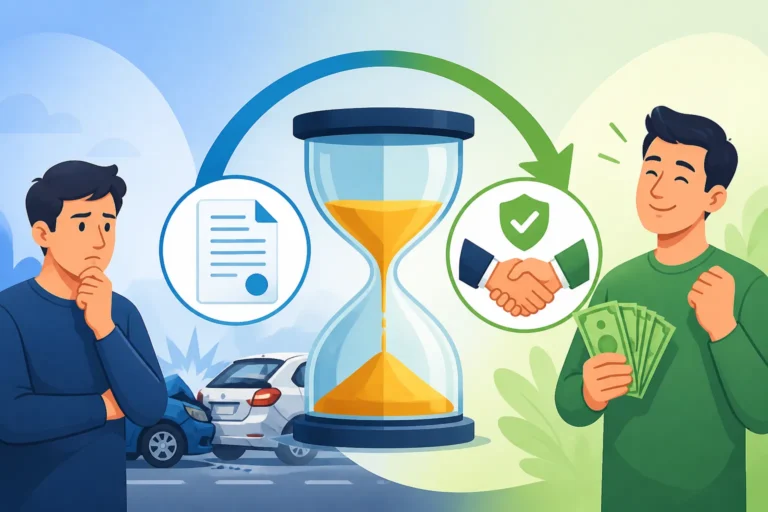
Getting into a car accident is jarring enough, but when you’re involved in a rideshare accident, the layers of complexity can feel absolutely overwhelming. One minute you're just trying to get from point A to point B, and the next you're dealing with injuries, property damage, and a dizzying array of insurance companies. This guide is here to cut through the confusion and help you understand what goes into the average settlement for a rideshare accident, so you can navigate this challenging situation with confidence.
Understanding Rideshare Accidents and Their Unique Challenges
Rideshare accidents aren't like your typical fender-bender between two private vehicles. They involve a third party – the rideshare company itself – and a unique set of insurance policies that can make the claims process feel like deciphering ancient hieroglyphs. It’s a whole different ballgame, and it's completely understandable if you feel lost trying to figure out who's responsible for what.
The Complex Web of Insurance Policies
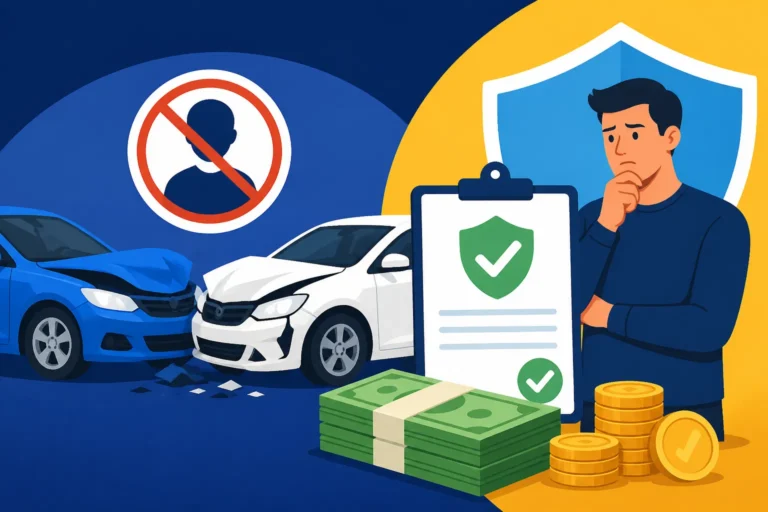
One of the biggest headaches in a rideshare accident is figuring out whose insurance applies and when. Unlike a private car where you typically deal with two personal auto policies, rideshare services like Uber and Lyft have their own multi-layered insurance structures. This means you might be looking at a few different policies depending on the driver's status at the time of the crash.
First, there's the rideshare driver's personal auto insurance. This policy is primarily for their own use, not for commercial activity. Many personal policies actually exclude coverage for commercial use, which can cause problems if the accident happened while the driver was working. Then, there are the rideshare company's policies, which act as a commercial umbrella. These typically have much higher limits than personal policies, often up to $1 million in liability coverage, but they only kick in under specific circumstances. For instance, if the driver was just logged into the app and waiting for a ride request (Period 1), the rideshare company's coverage might be limited, perhaps $50,000/$100,000/$25,000 for liability. However, once the driver has accepted a ride and is en route to pick up a passenger (Period 2), or is actively transporting a passenger (Period 3), that much larger $1 million policy typically activates. This distinction is crucial and can significantly impact the value of your claim and who you'll be dealing with. It's a prime example of why getting a clear picture of what happened and when is absolutely critical. Knowing the exact status of the driver is a huge piece of the puzzle in determining how insurance companies determine who is at fault.
Common Injuries in Rideshare Crashes
Just like any car accident, rideshare crashes can lead to a wide range of injuries, from minor bumps and bruises to severe, life-altering trauma. The type and severity of your injuries will play a massive role in the value of your settlement. Passengers often experience injuries like whiplash, concussions, broken bones, and soft tissue damage because they are often caught off guard and don't have the same bracing reflexes as a driver. Drivers, whether the rideshare driver or the driver of another vehicle, can also suffer similar injuries, sometimes exacerbated by airbag deployment or seatbelt forces.
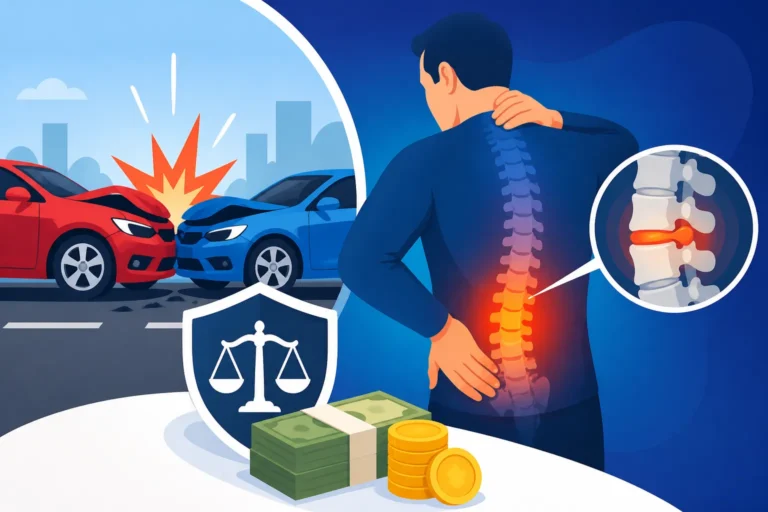
It’s paramount that you seek medical attention immediately after a rideshare accident, even if you feel fine. Some injuries, like certain types of traumatic brain injury (TBI) or spinal injuries, can have delayed injury symptoms after a car accident and might not manifest for hours or even days after the incident. Documenting these injuries through medical records is essential for any claim. The more severe and long-lasting your injuries, the more medical treatment, rehabilitation, and potentially future care you'll require, all of which contribute to your overall damages. For a more in-depth look at common injuries, you can check out our guide on Common Car Accident Injuries: Complete Guide (2027).
Factors Influencing a Rideshare Accident Settlement
When it comes to calculating a settlement for a rideshare accident, there's no simple formula. Every case is unique, and a multitude of factors come into play, each contributing to the overall value. It’s not just about what happened, but also about how that event has impacted your life – physically, financially, and emotionally.
Severity of Injuries and Medical Expenses
This is often the most significant component of any car accident settlement, and rideshare accidents are no exception. The more serious your injuries, the higher your medical bills will likely be, and consequently, the larger your settlement. We're talking about everything from emergency room visits, ambulance rides, and diagnostic tests (like X-rays and MRIs) to ongoing physical therapy, specialist consultations, prescription medications, and even potential future surgeries or long-term care needs.
Consider a passenger who suffered a minor concussion and whiplash, requiring a few weeks of chiropractic care and pain medication. Their medical expenses might be in the low thousands. Now, imagine a passenger who sustained a herniated disc requiring surgery, followed by months of physical therapy and ongoing pain management, potentially facing a lifetime of discomfort. Their medical expenses could easily soar into the tens or even hundreds of thousands. The total cost of these medical expenses, both past and projected future costs, forms the bedrock of your economic damages. Even if your injuries seem minor at first, make sure to get them checked out, because even seemingly small issues can sometimes escalate.
Lost Wages and Earning Capacity
Beyond the direct costs of medical treatment, a rideshare accident can directly impact your ability to earn a living. If your injuries prevent you from working, even temporarily, you are entitled to compensation for your lost wages. This includes your salary, hourly wages, commissions, bonuses, and any other income you would have earned during your recovery period.
For example, if you're a self-employed graphic designer and you break your dominant hand, preventing you from working for three months, the income you lost during that time is a clear loss. But it can get even more complex. If your injuries are so severe that they permanently affect your ability to perform your job, or force you to take a lower-paying role, you might be able to claim lost earning capacity. This refers to the difference between what you could have earned over your lifetime and what you will now earn due to the accident. This aspect of damages often requires expert testimony from economists and vocational specialists to calculate accurately. Our guide on How Lost Wages Are Calculated in a Settlement provides more detail on this often-overlooked factor.
Pain, Suffering, and Emotional Distress
Not all damages come with a medical bill or a pay stub. The physical pain and emotional distress you experience after a rideshare accident are very real and can significantly impact your quality of life. These are known as non-economic damages, and they are a critical part of a comprehensive settlement. Pain and suffering can include chronic physical pain, emotional trauma, anxiety, depression, loss of enjoyment of life, and even post-traumatic stress disorder (PTSD).
Imagine a scenario where a rideshare passenger develops a fear of getting into cars after a severe collision, affecting their ability to commute to work or visit family. Or a rideshare driver who, after experiencing a traumatic crash, struggles with insomnia and flashbacks. These aren't quantifiable with a simple receipt, but they are incredibly impactful. Insurance companies use various methods, like the "multiplier method" or "per diem method," to estimate the value of these damages. Generally, the more severe and long-lasting your physical pain and emotional distress, the higher the compensation for these non-economic damages. Understanding how pain and suffering: How It's Calculated can really shed light on this complex aspect of a claim. You can also learn more about the distinction between Economic vs Non-Economic Damages in Injury Claims for a clearer picture.
Property Damage
While often less complex than bodily injury claims, property damage is still an important part of a rideshare accident settlement. This covers the cost to repair or replace your vehicle if you were the driver of the other car, or even your personal belongings that were damaged inside the rideshare vehicle (like a laptop or an expensive camera).
If your car is totaled, the insurance company will typically offer you its Actual Cash Value (ACV). If it's repairable, they'll cover the cost of repairs. This usually includes towing fees, rental car expenses while your vehicle is being fixed, and any other direct costs associated with your damaged property. While it might seem straightforward, disagreeing with an insurance company's valuation of your vehicle is a common point of contention.
Navigating the Settlement Process for Rideshare Accidents
The period immediately following a rideshare accident can be chaotic and confusing, but your actions during this time are crucial for building a strong settlement claim. It's not just about patching yourself up; it's about systematically gathering evidence and protecting your rights from the get-go.
Initial Steps After a Rideshare Accident
First things first: your safety and well-being are paramount. If you've been in a rideshare accident, the absolute priority is to ensure you and anyone else involved are safe. Get out of the flow of traffic, if possible, and call 911 immediately to report the accident. Even if it seems minor, a police report can be incredibly valuable in establishing fault and documenting the scene. Exchange information with everyone involved – the rideshare driver, the driver of any other vehicle, and any witnesses. This includes names, contact details, insurance information, and vehicle license plate numbers. Don't forget to take plenty of photos and videos of the accident scene, vehicle damage, road conditions, and any visible injuries.
Crucially, avoid making any statements that admit fault or downplay your injuries. Even a polite "I'm so sorry" could be twisted against you later. Your main focus should be on documenting everything and seeking medical attention. Remember, some injuries might not be immediately apparent, so a prompt medical evaluation is always a wise move. For a detailed rundown of what to do, refer to our guide on What to Do After a Car Accident: Step-by-Step (2027).
Dealing with Rideshare and Personal Insurance Companies
This is where the unique challenges of a rideshare accident really come into play. You'll likely be interacting with at least two, if not three, different insurance companies: your own personal auto insurance (if you're a driver), the rideshare driver's personal insurance, and the rideshare company's commercial insurance. Each of these entities has its own interests, and they often try to minimize payouts or shift liability to another party.
The rideshare company's insurance, such as those provided by Uber or Lyft, is a commercial policy, which means they are very business-minded. They will investigate the accident thoroughly, looking at GPS data from the app to confirm the driver's status (i.e., whether they were waiting for a ride, en route to pick up, or actively transporting a passenger). This data is often key to determining which policy's higher limits apply. They might also try to get you to give a recorded statement. It's generally advisable to consult with a legal professional before providing any recorded statements, as these can easily be used against you later. Always remember that insurance adjusters are not on your side; their job is to protect their company's bottom line. Understanding how insurance companies determine who is at fault can give you an edge in these discussions. Also, consider if you should call your insurance if it wasn't your fault, as your own uninsured/underinsured motorist coverage might come into play if the at-fault driver's policy is insufficient.
When to Consider Legal Representation
Given the multiple insurance policies, complex liability issues, and potentially high stakes involved in a rideshare accident, hiring a car accident lawyer is often highly recommended. An experienced attorney who specializes in these types of cases can be an invaluable asset. They understand the nuances of rideshare company policies, know how to gather critical evidence (like rideshare app data), and can effectively negotiate with aggressive insurance adjusters on your behalf.
A lawyer can also help you accurately calculate the full extent of your damages, including future medical costs and lost earning capacity, ensuring you don't accept a lowball settlement offer that doesn't cover your long-term needs. They can manage all communication with the various insurance companies, allowing you to focus on your recovery. While it might seem like an added expense, many personal injury lawyers work on a contingency fee basis, meaning you don't pay anything unless they win your case. This makes legal representation accessible when you need it most. If you're wondering, "Do you need a lawyer for a car accident?", especially one involving a rideshare, the answer is often a resounding yes due to the added complexities. Our guide on When to Hire a Car Accident Lawyer offers more insights.
Average Settlement for a Rideshare Accident (and Why it Varies Wildly)
One of the most common questions people ask after a rideshare accident is, "What's the average settlement?" It's a natural question to want to know what to expect, but the reality is, there's no single, simple answer. The "average" settlement can swing wildly, making it a difficult figure to pin down.
Understanding "Average" in This Context
It’s tempting to look for a magic number, but the truth is, an "average" settlement for a rideshare accident is almost a myth because every single case has such unique circumstances. The range can be incredibly broad, from a few thousand dollars for very minor incidents with minimal injuries and property damage, all the way up to hundreds of thousands or even millions for catastrophic injuries leading to permanent disability or wrongful death.
What we can say is that because rideshare companies carry high-limit commercial liability policies (often $1 million per incident when a driver is en route or on a trip), the potential for a higher settlement is there compared to an accident involving only personal auto policies. However, accessing that full amount depends entirely on the specific facts of your case. Factors like the state where the accident occurred (some states have no-fault laws that change how claims work), the clarity of fault, the severity of your documented injuries, and the skill of your legal representation all play significant roles. Think of it less as a fixed average and more as a spectrum, where your unique situation places you somewhere along that line.
Here's a generalized look at how typical settlement ranges might align with injury severity in rideshare accidents, keeping in mind these are very broad estimates and not guarantees:
| Injury Severity | Typical Settlement Range (Estimated) | Key Factors Contributing to Value |
|---|---|---|
| Minor (e.g., Whiplash, Bruises) | $5,000 – $30,000 | Short-term medical care, lost wages for a few days/weeks, moderate pain and suffering. |
| Moderate (e.g., Broken Bone, Herniated Disc) | $30,000 – $150,000 | Extensive medical treatment, potential surgery, longer recovery period, significant lost wages, noticeable impact on daily life. |
| Severe (e.g., TBI, Spinal Cord Injury) | $150,000 – $1,000,000+ | Life-altering injuries, multiple surgeries, long-term rehabilitation, permanent disability, substantial future medical care, significant loss of earning capacity, severe pain and suffering. |
This table only scratches the surface, but it gives you a sense of the wide variance you can expect. Remember that a specific average settlement for a rideshare accident simply doesn't exist because of these highly individual factors. Our comprehensive guide on How Much Is My Car Accident Settlement Worth? delves deeper into all the variables.
Real-World Examples and Case Studies (Hypothetical)
Let's walk through a couple of hypothetical scenarios to illustrate why the "average" is so elusive.
Scenario 1: The Minor Fender-Bender
Sarah is a passenger in an Uber heading home from downtown San Diego. Another driver, distracted by their phone, clips the back of the Uber at a low speed, causing a minor rear-end collision. Sarah experiences some soreness in her neck and back the next day. She goes to urgent care, gets prescribed some muscle relaxers, and undergoes a few weeks of physical therapy. Her total medical bills come to about $3,000. She misses a week of work, losing $800 in wages. She's annoyed and a bit shaken, but ultimately makes a full recovery. In this case, her settlement might fall into the $8,000 – $15,000 range. The rideshare company's $1 million policy would be engaged, but due to the low damages, a relatively quick settlement would likely occur, covering her medical bills, lost wages, and a reasonable amount for pain and suffering.
Scenario 2: The Catastrophic Head-On Collision
Mark is a passenger in a Lyft on a highway in Atlanta when a drunk driver swerves into their lane, causing a head-on collision. Mark suffers multiple broken bones, a severe traumatic brain injury, and spinal cord damage. He undergoes several surgeries, spends months in the hospital and rehabilitation, and faces permanent cognitive and physical disabilities. He can no longer work in his high-paying engineering job and requires ongoing care for the rest of his life. His medical bills alone exceed $500,000, and his projected lost earning capacity over his lifetime is well over $1 million. The physical pain is immense, and the emotional toll on him and his family is immeasurable. In this tragic scenario, Mark's settlement would likely be in the multi-million dollar range, tapping significantly into the Lyft's high-limit insurance policy, in addition to any recovery from the drunk driver's personal insurance. The legal team would meticulously calculate future medical expenses, projected lost income, and a substantial amount for pain and suffering and loss of enjoyment of life. This case would likely involve extensive negotiation, potentially even a lawsuit, as detailed in How to Negotiate a Car Accident Settlement.
As you can see, the difference between these two scenarios is vast. Both are "rideshare accidents," but their outcomes and settlement values are worlds apart. It truly underscores that your settlement isn't pulled from some abstract average; it's a direct reflection of the unique damages and losses you've endured.
Disclaimer
Please remember that the information provided in this article is for general informational purposes only and does not constitute legal advice. Every car accident claim is unique, and the outcome depends on specific facts, applicable laws, and individual circumstances. You should consult with a qualified legal professional for advice regarding your particular situation.