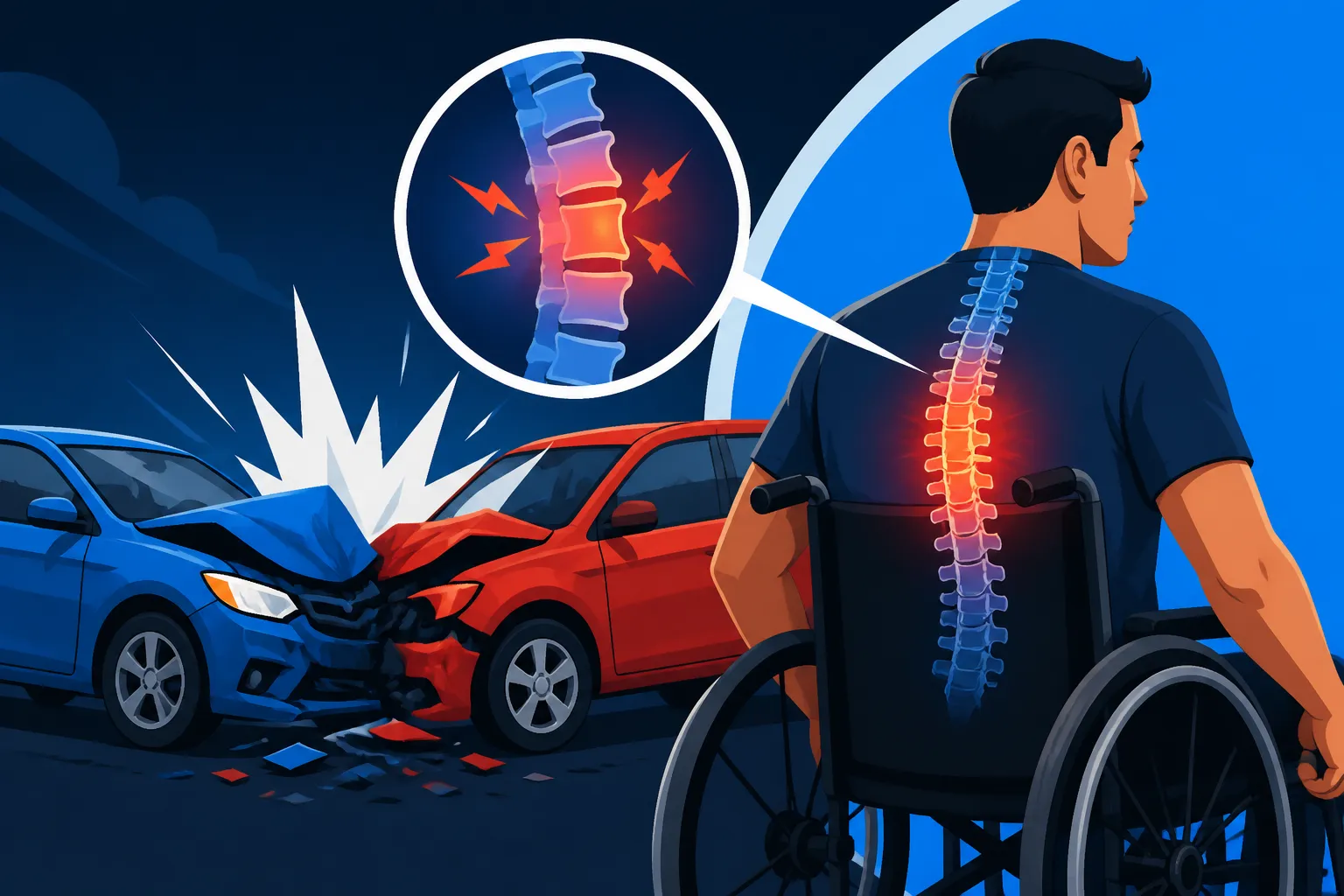
Spinal Cord Injury From a Car Accident
Being involved in a car accident is a terrifying experience, but discovering you or a loved one has sustained a spinal cord injury in the aftermath can plunge life into an entirely new, challenging reality. The road ahead, both medically and legally, often feels overwhelming and uncertain, leaving you wondering how you'll ever recover, physically, emotionally, and financially. This comprehensive guide is here to walk you through understanding spinal cord injuries resulting from car accidents, the various challenges they present, and how to navigate the complex claims process to secure the support you need.
Understanding Spinal Cord Injuries from Car Accidents
A spinal cord injury (SCI) is one of the most severe consequences that can arise from the sheer force and sudden impact of a car accident. Unlike a broken arm or a sprained ankle, an SCI often leads to permanent changes in strength, sensation, and other body functions below the site of the injury. It’s not just about mobility; it can affect everything from breathing to bowel and bladder control, making it a truly life-altering event. The spine, our body's central support structure, houses the delicate spinal cord, which is essentially the highway for messages between the brain and the rest of the body. When this highway is damaged, those messages can't get through.
What Exactly Is a Spinal Cord Injury
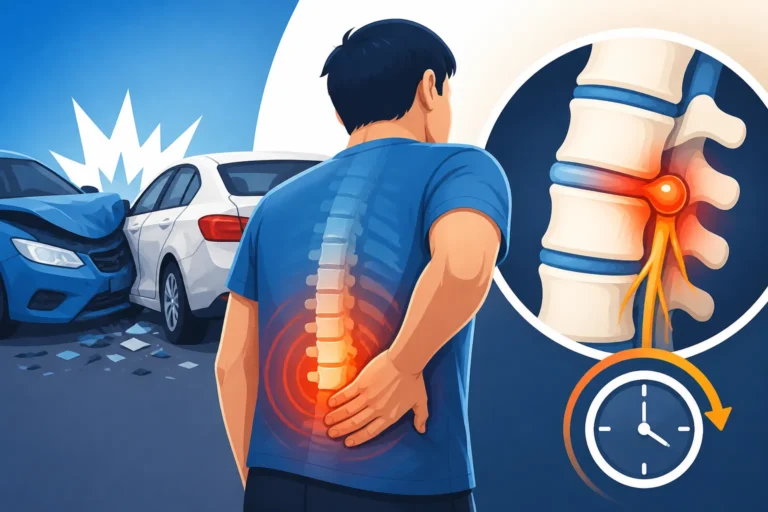
The spinal cord is a thick bundle of nerves that extends from the base of your brain down your back, protected by your vertebrae. When a car accident occurs, the sudden jolting, twisting, or direct impact can cause severe trauma to the spinal column. This can result in fractured vertebrae, herniated discs, or dislocations that compress, bruise, tear, or even sever the spinal cord itself. The severity of the injury depends on a multitude of factors, including the location of the injury along the spinal cord and the extent of the damage to the nerve fibers.
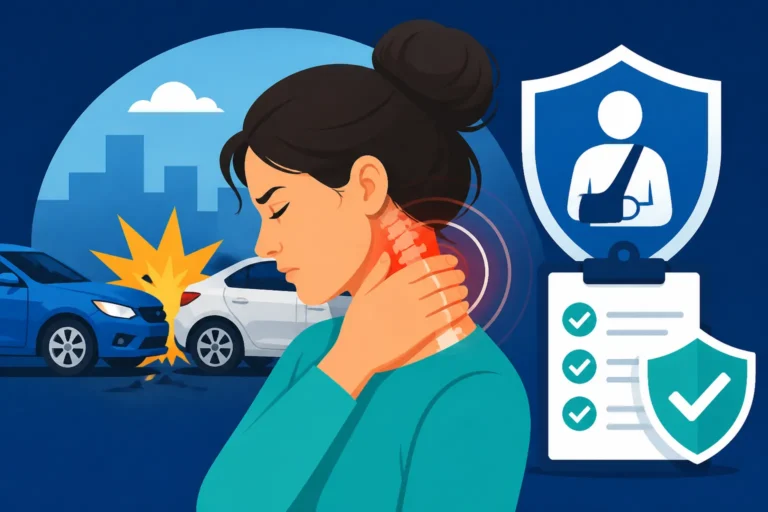
Imagine the chaos of a rear-end collision on a busy freeway, perhaps on the I-5 in California. Even if your car doesn't seem totaled, the whiplash effect can violently snap your head forward and back, putting immense strain on your cervical (neck) spine. Or consider a devastating T-bone accident at an intersection in downtown Chicago; the side impact could crush the vehicle's frame, directly impacting the thoracic (mid-back) or lumbar (lower back) spine. These kinds of forces are precisely what lead to these catastrophic injuries, often without immediate, obvious external signs beyond a bit of soreness.
Types and Severity of Spinal Cord Injuries
Spinal cord injuries are typically categorized into two main types: complete and incomplete. This distinction is crucial because it dictates the potential for recovery and the extent of long-term impairment. A doctor will usually determine the type of SCI based on a thorough neurological exam, checking for sensation and motor function below the injury level.
A complete spinal cord injury means that there is a total loss of motor function and sensation below the level of the injury. This indicates that the spinal cord has been fully damaged, interrupting all signals between the brain and the body below that point. For example, a complete injury in the neck might result in tetraplegia (also known as quadriplegia), affecting all four limbs and often requiring significant assistance with daily activities. If you think about the sudden, violent force of a head-on collision, such an injury could occur, leaving someone completely paralyzed from the neck down.
An incomplete spinal cord injury, on the other hand, means that there is some preservation of motor function or sensation below the level of the injury. In these cases, the spinal cord is not entirely severed, and some nerve signals can still get through. This could manifest in various ways: perhaps the individual can still feel a light touch on one leg, or they have some limited movement in a toe, even if they can't walk. These injuries are complex and often offer a greater, though still challenging, prognosis for rehabilitation and some degree of recovery. Perhaps a severe side-impact crash causes a vertebral fracture that only partially compresses the cord, leading to an incomplete injury. Understanding these differences is vital for both medical treatment and for assessing the long-term damages in a car accident settlement.
Immediate Symptoms and Long-Term Effects of SCIs
The immediate aftermath of a car accident can be chaotic and adrenaline-fueled, making it difficult to recognize the signs of a spinal cord injury right away. However, recognizing these symptoms promptly is critical for getting timely medical intervention, which can significantly impact the long-term prognosis. Beyond the initial shock, spinal cord injuries carry a host of long-term effects that drastically alter a person's quality of life, requiring extensive support and adaptation.
Recognizing Immediate Signs After a Crash
It's a common misconception that a spinal cord injury always means immediate, agonizing pain or complete paralysis right at the scene. While some severe injuries might present this way, many do not. Someone might feel numb, weak, or experience strange tingling sensations that they attribute to the shock or minor bruising. However, any impact that results in damage to the spine should be a red flag. If you or someone else experienced a strong jolt, direct impact to the back or head, or were thrown within the vehicle, an SCI is a real possibility.
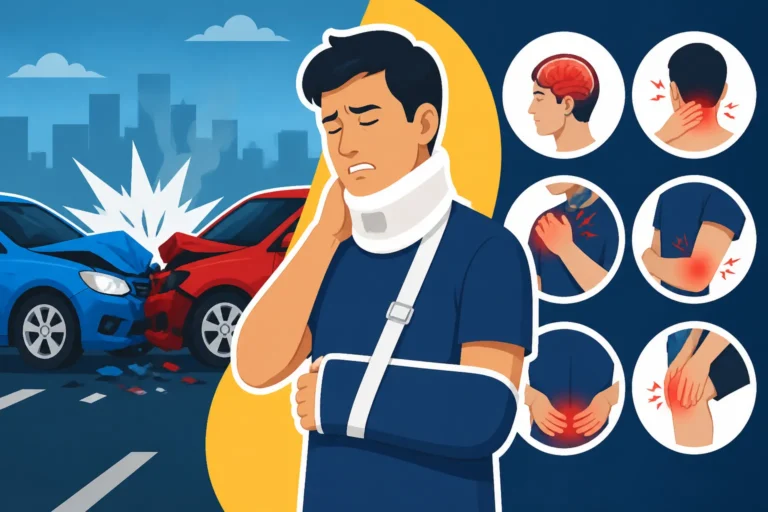
Look out for symptoms such as extreme back pain or pressure in your neck, head, or back. You might also notice weakness, incoordination, or paralysis in any part of your body. Sometimes, it's a loss of sensation, including the ability to feel heat, cold, or touch. Other tell-tale signs include difficulty with balance and walking, impaired breathing, or even the loss of bladder or bowel control. Swelling and visible bruising along the spine can also indicate a serious injury. If any of these symptoms appear, even subtly, it's absolutely crucial to seek emergency medical attention. Never try to move someone you suspect has a spinal cord injury; doing so could worsen the damage. This is why paramedics are trained to use rigid collars and backboards to stabilize patients at the scene of an accident. If you're able to, be sure to document the accident scene thoroughly, as this information can be crucial for your claim later.
The Profound Long-Term Impact on Life
The long-term effects of a spinal cord injury are extensive and deeply personal, touching every facet of an individual's existence. Beyond the obvious physical challenges like paraplegia or quadriplegia, many less visible but equally debilitating issues arise. Chronic pain is a nearly universal struggle, stemming from nerve damage or compensatory strain on other body parts. Imagine living with persistent, burning pain day in and day out, significantly impacting your ability to sleep, concentrate, and engage in social activities.
Furthermore, individuals often face significant changes in their ability to perform daily tasks, impacting independence and personal dignity. They might require assistance with dressing, bathing, and even eating. Secondary complications, such as pressure sores, urinary tract infections, respiratory problems, and spasticity (involuntary muscle spasms), are common and require ongoing medical management. The psychological toll is immense, often leading to depression, anxiety, and post-traumatic stress disorder (PTSD and Emotional Distress After a Car Accident) as individuals grapple with their changed reality and loss of previous abilities. The need for continuous care, adaptive equipment, and home modifications creates an enormous financial strain, reinforcing the importance of understanding how car accident settlements are calculated to cover these lifelong needs.
Medical Diagnosis and Treatment Paths for Spinal Cord Injuries
Receiving a spinal cord injury diagnosis is a devastating moment, but it's the first step on a long and complex journey toward treatment and rehabilitation. The initial days and weeks following the accident are crucial, as medical professionals work to stabilize the injury and prevent further damage. Understanding the diagnostic process and the various treatment paths available can help families prepare for the road ahead.
Diagnostic Procedures Following a Car Accident
When you arrive at the emergency room after a car accident, especially with suspected spinal trauma, medical personnel will move quickly and carefully. The first priority is to stabilize your head and neck with a cervical collar and backboard to prevent any movement that could worsen the injury. Doctors will perform a thorough neurological exam to assess your motor and sensory function, which helps them localize the injury and determine if it's complete or incomplete.
Imaging tests are the backbone of diagnosing an SCI. A CT scan (computed tomography) is often the first imaging done because it quickly shows bone fractures, dislocations, and fragments that might be compressing the spinal cord. Following this, an MRI (magnetic resonance imaging) is typically performed. MRI provides much more detailed images of the spinal cord itself, revealing damage to soft tissues like ligaments, discs, and the spinal cord nerves, as well as detecting bleeding or swelling. In some cases, X-rays might also be used, though they offer less detail than CT or MRI for soft tissue injuries. These diagnostic steps are critical not just for immediate treatment planning, but also for providing definitive medical evidence for your injury claim.
Treatment and Rehabilitation Strategies
Treatment for spinal cord injuries is multi-faceted, focusing on stabilization, preventing secondary complications, and maximizing recovery through intensive rehabilitation. In the acute phase, surgery may be necessary to stabilize the spine, remove bone fragments or herniated discs, and decompress the spinal cord. Medications are also used to manage pain, reduce inflammation, and sometimes to minimize further nerve damage.
The real work, however, often begins in rehabilitation. This is not a quick fix but a long-term commitment, often spanning months or even years. Rehabilitation involves a team of specialists: physical therapists, occupational therapists, speech therapists, psychologists, and rehabilitation nurses, all working together to help the individual regain as much function and independence as possible. Physical therapy focuses on strengthening muscles, improving mobility, and managing spasticity. Occupational therapy helps adapt daily tasks and recommends assistive devices, like wheelchairs or adaptive utensils, to enhance independence. Psychologists help individuals cope with the emotional and mental impact of their injury. Many individuals also benefit from hydrotherapy, electrical stimulation, and other advanced therapies. This comprehensive approach underscores why proving injuries in a car accident claim must include detailed records of all treatments, therapies, and associated costs.
The Financial Burden: Economic and Non-Economic Damages
The financial toll of a spinal cord injury following a car accident is staggering, extending far beyond initial medical bills. Victims and their families often face a lifetime of expenses, coupled with the immeasurable losses that can't be assigned a dollar value. Understanding the different categories of damages you can claim is essential for ensuring you receive comprehensive compensation. This is where the concepts of economic vs non-economic damages become critical.
Covering Medical Expenses and Lost Wages
When a spinal cord injury occurs, the immediate medical costs can be astronomical. We're talking about ambulance rides, emergency room care, diagnostic tests, multiple surgeries, and extended hospital stays, often in specialized trauma or neurointensive care units. These are just the beginning. Post-hospitalization, a patient will likely require inpatient rehabilitation, which can cost tens of thousands of dollars per month, followed by ongoing outpatient therapy, doctor visits, and medications for the rest of their life. Think about the need for specialized equipment like wheelchairs (manual, power, and sports models), adapted vehicles, home modifications for accessibility (ramps, wider doorways, accessible bathrooms), and potentially 24-hour in-home care.
Beyond medical care, a significant component of economic damages is lost wages and loss of earning capacity. A spinal cord injury often leaves an individual unable to return to their previous job, or even any employment at all. If a skilled tradesperson, for instance, relied on physical ability to work, an SCI could end their career overnight. Even if they can return to some form of work, it might be at a reduced capacity or in a lower-paying role. The calculation of these losses must consider not only the income already missed but also potential future earnings, promotions, and benefits that would have been accumulated over a lifetime. This aspect of the claim often requires expert testimony from economists and vocational rehabilitation specialists to project long-term financial impact.
Valuing Pain, Suffering, and Quality of Life
While economic damages are tangible and relatively straightforward to quantify with bills and pay stubs, non-economic damages are much harder to put a price on. Yet, they represent some of the most profound losses suffered by SCI victims. This category includes compensation for the intense physical pain and suffering endured, not just immediately after the accident but for the chronic pain that often persists for years or a lifetime. Imagine the daily struggle with nerve pain, muscle spasms, and discomfort that makes simple acts agonizing.
But it goes beyond just pain. Non-economic damages also cover emotional distress, mental anguish, and the profound impact on a person's quality of life. This could involve the loss of enjoyment of life, meaning the inability to participate in hobbies, sports, or family activities that once brought joy. A young parent who can no longer pick up their child or play actively with them; a passionate hiker who can no longer explore trails; an artist who can no longer use their hands – these are devastating losses. Furthermore, the claim can include compensation for disfigurement, inconvenience, and the loss of consortium for spouses who lose the companionship and intimacy they once shared. These elements are highly subjective but represent the true human cost of a spinal cord injury. Insurance companies often try to minimize these payouts, making it crucial to have strong advocacy to highlight the depth of these personal losses.
Navigating Your Car Accident Claim with an SCI
Dealing with a spinal cord injury is an immense challenge in itself, and adding the complexity of a car accident claim can feel like an impossible burden. However, understanding the process and knowing what to expect can empower you to protect your rights and pursue the compensation you desperately need for your lifelong care.
The Initial Steps After Sustaining a Spinal Cord Injury
The moments immediately following an accident are critical. Your priority should always be your health and safety. After paramedics have stabilized you and transported you to a hospital, medical professionals will focus on diagnosing and treating your injuries. While you're undergoing urgent medical care, others might need to handle the initial steps of the claims process. It is vital to report the accident to the police, even if it seems minor at the time, as a police report can be an invaluable piece of evidence, especially in cases where How Fault Is Determined in a Car Accident. If possible, gather information at the scene, such as the other driver's insurance details and contact information, and take photos or videos of the vehicles and the accident scene.
Once you are stable, one of the first and most important steps is to notify your own insurance company about the accident. Even if you believe the other driver was entirely at fault, your policy might have provisions for medical payments (MedPay) or personal injury protection (PIP) that can help cover immediate medical expenses, regardless of fault, especially if you live in a What Is a No-Fault State? And Which States Are No-Fault. You'll also want to understand How to File a Car Accident Insurance Claim and what your policy covers. Remember, everything you say to insurance adjusters can be used later, so be cautious about admitting fault or minimizing your injuries.
The Role of a Car Accident Lawyer
Given the profound and lifelong impact of a spinal cord injury, trying to navigate a car accident claim on your own is simply not advisable. The stakes are too high, and the legal and medical complexities are too vast. This is precisely when to hire a car accident lawyer. An experienced attorney specializing in catastrophic personal injury cases will be your strongest advocate. They understand the intricacies of spinal cord injury claims, the potential value of these cases, and how to effectively negotiate with insurance companies, who will undoubtedly have their own legal teams.
Your lawyer will take on the immense burden of gathering evidence, which includes all your medical records, bills, rehabilitation plans, and expert testimony from doctors, life care planners, and economists who can project your future medical and care needs, lost wages, and other damages. They will handle all communications with the at-fault driver's insurance company, ensuring you don't inadvertently jeopardize your claim by making statements that could be misconstrued. They understand how insurance companies determine who is at fault and can challenge unjust blame. Furthermore, a lawyer can help you secure necessary resources during your recovery, such as connecting you with medical specialists or helping arrange for adaptive equipment, even before a settlement is reached. In most cases, these lawyers work on a contingency fee basis, meaning you don't pay anything upfront and they only get paid if they win your case, which makes quality legal representation accessible.
| Stage of Claim Process | Description | Importance for SCI Claim |
|---|
Proving Your Spinal Cord Injury Claim
Building a strong case for a spinal cord injury claim requires meticulous attention to detail and a mountain of evidence. You can’t just say you’re hurt; you have to prove it, comprehensively. This means demonstrating several key elements: that the other driver was negligent, that their negligence directly caused your injury, and the full extent of the damages you’ve suffered. Gathering the right information from the beginning is paramount.
First, establishing fault is foundational. The police report, witness statements, accident reconstruction analysis, and even traffic camera footage can all contribute to proving who was responsible. For example, if a distracted driver on the I-10 in Arizona veers into your lane, leading to a severe side-impact collision, their phone records could be subpoenaed to prove distracted driving. Without clear fault, your claim faces an uphill battle. If there was no police report, proving fault becomes more challenging but not impossible.
Second, linking the accident directly to your spinal cord injury (causation) is critical. This means having an uninterrupted chain of medical documentation, starting with emergency treatment immediately after the crash. Delayed injury symptoms after a car accident are common, but the longer you wait to seek medical attention, the harder it becomes to connect your injury directly to the accident. Your medical records, including diagnostic imaging (MRI, CT scans), doctor's notes, physical therapy records, and surgical reports, form the core of this evidence. Expert medical testimony from your treating physicians and specialists will be crucial to explain the nature and severity of your injury to an insurance adjuster or jury. They can explain exactly why your specific type of injury, such as a herniated disc from a car accident, requires the treatments you've received.
Finally, documenting the full extent of your damages is essential. This involves compiling all medical bills, prescription receipts, records of lost wages, and receipts for any adaptive equipment or home modifications. For non-economic damages, keeping a detailed pain journal, where you record your daily struggles, limitations, and emotional impact, can provide powerful evidence of your pain and suffering. Testimonies from family members about how your life has changed can also be compelling. Remember, a spinal cord injury is a lifelong condition, and your claim needs to account for not just current costs but also future medical care, rehabilitation, adaptive equipment, and loss of earning capacity over the course of your entire life. This is why settlements & payouts for spinal cord injuries are often among the highest in personal injury law.
Disclaimer
Please remember that this guide provides general information and insights into spinal cord injuries from car accidents and the associated claims process. It is not intended as legal advice. Every car accident and spinal cord injury case is unique, and the information provided here may not apply to your specific situation. We strongly recommend consulting with a qualified personal injury attorney in your state to discuss the specifics of your case and receive personalized legal guidance.