How Long Do You Have to Sue After a Car Accident in Virginia?
Getting into a car accident can turn your world upside down in an instant. Beyond the immediate shock, the pain of injuries, and the headache of vehicle repairs, a huge question often looms: "How long do I actually have to deal with this legally?" For those of us navigating the aftermath of a car crash in Virginia, understanding the strict deadlines for taking legal action is absolutely critical, as missing them can completely derail your ability to seek justice and compensation. This guide will meticulously break down Virginia's specific laws regarding how long you have to sue after a car accident, covering everything from standard personal injury claims to more unique situations.
Understanding Virginia's Statute of Limitations for Car Accidents
When we talk about how long you have to "sue" after a car accident, what we're really referring to is the "statute of limitations." This isn't just a suggestion; it's a firm legal deadline by which you must file a lawsuit in court. Miss this window, and even if you have a perfectly valid claim, the courts will almost certainly bar you from pursuing it further, regardless of the merits of your case. It’s a harsh reality, but one that underscores the importance of acting promptly.
The General Rule for Personal Injury Claims
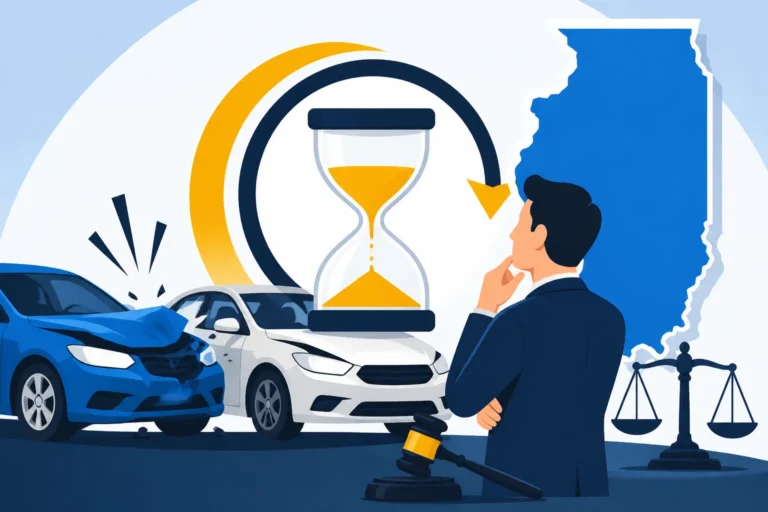
In Virginia, the most common type of lawsuit following a car accident involves personal injury. This covers physical harm, emotional distress, and other non-economic damages you might suffer due to someone else's negligence. For these claims, Virginia Code § 8.01-243 sets a clear deadline: you generally have two years from the date of the accident to file a lawsuit.
This two-year period is crucial. It means that if you were injured in a fender bender on, say, April 15, 2024, you would have until April 15, 2026, to officially file a lawsuit in a Virginia court. This isn't just about calling your insurance company or sending a demand letter; it's about initiating formal legal proceedings. These personal injury claims are designed to help you recover compensation for things like your medical bills, lost wages, pain and suffering, and any other related expenses or losses you incurred because of your injuries.
It’s easy to get caught up in the recovery process, doctor's appointments, and trying to get your life back to normal, and before you know it, months can fly by. But ignoring this deadline can be catastrophic. If you attempt to file a lawsuit even one day after the two-year mark, the defendant will almost certainly file a motion to dismiss your case based on the expired statute of limitations, and the court will likely grant it. This is why it's so important to be aware of this clock from day one.
Property Damage Claims
While personal injury claims focus on the harm done to your body, property damage claims address the destruction or loss of your physical possessions, most notably your vehicle. In Virginia, the statute of limitations for property damage claims stemming from a car accident is also two years from the date of the incident. This means that if your car was totaled in the same April 15, 2024 accident, you would still have until April 15, 2026, to file a lawsuit specifically for the damages to your vehicle.
This deadline applies whether you're seeking compensation for the cost of repairs, the diminished value of your car after it's been fixed, or the total loss value if your vehicle is beyond repair. Sometimes, personal injury and property damage claims are handled together in a single lawsuit, especially if both occurred simultaneously. Other times, the property damage claim might be resolved much faster through insurance settlements while the personal injury aspect, often more complex and time-consuming, continues to develop.
It’s important to remember that even if your insurance company has paid for your car repairs or deemed it a total loss, this two-year window still applies if you plan to sue the at-fault driver directly for any additional property-related losses not covered by your policy, such as your deductible, rental car fees beyond what was covered, or the difference between your insurance payout and the true value of your vehicle. Don't assume that an insurance settlement for your vehicle means your legal rights regarding property damage are fully extinguished if you have further losses.
Special Circumstances That Affect the Deadline
While the two-year rule is the standard in Virginia, the legal landscape is rarely straightforward. Several unique situations can alter this deadline, either extending it or, in some cases, shortening it significantly. It's crucial to understand these nuances, as they can dramatically impact your ability to pursue a claim.
Accidents Involving Minors
If the person injured in a car accident is a minor (under the age of 18) at the time of the crash, Virginia law provides a crucial exception to the standard two-year statute of limitations. This is known as "tolling" the statute of limitations. Essentially, the clock for filing a personal injury lawsuit doesn't truly start ticking until the minor turns 18.
This means that if a 10-year-old child is injured in an accident, they would theoretically have until their 20th birthday (18 + 2 years) to file a lawsuit. The purpose of this rule is to protect the rights of individuals who are not legally able to make decisions or pursue legal action on their own behalf. While the minor cannot file a lawsuit themselves, their parent or legal guardian can file a lawsuit on their behalf at any point before the minor reaches 18, or the minor can file it themselves within two years of reaching adulthood. However, waiting until the minor turns 18 is generally not advisable, as gathering evidence and witness testimony becomes much harder over time. It's often best for the guardian to act promptly.
Claims Against Government Entities
Suing a government entity in Virginia—whether it's the state, a county, or a city—is a completely different ballgame with much stricter and shorter deadlines. If you're involved in an accident with a government vehicle (like a police car, fire truck, city bus, or a Virginia Department of Transportation truck), or if the accident was caused by a dangerous condition on public property, you typically have significantly less time to act.
Under the Virginia Tort Claims Act, you must provide written notice of your claim to the proper government entity within a very short timeframe, often as little as six months or one year from the date of the accident, depending on the specific entity. This notice must contain specific information, or it can be deemed invalid. Missing this preliminary notice period can entirely bar your ability to file a lawsuit, even if the general two-year statute of limitations for private citizens hasn't expired. This is an area where consulting with a legal professional early is absolutely essential. For detailed guidance, you might find resources through a service like LegalMatch.
Wrongful Death Claims
Tragically, some car accidents result in fatalities. If a loved one passes away due to injuries sustained in a car accident caused by another party's negligence, the surviving family members or the deceased's estate may have grounds for a wrongful death claim. In Virginia, the statute of limitations for filing a wrongful death lawsuit is also generally two years. However, this two-year period typically begins not from the date of the accident, but from the date of the person's death.
This distinction can be critical if there was a delay between the accident and the passing of the individual. For example, if an accident occurred on January 1st, 2024, but the injured person succumbed to their injuries on March 1st, 2024, the two-year clock for a wrongful death claim would start on March 1st, 2024, not January 1st. These claims are complex, often involving compensation for funeral expenses, medical bills incurred before death, loss of income, and loss of companionship. It’s important to understand who can file a wrongful death claim and the types of damages that can be recovered.
Discovery Rule and Other Exceptions
While rare in typical car accident scenarios, it's worth noting that Virginia law does recognize limited exceptions where the two-year clock might start later than the accident date. One such exception is the "discovery rule," which applies when an injury is not immediately apparent but rather "discovered" at a later date. However, for most car accident injuries, such as whiplash, broken bones, or even Concussion Symptoms After a Car Accident, symptoms usually manifest relatively quickly, making the discovery rule less frequently applicable.
Another potential, though uncommon, exception involves situations where the defendant left the state or concealed their identity. In such cases, the statute of limitations might be "tolled" or paused until the defendant returns or is identified. However, these are highly specific legal circumstances, and you should never assume an exception applies without consulting a qualified Virginia attorney. Relying on such exceptions without expert advice is a perilous gamble.
Why Acting Quickly After a Virginia Car Accident Is Crucial
Understanding the legal deadlines is one thing, but simply knowing you have two years isn't an excuse to delay. In fact, waiting too long after a car accident can severely undermine the strength and value of your claim, even if you manage to file within the statute of limitations. The initial days and weeks following a crash are often the most critical for building a strong case.
Preserving Evidence and Witness Testimony
Time is the enemy of evidence. The longer you wait to take action, the more likely it is that crucial pieces of your case will disappear or become less reliable. Physical evidence at the accident scene, such as skid marks, vehicle debris, or damage to property, can be cleaned up, altered, or simply degrade due to weather. Traffic camera footage or security camera recordings are often overwritten within days or weeks, making them impossible to retrieve later.
Witnesses also play a vital role in establishing How Fault Is Determined in a Car Accident. However, memories fade over time, details become模糊, and witnesses themselves may move, change phone numbers, or become otherwise unreachable. Getting their statements and contact information immediately after the accident, as outlined in guides like What to Do After a Car Accident: Step-by-Step (2027), is paramount. A fresh, detailed account from a neutral third party can be incredibly persuasive in proving the other driver's negligence. Without this immediate action, you might find yourself struggling to piece together a coherent narrative, making it harder to prove your case.
Medical Treatment and Documentation
One of the biggest mistakes accident victims make is delaying medical treatment, especially if they don't feel immediate pain. Many common car accident injuries, like Whiplash Symptoms After a Car Accident or a herniated disc, can have delayed onset symptoms, sometimes not appearing until days or even weeks after the crash. Ignoring these symptoms or waiting to see a doctor not only jeopardizes your health but also your legal claim.
Insurance companies are notoriously skeptical of delayed medical treatment. If you wait weeks or months to see a doctor, they might argue that your injuries weren't caused by the accident, but rather by something else that happened in the interim. They may claim you’re exaggerating your pain or that your injuries aren’t as serious as you suggest, simply because you didn't seek immediate care. Prompt medical attention creates a clear, undeniable link between the accident and your injuries, as documented in your medical records. These records are vital for How to Prove Injuries in a Car Accident Claim and demonstrating the severity and extent of your suffering to insurance adjusters or a jury.
Navigating Insurance Company Tactics
Dealing with insurance companies can feel like playing a rigged game. Their primary goal is to minimize payouts, and they are experts at using delays, lack of documentation, and procedural complexities against unrepresented individuals. They might ask for recorded statements that could inadvertently harm your claim, or they may offer a quick, lowball settlement hoping you’ll accept before you fully understand the extent of your injuries or legal rights.
If you drag your feet, insurance adjusters might use the passage of time to their advantage, knowing that you're getting closer to the statute of limitations deadline. As the deadline approaches, they might offer less, knowing you'll be under pressure to settle rather than risk losing your right to sue altogether. Having a lawyer involved early can help you navigate these tactics effectively and ensure you're not taken advantage of. Many personal injury attorneys, for instance, are experienced in dealing with major insurers like Geico, State Farm, or Progressive. Platforms such as LegalMatch can help connect you with attorneys who have experience with various insurance companies.
Steps to Take Before the Deadline Expires
With the clock ticking, it's essential to understand the proactive steps you need to take to protect your rights and ensure your claim isn't jeopardized by an expiring deadline. These aren't just good practices; they are often non-negotiable for a successful outcome.
Document Everything Thoroughly
Comprehensive documentation is the bedrock of any successful car accident claim. From the moment the accident happens until your medical treatment concludes, every piece of information can be valuable. This includes:
- Police Report: Obtain a copy of the official police accident report. This document often contains key details about the accident, including witness information, diagrams, and sometimes an initial determination of fault.
- Medical Records and Bills: Keep meticulous records of all your medical appointments, diagnoses, treatments, prescriptions, and therapist visits. Also, save all corresponding bills. These documents directly prove your injuries, the necessity of your treatment, and the financial burden it has imposed.
- Photographs and Videos: Visual evidence from the accident scene (vehicle damage, road conditions, injuries) and your recovery process can be incredibly powerful. Photos taken immediately after the crash are particularly impactful.
- Lost Wage Statements: If your injuries caused you to miss work, gather documentation from your employer detailing your missed time and lost income. This is critical for calculating How Lost Wages Are Calculated in a Settlement.
- Correspondence: Keep copies of all communications with insurance companies, the other driver, and any medical providers.
- Personal Journal: A personal journal documenting your pain levels, emotional distress, and how your injuries have impacted your daily life can be invaluable for substantiating Pain and Suffering Damages: What They Cover.
The more evidence you collect and organize, the stronger your position will be when negotiating with insurance companies or, if necessary, pursuing a lawsuit. This meticulous record-keeping makes it much harder for the other side to dispute the facts or the extent of your damages.
Seek Professional Legal Guidance
Given the complexities of Virginia's car accident laws, special circumstances, and the aggressive tactics of insurance companies, consulting with a qualified personal injury lawyer is almost always in your best interest. This is especially true as the statute of limitations approaches. A lawyer can:
- Accurately Determine Deadlines: They can confirm the precise statute of limitations that applies to your specific case, taking into account any unique circumstances like government entities or minors.
- Ensure Proper Filing: They will make sure all necessary legal documents are correctly prepared and filed with the appropriate court before the deadline expires, preventing any procedural missteps that could derail your case.
- Gather and Preserve Evidence: Lawyers have the resources and experience to efficiently gather critical evidence, including police reports, medical records, witness statements, and expert testimony, even if some time has passed.
- Negotiate with Insurance Companies: They can handle all communications with insurance adjusters, protecting you from common pitfalls and ensuring your rights are upheld. They know how to counter How to Deal With a Lowball Insurance Offer and push for a fair settlement.
- Assess the True Value of Your Claim: A seasoned attorney can accurately calculate all your potential damages—both Economic vs Non-Economic Damages Explained—ensuring you seek the full compensation you deserve.
Many personal injury lawyers offer free initial consultations, making it easy to discuss your case without any upfront financial commitment. Services like LegalMatch can assist you in finding reputable car accident attorneys in Virginia who can offer this initial assessment. Don't wait until the last minute; the sooner a lawyer is involved, the better they can protect your interests and build a robust case. If you're wondering, Do You Need a Lawyer for a Car Accident? (2026), especially with a looming deadline, the answer is often a resounding yes.
Understanding the "Filing a Lawsuit" Requirement
It's absolutely crucial to distinguish between merely notifying an insurance company about your accident and filing a lawsuit in court. The statute of limitations refers specifically to the latter: the formal act of submitting legal papers to the court system to initiate a legal proceeding against the at-fault party.
Many people mistakenly believe that as long as they've been in contact with an insurance company or started a claim, they're safe from the deadline. This is incorrect. While prompt notification to insurance is important for your claim process, it does not fulfill the legal requirement of the statute of limitations. If a settlement agreement cannot be reached through negotiations, and the deadline is approaching, your attorney will need to file a formal complaint with the appropriate Virginia court to preserve your right to pursue your case. Once the lawsuit is filed, the legal process moves into stages like discovery, mediation, and potentially trial, but the critical first step is simply getting the complaint filed within that two-year (or shorter, depending on the circumstances) window. Ignoring this distinction is one of the most common and costly mistakes car accident victims make.
Virginia Car Accident Statute of Limitations Summary
To help clarify the various deadlines discussed, here's a quick reference table for Virginia:
| Claim Type | Statute of Limitations (From Date of Accident/Death) | Notes |
|---|---|---|
| Personal Injury | 2 Years | Applies to physical injuries, emotional distress, pain and suffering, lost wages, and medical expenses. This is the most common deadline for car accident claims. |
| Property Damage | 2 Years | Applies to damage to your vehicle (repairs, total loss, diminished value) and other personal property lost or damaged in the accident. |
| Wrongful Death | 2 Years | Applies to claims filed by the deceased's estate or surviving family. The clock typically starts from the date of death, which may be later than the accident date. |
| Minor's Injury Claims | 2 Years from 18th Birthday | The two-year clock is "tolled" (paused) until the injured person turns 18. A parent/guardian can still file on their behalf before then, and it's generally advisable to do so. |
| Claims Against VA Gov. | As little as 6 months to 1 Year (Notice Requirement) | Varies by government entity. Requires strict and timely written notice before filing a lawsuit. Failure to provide timely notice will likely bar your claim. Consult an attorney immediately. |
| Uninsured Motorist | 3 Years | If you're making a claim against your own uninsured motorist (UM) coverage, Virginia generally allows up to three years. However, if the at-fault driver is identified, the standard personal injury statute still applies to any claim against them. |
Remember, these are general guidelines, and legal cases can have unique facts that alter these periods. It's always best to verify your specific situation with a legal professional.
Final Thoughts on Your Virginia Car Accident Claim
The period after a car accident is undeniably stressful, filled with medical appointments, vehicle repairs, and endless calls with insurance companies. It’s easy to feel overwhelmed and put off dealing with the legal aspects, especially when you’re still recovering. However, as we’ve explored, waiting too long can have dire consequences, potentially costing you the compensation you rightfully deserve for your injuries and losses. The strict statute of limitations in Virginia, particularly the two-year deadline for most personal injury and property damage claims, means that proactive and timely action is not just a recommendation, but a necessity.
Gathering all your documentation, from the police report to your medical bills and lost wage statements, is a monumental task, but it forms the backbone of your claim. Most importantly, don’t hesitate to seek legal counsel. A qualified Virginia car accident lawyer can be your strongest advocate, guiding you through the complex legal process, ensuring all deadlines are met, and fighting to maximize your settlement. Whether you're navigating First-Party vs Third-Party Car Insurance Claims or facing a full-blown lawsuit, an attorney's expertise can make all the difference. Your focus should be on your recovery; let a legal professional handle the intricate legal battles.
Disclaimer
Please note that this article provides general information about car accident claims and the statute of limitations in Virginia and should not be considered legal advice. Laws can change, and every car accident case is unique. It is crucial to consult with a qualified personal injury attorney in Virginia to discuss the specifics of your situation and obtain advice tailored to your needs.