How to Document a Car Accident Scene
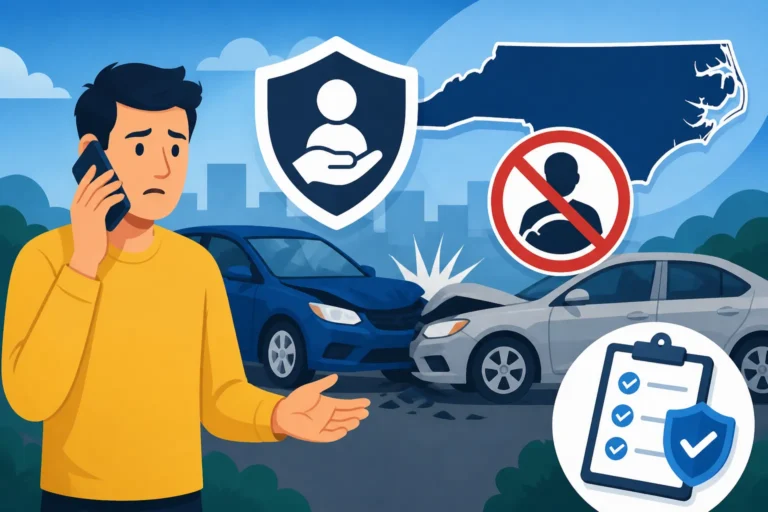
The moments right after a car accident are often a blur of shock, adrenaline, and confusion. It's incredibly easy to feel overwhelmed, panicked, and unsure of what to do first, especially when you're trying to process what just happened while also dealing with potential injuries and a damaged vehicle. But in the midst of that chaos, the steps you take to gather information and document the scene can be absolutely critical for your future car accident claim. This guide will walk you through exactly how to document the scene of a car accident, ensuring you collect the vital evidence needed to protect your rights and support your case.
Prioritizing Safety and Immediate Steps
Before you even think about grabbing your phone for photos, your absolute first priority must be safety. Everything else can wait for a few moments until you've assessed the immediate risks. Panicking is a natural response, but a clear head, even for a short time, can make all the difference in preventing further harm and setting the stage for effective documentation.
Securing the Scene
Your first instinct might be to just sit there, stunned, but if you're able, you need to take action to prevent a secondary accident. Think about where your vehicle is positioned. Is it in the middle of a busy lane on I-5, or are you safely pulled over on a shoulder? If your car is still drivable and it's safe to do so, move it to the side of the road, out of the flow of traffic. This not only protects you and your passengers but also prevents other drivers from crashing into the scene.
Once your vehicle is in a safer location, activate your hazard lights immediately. This warns oncoming traffic that something is amiss. If you have them, place road flares or reflective triangles at appropriate distances behind your vehicle, typically 10 to 100 feet depending on the speed limit, to give other drivers ample warning. These simple steps can be lifesavers and create a safer environment for you to begin collecting evidence without the constant fear of another collision.
Checking for Injuries
After securing the immediate area, the very next thing on your checklist is to check yourself and anyone else involved for injuries. Even if you feel fine, take a moment to do a mental scan. Is anyone complaining of pain? Are there visible cuts, bruises, or signs of impact? Sometimes, the adrenaline rush can mask pain, leading people to believe they're unhurt only to wake up the next day with severe discomfort. This is why it's always recommended to seek medical attention, even after a seemingly minor fender bender.
Your health is paramount. If anyone is seriously injured, immediately call 911. Do not try to move anyone who is severely injured unless they are in immediate danger, like a burning vehicle. Moving someone with a spinal injury, for example, could cause irreversible damage. Focus on keeping them calm and comfortable until emergency medical services arrive. Even minor aches and pains should be noted; they contribute to the narrative of what happened and are critical for your health and any future claims. Remember, some injuries, like whiplash or a concussion, may not show symptoms for hours or even days, so always err on the side of caution.
Contacting Authorities
You might be tempted to skip calling the police for a minor scrape or ding, especially if the other driver seems friendly and cooperative. Resist that urge. Calling the police is almost always a good idea, as a police report can be an invaluable piece of evidence in your car accident claim. The police will create an official record of the incident, including details like the date, time, location, parties involved, and sometimes, even an initial determination of fault.
When the police arrive, be cooperative and provide them with accurate information, but avoid speculating or admitting fault. Stick to the facts. They'll assess the scene, speak to all parties, and create a report. Remember to ask for the report number or how to obtain a copy once it's available. In many jurisdictions, such as California, police are generally required to respond to accidents involving injuries or significant property damage. Even if they don't respond to minor incidents, your call still creates a record that you attempted to report it.
Capturing Visual Evidence with Photos and Videos
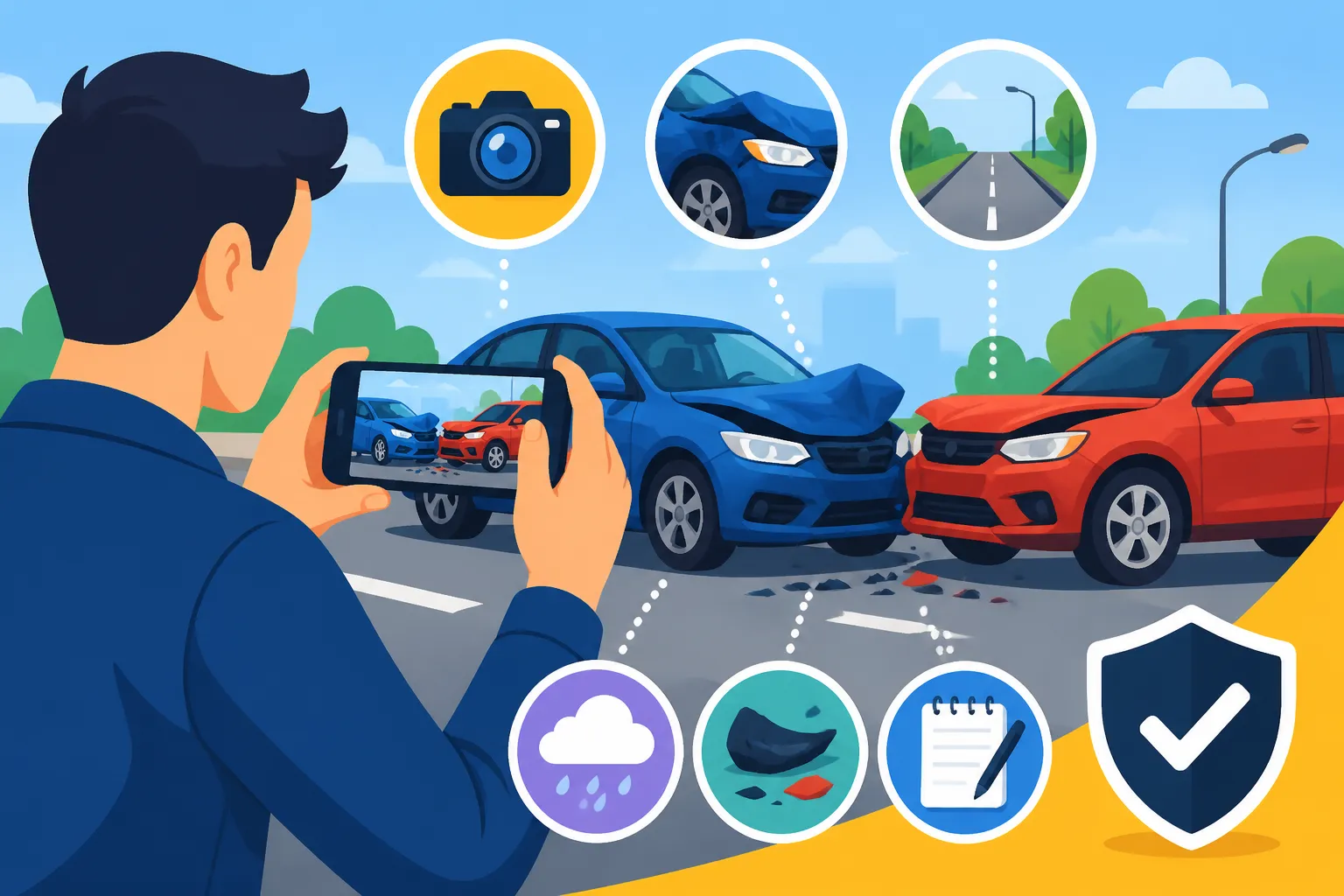
Once the immediate safety and emergency needs are addressed, your smartphone becomes one of your most powerful tools for documenting the scene. Photos and videos provide objective proof that words simply can't capture, telling a detailed story of the accident.
What to Photograph and Why
When you start taking pictures, think like a detective. You want to capture everything that could possibly be relevant. Don't just focus on your car or the other vehicle; zoom out and get a sense of the broader scene. Take photos of:
- Overall Scene: Stand back and take wide-angle shots showing the intersection, the road, traffic signs, and the general environment. This helps establish the context of the accident.
- Vehicle Damage: Get close-up shots of all damage to your vehicle and the other vehicle involved. Be sure to photograph all angles, not just the primary impact zone. Sometimes a bumper looks fine from one angle but is clearly crumpled from another. Capture any broken glass, detached parts, or skid marks.
- Vehicle Positions: Take photos of where the vehicles came to rest after the collision. This is crucial for accident reconstruction and can help establish how the accident occurred.
- License Plates: Get clear shots of the license plates of all vehicles involved.
- Road Conditions: Are there any potholes, construction zones, standing water, or debris on the road? Take pictures. These could be contributing factors to the accident.
- Traffic Signals and Signs: Photograph any traffic lights, stop signs, yield signs, or speed limit signs in the immediate vicinity.
- Witnesses: If witnesses are present and willing, take a photo of them (with their permission) along with their contact information.
- Injuries: If you or anyone in your car has visible injuries, photograph them. This can include cuts, bruises, scrapes, or even deployed airbags. These photos provide direct visual evidence of the physical impact of the crash.
The goal is to leave no stone unturned photographically. The more visual information you have, the stronger your evidence becomes. Remember, you can always delete irrelevant photos later, but you can't go back in time to take pictures you missed.
Angle and Detail are Key
It's not enough to just snap a few pictures. The way you capture them matters significantly. Think about perspective and detail.
- Multiple Angles: For every piece of damage or every significant detail, take several photos from different angles. For instance, if your bumper is damaged, get a straight-on shot, one from above, one from the side, and one from a lower angle. This gives a comprehensive view.
- Distance and Zoom: Start with wider shots to show context, then gradually move closer to capture intricate details. Use your phone's zoom function for specific scrapes or paint transfers, but make sure the image remains clear and not pixelated.
- Lighting: Be mindful of the lighting. If it's sunny, try to position yourself so the sun isn't directly behind the object you're photographing, which can create shadows and obscure details. If it's dark, use your phone's flash if necessary, or activate its low-light settings.
- Reference Objects: Including a recognizable object, like a coin or a ruler (if you have one), next to smaller details can help illustrate their size. For example, if there's a small crack, placing a quarter next to it gives it scale.
These meticulous details are vital for insurance adjusters and potentially your legal team to fully understand the scope of the damage and how it relates to the collision. They are looking for visual continuity and specific data points that support your version of events.
Video Evidence Considerations
While photos are static snapshots, video offers a dynamic perspective that can capture movement, sounds, and the overall atmosphere of the scene. If you have the ability, take a video walk-through of the entire accident scene.
- Narrate: As you record, narrate what you are seeing. "This is the intersection of Main Street and Elm Avenue. My car, a blue sedan, is here, and the damage to the front driver's side is visible. The other vehicle, a red pickup truck, is over there with damage to its passenger door." This narration adds context and can highlight important details.
- Pan Slowly: Don't rush. Pan your phone slowly across the scene, ensuring everything is in focus. Jerky movements can make the video difficult to watch and interpret.
- Capture Audio: Video also records audio. This means you might capture statements from witnesses, the other driver, or even emergency responders. These verbal accounts can be powerful evidence. However, be aware that you might also accidentally capture your own frustrated or emotional remarks, so try to remain composed.
- Injuries and Behavior: If the other driver appears impaired, aggressive, or is making statements about fault, capturing this on video can be incredibly persuasive. Similarly, showing a person's visible pain or difficulty moving after an accident can support a personal injury claim.
Keep your videos concise and focused on relevant information. A five-minute rambling video is less effective than several short, focused clips documenting specific elements of the scene.
Gathering Crucial Information from All Parties
Beyond visual documentation, collecting accurate contact and insurance information from everyone involved is paramount. This can feel awkward, especially if tensions are high, but it's a non-negotiable step to ensure you can file a proper claim.
Exchanging Driver Details
After a car accident, you're legally obligated to exchange certain information with the other driver(s) involved, regardless of who is at fault. Make sure you get the following details:
- Full Name and Contact Information: Get the other driver's full name, phone number, and address.
- Insurance Information: This is critical. You need their insurance company name, policy number, and the name of the policyholder. A quick photo of their insurance card can be very helpful, but double-check that all information is legible.
- Driver's License Information: Note their driver's license number and the state that issued it. Taking a photo of their license (if they permit it) can be efficient.
- Vehicle Information: Get the make, model, year, and license plate number of their vehicle. Also, note the Vehicle Identification Number (VIN) if possible; it's usually visible through the windshield on the driver's side dashboard.
While you're gathering this, remember to provide your own corresponding information as well. It's a two-way street. Ensure you're calm and polite during this exchange, even if you're feeling stressed or angry. This helps de-escalate any potential confrontations.
Interviewing Witnesses
Witnesses can be incredibly valuable because they offer an objective perspective, often seeing things that you, as an involved party, might have missed due to shock or your angle of view. If there are any bystanders who saw the accident unfold, approach them respectfully.
- Ask for Contact Information: Get their full name, phone number, and email address.
- Brief Statement: Politely ask them what they saw. Jot down their account in your notes. Ask open-ended questions like, "Could you tell me what you observed?" rather than leading questions.
- Record with Permission: If they are comfortable, you can ask if you can record their brief statement on your phone. Always ask for permission first.
- Don't Pressure: If a witness is reluctant or doesn't want to get involved, respect their decision. You can't force them.
Even a brief note from a witness stating, “The red car clearly ran the light,” can provide powerful corroboration for your claim. Their unbiased perspective can significantly bolster your case, especially when trying to determine who is at fault in a car accident.
Police Report Information
As mentioned earlier, a police report is an official document that summarizes the officer's findings at the scene. It typically includes:
- Parties Involved: Names, contact info, and insurance details of all drivers.
- Vehicle Information: Details about the cars involved.
- Diagram of the Accident: A sketch of how the accident happened.
- Officer's Opinion of Fault: While not always legally binding, the officer's initial assessment of fault can heavily influence insurance companies.
- Citations Issued: If any drivers received traffic tickets, this will be noted.
- Witness Information: Names and contact details of any witnesses the police spoke with.
Make sure you get the officer's name and badge number, as well as the police report number. This information is crucial for obtaining a copy of the report later, which can be essential for your claim. In some states, like Texas, you can often request crash reports online through the Texas Department of Transportation. Always follow up to ensure you receive a copy, as insurance companies will often request it.
Documenting Vehicle Damage and Road Conditions
It's not just about getting broad photos; you need to meticulously document specific vehicle damage and any environmental factors that played a role. These details can be the difference between a successful claim and one that gets disputed.
Assessing Your Vehicle's Damage
Take the time to thoroughly inspect your own vehicle. Don't assume you know all the damage just from a quick glance. Walk around your car, looking for:
- Impact Points: Clearly photograph where your car was hit. Get multiple angles and close-ups of dents, scratches, paint transfer (from the other vehicle's paint), and torn metal.
- Undercarriage/Underside: If it's safe and you can do so without getting injured, peek underneath your car. Sometimes, serious damage to suspension, exhaust systems, or other vital components isn't immediately visible from the outside. If you see fluid leaks, photograph them and note their color and location.
- Interior Damage: Don't forget the inside! Deployed airbags, cracked dashboards, broken windows, items thrown from their places – all of this is part of the damage. If you or your passengers hit anything inside the car, like the dashboard or the steering wheel, photograph those impact points.
- Pre-Existing Damage: If your car had any pre-existing damage, make sure to photograph that as well, before the accident occurred if possible, or clearly differentiate it from the new damage. This helps prevent the insurance company from attributing old damage to the new accident.
Comprehensive photos of your vehicle's damage are vital for your insurance company to assess the cost of repairs or determine if your car is a Total Loss Explained: What Happens When Your Car Is Totaled.
Noting the Other Vehicle's Damage
Just as important as documenting your own vehicle's damage is documenting the other vehicle's. This provides evidence of the point of impact and can help corroborate your account of the accident.
- Point of Impact: Focus on the specific areas of the other vehicle that made contact with yours. Were they hit on the side, front, or back? Photos of their damage can confirm the direction and force of the collision. For example, if you were involved in a Rear-End Collision Fault: Who Is Responsible?, photos of front-end damage to the rear vehicle and rear-end damage to yours are key.
- Severity of Damage: Try to capture the extent of their damage as well. Is it a minor scratch or a crumpled fender? This can sometimes be an indicator of the force of impact and potential injuries sustained by their occupants, as well as the overall speed of the vehicles involved.
- Visible Defects: Note any visible defects on their vehicle that might have contributed to the accident, such as bald tires, broken headlights, or a cracked windshield that obscures vision. While you shouldn't confront them about these, simply documenting them can be useful.
Remember to maintain a safe distance and be respectful when photographing the other driver's vehicle. If they object, it's generally best to comply, as you should prioritize safety and de-escalation. However, you can still describe their vehicle's damage in your written notes.
Environmental and Roadway Factors
The surroundings of the accident scene can provide critical context and sometimes even point to contributing factors. Don't overlook these details.
- Weather Conditions: What was the weather like? Was it raining, snowing, foggy, or clear? This is important for understanding visibility and road traction. A Who Is at Fault in Bad Weather (Rain, Snow, Ice)? scenario requires clear documentation of these conditions.
- Road Surface: Was the road wet, icy, gravelly, or smooth asphalt? Were there potholes, construction debris, or oil slicks? These conditions can affect braking distances and vehicle control.
- Lighting: What was the lighting like? Was it daytime, dusk, or night? Were streetlights on? Poor visibility can be a factor.
- Traffic Controls: As mentioned, traffic lights, stop signs, yield signs, and crosswalks are all important. Document their presence and condition. Were they functioning correctly?
- Road Markings: Are lane markings clear or faded? Are there "no passing" zones or turn lanes that were involved? These details help determine if anyone violated traffic laws.
- Time of Day: This seems obvious, but jot down the exact time of the accident. It helps correlate with traffic camera footage or witness statements.
By thoroughly documenting these environmental and roadway factors, you provide a more complete picture of the accident scene, which can be invaluable for insurance investigators and for establishing how the accident occurred and How Fault Is Determined in a Car Accident.
Keeping a Detailed Personal Record
Even with all the photos and official reports, your own personal record of the events can be one of your most powerful assets. This log serves as a chronological diary of what happened and can help you recall critical details that might fade over time.
The Importance of a Personal Accident Log
As soon as you are safely home or at a place where you can collect your thoughts, start writing down everything you remember about the accident. Do not wait. Details can become hazy surprisingly quickly.
- Chronological Narrative: Write a detailed, step-by-step account of what happened before, during, and immediately after the accident.
- Before: Where were you coming from? Where were you going? What was the traffic like? Your speed?
- During: What did you see, hear, and feel at the moment of impact? What direction were the vehicles moving?
- After: What did you do immediately? Who did you speak to? What was said?
- Contact Information: Consolidate all the contact information you collected (other driver, witnesses, police officer) into one easy-to-access spot.
- Notes from the Scene: Transcribe any notes you took at the scene about damage, road conditions, or witness statements.
- Symptoms and Injuries: Detail any physical sensations or injuries you experienced, even minor ones. Note the time they started and how they progressed. This will be crucial for How to Document Pain and Suffering.
- Emotional Impact: Don't forget the emotional toll. Were you anxious, scared, stressed? This can be part of your "pain and suffering" damages.
- Date and Time: Be precise with dates and times for everything you record.
This personal log becomes your "source of truth" and will be invaluable when dealing with insurance companies or if you need to [File a Car Accident Claim].
Tracking Medical Appointments and Expenses
Unfortunately, the impact of a car accident often extends far beyond the immediate damage to your vehicle. Medical expenses can accumulate quickly, and it's essential to meticulously track everything.
- Medical Records: Keep a detailed log of every doctor's visit, physical therapy session, chiropractic appointment, and prescription filled. Include the date, the healthcare provider's name, and the reason for the visit.
- Medical Bills: Keep copies of all bills and receipts related to your medical treatment. This includes co-pays, deductibles, prescription costs, and even over-the-counter pain relievers if recommended by a doctor.
- Mileage Log: If you're driving to and from appointments, keep a log of the mileage. You can often claim this as an expense.
- Lost Wages: If your injuries prevent you from working, document every day you miss, your usual hourly wage or salary, and any lost opportunities for overtime or bonuses. This falls under How Lost Wages Are Calculated in a Settlement.
- Future Medical Needs: If your doctor indicates you will require ongoing treatment, physical therapy, or medication, make sure to get this in writing.
This comprehensive record of your medical journey and associated costs is critical for demonstrating the full extent of your damages when it comes time to negotiate a settlement or pursue a lawsuit.
What Not to Do or Say
Just as important as knowing what to do is knowing what not to do. A single misstep can significantly jeopardize your claim.
- Do Not Admit Fault: Even if you think you might be partly to blame, do not apologize, say "my bad," or accept responsibility at the scene. Statements like these can be used against you by insurance companies. The determination of fault is complex and is best left to investigators and legal professionals. This is a key part of avoiding What Is an Admission of Fault (and How to Avoid It?).
- Do Not Discuss Details with the Other Driver Beyond Basic Info: Limit your conversation to exchanging contact and insurance information. Do not engage in arguments, debates about who was at fault, or discussions about the extent of damage or injuries.
- Do Not Post About It on Social Media: Anything you post online, including photos, videos, or status updates about the accident or your subsequent activities, can be scrutinized and used by insurance companies to undermine your claim. Assume everything you post is public.
- Do Not Give a Recorded Statement to the Other Driver's Insurance Company Without Legal Advice: While you must cooperate with your own insurance company, you are not obligated to give a recorded statement to the other party's insurer, especially not without speaking to a legal professional first.
- Do Not Assume You Are Uninjured: As discussed, adrenaline can mask pain. Never say "I'm fine" at the scene. If asked, you can say, "I'm not sure, but I'll be seeking medical attention to be safe." This prevents the other party's insurance from later arguing that you claimed no injuries at the time.
By being mindful of these pitfalls, you can protect your potential claim from being unfairly devalued or denied.
Essential Information to Document at the Scene
To help you keep track in the stressful aftermath of an accident, here's a quick reference table of essential information to collect.
| Category | Specific Details to Collect | Why It's Important |
|---|---|---|
| Other Driver Info | Full Name, Address, Phone, Email | For contact and claim purposes. |
| Insurance Company, Policy #, Policyholder Name | Essential for filing a claim with their insurer. | |
| Driver's License #, State of Issue | For identification and background checks. | |
| Other Vehicle Info | Make, Model, Year, Color, License Plate # | For identification and insurance claim processing. |
| VIN (Vehicle Identification Number) | Unique identifier for the vehicle. | |
| Witness Info | Full Name, Address, Phone, Email | Objective third-party accounts are invaluable for proving fault. |
| Brief Statement of what they saw | Corroborates your version of events. | |
| Police Info | Officer's Name, Badge #, Department | For follow-up and obtaining the official report. |
| Police Report # (or incident #) | Crucial for locating the official accident report. | |
| Photos/Videos | Overall scene, vehicle damage (all angles), license plates | Visual proof of the accident, damages, and context. |
| Road conditions, traffic signs/signals, debris, skid marks | Establishes environmental and regulatory factors influencing the crash. | |
| Visible injuries, deployed airbags | Direct evidence of physical impact and harm. | |
| Personal Notes | Date, Time, Location of Accident | Establishes a precise record for all future discussions. |
| Weather, road conditions, visibility | Provides context for the accident circumstances. | |
| Your speed, direction of travel, other driver's actions | Details of the events leading up to and during the collision. | |
| Any statements made by other driver/witnesses | Can be used as evidence (or against you if you admit fault). | |
| Your immediate physical/emotional symptoms | Foundation for your personal injury claim. |
This table serves as a robust checklist to help you navigate the immediate aftermath of an accident and ensure you collect all the necessary information. Remember, the more thoroughly you document everything at the scene, the stronger your position will be when dealing with insurance companies and potentially pursuing a claim for damages.
Disclaimer
Please remember that this article provides general information and should not be considered legal advice. Car accident laws and insurance policies can be complex and vary significantly by state. For personalized advice regarding your specific situation, it is always best to consult with a qualified legal professional or your insurance provider.