Do You Need a Lawyer for a Car Accident? (2027)
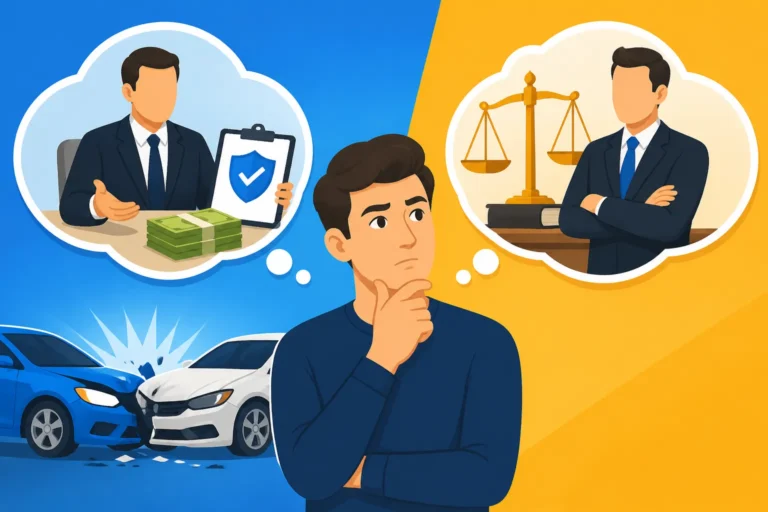
Getting into a car accident is one of those incredibly jarring experiences that can leave you feeling completely disoriented and overwhelmed, even after the immediate danger has passed. Beyond the physical and emotional toll, you're suddenly thrust into a confusing world of insurance claims, legal terminology, and medical bills, often wondering who to trust or what steps to take next. This comprehensive guide is here to walk you through the often-stressful decision of whether hiring a car accident lawyer is the right move for your specific situation, helping you understand the value they bring and when it's truly necessary.
Understanding the Complexities of a Car Accident Claim
When your life gets turned upside down by a car accident, the last thing you're probably thinking about is the intricate legal dance that's about to unfold. It’s not just about getting your car fixed; it's about potential injuries, lost wages, and the emotional impact that can linger far longer than any dented fender. The system is designed to be complex, and without prior experience, it can feel like trying to navigate a maze blindfolded.
The Immediate Aftermath: Shock and Confusion
Right after a crash, adrenaline is usually coursing through your veins, making it difficult to think clearly. You might feel fine, only to have aches and pains creep up hours or even days later. This delayed onset of symptoms is incredibly common, and it’s why doctors always recommend a check-up, even after a minor fender bender. In the chaos, you’re expected to exchange information, maybe call the police, and remember crucial details, all while your mind is reeling. This initial phase sets the stage for everything that follows, and any misstep here can potentially impact your claim down the line. Remember, documenting the scene and knowing what information to exchange after a car accident are critical first steps.
Navigating Insurance Companies
Once the dust settles, the real headache often begins: dealing with insurance companies. Your own insurer and the at-fault driver's insurer will likely contact you, and their goals are not always aligned with yours. They have adjusters whose job is to minimize payouts, and they are incredibly skilled at it. They might ask for recorded statements, offer quick settlements, or even try to shift blame. It’s a negotiation, and without a clear understanding of your rights or the true value of your claim, you could easily accept far less than you deserve, especially if injuries are involved. Understanding how insurance companies determine who is at fault can give you a slight edge in these early interactions.
The Legal Jargon You'll Encounter
From "negligence" and "proximate cause" to "comparative fault" and "damages," the language of car accident claims can feel like a foreign tongue. You’ll be dealing with terms that have specific legal meanings, and a misunderstanding could have significant financial implications. For example, knowing the difference between economic and non-economic damages is crucial for understanding what you can claim. Trying to decipher complex legal documents or argue against an insurance adjuster’s interpretation of liability without this knowledge is like showing up to a chess match without knowing how the pieces move. This is where professional legal guidance can truly demystify the process and ensure you’re not taken advantage of.
When a Car Accident Lawyer Becomes Essential
While not every bump in the road requires a legal team, there are specific circumstances where having a skilled car accident lawyer by your side isn't just helpful, it's absolutely crucial. These situations often involve serious consequences, complex legal questions, or an imbalance of power that makes going it alone an uphill battle.
Serious Injuries and Long-Term Impact
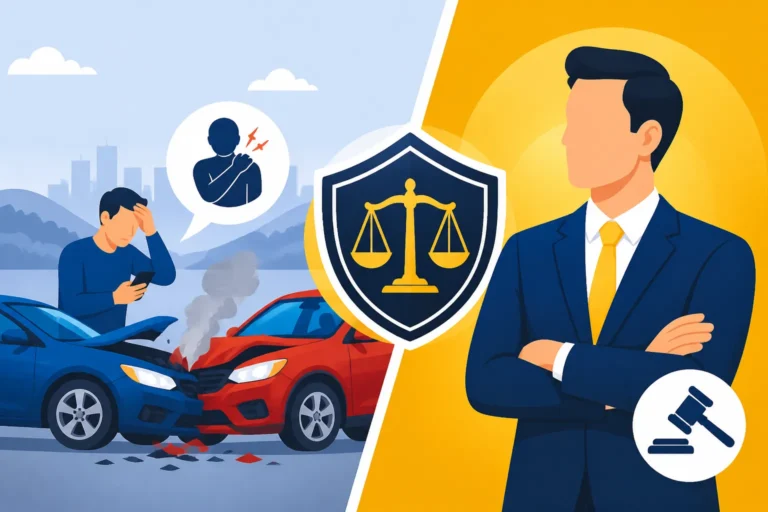
If you or a loved one has suffered significant injuries in a car accident, a lawyer becomes indispensable. We're talking about injuries that require extensive medical treatment, surgeries, long-term physical therapy, or result in permanent disability. Think about a herniated disc from a car accident, a traumatic brain injury (TBI) from a car accident, or even a severe case of whiplash. These aren't just minor aches; they can impact your ability to work, your daily activities, and your overall quality of life for years to come.
In these cases, calculating the true value of your claim goes far beyond current medical bills. A lawyer can help you account for future medical expenses, lost earning capacity, pain and suffering, and other non-economic damages that are incredibly difficult to quantify on your own. They work with medical experts and economists to build a comprehensive picture of your losses, ensuring you receive the compensation necessary to cover your long-term needs. Trying to navigate how much is my car accident settlement worth? with serious injuries is a complex endeavor best handled by an expert.
Disputed Fault and Liability
Sometimes, who is at fault in a car accident isn't as clear-cut as it seems. Maybe you were involved in a complicated intersection accident, a lane-change accident, or even a multi-car pileup. The other driver might dispute their responsibility, or worse, try to blame you, even if you know it wasn't your fault. When fault is contested, insurance companies will often dig in their heels, making it very difficult to get a fair settlement.
A lawyer specializing in car accident claims understands the nuances of traffic laws and how to gather the evidence needed to prove the other driver's negligence. They can use police reports, witness statements, accident reconstruction experts, and even traffic camera footage to establish liability. If you're partially at fault, a lawyer can also explain how comparative vs contributory negligence explained in your state might affect your compensation, working to minimize your percentage of blame to protect your claim.
Dealing with Uninsured or Underinsured Motorists
It's an unfortunate reality that many drivers on the road don't carry adequate insurance, or sometimes any insurance at all. What happens if the at-fault driver has no insurance or insufficient coverage to cover your damages? This situation can quickly turn a bad experience into a financial nightmare. While your own uninsured motorist (UM) or underinsured motorist (UIM) coverage might kick in, navigating a claim with your own insurance company in this scenario can still be challenging.
Even your own insurer might try to minimize their payout, treating you more like an adversary than a valued customer. A lawyer can advocate on your behalf with your own insurance company, ensuring they honor the terms of your policy and provide the coverage you're entitled to. They understand the intricacies of these types of claims and can help you pursue every available avenue for recovery, whether it's through your own policy or by exploring other responsible parties.
Multiple Parties Involved
Not all accidents are simple two-car collisions. Imagine a scenario where a truck driver was negligent, but their employer also bears some responsibility due to poor maintenance or training. Or perhaps a defect in one of the vehicles contributed to the accident, bringing a car manufacturer into the picture. When multiple vehicles or parties are involved, the legal landscape becomes significantly more complicated.
Each party will likely have their own insurance company and legal representation, all trying to deflect blame. A car accident lawyer has the experience to identify all potential at-fault parties and pursue claims against each of them. They can manage the complex negotiations and legal proceedings involving various insurers and lawyers, streamlining the process for you and ensuring all responsible parties are held accountable. This becomes particularly complex in situations like a chain-reaction rear-end crash.
Situations Where You Might NOT Need a Lawyer
While lawyers are invaluable in complex or serious cases, it's also true that not every car accident requires legal representation. Sometimes, the process can be straightforward enough that you can handle it on your own. Knowing when you might not need a lawyer can save you time and money, allowing you to focus on recovery.
Minor Accidents with No Injuries
If you’ve been involved in a very minor fender bender where there’s no visible damage to either vehicle, or only very superficial scratches, and absolutely no one involved sustained any physical injuries, you might be able to handle the claim directly with the insurance companies. In these situations, your focus will largely be on property damage, and the claims process is generally much simpler. The potential for a legal dispute or significant financial loss is low, making a lawyer less necessary.
However, a word of caution here: always be absolutely certain that there are no hidden injuries. Sometimes, the adrenaline from the crash can mask pain, and symptoms like whiplash or soft tissue injuries can develop days later. If even a minor ache or stiffness appears, it’s always wise to consult a doctor, and then re-evaluate whether legal counsel is appropriate. It's often debated, but do you need to see a doctor for a minor accident? The answer is almost always yes, for your own health and for potential future claims.
Clear-Cut Fault and Simple Property Damage
If the fault for the accident is undisputed and obvious – for example, the other driver clearly ran a red light or rear-ended you while you were stopped – and the only damages are to your vehicle, you might be able to manage the property damage claim yourself. In these cases, your primary goal is to get your car repaired or replaced. The other driver's insurance company will typically accept liability fairly quickly, and the process involves getting repair estimates and coordinating with a body shop.
While this process can still be frustrating, especially dealing with rental car reimbursement after an accident, it typically doesn’t involve the complex injury valuations or legal arguments that require an attorney. You can often negotiate directly with the adjuster for a fair property damage settlement. However, if they lowball you or refuse to pay for a rental car, you might consider a brief consultation with a lawyer to understand your options, even if you don't retain them for the full case.
Accepting a Fair Offer Quickly
In some very clear-cut cases with minor injuries, the insurance company might present a reasonable settlement offer right away. This can happen if your injuries are well-documented, your medical expenses are low, and liability is undisputed. If you’ve done your research, understood the typical settlement amounts for similar injuries, and feel comfortable with the offer, accepting it might be a viable option to expedite the process and move on.
The key here is "fair." How do you know if an offer is fair? It involves evaluating all your current and potential future expenses, including medical bills, lost wages, and even a reasonable amount for pain and suffering. If the offer adequately covers these without requiring extensive negotiation, a lawyer might not be necessary. However, remember that once you accept a settlement, you typically waive your right to pursue further compensation, so be absolutely certain about your decision. It's crucial to consider if you should accept the first settlement offer.
What Exactly Does a Car Accident Lawyer Do?
So, you're weighing the pros and cons of hiring an attorney. But what does a car accident lawyer actually do, day-to-day, to help your case? It's much more than just showing up in court (which, by the way, most cases never even get to). A good lawyer acts as your advocate, investigator, negotiator, and guide through what can be a very daunting process.
Investigating Your Claim and Gathering Evidence
One of the primary roles of a car accident lawyer is to conduct a thorough investigation into your accident. This isn't just taking your word for it; it's about building an undeniable case based on facts and evidence. They'll go beyond the initial police report and look for crucial details you might have missed or not even known existed. This includes gathering medical records, witness statements, photographs, and sometimes even dashcam footage or traffic camera video.
They can subpoena phone records if distracted driving (texting) accident is suspected, or obtain vehicle black box data. Lawyers also know which expert witnesses to call upon, such as accident reconstructionists or medical professionals, to provide testimony that strengthens your claim. This meticulous gathering of evidence is essential for proving fault and establishing the full extent of your damages, laying the groundwork for how to prove injuries in a car accident claim.
Communicating and Negotiating with Insurance Companies
Perhaps the most significant burden a car accident lawyer lifts from your shoulders is dealing directly with the insurance companies. From the moment you retain them, your lawyer becomes the single point of contact for all communications related to your claim. This means you won’t have to field incessant calls from adjusters, worry about saying the wrong thing, or feel pressured into a quick, lowball settlement.
Your lawyer will handle all correspondence, submit demand letters, and engage in skilled negotiations to secure the maximum compensation for you. They understand the tactics insurance companies use to minimize payouts and are prepared to counter them effectively. If initial negotiations don't yield a fair settlement, they can advise on next steps, including mediation or filing a lawsuit. Their expertise in the negotiation process can significantly increase your payout, making it well worth their fee.
Representing You in Court If Necessary
While the vast majority of car accident claims settle out of court, there are instances where a lawsuit becomes necessary to achieve a fair outcome. If negotiations with the insurance company reach an impasse, or if the at-fault party simply refuses to acknowledge their responsibility, your lawyer will be prepared to represent you in litigation.
This involves filing the lawsuit, navigating complex court procedures, conducting discovery (exchanging information and evidence with the other side), taking depositions, and ultimately, if needed, presenting your case before a judge and jury. This is a highly specialized area of law, and trying to represent yourself in court against experienced defense attorneys is almost always a losing battle. Your lawyer will be your advocate every step of the way, ensuring your rights are protected and your story is effectively told.
Guiding You Through Medical Treatment and Documentation
Beyond the legal aspects, an attorney can also be an invaluable resource when it comes to your medical care. They can advise you on the importance of following through with all recommended treatments and maintaining detailed records of your medical appointments, diagnoses, and prognoses. They understand how crucial this documentation is for linking your injuries directly to the accident and substantiating your claim for damages.
Sometimes, a lawyer might even be able to help you find appropriate medical providers if you're struggling to get appointments or specialist referrals, especially if you don't have health insurance or if your existing coverage has limitations. They'll work to ensure all your medical bills are compiled and submitted as part of your claim, and help you understand how medical bills are paid from a settlement, preventing them from becoming an additional source of stress during your recovery.
Understanding Lawyer Fees and Costs
One of the biggest concerns for many people considering a car accident lawyer is the cost. It’s a completely valid worry, especially when you’re already facing medical bills and lost income. However, the good news is that most reputable car accident lawyers operate on a fee structure designed to make legal representation accessible, even if you don't have upfront cash.
The Contingency Fee Model Explained
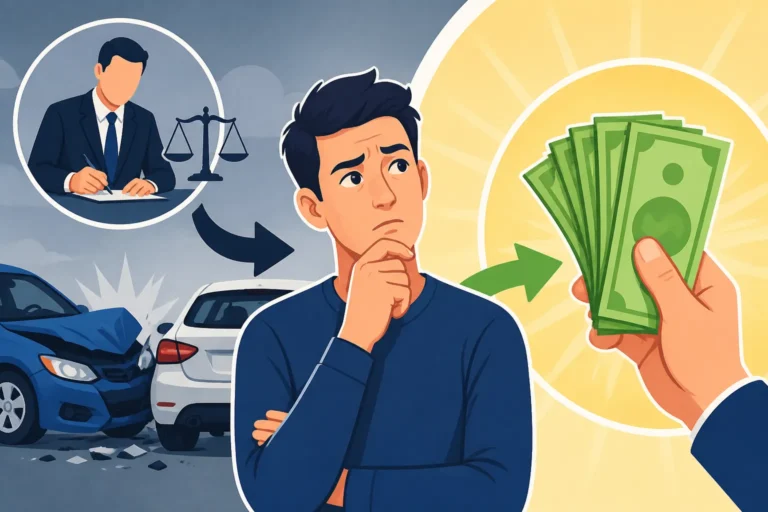
The vast majority of car accident lawyers work on a contingency fee basis. What this means is that you don't pay any attorney fees upfront, and you only pay them if they win your case, either through a settlement or a court award. If they don't recover compensation for you, you typically owe them nothing for their time. This arrangement is a huge benefit for accident victims, as it removes the financial barrier to accessing justice and allows you to pursue a claim without adding to your immediate financial stress.
The lawyer's fee is usually a percentage of the final settlement or award, typically ranging from 25% to 40%, with 33.3% (one-third) being very common, especially if the case settles before a lawsuit is filed. This percentage can sometimes increase if the case goes to trial due to the increased time and resources required. This system aligns the lawyer's incentives with yours: the more they recover for you, the more they earn, motivating them to get the best possible outcome. Understanding how car accident lawyer contingency fees work is key to knowing what to expect.
What Happens If You Lose Your Case?
This is a critical question for many clients: do you pay a car accident lawyer if you lose? In most contingency fee agreements, the answer is no – you typically do not pay attorney fees if your lawyer doesn't win your case. This "no win, no fee" promise is a cornerstone of personal injury law and is designed to protect you from financial risk.
However, it's important to understand the distinction between attorney fees and case costs. While you won't owe your lawyer for their time if you lose, you may still be responsible for certain out-of-pocket expenses incurred during the litigation process. These costs, such as filing fees, expert witness fees, deposition costs, and investigation expenses, are separate from attorney fees. A good lawyer will explain these potential costs upfront and how they are handled, whether they are advanced by the firm and reimbursed from the settlement, or if you are responsible for them regardless of the outcome.
Hidden Costs and Expenses to Be Aware Of
Beyond the attorney's percentage, there can be other expenses that come out of your settlement. These are generally referred to as "costs" or "disbursements." Common examples include fees for obtaining medical records and police reports, court filing fees, expert witness fees (for accident reconstructionists or medical specialists), deposition costs, postage, and travel expenses. These costs can add up, especially in complex cases that proceed to litigation.
Your lawyer should provide a clear breakdown of these potential expenses and discuss how they will be covered. Often, the law firm will advance these costs on your behalf and then deduct them from the final settlement before calculating their percentage fee. This ensures that you don't have to pay out-of-pocket during the case. Always ask for a detailed explanation of all potential costs and how they will be handled during your initial consultation so there are no surprises down the road. Transparency is crucial in this financial arrangement.
How to Choose the Right Car Accident Lawyer
Deciding to hire a lawyer is one thing; finding the right lawyer is another challenge entirely. It's a significant decision that can profoundly impact the outcome of your claim, so it's worth taking the time to make an informed choice. You want someone who is not only competent but also a good fit for you and your specific situation.
Experience and Specialization Matter
When it comes to car accident claims, experience and specialization are paramount. You wouldn't go to a dentist for heart surgery, and similarly, you shouldn't hire a divorce lawyer to handle your complex car accident injury claim. Look for an attorney or firm that focuses specifically on personal injury law, and ideally, has a strong track record with car accident cases. They should be well-versed in your state's specific traffic laws, insurance regulations, and court procedures.
An experienced car accident lawyer will understand the nuances of various accident types, from rear-end collision fault to who is at fault in a T-Bone accident? They will know how to accurately assess the value of your claim, including projected future medical costs and lost earnings, and how to effectively negotiate with insurance companies. Don't be afraid to ask about their experience, their success rates, and how many similar cases they've handled.
Communication Style and Client Relationship
Beyond their legal expertise, consider the lawyer's communication style and how comfortable you feel interacting with them. You'll be sharing sensitive personal and medical information, and you need to feel confident that your lawyer genuinely cares about your well-being and is responsive to your questions and concerns. A good attorney will explain things in plain English, not legal jargon, and keep you updated on the progress of your case.
During your initial consultation, pay attention to how they listen to your story, how thoroughly they answer your questions, and how accessible they seem. Do they rush you? Do they seem genuinely empathetic to your situation? A strong client-attorney relationship built on trust and clear communication is essential, especially during what can be a prolonged and emotionally taxing process.
Utilizing Online Resources and Referrals
Finding a good car accident lawyer often starts with research. Online resources can be incredibly helpful. You can look at lawyer directories, read client reviews on sites like Google and Avvo, and check out law firm websites to get a sense of their practice areas and philosophies. Personal referrals from friends, family, or even other legal professionals can also be a valuable starting point, as they often come with firsthand experience.
Websites like LegalMatch can be particularly useful in this search, as they connect you with attorneys in your area who specialize in car accident claims. You can submit details about your case, and interested lawyers will respond, often offering free consultations. This streamlines the process of finding potential candidates and allows you to compare different firms and their approaches before making a commitment. This platform can help you find someone who understands the intricacies of your specific accident and injury, whether you are dealing with a standard collision or a complex fault in an uninsured motorist accident.
The Statute of Limitations: A Critical Deadline
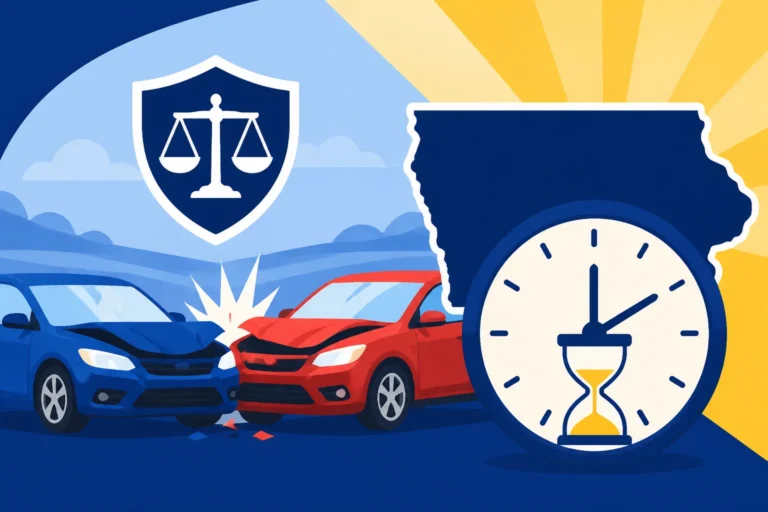
One of the most important pieces of information you need to understand after a car accident is the statute of limitations. This isn't just a suggestion; it's a strict legal deadline that dictates how long you have to file a lawsuit after an injury. Missing this deadline, even by a single day, can mean forfeiting your right to seek compensation forever.
Why Deadlines Are Non-Negotiable
The statute of limitations is a legal concept designed to ensure fairness and efficiency in the judicial system. It prevents people from filing lawsuits decades after an event, when evidence might be lost, witnesses' memories have faded, or the original parties are no longer available. For you as an accident victim, it means there's a finite window to take legal action.
If you attempt to file a lawsuit after this period has expired, the court will almost certainly dismiss your case, regardless of how strong your claim might be. This is why one of the first things a car accident lawyer will assess is how much time you have left before the statute of limitations runs out. It's a non-negotiable deadline that underscores the importance of acting promptly after an accident, especially if injuries are involved.
State-Specific Timeframes
The exact length of the statute of limitations varies significantly from state to state. For personal injury claims arising from car accidents, it can range from as little as one year to as long as six years. For example, some states like Louisiana or Kentucky have a one-year statute of limitations for personal injury claims, while others like Maine or North Dakota allow up to six years. Most states, however, fall somewhere in the two-to-three-year range.
This variation makes it absolutely essential to know the specific deadline for your state. Your lawyer will be intimately familiar with these rules. For instance, the statute of limitations for car accidents by state is a fundamental piece of information they'll share with you. This also applies to other types of claims, such as property damage, which often have their own distinct deadlines.
Exceptions to the Rule
While the statute of limitations is generally strict, there are a few rare exceptions that might extend or delay the deadline. These exceptions are typically complex and require legal interpretation, which is another reason why consulting an attorney is vital. Common exceptions include:
- Minority: If the injured party is a minor at the time of the accident, the statute of limitations often doesn't begin to run until they turn 18.
- Mental Incapacity: If the injured party is deemed mentally incapacitated, the deadline might be paused until their capacity is restored.
- Discovery Rule: In some cases, if an injury or its connection to the accident wasn't reasonably discoverable until a later date, the statute of limitations might begin when the injury was discovered, rather than the date of the accident. This is particularly relevant for delayed injury symptoms after a car accident.
- Defendant Leaves the State: If the at-fault party leaves the state, the clock might be paused until they return.
These exceptions are not automatic and often require legal arguments to apply. Never assume an exception applies to your case without first consulting with a qualified attorney. Failing to understand and adhere to the statute of limitations is one of the most common and devastating mistakes car accident victims make.
The Value a Lawyer Adds Beyond Money
While securing financial compensation is undoubtedly a primary goal after a car accident, the value a lawyer brings extends far beyond just the monetary settlement. They offer peace of mind, expert guidance, and a shield against the often-stressful and confusing aspects of the legal process, allowing you to focus on what truly matters: your recovery.
Reducing Stress and Emotional Burden
Dealing with the aftermath of a car accident is incredibly stressful. You’re likely trying to manage physical pain, attend medical appointments, navigate your daily responsibilities, and perhaps even cope with PTSD and emotional distress after a car accident. Adding the complexities of an insurance claim, legal paperwork, and constant communication with adjusters to this burden can feel insurmountable.
Hiring a lawyer immediately alleviates a significant portion of this stress. They take over all communication, handle the paperwork, and manage the entire legal process. This frees you up to focus on your physical and emotional healing, knowing that a professional is diligently working to protect your rights and secure your future. This peace of mind is invaluable, especially during a time of vulnerability.
Protecting Your Rights and Preventing Mistakes
Insurance companies are not on your side, and they will often try to use anything you say or do against you to minimize their payout. Without legal representation, you might inadvertently admit fault, provide a recorded statement that harms your case, or sign documents that waive your rights without fully understanding the implications. A lawyer acts as your personal advocate, ensuring that your rights are protected at every turn. They advise you on what to say (and what not to say) to insurance adjusters, review all documents before you sign them, and prevent you from making common mistakes that could jeopardize your claim.
For example, they'll make sure you understand what an admission of fault (and how to avoid it) entails, ensuring you don't inadvertently shoulder blame. This proactive protection can be the difference between a fair settlement and walking away with little to no compensation. With a lawyer, you have an expert watching out for your best interests, safeguarding your future.
Access to Resources and Expert Networks
A seasoned car accident lawyer doesn’t just bring their legal expertise; they bring an entire network of resources and professional connections that are typically unavailable to the average individual. This can include access to highly regarded medical specialists for your injuries, accident reconstructionists who can piece together the events of the crash, and expert witnesses who can provide compelling testimony.
For instance, if you're experiencing long-term effects of whiplash from a car accident, a lawyer can connect you with neurologists or pain management specialists who can properly diagnose and treat your condition, strengthening your claim for ongoing care. They also often have relationships with private investigators who can track down elusive witnesses or uncover crucial evidence. This access to specialized support ensures that your case is built on the strongest possible foundation, maximizing your chances of a successful outcome. Websites like LegalMatch can help you find an attorney with access to these networks.
Disclaimer
Please remember that this article provides general information and insights into car accident claims and the role of an attorney. It is not legal advice and should not be taken as such. Every car accident case is unique, and the best course of action depends on the specific details of your situation. Always consult with a qualified legal professional to discuss your individual circumstances and receive personalized advice.