What Is a Reservation of Rights Letter?
Getting into a car accident is stressful enough, but then you start getting letters from insurance companies that look official and a little intimidating. One of the most confusing pieces of mail you might receive is something called a "reservation of rights letter." It’s easy to feel a knot in your stomach, wondering if your claim is about to be denied before you’ve even had a chance to fully recover. This guide is here to demystify what a reservation of rights letter actually means, why your insurance company sends it, and most importantly, how you should respond to protect your car accident claim.
Decoding the Reservation of Rights Letter
Let's cut through the jargon and get to the heart of what this letter is all about. It's often misunderstood, leading to unnecessary anxiety. Think of it not as a definitive "no," but rather as a "we need more information, and we're keeping our options open" kind of message.
What Exactly Is It?
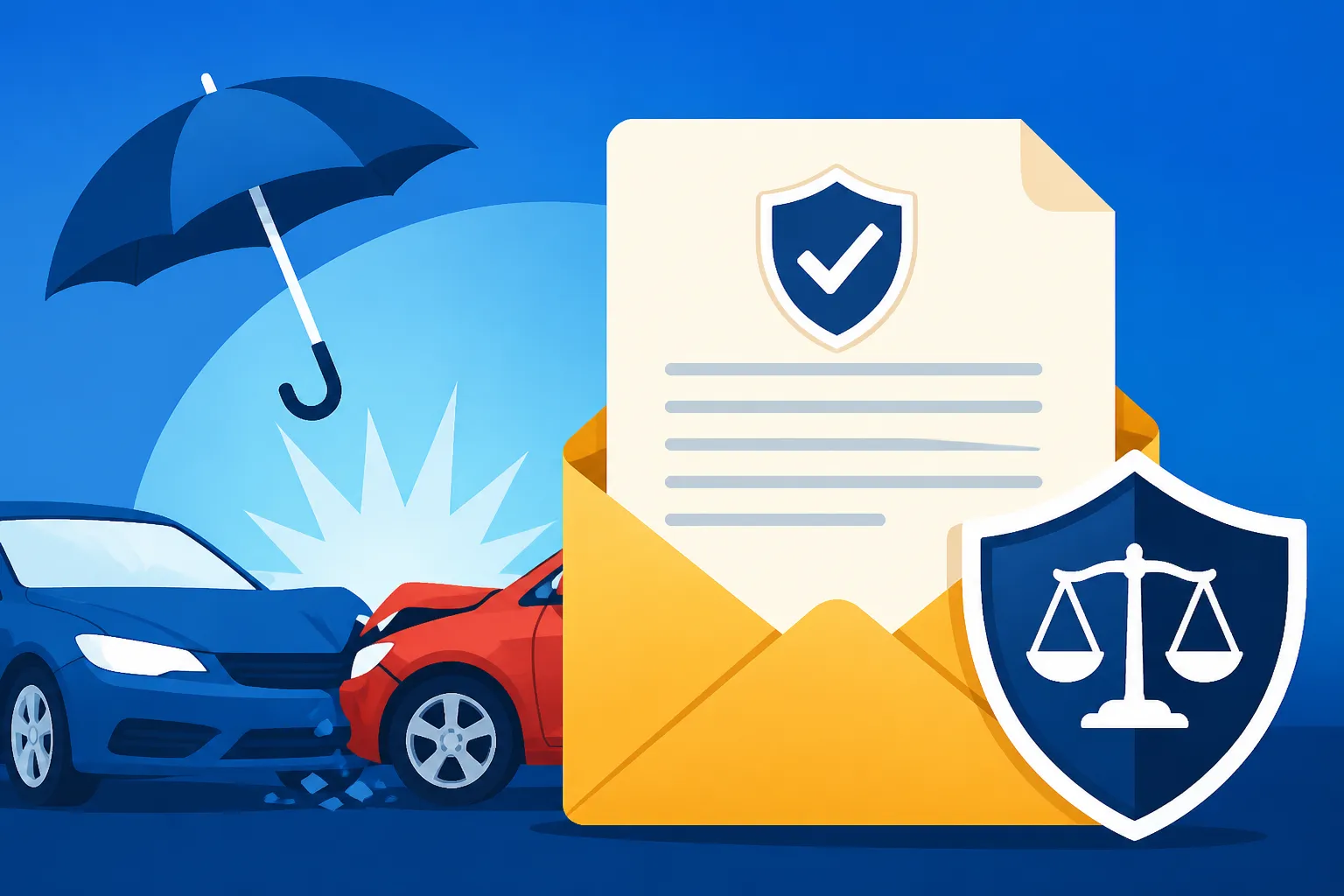
A reservation of rights letter is a formal notice sent by an insurance company to its policyholder (and sometimes to the third party involved in the accident). It essentially states that while the insurer is investigating a claim, they are reserving their right to deny coverage later if their investigation uncovers facts that fall outside the policy's terms or conditions. It's a way for the insurance company to proceed with the investigation – interviewing witnesses, assessing damages, gathering evidence – without accidentally waiving any of their contractual rights to deny the claim in the future.
It's crucial to understand that receiving one of these letters doesn't mean your claim has been denied. It simply means the insurance company has identified some potential issues or questions regarding coverage or liability that they need to look into further. They're basically saying, "We're going to help you through the process for now, but we haven't committed to paying out everything just yet."
Why Your Insurer Sends One
Insurance companies are, at their core, businesses. Their primary goal is to manage risk and fulfill their contractual obligations under your policy. Sending a reservation of rights letter is a strategic move designed to protect their financial interests and legal standing. Without sending such a letter, an insurer might, through their actions (like starting to pay for repairs or medical bills), inadvertently waive their right to deny a claim later if they discover a policy violation. This legal principle is known as "waiver and estoppel."
For example, if an insurer begins paying medical bills without question and then later discovers the policyholder deliberately misrepresented facts about the accident, they might be prevented from denying the claim due to their initial actions. The reservation of rights letter prevents this by explicitly stating that their ongoing investigation or initial payments do not constitute an admission of coverage or liability. Common reasons for these letters include uncertainties about policy limits, exclusions, late reporting of the incident, or conflicting accounts of how the accident happened.
The Legal Implications
The legal ramifications of a reservation of rights letter are significant for both the insurance company and you, the policyholder. For the insurer, it's a shield that allows them to thoroughly investigate a claim without jeopardizing their ability to deny it if appropriate. It ensures they can fulfill their duty to investigate without being locked into coverage prematurely.
For you, it means your claim is under scrutiny. While it doesn't mean immediate denial, it's a clear signal that the insurance company has concerns. It puts you on notice that you need to be extremely diligent in providing all necessary information and cooperating with the investigation. It’s also a good time to review your own policy details carefully to understand any potential areas of concern that the insurer might be looking at. If your claim is denied after a reservation of rights letter, you'll need to understand the specific reasons for that denial to consider your next steps.
Common Scenarios for Receiving This Letter
It's not always a nefarious plot when you receive a reservation of rights letter. Often, there are very practical, albeit frustrating, reasons why an insurance company feels the need to send one. Understanding these common triggers can help you anticipate and address concerns proactively.
Policy Coverage Disputes
Sometimes, the details of your car accident or the circumstances surrounding it might raise questions about whether the incident is fully covered under your specific insurance policy. This isn't always about outright fraud; it could be a misunderstanding or a grey area in the policy language. For instance, if you were using your personal vehicle for commercial purposes like ridesharing (think Uber or Lyft) without having the proper rideshare endorsement on your policy, the insurer might issue a reservation of rights letter. Your standard personal auto policy likely excludes commercial use, so they'll investigate whether that exclusion applies.
Other examples include situations where an unlisted driver was behind the wheel, or if the vehicle involved wasn't properly registered on your policy. Insurers will also scrutinize claims if there’s a suspicion that the policy lapsed or was cancelled for non-payment prior to the accident, even by just a day or two. These scenarios require a deeper dive into the policy's terms and conditions, which the reservation of rights letter facilitates.
Late Reporting of the Accident
One of the most common reasons for an insurer to send a reservation of rights letter is when there's a delay in reporting the accident. Most insurance policies have clauses requiring policyholders to report accidents "promptly" or "as soon as practicable." What constitutes "promptly" can be subjective, but a significant delay can raise red flags. If you waited too long to report the incident, the insurance company might argue that this delay prejudiced their ability to investigate effectively. Fresh evidence might be gone, witness memories faded, or even the accident scene altered.
Imagine you were involved in a minor fender bender, felt fine, and only reported it weeks later when neck pain (whiplash) suddenly flared up. The insurer might send a letter questioning why you didn't report it sooner, especially since delayed symptoms after a car accident are common and can complicate claims. This doesn't mean your claim will be denied, but it gives them reason to scrutinize the connection between the accident and your injuries. If you're wondering about the timing, it’s always best to be aware of the rules around Can You File a Claim Days After an Accident?.
Unclear or Contested Fault
Car accidents are rarely black and white, and when there's ambiguity or disagreement over who was at fault, insurance companies often proceed with caution. If there are conflicting statements from drivers or witnesses, or if the police report is inconclusive, an insurer might issue a reservation of rights letter. This allows them to investigate the circumstances more thoroughly without immediately accepting liability on behalf of their policyholder.
Consider a complex situation like a multi-car pileup, a merging accident, or even a seemingly straightforward Left-Turn Accident Fault Rules where one driver claims the other ran a yellow light. When liability is heavily contested, the insurance company needs to understand all angles before committing to paying damages. They’ll want to gather all evidence, including police reports, traffic camera footage, and witness statements, to determine How Fault Is Determined in a Car Accident. Until they have a clearer picture, this letter acts as their safety net.
What to Do When You Get a Reservation of Rights Letter
Receiving one of these letters can feel alarming, but remember: it's not a final denial. It's a call to action. Your response in the immediate aftermath can significantly impact the outcome of your claim.
Don't Panic, But Take Action
The first, and arguably most important, thing to do is to take a deep breath. Panicking can lead to hasty decisions or, worse, inaction. Instead, view this letter as a warning signal that requires your careful attention. Read the letter thoroughly, multiple times if necessary. Pinpoint the specific reasons the insurance company has stated for reserving its rights. Is it about a coverage exclusion? A late report? Conflicting information? The more precisely you understand their concerns, the better you can address them.
Once you know the issues, you can start gathering additional information or clarification that might alleviate their worries. This isn't a time to get defensive, but rather to be organized and methodical in your approach. Keep the letter in your records and note the date you received it. This document is a critical piece of your claims process.
Gather Your Evidence and Document Everything
Now is the time to really lean into meticulous documentation, perhaps even more so than you already have. This means compiling every piece of evidence related to your accident and injuries. If the letter mentions late reporting, be prepared to explain why there was a delay. If it questions coverage, review your policy to understand what might be at issue.
Make sure you have:
- The police report: This often provides an initial, objective account of the accident.
- Photographs and videos: Pictures of the accident scene, vehicle damage, road conditions, and any visible injuries are invaluable.
- Witness statements: Contact information and written accounts from anyone who saw the accident.
- Medical records: Comprehensive documentation of all your injuries, diagnoses, treatments, and prognosis. This is especially vital if the insurer is questioning the extent or cause of your injuries.
- Repair estimates: Detailed assessments of vehicle damage.
- A personal journal: Keep a log of your pain, limitations, and how the injuries are affecting your daily life.
- Communication log: Document every phone call, email, and letter with the insurance company, including dates, times, and summaries of conversations.
Remember, the more concrete evidence you can provide, the stronger your position will be. Reviewing a guide like What to Do After a Car Accident: Step-by-Step (2027) can help ensure you haven't missed any critical steps in documenting your case.
Consider Consulting a Car Accident Lawyer
This is often where many people hesitate, but receiving a reservation of rights letter is a strong indicator that it might be time to get professional legal advice. An experienced car accident lawyer understands the nuances of insurance law and can interpret the legal implications of the letter far better than you can. They can identify any potential traps or specific policy language that the insurer might be relying on.
A lawyer can also take over communication with the insurance company on your behalf. This is incredibly beneficial, as they know how to present your case, what information to provide (and what not to volunteer), and how to protect your rights. They can help clarify the insurer's concerns and work towards resolving them, potentially preventing an outright denial. If you're dealing with serious injuries or a complex liability situation, getting legal counsel can be paramount to ensuring you get a fair settlement. A lawyer can significantly help you How to Negotiate a Car Accident Settlement and navigate the complexities. When facing this kind of challenge, it's worth asking: Do You Need a Lawyer for a Car Accident? (2026)
Navigating the Insurance Investigation Process
Once you receive a reservation of rights letter, the insurance company's investigation will likely intensify. Knowing what to expect and how to interact during this phase is crucial.
Cooperating with the Insurer (with Caution)
Most insurance policies contain a "cooperation clause," which requires the policyholder to cooperate with the insurer's investigation. This means you generally need to provide requested documents, answer questions truthfully, and participate in reasonable requests. However, "cooperation" does not mean you should blindly agree to everything or make statements that could jeopardize your claim.
For example, you might be asked to provide a recorded statement. While you have a duty to cooperate, you also have the right to consult with an attorney before giving any formal statements. What you say in a recorded statement can be used against you later, even if you believe you're simply being helpful. Be very careful not to admit fault or minimize your injuries. It is highly advisable to seek legal guidance before providing such a statement. You can learn more about this by reading Do You Have to Give a Recorded Statement?.
The Role of the Insurance Adjuster
The insurance adjuster is your primary contact with the insurance company. Their job is to investigate the accident, determine who was at fault, assess damages (both property and bodily injury), and ultimately, negotiate a settlement. When a reservation of rights letter has been issued, the adjuster's investigation will be particularly thorough regarding the specific issues raised in the letter.
It's important to remember that while adjusters may seem friendly, they are employed by the insurance company and are trained to protect the company's interests. This means they're looking for information that could limit the company's payout. They will scrutinize the details of the accident, your medical treatment, and any inconsistencies. Being prepared and cautious in your interactions is key. Understanding how to interact with these professionals is crucial, and reading about Dealing With Insurance Adjusters After a Car Accident can provide invaluable insight.
Potential Outcomes After Investigation
After the insurance company completes its investigation, one of several outcomes typically follows:
- Coverage is Confirmed and Claim Proceeds: The insurer determines that the policy does indeed cover the claim, and they proceed with processing your damages and negotiating a settlement. This is the best-case scenario after a reservation of rights letter.
- Claim is Settled: If fault is clear and damages are agreed upon, the insurer might offer a settlement. If you have a lawyer, they will negotiate this on your behalf.
- Claim is Formally Denied: The insurer might decide, based on their investigation, that there is a valid reason under your policy to deny coverage. This could be due to an exclusion, a policy violation, or a determination that you were entirely at fault in a jurisdiction that bars recovery for any fault. If your claim is denied, you will receive a formal denial letter explaining the reasons. This is a critical juncture where legal counsel becomes even more essential. You will then need to understand What to Do If an Insurance Company Denies Your Claim.
- Lawsuit: If a settlement cannot be reached, or if the claim is denied and you disagree, the dispute may escalate to a lawsuit.
Here's a simple comparison of what a reservation of rights letter means versus a claim denial:
| Feature | Reservation of Rights Letter | Claim Denial Letter |
|---|---|---|
| Purpose | Insurer is investigating but reserves right to deny later. | Insurer has completed investigation and will not pay claim. |
| Stage of Claim | Early to mid-investigation phase. | Final decision on coverage. |
| Legal Status | Claim is still open and under review. | Claim is closed by the insurer. |
| Action Required | Cooperate cautiously, gather evidence, consider legal counsel. | Review denial reasons, consult lawyer, consider appeal/lawsuit. |
| Implies Coverage Issue | Yes, potential issues identified. | Yes, specific coverage issues cited. |
| Can Lead to Settlement | Yes, if investigation resolves concerns. | No, unless appealed successfully or pursued through legal action. |
Protecting Your Rights and Claim
Even if you've received a reservation of rights letter, you still have rights, and there are proactive steps you can take to strengthen your position and ensure your claim is handled fairly.
Understanding Your Policy
It cannot be stressed enough: read your entire insurance policy document. Most people never look beyond the declarations page, which is a mistake. Your policy is a legal contract, and it outlines precisely what is covered, what is excluded, your responsibilities as a policyholder, and the conditions under which the insurer must pay a claim. Pay close attention to sections on:
- Coverage limits: Understand the maximum amount your policy will pay for different types of damages.
- Exclusions: These are specific circumstances or types of damages that your policy does not cover.
- Reporting requirements: How and when you are required to notify your insurer of an accident.
- Cooperation clause: Your duty to cooperate with the investigation.
By understanding your policy inside and out, you can better anticipate the insurer's questions and directly address any concerns raised in the reservation of rights letter. You'll also be better equipped to determine if their potential denial is truly legitimate or if you have grounds to challenge it.
The Importance of Timeliness
Time is often a critical factor in car accident claims. Delays can create skepticism and make it harder to prove certain aspects of your case. Beyond the requirement to report the accident promptly, here are other areas where timeliness is paramount:
- Seeking medical attention: Even if you feel okay after an accident, it's always wise to get checked out by a doctor. Some serious injuries, like whiplash or a concussion, may have Delayed Injury Symptoms After a Car Accident and only manifest days or weeks later. Delaying medical care can make it harder to link your injuries directly to the accident.
- Filing your claim: Be mindful of the statutes of limitations for filing personal injury or property damage claims in your state. These are strict deadlines, and missing them can permanently bar you from recovering compensation. It's important to know How Long Do You Have to File a Car Accident Claim?.
- Responding to insurer requests: While you should do so cautiously and, ideally, with legal advice, responding to your insurer's requests for information or documentation in a timely manner shows cooperation and diligence on your part.
Documenting Damages and Injuries
Thorough and continuous documentation of all your damages and injuries is the bedrock of any successful car accident claim. This evidence proves the extent of your losses and directly counters any doubts the insurance company might have.
For property damage, this means:
- Detailed photos of your vehicle's damage from multiple angles.
- Repair estimates from reputable body shops.
- Receipts for any temporary repairs, towing, or rental car expenses.
For bodily injuries, this means:
- Comprehensive medical records from every doctor, specialist, and therapist you see. These should detail diagnoses, treatment plans, medications, and prognoses.
- Bills for all medical expenses.
- A personal journal documenting your pain levels, limitations, mental distress (like PTSD or anxiety), and how the injuries affect your daily life and ability to work.
- Proof of lost wages from your employer.
All of this documentation helps to How to Prove Injuries in a Car Accident Claim and establish the full scope of your economic and non-economic damages, regardless of whether you're dealing with a First-Party vs Third-Party Car Insurance Claims. It provides the concrete facts needed to negotiate a fair settlement or pursue a lawsuit if necessary.
Disclaimer
Please remember that this guide provides general information and insights into reservation of rights letters in the context of car accident claims. It is not legal advice. Every accident and insurance policy is unique. For personalized advice regarding your specific situation, it is always recommended to consult with a qualified legal professional.