Delayed Injury Symptoms After a Car Accident
It's a frustratingly common scenario: you've just been in a car accident, and in the immediate aftermath, you might feel shaken but otherwise "fine." Maybe you're a little sore, but nothing serious, right? You exchange information, perhaps even manage a small laugh of relief with the other driver, and go home thinking you've dodged a bullet. But then, a day, a week, or even longer down the road, the real pain kicks in, catching you completely off guard. This guide is all about understanding why those delayed injury symptoms happen after a car accident and what you absolutely need to do when they emerge.
The Tricky Nature of Post-Accident Injuries
The human body is an amazing machine, capable of incredible resilience, but also quite adept at masking pain in high-stress situations. This is why so many people walk away from seemingly minor accidents feeling relatively unscathed, only to wake up days later with debilitating pain or other concerning symptoms. It's not just a figment of your imagination; there are very real physiological reasons why injuries can take their sweet time to manifest.
Adrenaline's Role in Masking Pain
One of the biggest culprits in delayed pain is adrenaline. When you experience a sudden, traumatic event like a car accident, your body goes into "fight or flight" mode. This floods your system with adrenaline, cortisol, and other stress hormones. These powerful chemicals have a remarkable ability to dull pain signals, increase your pain tolerance, and heighten your senses, allowing you to react quickly to perceived danger.
Think about it: in an emergency, your body prioritizes survival. It's not going to let a little ache or stiffness distract you from getting to safety or assessing the scene. So, while you might have sustained an injury, your body's natural defense mechanism is essentially hitting the mute button on the pain, giving you a false sense of well-being. This can last for hours after the accident, sometimes even longer, which is why it's so important to remain vigilant about your health in the days and weeks that follow.
Shock and Its Physical Effects
Beyond adrenaline, the sheer shock of a car accident can also contribute to delayed symptoms. Psychological and physical shock can leave you feeling numb, disoriented, or simply overwhelmed. This mental state can overshadow minor physical discomforts, making them seem insignificant or nonexistent. You might be so focused on the crumpled fender, the police report, or the logistics of getting your car repaired that you genuinely don't register the subtle signs of an underlying injury.
For instance, someone might get out of their car after a rear-end collision, inspect the damage, talk to witnesses, and then drive home, feeling a bit "off" but attributing it to the stress of the event. They might experience a slight headache or stiffness, but dismiss it. It's only later, once the immediate stress has subsided and they've had a chance to relax (or attempt to), that the deeper physical trauma begins to assert itself, often with much greater intensity. This is a common and entirely normal reaction to a sudden, unexpected impact.
The Nature of Soft Tissue vs. Acute Injuries
Not all injuries announce themselves with immediate, sharp pain like a broken bone might. Many common car accident injuries are "soft tissue" injuries, affecting muscles, ligaments, and tendons. These can include things like whiplash, strains, and sprains. Unlike a bone fracture, which often causes acute and immediate pain, swelling, and visible deformity, soft tissue injuries can develop more slowly.
Inflammation is a key factor here. After an impact, your body's natural response to tissue damage is to initiate an inflammatory process. This can take time to build up. Over the next 24 to 72 hours, or even longer, this inflammation can increase, causing swelling, stiffness, and pain to become much more noticeable. What felt like a minor "tweak" at the scene can transform into significant discomfort that restricts your movement and impacts your daily life. This delayed onset is precisely why rushing to declare yourself "fine" at the accident scene can be a mistake.
Common Delayed Car Accident Injuries and Their Symptoms
Many types of injuries can manifest days or even weeks after a car accident. Understanding what to look for can help you identify a problem early and seek the necessary medical attention. These aren't always immediately obvious and can be easily dismissed as general soreness if you're not paying close attention.
Whiplash and Neck Pain
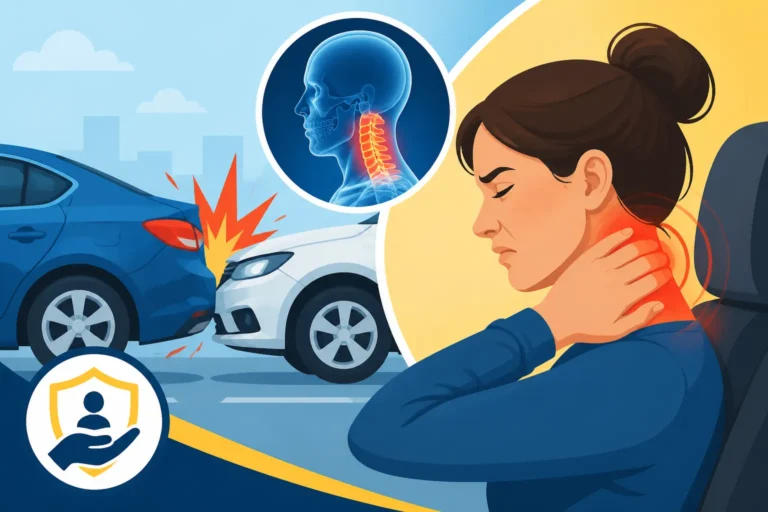
Whiplash is perhaps the most famous delayed injury after a car accident, especially from rear-end collisions. It occurs when your head is suddenly jolted backward and then forward, straining the muscles, ligaments, and tendons in your neck. While some people feel immediate neck pain, stiffness, or headaches, for many, these symptoms don't appear until 24-48 hours later, sometimes even longer.
Common delayed symptoms of whiplash include:
- Neck pain and stiffness
- Headaches, often starting at the base of the skull
- Dizziness or lightheadedness
- Blurred vision
- Fatigue
- Pain or tenderness in the shoulder, upper back, or arms
- Tingling or numbness in the arms
- Ringing in the ears (tinnitus)
- Difficulty concentrating or memory problems
It's a misconception that whiplash is a minor injury. For some, it can lead to chronic pain and long-term issues if not properly treated. If you experience any of these symptoms after an accident, even if it was minor, it's crucial to consult a doctor. Our guide on What Is Whiplash? Symptoms, Treatment & Claims offers even more in-depth information.
Back and Spinal Injuries
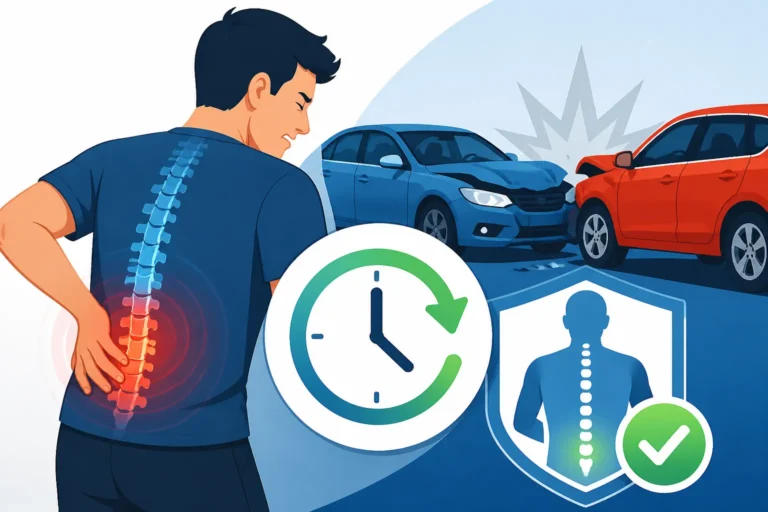
Just like neck injuries, back injuries can also have a delayed onset. The force of an impact can cause disc herniations, sprains, or strains in your thoracic (mid-back) or lumbar (lower back) regions. You might feel a dull ache at first, which gradually worsens, or sudden, sharp pain when you bend or lift.
Symptoms to watch out for include:
- Lower back pain or stiffness that worsens with movement
- Pain radiating down your legs (sciatica), which can indicate nerve compression
- Numbness or tingling in the legs or feet
- Weakness in your legs
- Difficulty standing straight or walking
These types of injuries, if left untreated, can have significant long-term consequences, including chronic pain and reduced mobility. It's always best to get checked out, especially if the pain isn't resolving on its own or is getting worse. For a deeper dive into these issues, see our comprehensive resource on Back and Spinal Injuries From Car Accidents.
Headaches, Concussions, and TBIs
Headaches are very common after car accidents, but they can mean different things. While a tension headache from stress is possible, persistent or severe headaches, especially if accompanied by other symptoms, could indicate a concussion or a more serious traumatic brain injury (TBI).
Delayed symptoms of a concussion or TBI can include:
- Persistent headaches that don't improve
- Dizziness or vertigo
- Nausea or vomiting
- Sensitivity to light or sound
- Difficulty concentrating or memory loss
- Irritability or changes in mood
- Sleep disturbances (insomnia or sleeping more than usual)
- Blurred vision or changes in vision
A concussion is a mild form of TBI, but even a "mild" TBI can have significant long-term effects on your cognitive function and emotional well-being. It's critical to seek medical evaluation if you suspect any head injury, as symptoms like these can often be subtle at first and then worsen over time. Don't underestimate the severity of a head injury; learn more about Traumatic Brain Injury TBI From a Car Accident and its implications.
Abdominal and Internal Injuries
While less common than whiplash or back pain, internal injuries are incredibly dangerous because they may not present with immediate external signs. The force of an impact, especially against a steering wheel or seatbelt, can cause internal bleeding or damage to organs like the spleen, liver, or kidneys.
Symptoms might include:
- Abdominal pain or tenderness
- Deep bruising in the abdominal area
- Swelling in the abdomen
- Dizziness or lightheadedness (signs of internal blood loss)
- Blood in urine or stool
- Nausea or vomiting
These symptoms can develop slowly and may not seem severe until significant damage has occurred. Any unexplained abdominal pain or unusual symptoms after an accident warrants immediate medical attention, as internal bleeding can be life-threatening.
Psychological Trauma and PTSD
Physical injuries aren't the only ones that can have a delayed onset after an accident. The emotional and psychological toll can be profound, often surfacing long after the physical wounds begin to heal. Post-Traumatic Stress Disorder (PTSD) is a real and debilitating condition that can develop weeks or months after a traumatic event.
Symptoms of psychological trauma or PTSD might include:
- Flashbacks of the accident
- Nightmares or sleep disturbances
- Intrusive thoughts or anxiety about driving
- Avoidance of situations related to the accident (e.g., specific roads, driving altogether)
- Increased irritability or anger
- Feeling detached or numb
- Hyper-vigilance or easily startled
If you find yourself struggling with persistent anxiety, fear, or other emotional difficulties that interfere with your daily life after an accident, please seek help from a mental health professional. Your emotional well-being is just as important as your physical health.
Here's a quick overview of some common delayed symptoms and their typical onset:
| Injury Type | Common Delayed Symptoms | Typical Onset Window | Severity Warning |
|---|---|---|---|
| Whiplash (Neck Strain/Sprain) | Neck pain, stiffness, headaches (base of skull), dizziness, shoulder/arm pain, blurred vision | 24-72 hours, sometimes longer | Can become chronic if untreated; seek prompt evaluation. |
| Back Injuries (Sprains, Disc) | Lower back pain, stiffness, radiating pain (sciatica), numbness/tingling in legs | 24 hours – 2 weeks | Nerve damage risk; can lead to long-term disability. |
| Concussion/TBI | Persistent headaches, dizziness, nausea, light/sound sensitivity, confusion, mood changes | Hours to days, sometimes weeks | Requires urgent medical evaluation due to brain damage risk. |
| Internal Injuries | Abdominal pain, deep bruising, swelling, lightheadedness, blood in urine/stool | Hours to several days | Medical Emergency: Can be life-threatening without immediate care. |
| PTSD/Emotional Trauma | Flashbacks, nightmares, anxiety, avoidance, irritability, difficulty concentrating | Weeks to months, sometimes years | Seek mental health professional for proper diagnosis and treatment. |
| Soft Tissue Injuries | Generalized muscle soreness, stiffness, limited range of motion (often shoulders, knees) | 24-72 hours, up to a week | Can linger and cause chronic pain if not managed. |
The Physiological Reasons Behind Delayed Symptoms
Understanding the "why" behind delayed symptoms can help you take proactive steps. It's not just about adrenaline; several complex bodily responses contribute to this phenomenon.
Inflammation and Swelling Development
As we briefly touched upon, inflammation is the body's natural healing response to injury. When tissues are damaged, whether it's muscle fibers, ligaments, or even internal organs, your body rushes blood, fluids, and immune cells to the affected area. This process, while essential for healing, takes time to fully develop. Initially, the damage might be microscopic, not immediately causing significant swelling or pain.
Over the course of hours and days, this inflammatory response intensifies. The accumulation of fluid (edema) and the presence of inflammatory chemicals irritate nerve endings, leading to increased pain, stiffness, and reduced range of motion. Imagine a small bruise that barely shows up right after a bump, but by the next morning, it's a throbbing, discolored mess. That's inflammation at work, and it's particularly prevalent in Soft Tissue Injuries Explained.
Micro-Tears and Tissue Damage Progression
Car accidents often cause what are known as micro-tears in muscles, tendons, and ligaments. These tiny tears might not be immediately painful or noticeable at the scene. They're not like a complete rupture that causes excruciating pain. Instead, they represent damage at a cellular level that progressively worsens without proper rest and care.
For example, a sudden jerk of your head might cause microscopic tears in your neck muscles. If you continue with your normal activities, ignoring the subtle discomfort, these micro-tears can become larger, leading to more significant inflammation, muscle spasms, and a full-blown whiplash symptom complex. This progression of damage is a significant reason why what starts as a mild ache can become a severe problem days later.
Nerve Compression and Neurological Onset
Another reason for delayed symptoms lies in nerve compression. The swelling and inflammation mentioned earlier can put pressure on nearby nerves. This pressure might not be immediate but can slowly build up as tissues swell. Once a nerve is compressed, it can lead to a variety of neurological symptoms, including numbness, tingling, weakness, or sharp, shooting pains that can travel down limbs.
Consider a herniated disc in your back. The initial impact might shift the disc slightly, but it might take a day or two for the disc to fully bulge or rupture, putting sustained pressure on a spinal nerve root. This is when symptoms like sciatica (pain radiating down the leg) might suddenly appear or intensify, sometimes severely impacting your ability to walk or sit comfortably. These neurological symptoms often present as a delayed reaction to the initial physical trauma.
What to Do When Symptoms Appear Days or Weeks Later
The appearance of delayed symptoms can be alarming and confusing. You might wonder if it's "too late" to do anything or if you're just imagining things. Rest assured, you're not. Taking the right steps immediately after recognizing delayed symptoms is crucial for your health and any potential car accident claim.
Seek Medical Attention Immediately
This is the absolute first and most important step. As soon as you notice any new or worsening symptoms, no matter how minor they seem, get yourself to a doctor. Don't wait. Go to an urgent care clinic, your primary care physician, or even the emergency room, depending on the severity of your symptoms. Explain clearly that you were recently involved in a car accident and are now experiencing these delayed issues.
It's vital to get a professional medical evaluation for several reasons:
- Diagnosis and Treatment: A doctor can accurately diagnose your injuries, recommend appropriate treatment, and help prevent further complications. This could involve imaging tests like X-rays, MRIs, or CT scans.
- Documentation: This medical visit creates a crucial record linking your delayed symptoms directly to the car accident. Without this official documentation, it can be very difficult to prove that your injuries were caused by the crash. This is why our guide, Why You Should See a Doctor After a Car Accident, emphasizes this step from day one.
- Peace of Mind: Getting a diagnosis can alleviate anxiety and provide a clear path forward for your recovery.
Be completely honest with your healthcare provider about all your symptoms, even if they seem unrelated to the initial impact. A thorough medical history is essential.
Document Everything Diligently
From the moment your delayed symptoms appear, start a detailed record. This personal log, combined with your official medical records, will be invaluable.
What to document:
- Date and Time of Onset: Note exactly when you first noticed each symptom.
- Detailed Description of Symptoms: How does the pain feel (sharp, dull, throbbing)? Where exactly is it located? Does it radiate?
- Severity: Rate your pain on a scale of 1 to 10.
- Impact on Daily Life: How do these symptoms affect your sleep, work, hobbies, and ability to perform everyday tasks? Can you lift a gallon of milk? Can you turn your head to check your blind spot while driving?
- Treatments Received: Keep track of all doctor visits, medications, physical therapy sessions, and any other treatments.
- Medical Bills: Keep all receipts and statements for medical expenses.
Take photos of any visible injuries, like bruises or swelling, as they appear. The more thorough your documentation, the stronger your case will be later on. Our guide on How to Document a Car Accident Scene can offer broader tips, but this applies specifically to your personal injury record too.
Notify Your Insurance Company (and the Other Driver's)
Once you have sought medical attention and have initial documentation of your delayed injuries, it's time to inform the insurance companies. If you already filed a claim for property damage or initial minor injuries, you'll need to update them about your new medical condition. If you haven't filed a claim yet, now is the time to do so.
- Your Insurance: Notify your own insurance company first. Depending on your policy (e.g., Personal Injury Protection or Medical Payments coverage), they might cover some of your initial medical expenses, regardless of fault.
- At-Fault Driver's Insurance: You will also need to notify the at-fault driver's insurance company. Be prepared to provide them with details of your accident, your medical treatment, and the delayed symptoms you are experiencing. Be careful what you say, and avoid admitting fault or speculating about your injuries. Stick to the facts.
It’s completely normal to wonder, Should You Call Your Insurance If It Wasn't Your Fault?, and the answer is usually yes, especially with delayed injuries. This ensures that all parties are aware of the evolving situation and that your claim accurately reflects the full extent of your injuries.
How Delayed Injuries Impact Your Car Accident Claim
Discovering injuries weeks after an accident adds a layer of complexity to your car accident claim. Insurance companies are often skeptical of delayed claims, but with the right approach and evidence, you can still pursue fair compensation.
Overcoming Insurance Company Skepticism
Insurance adjusters are trained to look for reasons to minimize payouts. When injuries don't appear immediately, their first reaction might be to question whether the injuries are truly related to the accident or if they were pre-existing conditions or sustained elsewhere. They might argue that if you were "fine" at the scene, any subsequent pain must have another cause.
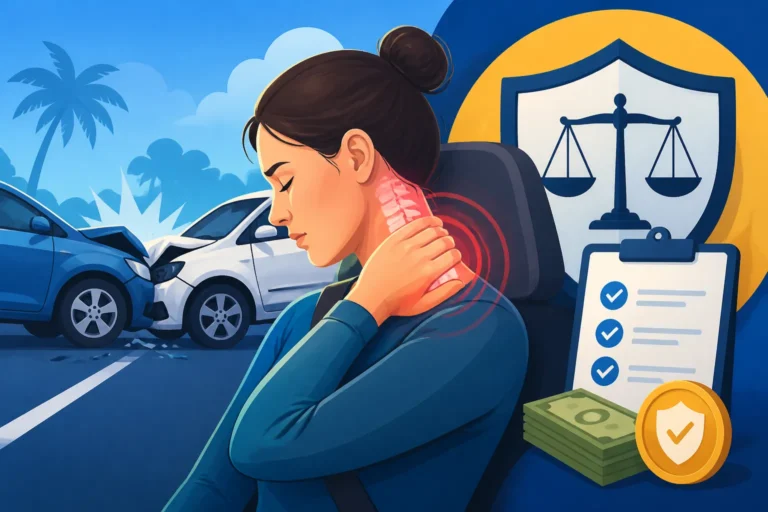
This is precisely why detailed medical documentation is paramount. Your doctor's notes, diagnostic test results, and a clear medical timeline linking the onset of symptoms to the accident are your strongest defenses against this skepticism. It proves that a medical professional, not just you, believes the injuries are directly attributable to the crash. Without this, your claim could be denied or significantly devalued. You need to be prepared for questions and potentially pushback, which is where understanding Dealing With Insurance Adjusters After a Car Accident becomes invaluable.
Proving Causation with Medical Evidence
The cornerstone of any successful car accident claim, especially one involving delayed injuries, is proving causation. This means establishing a direct link between the car accident and your injuries. Medical evidence is the key here.
What kind of medical evidence helps prove causation?
- Initial Medical Visit: Even if you only went for a "check-up" and were cleared, the record of that visit can establish a baseline. If you then develop symptoms, the contrast is clear.
- Detailed Medical Records: Each visit, diagnosis, treatment, and medication prescribed after the onset of delayed symptoms should explicitly reference the car accident as the cause. Doctors are usually good about this, but it’s worth checking your records.
- Diagnostic Imaging: X-rays, MRIs, CT scans, and other diagnostic tests provide objective evidence of injuries like herniated discs, fractures (even hairline ones), or soft tissue damage.
- Expert Testimony: In more complex cases, your doctor might need to provide a statement or testimony confirming that your delayed injuries are indeed a direct result of the accident.
Our article on How to Prove Injuries in a Car Accident Claim dives deep into this topic, explaining the types of evidence you’ll need and how to gather it effectively. It's not enough to simply say you're hurt; you need verifiable proof.
The Statute of Limitations and Your Claim
Even with delayed symptoms, there are still deadlines for filing a car accident claim. This is known as the statute of limitations. This legal deadline varies by state and dictates how long you have from the date of the accident to file a personal injury lawsuit. If you miss this deadline, you will likely lose your right to seek compensation, regardless of how severe your injuries are or how clearly they were caused by the accident.
While the "discovery rule" in some states might extend the deadline if an injury isn't immediately apparent, it's not something to rely on. The safest course of action is to assume the clock starts ticking from the date of the accident. This makes it incredibly important to seek medical attention and legal advice as soon as possible after any delayed symptoms appear. Don't let the surprise of new pain cause you to miss a critical deadline. Our comprehensive guide on Statute of Limitations for Car Accidents by State provides state-specific details that are essential reading.
The Importance of Medical Documentation for Delayed Symptoms
We've mentioned it already, but it bears repeating: documentation is your best friend when dealing with delayed injury symptoms. It’s the concrete evidence that supports your narrative and validates your experience.
Establishing a Clear Medical Record Timeline
When delayed symptoms surface, your medical records become the backbone of your car accident claim. A well-documented medical history provides a chronological account of your injuries, treatments, and recovery process. This timeline is crucial for demonstrating to insurance companies and, if necessary, a court, that your injuries are a direct result of the car accident.
A clear timeline should show:
- The date of the accident.
- Any immediate medical attention received (even if it was just a check-up).
- The date your delayed symptoms first appeared and were documented by a medical professional.
- All subsequent medical appointments, diagnoses, treatments (e.g., physical therapy, chiropractic care, specialist visits), and prescribed medications.
- Any referrals to specialists, further diagnostic tests (MRI, CT scans), and their results.
Each entry should explicitly link your symptoms and diagnoses back to the car accident. Without this continuity, insurance adjusters can easily argue that your injuries either pre-existed the accident or were caused by a separate incident. Learn more about how these records help in our article How Medical Records Prove Your Injuries.
Impact on Pain and Suffering Damages
Beyond quantifiable medical bills and lost wages, car accident claims also seek compensation for "pain and suffering." This refers to the physical pain, emotional distress, mental anguish, and loss of enjoyment of life caused by your injuries. Delayed injuries can significantly impact these damages, as their unexpected onset often prolongs suffering and disrupts life in unforeseen ways.
To successfully claim pain and suffering, your medical documentation needs to vividly illustrate the extent of your discomfort and how it has affected your daily existence.
- Doctor's Notes: Your physician's observations about your pain levels, limitations, and prognosis are vital.
- Physical Therapy Records: These show your progress, or lack thereof, and the challenges you face during rehabilitation.
- Personal Journal: While not official medical documentation, your personal notes detailing daily pain, emotional struggles, and missed activities can complement official records and provide a human element to your claim.
If you don't document your pain and suffering, it's very easy for an insurance company to dismiss it as minimal. The longer your symptoms persist and the more they interfere with your life, the greater the potential value of this component of your claim.
Dealing with Insurance Companies When Symptoms Are Delayed
Navigating the world of insurance claims can be a minefield, especially when your injuries don't follow a straightforward immediate onset. Insurance companies operate on strict protocols, and delayed symptoms can trigger increased scrutiny.
Avoiding Common Pitfalls
When dealing with insurance companies after discovering delayed injuries, it's easy to make mistakes that could jeopardize your claim. Here are some common pitfalls to avoid:
- Delaying Medical Treatment: The longer you wait to see a doctor after symptoms appear, the harder it becomes to link those symptoms to the accident. Insurance companies will argue that your delay indicates the injury wasn't serious or was caused by something else.
- Providing a Recorded Statement Too Early: You might receive a call from an adjuster asking for a recorded statement. Politely decline until you have fully assessed your injuries and spoken with a lawyer. What you say in a recorded statement, even if you feel fine, can be used against you later if new symptoms emerge.
- Minimizing Your Symptoms: Never tell an adjuster you feel "okay" or "fine" if you're actually experiencing pain or discomfort. Be honest but concise about your condition, sticking to the facts.
- Signing Releases Without Legal Review: You might be asked to sign medical record releases or settlement offers. Never sign anything without a thorough review by your attorney, as it could waive your rights to future compensation.
- Failing to Update Your Claim: If you initially reported minor injuries, be sure to formally update your claim with details of your newly diagnosed delayed injuries.
By being cautious and informed, you can protect your rights and ensure your claim accurately reflects the full impact of the accident.
What to Expect from Insurance Adjusters
Insurance adjusters are professionals whose job is to resolve claims efficiently and, from their company's perspective, cost-effectively. When dealing with delayed injuries, expect a higher level of scrutiny.
They might:
- Question the Link to the Accident: As mentioned, they will likely challenge whether your injuries truly stemmed from the crash.
- Request Extensive Medical Records: They will ask for all your medical history, not just post-accident. They'll look for pre-existing conditions they can blame.
- Offer a Lowball Settlement: They might try to offer a quick, low settlement hoping you'll accept before fully understanding the long-term implications of your delayed injuries. Our article on How to Deal With a Lowball Insurance Offer provides excellent strategies for this.
- Suggest an Independent Medical Exam (IME): They may require you to see a doctor of their choosing, whose opinion might be biased in favor of the insurance company.
It's crucial to remain calm, factual, and to communicate primarily through your legal representation once you've retained one. An experienced attorney can handle these interactions, ensuring your rights are protected and your claim is presented effectively.
Legal Considerations for Delayed Injury Claims
When delayed injuries become part of your car accident narrative, the legal landscape shifts. It often becomes more challenging to navigate on your own, making legal guidance a smart choice.
When to Hire a Car Accident Lawyer
Many people wonder, Do You Need a Lawyer for a Car Accident? especially if the initial accident seemed minor. With delayed injuries, the answer leans strongly towards yes. Hiring a car accident lawyer becomes particularly important when:
- Symptoms are Delayed: This is the primary trigger. Insurance companies become more challenging to deal with, and you need an expert to connect the dots legally.
- Injuries Are Serious: If your delayed injuries are moderate to severe, require extensive treatment (like surgery or long-term physical therapy), or result in significant lost wages, a lawyer is essential to ensure you receive fair compensation.
- Liability Is Disputed: If the other driver's insurance company is trying to deny fault, or if there's any ambiguity, a lawyer can gather evidence and build a strong case.
- You're Offered a Settlement: Any settlement offer, especially if it comes before you fully understand the extent of your delayed injuries, should be reviewed by an attorney.
- You're Dealing with Multiple Parties: Accidents involving commercial vehicles, rideshares, or multiple cars can have complex liability issues that a lawyer can untangle.
An attorney can protect your rights, negotiate with insurance companies, ensure all deadlines are met, and ultimately fight for the full compensation you deserve. They understand the tactics insurance companies use and how to counter them effectively. Our guide When to Hire a Car Accident Lawyer can help you determine if it's the right step for your situation.
Maximizing Your Claim for Delayed Injuries
To maximize your claim for delayed injuries, a strategic approach is necessary. It's about building a comprehensive case that leaves no room for doubt about the accident's impact on your health and well-being.
- Consistent Medical Care: Follow all your doctor's recommendations. Missing appointments or discontinuing treatment prematurely can be used by insurance companies to argue that your injuries weren't that severe or that you weren't committed to recovery. Consistency is key to showing the ongoing nature of your issues.
- Detailed Records, Always: Keep up with your personal journal documenting pain, limitations, and emotional distress. This complements the official medical records and paints a more complete picture of your daily struggles.
- Avoid Social Media: Insurance adjusters often scour social media accounts for anything that might contradict your injury claims. Even seemingly innocent photos of you smiling or participating in an activity could be misinterpreted. It's best to keep your social media private or avoid posting anything related to your activities or injuries.
- Understand All Damages: Beyond medical bills and lost wages, you could be entitled to compensation for pain and suffering, emotional distress, loss of earning capacity, and even future medical expenses. A lawyer can help you identify and quantify all potential damages.
- Be Patient, But Proactive: Claims involving delayed injuries can take longer to settle because the full extent of your injuries might not be known for months. However, being patient doesn't mean being passive. Work closely with your medical providers and your attorney to keep your case moving forward with proper documentation and communication.
Remember, the goal is to fully recover, both physically and financially. Taking these steps and seeking professional help will significantly increase your chances of a successful outcome, ensuring that the unexpected appearance of delayed symptoms doesn't derail your recovery or your claim.
Disclaimer
Please remember that the information provided in this guide is for informational purposes only and does not constitute legal or medical advice. Every car accident case is unique, and the laws governing personal injury claims vary by state. It is always recommended to consult with a qualified legal professional and medical doctor to discuss your specific situation and receive personalized advice.