What Is Whiplash? Symptoms, Treatment & Claims
That moment after a car accident, even a seemingly minor fender-bender, is often a blur of adrenaline and confusion. You might feel "fine" initially, only to wake up the next day with a stiff neck, nagging headaches, or even a strange tingling sensation. This delayed onset of symptoms is incredibly common with whiplash, a complex injury that can throw your entire life into disarray. This guide aims to pull back the curtain on whiplash, walking you through everything from understanding what it truly is, recognizing its varied symptoms, navigating diagnostic steps, exploring effective treatment options, and ultimately, understanding how to approach a car accident claim if whiplash becomes part of your recovery journey.
Understanding Whiplash Beyond the "Neck Pain" Label
Whiplash is one of those terms everyone's heard, but few really understand. It's often dismissed as just "a little neck pain," but that couldn't be further from the truth. It's a significant injury with a broad range of potential impacts on your body and your daily life. The sudden, forceful movement of your head and neck can wreak havoc on more than just muscles.
What Exactly Is Whiplash?
At its core, whiplash isn't a single injury, but rather a collection of symptoms stemming from a "whipping" motion of the head. Imagine your head being violently thrown backward and then forward, much like the crack of a whip. This rapid acceleration-deceleration force stretches and tears the soft tissues in your neck, including muscles, ligaments, and tendons. It can also affect the delicate discs between your vertebrae, nerve roots, and even the facet joints that allow your neck to move. Because it's a soft tissue injury, it doesn't always show up on standard X-rays, which can make it incredibly frustrating when you're in pain but feeling dismissed.
The forces involved in a whiplash injury are surprisingly strong, even in low-speed collisions. Your body is a complex system, and when such a violent motion occurs, the damage isn't always immediately apparent. It's a bit like a rubber band being stretched too far; it might not snap right away, but the integrity of the material is compromised, leading to issues down the line. This is why many people don't feel the full brunt of their whiplash until hours or even days after the accident.
How Whiplash Injuries Occur in Car Accidents
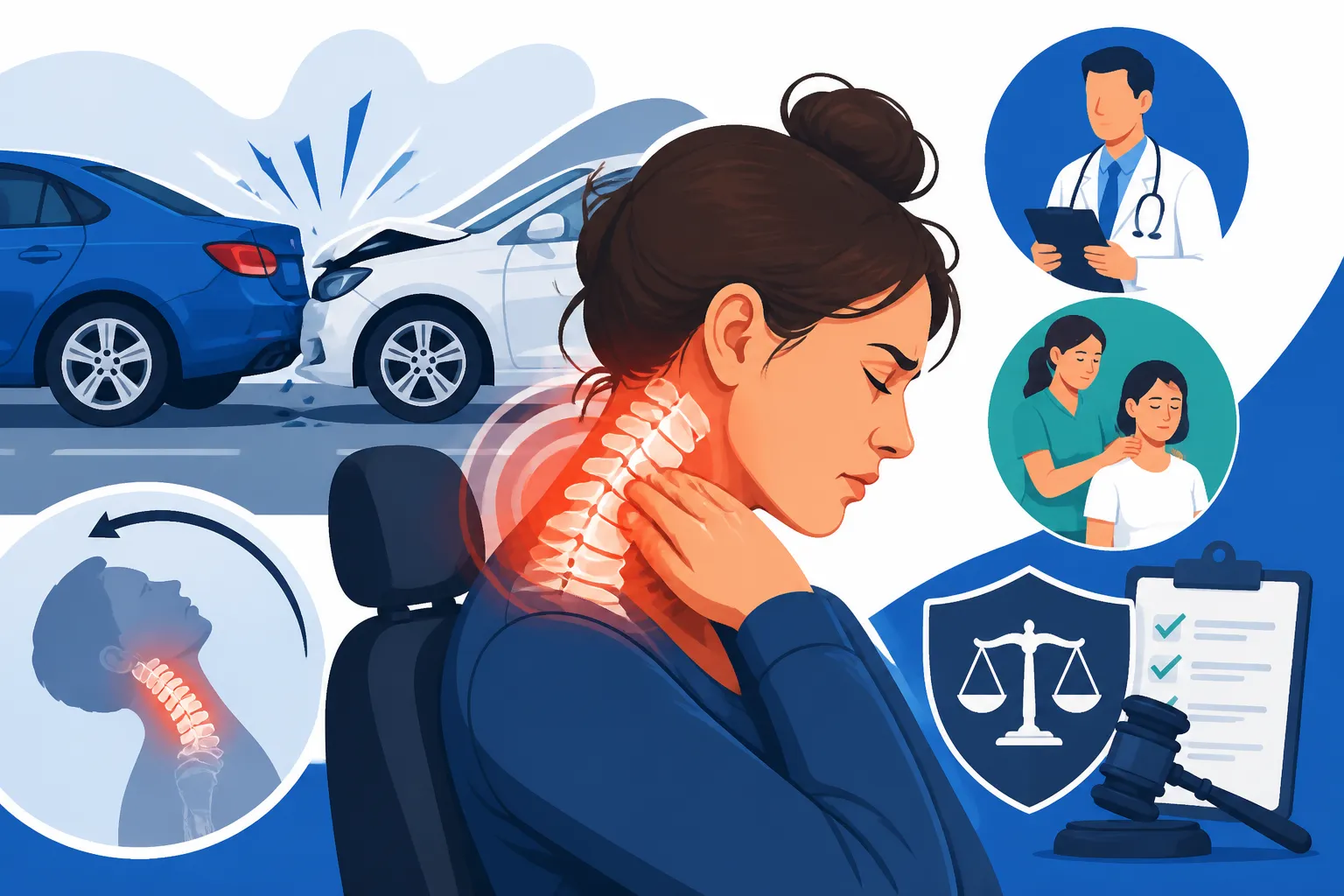
Car accidents are, by far, the most common cause of whiplash. Rear-end collisions are notorious for causing this type of injury, even at speeds as low as 5 to 10 miles per hour. When your vehicle is struck from behind, your body is suddenly pushed forward by the seatbelt, but your head, initially unrestrained, lags behind. This causes your head to snap backward (hyperextension). Then, as your body stops moving forward, your head slingshots violently forward into hyperflexion. This entire sequence happens in less than half a second.
However, whiplash isn't exclusive to rear-end impacts. T-bone accidents, head-on collisions, and even sideswipe incidents can generate the necessary forces to cause this injury. The direction of impact and how your body is positioned can influence the specific structures that are damaged. For example, if you were looking over your shoulder at the moment of impact, the twisting motion combined with the forward-backward movement could exacerbate the injury. Understanding the mechanics of how whiplash occurs helps illustrate why the damage can be so varied and why a comprehensive medical evaluation is so critical.
The Spectrum of Whiplash-Associated Disorders (WAD)
The medical community often refers to whiplash as Whiplash-Associated Disorders (WAD) to encompass the wide array of symptoms and severity levels. This isn't just a fancy term; it acknowledges that whiplash is more than just a sore neck. WAD is typically categorized into different grades:
- Grade 0: No complaints or physical signs.
- Grade 1: Neck complaint (pain, stiffness, tenderness) but no physical signs.
- Grade 2: Neck complaint and musculoskeletal signs (decreased range of motion, point tenderness).
- Grade 3: Neck complaint and neurological signs (weakness, sensory deficits, diminished reflexes).
- Grade 4: Neck complaint and fracture or dislocation.
Most whiplash cases fall into Grades 1 and 2, but even these can be incredibly disruptive. The term WAD highlights that while the neck is the primary site of injury, the impact can radiate, leading to a complex web of problems. It's not uncommon for someone with whiplash to experience issues in their shoulders, arms, and even their upper back due to nerve impingement or referred pain. This comprehensive approach to classification helps doctors and insurance adjusters understand the potential severity and broad scope of whiplash, even though some insurance companies may try to downplay its impact.
Recognizing the Symptoms of Whiplash
One of the most challenging aspects of whiplash is that its symptoms aren't always immediate or straightforward. You might walk away from an accident feeling shaken but otherwise fine, only to have a cascade of painful and confusing symptoms emerge hours or even days later. This delay can make it harder to connect the symptoms directly to the accident in your own mind, let alone for an insurance claim. It's crucial to be vigilant about any changes in your body after a collision.
Immediate vs. Delayed Symptoms
While some people might feel a jolt of pain in their neck right at the scene of an accident, a significant number of individuals experience delayed symptoms. This delay is often attributed to the adrenaline surge that occurs during a traumatic event. Adrenaline can mask pain, giving you a false sense of well-being. Once the adrenaline subsides, typically within 24 to 72 hours, the inflammation and muscle spasms begin, and that's when the real discomfort often sets in.
Think about it: you've just been in a stressful situation. Your body goes into fight-or-flight mode. It's only once you've had a chance to calm down, perhaps the next morning, that the stiffness, soreness, and other issues truly manifest. This is why it's incredibly important to see a doctor as soon as possible after any car accident, even if you feel okay. Documenting that initial visit is key, especially if you want to understand if you need a lawyer for a car accident. The emergence of these delayed symptoms is a common frustration, making people wonder if their pain will be taken seriously.
Common Physical Symptoms
The physical symptoms of whiplash can be widespread and debilitating. While neck pain and stiffness are the hallmarks, they are often accompanied by other issues that make daily life challenging.
Here's a breakdown of common physical symptoms:
- Neck Pain and Stiffness: This is almost universally reported. The pain can range from a dull ache to sharp, stabbing sensations, and stiffness often limits your range of motion, making it difficult to turn your head.
- Headaches: Often starting at the base of the skull and radiating towards the forehead or temples. These are known as cervicogenic headaches, meaning they originate from issues in the cervical spine.
- Shoulder and Upper Back Pain: The muscles and ligaments in the neck are intricately connected to the shoulders and upper back. It's common for pain to refer to these areas, sometimes feeling like a deep ache or a burning sensation.
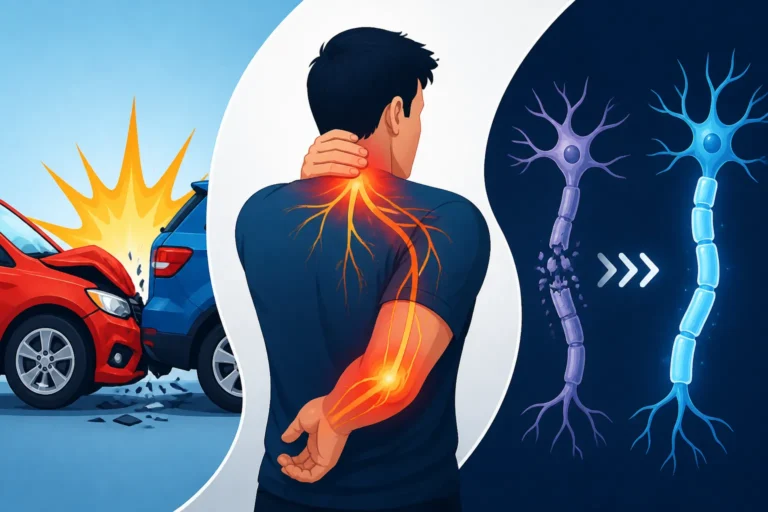
- Arm Pain, Numbness, or Tingling: If nerve roots in the cervical spine are irritated or compressed, you might experience radicular symptoms radiating down into your arms, hands, or fingers. This can feel like pins and needles or even a loss of strength.
- Dizziness or Vertigo: Damage to the structures in the neck can affect your balance system, leading to feelings of lightheadedness or a sensation that the room is spinning. This symptom can be particularly unsettling and dangerous.
- Jaw Pain (TMJ Issues): The force of a whiplash injury can also impact the temporomandibular joint, leading to pain when chewing, clicking sounds, or limited jaw movement.
It's vital to report all these symptoms to your doctor, no matter how minor they seem. This comprehensive record will be invaluable later on when proving your injuries in a car accident claim.
Less Obvious Neurological and Emotional Symptoms
Beyond the direct physical pain, whiplash can manifest in a variety of less obvious, but equally disruptive, neurological and emotional symptoms. These are often overlooked or misattributed, adding to the frustration and confusion of recovery. Many people don't realize that symptoms like fatigue or irritability can actually be tied back to their whiplash injury.
Here are some of the less obvious symptoms to watch for:
- Fatigue and Sleep Disturbances: The constant pain, inflammation, and stress on your nervous system can lead to profound fatigue. You might find it hard to fall asleep, stay asleep, or wake up feeling refreshed.
- Difficulty Concentrating and Memory Issues: Some individuals report a "brain fog" – struggling to focus, remember things, or process information as quickly as before. This can impact work, school, and daily tasks.
- Irritability and Mood Changes: Dealing with persistent pain, limited mobility, and the disruption to your routine can understandably lead to irritability, anxiety, or even symptoms of depression.
- Blurred Vision or Tinnitus: In some cases, whiplash can affect the nerves controlling vision or hearing, leading to blurred vision, light sensitivity, or ringing in the ears (tinnitus).
- Sensitivity to Light and Sound: Similar to concussion symptoms, individuals with whiplash may find bright lights or loud noises particularly bothersome.
These symptoms, while not directly visible, are very real and can severely impact your quality of life. It’s important to share these with your healthcare provider as well, as they form a crucial part of the overall picture of your injury. Understanding how long does whiplash last is often tied to how comprehensively these symptoms are addressed.
| Symptom Category | Common Physical Symptoms | Less Obvious Neurological/Emotional Symptoms |
|---|---|---|
| Pain & Discomfort | Neck pain, stiffness, headaches, shoulder pain, back pain | |
| Sensory Changes | Arm numbness/tingling, jaw pain, dizziness | Blurred vision, light sensitivity, sound sensitivity, tinnitus |
| Cognitive/Mood | Fatigue, sleep disturbances, difficulty concentrating, irritability | |
| Mobility | Limited neck range of motion |
The Diagnostic Process for Whiplash
After a car accident, securing an accurate diagnosis for whiplash is paramount. It's not just about understanding your pain; it's about setting the stage for effective treatment and, if necessary, substantiating your car accident claim. The diagnostic process can sometimes feel frustrating, especially when initial tests don't immediately reveal the extent of your soft tissue injuries.
Initial Medical Evaluation and Physical Exam
The first and most critical step is always to seek medical attention immediately after an accident, even if you don't feel severely injured. Your primary care physician, an urgent care clinic, or an emergency room doctor will conduct an initial medical evaluation. This will involve a detailed discussion about the accident, your symptoms, and your medical history. Be prepared to describe the pain precisely: where it is, what it feels like (sharp, dull, burning), when it started, and what makes it better or worse.
During the physical exam, the doctor will assess your neck and shoulders. They will check for:
- Range of Motion: How far you can comfortably move your head and neck in different directions (flexion, extension, rotation, lateral bending).
- Tenderness: Palpating your neck muscles and ligaments to identify specific points of pain or tightness.
- Reflexes and Sensation: Checking your reflexes and asking about numbness or tingling in your arms and hands to evaluate nerve involvement.
- Strength: Assessing the strength in your arms and hands to rule out significant nerve damage.
This initial exam, along with a thorough history, helps the doctor form a preliminary diagnosis of whiplash-associated disorders and rule out more severe injuries like fractures or dislocations. This early documentation is key, especially if you ever need to demonstrate how delayed injury symptoms after a car accident are linked to the incident.
Imaging Tests: X-rays, MRI, and CT Scans
While whiplash primarily affects soft tissues, which don't show up on standard X-rays, imaging tests are still a vital part of the diagnostic process. Their main purpose in the initial stages is to rule out more serious injuries.
- X-rays: These are often the first imaging tests performed. They're excellent for visualizing bones and can quickly identify fractures, dislocations, or significant spinal misalignment. If your X-rays come back clear, it means there are no obvious bone breaks, but it doesn't rule out soft tissue damage.
- MRI (Magnetic Resonance Imaging): An MRI provides highly detailed images of soft tissues, including muscles, ligaments, tendons, spinal discs, and nerves. This is often the most valuable tool for confirming whiplash-related injuries that aren't visible on X-rays. An MRI can reveal disc bulges or herniations, ligament tears, muscle strains, and nerve impingement that might be causing your symptoms. However, doctors don't always order an MRI immediately unless symptoms are severe or persistent.
- CT Scan (Computed Tomography): A CT scan is essentially a more detailed X-ray, providing cross-sectional images of bone and some soft tissues. It's particularly useful for evaluating complex fractures or when there's a concern about internal bleeding, but it's generally less effective than an MRI for soft tissue injuries related to whiplash.
It's common for patients to feel frustrated when their initial X-rays are "normal" but they're still in significant pain. This is precisely why more advanced imaging like an MRI often becomes necessary to truly understand the extent of the damage.
Importance of Early and Accurate Diagnosis
An early and accurate diagnosis of whiplash is crucial for several reasons. Firstly, it ensures you receive the appropriate treatment as soon as possible, which can significantly impact your recovery trajectory and help prevent chronic pain. Delaying treatment can allow inflammation to worsen and muscles to stiffen, making rehabilitation more challenging.
Secondly, an accurate diagnosis forms the foundation of your car accident claim. Insurance companies are notorious for scrutinizing whiplash claims, often suggesting that symptoms are exaggerated or not directly related to the accident, especially if there's a significant gap between the accident and your first doctor's visit. A clear, well-documented medical record, starting from soon after the accident, that details your symptoms, diagnostic tests, and the specific injuries identified is invaluable. This documentation helps to officially link your injuries to the car crash and provides the necessary medical evidence to support your claim for damages, including pain and suffering. This is a critical step in How to prove injuries in a car accident claim.
Effective Treatments and Recovery Strategies for Whiplash
Dealing with the ongoing pain and discomfort of whiplash can be incredibly challenging, and finding the right path to recovery is often a process of trial and error. The goal of treatment isn't just to alleviate pain, but to restore full function, prevent chronic issues, and get you back to your normal routine. A multi-faceted approach, often involving several types of treatment, tends to be the most effective.
Acute Phase Treatment (First Few Days/Weeks)
In the immediate aftermath of a whiplash injury, the focus is typically on pain management, reducing inflammation, and protecting the injured tissues from further strain. This "acute phase" is critical for setting the stage for long-term recovery.
Common treatments during this period include:
- Rest and Activity Modification: While complete immobilization is generally no longer recommended, initial rest from strenuous activities and positions that aggravate your pain is important. Gentle, controlled movement is encouraged to prevent stiffness. For instance, avoiding looking down at a phone for extended periods can significantly reduce strain.
- Ice and Heat Therapy: Applying ice packs to the neck for the first 24-48 hours can help reduce swelling and inflammation. After this initial period, alternating between ice and heat, or using heat packs, can help soothe muscle spasms and promote blood flow to the area.
- Over-the-Counter (OTC) Pain Relievers: Medications like ibuprofen (Advil, Motrin) or naproxen (Aleve) can help manage pain and reduce inflammation. Acetaminophen (Tylenol) can also help with pain, though it doesn't reduce inflammation.
- Prescription Medications: For more severe pain or muscle spasms, a doctor might prescribe stronger pain relievers, muscle relaxants (like cyclobenzaprine or tizanidine), or even short courses of corticosteroids to reduce severe inflammation.
The key here is early intervention and managing symptoms so that you can begin more active rehabilitation without excessive pain. Neglecting these initial steps can lead to prolonged recovery times and greater difficulty in managing your symptoms.
Sub-Acute and Chronic Phase Management
If symptoms persist beyond a few weeks, you move into the sub-acute or chronic phase of whiplash recovery. This is where more active and comprehensive strategies become essential. The aim shifts from just pain relief to restoring strength, flexibility, and proper biomechanics of the neck and spine.
Treatments often include:
- Physical Therapy: This is often the cornerstone of whiplash recovery. A physical therapist will design a personalized program that includes gentle stretching exercises to improve range of motion, strengthening exercises for neck and shoulder muscles, and postural re-education. They might also use modalities like ultrasound, electrical stimulation, or massage to aid in healing and pain reduction. Regular attendance and diligent adherence to home exercises are crucial for success in physical therapy.
- Chiropractic Care: Many individuals find relief from whiplash symptoms through chiropractic adjustments. Chiropractors focus on restoring proper spinal alignment and joint mobility, which can reduce nerve irritation and muscle tension. They often work in conjunction with physical therapists and medical doctors.
- Massage Therapy: Therapeutic massage can help release muscle spasms, reduce tension, and improve circulation in the injured areas, providing significant pain relief and improved flexibility.
- Injections: For persistent, localized pain or nerve irritation, a doctor might suggest injections. These could include trigger point injections for muscle knots, facet joint injections for joint pain, or epidural steroid injections for nerve root compression. These are usually considered when other conservative treatments haven't provided sufficient relief.
It’s important to remember that recovery is a journey, not a sprint. Consistency with your treatment plan, even when it feels slow, is what yields results. This is also where understanding What is Maximum Medical Improvement (MMI)? becomes relevant, as it signifies when your condition has stabilized.
The Role of Physical Therapy and Rehabilitation
Physical therapy stands out as a critical component in managing and recovering from whiplash. It’s not just about doing a few exercises; it’s a structured, progressive program designed to systematically heal and strengthen your neck. A skilled physical therapist acts as your guide, helping you regain function and prevent recurrence.
Here’s what typically goes into physical therapy for whiplash:
- Pain-Relieving Modalities: Therapists might use techniques like heat, ice, electrical stimulation, or therapeutic ultrasound to manage your pain and inflammation before you even start moving.
- Manual Therapy: Hands-on techniques such as gentle mobilization, massage, and stretching can help restore joint movement, reduce muscle spasms, and improve tissue flexibility.
- Therapeutic Exercises: This is where the real work happens. Exercises start gently with range-of-motion movements and gradually progress to strengthening exercises for the deep neck flexors and stabilizers, as well as the shoulder and upper back muscles. This helps support the cervical spine and prevent future injury.
- Postural Education: Learning to maintain proper posture is vital, especially if you spend a lot of time at a desk or looking at screens. A therapist can teach you ergonomic adjustments and exercises to correct poor posture that may contribute to or worsen your pain.
- Home Exercise Program: Your therapist will provide you with a customized set of exercises to do at home, reinforcing the work done in the clinic. Adherence to this program is paramount for a successful recovery.
The goal of physical therapy is to empower you to manage your condition and return to your pre-injury activities. It can take time, but the investment in consistent therapy is invaluable for long-term health.
Complementary Therapies and Lifestyle Adjustments
Beyond traditional medical and physical treatments, many people find relief and support from complementary therapies and significant lifestyle adjustments. These can help manage chronic pain, reduce stress, and improve overall well-being during a challenging recovery period.
- Acupuncture: This ancient Chinese practice involves inserting thin needles into specific points on the body. Many studies suggest acupuncture can be effective in reducing chronic neck pain and headaches associated with whiplash.
- Yoga and Pilates: Once your acute pain has subsided, gentle yoga or Pilates can help improve flexibility, core strength, and body awareness, all of which support spinal health. However, it's crucial to practice under the guidance of an instructor who understands your limitations and can offer modifications.
- Mindfulness and Meditation: Chronic pain can take a toll on mental health. Practices like mindfulness and meditation can help you cope with pain, reduce stress, and improve your overall psychological well-being. Apps like Calm or Headspace offer guided meditations that can be very beneficial.
- Diet and Nutrition: Eating an anti-inflammatory diet rich in fruits, vegetables, and lean proteins can support your body's healing process. Reducing processed foods, sugar, and unhealthy fats can help manage overall inflammation.
- Stress Management: The emotional toll of an accident and chronic pain can exacerbate physical symptoms. Incorporating stress-reducing activities like reading, spending time in nature, or connecting with loved ones can be surprisingly effective in managing your symptoms.
These holistic approaches can significantly enhance your recovery, but they should always be used as complements to, not replacements for, your primary medical and physical therapy treatments. Always discuss any new therapies with your doctor to ensure they are appropriate for your specific condition.
Navigating a Whiplash Claim After a Car Accident
So, you've been in an accident, you're experiencing whiplash symptoms, and you're diligently following your treatment plan. Now comes the often-dreaded task of dealing with insurance companies and potentially filing a claim. This part of the process can be incredibly frustrating, primarily because whiplash is often misunderstood and, frankly, sometimes doubted by adjusters.
Why Whiplash Claims Can Be Tricky
Whiplash claims frequently encounter skepticism from insurance companies, and there are several reasons why they can be tricky to navigate. Unlike a broken bone, which is clearly visible on an X-ray, whiplash primarily involves soft tissue injuries—muscles, ligaments, and tendons—that don't always show up on initial imaging. This lack of objective, easily visible evidence can lead adjusters to question the severity, or even the existence, of your pain.
Furthermore, the delayed onset of symptoms is a double-edged sword. While it's a genuine characteristic of whiplash, insurance companies may use the time gap between the accident and your first reported symptoms to argue that your injuries weren't caused by the crash. They might suggest your pain stemmed from a pre-existing condition or an activity you engaged in after the accident. For instance, if you didn't go to the emergency room the day of the crash, and then reported neck pain two days later, an adjuster might try to imply that the two events aren't connected. This is a common tactic in dealing with insurance adjusters after a car accident. This skepticism often leads to lower initial settlement offers or outright denials, leaving injured individuals feeling invalidated and overwhelmed.
Documenting Your Injuries and Treatment
Thorough documentation is your absolute best defense against insurance company skepticism. Without it, your claim for whiplash, which hinges largely on subjective pain and soft tissue damage, becomes much harder to prove. Think of every doctor's visit, every treatment session, and every piece of medical advice as a building block for your case.
Here's how to meticulously document everything:
- Seek Medical Attention Immediately: As discussed, this is paramount. Even if you feel okay, get checked out. This establishes a direct link between the accident and any future symptoms. Ensure your medical records clearly state the date and cause of injury.
- Detailed Medical Records: Ensure every medical visit is thoroughly documented. This includes notes from your primary care doctor, specialists (neurologists, orthopedists), physical therapists, and chiropractors. These records should detail your symptoms, the doctor's observations, diagnoses, treatment plans, medications prescribed, and your progress (or lack thereof). How medical records prove your injuries is by providing a chronological, objective account from medical professionals.
- Keep a Pain Journal: Since much of whiplash involves subjective pain, maintaining a daily journal is invaluable. Note down:
- Your pain levels (e.g., on a scale of 1-10).
- Specific symptoms you're experiencing (headaches, dizziness, arm tingling).
- How your injuries impact your daily activities (difficulty sleeping, dressing, working, driving).
- Emotional distress (frustration, anxiety, sleep issues).
- Any treatments received that day and their effectiveness.
- Gather All Bills and Receipts: Keep meticulous records of all medical bills, prescription costs, co-pays, transportation costs to appointments, and any other out-of-pocket expenses related to your injury.
- Proof of Lost Wages: If your whiplash prevented you from working, gather documentation from your employer confirming missed workdays and salary.
The more detailed and consistent your documentation, the stronger your claim will be. This meticulous approach helps connect your experiences to the accident, making it harder for an insurance company to dismiss your pain.
Dealing with Insurance Adjusters and Lowball Offers
Engaging with insurance adjusters can feel like an adversarial process, and for good reason. Their job is to minimize payouts, and they often use specific tactics to achieve this. It's crucial to understand how to protect your interests.
- Limit Your Conversations: Be polite but brief. Provide basic facts about the accident (date, time, location). Do NOT discuss your injuries in detail, give a recorded statement, or speculate about fault. Any statement you make can be used against you. Simply state that you are experiencing pain and are seeking medical treatment.
- Do Not Admit Fault: Even if you think you might have contributed to the accident, never admit fault. Determining fault in a car accident is a complex legal matter. You could unknowingly compromise your claim.
- Beware of Early Settlement Offers: It's common for insurance companies to offer a quick, lowball settlement, especially for whiplash claims, hoping you'll accept it before you fully understand the extent of your injuries or the long-term costs of treatment. This offer is almost always far less than your claim is actually worth. Remember, once you accept a settlement, you waive your right to seek further compensation, even if your condition worsens significantly. This is a crucial point when considering if you should accept the first settlement offer.
- Understand Economic vs. Non-Economic Damages: For whiplash, your damages will include both economic (quantifiable costs like medical bills, lost wages) and non-economic damages (pain and suffering, emotional distress, loss of enjoyment of life). Insurance adjusters will try to minimize non-economic damages, which are harder to put a specific dollar value on.
- Consult with an Attorney: If you're struggling to get a fair offer, or if the adjuster is being difficult, it's almost always in your best interest to consult with an experienced car accident attorney. They understand how to negotiate a car accident settlement, can protect your rights, and often secure a significantly higher settlement than you could on your own. They can take the burden of communication with the insurance company off your shoulders.
Factors Affecting Your Whiplash Settlement Value
The question on most people's minds after sustaining whiplash in a car accident is, "How much is my case worth?" Unfortunately, there's no single answer, as every whiplash claim is unique. However, several key factors significantly influence the potential settlement value. Understanding these can help you better anticipate and negotiate for fair compensation.
Severity of Injuries and Medical Expenses
This is arguably the most impactful factor. The more severe your whiplash injuries, the higher your medical expenses, and typically, the higher your potential settlement. A mild case of whiplash that resolves with a few weeks of physical therapy and OTC medication will naturally have a lower value than a severe case involving chronic pain, nerve impingement, multiple months of extensive physical therapy, injections, or even surgical intervention (though rare for whiplash alone, it can occur if discs are severely damaged).
Consider these aspects:
- Diagnosis: A clear diagnosis of a specific injury (e.g., C5/C6 disc herniation with radiculopathy) backed by objective evidence like an MRI holds more weight than a general diagnosis of "neck strain."
- Treatment Received: The type and duration of medical treatment (emergency room visits, specialist consultations, physical therapy, chiropractic care, massage, medications, injections, surgical procedures) directly contribute to your economic damages. Detailed billing records for all these services are essential.
- Prognosis: If your doctor indicates that you may have long-term or permanent impairments from your whiplash, or require ongoing treatment, this significantly increases the value of your claim, accounting for future medical expenses.
- Pre-Existing Conditions: While insurance companies will try to use pre-existing neck issues against you, an accident can certainly aggravate a prior condition. Medical evidence demonstrating the aggravation of a pre-existing condition due to the accident can still be compensated.
The total sum of your medical bills provides a foundational economic component for calculating how much is my car accident settlement worth?.
Lost Wages and Earning Capacity
If your whiplash injuries prevent you from working, either temporarily or long-term, you are entitled to compensation for lost wages. This includes not just your immediate lost income but also any diminished earning capacity if your injuries prevent you from performing your job duties at the same level in the future.
- Current Lost Wages: This is straightforward to calculate with documentation from your employer. Provide pay stubs, W-2s, and a letter from your employer confirming the days missed and your average earnings. This includes salary, commissions, bonuses, and even lost opportunities for overtime.
- Future Lost Earning Capacity: This is more complex but crucial for severe whiplash cases. If your injury results in a permanent impairment that restricts your ability to work in your previous occupation, or forces you into a lower-paying role, you can claim for future lost earning capacity. This often requires expert testimony from vocational specialists and economists who can project your future lost income. For example, a construction worker with chronic neck pain might no longer be able to lift heavy objects, forcing them into a less physically demanding (and often lower-paying) job.
Thorough documentation from your doctor stating your inability to work, along with employer records, is vital for proving these damages.
Pain, Suffering, and Emotional Distress
While economic damages (medical bills, lost wages) are quantifiable, non-economic damages like pain and suffering are more subjective but often constitute a significant portion of a whiplash settlement. These damages compensate you for the physical pain, discomfort, mental anguish, and reduction in your quality of life caused by the whiplash.
How these are calculated typically involves:
- Severity and Duration of Pain: The more intense and prolonged your pain, the higher the value. Your pain journal becomes incredibly important here, detailing your daily struggles.
- Impact on Daily Life: How have your injuries affected your ability to enjoy hobbies, participate in family activities, perform household chores, or simply live a normal life? This could include inability to exercise, play with children, or drive long distances.
- Emotional Distress: Whiplash can lead to anxiety, depression, sleep disturbances, irritability, and even PTSD. Psychological counseling or therapy can help document these emotional tolls.
- The Multiplier Method: Insurance companies and lawyers often use a "multiplier" method to estimate pain and suffering. They take your total economic damages (medical bills + lost wages) and multiply it by a number (typically between 1.5 and 5, or even higher for severe cases). The multiplier depends on the severity of your injuries, the impact on your life, and the strength of your evidence. For example, a whiplash injury requiring extensive physical therapy and causing significant daily pain for months might use a multiplier of 3 or 4.
Proving pain and suffering requires strong medical documentation, your detailed personal journal, and sometimes even testimony from friends or family about how your life has changed. This aspect of the claim is often where an experienced personal injury attorney can make the biggest difference in maximizing your settlement.
The Impact of Comparative Fault
Even if you clearly have whiplash from an accident, your settlement value can be significantly affected by whether you are deemed partially at fault for the collision. Most states follow some form of "comparative negligence" or "contributory negligence" laws.
- Comparative Negligence: In states with comparative negligence, your compensation is reduced by your percentage of fault. For example, if your whiplash damages are assessed at $50,000, but you are found to be 20% at fault for the accident (perhaps you were slightly distracted), your settlement would be reduced to $40,000. Many states use a "modified comparative negligence" rule, where you can only recover if your fault is less than 50% or 51%, depending on the state. For instance, in states like Texas and California, if you are 51% or more at fault, you get nothing.
- Contributory Negligence: A few states (e.g., Alabama, Maryland, North Carolina, Virginia) still follow strict contributory negligence. If you are found even 1% at fault for the accident, you are completely barred from recovering any damages.
Understanding these rules is critical. An insurance company will always try to assign some percentage of fault to you to reduce their payout. If the other driver blames you, or if you believe you might share some responsibility, it's particularly important to consult with a lawyer who can analyze the facts and protect your rights. This is where understanding what happens if you're partially at fault comes into play.
Legal Considerations and the Statute of Limitations
Navigating a whiplash claim involves more than just medical treatment and insurance negotiations; it also delves into legal territory. Understanding your rights and the specific legal timelines is essential to protect your ability to seek compensation. These legal aspects can be complex, and making a mistake can jeopardize your entire claim.
When to Consider Hiring a Lawyer
Deciding whether to hire a lawyer for your whiplash claim is a significant decision. While you might be tempted to handle a "minor" claim yourself, whiplash can be anything but minor, and the complexities of insurance claims often benefit greatly from legal expertise.
You should strongly consider hiring a lawyer if:
- Your Injuries Are Significant or Debilitating: If your whiplash has resulted in chronic pain, nerve damage, substantial medical bills, or a prolonged inability to work, your case is likely complex enough to warrant legal representation.
- The Insurance Company is Denying Your Claim or Offering a Lowball Settlement: This is a clear sign that you need an advocate. Lawyers know how to counter these tactics and negotiate for fair compensation.
- There is Disagreement Over Fault: If the other driver's insurance company is attempting to place blame on you, an attorney can investigate, gather evidence, and protect you from unfair fault assignments.
- You Have Pre-Existing Conditions: Insurance companies often use prior injuries or conditions to devalue claims. A lawyer can argue that the accident aggravated a pre-existing condition, ensuring you're compensated for the new injury.
- You Have Missed a Significant Amount of Work: Lost wages claims, especially those involving future lost earning capacity, require meticulous documentation and often expert testimony that a lawyer can facilitate.
- You're Unsure About the Legal Process: The legal system and insurance claims process are intricate. A lawyer can guide you through every step, ensuring deadlines are met and all necessary paperwork is filed correctly.
- You're Experiencing Emotional Distress: Whiplash can lead to PTSD or other mental health challenges. A lawyer can help ensure these non-economic damages are properly valued.
Ultimately, a lawyer's expertise can help maximize your settlement and alleviate the stress of dealing with insurance companies, allowing you to focus on your recovery. For more on this, check out "Do You Need a Lawyer for a Car Accident? ".
Understanding State-Specific Laws and Deadlines
Car accident claims, including those for whiplash, are governed by state-specific laws, and critically, strict deadlines known as the "statute of limitations." Missing these deadlines means you permanently lose your right to file a lawsuit, regardless of how strong your case might be.
Key legal considerations include:
- Statute of Limitations: This is the most crucial deadline. It dictates how long you have from the date of the accident to file a personal injury lawsuit in court. These deadlines vary significantly by state, typically ranging from one to five years. For example, in California, the statute of limitations for personal injury claims is generally two years from the date of the injury, while in New York, it's three years. Be aware that this clock starts ticking from the date of the accident, even if your whiplash symptoms are delayed. Understanding the Statute of Limitations for Car Accidents by State is non-negotiable.
- Comparative vs. Contributory Negligence: As discussed earlier, your state's fault rules will dictate whether and how your compensation is reduced if you are found partially responsible for the accident.
- No-Fault vs. At-Fault States: Some states are "no-fault" states, meaning your own insurance company pays for your medical expenses and lost wages up to a certain limit, regardless of who caused the accident. This is often through Personal Injury Protection (PIP) coverage. In these states, you can only step outside the no-fault system and file a lawsuit against the at-fault driver for certain damages (like pain and suffering) if your injuries meet a specific "threshold" of severity. In "at-fault" or "tort" states, you generally file a claim directly against the at-fault driver's insurance from the outset.
- Uninsured/Underinsured Motorist Coverage: If the at-fault driver has no insurance or insufficient coverage to cover your damages, your own uninsured/underinsured motorist (UM/UIM) coverage may become critical, depending on your state's laws and your policy.
These state-specific nuances make it incredibly challenging for individuals to navigate the claims process alone. An attorney familiar with the laws in your specific state can ensure you meet all deadlines and understand your rights fully.
Building a Strong Case for Compensation
Successfully obtaining fair compensation for your whiplash requires building a compelling case, meticulously demonstrating both the other driver's fault and the extent of your injuries and damages. This is where all the documentation and adherence to medical advice truly pay off.
Key elements of building a strong case include:
- Establishing Fault: You must prove that the other driver was negligent and that their negligence directly caused the accident that led to your whiplash. This involves gathering evidence like the police report, eyewitness statements, traffic camera footage, and potentially accident reconstruction expert analysis.
- Medical Documentation: This is the backbone of your injury claim. Comprehensive medical records, diagnostic test results (especially MRIs showing soft tissue damage), doctor's notes, and prognosis reports are crucial. They serve as objective evidence of your whiplash.
- Damage Documentation: All your economic damages (medical bills, lost wages, therapy costs, prescription receipts) must be compiled and totaled. Your pain journal helps to substantiate your non-economic damages (pain and suffering, emotional distress).
- Expert Testimony: In more complex whiplash cases, particularly those involving long-term disability or significant future medical needs, expert witnesses can be invaluable. This might include medical doctors, physical therapists, vocational rehabilitation specialists, or economists who can testify to the extent of your injuries, your prognosis, and your lost earning capacity.
- Consistency and Credibility: Your narrative, from your initial report to your doctor to your ongoing communication, must be consistent. Any inconsistencies can be used by the insurance company to undermine your credibility. Following your doctor's recommendations diligently shows you are genuinely seeking recovery.
Building such a case takes time, effort, and specialized knowledge. This is another area where an experienced personal injury attorney can be a powerful asset, handling the intricate details of evidence collection, negotiation, and, if necessary, litigation, allowing you to focus on healing from your whiplash.
Disclaimer
Please remember that the information provided in this guide is for general informational purposes only and does not constitute legal or medical advice. Every car accident and personal injury claim is unique. You should always consult with a qualified medical professional for diagnosis and treatment of any injury, and with an experienced personal injury attorney for advice regarding your specific legal situation. Relying solely on the information presented here without professional consultation is not recommended.