Chronic Pain After a Car Accident
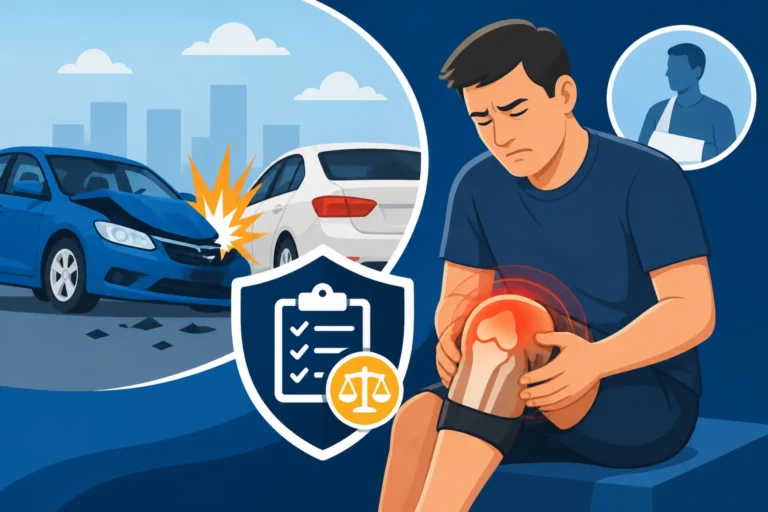
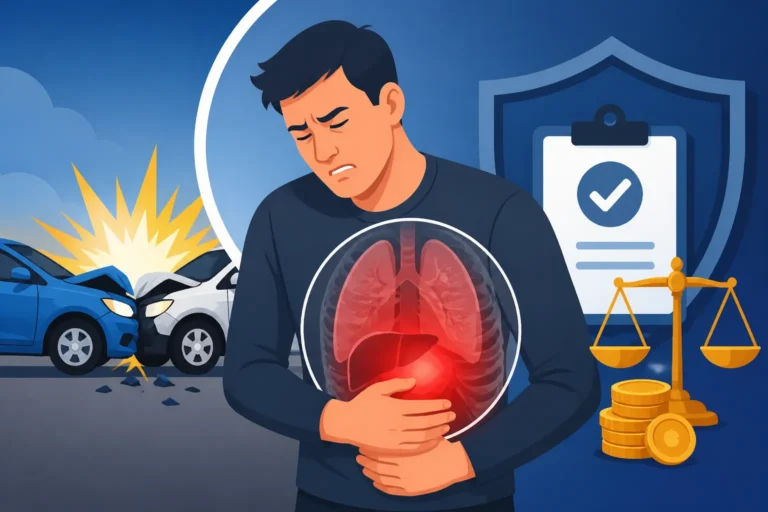
Experiencing a car accident is jarring enough, but what happens when the initial aches and pains don't fade away? Many people find themselves trapped in a frustrating cycle of persistent discomfort long after their car is repaired and the immediate shock subsides. This lingering agony, often diagnosed as chronic pain, can turn your life upside down, affecting everything from your ability to work to your sleep and overall enjoyment of life. This comprehensive guide is here to shed light on what chronic pain after a car accident entails, how it's diagnosed, the various treatment paths available, and how to navigate the complex world of car accident claims when dealing with such an insidious condition.
Understanding Chronic Pain After a Car Accident
The phrase "chronic pain" itself can feel dismissive, as if it's just something you have to live with. But for those who endure it after a car accident, it's a relentless reality that impacts every waking moment. Unlike acute pain, which is a normal, temporary response to injury, chronic pain persists for an extended period, typically defined as lasting longer than three to six months, even after the initial injury has seemingly healed. It's a complex beast, often involving a mix of physical, psychological, and social factors that can make recovery feel like an uphill battle.
Defining Chronic Pain in the Context of Accidents
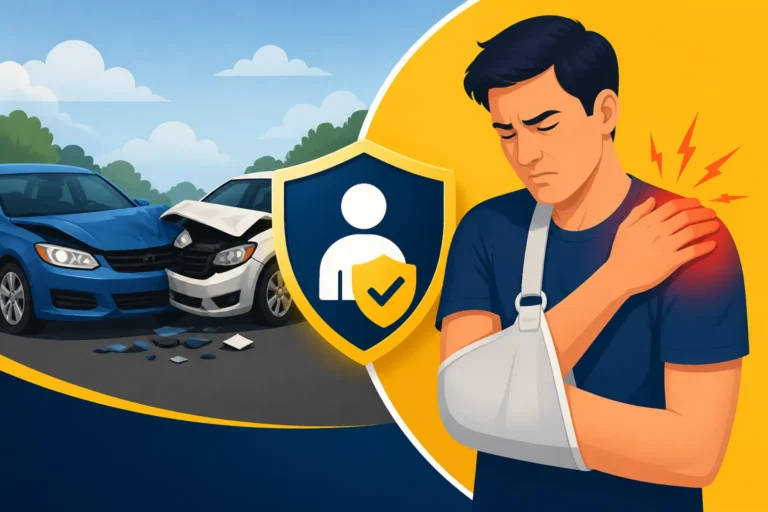
When we talk about chronic pain post-accident, we're not just referring to a slight stiffness. We're talking about a pain that has overstayed its welcome, a persistent or recurrent sensation that continues long after the expected healing time. Imagine you broke your arm in a collision. Acute pain would be the immediate throbbing, swelling, and discomfort. Chronic pain, in this scenario, might be a dull, aching sensation in that arm years later, even though X-rays show the bone healed perfectly. It's a cruel trick your body plays, where the pain signals in your nervous system become overactive and essentially get "stuck" in an on position.
This isn't just a physical phenomenon; it deeply affects mental health too. The constant presence of pain can lead to anxiety, depression, sleep disturbances, and a feeling of hopelessness. It can make everyday tasks monumental challenges, leading to a significant decrease in quality of life. The frustration of feeling unwell when others expect you to be "over it" can be incredibly isolating, adding another layer of burden to an already difficult situation.
The Frustration of Persistent Symptoms
One of the most maddening aspects of chronic pain is the feeling of being misunderstood, both by friends and family, and sometimes even by medical professionals or insurance adjusters. You might look fine on the outside, but inside, your body feels like a constant battleground. You might hear unhelpful comments like, "It's all in your head," or "Just try to push through it." This dismissiveness compounds the suffering, making it harder to seek appropriate help or even to articulate the extent of your pain.
Moreover, the symptoms themselves can be unpredictable. Some days might be manageable, while others bring debilitating flares. This inconsistency makes planning life difficult and can erode your sense of control. For example, a simple trip to the grocery store might leave you exhausted and in agony for days. The inability to participate in activities you once loved, whether it's playing with your kids or enjoying a long walk, can lead to profound sadness and a feeling of loss. This constant struggle against an invisible enemy is a significant part of the chronic pain experience, often more challenging than the pain itself.
Common Types of Chronic Pain Post-Accident
Car accidents, even seemingly minor ones, can set off a chain reaction in your body that leads to various forms of chronic pain. The sudden impact, the unnatural twisting of the body, and the sheer force involved can damage soft tissues, nerves, and even bones in ways that don't always resolve with standard treatments. It’s important to understand that pain doesn't always show up immediately. Many individuals experience Delayed Injury Symptoms After a Car Accident, which can complicate early diagnosis and treatment.
Whiplash-Associated Disorders (WAD)
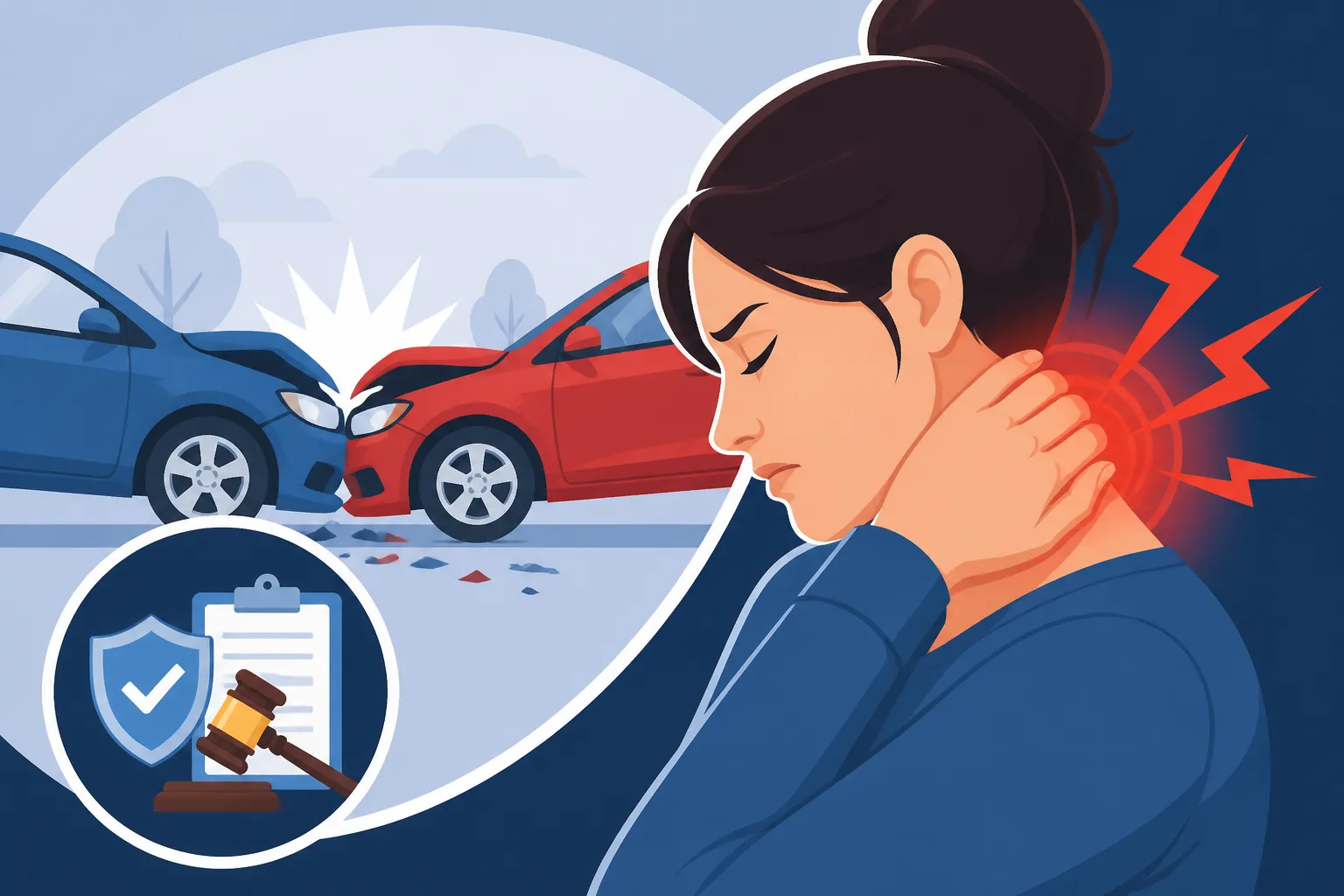
Whiplash is probably the most commonly recognized injury from car accidents, especially rear-end collisions. It's not just a fancy word for a sore neck; it's a complex injury affecting the soft tissues of the neck and upper back. While many people recover from acute whiplash within a few weeks or months, a significant percentage go on to develop chronic whiplash-associated disorders (WAD). This means the pain, stiffness, and other symptoms persist for more than six months.
Chronic whiplash can manifest as a persistent stiff neck, radiating pain into the shoulders or arms, headaches that seem to originate from the base of the skull, and even dizziness or difficulty concentrating. The mechanics of whiplash involve the rapid back-and-forth movement of the head, causing ligaments, muscles, and even cervical discs to stretch beyond their normal range. Over time, this can lead to inflammation, scar tissue formation, and even nerve impingement. People often describe the sensation as a constant dull ache, sometimes with sharp, shooting pains when they try to turn their head a certain way. Understanding What Is Whiplash? Symptoms, Treatment & Claims is crucial for effective management and claims.
Chronic Back and Neck Pain
Beyond whiplash, general chronic back and neck pain are incredibly common after car accidents. The spine is a delicate structure, and the impact of a collision can cause a host of problems. This includes herniated discs, where the soft cushioning between your vertebrae bulges out and presses on nerves, or even slipped discs, which can be agonizing. Facet joint injuries, where the small joints connecting your vertebrae are damaged, are also frequent culprits.
Lumbar (lower back) and thoracic (mid-back) injuries can lead to chronic pain that limits mobility and makes sitting, standing, or lifting almost impossible. Sciatica, a sharp pain that shoots down the leg due to nerve compression in the lower back, is another common chronic condition. The pain isn't just localized; it can affect your entire posture and gait, leading to compensatory movements that strain other parts of your body. Imagine trying to sit at your desk for an hour when every movement of your lower back sends a jolt through your leg – it’s a truly debilitating experience.
Neuropathic Pain
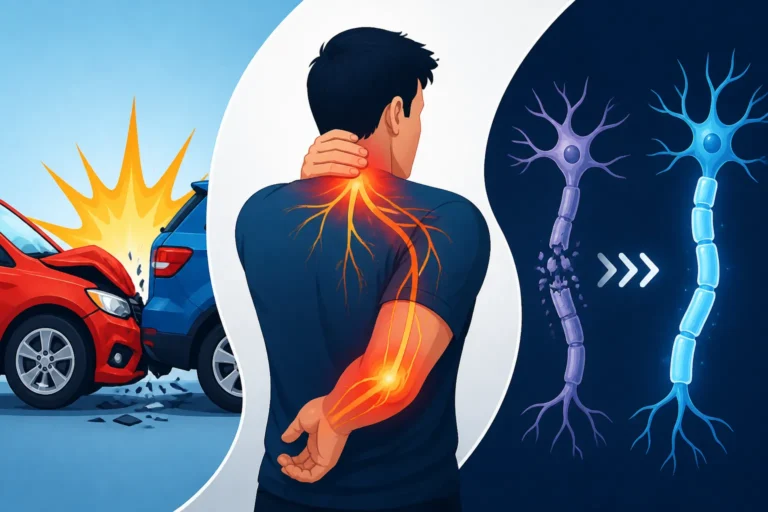
Nerve damage, or neuropathic pain, is a particularly nasty form of chronic pain that can arise from car accidents. This happens when the nerves themselves are injured, either through direct trauma, compression from swelling or disc herniations, or even stretching. Unlike nociceptive pain (which is caused by tissue damage), neuropathic pain results from a malfunctioning nervous system.
Symptoms often include burning, tingling, numbness, "pins and needles" sensations, or shooting pains that feel like electric shocks. Conditions like radiculopathy (nerve root compression in the spine) or peripheral neuropathy can develop. For instance, a forceful seatbelt impact might damage nerves in the shoulder or chest, leading to persistent burning sensations that don't respond well to typical painkillers. This type of pain is notoriously difficult to treat because it’s not about healing a physical wound; it’s about retraining a misfiring electrical system in your body. It can be profoundly frustrating when scans show no "obvious" injury, yet the electrical storm within your nerves rages on.
The Science Behind Persistent Pain
It's tempting to think of pain as a simple signal: injury equals pain. But chronic pain is far more intricate, involving complex changes in the nervous system and even the brain itself. It's not just about the physical damage from the accident; it's about how your body and mind adapt (or maladapt) to that damage over time. Understanding this can be empowering, as it helps validate the reality of your suffering, even when others can't see an "injury."
Central Sensitization and Nerve Changes
One of the most significant factors in chronic pain development is a phenomenon called central sensitization. In simple terms, your central nervous system (your brain and spinal cord) becomes hypersensitive to pain signals. Think of it like an alarm system that becomes so finely tuned it starts going off at the slightest whisper, or even when there's no real threat at all. After a traumatic event like a car accident, especially if the acute pain was intense or prolonged, the nervous system can get stuck in a state of heightened arousal.
This means that pain receptors in your body become more responsive, and the spinal cord and brain amplify pain signals. A gentle touch might feel painful, or a minor ache might feel excruciating. This rewiring means that even if the original tissue damage has healed, your brain continues to perceive a threat and generate pain. It's a physiological change, not just a psychological one, and it's why chronic pain can be so stubbornly resistant to treatment. It explains why some individuals might experience Long-Term Effects of Back Injury From a Car Accident even after extensive physical therapy.
Psychological Factors and Pain Perception
While chronic pain is undoubtedly a physical phenomenon, psychological factors play a crucial role in how it's experienced and maintained. The stress, anxiety, and trauma associated with a car accident can significantly influence your pain perception. If you're constantly worried about re-injuring yourself, struggling with financial stress due to medical bills, or battling depression from your changed circumstances, your brain processes pain differently.
Conditions like PTSD and Emotional Distress After a Car Accident can heighten the body's stress response, releasing hormones like cortisol that can increase inflammation and pain sensitivity. Fear-avoidance behavior, where you stop doing activities out of fear of pain, can also worsen the problem by leading to deconditioning and muscle weakness, creating a vicious cycle. It's not that the pain is "all in your head," but rather that your head's current state profoundly affects how your body feels and interprets those pain signals. Addressing these psychological components is often a critical, though frequently overlooked, part of effective chronic pain management.
Diagnosing Chronic Pain and Its Challenges
Getting a clear diagnosis for chronic pain after a car accident can feel like a quest, especially when initial scans show no "obvious" injury. It's a frustrating journey that many people face, often involving multiple doctors, tests, and a significant amount of patience. The subjective nature of pain makes it hard to quantify, yet proper medical documentation is absolutely vital, not only for treatment but also for your car accident claim.
The Diagnostic Process
The diagnostic process typically begins with your primary care physician, who may then refer you to specialists. This could include neurologists, orthopedists, pain management specialists, or even physical medicine and rehabilitation (PM&R) doctors. They will conduct a thorough physical examination, assessing your range of motion, muscle strength, reflexes, and nerve function. They'll ask detailed questions about the onset of your pain, its characteristics (burning, aching, shooting), its intensity, and what makes it better or worse.
Imaging tests like X-rays, MRI scans, and CT scans are standard, though they often don't tell the whole story for chronic soft tissue or nerve pain. For instance, an MRI might show a disc bulge, but the severity of the bulge doesn't always correlate with the level of pain. Electromyography (EMG) and nerve conduction studies (NCS) can be used to assess nerve damage and function, providing objective evidence of neuropathic pain. Sometimes, diagnostic injections (like nerve blocks) are used not only to relieve pain but also to identify the precise source of the pain. Keeping detailed records of every doctor's visit and diagnosis is part of How to Prove Injuries in a Car Accident Claim.
Hurdles to Diagnosis and Insurance Acceptance
One of the biggest hurdles is that chronic pain often lacks a clear, singular cause visible on imaging. You might have persistent neck pain, but your MRI comes back "normal" or shows only "degenerative changes" common for your age. This can lead to dismissive attitudes from some medical providers and, more commonly, from insurance adjusters. They might argue that your pain is pre-existing or unrelated to the accident, even if you never experienced it before.
Insurance companies, like State Farm or GEICO, are businesses, and their primary goal is to minimize payouts. Without objective evidence of a specific injury directly linked to the accident, they can be highly skeptical of chronic pain claims. This is where meticulous documentation, a consistent treatment history, and expert medical opinions become indispensable. Proving that your pain is truly chronic and directly caused or significantly exacerbated by the accident can be an uphill battle, often requiring the support of a specialized attorney. Without strong evidence, you might find yourself in a situation where the insurance company makes a lowball offer because they don't fully acknowledge the extent of your suffering.
Treatment Options and Management Strategies
Living with chronic pain requires a multi-faceted approach. There's rarely a single "magic bullet," but rather a combination of treatments aimed at reducing pain, improving function, and enhancing your quality of life. The journey is personal, and finding what works for you can take time and persistence.
Medical and Interventional Treatments
Medical interventions for chronic pain range from over-the-counter medications to prescription drugs and more invasive procedures. Non-steroidal anti-inflammatory drugs (NSAIDs) like ibuprofen or naproxen can help with inflammation, while muscle relaxants may ease spasms. For neuropathic pain, specific medications like gabapentin or pregabalin are often prescribed. Opioids are sometimes used for severe short-term pain but are generally avoided for long-term chronic pain due to addiction risks and diminishing effectiveness over time.
Interventional pain management techniques can offer more targeted relief. These include:
- Epidural steroid injections: Delivering corticosteroids directly to the spinal nerves to reduce inflammation.
- Nerve blocks: Injecting an anesthetic near specific nerves to block pain signals.
- Radiofrequency ablation: Using heat to disrupt nerve function and prevent pain signals from being transmitted.
- Spinal cord stimulators: Implanting a device that sends mild electrical pulses to the spinal cord to interrupt pain signals.
These treatments aim to break the pain cycle and provide windows of relief, allowing you to engage in other therapies. It's a process of trial and error, and your pain management specialist will work with you to find the most effective options.
Physical Therapy and Rehabilitation
Physical therapy is often a cornerstone of chronic pain management. A skilled physical therapist can design a personalized program to improve strength, flexibility, posture, and body mechanics. This isn't just about doing exercises; it's about re-educating your body and nervous system. They might use manual therapy (hands-on techniques to mobilize joints and soft tissues), therapeutic exercises, stretching, and modalities like heat, ice, or electrical stimulation.
The goal of rehabilitation is not just to reduce pain but to restore function and enable you to return to daily activities. For someone with chronic back pain, this might mean learning how to lift properly, improving core strength to support the spine, and gradually increasing activity levels without exacerbating pain. Consistent adherence to a physical therapy program is crucial, even when progress feels slow. It's a long-term commitment that can significantly impact your ability to manage your pain and regain independence.
Complementary and Alternative Therapies
Beyond conventional medical treatments, many people find relief through complementary and alternative therapies. These can be used alongside traditional care and might include:
- Acupuncture: Involves inserting thin needles into specific points on the body to stimulate energy flow and reduce pain.
- Massage therapy: Can help relax tense muscles, improve circulation, and reduce stress.
- Chiropractic care: Focuses on spinal adjustments to improve alignment and nerve function.
- Yoga and Tai Chi: These practices combine gentle movements, breathing techniques, and mindfulness to improve flexibility, strength, and stress reduction.
- Mind-body techniques: Meditation, mindfulness-based stress reduction (MBSR), and biofeedback can help you develop coping strategies and change your perception of pain. These methods acknowledge the strong link between mental state and physical sensation, helping to break the central sensitization cycle.
For individuals exploring these options, it's essential to communicate with your primary care provider to ensure these therapies are safe and appropriate for your specific condition.
Navigating Your Car Accident Claim with Chronic Pain
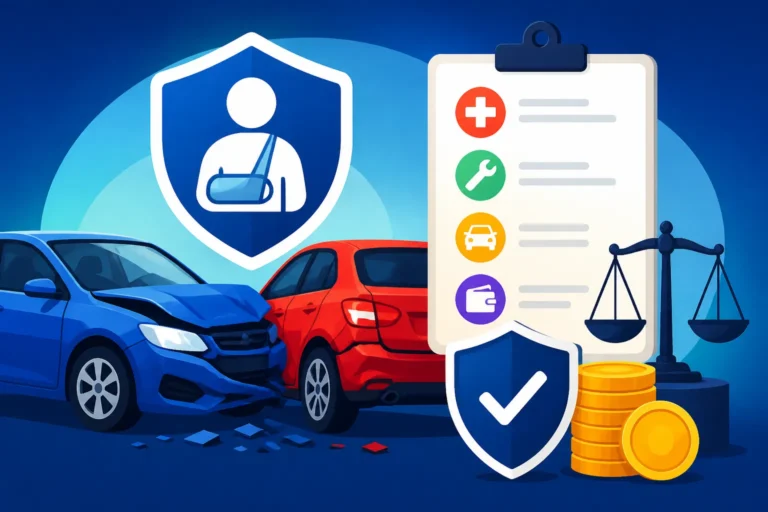
Dealing with chronic pain after a car accident is challenging enough, but add in the complexities of an insurance claim, and it can feel overwhelming. Insurance companies are often skeptical of claims involving long-term, non-visible injuries, making diligent documentation and strategic action crucial for securing the compensation you deserve.
Documenting Your Pain and Treatment Journey
When you're dealing with a long-term, invisible condition like chronic pain, documentation is your absolute best friend. Every doctor's visit, every treatment, every prescription, and every conversation about your pain needs to be recorded. This isn't just for your memory; it's tangible evidence for the insurance company and potentially for a court.
- Medical Records: Keep copies of all medical reports, diagnostic test results (X-rays, MRIs, EMGs), physical therapy notes, medication lists, and bills. These records should clearly link your chronic pain to the car accident.
- Pain Journal: Maintain a detailed daily journal of your pain levels (on a scale of 1-10), what activities aggravate it, what helps alleviate it, how it affects your sleep, mood, and daily activities. This personal account can vividly illustrate the impact of your injury. This type of detailed record is key when learning How to Document Pain and Suffering.
- Lost Wages and Expenses: Keep meticulous records of any time off work due to pain or appointments, and any related lost income. Track all out-of-pocket expenses, including co-pays, transportation to appointments, and even over-the-counter pain relief. These form the basis of your Lost Earning Capacity vs Lost Wages and economic damages.
The more detailed and consistent your documentation, the harder it is for an insurance adjuster to dispute the legitimacy and severity of your chronic pain.
Challenges with Insurance Companies
Insurance companies are notorious for trying to downplay chronic pain claims. They might argue that your pain is:
- Pre-existing: They'll dig into your medical history to find any past complaints, no matter how minor, to suggest your current pain isn't accident-related.
- Exaggerated: They may imply you're fabricating or overstating your symptoms, especially if diagnostic tests don't show clear structural damage.
- Not a direct result of the accident: They might try to attribute your pain to other factors, even if it started immediately after the crash.
You might be asked to provide a recorded statement, which can be used against you. It's generally advisable to consult with an attorney before giving any recorded statements. Insurance adjusters are trained negotiators; they often make a low initial offer, hoping you'll accept it out of desperation or lack of knowledge. They might suggest that your pain will eventually go away or that your treatment isn't necessary. This is where having an experienced advocate can make a world of difference. Understanding Dealing With Insurance Adjusters After a Car Accident is vital.
The Role of an Attorney in Chronic Pain Cases
Given the complexities and skepticism often associated with chronic pain claims, hiring a car accident lawyer is almost always a wise decision. An attorney specializing in personal injury understands the nuances of proving chronic pain and how to present it effectively to insurance companies or in court. They can:
- Gather Evidence: Your lawyer will help collect and organize all necessary medical records, expert witness testimonies (from your pain specialists, physical therapists, or even vocational experts who can speak to your lost earning capacity), and your personal pain journal.
- Negotiate with Insurers: They will handle all communication and negotiations with the at-fault driver's insurance company, ensuring your rights are protected and you don't inadvertently say anything that could harm your claim. They know how to counter lowball offers and fight for a fair settlement that accounts for both your past and future medical expenses, lost wages, and pain and suffering.
- File a Lawsuit: If a fair settlement cannot be reached, your attorney can file a lawsuit and represent you in court, arguing for the compensation you deserve. They understand the legal deadlines, such as the Statute of Limitations for Car Accidents by State.
- Connect with Experts: Lawyers often have connections with medical experts who can provide independent medical examinations (IMEs) or offer testimony to bolster your claim. These experts can explain complex medical concepts like central sensitization to a jury, making your invisible pain visible in the eyes of the law.
When you're facing chronic pain, the last thing you want to do is navigate a legal battle alone. Having a dedicated professional on your side can alleviate much of the stress and improve your chances of a successful outcome, potentially allowing you to focus more on your recovery. For cases involving long-term health impacts, knowing How Much Is My Car Accident Settlement Worth? becomes a question that a skilled attorney can help answer.
Disclaimer
Please remember that this information is intended for educational purposes only and does not constitute legal or medical advice. Every car accident and resulting injury is unique, and laws vary by jurisdiction. You should always consult with a qualified medical professional for diagnosis and treatment of any health condition, and with an experienced car accident attorney for advice regarding your specific legal situation.