Long-Term Effects of Back Injury From a Car Accident
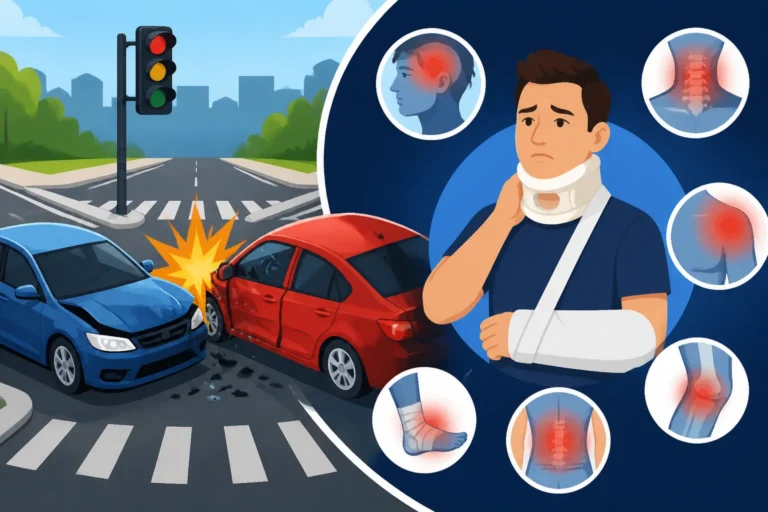
It’s a cruel twist of fate: you survive a terrifying car accident, perhaps walk away feeling shaken but intact, only to find that weeks or even months later, a nagging back pain sets in. This isn't just a temporary ache; for many, a back injury from a collision can morph into a persistent, life-altering condition. Understanding these long-term effects is crucial, not just for your health, but for navigating the complex world of recovery and potential compensation.
The Insidious Nature of Back Injuries After a Car Accident
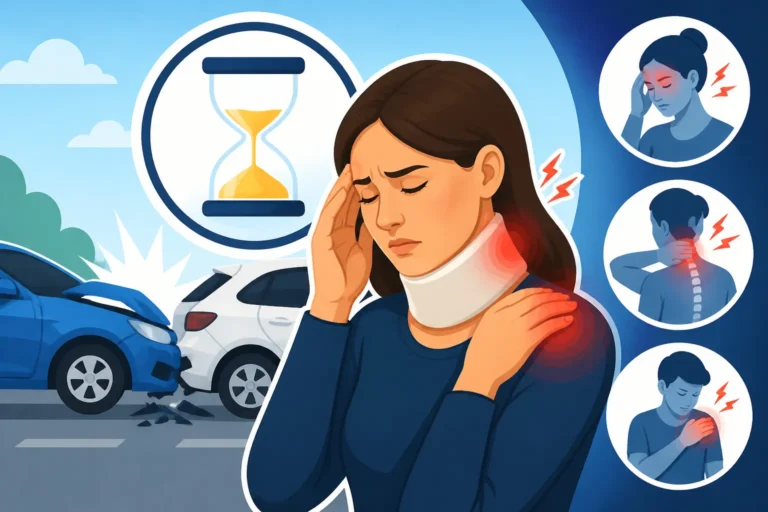
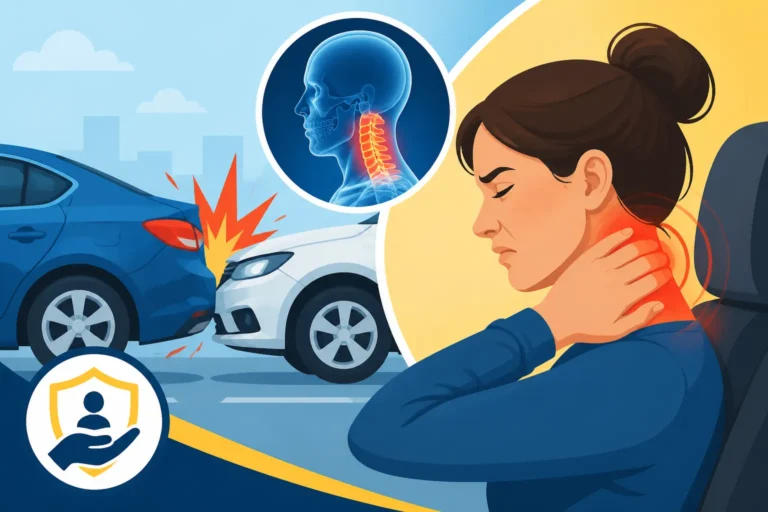
When you're involved in a car accident, the forces at play can be immense, subjecting your spine to unnatural and violent movements. While some injuries are immediately obvious, like a broken bone or severe cut, back injuries often have a more subtle, delayed onset. What feels like a minor stiffness initially can gradually worsen, transforming into chronic pain that impacts every aspect of your life. This isn't just about discomfort; it's about a foundational part of your body being compromised, leading to a cascade of long-term issues that extend far beyond physical pain.
Common Back Injuries That Lead to Chronic Problems
The back is a complex structure of bones (vertebrae), discs, ligaments, muscles, and nerves. A car accident can damage any of these components, and certain injuries are particularly notorious for evolving into long-term struggles.
Herniated or Bulging Discs
Imagine the rubbery cushions between your vertebrae as jelly donuts. A sudden, jarring impact, like a rear-end collision or a T-bone accident, can cause these discs to bulge outward or even rupture (herniate), pushing the "jelly" out. When a disc protrudes, it can press on nearby spinal nerves, leading to excruciating pain, numbness, tingling, and weakness that can radiate into your arms or legs – a condition often known as sciatica if it affects the lower back and legs. While conservative treatments like physical therapy and medication can help some, many individuals with herniated discs face chronic nerve compression and pain, sometimes requiring surgery, and even then, complete relief isn't always guaranteed. The initial pain might fade, but the vulnerability of the disc often remains, making future flare-ups a real concern.
Spinal Fractures and Vertebral Compression
Car accidents, especially high-impact ones, can cause fractures in the vertebrae themselves. These can range from small hairline cracks to more severe compression fractures where the bone collapses. Even seemingly minor fractures can lead to significant long-term pain and instability in the spine. A compression fracture, for instance, might not immediately paralyze you, but it can alter the alignment of your spine, leading to chronic localized pain, stiffness, and even a loss of height over time. The healing process for spinal fractures can be extensive, often involving bracing or even surgical stabilization, and residual pain or discomfort is a common long-term outcome.
Soft Tissue Damage: Sprains, Strains, and Tears
Perhaps the most common, and often underestimated, back injuries from car accidents are soft tissue injuries – damage to muscles, ligaments, and tendons. Whiplash, which typically affects the neck but can also occur in the lower back (lumbar whiplash), is a prime example. While a "sprain" might sound minor, a severe sprain or strain involves microscopic tears in these tissues. The body attempts to heal these tears with scar tissue, which is less flexible and more prone to pain than healthy tissue. Over time, this can lead to chronic muscle spasms, stiffness, reduced range of motion, and persistent aches. The injury might not be visible on an X-ray, making it harder to prove initially, but the daily reality of living with such pain is anything but minor. For a deeper understanding of these injuries, you might want to read our comprehensive guide on Common Car Accident Injuries: Complete Guide (2027).
Facet Joint Injuries
The facet joints are small joints located between each vertebra, allowing your spine to bend and twist. During a car accident, the sudden jarring motion can hyperextend or hyperflex these joints, damaging the cartilage or ligaments surrounding them. This can lead to chronic, localized back pain, stiffness, and pain that worsens with specific movements. Many people might confuse this with general muscle soreness, but if left untreated, facet joint syndrome can become a source of ongoing discomfort, sometimes requiring injections or other specialized pain management techniques for sustained relief.
Why Back Injuries Often Become Chronic
The journey from acute injury to chronic pain is a frustrating one, often characterized by inadequate healing, inflammation, and nerve involvement.
Persistent Inflammation and Nerve Compression
After an injury, your body initiates an inflammatory response to begin healing. While necessary, prolonged or excessive inflammation can actually contribute to chronic pain, irritating nerve endings and preventing proper tissue repair. In the case of herniated discs or spinal fractures, this inflammation can directly compress nearby nerves, leading to ongoing pain signals, numbness, and weakness. Even after the initial injury seems to "heal," this nerve sensitivity can remain, turning what should be a temporary problem into a long-term battle.
Scar Tissue Formation and Reduced Flexibility
When soft tissues like muscles and ligaments are torn or stretched beyond their limits, the body repairs them with scar tissue. Unlike healthy tissue, scar tissue is less elastic and less organized. This can result in permanent stiffness, reduced flexibility, and a greater susceptibility to re-injury. Imagine trying to stretch a stiff piece of leather compared to a supple one – that's often the feeling in a back laden with scar tissue. This lack of flexibility can make everyday movements painful and significantly limit your physical activity.
Compensatory Movement Patterns
When you experience back pain, your body instinctively tries to protect the injured area by altering how you move. You might shift your weight, walk with a different gait, or use other muscle groups to compensate. While this provides temporary relief, these compensatory movements can put undue stress on other parts of your spine, hips, or knees, leading to new aches and pains. Over time, these improper movement patterns can become ingrained, contributing to muscle imbalances, further joint degeneration, and chronic discomfort throughout your musculoskeletal system. It's a vicious cycle where the initial injury spawns a host of secondary issues.
Living with the Lingering Effects: The Physical, Emotional, and Financial Toll
Beyond the direct pain, a long-term back injury can cast a long shadow over every aspect of your existence, altering your physical capabilities, mental well-being, and financial stability.
Persistent Physical Symptoms and Daily Limitations
The most obvious long-term effect is the daily struggle with persistent physical symptoms. This isn't just about discomfort; it's about a fundamental change in what your body can do.
Chronic Pain and Discomfort
This is the cornerstone of long-term back injuries. Whether it's a dull ache that never quite goes away, sharp shooting pains when you move certain ways, or a constant burning sensation, chronic back pain can be relentless. It makes it difficult to sleep comfortably, sit at a desk for extended periods, or even find a comfortable position to relax. Many people describe it as a constant companion, always present, always demanding attention. This pervasive pain can also manifest as chronic muscle spasms or radiating pain down the legs or arms, limiting not just back movement but also the function of your extremities.
Reduced Mobility and Physical Limitations
With chronic back pain often comes reduced flexibility and range of motion. Activities you once took for granted – bending to pick up groceries, tying your shoes, playing with your kids, or even simply turning to look over your shoulder while driving – become difficult, if not impossible. This loss of mobility can be incredibly frustrating, stripping away independence and forcing you to rely on others for tasks you once handled with ease. Many people find they can no longer participate in hobbies they once loved, like hiking, gardening, or certain sports, leading to a profound sense of loss. Our guide on Back and Spinal Injuries From Car Accidents explores these limitations in detail.
Weakness, Numbness, and Tingling
When nerve damage is part of the injury, you might experience persistent weakness in your limbs, making it hard to lift objects or maintain balance. Numbness or tingling sensations, often described as "pins and needles," can be constant or intermittent, affecting your hands, arms, feet, or legs. This isn't just uncomfortable; it can be dangerous, making you more prone to falls or injuries because you can't feel things properly. Imagine trying to walk confidently when your foot occasionally goes numb – it's a constant source of anxiety.
The Psychological and Emotional Impact
The constant physical pain and limitations take a significant toll on your mental and emotional health. It's easy for the frustration and despair to creep in, leading to a host of psychological issues. Many individuals experiencing long-term pain from an accident also suffer from PTSD and Emotional Distress After a Car Accident.
Depression and Anxiety
Living with chronic pain is incredibly draining. The inability to do things you once enjoyed, the constant discomfort, and the uncertainty about the future can lead to feelings of sadness, hopelessness, and isolation. Depression is a common co-morbidity with chronic pain, creating a challenging cycle where pain worsens mood, and low mood amplifies pain perception. Anxiety is also prevalent, fueled by worries about re-injury, financial strain, and the future of your health.
Sleep Disturbances and Fatigue
Finding a comfortable sleeping position with a painful back is a monumental task. Many individuals with chronic back pain suffer from insomnia or restless sleep, leading to persistent fatigue during the day. This lack of restorative sleep exacerbates pain, impairs cognitive function, and further contributes to irritability and low mood. It's a vicious cycle where the injury prevents sleep, and the lack of sleep makes the injury feel even worse.
Loss of Identity and Independence
For many, their identity is tied to their ability to work, participate in sports, or care for their family. A long-term back injury can strip away these roles, leading to a profound sense of loss, frustration, and even anger. The loss of independence, needing help with basic tasks, or being unable to contribute to the household as before can be incredibly damaging to one's self-esteem and relationships.
Financial Burdens and Lifestyle Changes
The financial implications of a long-term back injury are often staggering, creating a heavy burden alongside the physical and emotional distress.
Ongoing Medical Costs
Chronic back pain often requires a lifetime of management. This can include regular physical therapy sessions, chiropractor visits, expensive medications, pain management injections, specialist consultations (orthopedists, neurologists), and potentially future surgeries. Even with insurance, co-pays, deductibles, and uncovered treatments can quickly add up, creating a significant financial strain that can last for years.
Lost Earning Capacity
If your back injury prevents you from returning to your previous job, or forces you into a lower-paying role with fewer physical demands, you face a substantial loss of income. This isn't just about lost wages today, but lost earning capacity over your entire working life. Even if you can return to work, frequent appointments, pain flare-ups, or reduced productivity can impact your career trajectory and financial stability. This concept is often a major factor in determining How Much Is My Car Accident Settlement Worth? (2026).
Assistive Devices and Home Modifications
In some cases, long-term back injuries necessitate the use of assistive devices like back braces, special ergonomic chairs, or even mobility aids. More severe cases might require home modifications, such as stairlifts or accessible bathrooms, which come with significant costs. These expenses, coupled with the daily struggles, underscore the depth of the injury's impact.
Navigating Recovery and Protecting Your Car Accident Claim
If you're dealing with a long-term back injury from a car accident, understanding your options for recovery and compensation is absolutely critical. It’s not just about managing the pain, it’s about securing your future.
The Importance of Consistent and Documented Medical Care
One of the biggest mistakes people make after a car accident is downplaying their injuries, especially back pain, hoping it will just go away. This is particularly dangerous when dealing with back injuries that have the potential to become chronic.
Regular Doctor Visits and Specialist Consultations
From the moment you feel any back discomfort, it is paramount that you see a doctor immediately and continue with regular follow-ups. Even if the pain seems minor initially, a medical professional can diagnose the underlying issue and develop a treatment plan. For persistent or worsening pain, don't hesitate to seek referrals to specialists like orthopedic surgeons, neurologists, or pain management doctors. These experts can provide more advanced diagnostic tests (like MRIs or CT scans) and specialized treatments. This consistent care also creates a continuous record of your injury, which is vital for your claim. Remember, Why You Should See a Doctor After a Car Accident is a foundational piece of advice for anyone involved in a collision.
Adhering to Treatment Plans and Therapies
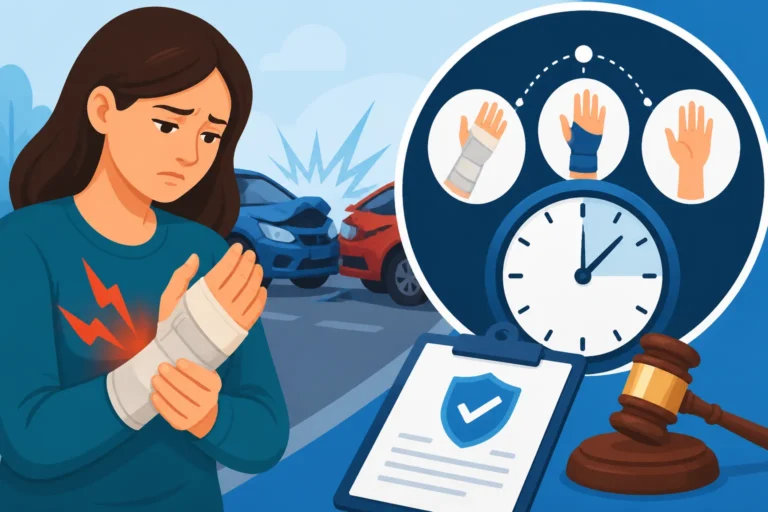
Whether your doctor prescribes physical therapy, chiropractic care, medication, or specific exercises, it's crucial to follow their recommendations diligently. Skipping appointments or abandoning treatment prematurely not only hinders your physical recovery but can also be used by insurance companies to argue that your injuries aren't as severe as you claim, or that you're not doing your part to get better. Consistency in treatment is a clear demonstration that you are actively seeking to mitigate your damages. For those dealing with Chronic Pain After a Car Accident, adherence to long-term pain management strategies is especially important.
Documenting Every Symptom and Limitation
Keep a detailed journal of your pain levels, how your back injury affects your daily activities, any new symptoms you experience, and how you feel emotionally. Document the specific ways your injury prevents you from working, performing household chores, or enjoying hobbies. For example, instead of just writing "back pain," note "Unable to lift my toddler without sharp pain" or "Can only sit for 15 minutes before needing to stand due to burning sensation in lower back." This personal account, alongside professional medical records, paints a more complete picture of your suffering and is crucial for demonstrating How to Prove Injuries in a Car Accident Claim.
Protecting Your Future: Financial and Legal Considerations
When facing long-term back pain, the future can seem uncertain. Protecting your financial and legal interests is just as important as managing your physical recovery.
Understanding Damages Beyond Immediate Costs
Many people think only about current medical bills and lost wages. However, with a long-term back injury, your claim should encompass much more. You need to account for future medical expenses, including potential surgeries, ongoing physical therapy, medications, and assistive devices. You also need to consider lost earning capacity, which is the difference in what you would have earned over your lifetime versus what you can earn now. Then there are non-economic damages, like pain and suffering, emotional distress, and loss of enjoyment of life, which are significant for chronic conditions. Understanding the difference between Economic vs Non-Economic Damages in Injury Claims is key to a comprehensive claim.
The Role of Medical Records in Your Claim
Your medical records are the backbone of your entire car accident claim. They provide objective evidence of your injuries, their severity, the treatments you've undergone, and your prognosis. This includes doctor's notes, diagnostic imaging reports (X-rays, MRIs), physical therapy notes, medication lists, and specialist reports. Make sure your doctors are thoroughly documenting all your symptoms, limitations, and how the injury directly relates to the car accident. Without clear, consistent medical documentation, proving the extent of your long-term back injury and its impact can be incredibly challenging. Our article on How Medical Records Prove Your Injuries offers excellent advice on this.
Seeking Legal Guidance for Complex Cases
Dealing with a long-term back injury claim can quickly become overwhelming. Insurance companies are often reluctant to pay out large settlements for future medical care and lost earning capacity, and they may try to minimize the severity of your injuries or suggest they were pre-existing. An experienced car accident attorney can be an invaluable advocate. They can gather and organize evidence, communicate with insurance adjusters, negotiate for a fair settlement that accounts for your long-term needs, and, if necessary, prepare your case for trial. They understand the nuances of how long-term injuries affect your settlement and can fight to ensure you receive the compensation you deserve for an Average Settlement for a Back Injury and more. Don't let the complexity deter you from getting the help you need.
| Injury Type | Common Cause in Accidents | Potential Long-Term Effects |
|---|---|---|
| Herniated/Bulging Disc | Sudden force, twisting, compression | Chronic nerve pain, numbness, weakness, sciatica, limited mobility, need for surgery |
| Spinal Fractures | High-impact collisions, crushing force | Persistent pain, spinal instability, neurological deficits, possible paralysis (severe) |
| Whiplash (Lumbar/Cervical) | Sudden jerking motion | Chronic neck/back pain, stiffness, headaches, reduced range of motion, nerve impingement |
| Soft Tissue Damage | Sprains, strains, muscle tears | Chronic muscle pain, spasms, stiffness, reduced flexibility, scar tissue formation |
| Facet Joint Injury | Hyperextension/flexion, rotation | Localized chronic back pain, stiffness, pain with movement, early onset arthritis |
Disclaimer
Please remember, the information provided in this article is intended for general informational purposes only and does not constitute legal or medical advice. Every car accident and injury claim is unique. You should always consult with a qualified medical professional for diagnosis and treatment of any injury, and a knowledgeable legal professional for advice regarding your specific car accident claim.