Common Car Accident Injuries: Complete Guide (2027)
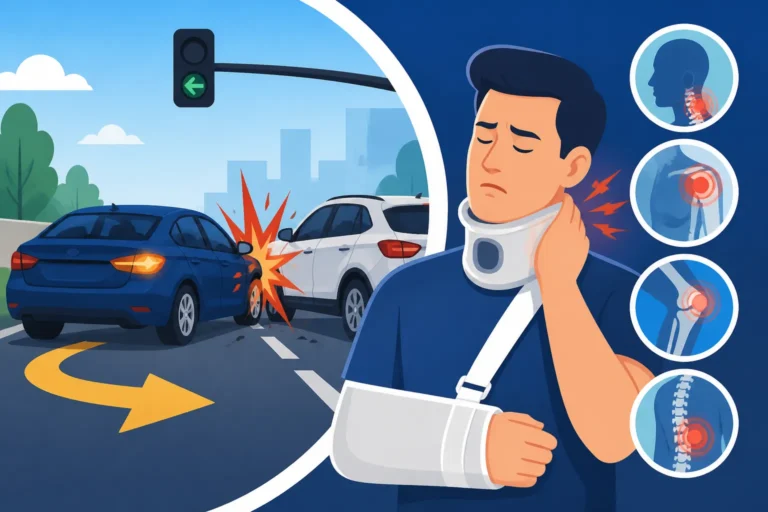
Being involved in a car accident is a truly jarring experience, one that can leave you shaken, confused, and sometimes, surprisingly, feeling perfectly fine in the immediate moments afterward. It's a common misconception that if you're not visibly bleeding or in excruciating pain right away, you've escaped unscathed. However, many serious car accident injuries can lurk beneath the surface, with symptoms only emerging hours, days, or even weeks later. This comprehensive guide will walk you through the most common injuries sustained in vehicle collisions, help you understand their potential impact, and explain why timely medical attention and proper documentation are absolutely crucial for your health and any potential car accident claim.
The Immediate Aftermath: When Injuries Aren't Obvious
It’s completely normal to feel a whirlwind of emotions and physical sensations after a car crash. The sheer shock, the sudden impact, the blare of horns, and the rush of adrenaline can create a confusing fog, often masking the body's true condition. Many people make the mistake of assuming they're fine because they don't feel immediate pain, only to discover serious issues later.
The Adrenaline Rush and Masked Pain
Think about it: in a moment of crisis, your body is wired for survival. It releases a potent cocktail of hormones, including adrenaline, cortisol, and endorphins. This natural physiological response is incredible; it can heighten your senses, make you stronger, and, critically for accident victims, significantly reduce your perception of pain. You might be able to move around, help others, or even handle the immediate logistics of the accident, all while your body is silently enduring trauma. This is why you often hear stories of people walking away from seemingly severe crashes, only to wake up the next morning feeling like they've been hit by a truck – because they essentially have been. The adrenaline has worn off, and the pain receptors are finally shouting.
This masked pain can be incredibly deceptive. It might lead you to tell first responders or other drivers that you're "okay," or even decline immediate medical assistance. While well-intentioned, these statements can inadvertently complicate things later if you do discover an injury. For instance, if you get into a fender bender on a busy street in downtown Chicago, you might just want to exchange info and get out of the way, dismissing any minor aches as stress. However, that seemingly minor ache could be the precursor to a more significant issue.
Why You Need to Seek Medical Attention Promptly
Regardless of how you feel at the scene, seeking prompt medical attention after a car accident is not just a good idea for your health; it's absolutely vital for documenting your injuries. Even if you only go to an urgent care clinic or your primary care physician a day or two after the crash, that initial visit creates an official record linking your symptoms to the accident. Without this initial link, insurance companies may later argue that your injuries weren't caused by the crash but by some other event.
Think of it as laying the groundwork. A visit to the emergency room, even if it feels excessive for a mild headache or a stiff neck, establishes a clear timeline. Doctors can perform diagnostic tests like X-rays, CT scans, or MRIs that might reveal underlying issues not immediately apparent. They can also advise you on what symptoms to watch out for. Even a minor accident can cause significant trauma, and ignoring potential injuries only allows them to worsen, making your recovery more difficult and your claim more challenging. It's always better to be safe than sorry, especially when your long-term health is at stake.
Understanding Delayed Injury Symptoms After a Car Accident
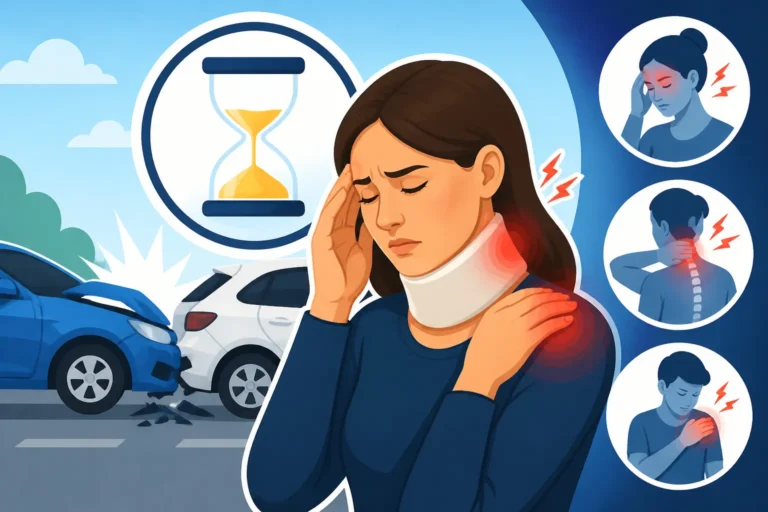
The phenomenon of delayed symptoms is a major source of frustration for many accident victims. You feel fine, you tell everyone you're fine, and then a few days pass, and suddenly you can't turn your neck, or you're getting persistent headaches. This delay often makes people question themselves, wondering if they're imagining things or if the pain is truly related to the crash. Rest assured, delayed symptoms are very real and incredibly common.
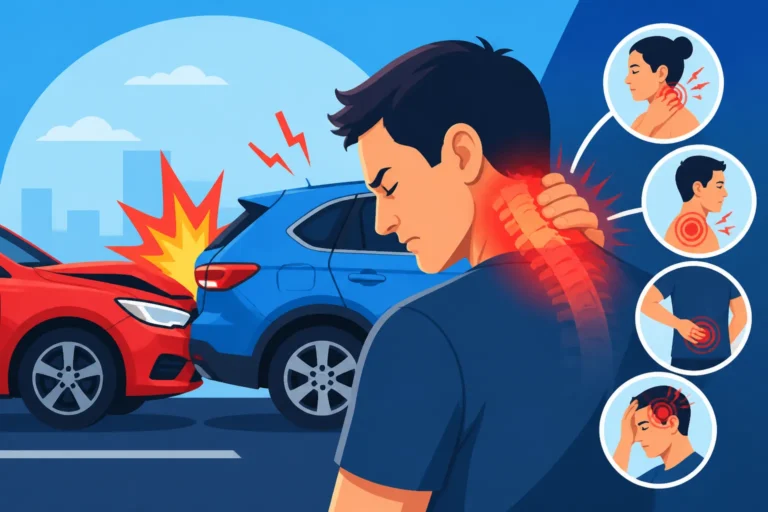
Some of the most frequently delayed symptoms include stiff necks, back pain, headaches (which can indicate a concussion), numbness or tingling in extremities, abdominal pain (potentially indicating internal bleeding), and even psychological distress like anxiety or difficulty sleeping. These symptoms can be insidious, starting subtly and gradually worsening. It's crucial to be aware of these possibilities and to continue monitoring your body closely in the days and weeks following a collision. If you notice any new or worsening symptoms, do not hesitate to revisit a medical professional and clearly explain that these issues stemmed from your car accident. For more detailed information, consider reading our guide on Delayed Injury Symptoms After a Car Accident.
Common Soft Tissue Injuries from Car Accidents
Soft tissue injuries are among the most frequently diagnosed conditions after a car accident. These types of injuries affect muscles, ligaments, and tendons, rather than bones. While they might sound less severe than a broken bone, they can be incredibly painful, debilitating, and have long-lasting effects on your mobility and quality of life.
Whiplash: A Silent Sufferer's Scourge
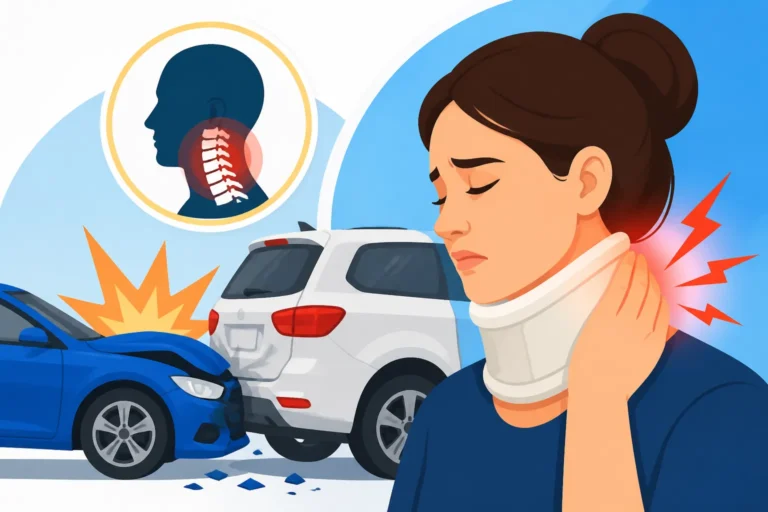
Whiplash is almost synonymous with car accidents, and for good reason. It’s an injury to the soft tissues of the neck and upper back caused by a sudden, forceful back-and-forth movement of the head, much like the cracking of a whip. This motion can strain muscles, damage ligaments, and even affect nerves and discs in the cervical spine. It's most common in rear-end collisions, even at low speeds, where the sudden acceleration and deceleration jar the neck violently.
The frustrating thing about whiplash is that symptoms often don't appear immediately. You might feel a little stiff an hour after the crash, then wake up the next morning with severe neck pain, stiffness, reduced range of motion, headaches originating at the base of the skull, dizziness, fatigue, and even numbness or tingling in the arms. Because these aren't always visible injuries, it can sometimes feel like others, or even insurance adjusters, dismiss your pain. However, whiplash is a very real injury that requires medical attention. You can learn more about specific signs and symptoms by checking out our resource on Whiplash Symptoms After a Car Accident.
Strains, Sprains, and Contusions
Beyond whiplash, other common soft tissue injuries include strains, sprains, and contusions. A strain occurs when a muscle or tendon is overstretched or torn. Imagine bracing yourself for impact, tensing your muscles, and then being thrown forward; the sudden force can easily strain the muscles in your shoulders, back, or even your chest if you're gripping the steering wheel. A sprain involves the stretching or tearing of ligaments, which are the tough, fibrous tissues that connect bones at a joint. A common example is a knee sprain from hitting it on the dashboard or a wrist sprain from bracing yourself.
Contusions, more commonly known as bruises, are caused by direct impact that damages small blood vessels under the skin, leading to discoloration. While many bruises are minor, severe contusions can involve deep tissue damage, significant pain, and swelling. For instance, a forceful impact against the door or dashboard could lead to severe contusions in the hip or leg. While these might seem less critical than a broken bone, they can be incredibly painful, limit movement, and indicate underlying issues. Accurate diagnosis and treatment are essential for full recovery and to prevent chronic pain.
How Long Does Whiplash Last?
The duration of whiplash recovery can vary significantly from person to person, which adds to the uncertainty and frustration for those experiencing it. For some, mild whiplash symptoms might resolve within a few days or weeks with proper rest, ice, and over-the-counter pain relievers. However, for many others, whiplash can become a more persistent and debilitating condition.
Studies show that a significant percentage of whiplash sufferers experience symptoms for several months, and a smaller but notable group can develop chronic whiplash-associated disorders, leading to pain that lasts for years. Factors like the severity of the initial impact, pre-existing conditions, age, and promptness of treatment can all play a role in recovery time. Physical therapy, chiropractic care, pain management, and sometimes even injections are common treatments. Understanding the potential longevity of this injury is important not just for managing your expectations, but also for ensuring your insurance claim adequately accounts for ongoing medical needs and lost wages. Dive deeper into this topic with our guide: How Long Does Whiplash Last?.
| Injury Type | Description | Common Symptoms | Typical Recovery Time (Approx.) |
|---|---|---|---|
| Whiplash | Strain/sprain of neck muscles/ligaments | Neck pain, stiffness, headaches, dizziness | Weeks to several months |
| Muscle Strain | Overstretched or torn muscle/tendon | Localized pain, tenderness, swelling, reduced motion | Days to weeks |
| Ligament Sprain | Stretched or torn ligament (e.g., knee, ankle, wrist) | Pain, swelling, bruising, instability in joint | Weeks to months |
| Contusion | Bruise from direct impact, damaging blood vessels | Discoloration, tenderness, swelling | Days to weeks |
| Herniated Disc | Disc pushes out of place, irritating nerves | Localized pain, numbness, tingling, weakness (radiating) | Months to chronic |
| Concussion | Brain injury from head trauma | Headaches, dizziness, confusion, memory issues, fatigue | Days to months |
| Fracture | Broken bone | Severe pain, swelling, deformity, inability to bear weight | Weeks to several months |
Back and Spinal Injuries: More Than Just a "Stiff Back"
When you hear about car accident injuries, images of neck braces often come to mind, but the entire spine, from the cervical (neck) to the thoracic (mid-back) and lumbar (lower back) regions, is incredibly vulnerable in a collision. These aren't just minor aches; spinal injuries can lead to chronic pain, mobility issues, and even permanent disability.
Herniated Discs: The Nasty Pinches
Your spine is made up of vertebrae cushioned by soft, gel-like discs that act as shock absorbers. In a car accident, the sudden force and twisting motions can cause these discs to rupture or bulge, pushing out from their normal position. When this happens, it's called a herniated disc (or sometimes a slipped or ruptured disc). The real problem starts when the bulging disc presses against nearby spinal nerves. This pressure can cause excruciating pain not just in the immediate area, but also radiating pain, numbness, tingling, or weakness down your arms or legs, depending on where the disc is located.
For example, a herniated disc in your lower back (lumbar spine) might cause sciatica, with pain shooting down one leg. A herniated disc in your neck could lead to pain, numbness, and tingling in your shoulder, arm, and hand. These injuries are notoriously difficult to diagnose without advanced imaging like an MRI and often require aggressive treatment, from physical therapy and medication to injections and, in severe cases, surgery. It's a debilitating injury that can drastically impact your ability to work, sleep, and perform daily activities. For a deeper understanding, refer to our detailed article on Herniated Disc From a Car Accident.
Spinal Cord Injury From a Car Accident: Life-Altering Consequences
While less common than whiplash or herniated discs, a spinal cord injury (SCI) is one of the most devastating outcomes of a severe car accident. The spinal cord is the main pathway for messages between your brain and the rest of your body. Any damage to this delicate structure can result in a loss of sensation, motor function, or both, below the site of the injury. Even a partial injury can lead to significant paralysis or impaired function.
These injuries often occur in high-impact crashes where the spine is severely compressed, twisted, or hyperextended. They can manifest immediately as complete paralysis, or more subtly as weakness, numbness, or difficulty with balance. Diagnosing a SCI requires immediate medical attention and specialized tests. The long-term implications are profound, often requiring extensive rehabilitation, assistive devices, and significant lifestyle adjustments. The emotional and financial toll on victims and their families is immense, making these some of the most complex and high-value personal injury claims. For more context, our guide on Spinal Cord Injury From a Car Accident provides critical details.
Fractures and Compression Injuries
Beyond disc and cord damage, the vertebrae themselves can be fractured or undergo compression injuries. A vertebral fracture is a break in one of the bones of your spine. These can range from stable fractures that might heal with bracing and rest to unstable fractures that require surgery to prevent further damage to the spinal cord. Compression fractures are particularly common in car accidents, especially in older individuals or those with osteoporosis, where the force of impact causes a vertebra to collapse or wedge.
These types of injuries can cause intense, localized pain, difficulty moving, and sometimes neurological symptoms if bone fragments impinge on nerves. They often require immobilization, pain management, and a long recovery period. The key takeaway here is that any back pain after an accident should never be dismissed as "just a muscle pull." The intricate nature of the spine means that seemingly minor symptoms could mask a serious underlying injury that demands immediate and thorough medical evaluation.
Head and Brain Injuries: The Unseen Dangers
Head injuries from car accidents are incredibly concerning because the brain is such a delicate and vital organ. Even without direct impact to the head, the sudden forces involved in a collision can cause the brain to violently shift within the skull, leading to a range of injuries from mild to life-threatening.
Concussions: Not "Just a Bump on the Head"
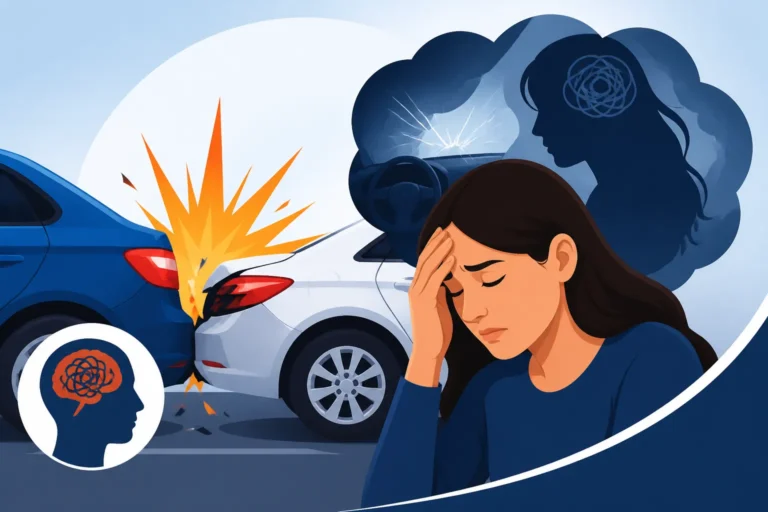
A concussion is a type of traumatic brain injury (TBI) caused by a bump, blow, or jolt to the head, or a hit to the body that causes the head and brain to move rapidly back and forth. This sudden movement can cause the brain to twist or bounce against the inside of the skull, stretching and damaging brain cells and creating chemical changes in the brain. While concussions are often thought of as "minor" injuries, especially in sports, they are serious and should always be treated as such.
Symptoms of a concussion can include headaches, dizziness, confusion, difficulty concentrating, memory problems, sensitivity to light and noise, irritability, and changes in sleep patterns. What makes them particularly dangerous after a car accident is that these symptoms can be subtle and delayed, sometimes taking hours or days to fully manifest. Many people mistakenly believe they only have a concussion if they "blacked out," but loss of consciousness is not required. If you hit your head or experienced a significant jolt, even if you feel okay, it's prudent to get checked out. Our guide on Concussion Symptoms After a Car Accident delves into more specific indicators.
Traumatic Brain Injury TBI From a Car Accident: A Spectrum of Severity
Traumatic Brain Injury (TBI) is a broad term encompassing a range of brain injuries resulting from external force. Concussions are at the milder end of the TBI spectrum, but more severe TBIs can involve bruising of the brain tissue (contusions), tearing of blood vessels (hemorrhages), or widespread damage to nerve fibers (diffuse axonal injury). These can result from direct impact, penetrating injuries, or the violent acceleration-deceleration forces of a crash.
The effects of a severe TBI can be catastrophic and permanent, including cognitive impairments (memory loss, difficulty problem-solving), emotional disturbances (mood swings, depression), sensory problems (vision or hearing loss), and physical disabilities (paralysis, speech difficulties). Even moderate TBIs can lead to long-term challenges, impacting a person's ability to work, learn, and maintain relationships. These injuries often require extensive, long-term medical care, including neurology, physical therapy, occupational therapy, and psychological counseling. Understanding the profound impact of these injuries is critical, and our article on Traumatic Brain Injury TBI From a Car Accident provides essential information.
Post-Concussion Syndrome and Long-Term Effects
For some individuals, concussion symptoms don't simply resolve within a few weeks. Instead, they can persist for months or even a year or more, a condition known as Post-Concussion Syndrome (PCS). People suffering from PCS often experience a debilitating combination of headaches, dizziness, fatigue, difficulty sleeping, irritability, anxiety, and problems with concentration and memory.
This prolonged suffering can severely impact their daily lives, making it impossible to return to work or school, enjoy hobbies, or even perform simple tasks. The insidious nature of PCS lies in its often invisible symptoms; outwardly, a person might appear fine, yet they are struggling immensely internally. The long-term effects of TBI, even "mild" ones like concussions, are an area of ongoing research and concern, highlighting the importance of thorough medical evaluation and ongoing monitoring after any head trauma sustained in a car accident.
Bone Fractures and Broken Bones: The Direct Impact
While soft tissue injuries are common, car accidents also frequently result in broken bones, or fractures. The force of impact, especially in high-speed collisions or those involving pedestrians or cyclists, can easily exceed the strength of human bone.
Common Fracture Sites in Vehicle Collisions
Fractures can occur anywhere in the body due to the blunt force trauma, crushing injuries, or twisting motions experienced during a crash. Some of the most common sites for broken bones in car accidents include:
- Ribs: The chest hitting the steering wheel or seatbelt can lead to painful rib fractures, which can make breathing difficult and, in severe cases, puncture a lung.
- Limbs (Arms, Legs, Wrists, Ankles): Drivers often brace themselves with their arms, leading to wrist and arm fractures. Passengers' legs can hit the dashboard, causing tibia, fibula, or femur fractures, or even patellar (kneecap) fractures.
- Pelvis: Side-impact collisions can transmit immense force to the pelvic region, leading to pelvic fractures that are incredibly painful and can require extensive surgery and long recovery times.
- Facial Bones: Impacts with the steering wheel, dashboard, or deployed airbags can cause fractures of the nose, jaw, cheekbones, or orbital bones around the eyes.
- Clavicle (Collarbone): The seatbelt often crosses the collarbone, and the force of impact can cause it to break.
Each type of fracture comes with its own set of complications and recovery challenges. The specific location and severity of the break will dictate the course of treatment and the impact on a person's life.
Severity and Treatment Options
Fractures aren't all equal; they vary significantly in severity. A simple, clean break where the bone remains aligned (a hairline fracture) is very different from a comminuted fracture, where the bone shatters into multiple pieces, or an open (compound) fracture, where the bone breaks through the skin. The severity often depends on the speed and angle of impact, as well as the bone's density.
Treatment options range from non-surgical methods like casting, splinting, or bracing for simpler breaks to extensive surgical intervention for complex fractures. Surgery might involve the insertion of plates, screws, rods, or pins to stabilize the bone fragments and allow them to heal properly. Recovery can be a long and arduous process, involving immobilization for weeks or months, followed by intensive physical therapy to regain strength, flexibility, and range of motion. The risk of complications like infection, malunion (improper healing), or chronic pain is always present, especially with more severe breaks.
Impact on Daily Life and Recovery
A broken bone, especially in a limb or weight-bearing area, can dramatically disrupt a person's life. Imagine trying to navigate stairs with a broken leg, prepare meals with a fractured wrist, or even simply get dressed without assistance. These injuries often lead to temporary or even long-term disability, impacting a person's ability to work, drive, care for their family, and participate in hobbies.
The financial burden can also be substantial, with costs for emergency care, surgery, follow-up appointments, medication, physical therapy, and potentially lost income. Beyond the physical, there's the emotional toll of dependence, frustration with the slow healing process, and the anxiety of potential long-term complications. Proper medical management and consistent rehabilitation are key to maximizing recovery, but the journey can be challenging and prolonged, underscoring the serious nature of these common car accident injuries.
Other Significant Injuries You Might Encounter
Beyond the most common injuries, car accidents can inflict a wide array of other serious traumas, some of which are less immediately obvious but no less dangerous. It’s vital to be aware of these possibilities and advocate for thorough medical evaluation.
Internal Injuries After a Car Accident: The Silent Threat
Internal injuries are arguably among the most dangerous consequences of a car accident because they aren't always visible and can be life-threatening if not diagnosed and treated promptly. The immense forces involved in a collision can cause organs to strike against the inside of the body, leading to bruising, tearing, or internal bleeding.
Common internal injuries include:
- Organ Damage: Lacerations or ruptures of the spleen, liver, kidneys, or bowels. These can lead to massive internal bleeding, peritonitis, or organ failure.
- Internal Bleeding: Even without organ rupture, blood vessels can tear, leading to internal hemorrhages that can be difficult to detect until a significant amount of blood has been lost.
- Pneumothorax (Collapsed Lung): A severe blow to the chest, perhaps from the steering wheel or a deployed airbag, can cause a lung to collapse, making breathing extremely difficult.
Symptoms might include abdominal pain, swelling, tenderness, dizziness, lightheadedness, nausea, vomiting, or blood in urine or stool. However, these signs can be delayed or subtle, making immediate medical evaluation after any significant impact to the torso crucial. Our resource on Internal Injuries After a Car Accident provides more details on what to watch for.
Chest and Abdominal Trauma
Chest and abdominal trauma are frequently seen in car accident victims. The chest is particularly vulnerable to impact from the steering wheel, dashboard, or seatbelt. Beyond rib fractures and collapsed lungs, chest trauma can include injuries to the heart (contusions or ruptures) and major blood vessels (aortic dissection or rupture), which are extremely critical and often immediately life-threatening.
Abdominal trauma, often caused by the force of the seatbelt or direct impact, can lead to the internal organ damage mentioned above, but also to painful abdominal wall contusions. While seatbelts are life-saving devices, the force they exert during a crash can sometimes lead to what's known as "seatbelt syndrome," which includes abdominal wall bruising alongside potential internal organ damage, particularly to the small bowel or mesentery. Any significant bruising across the chest or abdomen after a crash warrants immediate and thorough investigation by medical professionals.
PTSD and Emotional Distress After a Car Accident
Beyond the physical wounds, car accidents can leave deep psychological scars. It's not uncommon for victims to experience emotional distress, anxiety, and even Post-Traumatic Stress Disorder (PTSD) long after their physical injuries have healed. The suddenness, violence, and perceived threat to life during a crash can be deeply traumatizing.
Symptoms of PTSD can include flashbacks, nightmares, intrusive thoughts about the accident, avoidance of driving or riding in cars, heightened startle response, irritability, difficulty concentrating, and feelings of detachment or hopelessness. These psychological injuries can be just as debilitating as physical ones, affecting relationships, work performance, and overall quality of life. Seeking mental health support, such as therapy or counseling, is just as important as physical treatment. Acknowledging and addressing these emotional wounds is crucial for holistic recovery and should also be factored into any car accident claim. For more insights into this critical aspect, consider reading our guide on PTSD and Emotional Distress After a Car Accident.
Nerve Damage From a Car Accident
Nerves are vital for sending messages between the brain and the body, controlling movement, sensation, and organ function. In a car accident, nerves can be stretched, compressed, crushed, or even severed. This damage can result from direct trauma, bone fractures, or herniated discs impinging on spinal nerves.
Symptoms of nerve damage can include numbness, tingling ("pins and needles"), burning sensations, shooting pain, muscle weakness, or even paralysis. For example, a severe shoulder impact might damage the brachial plexus nerves, leading to weakness or loss of sensation in the arm and hand. Recovery from nerve damage can be slow and often incomplete, with some individuals experiencing chronic pain or permanent functional deficits. Diagnosis often involves neurological examinations and specialized tests like electromyography (EMG) or nerve conduction studies. This is another area where symptoms can be delayed, emphasizing the importance of ongoing medical monitoring and reporting all new or changing sensations to your doctor.
Documenting Your Injuries for a Car Accident Claim
Let's be real: after an accident, your priority is getting healthy. But if you hope to recover compensation for your injuries, documenting everything meticulously is almost as important as the medical care itself. Without solid proof, even the most legitimate injuries can be challenging to claim.
The Critical Role of Medical Records
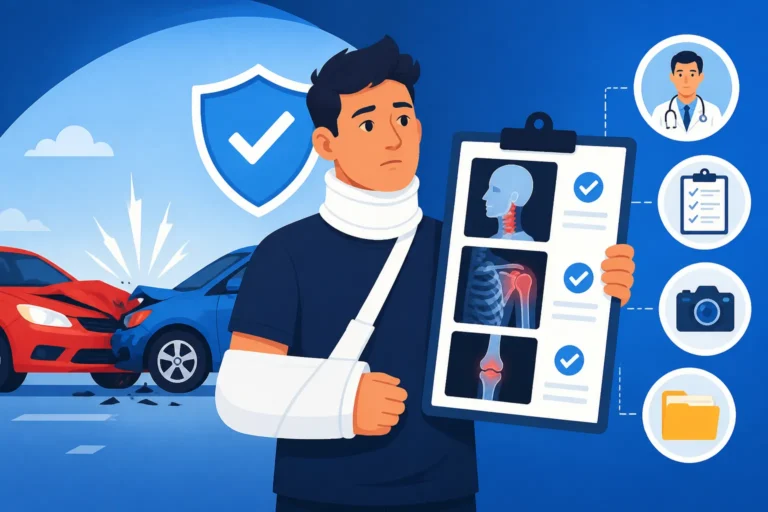
Your medical records are the bedrock of any car accident claim. They provide objective evidence of your injuries, their severity, the treatment you received, and the costs incurred. Every doctor's visit, every diagnostic test (X-rays, MRIs, CT scans), every prescription, and every physical therapy session needs to be clearly documented. This is why seeking prompt medical attention is paramount; it establishes the vital link between the accident and your injuries.
Insurance companies will scrutinize these records to determine if your injuries are consistent with the accident's reported force and if there's any gap in your treatment that could suggest your injuries are not accident-related. Be honest and thorough with your healthcare providers about all your symptoms, no matter how minor they seem. Do not downplay your pain or discomfort. If you visit multiple specialists, ensure all records are consistent and connect back to the initial accident. These documents will directly support your claim for damages, including medical expenses, lost wages, and pain and suffering.
Tracking Your Recovery and Expenses
Beyond formal medical records, keeping your own detailed log of your recovery journey can be incredibly beneficial. This might include a pain journal where you note your pain levels daily, your physical limitations, how your injuries impact your daily activities (e.g., can't lift your child, can't stand for long at work, unable to sleep), and any emotional struggles you're experiencing.
Also, meticulously track all accident-related expenses. This includes medical bills (co-pays, deductibles, out-of-pocket costs), prescription receipts, transportation costs to medical appointments, lost wages from missed work, and even the cost of over-the-counter pain relievers or assistive devices. Keep all receipts and invoices organized. This comprehensive documentation provides a holistic picture of how the accident has impacted your life, supporting not only your economic damages but also helping to illustrate your pain and suffering.
How to Prove Injuries in a Car Accident Claim
Proving your injuries in a car accident claim isn't always straightforward. While medical records are primary, they're often supplemented by other forms of evidence to build a strong case. This can include:
- Doctor's Notes and Prognoses: Statements from your treating physicians explaining the nature and extent of your injuries, the expected recovery time, and any long-term limitations.
- Expert Medical Testimony: In more complex cases, medical experts might provide testimony to clarify the diagnosis, causation, and prognosis of your injuries.
- Witness Statements: If someone saw your immediate pain or observed your struggles after the accident.
- Personal Journal/Pain Diary: Your own consistent records of pain, limitations, and emotional distress.
- Photos and Videos: Images of your visible injuries (bruises, swelling, scars) over time can be powerful evidence.
The goal is to present a cohesive narrative, supported by objective evidence, that demonstrates a clear link between the car accident and your current injuries and their impact on your life. For a deeper dive into this crucial aspect of your claim, refer to our comprehensive article: How to Prove Injuries in a Car Accident Claim.
Navigating Your Recovery and Claim
Dealing with injuries after a car accident is a two-front battle: one for your health and one for your financial recovery. These two are intertwined, and navigating both requires careful attention and often, professional guidance.
What Is Maximum Medical Improvement MMI?
Maximum Medical Improvement (MMI) is a key concept in car accident claims. It means that your medical condition has stabilized to the point where further medical treatment is unlikely to significantly improve your condition. In other words, you've recovered as much as you're going to, or your condition has become chronic and won't improve further with active treatment.
Reaching MMI doesn't necessarily mean you're "cured" or pain-free; it simply means your doctors believe you've achieved the best possible outcome given your injuries. This milestone is often crucial because it helps doctors and attorneys assess the total extent of your damages, including future medical needs, permanent impairment ratings, and long-term care costs. Until you reach MMI, it's very difficult to accurately calculate a fair settlement because the full scope of your injuries and their long-term impact isn't yet known.
Dealing with Insurance Adjusters and Your Health
It's no secret that dealing with insurance companies after an accident can be a source of immense stress, especially when you're also trying to focus on healing. Insurance adjusters are trained professionals whose job is to minimize payouts for their company. They might call you early on, appearing friendly and concerned, but they are gathering information that could potentially be used against your claim.
They might ask for a recorded statement, push you to settle quickly, or question the severity of your injuries, especially if symptoms were delayed. Remember, anything you say can impact your claim. It's generally advisable to be cautious, stick to the facts, and avoid speculating about fault or the extent of your injuries. Your primary focus should be on your medical treatment and recovery. If you're feeling overwhelmed, or if an adjuster starts to pressure you, it might be time to seek legal advice. Our detailed guide on Dealing With Insurance Adjusters After a Car Accident offers invaluable tips and strategies.
When to Consider Legal Counsel
The decision of whether or not to hire a car accident lawyer is a personal one, but it's important to understand when legal assistance can be particularly beneficial. If your injuries are minor, and you're only dealing with property damage, you might be able to handle the claim yourself. However, if you've suffered significant injuries, especially those requiring ongoing medical care, surgery, or leading to lost wages, a lawyer becomes almost indispensable.
A qualified personal injury attorney can help you navigate the complex legal landscape, ensure all your injuries and losses are properly documented, negotiate with insurance companies, and, if necessary, take your case to court. They understand how to value a claim, including non-economic damages like pain and suffering, and can protect you from common insurance company tactics. If you're facing serious injuries, ongoing medical bills, lost income, or if the insurance company is denying your claim or blaming you, then reaching out for a consultation is a wise move. This is especially true if you are trying to understand What Happens If You're Partially at Fault?
Disclaimer
Please remember that this guide provides general information and is not a substitute for professional medical or legal advice. Every car accident and personal injury claim is unique. You should consult with qualified medical professionals for diagnosis and treatment of any injuries, and with an experienced attorney for advice specific to your legal situation.