Common Injuries From a Left-Turn Accident
Getting into a car accident is always a jarring experience, but a left-turn collision often brings a particularly sudden and violent impact that can leave you reeling, confused, and sometimes severely injured. The unique mechanics of these crashes frequently lead to a distinct set of physical and emotional traumas. This guide will walk you through the common injuries you might face after a left-turn accident, what makes them so prevalent, and what crucial steps you should take to protect your health and any potential claim.
The Unique Dynamics of Left-Turn Accidents
When you're involved in a left-turn accident, the forces at play are often significantly different from other types of collisions. It’s not just a fender bender; these are frequently broadside impacts, which means your vehicle takes a hit directly on its side. This sideways force can throw your body in unexpected ways, leading to a unique pattern of injuries compared to, say, a rear-end collision. Understanding these dynamics is key to recognizing why certain injuries are so common.
Why Left Turns Are So Dangerous
Left turns inherently carry a higher risk than right turns or driving straight. Think about it: you're often crossing oncoming traffic, estimating speeds, and reacting to changing light signals or impatient drivers. This complexity means there are more opportunities for misjudgment or a momentary lapse in attention. When an accident does occur, it's often because one vehicle is turning directly into the path of another, leading to a "T-bone" or side-impact collision.
These scenarios can be particularly frightening because the side of a vehicle typically offers less protection than the front or rear. While modern cars have improved side-impact airbags and reinforced structures, the direct lateral force can still be devastating. The sudden stop or violent redirection of your car can send your body slamming against interior surfaces or being violently twisted, setting the stage for significant trauma.
Common Impact Points and Forces
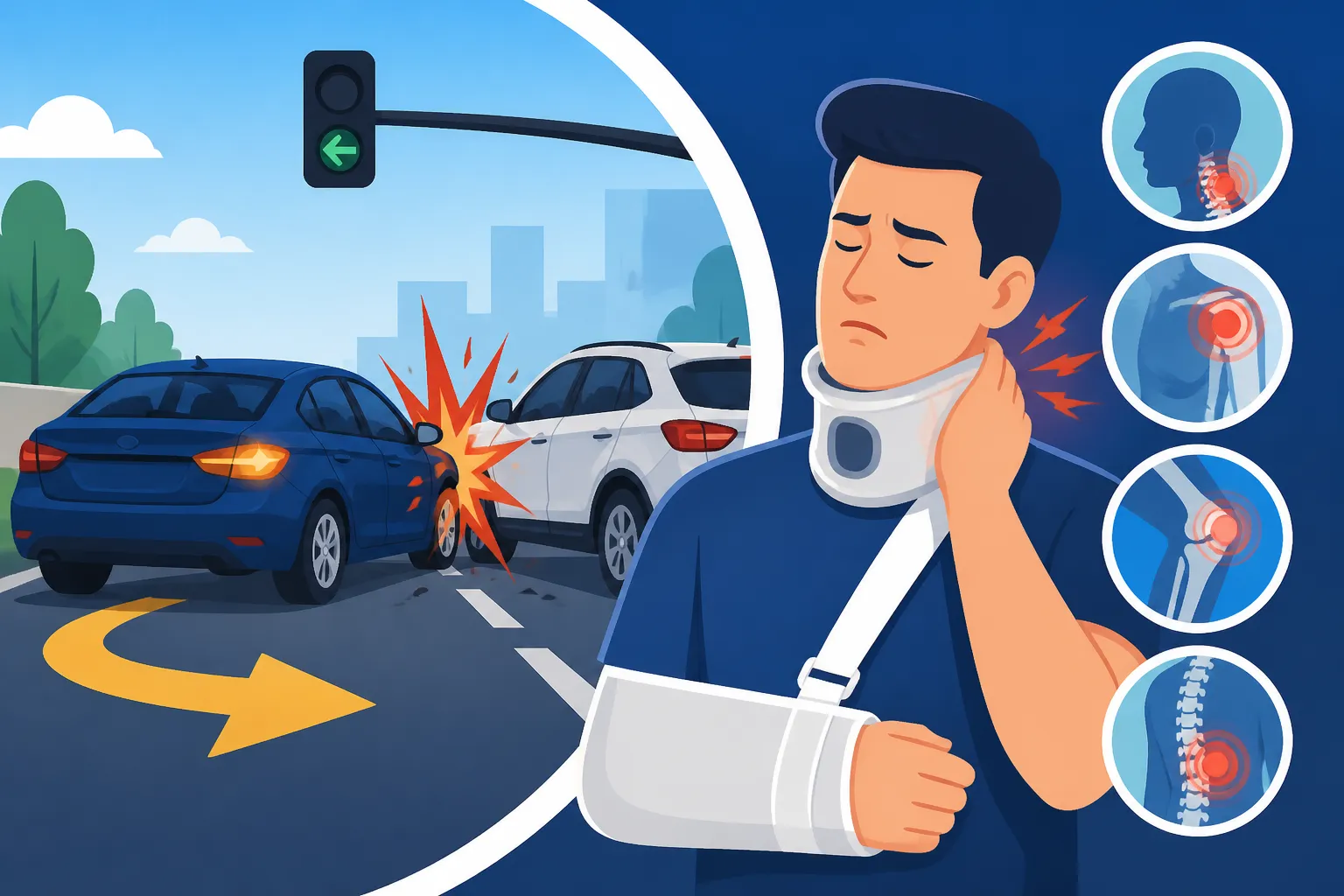
In a left-turn accident, the point of impact is typically the side of your vehicle, or the front of your vehicle hitting the side of another. If your car is T-boned, the side impact means that the energy of the crash is directly absorbed by the door, the B-pillar (the vertical support between the front and rear doors), and ultimately, into the occupants on that side of the car. This can lead to crushed limbs, direct blows to the torso and head, and intense shearing forces on the neck and spine as your body is flung sideways.
Even if you are the one making the left turn and you hit another vehicle head-on, or slightly to its side, your body is still subject to considerable forward momentum followed by an abrupt stop. This can cause you to be thrust forward into the dashboard, steering wheel, or seatbelt, potentially leading to chest injuries, facial trauma, or knee impacts. The direction and intensity of these forces are critical in determining the types and severity of injuries sustained, highlighting why understanding How Fault Is Determined in a Car Accident is so crucial, as it often ties directly to the mechanics of the collision.
Common Physical Injuries Sustained
The sheer force involved in a left-turn accident can manifest in a wide range of physical injuries, some immediately apparent and others with delayed symptoms. It's not uncommon for adrenaline to mask pain in the immediate aftermath, which is why paying close attention to your body in the days and weeks following the incident is paramount.
Whiplash and Other Soft Tissue Injuries
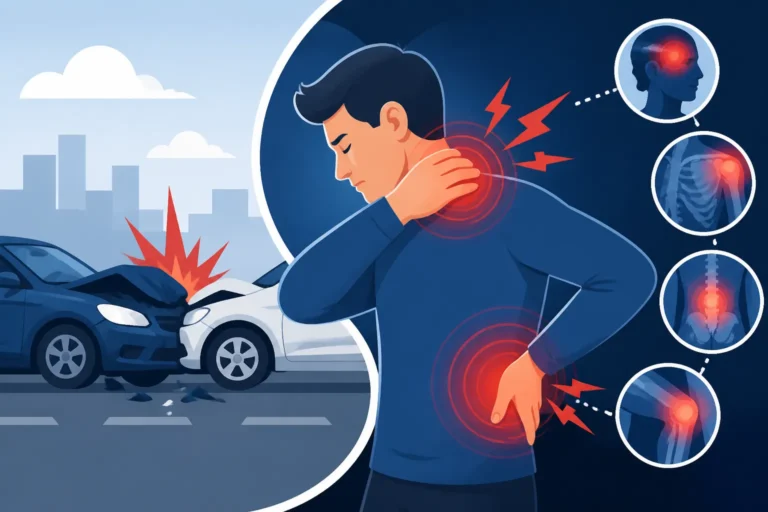
Perhaps the most common injury reported after any car accident, and especially prevalent in left-turn collisions, is whiplash. This isn't just a "neck sprain"; it's a complex injury to the soft tissues of the neck and upper back, occurring when your head is suddenly jerked forward and then backward. In a side-impact, the whiplash motion can be even more violent or rotational, straining ligaments, tendons, and muscles in a way they aren't designed to withstand. Symptoms can include neck pain, stiffness, headaches, dizziness, and even radiating pain down the arms. These symptoms might not appear until hours or even days later, which is why understanding Delayed Injury Symptoms After a Car Accident is so important.
Beyond the neck, other soft tissue injuries are also frequent. Bruises, sprains, and strains can affect shoulders, backs, and knees, particularly if they brace against parts of the car or are twisted during the impact. A seatbelt, while vital for safety, can also cause localized soft tissue damage to the chest and abdomen. These injuries, though they might initially seem minor, can lead to chronic pain and significantly impact your quality of life if not properly diagnosed and treated.
Head, Neck, and Spinal Trauma
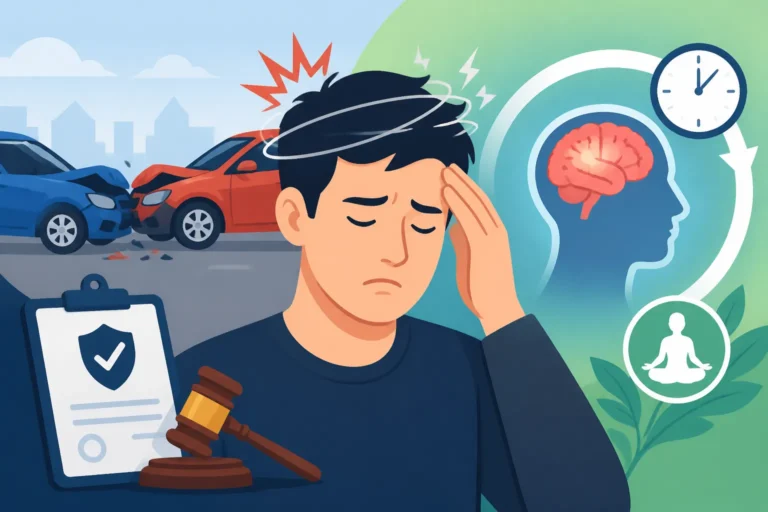
The sudden, violent movements inherent in a left-turn crash often put the head, neck, and spine at extreme risk. Beyond whiplash, more severe neck injuries like herniated discs or fractured vertebrae can occur, especially if the head strikes a window, the door frame, or the steering wheel. A direct blow to the head can result in a concussion or a more severe traumatic brain injury (TBI), which can have long-lasting effects on cognitive function, memory, and emotional regulation. Even if you don't lose consciousness, any head impact warrants immediate medical evaluation.
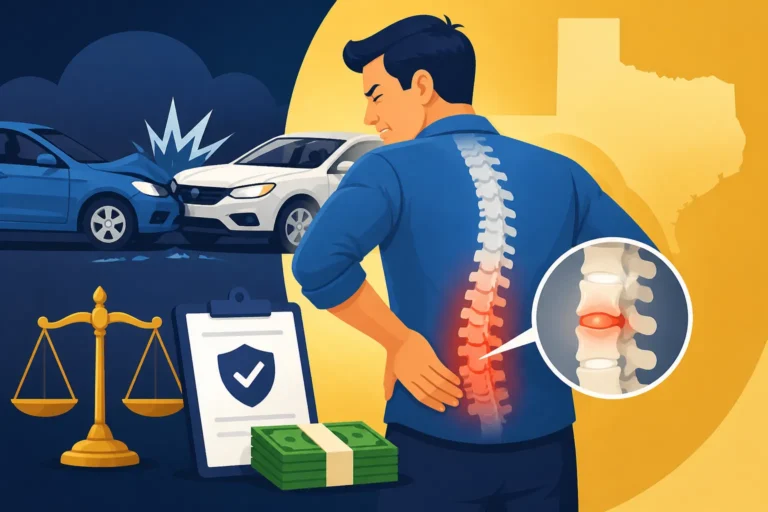
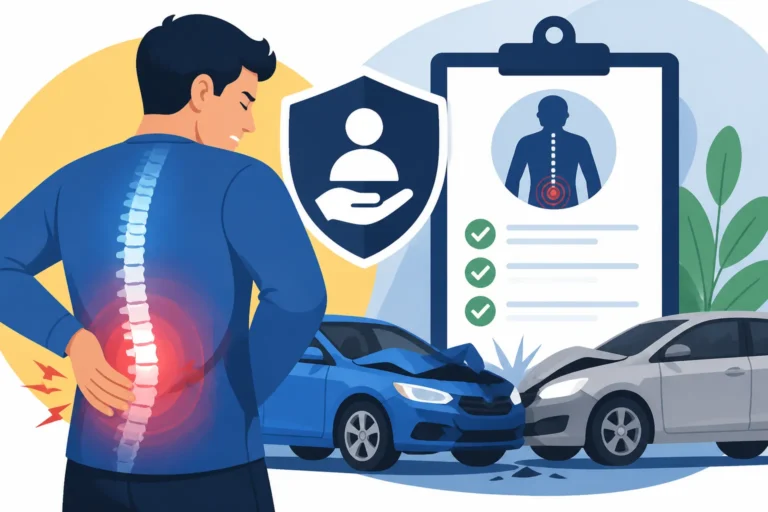
Spinal injuries, including herniated or bulging discs, can cause debilitating pain, numbness, and weakness in the limbs. The rotational forces in a T-bone crash are particularly adept at twisting the torso and spine in unnatural ways, leading to these types of injuries. Given the critical role of the spine, any back pain after a collision should be taken seriously. These aren't just aches; they can be indicators of serious damage that require extensive medical intervention. Early detection and treatment are crucial to prevent long-term complications, underscoring Why You Should See a Doctor After a Car Accident.
Fractures and Internal Injuries
The direct, high-impact nature of many left-turn collisions means that broken bones are a real and unfortunate possibility. Rib fractures are common, especially if your torso is flung against the door or the steering column. Limbs, particularly arms and legs, can suffer fractures if they are crushed against the intruding door frame, dashboard, or other vehicle components. These fractures can range from simple breaks to complex comminuted fractures requiring surgery and extensive rehabilitation.
Even more insidious are internal injuries, which might not present with obvious external signs but can be life-threatening. The sheer force of impact can cause internal organs to be bruised, lacerated, or ruptured. This includes organs like the spleen, liver, kidneys, or lungs. Internal bleeding, though not immediately visible, can quickly become an emergency. Abdominal pain, shortness of breath, or unexplained fatigue after a crash should prompt immediate medical attention. It's a stark reminder that even if you feel "okay" initially, a thorough medical check-up is non-negotiable.
Beyond Physical: Psychological and Emotional Impact
While the physical scars of a left-turn accident are often evident, the invisible wounds — the psychological and emotional trauma — can be just as, if not more, debilitating. It’s important to acknowledge these impacts and seek appropriate support, as they can significantly disrupt your life and healing process.
Post-Traumatic Stress and Anxiety
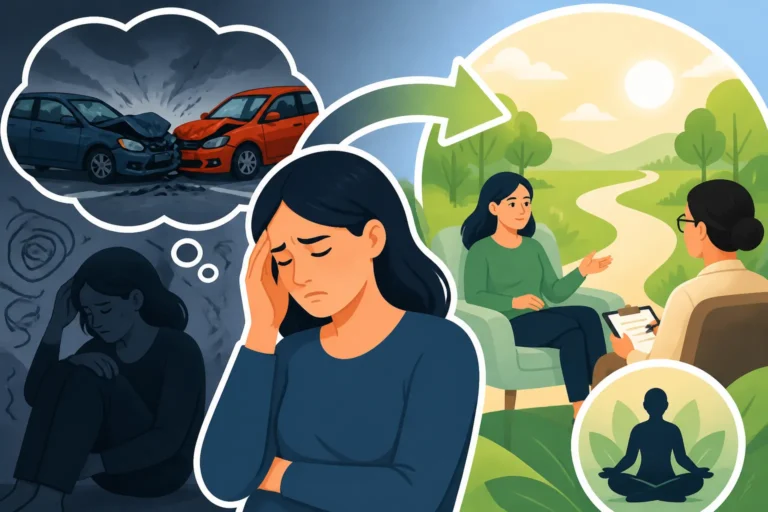
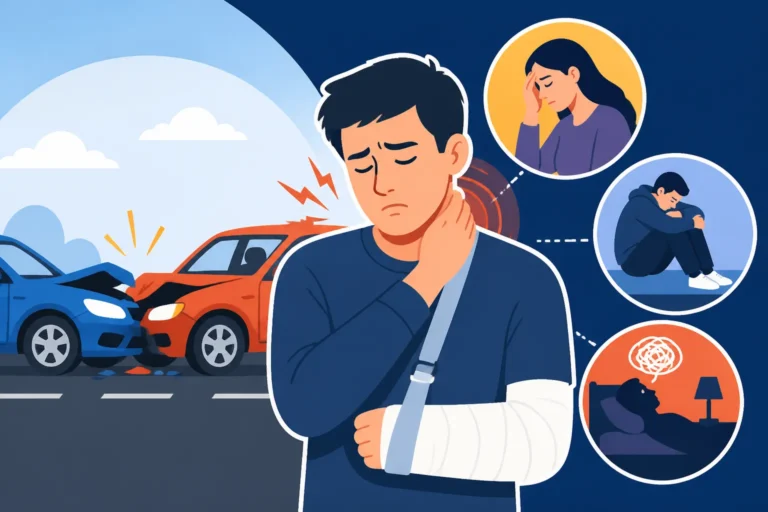
It’s completely normal to feel shaken up after a car accident, but for many, the emotional fallout extends far beyond initial shock. Post-Traumatic Stress Disorder (PTSD) is a very real consequence for some accident victims. They might experience flashbacks, nightmares, severe anxiety when driving or even riding in a car, and avoid situations that remind them of the crash. This isn't just about being "nervous"; it's a diagnosable condition that can profoundly affect daily functioning.
Generalized anxiety, panic attacks, and fear of driving (amaxophobia) are also common. You might find yourself constantly replaying the moments leading up to the crash, or anticipating similar dangers every time you get behind the wheel. This constant state of hyper-vigilance is exhausting and can make even simple tasks feel overwhelming. These psychological injuries are every bit as valid as physical ones and deserve professional attention. When considering your overall claim, these non-economic damages, like pain and suffering, are a significant component and are further explained in articles like Economic vs Non-Economic Damages Explained.
Disruption to Daily Life and Future Concerns
The emotional and psychological toll of a left-turn accident can extend into nearly every aspect of your daily life. For instance, if you rely on driving for work, the inability or fear of getting back on the road can impact your livelihood. Social activities, family outings, or even just running errands can become sources of immense stress. This disruption can lead to feelings of isolation, frustration, and even depression.
Beyond the immediate disruption, many victims grapple with future concerns. Will I ever feel safe driving again? How will this impact my long-term health? Will I be able to fully recover from my injuries, both physical and emotional? These anxieties are legitimate and can contribute to a significant decline in overall well-being. Acknowledging and addressing these emotional injuries is a vital part of the recovery process, and resources for documenting these impacts can be found in guides such as How to Document Pain and Suffering.
Steps to Take After a Left-Turn Accident to Protect Your Health and Claim
The moments and days following a left-turn accident are critical. What you do (or don't do) can profoundly impact your recovery and your ability to pursue a fair claim for your damages. It's a chaotic time, but having a clear plan can make a huge difference.
Prioritizing Immediate Medical Attention
Even if you feel fine immediately after a left-turn collision, seeking medical attention should be your absolute top priority. As we've discussed, many serious injuries, particularly whiplash, concussions, or internal injuries, can have delayed symptoms. A prompt medical examination by a doctor, whether at an urgent care center, emergency room, or your primary care physician, establishes an official record of your injuries. This record is crucial not just for your health, but also for any future insurance claim. Delaying medical care can make it harder to link your injuries directly to the accident and can be used by insurance companies to minimize your claim.
Follow all medical advice diligently, attend all follow-up appointments, and keep meticulous records of all treatments, medications, and therapy sessions. If a doctor recommends physical therapy for your neck pain or advises specific imaging like an MRI for a suspected spinal injury, it’s vital to comply. This consistent documentation is essential for proving the extent of your injuries and the necessary medical expenses incurred. For a more comprehensive guide on immediate post-accident actions, consider reviewing What to Do After a Car Accident: Step-by-Step (2027).
Documenting Your Injuries and Recovery Journey
Beyond medical records, you have a significant role to play in documenting your journey. Start a detailed personal injury journal. In it, record your daily pain levels, any new symptoms, limitations in your daily activities (e.g., struggling to lift groceries, unable to sleep comfortably), and how the injuries are affecting your mood and overall quality of life. Take photos of any visible injuries like bruises, cuts, or swelling as they evolve.
This personal account, combined with your medical documentation, paints a comprehensive picture of the impact the left-turn accident has had on you. It provides invaluable evidence when it comes time to assess how much your car accident settlement might be worth, helping to quantify both your economic and non-economic damages. Remember, your diligent record-keeping helps to substantiate your claim and ensures that all aspects of your suffering are considered. Building a strong case often involves proving the severity and long-term effects of your injuries, as detailed in guides like How to Prove Injuries in a Car Accident Claim.
| Common Left-Turn Accident Injuries | Typical Symptoms | Potential Impact Areas |
|---|---|---|
| Whiplash & Neck Sprain | Neck pain, stiffness, headaches, dizziness, radiating arm pain | Neck, shoulders, upper back |
| Concussion / TBI | Headaches, confusion, memory issues, nausea, sensitivity to light/sound | Head, brain |
| Spinal Injuries (Herniated Disc) | Back pain, numbness, tingling, weakness in limbs, radiating nerve pain | Lower back, mid-back, neck |
| Fractured Ribs | Sharp chest pain, difficulty breathing, pain with movement/coughing | Chest, torso |
| Broken Limbs (Arms/Legs) | Severe pain, swelling, deformity, inability to move limb | Arms, legs, hands, feet |
| Internal Bleeding/Organ Damage | Abdominal pain, swelling, lightheadedness, nausea, rapid heart rate | Abdomen, chest, pelvis |
| Soft Tissue Sprains/Strains | Pain, swelling, bruising, limited range of motion | Shoulders, knees, ankles |
| Emotional Trauma (PTSD, Anxiety) | Flashbacks, nightmares, extreme fear, avoidance, irritability | Mental health, daily functioning |
Disclaimer
Please remember that the information provided in this article is for informational purposes only and does not constitute legal or medical advice. Every car accident case is unique, and the specifics of your situation will determine the best course of action. It is highly recommended to consult with a qualified medical professional for any injuries and a legal professional for advice regarding your specific car accident claim.