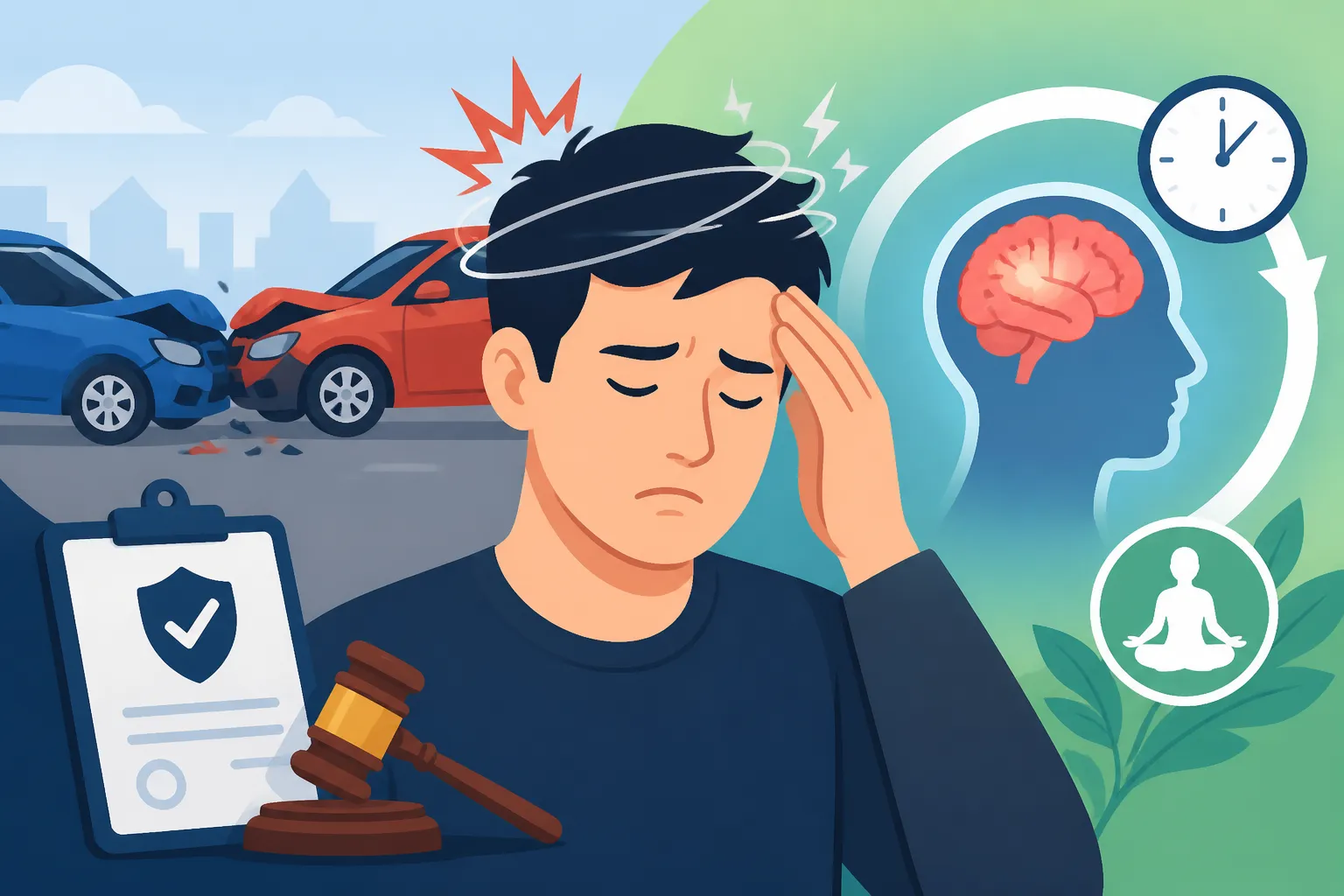
How Long Does Concussion Take to Heal After a Car Accident?
Experiencing a car accident is incredibly jarring, and the aftermath can be a confusing, painful mess, especially when you're dealing with an invisible injury like a concussion. Many people walk away from a crash feeling disoriented or "shaken up," only for symptoms to worsen in the days and weeks that follow. This comprehensive guide is here to walk you through understanding how long a concussion typically takes to heal after a car accident, what factors influence recovery, and how this healing journey connects to your car accident claim.
Understanding Concussions After a Car Accident
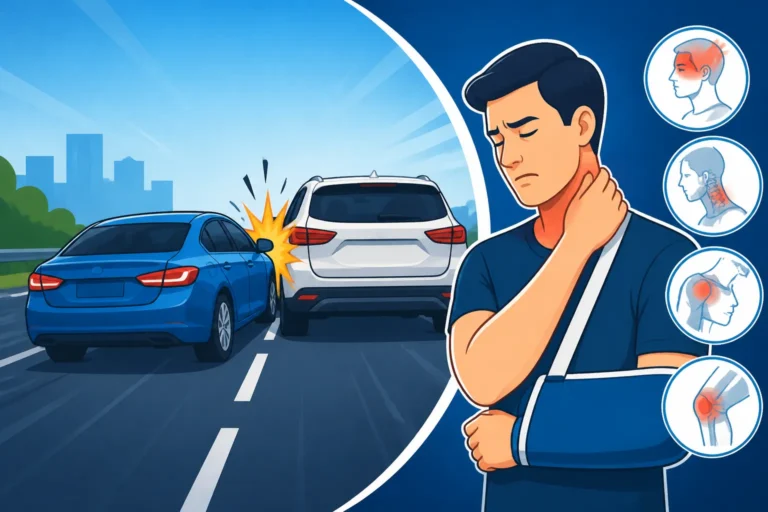
A car accident can deliver a brutal jolt to your body, and your brain is particularly vulnerable. Even if your head doesn't directly hit something, the rapid acceleration and deceleration can cause your brain to slosh inside your skull, leading to a concussion. This isn't just a bump on the head; it's a mild traumatic brain injury (TBI) that can have significant, sometimes long-lasting, effects.
What Exactly Is a Concussion?
A concussion, medically known as a mild traumatic brain injury (mTBI), is a complex physiological process affecting the brain, induced by biomechanical forces. Essentially, it’s when your brain gets rattled within your skull. This can happen from a direct blow to the head, like hitting your head on the steering wheel or window, or from the violent back-and-forth movement of your head and neck, often associated with whiplash, even without direct impact. The force causes changes in your brain cells and chemistry, which can disrupt normal brain function temporarily. The tricky part is that concussions don't always show up on standard imaging tests like CT scans or MRIs, making them harder to diagnose definitively right after an accident. This "invisible" nature often leads to a lot of frustration and doubt, both for the person experiencing the symptoms and sometimes even from insurance companies or well-meaning but uninformed friends and family. It's a real injury, even if you can't see it on a scan.
How Car Accidents Cause Concussions
Think about the sheer force involved in a car accident. When your vehicle comes to a sudden stop or is impacted from the side or rear, your body, and especially your head, experiences extreme acceleration and deceleration. If you're hit from behind, your head might snap backward violently, then whip forward. This motion alone, without your head ever actually striking a surface, can cause your brain to collide with the inside of your skull. This internal impact can bruise brain tissue, stretch and damage blood vessels and nerves, and disrupt the delicate balance of chemicals your brain needs to function properly.
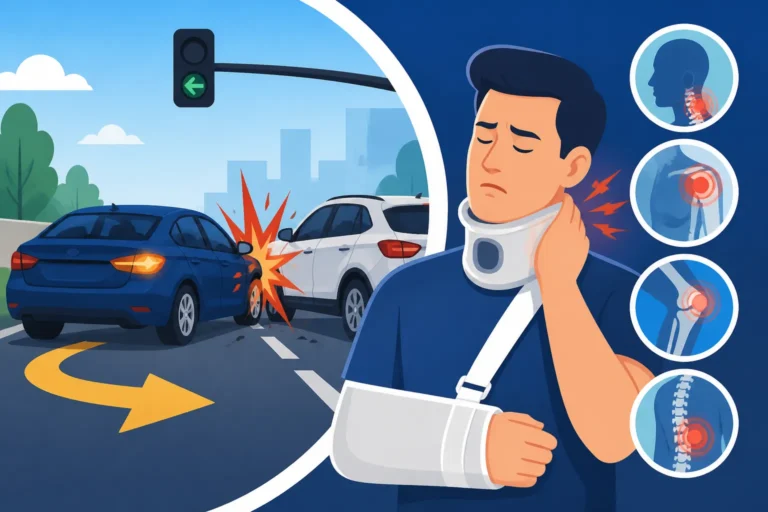
For instance, in a rear-end collision, your seatbelt holds your torso, but your head is free to move. This creates a whiplash effect that can easily lead to a concussion. Similarly, in a T-bone accident, the side impact can cause your head to slam into the side window or headrest. Even in a seemingly minor fender bender, the forces involved can be enough to trigger a concussion. It’s not always about the visible damage to the car; it’s about the sudden, violent forces transmitted to your body and brain. Many common car accident injuries are directly related to these types of impacts.
Why Concussions Are Often Missed Initially
One of the most insidious aspects of concussions is that their symptoms are often delayed or subtle, making them incredibly easy to miss in the immediate chaos following a car accident. You might be running on adrenaline, focused on exchanging insurance information, checking on passengers, or dealing with police. In that moment, headaches, dizziness, or confusion might be dismissed as stress or shock. It’s only hours or days later, when the adrenaline wears off and you try to resume normal activities, that the full range of concussion symptoms can emerge.
For example, you might feel fine at the accident scene, go home, and then wake up the next morning with an excruciating headache, extreme sensitivity to light, and an inability to concentrate. This delay is why many medical professionals emphasize getting checked out even if you feel "okay" after a significant impact. Waiting to seek medical attention can not only prolong your suffering but also make it harder to link your symptoms directly to the accident for your car accident claim down the line. Understanding Delayed Injury Symptoms After a Car Accident is crucial for anyone involved in a collision.
Factors Influencing Concussion Healing Time
The question of "how long will this last?" is probably one of the first things on your mind after a concussion. Unfortunately, there's no single answer, as healing from a concussion is a highly individualized journey. Several factors play a significant role in determining how quickly, or slowly, you recover.
Severity of the Impact and Injury
Not all concussions are created equal. Medical professionals often classify concussions into grades, though the symptoms and recovery time can vary widely even within these classifications. A mild concussion, resulting from a relatively low-impact incident, might present with transient confusion and no loss of consciousness. On the other hand, a more severe concussion, potentially involving a brief loss of consciousness and more pronounced cognitive deficits, will naturally require a longer recovery period.
The actual biomechanics of the car accident itself—the speed of impact, the angle, whether your head struck an object, and the forces transmitted to your brain—all contribute to the initial severity. A harder impact generally means more disruption to brain function and, therefore, a longer road to recovery. It's not just about what you feel initially; it's about the underlying damage that needs time to repair. Your doctor will assess the initial symptoms, neurological tests, and your personal medical history to get a clearer picture of the injury's severity.
Individual Health and Age
Your overall health and age are powerful determinants in concussion recovery. Younger brains, particularly those of children and teenagers, are still developing and can be more vulnerable to concussion effects, potentially leading to longer recovery times. Their brains have a different kind of plasticity, but also a different vulnerability to neurological trauma. Conversely, older adults might also experience longer recovery periods due to slower healing processes and potential pre-existing medical conditions.
For adults, factors like previous concussions, migraines, anxiety, depression, or even general fitness levels can all influence how quickly your brain can bounce back. Someone who is generally healthy and active might recover faster than someone with a history of chronic health issues. A sedentary lifestyle or unmanaged stress can also contribute to a slower healing process, as the body's resources are already stretched thin. It's a holistic picture, and your doctor will take all these aspects into account when discussing your prognosis.
The Role of Immediate and Ongoing Medical Care
The single most critical factor in promoting faster and more complete concussion healing is prompt, appropriate medical care. This begins with seeking medical attention immediately after the car accident, even if your symptoms seem minor. A medical professional can properly diagnose the concussion and rule out more severe traumatic brain injuries. Following medical advice, which often includes physical and cognitive rest, is paramount.
Ongoing care might involve a multi-disciplinary approach:
- Neurologists specializing in brain injuries.
- Physical therapists for balance and vestibular issues.
- Occupational therapists to help with daily activities.
- Neuropsychologists for cognitive rehabilitation.
Skipping appointments, not following rest protocols, or trying to push through symptoms too quickly can significantly delay healing and even worsen your condition. For instance, returning to work or school prematurely, especially tasks requiring high cognitive load, can trigger a relapse of symptoms and set back your recovery for weeks or months. This is why Why You Should See a Doctor After a Car Accident is such important advice, regardless of how minor the collision seems. Documenting all your medical visits and following treatment plans closely will be essential, especially if you decide to pursue compensation for your injuries.
The Possibility of Post-Concussion Syndrome (PCS)
While most concussions resolve within a few weeks or months, a significant percentage of individuals, roughly 10-30%, can develop what's known as Post-Concussion Syndrome (PCS). This means that debilitating symptoms, such as persistent headaches, dizziness, fatigue, irritability, difficulty concentrating, memory problems, and sensitivity to light and sound, continue for weeks, months, or even a year or more after the initial injury.
PCS isn't fully understood, but it's more common in individuals with a history of prior concussions, certain psychological conditions, or those who experienced a more severe initial injury. Living with PCS can be incredibly frustrating and isolating, impacting every aspect of a person's life—their ability to work, socialize, and enjoy hobbies. It can also significantly complicate a car accident claim, as proving long-term, invisible symptoms requires meticulous documentation and expert medical testimony. If you suspect you have PCS, getting an accurate diagnosis and a comprehensive long-term treatment plan is vital.
Typical Concussion Recovery Timelines
It's natural to want a clear timeframe for recovery, but the truth is, concussion healing isn't a linear process with a strict deadline. However, based on medical research and clinical experience, we can discuss general timelines for different severities. It's critical to remember these are averages; your personal journey may be shorter or longer.
General Recovery for Mild Concussions
For the vast majority of people, especially adults who experience a mild concussion without loss of consciousness, symptoms usually resolve within 7 to 10 days. Some individuals might feel better in just a few days, while for others, it could stretch to two or three weeks. During this period, typical symptoms might include:
- Headaches
- Dizziness
- Feeling foggy or "out of it"
- Mild confusion
- Trouble concentrating
- Fatigue
- Sensitivity to light or noise
The primary treatment for mild concussions is relative rest – meaning limiting physical and cognitive activities that worsen symptoms. This doesn't necessarily mean lying in a dark room all day, but rather avoiding screens, loud noises, strenuous exercise, and mentally demanding tasks until symptoms subside. Gradually reintroducing activities as tolerated is key. Think of it like a sprained ankle; you wouldn't run a marathon on it, but gentle movement is eventually beneficial.
What to Expect with More Moderate Concussions
If your concussion involved a brief loss of consciousness, more severe initial symptoms, or if your symptoms haven't improved significantly after two to three weeks, you're likely dealing with a moderate concussion, or perhaps on the path to PCS. For these cases, recovery can extend from several weeks to a few months. It’s not uncommon for people to experience symptoms for 3 to 6 months.
During this extended period, ongoing medical supervision is crucial. You might be working with a team of specialists to address specific lingering issues. For example:
- Persistent headaches: May require specific medication or therapeutic interventions.
- Balance issues: Could benefit from vestibular therapy.
- Cognitive difficulties (memory, concentration): Might need cognitive rehabilitation exercises.
- Mood changes (irritability, anxiety): May require counseling or medication.
This longer recovery often means significant disruption to work, school, and daily life, which can add to the emotional burden. It’s a marathon, not a sprint, and patience, along with consistent medical care, is vital.
When Recovery Becomes a Longer Journey
As mentioned with Post-Concussion Syndrome, some individuals face a recovery period that extends beyond six months, sometimes even a year or more. This is a challenging situation that demands ongoing medical management, often from specialized TBI clinics. These longer recovery periods are often associated with:
- Multiple concussions over time
- Pre-existing neurological or psychological conditions
- Initial severe symptoms or prolonged loss of consciousness
- Complications like structural brain changes (though less common in mTBI)
When recovery stretches out, the focus shifts to managing chronic symptoms, developing coping strategies, and maximizing functional independence. It can be an incredibly tough road, impacting personal relationships, financial stability, and overall quality of life. In these complex cases, the support of a skilled attorney becomes even more crucial, as the long-term impact on your life and finances needs to be thoroughly accounted for in any car accident claim.
To give you a clearer picture, here’s a general overview of typical recovery timelines:
| Concussion Severity | Loss of Consciousness | Typical Recovery Timeline | Common Lingering Symptoms (if any) |
|---|---|---|---|
| Mild | No (or very brief) | 7-21 days | Mild headaches, fatigue, fogginess |
| Moderate | Brief (<30 min) | 1-6 months | Persistent headaches, dizziness, cognitive issues, mood changes |
| Severe / PCS | >30 min (or severe initial symptoms) | 6+ months to over a year | Chronic pain, severe cognitive deficits, significant mood/behavioral changes |
Note: These timelines are general estimates. Individual experiences may vary significantly.
Navigating Your Recovery and Car Accident Claim
A car accident concussion doesn't just impact your health; it has significant implications for your potential insurance claim. Proving an invisible injury like a concussion, especially one with delayed or protracted symptoms, requires meticulous documentation and a clear understanding of the process.
Documenting Your Symptoms and Treatment
This cannot be stressed enough: document everything. From the moment you suspect a concussion, start a detailed record. This includes:
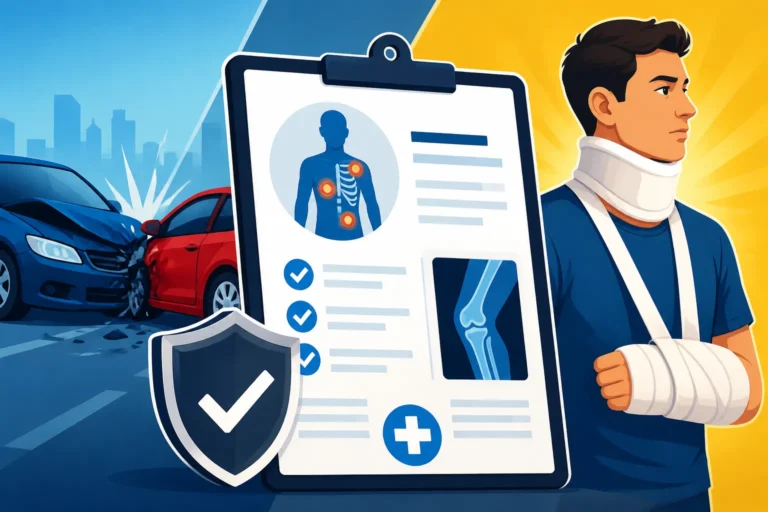
- Medical Records: Every doctor's visit, specialist consultation (neurologist, physical therapist, psychologist), diagnostic test (though CT/MRI may be clear, they rule out more severe issues), prescription, and therapy session. Ensure your symptoms are clearly recorded in these notes. Your medical records are the backbone of How to Prove Injuries in a Car Accident Claim.
- Symptom Journal: Keep a daily log of your symptoms – type, severity (e.g., scale of 1-10 for headaches), triggers, what makes them better or worse, and how they impact your daily activities (work, sleep, hobbies, concentration). This provides a living record of your pain and suffering, as well as the functional limitations you face.
- Medication Log: Track all medications, dosages, and how they affect your symptoms.
- Lost Wages Documentation: If your concussion prevents you from working, keep records of missed workdays, reduced hours, or any changes in your ability to perform your job.
- Correspondence: Keep copies of all communications with doctors, therapists, and insurance adjusters.
Comprehensive documentation creates a clear, undeniable timeline of your injury and its impact, which is essential for substantiating your claim.
The Impact on Your Car Accident Claim
A concussion, especially one with a prolonged recovery or leading to Post-Concussion Syndrome, can significantly increase the value and complexity of your car accident claim. Insurance companies, unfortunately, are often skeptical of "invisible injuries" and may try to minimize their severity or link them to pre-existing conditions.
A well-documented concussion claim will seek compensation for:
- Medical Expenses: All past and future medical bills related to your concussion treatment, including doctor visits, therapies, medications, and potential long-term rehabilitation.
- Lost Wages: Income lost due to being unable to work during your recovery, and potentially future lost earning capacity if the concussion results in long-term disability.
- Pain and Suffering: This is where your symptom journal becomes invaluable. Compensation for physical pain, emotional distress, mental anguish, loss of enjoyment of life, and the general inconvenience caused by your concussion. Understanding Pain and Suffering Damages: What They Cover is crucial for getting fair compensation.
- Other Damages: This could include transportation costs to appointments, household help you needed because of your symptoms, or modifications to your home if necessary.
The longer your recovery, the more extensive these damages become, leading to a potentially higher settlement value. Be aware that insurance companies will often try to settle quickly with a lowball offer, especially if they see you're struggling. It's important to understand How Much Is My Car Accident Settlement Worth? (2026) before accepting any offer.
When to Consider Legal Assistance
Dealing with a concussion is physically and mentally exhausting. Adding the stress of an insurance claim, especially when facing an uncooperative or skeptical adjuster, can be overwhelming. This is precisely when a car accident lawyer becomes an invaluable ally.
You should seriously consider legal assistance if:
- Your symptoms are delayed or prolonged: If your concussion lasts more than a few weeks, or you suspect PCS.
- You're dealing with significant medical bills and lost wages: The financial stakes are higher.
- The insurance company disputes your injury or fault: They may try to blame you for the accident or deny the severity of your concussion. The process of How Insurance Companies Determine Who Is at Fault is complex.
- You're unsure about the value of your claim: An attorney can accurately assess all your damages.
- You're being pressured to accept a quick settlement: A lawyer can advise you on whether the offer is fair.
- You need help gathering evidence: Lawyers can access expert medical opinions and help you compile comprehensive documentation.
An attorney can handle all communication with insurance companies, negotiate on your behalf, and ensure all your damages—both economic and non-economic—are properly accounted for. They understand the nuances of proving a concussion and can help you navigate the complex legal system, allowing you to focus on what truly matters: your recovery. Learning whether you need a lawyer for a car accident can help you make an informed decision.
Disclaimer
Please remember that this information is for educational purposes only and does not constitute legal or medical advice. The content provided is generalized and may not apply to your specific situation. You should always consult with a qualified medical professional for diagnosis and treatment of any injury, and a legal professional for advice regarding your car accident claim.