Common Injuries From a Lane-Change Accident
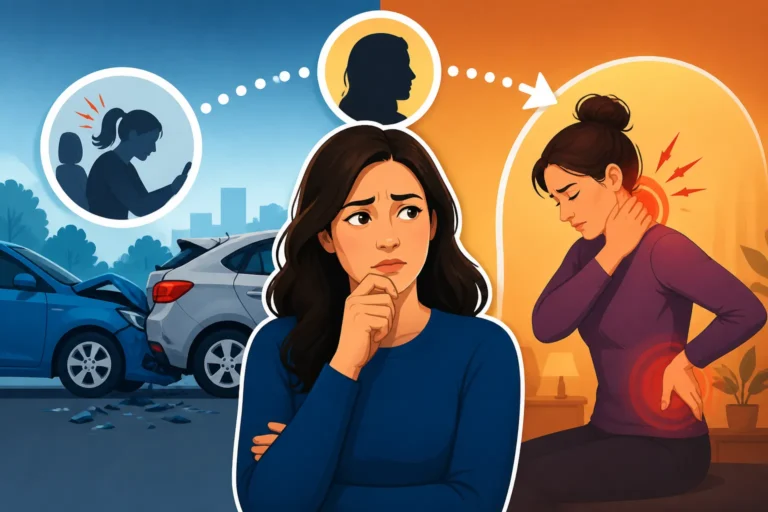
That sudden jolt, the screech of tires, and the terrifying feeling of your car being shoved sideways without warning – that's often the reality of a lane-change accident. These collisions, while sometimes appearing minor at first glance, can inflict a surprising range of injuries, often because of the unusual forces involved. Navigating the aftermath can be overwhelming, especially when you're trying to figure out what hurts and what comes next. This guide is here to shed light on the common physical and emotional tolls of lane-change accidents and what you need to know about your well-being.
The Unique Dynamics of Lane-Change Accidents and Injury Risk
Lane-change accidents often happen quickly and unexpectedly, catching drivers and passengers off guard. Unlike a head-on collision or a rear-end impact where forces are primarily linear, lane-change collisions frequently involve lateral forces, rotational forces, and sometimes multiple impacts. This complexity significantly influences the types and severity of injuries sustained.
Understanding the Forces at Play
When a vehicle attempts to change lanes and collides with another, the impact typically occurs at an angle, often a sideswipe, or a merging accident where one vehicle clips the other. These impacts introduce a blend of forces that can cause unique trauma to the body. Imagine being in a vehicle that's suddenly pushed sideways while still moving forward. Your body tries to resist this sudden change in momentum, often twisting and straining against the seatbelt or interior.
The human body isn't designed to absorb sudden lateral impacts gracefully. Your neck, spine, and internal organs are particularly vulnerable to these jarring, twisting motions. A collision might start with one car making contact, but if the impact is significant, it can send one or both vehicles swerving, potentially into other lanes, off the road, or into fixed objects. Each subsequent impact introduces new forces and new opportunities for injury, escalating the risk beyond the initial point of contact. This often makes determining Who Is at Fault in a Lane-Change Accident? a critical step in the aftermath.
Why Lane-Change Accidents Are Often Underestimated
Many people mistakenly assume that lane-change accidents are "minor" because they often don't involve the head-on force that totals a vehicle. However, the angles of impact and the swift, unbraced nature of the collision can be incredibly damaging. For instance, if you're hit from the side, your torso might be flung into the door or side pillar, even with a seatbelt on. Your head could snap to the side, causing severe neck strain or even a concussion, especially if it hits the window or headrest.
Furthermore, a lane-change accident can easily trigger a chain reaction. A seemingly small sideswipe could cause a driver to overcorrect, leading to a spin-out or a collision with another vehicle or roadside barrier. These secondary impacts are often where some of the most severe injuries occur. This sequence of events can complicate not only physical recovery but also the How Insurance Companies Determine Who Is at Fault in such intricate scenarios.
Common Physical Injuries Sustained in Lane-Change Collisions
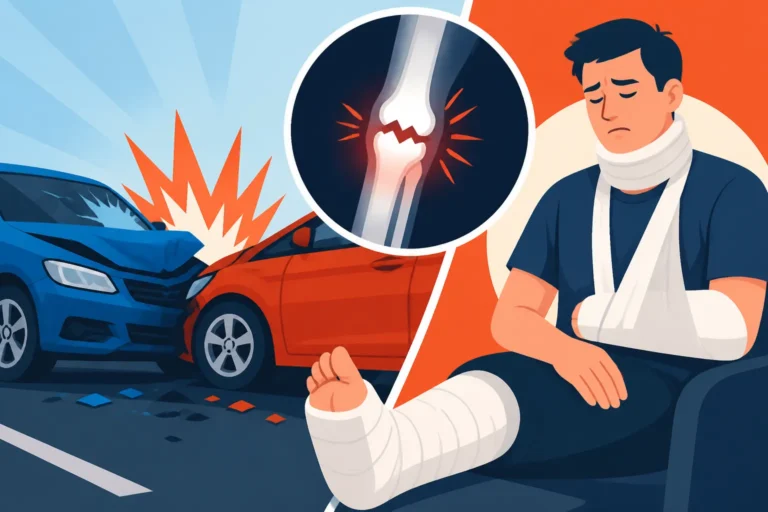
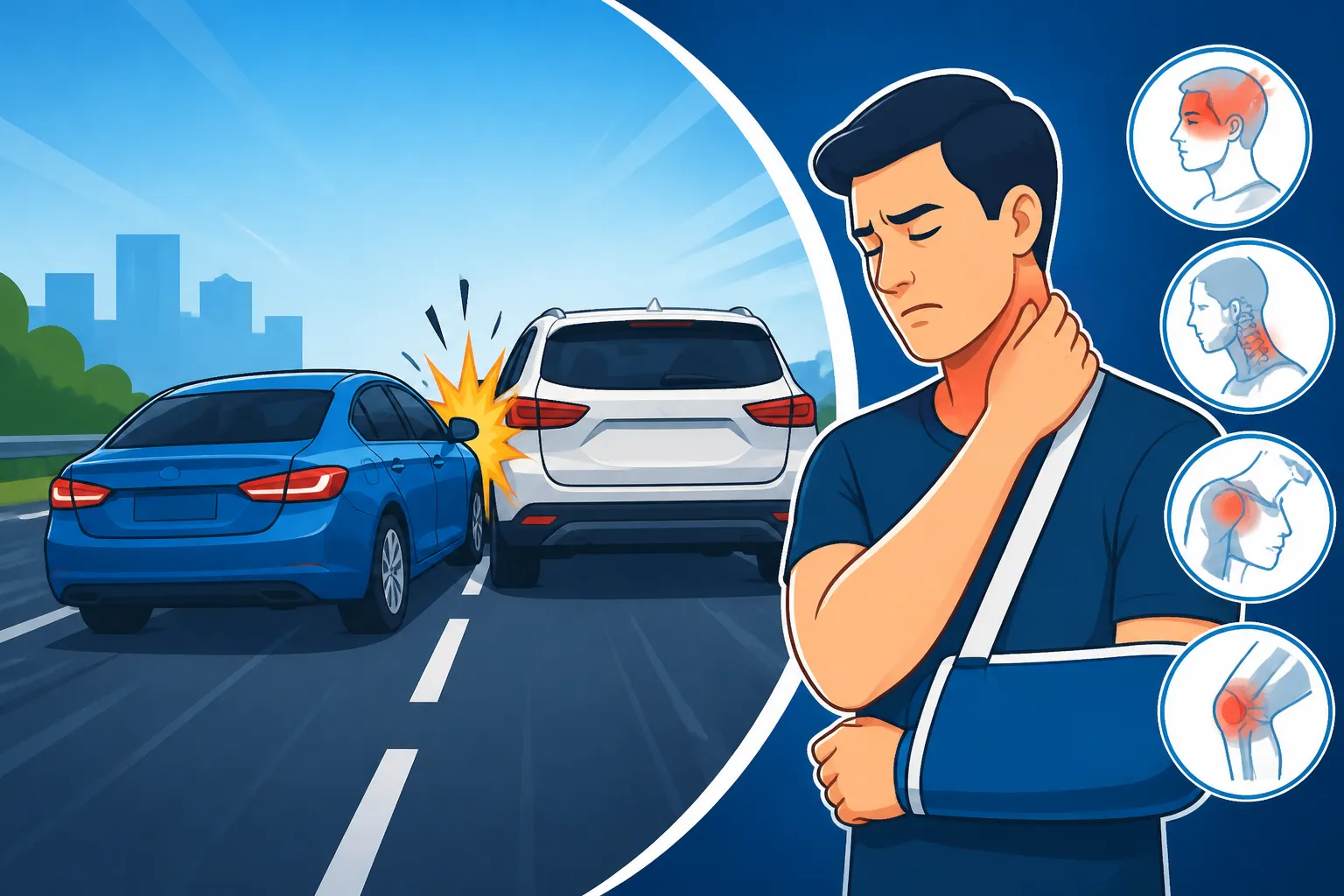
Even a seemingly minor sideswipe during a lane change can lead to significant physical injuries. The human body is particularly susceptible to sudden, unexpected lateral forces, which can cause a range of issues from soft tissue damage to more severe skeletal and neurological trauma.
Whiplash and Other Neck Injuries
Whiplash is incredibly common in almost all types of car accidents, and lane-change collisions are no exception. When your car is suddenly impacted from the side or jostled violently, your head can snap rapidly from side to side or forward and backward, straining the muscles, ligaments, and tendons in your neck. This hyperextension and hyperflexion can cause micro-tears in the soft tissues, leading to excruciating pain, stiffness, and reduced range of motion.
Symptoms of whiplash, such as neck pain, stiffness, headaches, dizziness, and even blurred vision, might not appear immediately after the accident. Many people experience Delayed Injury Symptoms After a Car Accident, sometimes not feeling the full extent of the pain until hours or even days later. Ignoring these symptoms can prolong recovery and potentially lead to chronic issues. For more detailed information on this common injury, check out our guide on What Is Whiplash? Symptoms, Treatment & Claims.
Back and Spinal Injuries
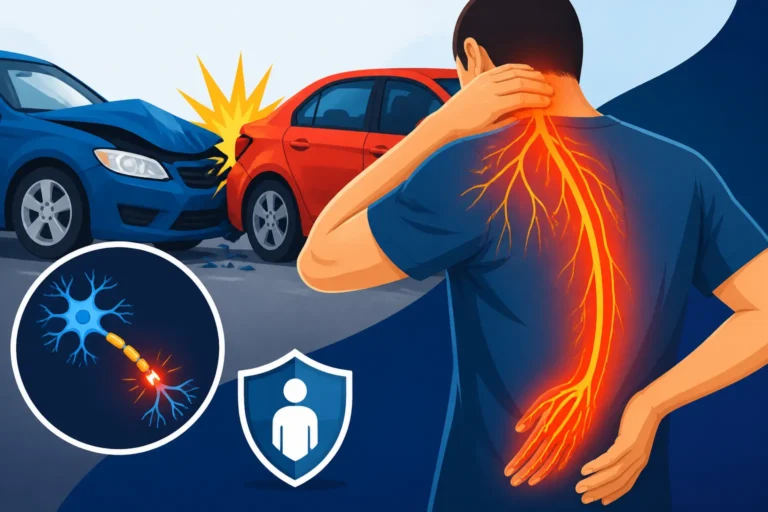
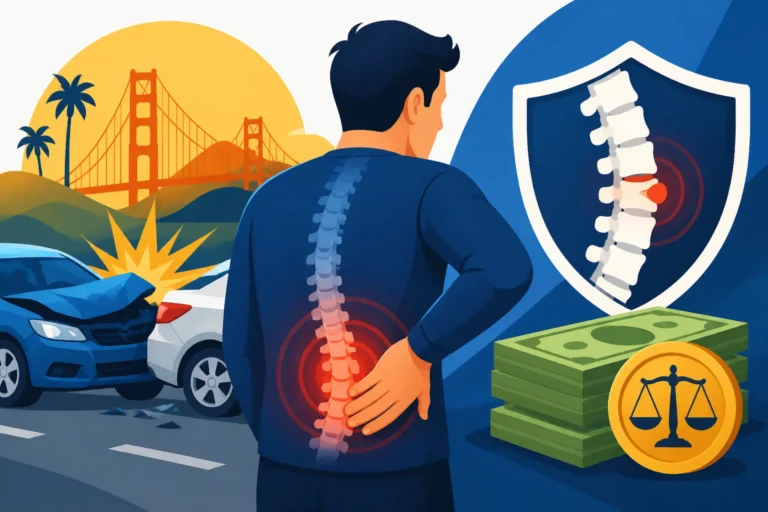
The twisting and shearing forces in a lane-change accident can place immense stress on your entire spine, from your upper back down to your lumbar region. It's not uncommon for victims to suffer from strains, sprains, or even more serious conditions like herniated discs. A herniated disc occurs when the soft, jelly-like center of a spinal disc pushes through a tear in its tougher exterior, often compressing nearby nerves and causing radiating pain, numbness, or weakness in the arms or legs.
Imagine being hit from the side: your body might be pushed against the seatbelt, while your spine attempts to remain aligned. This can create significant torque on the vertebral column. If the impact forces your spine into an unnatural position or causes a sudden compression, the discs between your vertebrae are highly vulnerable. These types of injuries can be debilitating and often require extensive medical treatment, including physical therapy, medication, or even surgery. We have a detailed resource on Herniated Disc From a Car Accident that delves deeper into this particular injury.
Head Trauma and Concussions
Even without direct impact to the head, the violent shaking motion of a lane-change accident can cause the brain to collide with the inside of the skull, leading to a concussion or other forms of Traumatic Brain Injury TBI From a Car Accident. Symptoms like headaches, confusion, memory problems, sensitivity to light and sound, and changes in mood are critical indicators of a brain injury and should never be dismissed.
If your head makes contact with the window, headrest, steering wheel, or dashboard, the risk of a concussion or even more severe head trauma dramatically increases. These impacts can lead to lacerations, contusions, or skull fractures. It’s crucial to seek medical attention if you suspect any head injury, as the long-term effects of a concussion can be severe if not properly diagnosed and managed.
Shoulder and Extremity Injuries
Your shoulders and extremities can also bear the brunt of a lane-change collision. The seatbelt, while crucial for safety, can cause significant trauma to the shoulder and chest area as it restrains your body from being thrown. Common injuries include shoulder sprains, rotator cuff tears, and even fractures of the clavicle (collarbone) or ribs. The sudden lateral movement can also cause your arms and legs to strike the car's interior, leading to bruises, sprains, or broken bones.
For instance, if your vehicle is sideswiped on the driver's side, your left shoulder might be forcefully jammed against the door, while your left arm could be twisted. Similarly, passengers can suffer injuries from bracing themselves against the dashboard or seat in front of them. It's a reminder that safety devices, while protective, can sometimes also contribute to specific injury patterns, underscoring the importance of a thorough medical evaluation.
Less Obvious But Significant Injuries After a Lane-Change Accident
Beyond the visible bruises and immediate pains, car accidents, including lane-change collisions, can inflict a host of less obvious yet profoundly significant injuries. These often manifest hours or days later, and failing to address them can lead to prolonged suffering and complications.
Soft Tissue Injuries Beyond Whiplash
While whiplash is the most well-known soft tissue injury, the forces involved in a lane-change accident can affect muscles, tendons, and ligaments throughout your entire body. Your back, hips, knees, and even wrists can sustain sprains and strains. A sprain occurs when ligaments (which connect bones) are stretched or torn, while a strain involves muscles or tendons (which connect muscles to bones).
For example, the sudden lateral motion could cause your torso to twist sharply, straining the muscles and ligaments in your lower back. Or, your knee might twist awkwardly against the dashboard, leading to a sprain of the knee ligaments. These injuries, though not always immediately apparent on X-rays, can cause considerable pain, swelling, and restrict your movement. They might require physical therapy, anti-inflammatory medication, and rest for proper healing. Understanding Soft Tissue Injuries Explained can help you recognize and address these issues proactively.
Psychological and Emotional Trauma
The emotional and psychological aftermath of a car accident is often overlooked but can be just as debilitating as physical injuries. The sudden, violent nature of a lane-change collision can leave drivers and passengers with significant emotional distress. It's common to experience anxiety, fear of driving, flashbacks, difficulty sleeping, or even symptoms of Post-Traumatic Stress Disorder (PTSD).
Even if your physical injuries are minor, the memory of the impact, the fear of potential harm, and the disruption to your daily life can take a serious toll. You might find yourself constantly replaying the accident in your mind, or feeling hyper-vigilant and nervous whenever you're in a car. These are real, valid responses to trauma, and it's essential to seek support from a mental health professional if you're struggling. Recognizing these symptoms early can be a crucial step in your overall recovery journey.
Internal Injuries and Bruising
While less common in minor sideswipes, more forceful lane-change collisions, especially those involving secondary impacts with barriers or other vehicles, can lead to internal injuries. The force can cause organs like the spleen, liver, or kidneys to bruise or even rupture. Internal bleeding, while not always immediately visible, can be life-threatening. Symptoms such as abdominal pain, dizziness, lightheadedness, or unexplained bruising in the torso area warrant immediate medical attention.
The impact can also cause severe internal bruising to muscles and soft tissues that might not be visible externally. For example, if your chest hits the steering wheel or seatbelt with significant force, you might develop a bruised sternum or even bruised lungs, leading to pain with breathing and coughing. This is why a comprehensive medical evaluation, including imaging tests if necessary, is paramount after any car accident.
What to Do Immediately After a Lane-Change Accident for Your Health
The moments immediately following a car accident can be chaotic and confusing, but your actions during this critical time are vital, not just for your legal claim but, more importantly, for your health and well-being. Prioritizing medical attention is always the first step.
Seek Medical Attention Immediately
Even if you feel fine, or your injuries seem minor, it is absolutely crucial to seek medical attention as soon as possible after a lane-change accident. As we've discussed, many injuries, especially whiplash, concussions, and soft tissue damage, have Delayed Injury Symptoms After a Car Accident. What feels like a bit of stiffness or soreness initially could develop into severe pain or a debilitating condition hours or days later.
Visiting an urgent care center, emergency room, or your primary care physician ensures that any potential injuries are documented by a medical professional. This documentation is invaluable both for your health tracking and for any future insurance claims. A doctor can properly diagnose your condition, recommend appropriate treatment, and monitor your recovery. This initial visit also establishes a direct link between the accident and your injuries, which can be critical when dealing with insurance companies. For a full breakdown of what steps to take, refer to our guide on What to Do After a Car Accident: Step-by-Step (2027).
Document Everything
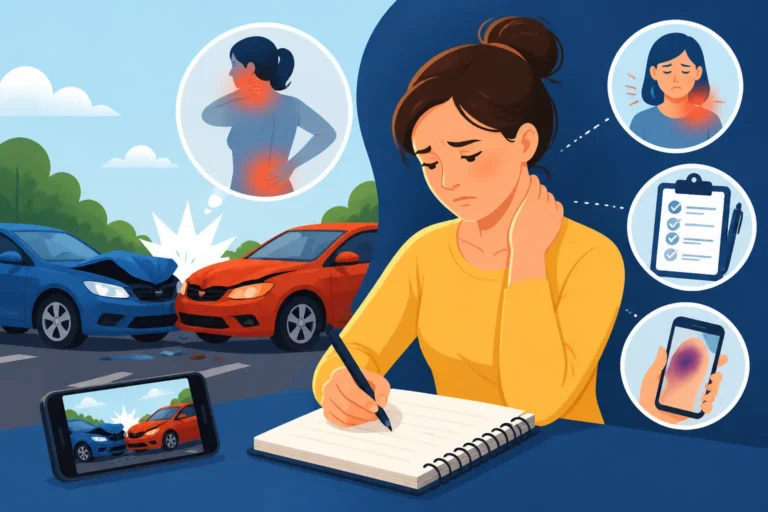
After ensuring your immediate safety and seeking medical care, documenting the accident scene and your injuries becomes your next priority. Take photos of your vehicle's damage, the other vehicle's damage, the accident scene itself (road conditions, traffic signs, debris), and any visible injuries you might have, like bruises or cuts. This visual evidence can be incredibly powerful later on.
Keep a detailed record of all your medical appointments, treatments, prescriptions, and any out-of-pocket expenses. Maintain a pain journal, noting how your injuries affect your daily life, your pain levels, and any new symptoms that arise. This comprehensive documentation helps create a clear picture of your experience and the true impact of the accident on your life, supporting any potential claim for Pain and Suffering Damages: What They Cover.
Follow Medical Advice
Once you've received a diagnosis and treatment plan from a healthcare professional, it's paramount that you follow their advice diligently. If your doctor recommends physical therapy, go to every session. If they prescribe medication, take it as directed. Missing appointments or failing to follow through on treatment recommendations can not only hinder your recovery but also be used by insurance companies to argue that your injuries are not as severe as you claim or that you exacerbated them yourself.
Consistently adhering to your medical treatment plan demonstrates to insurance adjusters that your injuries are legitimate and that you are actively working towards recovery. It reinforces the severity of your condition and the necessity of the care you are receiving. This commitment is vital for both your physical healing and the strength of your How to Prove Injuries in a Car Accident Claim.
| Common Lane-Change Accident Injuries | Typical Symptoms | Potential Treatments | Recovery Time (Estimated) |
|---|---|---|---|
| Whiplash (Neck Strain) | Neck pain, stiffness, headaches, dizziness, blurred vision, limited range of motion | Pain relievers, physical therapy, muscle relaxants, heat/ice | Weeks to Months |
| Herniated Disc (Back/Spine) | Radiating pain, numbness, tingling, weakness in arms/legs, localized back pain | Rest, physical therapy, medication, epidural injections, surgery | Months, potentially long-term |
| Concussion (Head Trauma) | Headaches, confusion, memory issues, nausea, dizziness, sensitivity to light/sound, mood changes | Rest (physical & cognitive), gradual return to activity, symptom management | Days to Weeks (mild), Months (severe) |
| Shoulder Sprain/Tear | Pain, reduced range of motion, weakness in shoulder, clicking/popping sensation | Rest, ice, physical therapy, anti-inflammatory medication, surgery | Weeks to Months (sprain), Months (tear) |
| Soft Tissue Sprains/Strains | Localized pain, swelling, bruising, tenderness, muscle spasms, limited movement | RICE (Rest, Ice, Compression, Elevation), pain relievers, physical therapy | Weeks to Months |
| Psychological Trauma | Anxiety, fear of driving, flashbacks, sleep disturbances, irritability, depression | Therapy (CBT, EMDR), medication, support groups | Highly variable |
Disclaimer
Please remember that this article provides general information and is not a substitute for professional legal or medical advice. Every car accident is unique, and the information presented here may not apply to your specific situation. Always consult with a qualified legal professional for advice regarding your individual circumstances and a medical professional for any health concerns.