Do You Need to See a Doctor for a Minor Accident?
You've just been involved in a minor fender bender. Maybe it was a tap in a parking lot, or a slow-speed rear-end collision on a busy street in Phoenix. Your car might have a dent, but you feel… fine. No major pain, no visible injuries, just a bit shaken. It’s incredibly common to think, "Do I really need to see a doctor for this little thing?" The answer, more often than not, is a resounding yes, and this guide is here to explain exactly why that seemingly insignificant bump warrants professional medical attention.
The Deceptive Nature of Minor Accidents
It’s easy to dismiss a minor car accident as harmless, especially when the immediate aftermath doesn't present any dramatic injuries. However, what feels like a small bump can often have consequences that aren't immediately apparent, lurking beneath the surface, ready to emerge days or even weeks later. This delay in symptom onset is a critical factor that many people unfortunately overlook, potentially compromising their health and any future car accident claim.
Adrenaline's Masking Effect
The human body is an incredible machine, designed with a built-in survival mechanism. When you experience a sudden, traumatic event like a car accident, your adrenal glands flood your system with hormones, primarily adrenaline. This chemical surge has a profound physiological effect: it heightens your senses, speeds up your heart rate, and, crucially, acts as a powerful natural painkiller.
Think about it: in a moment of crisis, your body prioritizes your ability to react and protect yourself over feeling discomfort. So, while you might be exchanging insurance information and surveying the damage to your vehicle, your body could be masking underlying injuries. You might genuinely believe you're unharmed, experiencing no aches or pains, because the adrenaline has effectively numbed those sensations. This can last for hours, sometimes even a full day, leading many people to mistakenly conclude they are perfectly fine. It's a common scenario that catches many off guard.
Delayed Symptoms and Their Impact
The biggest pitfall of adrenaline masking injuries is the phenomenon of delayed symptoms. Many common car accident injuries, particularly those involving soft tissues, don't manifest immediately. Instead, they can creep up on you, gradually worsening over time as the initial shock wears off and inflammation sets in. You might wake up the next morning feeling stiff, or a dull ache might start a few days later, slowly intensifying.
For example, whiplash, a common injury in rear-end collisions, often presents with a stiff neck and headache hours or even a day after the accident. Similarly, concussions, which are mild traumatic brain injuries, can have subtle symptoms like fatigue, difficulty concentrating, or increased irritability that don't become obvious until days later. Even minor impacts can cause these injuries. Ignoring these symptoms can lead to prolonged pain, chronic conditions, and a more complicated recovery down the line. It's vital to understand that the absence of immediate pain does not equate to the absence of injury. If you want to learn more, our guide on Delayed Injury Symptoms After a Car Accident offers extensive insights into this critical issue.
Why Medical Documentation is Crucial, Even for Small Bumps
Beyond the immediate concern for your physical well-being, getting prompt medical attention after a minor car accident is absolutely paramount for the integrity of any potential car accident claim. Many people assume that if the damage is minor, the insurance process will be straightforward. However, even small claims can become complex, and a lack of proper medical documentation can severely undermine your ability to recover compensation for your injuries and related expenses.
Linking Injuries to the Accident
One of the most significant challenges in any personal injury claim is establishing a direct link between the accident and your injuries. When you see a doctor immediately after a car accident, your medical records create an objective, official timeline. The doctor will document your symptoms, the date of the accident, and their professional assessment of your condition. This initial visit serves as irrefutable proof that your symptoms began directly after the incident.
Without this crucial paper trail, insurance companies – whose primary goal is to minimize payouts – can argue that your injuries were pre-existing, were caused by something else entirely, or that you exaggerated their severity. They might suggest you "slept on it wrong" or engaged in some activity unrelated to the crash. Having a medical professional's report from soon after the incident makes it much harder for them to dispute the causation. This is why our comprehensive article on How Medical Records Prove Your Injuries emphasizes the importance of diligent documentation.
Protecting Your Future Claim
Delaying medical care after an accident, even a minor one, creates what insurance adjusters often refer to as a "gap in treatment." This gap can be a red flag for the insurance company, leading them to question the legitimacy and severity of your injuries. If you wait days or weeks to see a doctor, they might argue that if you were truly injured, you would have sought help sooner. This tactic can significantly devalue your claim, potentially reducing your settlement offer or leading to an outright denial.
Imagine this scenario: you feel a bit stiff after a low-speed collision in Omaha but decide to tough it out for a week. The stiffness turns into persistent neck pain and headaches. When you finally go to the doctor, the insurance adjuster for the at-fault driver's company, like GEICO or Progressive, will likely highlight the seven-day delay. They'll question why you waited if the injury was so severe, casting doubt on its connection to the accident. This is a common strategy to pay out less. Proactively addressing potential injuries, even when they seem minor, by seeking immediate medical attention is the best way to safeguard your health and your financial recovery. Understanding How Delayed Symptoms Affect Your Claim is essential for anyone involved in a crash.
Common "Minor" Injuries That Demand Attention
While a minor car accident might not result in broken bones or visible lacerations, it can still cause a range of injuries that are initially subtle but can lead to significant long-term problems if left unaddressed. These are the kinds of injuries that often get overlooked but absolutely warrant a medical evaluation.
Whiplash and Soft Tissue Strains
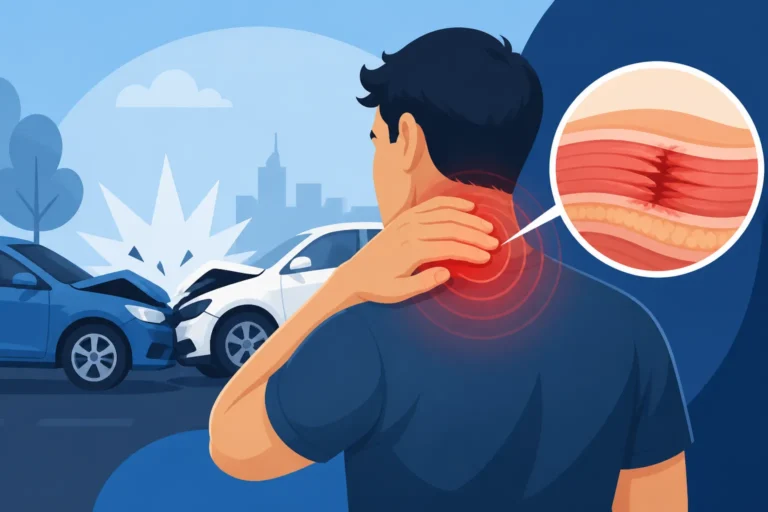
Whiplash is perhaps the most stereotypical car accident injury, and for good reason. It's incredibly common, even in low-speed collisions where the vehicles sustain minimal damage. It occurs when your head is suddenly jolted forward and backward (or side to side), stretching and tearing the ligaments, tendons, and muscles in your neck. This sudden hyperextension and hyperflexion can happen in any impact that causes your body to decelerate or accelerate rapidly.
While often considered "minor," whiplash can be debilitating. Symptoms can include neck pain and stiffness, headaches, dizziness, blurred vision, and even ringing in the ears. These symptoms may not appear for hours or even days after the accident. If not properly diagnosed and treated, whiplash can lead to chronic neck pain, reduced range of motion, and persistent headaches that significantly impact your quality of life. Soft tissue strains in the back, shoulders, and other areas of the body can occur similarly and also require careful attention to prevent long-term issues. Our detailed guide on What Is Whiplash? Symptoms, Treatment & Claims delves deeper into understanding and managing this condition.
Concussions and Traumatic Brain Injuries TBIs
When people think of traumatic brain injuries (TBIs), they often envision severe impacts or loss of consciousness. However, even a seemingly minor car accident can cause a concussion, which is a mild form of TBI. A concussion occurs when the brain rapidly moves back and forth inside the skull, impacting its inner walls. This can disrupt normal brain function, even without a direct blow to the head or visible external injury.
The symptoms of a concussion can be particularly insidious because they are often subtle and delayed. You might experience headaches, dizziness, confusion, nausea, sensitivity to light or sound, fatigue, or difficulty with memory and concentration. Sometimes, personality changes or increased irritability might be the only noticeable signs. Because these symptoms can mimic everyday stress or fatigue, they are often dismissed. However, concussions are serious and require medical evaluation to ensure proper diagnosis and management, especially to prevent the cumulative effects of untreated brain injury. Early diagnosis and management are crucial for optimal recovery. If you suspect a head injury, even a slight one, reading our article on Concussion Symptoms After a Car Accident is highly recommended.
Hidden Internal Injuries
While less common in truly minor fender-benders, it's crucial to acknowledge the possibility of hidden internal injuries, especially if there was any direct impact to your body or if the seatbelt cinched tightly. The force of an accident, even if it doesn't cause external damage to your vehicle, can be significant enough to cause internal trauma.
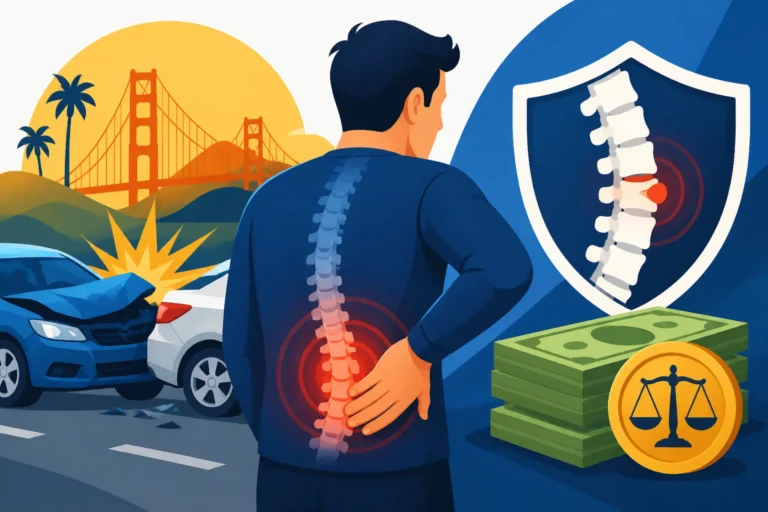
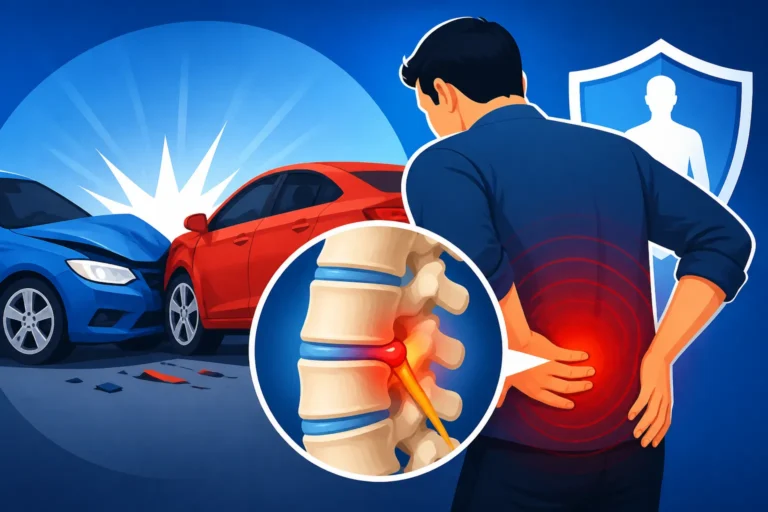
This could range from bruised organs, such as the kidneys or spleen, to internal bleeding that isn't immediately obvious. Symptoms might be vague at first – mild abdominal pain, tenderness, or unusual fatigue – and can easily be mistaken for simple soreness. However, without prompt medical attention, these types of injuries can become life-threatening. While you might feel "fine," a doctor can perform diagnostic tests, such as ultrasounds or CT scans, to rule out any serious underlying issues. This is not to cause alarm but to emphasize that a comprehensive medical evaluation is always the safest course of action after any impact, regardless of how minor it appears.
Navigating Medical Care After a Minor Accident
Once you’ve decided to seek medical attention – which, as we've established, is always the wisest choice – knowing where to go and what to expect can ease some of the stress. The goal is not just to address immediate symptoms but to establish a clear medical record that documents your condition from the outset.
Where to Seek Initial Medical Attention
After a car accident, your immediate medical options generally fall into a few categories, and the best choice depends on the severity of your perceived injuries and the urgency of the situation.
If you suspect serious injuries, such as severe pain, loss of consciousness, or visible trauma, then an emergency room (ER) is always the appropriate first stop. They are equipped to handle critical situations and can perform a wide range of diagnostic tests immediately. For those who feel "fine" but are wisely seeking a check-up, an urgent care clinic can be an excellent middle-ground. They offer prompt medical evaluation without the longer wait times often associated with an ER, and they can diagnose common accident-related injuries like whiplash or concussions. Alternatively, you can schedule an appointment with your primary care physician (PCP). While not always immediately available, your PCP has your medical history, which can be beneficial. However, for immediate documentation purposes, an urgent care center or ER is often preferred for their speed in establishing that initial record. Our guide on Why You Should See a Doctor After a Car Accident provides even more detail on these choices.
What to Tell Your Doctor
When you finally get to see a medical professional, it's absolutely crucial to be thorough and precise in your communication. Do not downplay any symptoms, no matter how minor or fleeting they seem. Remember, adrenaline might still be at play, or symptoms could be just beginning to manifest.
Start by clearly stating that you were involved in a car accident and specify the date and time. Describe the impact itself – for instance, "I was rear-ended at a stop sign," or "We had a low-speed collision in a parking lot." Then, meticulously list all symptoms you are experiencing, even if they seem unrelated. This includes any aches, pains, stiffness, headaches, dizziness, nausea, ringing in your ears, numbness, tingling, difficulty concentrating, or changes in mood or sleep patterns. Mention if you hit your head or any part of your body. Be honest about your pain levels and how they are affecting your daily activities. This detailed account is not only vital for your diagnosis but also forms the foundation of your medical record, which is indispensable for any subsequent insurance claim.
Follow-Up Care and Specialists
Receiving an initial diagnosis is just the first step. Proper recovery, especially from soft tissue injuries or concussions, often requires consistent follow-up care. Your doctor might recommend a course of physical therapy, chiropractic adjustments, massage therapy, or refer you to a specialist such as a neurologist, orthopedic doctor, or pain management expert.
Adhering to these recommendations is critical for several reasons. Firstly, it ensures you receive the most effective treatment for your injuries, promoting healing and preventing chronic conditions. Secondly, it creates a continuous record of your treatment, prognosis, and progress (or lack thereof). Insurance companies will closely examine your medical records for consistency and adherence to treatment plans. Gaps in follow-up care can be used as an argument that your injuries weren't as severe as claimed or that you weren't committed to your recovery. Attending all appointments and following your doctor's advice demonstrates that your injuries are genuine and that you are actively seeking to get better. This ongoing documentation will be key when determining your What Is Maximum Medical Improvement MMI later in your recovery process.
The Financial Side Who Pays for Medical Bills?
One of the most immediate worries after an accident, even a minor one, is the potential cost of medical care. This concern often causes people to hesitate before seeking the treatment they need. Understanding how medical bills are typically covered after a car accident can alleviate some of this stress and help you make informed decisions.
Understanding Insurance Coverage
The question of who pays for medical bills can be a bit nuanced and largely depends on your specific insurance policies and the state where the accident occurred. Generally, there are a few avenues for initial coverage.
If you have Personal Injury Protection (PIP) or Medical Payments (MedPay) coverage as part of your own car insurance policy, these will typically kick in first, regardless of who was at fault. PIP is common in "no-fault" states like Florida or New York, where your own insurance pays for your medical expenses up to a certain limit, irrespective of fault. MedPay is similar but usually offers more limited coverage and is available in "at-fault" states. These coverages are invaluable because they provide immediate access to funds for medical care, without waiting for fault to be determined or for a lengthy settlement process. Separately, your private health insurance will also often cover accident-related injuries, though it may have higher deductibles or co-pays. It's crucial to understand your own policy's benefits. To delve deeper into the nuances of state-specific laws, explore our article What Is a No-Fault State? And Which States Are No-Fault.
The Role of the At-Fault Driver's Insurance
In many "at-fault" states, or once your own PIP/MedPay limits are exhausted, the at-fault driver's bodily injury liability insurance is ultimately responsible for covering your medical expenses. However, this coverage doesn't typically pay out directly or immediately as bills accrue. Instead, these expenses are usually reimbursed as part of a final settlement or judgment.
This means you often have to pay for your medical treatment upfront, either through your own PIP/MedPay, health insurance, or out-of-pocket, with the expectation that these costs will be recovered from the at-fault driver's insurer later. It's a common misconception that the other driver's insurance will just start paying your bills as they come in. This deferred payment system underscores the importance of proper documentation of all your medical expenses, from doctor visits and physical therapy to prescription medications. Keeping meticulous records will be crucial when it comes time to negotiate your settlement, ensuring all your medical costs are included in the demand. For more information on this process, our guide on How Medical Bills Are Paid From a Settlement offers valuable insights.
Practical Steps After a Minor Car Accident
Even if an accident seems minor, the moments immediately following it are critical. The actions you take, or don't take, can have a profound impact on your health, your insurance claim, and your peace of mind. While the focus here is on medical attention, there are broader steps that are equally vital.
Documenting Everything
In the chaos and stress of a car accident, even a minor one, it's easy to overlook collecting crucial information. However, thorough documentation is your best friend when dealing with insurance companies and potential legal claims. Start by taking photos or videos of everything: the damage to both vehicles (even minor scratches), the accident scene from multiple angles, road conditions, traffic signs, and any visible injuries you or your passengers may have. This visual evidence can be incredibly powerful.
Next, gather contact and insurance information from all drivers involved. If there are witnesses, get their names and phone numbers. If the police respond, make sure you get a copy of the police report, as it often contains an initial assessment of fault and key details. This step-by-step guide on How to Document a Car Accident Scene provides a comprehensive checklist to ensure you don't miss anything important. Even a minor parking lot fender bender in Sacramento can benefit from these precise records.
Communicating with Insurance
After an accident, you'll inevitably have to speak with insurance adjusters – both your own and the other driver's. While it's important to report the accident promptly to your own insurance company, be cautious with what you say, especially to the other driver's insurer. Remember, their job is to protect their company's bottom line, which often means minimizing payouts.
Avoid discussing fault or making definitive statements about your injuries. Even saying "I'm fine" can be used against you later if delayed symptoms emerge. If asked for a recorded statement by the other party's insurance, politely decline or consult with a legal professional first. It's almost always a good idea to speak with an attorney before providing such statements, especially if you have sustained injuries. An attorney can help guide your communication and protect your rights. If you're wondering Do You Need a Lawyer for a Car Accident?, even for a minor incident, it’s worth a consultation.
Timeline for Seeking Care
Understanding the recommended timelines for seeking medical care and reporting an accident is paramount. While some states have specific reporting requirements (e.g., California generally requires a report within 10 days if there's an injury or property damage over $1,000), medical care should ideally be sought within a few days of the accident, even if you feel fine. The longer you wait, the harder it becomes to link your injuries to the accident.
| Action | Recommended Timeline | Importance |
|---|---|---|
| Seek Medical Evaluation | Within 24-72 hours | Establishes immediate medical record; addresses masked/delayed symptoms. |
| Report to Your Insurance Company | As soon as possible, often within a few days | Triggers your coverage; fulfills policy requirements. |
| Report to Police (if required/possible) | Immediately at scene, or within specified state days | Official documentation of the incident; aids in fault determination. |
| Consult an Attorney | As soon as possible, especially if injured | Protects your rights; guides claim process; handles communication. |
Meeting these timelines is crucial not only for your health but also for the strength of any future insurance claim. Delaying either medical care or reporting can be detrimental. In fact, many states have a strict How Long Do You Have to File a Car Accident Claim? deadline, known as the statute of limitations, which applies to filing a lawsuit. Missing this deadline means you forfeit your right to pursue compensation.
Disclaimer
This article is for general informational purposes only and does not constitute professional advice. Laws and regulations vary by location and change over time. Consult a qualified professional for guidance on your specific situation.