How Long Does Whiplash Take to Heal After a Car Accident?
Being in a car accident is jarring enough, but then you start to feel that tell-tale stiffness and pain creeping into your neck and shoulders, often a day or two later. It's a frustrating, uncomfortable experience that leaves many wondering, "How long is this going to last?" This guide aims to thoroughly explore the recovery timeline for whiplash after a car accident, delving into what influences healing, what to expect, and how to proactively support your body's recovery process.
Understanding Whiplash Associated Disorders (WAD)
Whiplash isn't just a simple stiff neck; it's a complex injury to the soft tissues of the neck and upper back. It happens when your head is suddenly and forcefully thrown backward and then forward, much like the cracking of a whip. This rapid movement can strain muscles, ligaments, and even affect the discs in your spine, leading to a range of uncomfortable symptoms that can truly disrupt your daily life. Knowing what you're up against is the first step in understanding your healing journey.
The Mechanics of Whiplash and Common Causes
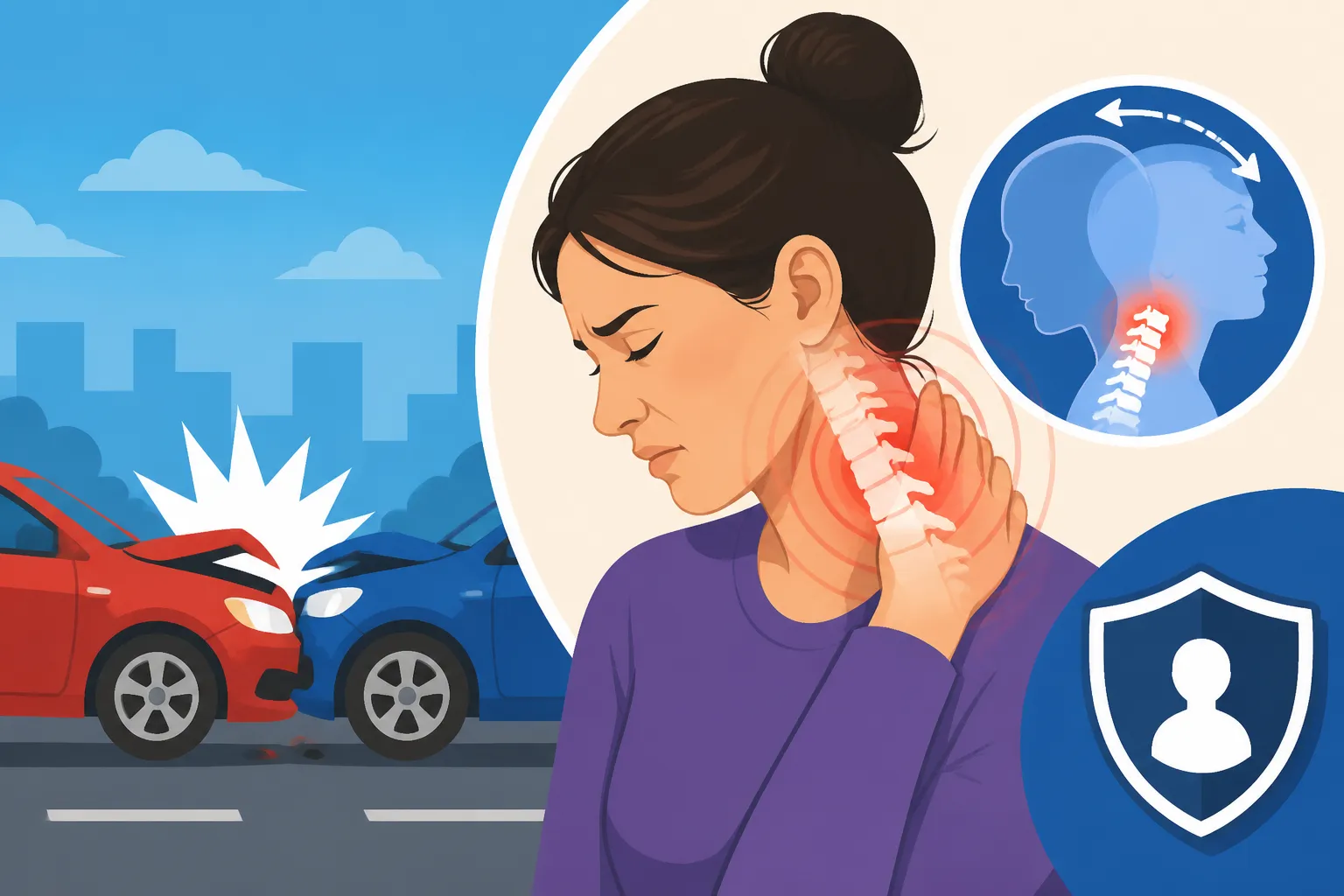
Imagine you're stopped at a red light, and suddenly, boom – you're hit from behind. Even at relatively low speeds, your body is propelled forward, but your head, initially, lags behind due to inertia. This causes your neck to hyperextend (snap backward). Then, as your body catches up, your head is flung forward, often beyond its normal range of motion, causing hyperflexion. This violent motion puts incredible stress on the cervical spine and its surrounding tissues. While rear-end collisions are the most common culprits, whiplash can also occur in T-bone accidents, head-on collisions, or even sports injuries where the head is jolted. The forces at play stretch and tear muscles, ligaments, and tendons, leading to inflammation, pain, and reduced mobility. It's a brutal experience for your neck, even if your car doesn't look too bad. You might be surprised to learn that even minor fender benders can lead to significant whiplash injuries because the sudden, unexpected movement is often more damaging than the sheer force of impact. This is why it's always critical to seek medical attention, regardless of how minor the incident seems. For more in-depth information, check out our comprehensive guide on Common Car Accident Injuries: Complete Guide (2027).
Recognizing the Often-Delayed Symptoms of Whiplash
One of the most insidious things about whiplash is that the symptoms often don't appear immediately. You might walk away from an accident feeling a bit shaken but otherwise fine, only for the pain, stiffness, and headaches to kick in hours or even days later. This delayed onset can be confusing and lead people to underestimate the severity of their injury. Beyond the obvious neck pain and stiffness, whiplash can manifest in a variety of ways. You might experience headaches, especially at the base of your skull, dizziness, fatigue, blurred vision, or even ringing in your ears. Some people report difficulty concentrating, memory problems, or irritability. The pain can radiate into your shoulders, arms, or even your upper back. It’s a constellation of symptoms that can make simple tasks like turning your head to check traffic, sitting at a computer, or even sleeping comfortably incredibly difficult. If you're grappling with these issues, you're not alone, and it's absolutely vital to connect these symptoms back to your accident. Our article on Whiplash Symptoms After a Car Accident goes into more detail about what to look out for.
Key Factors Influencing Your Whiplash Healing Journey
So, how long does whiplash take to heal? The honest answer is: it varies. It’s not a one-size-fits-all timeline because so many individual factors play a role in how your body responds to and recovers from this type of injury. What might be a few weeks for one person could unfortunately turn into months for another. Understanding these variables can help you set realistic expectations for your own recovery.
Severity of the Impact and Individual Physical Health
Logically, a higher-impact collision might lead to more severe whiplash, but that's not always the case. Even a low-speed rear-end collision can cause significant injury if your body was unprepared for impact or if your headrest wasn't properly positioned. The direction of impact, whether you saw the crash coming, and even the type of vehicle involved can all influence the forces exerted on your neck. Beyond the accident itself, your individual physical health is a huge factor. Are you generally fit and active? Do you have any pre-existing conditions like arthritis in your neck, disc degeneration, or a history of neck injuries? Older individuals or those with weaker neck muscles might experience a longer, more challenging recovery simply because their bodies have less resilience. For instance, a 25-year-old in good physical condition might bounce back faster than a 60-year-old with a history of cervical issues, even if they were in similar accidents. The initial inflammation and muscle spasms might be the same, but the underlying tissue integrity and healing capacity can differ significantly. This is also why How Delayed Symptoms Affect Your Claim is so important, as waiting too long to get checked out can hurt your recovery and any potential claims.
The Critical Role of Early and Consistent Medical Care
This cannot be stressed enough: early medical intervention is paramount for optimal whiplash recovery. As soon as possible after an accident – even if you feel okay – you should see a doctor. Many people make the mistake of waiting it out, thinking the pain will just go away, but this can allow inflammation to set in and scar tissue to form improperly, making future treatment more difficult. A medical professional can accurately diagnose the extent of your injury, rule out more serious issues, and start you on a proper treatment plan. This might include pain medication, muscle relaxers, and most importantly, physical therapy. Consistent engagement with physical therapy is often the backbone of whiplash recovery. A physical therapist can guide you through exercises to restore range of motion, strengthen neck muscles, and improve posture. Missing appointments or not doing your at-home exercises can significantly prolong your healing time and potentially lead to chronic issues. Think of it like this: your body has been through a trauma, and it needs expert guidance to heal correctly, not just to mask the pain. Learning about Whiplash Treatment and Recovery can give you an idea of the various paths your medical care might take.
Lifestyle Choices and Psychological Well-being
Your daily habits and mental state also profoundly impact how long whiplash takes to heal. While it might seem counterintuitive, maintaining a level of gentle activity as advised by your doctor or physical therapist can be more beneficial than complete immobilization. Too much rest can lead to muscle atrophy and stiffness. However, pushing yourself too hard or engaging in activities that re-aggravate your injury will set you back. Poor posture, whether from staring at a phone or hunching over a computer, can undo the good work of therapy. Smoking, poor nutrition, and lack of sleep can also hinder your body's natural healing processes.
Beyond the physical, the psychological toll of an accident and ongoing pain can't be ignored. Stress, anxiety, and even fear of movement (kinesiophobia) can heighten pain perception and slow down recovery. If you're constantly worried about your condition, or struggling with the emotional aftermath of the accident, it can manifest physically. Chronic stress can exacerbate muscle tension and inflammation, creating a vicious cycle. Addressing these emotional aspects, whether through mindfulness, support groups, or professional counseling, can be a vital part of your overall healing strategy. Remember, your mind and body are deeply connected, and nurturing both is key to a faster, more complete recovery.
Navigating the Typical Whiplash Recovery Timeline
So, let's talk about the actual timelines. While individual experiences vary wildly, there are general phases of whiplash recovery that most people go through. It’s important to understand these phases so you know what to expect and when to seek further assistance if your recovery isn't progressing as hoped.
Acute and Subacute Phases of Healing
The initial stage, known as the acute phase, typically lasts from the moment of impact up to about two weeks. During this time, you're likely to experience the most intense pain, stiffness, and inflammation. Many people find relief with ice, anti-inflammatory medications (like ibuprofen), and gentle rest. The goal here is to reduce inflammation, manage pain, and prevent further injury. Your doctor might recommend a soft cervical collar for very short periods, but prolonged use is generally discouraged as it can lead to muscle weakening.
Following the acute phase is the subacute phase, which can extend from roughly two weeks to three months post-accident. This is often where consistent physical therapy becomes incredibly important. The initial inflammation should be subsiding, and your body is starting the repair process. During this period, you'll focus on restoring your neck's range of motion, strengthening the muscles that support your head, and improving your posture. Exercises will be gentle at first, gradually increasing in intensity. It’s a time of active recovery, where consistency with your prescribed exercises and therapies is critical to prevent the injury from becoming chronic. Most people find significant improvement within this timeframe if they adhere to their treatment plan. For more detailed insights into the recovery process, take a look at our article, How Long Does Whiplash Last?.
When Whiplash Becomes Chronic: Understanding Persistent Symptoms
Unfortunately, not everyone fully recovers within a few months. For some, whiplash can become chronic, meaning symptoms persist for three months or longer, sometimes even for years. Chronic whiplash affects a significant percentage of individuals, with estimates varying but generally falling between 10-20% of cases. This is incredibly frustrating and debilitating, as ongoing pain, stiffness, headaches, and other symptoms can severely impact quality of life, work, and relationships. When whiplash becomes chronic, the focus shifts from acute injury management to long-term pain management and rehabilitation. This might involve more specialized physical therapy, pain management clinics, injections, or even psychological support to cope with persistent pain. Factors that might contribute to chronic whiplash include:
- Initial severity of symptoms: Higher initial pain levels, especially radiating pain, can be a predictor.
- Psychological factors: Pre-existing anxiety, depression, or high stress levels.
- Delayed treatment: Not seeking medical care early on.
- Specific injury patterns: Damage to specific nerves or discs.
If you find yourself in this situation, it's vital to continue working closely with your healthcare team to explore all available options and not give up on finding relief and improving your functional abilities. Documenting your chronic pain and its impact is also crucial if you are pursuing a claim, as covered in How to Prove Injuries in a Car Accident Claim.
General Outlook for Whiplash Recovery
For the vast majority of people (around 80-90%), whiplash symptoms will resolve within a few weeks to a few months with appropriate care. Many experience significant improvement within 3 to 6 months. However, complete resolution of all symptoms can sometimes take up to a year, particularly for more severe cases.
Here's a simplified overview of typical healing expectations, keeping in mind individual variation:
| Phase of Recovery | Typical Duration | Key Characteristics | Focus of Treatment |
|---|---|---|---|
| Acute | Days 1 – 2 Weeks | Most intense pain, stiffness, inflammation | Pain relief, reducing inflammation, gentle rest |
| Subacute | 2 Weeks – 3 Months | Pain lessening, stiffness, limited range of motion | Restoring motion, strengthening, physical therapy |
| Moderate | 3 – 6 Months | Continued improvement, some residual discomfort | Advanced physical therapy, regaining full function |
| Prolonged | 6 Months – 1 Year | Gradual resolution, minor flare-ups possible | Maintaining gains, long-term conditioning |
| Chronic | Beyond 3-6 Months (Persistent) | Ongoing pain, functional limitations, persistent symptoms | Pain management, specialized rehabilitation, coping strategies |
It’s important not to get discouraged if your recovery isn't a straight line. There might be good days and bad days, and setbacks are a normal part of the healing process. Staying consistent with your treatment and maintaining open communication with your medical providers will give you the best chance for a successful recovery.
Proactive Steps for Optimizing Your Whiplash Recovery
While you can't entirely control how long your whiplash takes to heal, you can certainly influence the process and give your body the best chance at a smooth and swift recovery. Being proactive and diligent in your care is crucial, not just for your physical well-being but also for documenting your journey, which can be important if you're dealing with a car accident claim.
Essential Medical Treatments and Therapies
Immediately following an accident, prioritizing medical evaluation is non-negotiable. As discussed in Why You Should See a Doctor After a Car Accident, even if you feel fine, getting checked out by a doctor ensures that any injuries, visible or not, are diagnosed promptly. For whiplash, this often involves a thorough physical exam, and sometimes imaging like X-rays, CT scans, or MRIs to rule out fractures or more severe soft tissue damage.
Once a diagnosis is made, your doctor will likely prescribe a combination of treatments. Pain management is often the first step, using over-the-counter pain relievers or prescription medications for more severe pain and muscle spasms. Physical therapy is almost universally recommended and is incredibly effective. A qualified physical therapist will create a tailored exercise program designed to:
- Reduce pain and inflammation
- Restore range of motion to your neck and shoulders
- Strengthen weak muscles
- Improve posture and body mechanics
- Teach you stretches and exercises to do at home
Beyond traditional physical therapy, some individuals find relief through chiropractic care, massage therapy, or even acupuncture. These complementary therapies can help release muscle tension, improve circulation, and reduce pain, but always discuss them with your primary care physician to ensure they complement your overall treatment plan. Consistency is key here; sticking to your appointments and diligently doing your home exercises will make the biggest difference in your healing timeline.
Self-Care and Lifestyle Adjustments for Healing
Your recovery isn't just about what happens in the doctor's office or physical therapy clinic; it's also about what you do every day at home. Implementing thoughtful self-care practices can significantly support your body's healing process and prevent unnecessary setbacks.
- Ice and Heat Therapy: In the acute phase (first 48-72 hours), applying ice packs to your neck for 15-20 minutes several times a day can help reduce inflammation and numb the pain. After the acute phase, switching to moist heat (like a warm shower or heating pad) can relax tense muscles and improve blood flow.
- Gentle Movement and Exercise: While complete rest might seem appealing, it's generally discouraged. As soon as your doctor or physical therapist gives the okay, start incorporating gentle neck stretches and movements. Avoiding prolonged periods in one position can prevent stiffness.
- Ergonomics and Posture: Pay close attention to your posture throughout the day. If you work at a desk, ensure your computer screen is at eye level, your chair supports your lower back, and your feet are flat on the floor. When driving, adjust your headrest properly to minimize future injury risk.
- Sleep Hygiene: Quality sleep is crucial for healing. Invest in a supportive pillow that keeps your neck in a neutral alignment. Avoid sleeping on your stomach, which can twist your neck.
- Nutrition and Hydration: Fueling your body with nutrient-rich foods and staying well-hydrated supports cellular repair and reduces inflammation.
Remember, the goal is to gently encourage healing without causing re-injury. Listen to your body, and don't push through sharp pain.
Documenting Your Journey for Future Needs
Healing from whiplash is a personal journey, but it's also a process that requires meticulous documentation, especially if your accident involved another party. Every doctor's visit, every physical therapy session, every prescription, and every receipt for over-the-counter pain relief needs to be carefully recorded. This isn't just about managing your health; it's about building a clear, irrefutable record of your injuries and their impact on your life.
Keep a detailed journal of your symptoms, noting their intensity, what makes them better or worse, and how they affect your daily activities, work, and sleep. This journal can serve as a powerful tool to demonstrate the true extent of your pain and suffering, which might be critical for any potential insurance claim or lawsuit. Furthermore, make sure you collect copies of all medical bills and records. This documentation is essential not only for your own peace of mind but also if you need to discuss your case with a legal professional. An attorney can help you understand What Are Damages in a Car Accident Claim? and how your medical records and personal accounts can support your claim for compensation. Remember, the more thoroughly you document, the stronger your position will be in the long run.
Disclaimer
Please remember that this article provides general information and guidance regarding whiplash recovery and car accident claims. It is not a substitute for professional medical advice, diagnosis, or treatment. Always seek the advice of a qualified healthcare provider for any questions regarding your medical condition. Additionally, this content does not constitute legal advice. If you have specific questions about a car accident claim, it is essential to consult with an experienced attorney in your jurisdiction.