How Long Does PTSD Take to Heal After a Car Accident?
Experiencing a car accident can turn your world upside down in an instant, and it's not just the visible cuts and bruises that leave their mark. Many people find themselves struggling with a hidden, yet profoundly debilitating, injury: Post-Traumatic Stress Disorder (PTSD). It's a heavy burden to carry, affecting every aspect of daily life, and the question of "How long does this feeling last?" weighs heavily on the minds of survivors. This guide aims to shed light on the healing journey for PTSD after a car accident, offering realistic insights into recovery timelines and how to navigate this challenging path.
Understanding Post-Traumatic Stress Disorder After a Car Accident
When you're involved in a car accident, especially a severe one, your body and mind go into overdrive. It's a natural survival response. But for some, that "overdrive" switch gets stuck, leading to what we know as PTSD. It's not just about being startled by loud noises or avoiding the accident scene; it's a complex set of symptoms that can hijack your life long after the physical wounds have mended.
More Than Just "Being Shaken Up"
Many people, even those close to you, might not fully grasp the depth of what you're going through. They might say, "Just shake it off," or "You're lucky to be alive, move on." But PTSD is far from just being "shaken up." It's a clinical condition characterized by intense, disturbing thoughts and feelings related to your experience that last long after the traumatic event has ended. It's reliving the crash in vivid detail, sometimes daily, feeling that same surge of terror, helplessness, or horror all over again.
This isn't a sign of weakness; it's a normal human response to an abnormal, terrifying event. The brain, in an attempt to protect itself, sometimes struggles to process the trauma, leaving you with a constant feeling of danger, even when you're safe. Understanding this distinction is the first crucial step toward validating your experience and seeking appropriate help. If you're wondering about other impacts, our comprehensive resource on Common Car Accident Injuries: Complete Guide (2027) can provide broader context on how car accidents affect people.
Common Symptoms and How They Manifest
The symptoms of PTSD are varied and can manifest differently in each person, but they generally fall into four main categories. You might not experience all of them, or they might wax and wane over time, but their presence indicates that your mind is still grappling with the trauma.
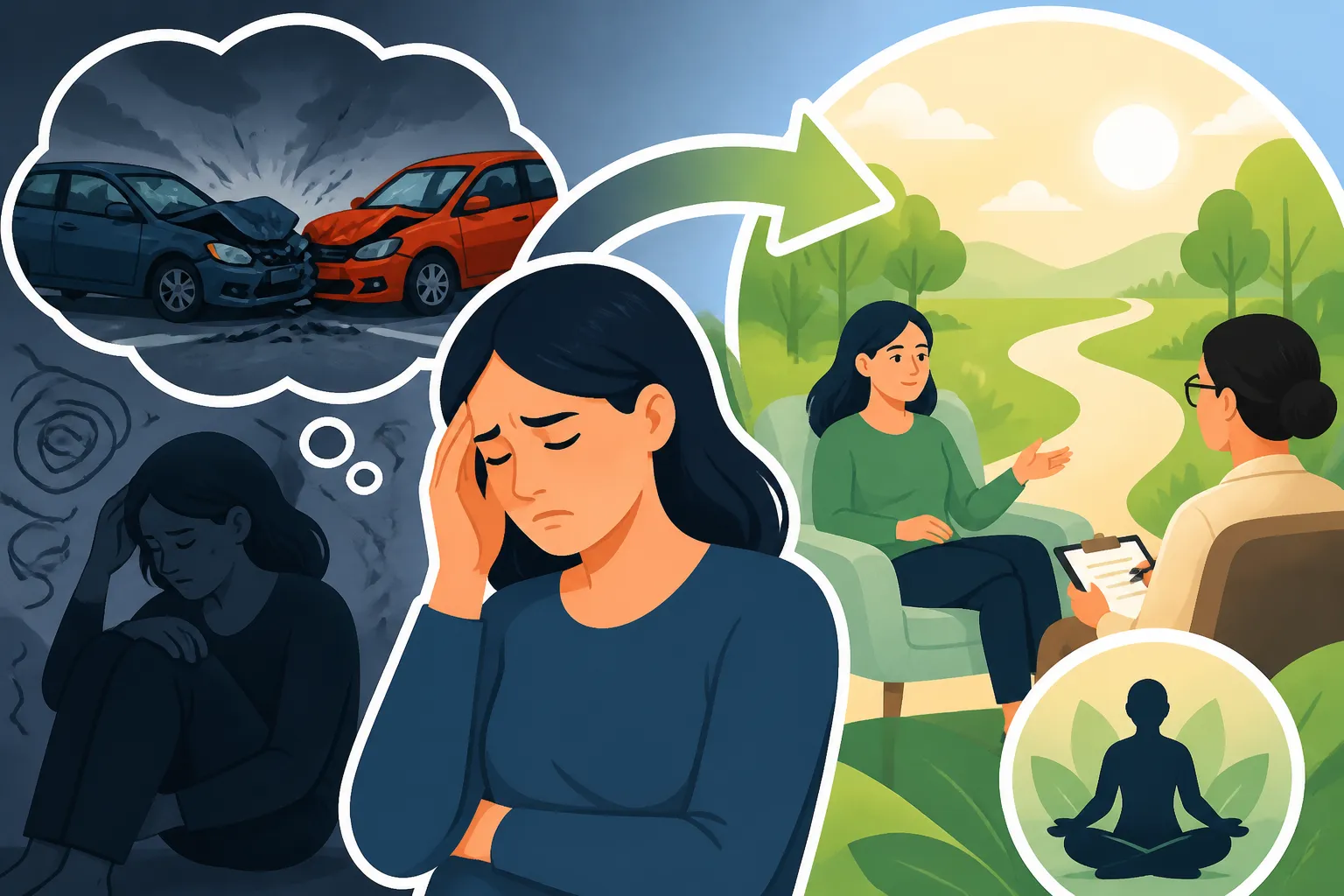
First, there are intrusive thoughts. This includes recurrent, involuntary, and distressing memories of the accident, vivid flashbacks where you feel like you're re-experiencing the event, and nightmares. You might find yourself driving, and suddenly, a specific turn or a similar vehicle triggers the entire scene to play out in your mind, heart pounding, palms sweating.
Second, avoidance becomes a coping mechanism. You might start avoiding places, people, objects, activities, or conversations that remind you of the accident. For many, this means a deep reluctance, or even an outright inability, to drive or even be a passenger in a car again. It can severely impact your independence and daily routine, forcing you to rely on others for simple tasks like grocery shopping or commuting to work.
Third, negative changes in thinking and mood are common. This can look like persistent and exaggerated negative beliefs about yourself, others, or the world (e.g., "I'm a bad driver," "the world isn't safe"). You might feel a diminished interest in activities you once enjoyed, a sense of detachment from others, or an inability to experience positive emotions. You might feel numb, irritable, or even hopeless. This often affects relationships, as loved ones struggle to understand the shift in your personality and emotional availability.
Finally, you might experience changes in arousal and reactivity. This includes being easily startled (e.g., jumping at a sudden car horn), having difficulty sleeping, trouble concentrating, irritability, angry outbursts, or engaging in reckless or self-destructive behavior. This constant state of hyper-vigilance can be exhausting, making it hard to relax or feel truly safe. Many find that Delayed Injury Symptoms After a Car Accident, including psychological ones, can emerge weeks or even months after the crash, catching them off guard.
The Invisible Scars of a Crash
Unlike a broken arm or a laceration, PTSD leaves no visible scar, which often makes it harder for others, and even yourself, to acknowledge its severity. Yet, its impact can be just as, if not more, debilitating than physical injuries. Imagine living in constant fear, reliving your worst moment, or being unable to participate in daily activities because they trigger an intense emotional reaction. It's an invisible cage that traps you.
The psychological burden extends beyond personal suffering. It can strain relationships with family and friends, impact your ability to work, and lead to a general decline in your quality of life. The frustration of not being "over it" when everyone expects you to be can lead to feelings of isolation and shame. It’s important to remember that these are valid injuries, and like any other injury, they require care, understanding, and professional intervention. Recognizing these symptoms and acknowledging their legitimacy is the first step in the long, but hopeful, journey toward healing. Understanding What Are Damages in a Car Accident Claim? includes recognizing that these invisible scars also represent real, compensable losses.
Factors Influencing PTSD Healing Timelines
There's no single answer to "how long does PTSD take to heal after a car accident?" because every person's journey is unique. It's not a linear process with a clear end date; it's more like navigating a winding road with ups, downs, and unexpected detours. However, several significant factors play a crucial role in influencing the length and nature of the healing timeline.
The Severity of the Accident and Trauma Exposure
One of the most significant factors is the nature and severity of the traumatic event itself. Was it a minor fender bender, or a catastrophic collision with severe injuries, fatalities, or prolonged entrapment? The more intense, life-threatening, or prolonged the traumatic exposure, the greater the likelihood of developing severe PTSD and potentially a longer recovery period. For instance, a person who witnessed a fatality or was severely injured themselves in a multi-car pileup on I-5 outside of Seattle will likely experience a deeper, more entrenched trauma response than someone involved in a low-speed parking lot bump.
Beyond the immediate physical danger, consider factors like perceived threat, feelings of helplessness, or even the graphic nature of what was seen or experienced. If you felt completely out of control, or believed your life was genuinely at risk, your brain's alarm system might be more profoundly affected. This isn't to say that "minor" accidents can't cause PTSD—they absolutely can—but typically, the scale of the trauma exposure correlates with the intensity and persistence of symptoms.
Individual Resilience and Support Systems
Your personal resilience and the strength of your support system also significantly impact your healing trajectory. Resilience isn't about being "tough" or impervious to pain; it's about your capacity to cope with stress and adapt to adversity. Factors like your past trauma history (prior accidents, abuse, other traumatic events), existing mental health conditions (anxiety, depression), and even your personality traits can influence how you process and recover from new trauma. Someone with a history of anxiety might find themselves more susceptible to the intrusive thoughts and hyper-vigilance associated with PTSD.
Equally vital is the support you receive from family, friends, and community. Having people who listen without judgment, offer practical help, and encourage you to seek professional assistance can make a world of difference. Conversely, feeling isolated, misunderstood, or having strained relationships can exacerbate symptoms and prolong recovery. Think about Sarah from Phoenix, who had a strong network of friends checking in, driving her to appointments, and just being present. Her recovery might look different from David in Miami, who felt he had to tough it out alone after his accident. This support isn't just emotional; it can also be logistical, helping you navigate the complexities of your life and claim, especially when considering How to File a Car Accident Insurance Claim.
Access to Timely and Effective Treatment
Perhaps the most crucial factor influencing healing timelines is access to timely, appropriate, and consistent professional treatment. PTSD is a treatable condition, but it rarely resolves on its own, especially if symptoms are severe and persistent. Early intervention is often key. If you're able to start therapy, such as cognitive-behavioral therapy (CBT) or Eye Movement Desensitization and Reprocessing (EMDR), soon after symptoms emerge, you might prevent them from becoming deeply ingrained.
However, many people face barriers to treatment. This could be due to a lack of awareness about PTSD, stigma associated with mental health, financial constraints, or difficulty finding qualified therapists. The type of treatment matters too. Not all therapies are equally effective for PTSD. Evidence-based therapies like CBT, Prolonged Exposure (PE), or EMDR are often recommended. If you're receiving generic counseling that isn't specifically trauma-informed, your progress might be slower. The duration and consistency of therapy are also important; attending a few sessions sporadically is less likely to yield lasting results than consistent, structured treatment. Seeking help is a sign of strength, and it's essential to prove these injuries for any potential claim. Our article on How to Prove Injuries in a Car Accident Claim details how to gather necessary evidence.
The Healing Journey: What to Expect and How to Cope
The road to healing from PTSD after a car accident isn't a straight line, but it's a journey worth taking. It involves professional guidance, personal commitment, and a compassionate understanding of your own process.
Professional Interventions and Therapies
For many, professional therapy is the cornerstone of PTSD recovery. Therapists specializing in trauma can provide a safe space and evidence-based techniques to help you process the accident and its aftermath.
Cognitive Behavioral Therapy (CBT): This is a widely effective therapy that helps you identify and change negative thinking patterns and behaviors related to the trauma. For example, if you believe "all drivers are dangerous," CBT can help you challenge this overgeneralization and develop more balanced thoughts, which can reduce anxiety about driving. A specific form of CBT, called Trauma-Focused CBT (TF-CBT), is particularly effective for PTSD by directly addressing the trauma and its impact.
Prolonged Exposure (PE): PE is another highly effective therapy where you gradually confront trauma-related memories, feelings, and situations you've been avoiding. This might involve talking about the accident in detail, listening to recordings of your recount, or even revisiting the accident scene (if safe and appropriate). The goal is to reduce your fear response by repeatedly exposing you to these reminders in a safe, controlled environment, helping your brain learn that these triggers are not actually dangerous anymore. For instance, if you avoid driving on the highway where your accident occurred, your therapist might guide you through imagining the drive, then eventually doing it in a real-world scenario with support.
Eye Movement Desensitization and Reprocessing (EMDR): EMDR involves recalling distressing images while simultaneously engaging in bilateral stimulation, often guided eye movements. The theory is that this process helps the brain reprocess traumatic memories, reducing their emotional intensity. Many patients report significant relief from flashbacks and nightmares after EMDR therapy. It's a bit different from traditional talk therapy, but for many, it's incredibly effective in reducing the vividness and emotional charge of traumatic memories.
The duration of these therapies varies greatly. Some individuals might see significant improvement within 12-16 sessions, while others might require longer-term therapy, perhaps for several months or even a year, depending on the severity of symptoms and co-occurring conditions. The key is consistency and finding a therapist you trust. Remember that Why You Should See a Doctor After a Car Accident applies to mental health professionals just as much as physical ones.
Self-Care Strategies and Support Networks
While professional therapy is crucial, what you do outside of sessions is equally important. Healing from PTSD is a holistic process that requires attention to your overall well-being.
Prioritize Self-Care: This includes getting enough sleep, eating nutritious meals, and engaging in regular physical activity. Even a gentle walk can help reduce stress and improve mood. Avoid unhealthy coping mechanisms like excessive alcohol consumption or drug use, which can temporarily mask symptoms but ultimately worsen PTSD in the long run. Mindfulness and meditation practices can also be very beneficial, helping you stay grounded in the present moment and manage intrusive thoughts.
Build and Lean on Your Support Network: Don't underestimate the power of connection. Talk to trusted friends, family members, or join a support group. Sharing your experiences with others who understand can reduce feelings of isolation and validate your emotions. Just having someone listen without judgment can be incredibly therapeutic. If you’re struggling to express your feelings, resources on How to Document Pain and Suffering can help you organize your thoughts for both personal processing and potential legal claims.
Pace Yourself and Be Patient: Recovery is not a race. There will be good days and bad days, breakthroughs and setbacks. It's vital to be compassionate with yourself and acknowledge that healing takes time. Don't push yourself too hard, too fast. If driving feels overwhelming, start with short trips as a passenger, then slowly progress to driving in familiar, low-stress environments. Celebrate small victories and don't get discouraged by temporary regressions. This journey is often detailed and can be lengthy, impacting a potential Car Accident Claim Timeline: What to Expect.
Managing Setbacks and Long-Term Recovery
It's completely normal to experience setbacks, even after periods of significant progress. A sudden trigger, a stressful life event, or even an anniversary of the accident can bring back symptoms. The key is to recognize these setbacks not as failures, but as opportunities to apply the coping skills you've learned.
Recognize Early Warning Signs: Pay attention to what triggers your symptoms and what your early warning signs of distress are. This might be increased irritability, difficulty sleeping, or avoiding certain activities. The sooner you recognize these signs, the sooner you can implement your coping strategies or reach out to your therapist.
Re-engage with Support: During setbacks, it's crucial to re-engage with your therapist or support network. Don't try to power through it alone. Sometimes, a few booster sessions with your therapist can help you get back on track. Your long-term recovery isn't about eradicating all traces of trauma, but about developing the resilience and coping mechanisms to manage its impact effectively, allowing you to live a full and meaningful life despite having gone through a traumatic event. It's a continuous process of growth and adaptation.
When to Consider Legal Support for PTSD Claims
While healing is a personal journey, the financial and emotional toll of PTSD from a car accident can be immense. Medical bills for therapy, lost wages due to inability to work, and the sheer impact on your quality of life are all very real damages. This is where understanding your rights and considering legal support becomes important.
Documenting Your Emotional and Psychological Damages
Just like physical injuries, psychological injuries like PTSD need to be thoroughly documented to be included in a car accident claim. Insurance companies require objective evidence to compensate for non-economic damages such as pain and suffering.
Medical Records are Paramount: The most crucial evidence will come from your mental health professionals. Regular therapy sessions, diagnoses from licensed psychologists or psychiatrists, medication prescriptions, and detailed notes outlining your symptoms, treatment plan, and progress are all vital. These records establish a direct link between the car accident and your PTSD, and demonstrate the severity and duration of your suffering. It’s imperative to maintain consistent appointments and ensure your providers are documenting your journey meticulously. Our guide on How Medical Records Prove Your Injuries can offer more insights into this critical process.
Personal Journals and Impact Statements: Keeping a personal journal where you detail your daily struggles, emotional state, nightmares, flashbacks, and how PTSD impacts your daily life (e.g., inability to drive, social withdrawal, problems at work) can be incredibly powerful. While not formal medical evidence, these entries can paint a vivid picture for an insurance adjuster or jury, complementing your medical records and showing the real-world consequences of your trauma. This helps quantify the intangible aspects of your suffering.
Understanding Compensation for Pain and Suffering
PTSD falls under "pain and suffering" damages in a personal injury claim, which are considered non-economic damages. These are often the most challenging to quantify because they don't have a direct bill like a hospital visit. However, they are very real and compensable.
Severity and Duration: The compensation for PTSD will largely depend on the severity of your symptoms, the duration of your treatment, and the overall impact on your life. A mild case of temporary anxiety might yield less compensation than a severe, long-lasting case of PTSD that requires extensive therapy and medication and prevents you from working or enjoying life. The more thoroughly documented your struggle, the stronger your claim for these damages. If you're wondering about the financial aspect, our article on How Much Is My Car Accident Settlement Worth? (2026) delves into calculating various damages.
Expert Testimony: In some cases, your lawyer might bring in a mental health expert to provide testimony about your condition, its prognosis, and its impact on your life. This professional opinion can significantly strengthen your claim, especially if the insurance company tries to downplay the severity of your PTSD.
It's important to understand that while a settlement can't erase the trauma, it can provide crucial financial support to cover your ongoing treatment costs, compensate for lost income, and acknowledge the profound suffering you've endured. Navigating a personal injury claim, especially one involving complex psychological injuries, can be daunting. This is often when people ask themselves, Do You Need a Lawyer for a Car Accident?. An experienced personal injury attorney can help you gather the necessary documentation, understand the value of your claim, negotiate with insurance companies, and if necessary, pursue a lawsuit to ensure you receive fair compensation for all your damages, including those invisible scars that PTSD leaves behind. They can also ensure you don't miss crucial deadlines like the Statute of Limitations for Car Accidents by State.
| Factor | Impact on Healing Timeline | Notes |
|---|---|---|
| Severity of Accident/Trauma | More severe trauma often leads to longer, more complex recovery. | Life-threatening events, graphic details, or severe injuries increase likelihood of persistent PTSD. |
| Prior Trauma History | Previous trauma can increase vulnerability and potentially extend recovery. | Unresolved past trauma can make processing new trauma more challenging. |
| Pre-existing Mental Health | Conditions like anxiety or depression can complicate and prolong healing. | Co-occurring conditions often require integrated treatment approaches. |
| Support System | Strong social support can significantly shorten recovery and improve outcomes. | Isolation and lack of understanding can exacerbate symptoms. |
| Access to Treatment | Timely and appropriate trauma-focused therapy (CBT, EMDR) is crucial. | Delays in treatment or ineffective therapy can lead to chronic symptoms. |
| Coping Mechanisms | Healthy coping strategies (exercise, mindfulness) aid recovery; unhealthy ones (substance use) hinder it. | Active engagement in self-care is vital for managing symptoms between sessions. |
| Individual Resilience | Higher personal resilience can lead to faster adaptation and processing of trauma. | Not about "toughness," but the ability to cope and adapt effectively. |
Disclaimer
The information provided in this article is for general informational purposes only and does not constitute legal, medical, or professional advice. Always consult with a qualified attorney, medical professional, or mental health expert for advice tailored to your specific situation.