How Long Does Chronic Pain Take to Heal After a Car Accident?
Experiencing chronic pain after a car accident is an incredibly frustrating and often debilitating challenge that many people face. It's not just about the immediate aftermath of the crash; it's about the lingering aches, stiffness, and constant discomfort that can drastically impact your quality of life long after the initial impact. This guide is here to shed light on what chronic pain truly entails, the factors influencing its healing, and how to navigate this complex journey towards recovery and management.
Understanding Chronic Pain After a Car Accident
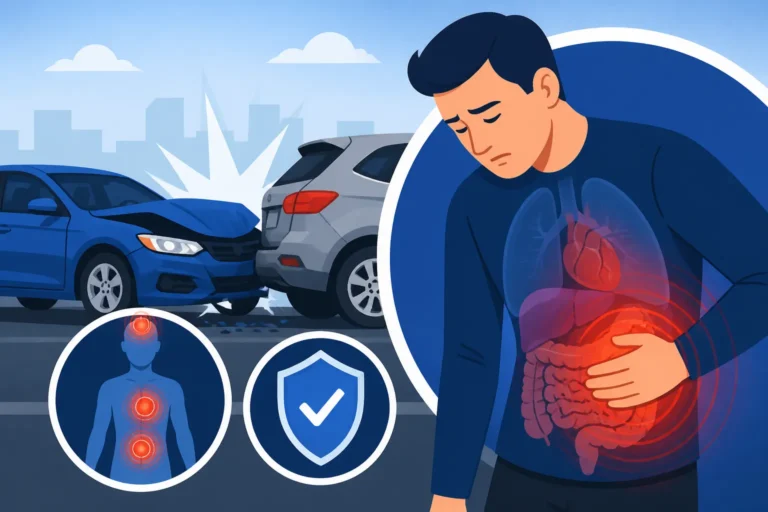
When you've been in a car accident, your body often sustains sudden, violent forces that it's simply not designed to withstand. While some injuries might be immediately apparent, others can develop over time, leading to persistent discomfort. This persistent discomfort, if it lasts for an extended period, can evolve into chronic pain, a condition that is far more complex than just a prolonged ache.
What Exactly Is Chronic Pain?
Most of us understand acute pain – it's the sharp, immediate pain you feel right after an injury, a broken bone, or a cut. It serves a crucial purpose: to warn your body that something is wrong and prompt you to seek treatment. Acute pain typically subsides as your body heals. Chronic pain, however, is a different beast entirely. By definition, pain is considered chronic if it lasts for three months or longer, even after the initial injury seems to have healed or stabilized.
It’s not just about the duration; chronic pain involves changes in the nervous system itself. Nerves can become hypersensitive, continuously sending pain signals to the brain even in the absence of ongoing tissue damage. This means the pain becomes a disease in itself, rather than just a symptom. Living with this kind of persistent, nagging pain can be exhausting, affecting every aspect of your daily existence, from sleep and mood to work and relationships. It’s a relentless companion that truly tests your resilience.
Common Causes of Chronic Pain from Collisions
Car accidents, even seemingly minor ones, can be a breeding ground for injuries that lead to chronic pain. The sheer force of impact, the unnatural twisting, and sudden stops can inflict damage that isn't always obvious right away. For a deeper understanding of the various physical injuries you might sustain, it's helpful to look into our comprehensive guide on Common Car Accident Injuries: Complete Guide (2027).
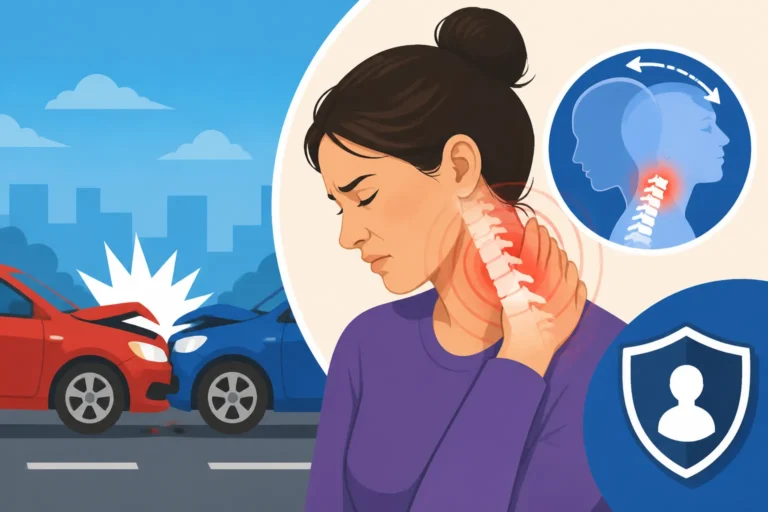
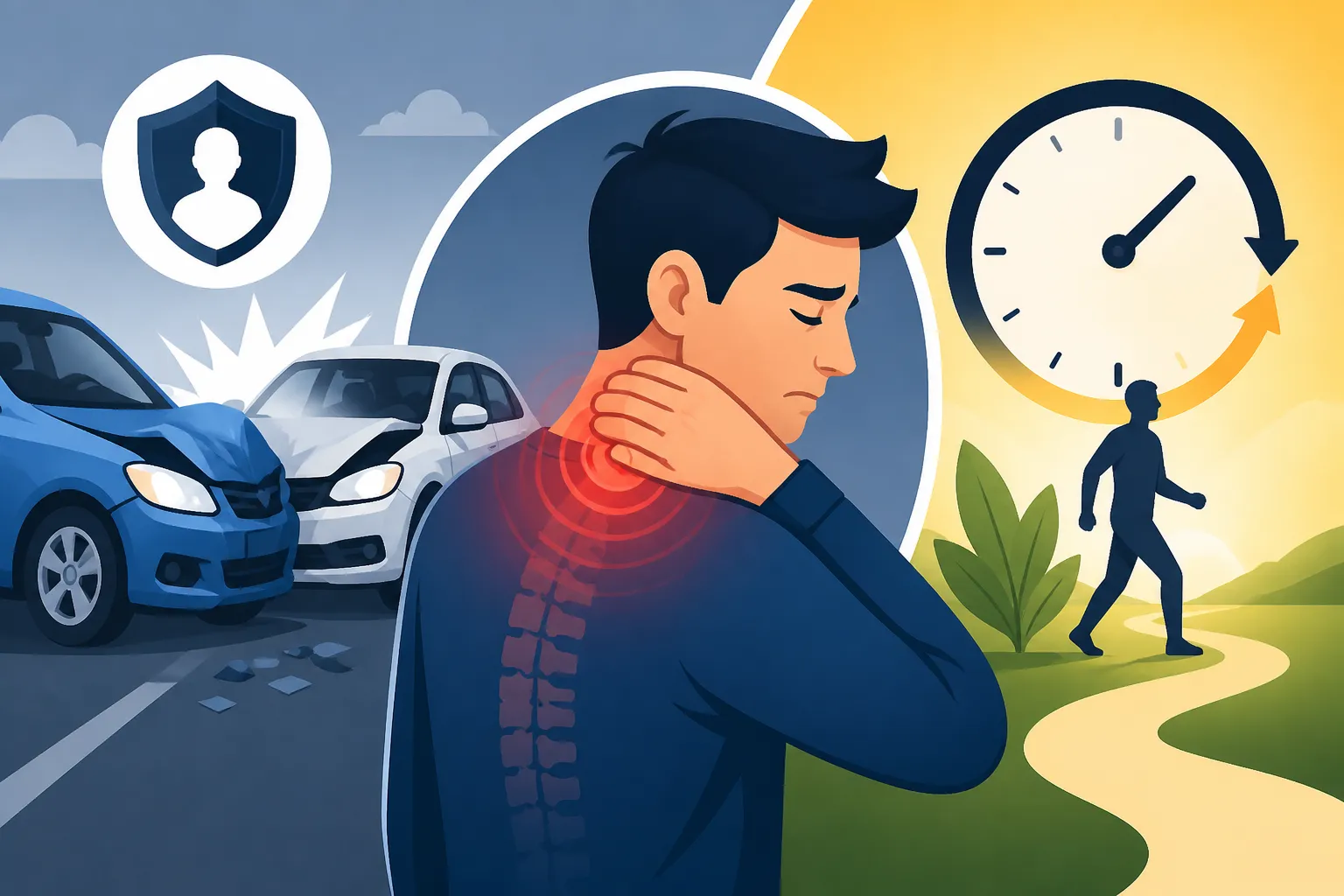
One of the most notorious culprits is whiplash, often sustained in rear-end collisions. While many people think of whiplash as a minor neck strain, it can lead to long-term issues. The rapid back-and-forth movement of the head and neck can damage muscles, ligaments, discs, and nerves in the cervical spine. If left untreated or if the damage is severe, this can result in chronic neck pain, headaches, dizziness, and shoulder stiffness. We've got an in-depth piece on What Is Whiplash? Symptoms, Treatment & Claims that dives into this specific injury.
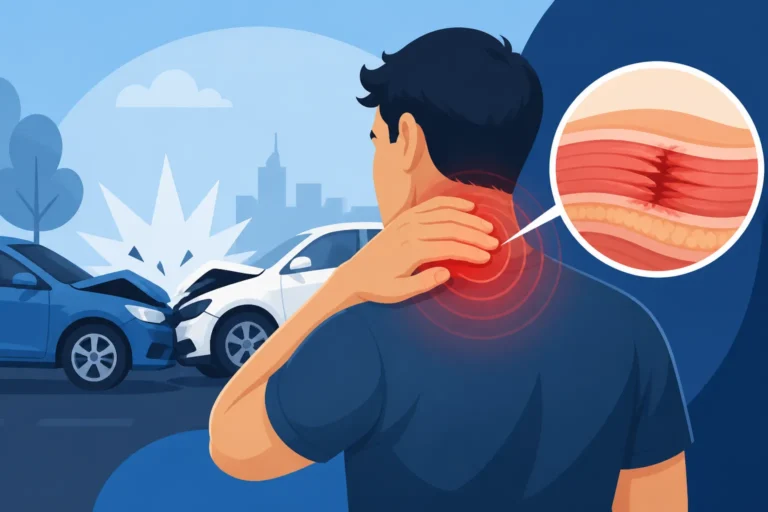
Beyond whiplash, other common injuries that can evolve into chronic pain include herniated discs in the spine, which can compress nerves and cause radiating pain down the arms or legs. Read more about the specifics in our article on Herniated Disc From a Car Accident. Nerve damage from a car accident can also lead to excruciating, burning, or tingling chronic pain, sometimes referred to as neuropathic pain. Even seemingly less severe soft tissue injuries, which affect muscles, ligaments, and tendons, can lead to persistent inflammation, scar tissue formation, and ongoing discomfort if they don't heal properly. Understanding Soft Tissue Injuries Explained can provide more context here. It's critical to understand that even seemingly minor initial injuries can have significant long-term consequences if not properly managed.
The Psychological Toll of Persistent Pain
Living with chronic pain isn't just a physical battle; it's a profound mental and emotional one. The constant discomfort can wear down even the strongest individuals, leading to a host of psychological challenges. Imagine waking up every day with an ache that never truly goes away – it's exhausting, frustrating, and can make even simple tasks feel monumental. This persistent suffering often gives rise to anxiety, as sufferers worry about their future, their ability to work, and their overall independence. The fear of pain flaring up, or the inability to participate in activities they once loved, can create a cycle of worry and stress.
Depression is another common companion to chronic pain. The loss of former capabilities, the isolation that can come from being unable to socialize or work, and the sheer demoralization of constant discomfort can plunge individuals into a deep sadness. It's a vicious cycle where pain exacerbates mental health issues, and mental health issues can, in turn, intensify the perception of pain. Sleep disturbances are almost universal, further impacting mood and energy levels. The psychological impact can be just as debilitating as the physical pain itself, often requiring comprehensive support that addresses both aspects of your well-being.
Factors Influencing Healing Time for Chronic Pain
There's no single answer to how long chronic pain will take to heal after a car accident, primarily because "healing" in this context often means learning to manage and reduce pain to a functional level, rather than a complete cure. Many interconnected factors play a crucial role in determining your recovery timeline and overall prognosis.
Type and Severity of Injuries
The nature and extent of the injuries sustained in the car accident are arguably the most significant determinants of chronic pain duration and intensity. A minor fender bender might lead to a mild whiplash that resolves in a few months with conservative treatment, while a high-impact collision resulting in a severe spinal cord injury or complex nerve damage can lead to lifelong chronic pain. For instance, Back and Spinal Injuries From Car Accidents often present a much longer, more complicated recovery path compared to many other types of injuries.
A herniated disc with significant nerve compression, for example, might require surgery and extensive physical therapy, with chronic pain persisting for years or even indefinitely, even with interventions. On the other hand, soft tissue strains, while painful, often have a better long-term prognosis, though they can still become chronic if not addressed early and effectively. The critical distinction lies in whether the underlying anatomical structures can fully repair themselves or if permanent damage has occurred. In cases of structural damage, the goal shifts from complete "healing" to effective pain management and maximizing functional ability.
Individual Health and Lifestyle Factors
Your personal health profile and daily habits before and after the accident profoundly influence your body's ability to cope with and recover from injuries that lead to chronic pain. Age is a significant factor; younger individuals often have more resilient tissues and faster healing rates compared to older adults, who may have age-related degeneration or slower cellular repair processes. Pre-existing conditions, such as arthritis, fibromyalgia, or previous injuries, can complicate recovery, making your body more susceptible to chronic pain or exacerbating existing conditions.
Lifestyle choices also play a crucial role. A sedentary lifestyle, poor diet, smoking, and excessive alcohol consumption can hinder the healing process and increase inflammation, making chronic pain harder to manage. Conversely, a healthy diet, regular exercise (as appropriate and guided by medical professionals), and stress management techniques can significantly support recovery. Your mental and emotional state is equally important; chronic stress, anxiety, or depression can amplify pain perception and interfere with recovery, highlighting the complex mind-body connection in chronic pain conditions.
The Role of Medical Treatment and Adherence
Consistent, appropriate medical care is paramount in the journey to manage or alleviate chronic pain. Early intervention after a car accident is critical, as it can prevent acute injuries from developing into chronic conditions. This means seeing a doctor promptly after a crash, even if you feel okay at first, as Delayed Injury Symptoms After a Car Accident are incredibly common. Our article, Why You Should See a Doctor After a Car Accident, explains this urgency further.
Following your doctor's treatment plan diligently is non-negotiable. This might involve a combination of physical therapy, chiropractic care, medication (pain relievers, muscle relaxants, anti-inflammatories, or nerve pain medications), injections, or even surgical interventions. Physical therapy, in particular, is often a cornerstone of chronic pain management, focusing on strengthening affected areas, improving flexibility, and restoring function. Adhering to exercises, attending appointments, and communicating openly with your healthcare providers about your progress and challenges can make a huge difference. Skipping sessions, not taking medication as prescribed, or self-diagnosing can prolong your suffering and make recovery much more difficult. Effective treatment isn't a passive process; it requires your active and consistent participation.
Navigating the Healing Journey and Managing Expectations
Dealing with chronic pain after a car accident is a marathon, not a sprint. It demands patience, persistence, and a realistic outlook. While you might yearn for a quick fix, understanding the nature of chronic pain means adjusting your expectations for what "healing" truly means.
Realistic Timelines for Chronic Pain Recovery
When it comes to chronic pain, it's important to shift from expecting a complete "cure" to aiming for significant improvement in function and pain reduction. For many, recovery is less about erasing the pain entirely and more about finding effective management strategies that allow them to live a fulfilling life despite the pain. While acute pain from a typical soft tissue injury might resolve within weeks to a few months, chronic pain can last much longer.
For instance, studies show that a significant percentage of people experiencing whiplash in car accidents still report symptoms a year or more after the collision. For more severe injuries like complex fractures, nerve damage, or significant spinal issues, chronic pain could last for many years, or even be a lifelong condition requiring ongoing management. The timeline is highly individual, but it's not uncommon for it to take 6 months to 2 years to see substantial improvements, and even then, some level of discomfort may persist. The key is to measure progress in terms of functional gains—like being able to sit longer, walk further, or return to hobbies—rather than solely on a pain scale of zero.
Here's a generalized table to illustrate typical recovery expectations for various car accident-related injuries that can lead to chronic pain. Remember, these are averages and individual experiences will vary widely.
| Injury Type | Typical Acute Healing Time | Potential for Chronic Pain | Average Chronic Pain Management/Improvement Timeline |
|---|---|---|---|
| Mild Whiplash | 2-4 weeks | Moderate | 3-6 months, with potential lingering issues |
| Moderate to Severe Whiplash | 4-8 weeks | High | 6 months to 2+ years, often requiring ongoing therapy |
| Herniated Disc (Non-Surgical) | 6-12 weeks | High | 6 months to several years, with possible flare-ups |
| Herniated Disc (Post-Surgical) | 3-6 months | Moderate | 6 months to 1+ year for recovery, ongoing management |
| Soft Tissue Sprains/Strains | 2-6 weeks | Moderate | 3-9 months, can become chronic if not managed |
| Minor Nerve Damage | Weeks to months | High | 6 months to 2+ years for significant improvement |
| Complex Fractures (with nerve involvement) | 3-6 months for bone healing | Very High | Several years to lifelong management |
When to Seek Specialized Care
If your chronic pain isn't improving with initial treatments or if it significantly impacts your daily life, it’s a clear sign that you need to explore specialized care options. Your primary care physician is a great starting point, but they may not have the in-depth expertise required for complex chronic pain conditions. This is where specialists come in.
Pain management specialists, often anesthesiologists or neurologists with additional training, can offer advanced diagnostic techniques and a wider array of treatment options, including nerve blocks, radiofrequency ablation, and spinal cord stimulators. Neurologists are essential if your pain involves nerve damage or conditions like persistent headaches or migraines. For structural issues, orthopedic surgeons or neurosurgeons might be consulted to evaluate if surgical intervention could alleviate nerve compression or stabilize an unstable joint. Physical therapists with advanced certifications in chronic pain management can provide highly individualized rehabilitation programs. Sometimes, a comprehensive pain clinic that offers a multidisciplinary approach, including physical therapy, psychological support, and medication management, is the most effective route. Don't hesitate to seek second opinions or ask for referrals if you feel your current treatment isn't making enough progress.
Documenting Your Chronic Pain for a Claim
If you're dealing with chronic pain after a car accident, especially if it affects your ability to work or enjoy life, documenting everything is absolutely crucial for any potential car accident claim. Insurance companies, unfortunately, are often skeptical of claims involving subjective symptoms like pain, especially when it becomes chronic. They may try to minimize your suffering or argue that your pain isn't directly related to the accident. This is where meticulous record-keeping becomes your best friend. For advice on how to legally demonstrate your injuries, our guide on How to Prove Injuries in a Car Accident Claim is an excellent resource.
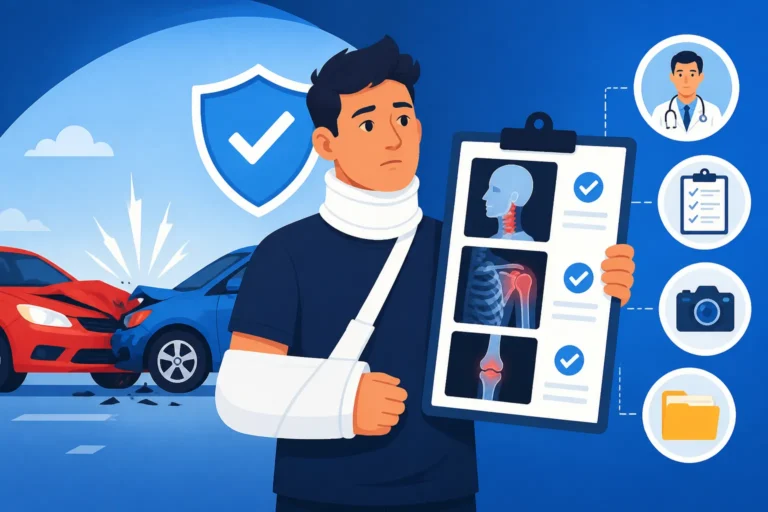
Start by consistently attending all medical appointments – from your initial ER visit to physical therapy, specialist consultations, and follow-up checks. Every visit creates a paper trail, proving the continuity of your care and the persistence of your symptoms. Ensure that every doctor's visit, physical therapy session, and consultation clearly notes your complaints of pain, its severity, and its impact on your daily activities. Our article on How Medical Records Prove Your Injuries offers detailed steps on leveraging these documents. Keep a pain journal where you record your pain levels daily, triggers, what makes it better or worse, and how it interferes with your sleep, work, hobbies, and personal life. This provides a detailed, day-to-day account of your suffering. Additionally, keep records of all medications, injections, assistive devices (like crutches or braces), and any out-of-pocket expenses related to your chronic pain. This kind of thorough documentation is vital when trying to recover damages, especially for something as nuanced as Pain and Suffering Damages: What They Cover. If you're wondering how best to track your pain, our article on How to Document Pain and Suffering provides helpful tips.
Strategies for Coping with Long-Term Pain
Living with chronic pain isn't just about treatments; it's about developing a robust set of coping mechanisms and lifestyle adjustments to improve your quality of life. This means taking an active role in your own well-being, both physically and mentally.
Physical Therapies and Rehabilitation
Physical therapy is often the cornerstone of managing chronic pain after a car accident. It’s not just about simple stretches; it’s a highly individualized program designed to restore function, reduce pain, and prevent future injury. A skilled physical therapist will assess your specific deficits – weakness, stiffness, imbalances – and create a targeted plan. This might include therapeutic exercises to strengthen core muscles, improve posture, and increase range of motion. For example, if you have chronic low back pain, they might focus on strengthening your glutes and abdominal muscles to support your spine.
Beyond exercise, physical therapists utilize various modalities. Manual therapy, such as massage, mobilization, or manipulation, can help release tight muscles and improve joint movement. Heat and cold therapy, electrical stimulation (like TENS units), and ultrasound might be used to reduce pain and inflammation. Aquatic therapy, performed in a pool, can be particularly beneficial for those with severe pain, as the buoyancy of the water reduces stress on joints while still allowing for movement and strengthening. The goal is always to empower you with tools and techniques you can continue at home, fostering independence in your pain management journey.
Lifestyle Adjustments and Holistic Approaches
Managing chronic pain often extends beyond clinical treatments and requires a holistic approach to your everyday life. What you eat, how you move, and how you manage stress can significantly impact your pain levels and overall well-being. A diet rich in anti-inflammatory foods – think fruits, vegetables, lean proteins, and healthy fats like those found in olive oil and avocados – can help reduce systemic inflammation that may be contributing to your pain. Conversely, processed foods, excessive sugar, and unhealthy fats can exacerbate it.
Regular, gentle exercise, even just a daily walk or light stretching, can improve circulation, strengthen muscles, and release endorphins, which are natural pain relievers. However, it's crucial to consult with your doctor or physical therapist to determine appropriate activities to avoid aggravating your condition. Mindfulness practices, such as meditation, deep breathing exercises, or yoga, can teach you to better cope with pain by shifting your focus and reducing your body's stress response. Many people find that connecting with nature, pursuing creative hobbies, or engaging in light social activities also provide a mental and emotional boost, helping to distract from the constant presence of pain. These adjustments are about integrating supportive habits into your daily routine to build resilience against chronic discomfort.
Support Systems and Mental Health Resources
Living with chronic pain can feel incredibly isolating, but you don't have to face it alone. Building a strong support system is vital for your mental and emotional well-being. This can include understanding family members and friends who offer emotional support and practical help. Sometimes, though, those closest to us struggle to truly grasp the invisible burden of chronic pain, making support groups invaluable. Connecting with others who share similar experiences can provide a sense of community, validate your feelings, and offer practical coping strategies that only fellow sufferers would know.
Beyond informal support, professional mental health resources are often crucial. Chronic pain is intimately linked with mental health conditions like depression and anxiety. A psychologist or therapist specializing in chronic pain management can teach you coping skills, cognitive behavioral therapy (CBT) techniques to reframe negative thought patterns about pain, and relaxation strategies. These professionals can also help address the grief associated with losing aspects of your former life and support you in finding new ways to thrive. Many pain management clinics integrate psychological support directly into their treatment plans, recognizing that treating the mind is just as important as treating the body when dealing with persistent pain. Seeking help for your mental health is a sign of strength, not weakness, and it's an essential component of comprehensive chronic pain management.
Disclaimer
Please remember that the information provided in this article is for general informational purposes only and does not constitute legal or medical advice. Every car accident case and individual injury is unique, and the information presented here may not apply to your specific situation. You should always consult with a qualified medical professional for diagnosis and treatment of any injury or medical condition, and seek advice from an experienced legal professional for guidance on your particular car accident claim. Relying solely on this information without professional consultation is not recommended.