Common Injuries From a Chain-Reaction Accident
Getting caught in a chain-reaction car accident is a terrifying experience that nobody ever expects. One moment you're driving along, and the next, you're a player in a chaotic, multi-car pile-up, often unsure which impact caused what damage or how many times you were even hit. This kind of crash isn't just a fender-bender; it's a deeply disorienting event that can leave you with a variety of serious injuries, both physical and emotional. This guide aims to shed light on the common injuries sustained in these complex accidents, helping you understand what to look out for and why prompt attention is so critical.
Understanding Chain-Reaction Accidents
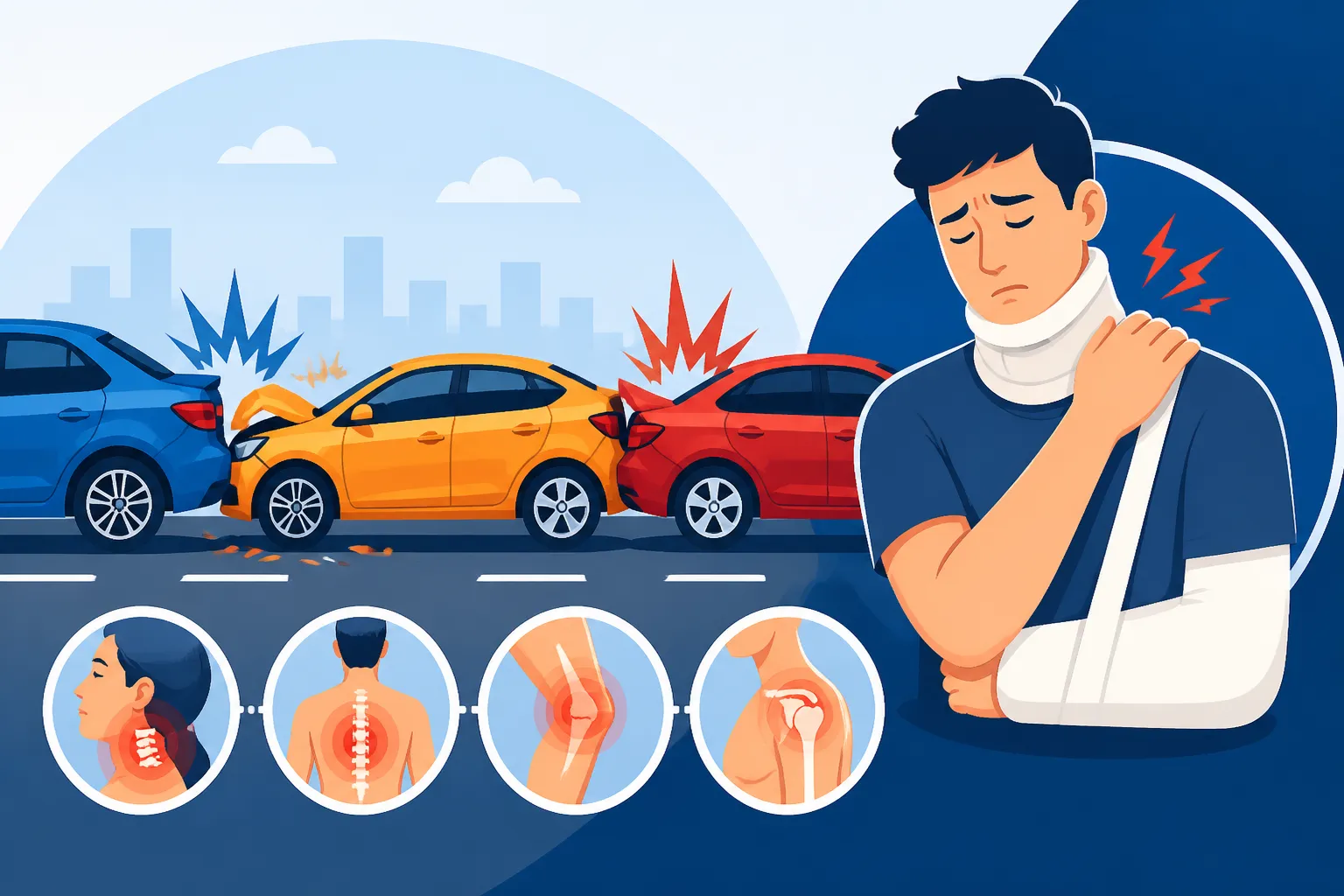
A chain-reaction accident, often dubbed a "pile-up," occurs when three or more vehicles collide in a series, usually because an initial impact pushes one vehicle into another, which then pushes into the next, and so on. These incidents are particularly common on busy highways, during rush hour, or in adverse weather conditions, like fog, heavy rain, or icy roads, where visibility and stopping distances are compromised. The sheer unpredictability and sequential nature of the impacts set them apart from standard two-car collisions.
How a Chain-Reaction Accident Happens
Imagine this scenario: you're driving on I-5 approaching Seattle during a sudden downpour. Traffic ahead suddenly brakes hard, perhaps due to a previous accident or an unexpected obstacle. The car behind you can't stop in time, rear-ending your vehicle. But it doesn't end there. Because of the initial impact, your car is propelled forward, causing you to hit the car in front of you. Then, another vehicle behind the initial one can't stop, hitting the car that hit you, creating yet another impact. This cascading effect can involve many vehicles and result in significant force distributed across multiple points of impact. It’s not just a single jolt; it’s often a series of jarring forces, making it incredibly difficult to pinpoint exactly which collision caused which injury. The complex physics involved mean that vehicles can be impacted from the front, rear, and even the sides, all within a matter of seconds, leading to a confusing and traumatic experience.
Why These Accidents Are So Dangerous
The danger in chain-reaction accidents stems from several factors. Firstly, there are multiple points of impact. Unlike a single collision, your vehicle might be struck from behind, then pushed into the car in front, and then struck again by another vehicle. Each impact transmits energy through your body and the vehicle, amplifying the potential for injury. Secondly, the unpredictable nature of forces means you might brace for one impact only to be hit from an entirely different direction shortly after. This can lead to your body being thrown around violently inside the vehicle, increasing the likelihood of fractures, dislocations, and soft tissue damage. Finally, the reduced reaction time for drivers caught in the middle or at the end of the chain contributes to severity. They often have no time to react or take evasive action, making the impacts unavoidable and often at high speeds. Understanding "Who Is at Fault in a Chain-Reaction Rear-End Crash" is often a primary concern for those involved, given the complexity of multiple impacts and drivers.
Common Physical Injuries from Chain-Reaction Crashes
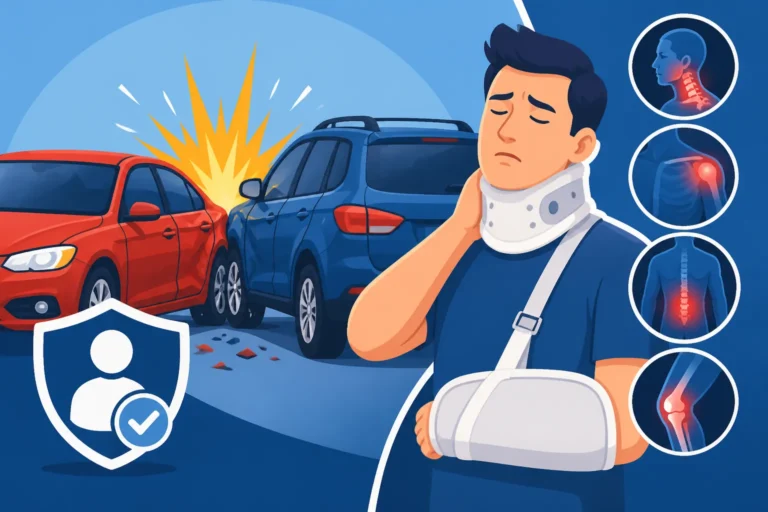
The chaotic and multi-directional forces at play in a chain-reaction accident can lead to a broad spectrum of injuries, ranging from relatively minor to catastrophic. It's not uncommon for victims to experience several types of injuries simultaneously due to the varied impacts. If you're looking for a general overview, our guide on Common Car Accident Injuries: Complete Guide (2027) offers a great starting point.
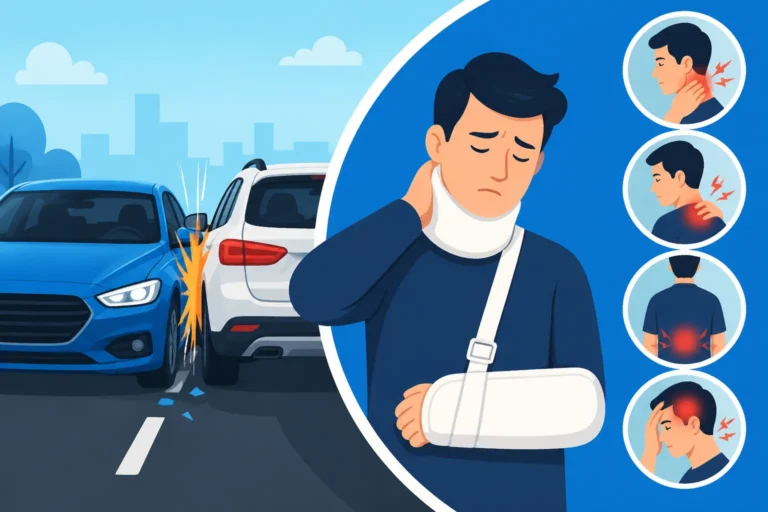
Whiplash and Neck Injuries
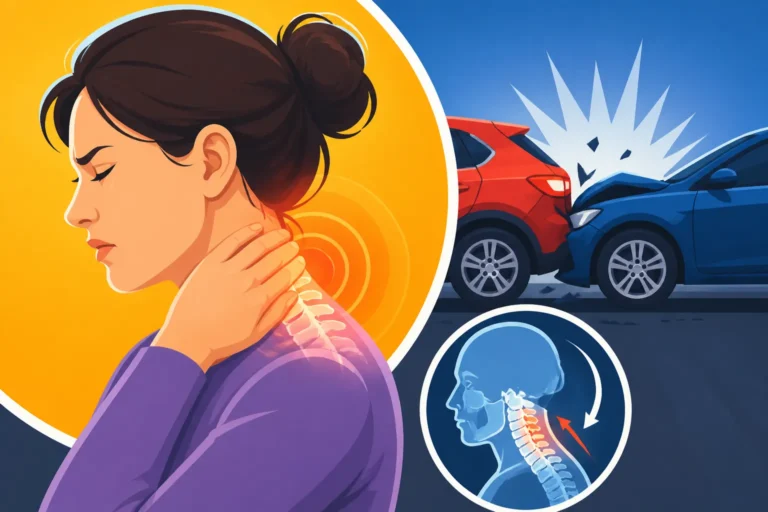
Whiplash is perhaps the most well-known injury associated with car accidents, and it's particularly prevalent in chain-reaction collisions. It occurs when the head is suddenly and forcefully thrust forward and backward, straining the muscles, ligaments, and tendons in the neck. In a chain-reaction crash, this motion can happen repeatedly or from different angles, exacerbating the trauma.
Symptoms of whiplash, as detailed in Whiplash Symptoms After a Car Accident, often include neck pain and stiffness, headaches, dizziness, blurred vision, and difficulty concentrating. Sometimes, these symptoms don't appear until hours or even days after the accident, which is why it's crucial to seek medical attention even if you feel fine immediately afterward. Left untreated, chronic whiplash can lead to long-term pain and reduced mobility, significantly impacting your quality of life. The repeated stress on the neck tissues from multiple impacts can make recovery more challenging compared to a single-impact whiplash injury.
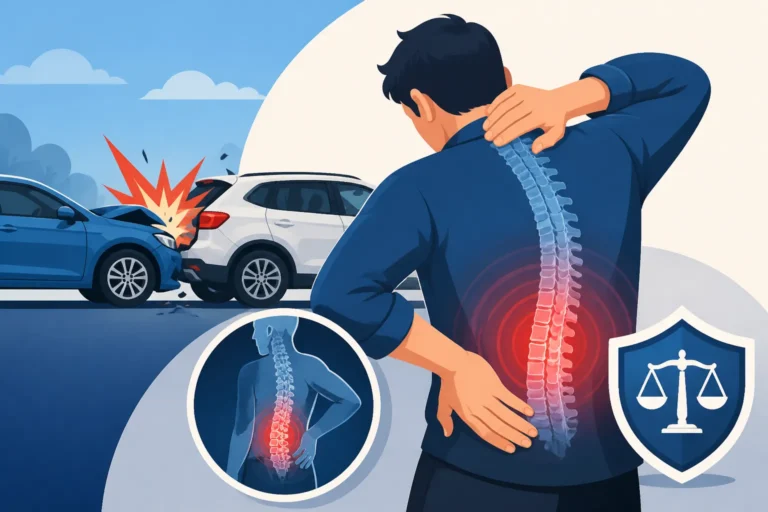
Back and Spinal Cord Injuries
The spine is a complex structure, and the forces of a multi-impact collision can wreak havoc on it. Common back injuries include strains, sprains, and herniated discs. A Herniated Disc From a Car Accident occurs when the soft inner material of a spinal disc pushes through its tougher exterior, often compressing nearby nerves. This can result in localized pain, numbness, tingling, or weakness that radiates down into the arms or legs, depending on the location of the injury.
More severe spinal injuries, though less common, can be devastating. These include compression fractures of the vertebrae or, in the worst cases, spinal cord damage. Even seemingly minor discomfort after a chain-reaction accident should be thoroughly evaluated, as spinal injuries can have long-lasting and debilitating effects if not properly diagnosed and treated. The jarring nature of multiple impacts can create shearing forces that the spine is simply not designed to withstand.
Head Trauma and Concussions
Any violent jolt to the head, such as hitting your head on the steering wheel, dashboard, or even the side window during a chaotic collision, can lead to head trauma. The most common form is a concussion, a mild traumatic brain injury (TBI). While often considered "mild," concussions can have significant and lasting effects. The brain sloshes inside the skull during impact, leading to bruising or damage to neural pathways.
Concussion Symptoms After a Car Accident include headaches, dizziness, confusion, nausea, sensitivity to light and sound, and memory problems. In a chain-reaction accident, multiple head impacts or rotational forces can make concussions more severe or harder to diagnose. More severe traumatic brain injuries (TBIs) can result from direct blows or penetrating injuries, leading to long-term cognitive, physical, and psychological impairments. It is absolutely essential to get any head injury checked out, as symptoms can be subtle or delayed.
Fractures and Broken Bones
The intense forces involved in chain-reaction accidents frequently lead to fractures and broken bones. These can range from hairline fractures to complete breaks. Common sites for fractures include:
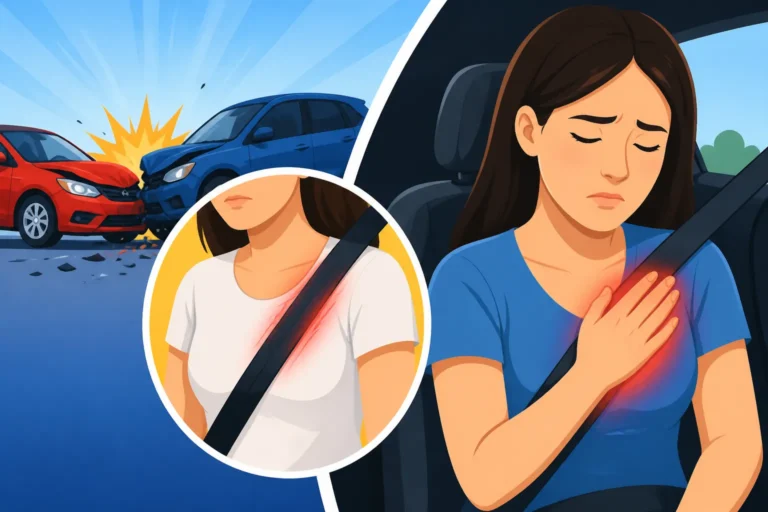
- Ribs: The impact of seatbelts or the steering wheel can cause painful rib fractures, sometimes leading to punctured lungs.
- Limbs: Arms, wrists, legs, and ankles can be fractured as occupants brace for impact, are pinned, or are thrown within the vehicle.
- Facial Bones: Impacts with airbags, dashboards, or flying debris can cause fractures to the nose, jaw, or orbital bones.
- Pelvis: Severe side impacts or crushing forces can lead to debilitating pelvic fractures.
The type and severity of fractures depend heavily on the angle of impact, speed, and whether the occupant was restrained. Recovering from broken bones often requires significant medical intervention, including surgery, casting, and extensive physical therapy.
Soft Tissue Damage and Internal Injuries
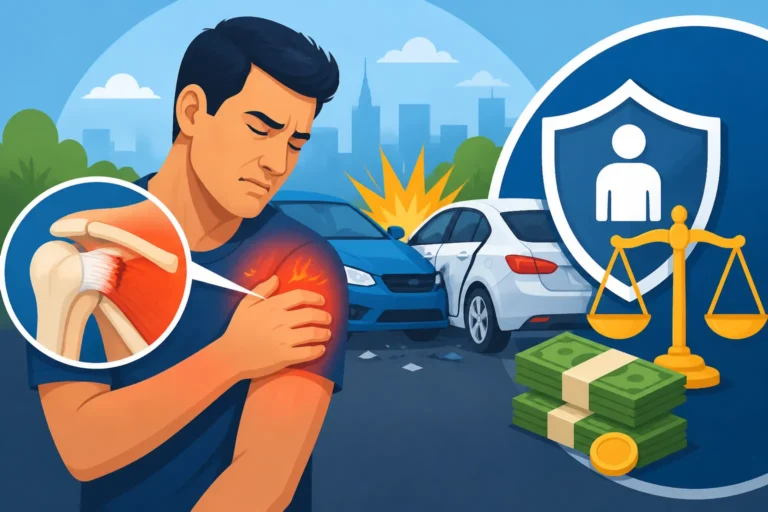
Beyond bones and discs, soft tissues like muscles, tendons, and ligaments are highly vulnerable. Sprains (ligaments) and strains (muscles/tendons) are common, causing pain, swelling, and reduced range of motion. While often not life-threatening, they can be incredibly painful and take a long time to heal.
Even more concerning are internal injuries, which might not be immediately apparent but can be life-threatening. These include:
- Internal Bleeding: Organs like the spleen, liver, or kidneys can be ruptured or lacerated by the force of impact, leading to internal bleeding that requires emergency surgery.
- Organ Damage: The heart and lungs can suffer contusions (bruises) or other damage from rapid deceleration or direct chest impact.
- Pneumothorax: A collapsed lung can occur from rib fractures or direct chest trauma, making breathing difficult and requiring immediate medical intervention.
These silent injuries underscore why a comprehensive medical evaluation is critical after any significant car accident.
Psychological and Emotional Impacts
While physical injuries are often the first thing people think about after an accident, the psychological and emotional toll of a chain-reaction crash can be just as, if not more, debilitating. The sudden, violent, and chaotic nature of multiple impacts can leave deep scars on a person's mental well-being.
Post-Traumatic Stress Disorder (PTSD)
Being involved in a chain-reaction accident is a traumatic event, and it's not uncommon for individuals to develop PTSD and Emotional Distress After a Car Accident. PTSD can manifest as intrusive thoughts, flashbacks, or nightmares about the accident. You might find yourself reliving the moments of impact, hearing the screech of tires, or seeing the crumpled metal, even when you're safe at home.
Beyond these intrusive memories, PTSD can lead to avoidance behaviors. You might start avoiding driving, refuse to be a passenger, or steer clear of specific roads or intersections where the accident occurred. This can severely impact your daily life, affecting your independence, work, and social activities. The constant state of hyper-vigilance, feeling on edge, or experiencing sudden bursts of anger or irritability are also common symptoms. Seeking mental health support is just as important as treating physical injuries.
Anxiety, Fear, and Depression
Even if you don't develop full-blown PTSD, the aftermath of a chain-reaction accident can leave you struggling with significant anxiety, fear, and depression. Driving anxiety, for instance, is a very real and common reaction. You might feel a surge of panic every time you get behind the wheel, or even just when you see another car brake suddenly. This fear can limit your ability to commute, run errands, or visit loved ones.
Depression can also set in, fueled by feelings of helplessness, loss of control, and the physical pain and limitations from your injuries. You might lose interest in activities you once enjoyed, experience changes in sleep patterns or appetite, and feel a pervasive sense of sadness or hopelessness. The cumulative stress of dealing with injuries, insurance claims, vehicle repairs, and potential legal disputes can easily contribute to these feelings. Acknowledge these emotional struggles and don't hesitate to seek professional help.
The Importance of Immediate Medical Attention and Documentation
After any car accident, but especially a complex chain-reaction one, what you do in the immediate aftermath can profoundly impact your health and any potential claim you might pursue for damages. Don't underestimate the critical steps you need to take. For a more complete picture of what to do, refer to What to Do After a Car Accident: Step-by-Step (2027).
Why You Should See a Doctor Right Away
It's tempting to think you're fine after an accident, especially if the initial shock and adrenaline mask pain. However, many significant injuries, particularly in multi-impact crashes, have Delayed Injury Symptoms After a Car Accident. Whiplash, concussions, and internal bleeding might not present noticeable symptoms until hours or even days later. Ignoring these potential issues can lead to worsening conditions and more complicated, long-term health problems.
Furthermore, seeking immediate medical attention creates a crucial record. If you later decide to file a claim, insurance companies and legal teams will look for prompt medical documentation to link your injuries directly to the accident. A delay in seeking treatment can make it harder to prove that your injuries were caused by the collision, rather than some other unrelated event. Your health is paramount, but the paper trail is also vital for your future well-being and any compensation you might be entitled to for "What Are Damages in a Car Accident Claim?".
Documenting Your Injuries and Treatment
Thorough documentation is your best friend when navigating the complexities of a car accident claim. Keep meticulous records of all your medical visits, including initial evaluations, specialist appointments, physical therapy sessions, and any diagnostic tests like X-rays, MRIs, or CT scans. Retain copies of all medical bills and prescriptions. This paper trail is essential for proving the extent and cost of your injuries.
Beyond formal medical records, keep a personal journal of your symptoms, pain levels, and how your injuries affect your daily life. Note any limitations on your work, hobbies, or household chores. Take photographs of any visible injuries, bruises, or changes in your physical condition over time. This kind of detailed personal account, combined with official medical records, provides compelling evidence of your suffering and losses. Our guide on How Medical Records Prove Your Injuries provides more insights into this critical process.
Here's a quick overview of common injuries and their potential severity in a chain-reaction accident:
| Injury Type | Common Symptoms | Potential Severity | Typical Recovery Time (General) |
|---|---|---|---|
| Whiplash | Neck pain, stiffness, headaches, dizziness, blurred vision, fatigue | Mild to Moderate | Weeks to several months |
| Herniated Disc | Radiating pain, numbness, tingling in arms/legs, muscle weakness, localized back pain | Moderate to Severe | Months, sometimes requiring surgery |
| Concussion/TBI | Headaches, confusion, memory issues, nausea, light/sound sensitivity, mood changes | Mild to Severe | Weeks to years (for severe TBI) |
| Fractures | Severe pain, swelling, bruising, deformity, inability to move affected area | Moderate to Severe | Weeks to months, often with therapy |
| Soft Tissue Injury | Localized pain, swelling, bruising, reduced range of motion (sprains/strains) | Mild to Moderate | Days to weeks |
| Internal Injuries | Abdominal pain, bruising, dizziness, fatigue, blood in urine/stool, shortness of breath | Severe, life-threatening | Weeks to months, possibly surgery |
| PTSD/Anxiety | Flashbacks, nightmares, avoidance, irritability, hyper-vigilance, panic attacks | Moderate to Severe | Months to years with therapy |
Remember, the information in this table is general. Every accident and every injury is unique, and you should always consult with a medical professional for accurate diagnosis and treatment. Seeking an understanding of How Much Is My Car Accident Settlement Worth? often becomes a key question after you have begun to address your injuries. You might also want to consult with a professional on Do You Need a Lawyer for a Car Accident? to discuss your options.
Disclaimer
Please remember that the information provided in this article is for general informational purposes only and does not constitute medical or legal advice. Every car accident case is unique, and the specific facts and circumstances of your situation will determine the best course of action. You should always consult with a qualified medical professional for diagnosis and treatment of any injuries, and seek advice from an experienced personal injury attorney regarding your legal rights and options after an accident.