Common Injuries From a Sideswipe Accident
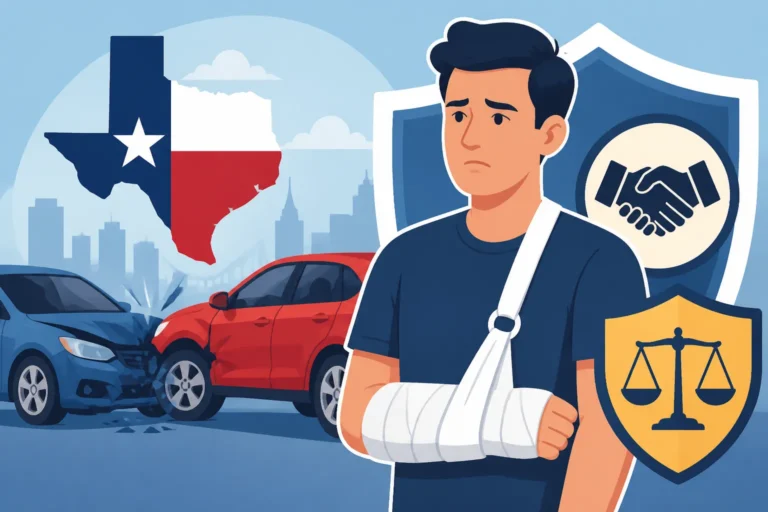
A sideswipe accident, while sometimes appearing less severe than a head-on collision or a T-bone, can leave you feeling disoriented and wondering if you're truly okay. Many people mistakenly think a "minor" brush with another vehicle couldn't possibly cause serious harm, only to find themselves grappling with unexpected pain and complications days or even weeks later. This guide will walk you through the most common injuries sustained in sideswipe accidents, explain why they occur, and help you understand the crucial steps to take to protect your health and well-being.
Understanding Sideswipe Accidents and Their Dynamics
Sideswipe accidents often involve a moment of distraction, a misjudgment of space, or an aggressive maneuver that leads to two vehicles brushing against each other, typically while moving in the same direction. The impact might seem glancing, but the forces at play can be surprisingly violent, leading to significant personal injuries and vehicle damage.
How Sideswipes Happen
Sideswipe collisions commonly occur on multi-lane highways or busy city streets during specific driving scenarios. Think about the bustling lanes of the 405 in Los Angeles or I-95 along the East Coast, where drivers are constantly merging or attempting quick lane changes. One of the most frequent causes is an unsafe lane change, where a driver fails to check their blind spot, or simply tries to squeeze into a space that isn't there. Similarly, when vehicles are merging onto a highway, say from an on-ramp onto a busy stretch like I-35 in Texas, inadequate signaling or a miscalculation of speed and distance can result in a sideswipe.
The physics behind these crashes are what make the injuries so unpredictable. Unlike a direct frontal or lateral impact, a sideswipe often involves a combination of shearing, rotational, and lateral forces. Your body might be jolted sideways, then twisted, and then subjected to a sudden stop or secondary impact if your vehicle swerves. This complex motion can wreak havoc on the delicate structures of your neck, back, and limbs, even if the vehicle damage seems relatively minor. It's not always about the crushing force, but the rapid, abnormal movements inflicted upon your body.
The Unexpected Nature of Sideswipe Injuries
It's a common and understandable reaction after a sideswipe to feel a surge of adrenaline, perhaps a bit of shock, but then to breathe a sigh of relief that it "wasn't worse." This immediate perception can be incredibly misleading. Because the vehicles are often moving in the same direction, and the initial impact might feel more like a scrape than a crunch, victims might dismiss their symptoms or assume they're just "shaken up." This is a dangerous assumption.
Even at seemingly low speeds, the sudden jolt of a sideswipe can cause significant soft tissue injuries. The forces involved can rapidly accelerate and decelerate your head and body, stretching ligaments, tendons, and muscles beyond their normal range. For example, your head might be thrown sharply to the side and then rebound, causing a classic whiplash injury even if your vehicle didn't spin out. The lateral motion can also cause your body to collide with the interior of your car, such as the door panel, center console, or even another passenger, leading to bruising, sprains, or even fractures. Never underestimate the potential for injury just because the accident "looked minor" to you or others.
Common Physical Injuries from Sideswipe Collisions
Sideswipe accidents, despite their often underestimated severity, can lead to a range of physical injuries. These injuries typically stem from the sudden, often unexpected, lateral and rotational forces exerted on the body during impact.
Neck and Back Injuries
The neck and back are particularly vulnerable in sideswipe collisions due to the twisting and jarring motions involved. Many people assume rear-end collisions are the primary cause of neck and back issues, but the lateral forces in a sideswipe can be just as, if not more, damaging.
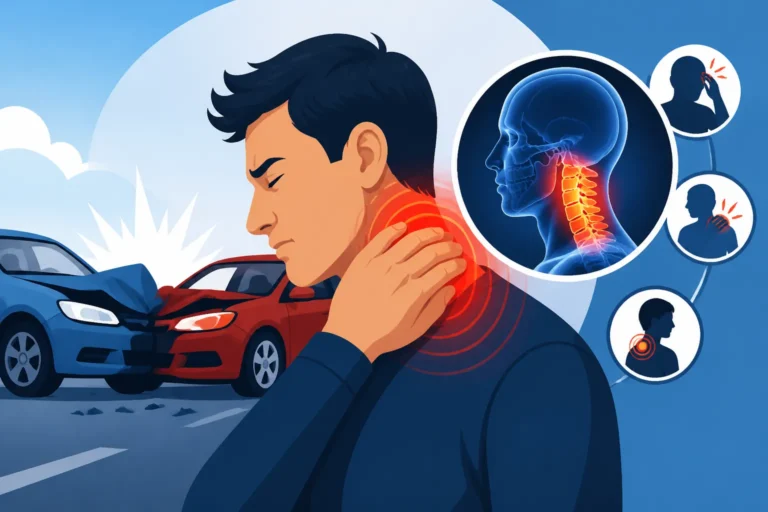
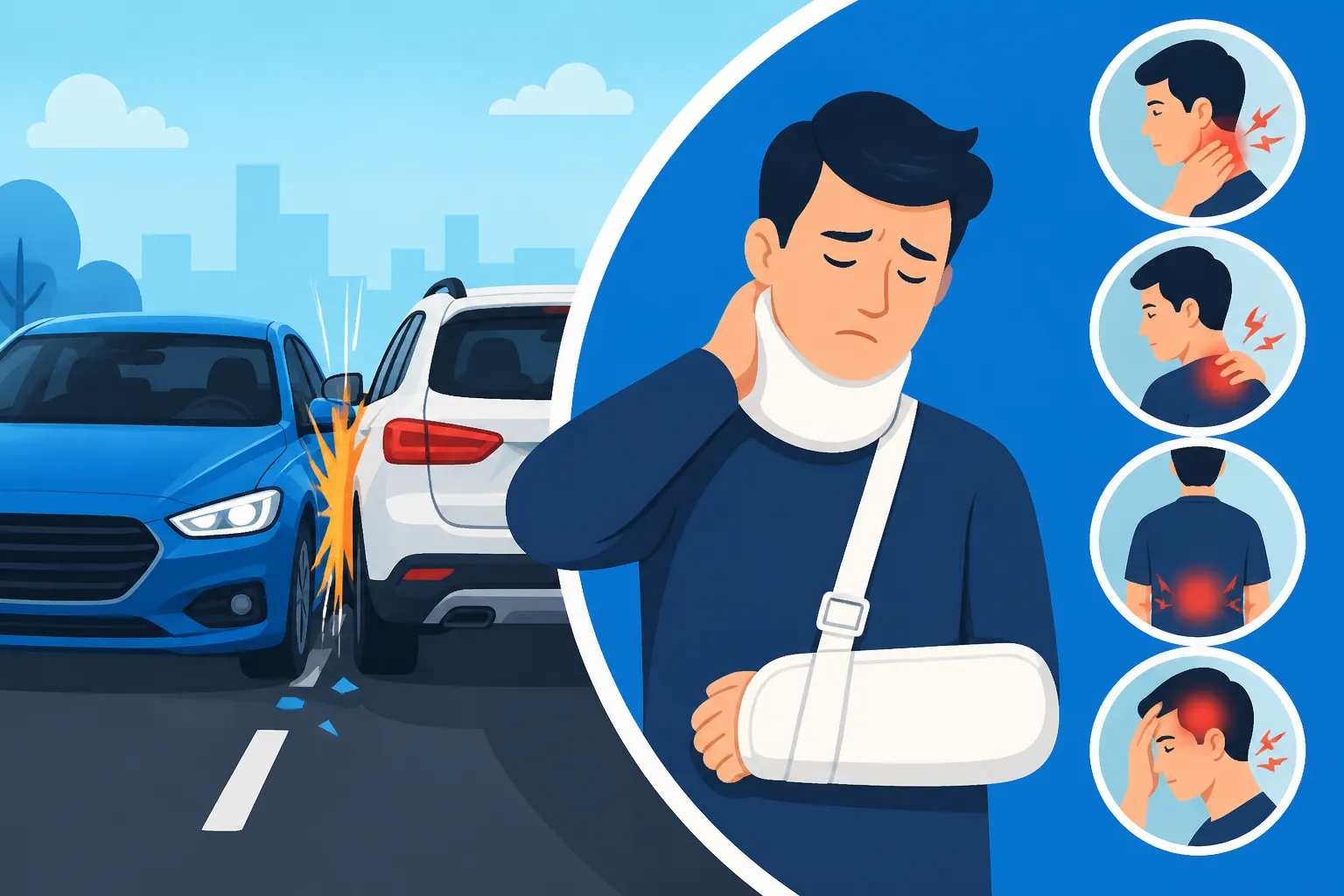
One of the most common complaints is whiplash, a non-medical term describing a collection of symptoms resulting from the rapid back-and-forth movement of the head and neck. In a sideswipe, your head can be violently thrown to the side, then snap back, leading to stretched or torn muscles and ligaments in the neck. Symptoms like neck pain, stiffness, headaches, dizziness, and shoulder pain can manifest immediately or develop over several days. Understanding Whiplash Symptoms After a Car Accident is crucial for proper diagnosis and treatment. This jolt can also affect the alignment of the cervical spine, leading to long-term discomfort if not properly addressed.
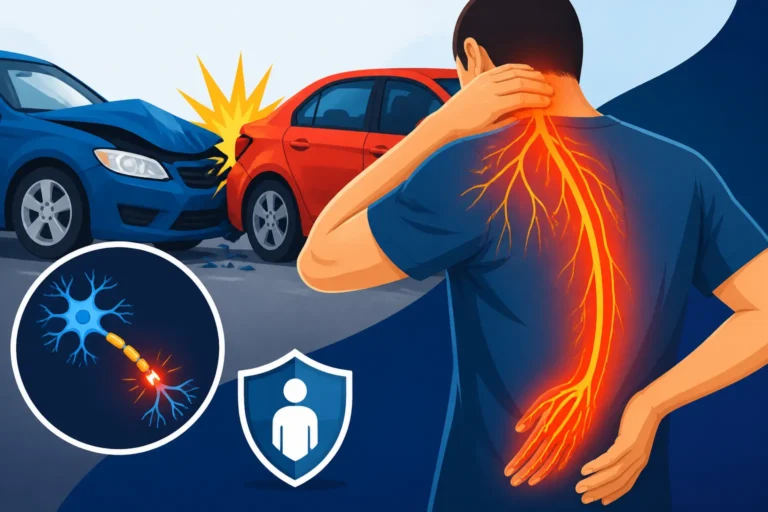
Beyond whiplash, the spine can suffer more severe damage. The rotational stress on the torso and lower back can cause or exacerbate a herniated disc. This occurs when the soft, jelly-like center of a spinal disc pushes through a tear in its tougher exterior, potentially compressing nearby nerves. This can result in sharp, radiating pain, numbness, or weakness in the arms, hands, legs, or feet. For those experiencing these symptoms, seeking medical attention for a potential Herniated Disc From a Car Accident is paramount. Less severe but equally painful are general muscle strains and sprains in the back. These often feel like a deep, aching pain and can significantly limit mobility, making simple tasks like bending or lifting incredibly challenging. These types of injuries can sometimes be delayed, making it harder to link them directly to the accident if you don't seek prompt medical evaluation.
Shoulder, Arm, and Leg Injuries
The force of a sideswipe accident often pushes occupants against the side of the vehicle or causes them to brace instinctively, leading to injuries in the extremities. The body’s natural reaction to brace for impact, or the direct impact of the vehicle's interior, can result in a variety of painful conditions.
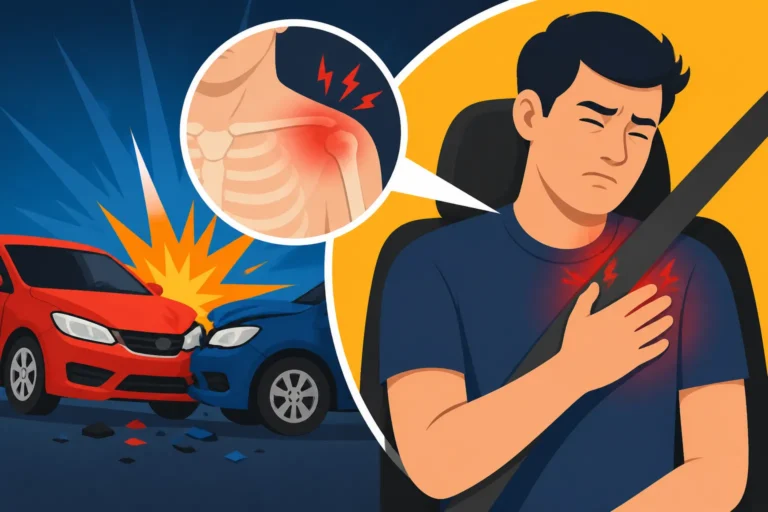
Seatbelt injuries are a frequent occurrence. While seatbelts are life-saving devices, the intense pressure they exert during a sudden stop or lateral impact can cause significant bruising across the chest and abdomen. More seriously, the force can lead to fractured ribs or even a broken collarbone, particularly on the side closest to the impact. If you've ever had a seatbelt lock up on you, imagine that force amplified, twisting your body against the belt. It's not just a superficial bruise; the underlying tissues and bones can be deeply affected. It is important to remember that Seatbelt Injuries After a Crash can range from minor contusions to severe internal trauma.
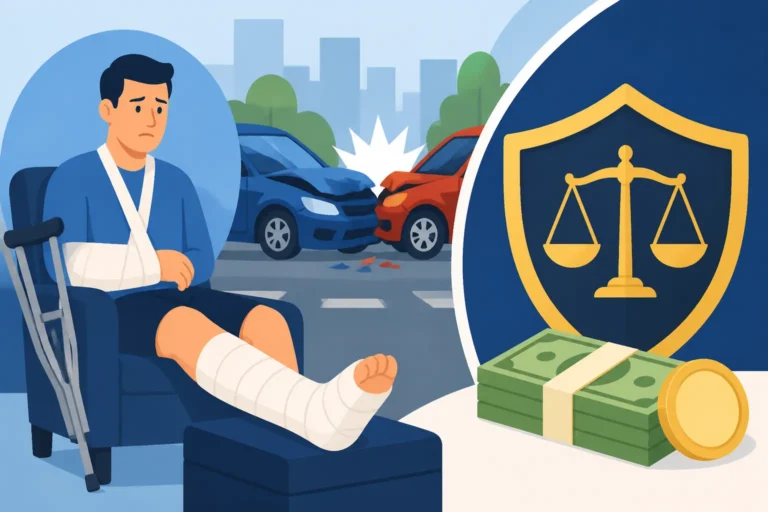
Direct impact with the vehicle's door panel can lead to severe injuries to the shoulder, arm, or hip. If the side of your car is significantly crushed inwards during the sideswipe, your shoulder, elbow, or hip could sustain a direct blow, resulting in fractures, dislocations, or deep tissue contusions. For instance, a rotator cuff tear in the shoulder, or a fracture of the humerus or femur, could result from such a direct impact. Similarly, your knees and legs can be injured from striking the dashboard, steering column, or even the door itself. A sudden lateral movement might throw your knee into the center console or underneath the dashboard, causing injuries like a fractured kneecap, torn meniscus, or ligament damage. These can be particularly debilitating and often require extensive recovery. Prompt medical assessment of any Knee Injuries in Car Accidents is essential to prevent long-term complications.
Head Injuries and Concussions
Even in what might seem like a "minor" sideswipe, the rapid movement of your head or direct impact can lead to head injuries, ranging from mild concussions to more serious traumatic brain injuries (TBIs). The brain is a delicate organ suspended in fluid, and any sudden, violent movement can cause it to strike the inside of the skull.
During a sideswipe, your head might hit the side window, the roof, the steering wheel, or even the headrest with considerable force. This impact can cause a concussion, which is essentially a mild traumatic brain injury resulting from the brain moving rapidly inside the skull. Symptoms of a concussion can include headaches, dizziness, confusion, nausea, sensitivity to light or sound, and difficulty concentrating. Sometimes, these symptoms are immediate, but often, they can be delayed, appearing hours or even days after the accident. Because of this delay, it's vital to be aware of Concussion Symptoms After a Car Accident and seek medical attention if you experience any of them, even if you initially felt fine.
Beyond direct impact, the sheer whipping motion of the head in a sideswipe can also cause a concussion without any direct contact to the head. This "coup-contrecoup" injury occurs when the brain sloshes forward and then backward inside the skull, causing bruising and damage. Any change in mental state, confusion, memory issues, or persistent headaches warrant immediate medical evaluation. It's a misconception that you need to lose consciousness to have sustained a serious head injury. Many concussions occur without a loss of consciousness, and their effects can be long-lasting and profoundly impact your daily life.
Hidden and Delayed Symptoms You Can't Ignore
One of the most insidious aspects of car accident injuries, especially in sideswipes that might not initially seem catastrophic, is the way symptoms can creep up on you. Adrenaline is a powerful natural painkiller and can mask serious issues for hours, days, or even weeks. Ignoring these subtle or delayed signs can have severe long-term health consequences and complicate any potential car accident claim.
The Insidious Nature of Delayed Onset
It’s almost a cliché, but it’s true: after a car accident, your body is flooded with adrenaline. This natural physiological response is designed to help you cope with immediate danger, but it also effectively masks pain and injury. You might feel fine at the scene, exchanging insurance information and convincing yourself that you merely experienced a jolt. However, as the adrenaline subsides over the next 24 to 72 hours, reality often sets in. What started as a vague stiffness can escalate into debilitating pain.
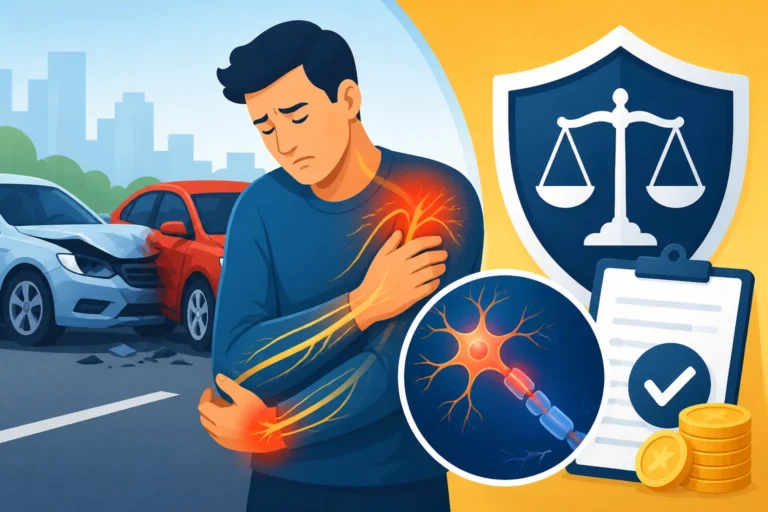
Consider Sarah, who was sideswiped on her way to work on Interstate 5. She felt a bump and a scrape, her car veered slightly, but she managed to regain control. She thought nothing of the slight crick in her neck at the scene. Two days later, however, she woke up with an excruciating headache, radiating pain down her arm, and numbness in her fingers. This wasn't just a minor crick; it was likely nerve compression or a significant soft tissue injury that the initial adrenaline surge had concealed. This delayed presentation is why it is absolutely critical to understand Delayed Injury Symptoms After a Car Accident and to get checked out by a medical professional as soon as possible, even if you initially feel fine. Symptoms like stiffness, soreness, headaches, dizziness, numbness, tingling, or even subtle changes in vision or hearing can all be signs of serious underlying injuries that weren't immediately apparent.
Psychological and Emotional Impact
While physical injuries are often the primary focus after an accident, the psychological and emotional toll can be just as, if not more, debilitating. Being involved in any car accident, even a relatively minor sideswipe, is a traumatic event. It's an unexpected invasion of your personal safety and can shatter your sense of security on the road.
Many individuals develop Post-Traumatic Stress Disorder (PTSD) or severe anxiety after a car accident. This might manifest as flashbacks, nightmares, heightened irritability, or an overwhelming fear of driving or being a passenger. You might find yourself avoiding the routes where the accident occurred, or even avoiding driving altogether. This can significantly impact your independence, career, and social life. It's not uncommon for people to experience sleep disturbances, difficulty concentrating, or a general feeling of being "on edge." These emotional injuries are very real and require professional attention. For more insights into these effects, exploring PTSD and Emotional Distress After a Car Accident can be incredibly helpful. The emotional distress can also manifest physically, contributing to chronic pain, tension headaches, and fatigue, creating a vicious cycle that is hard to break without intervention.
What to Do After a Sideswipe Accident to Protect Your Health and Claim
The moments immediately following a sideswipe accident, and the days and weeks that follow, are crucial not only for your physical and emotional recovery but also for protecting any potential car accident claim you might have. Taking the right steps from the outset can make a significant difference in the long run.
Prioritizing Medical Evaluation
Your health is paramount. Even if a sideswipe seems minor and you feel fine immediately after, the potential for delayed injuries means you should always seek medical attention. Think of it as a proactive measure, not an overreaction. After ensuring everyone is safe and emergency services have been contacted if needed, make it a priority to get checked out by a doctor.
First, if you suspect any serious injury or feel disoriented at the scene, call 911 or ask someone to do so for you. Paramedics can assess you on-site. If you don't go to the hospital from the scene, make an appointment with an urgent care clinic or your primary care physician within 24-48 hours. Explain exactly what happened and every single symptom you're experiencing, no matter how minor. Be thorough, even mentioning the slight ache in your shoulder or the headache that comes and goes. The doctor can order appropriate diagnostic tests, such as X-rays, CT scans, or MRIs, to identify hidden injuries. Following their treatment plan diligently is also key. For a comprehensive guide on post-accident steps, refer to What to Do After a Car Accident: Step-by-Step (2027). Your medical records are the bedrock of proving your injuries and their connection to the accident, so don't delay. It is important to know Why You Should See a Doctor After a Car Accident.
Gathering Evidence and Documentation
After an accident, the more information you can gather, the better equipped you'll be to handle the aftermath. This documentation serves a dual purpose: it supports your claim and helps you track your recovery journey.
At the scene, if it's safe to do so, take photos of both vehicles from multiple angles, including the point of impact, and capture any debris or skid marks. Exchange contact and insurance information with the other driver. If there were witnesses, get their contact details. Always cooperate with the police and ensure a police report is filed, even for seemingly minor sideswipes, as it can be critical in determining How Fault Is Determined in a Car Accident. Don't admit fault at the scene, even if you think you might be partly to blame. Once you're receiving medical care, maintain a detailed pain journal. Note your symptoms, their severity, how they impact your daily life, and any medications or treatments you're receiving. Keep all medical bills, prescription receipts, and records of lost wages if you have to miss work. These documents, particularly How Medical Records Prove Your Injuries, are essential for proving the extent of your damages. Remember that every detail contributes to building a clear picture of your experience and can significantly impact your Car Accident Claim Timeline: What to Expect.
Here's a quick overview of common sideswipe injuries and their characteristics:
| Injury Type | Common Symptoms | Typical Mechanism in Sideswipe | Recovery Timeline (General) | Potential Impact on Claim |
|---|---|---|---|---|
| Whiplash (Neck Sprain) | Neck pain, stiffness, headaches, dizziness | Rapid head/neck movement | Weeks to months | High (Pain & Suffering) |
| Herniated Disc | Radiating pain, numbness, weakness (back/limbs) | Rotational torso forces | Months to over a year | High (Medical, Pain) |
| Muscle Strains/Sprains | Localized pain, swelling, reduced mobility | Sudden jolt, bracing | Days to several weeks | Moderate |
| Shoulder Injury | Pain, limited range of motion (rotator cuff) | Direct impact to door, bracing | Weeks to many months | High (Surgery, Therapy) |
| Knee Injury | Pain, swelling, instability (ligament tears) | Impact with dashboard/console | Weeks to many months | High (Surgery, Therapy) |
| Concussion | Headaches, confusion, dizziness, sensitivity | Head impact or rapid brain movement | Weeks to months | High (Cognitive issues) |
| Seatbelt Bruising | Redness, tenderness, soreness across chest | Seatbelt restraining body | Days to weeks | Low (Property damage) |
| Emotional Distress | Anxiety, PTSD, fear of driving, sleep issues | Traumatic event | Months to years | High (Therapy, long-term) |
Disclaimer
Please remember that this article provides general information and is not a substitute for professional legal or medical advice. Every car accident case is unique, and the information presented here may not apply to your specific situation. If you have been involved in a car accident, it is highly recommended to consult with a qualified medical professional for diagnosis and treatment, and a legal professional to understand your rights and options.