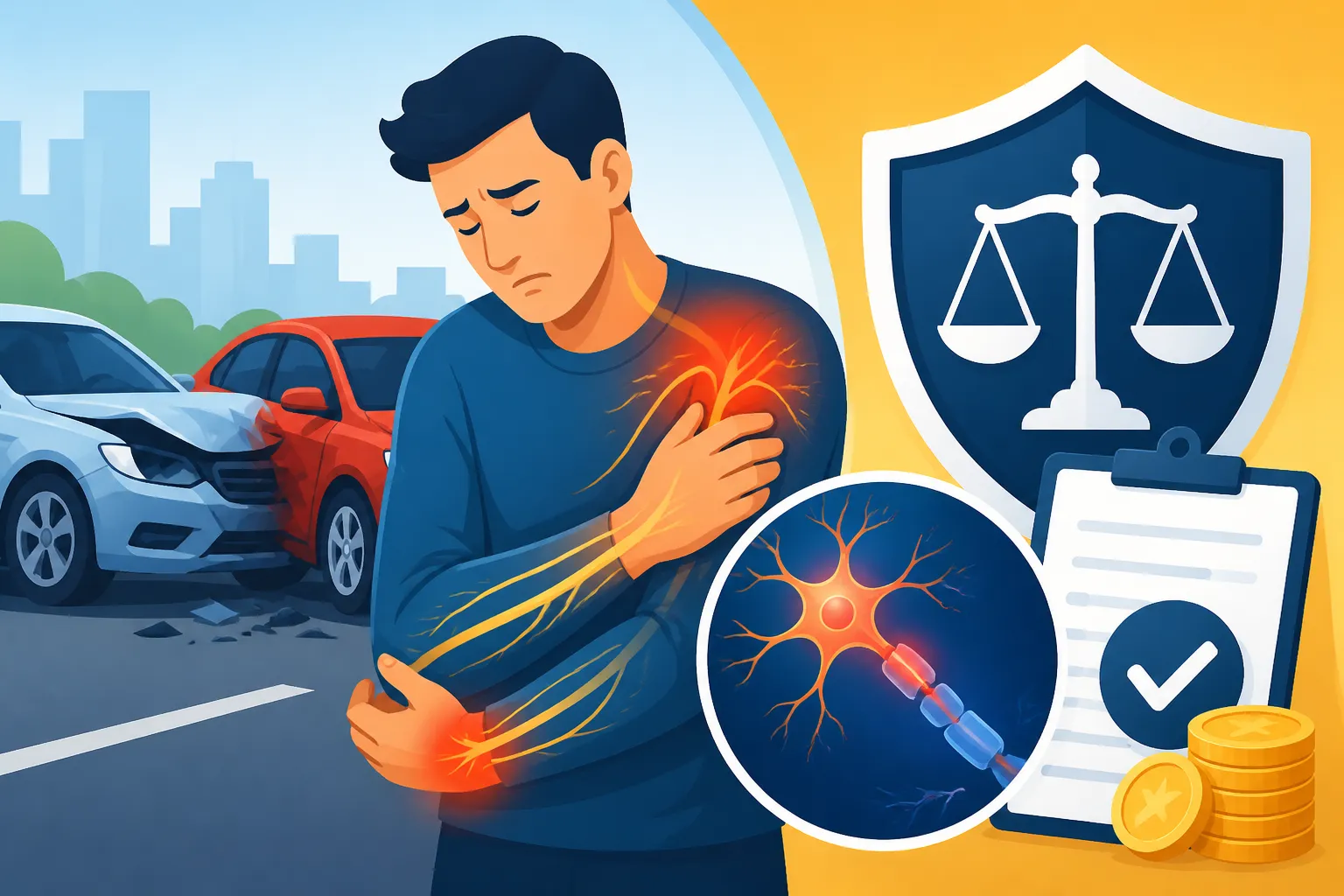
Claiming Compensation for Nerve Damage in California
Experiencing nerve damage after a car accident is incredibly frightening and often profoundly debilitating. It's not always obvious right away, and when those burning sensations, numbness, or shooting pains finally appear, they can turn your world upside down, leaving you wondering how you'll ever get back to normal. This guide is here to walk you through the complexities of claiming compensation for nerve damage in California, helping you understand your rights and the steps you need to take.
Understanding Nerve Damage After a Car Accident
Car accidents, even seemingly minor ones, can exert tremendous forces on the body, leading to a host of injuries, including damage to the intricate network of nerves that control everything from your movement to your sense of touch. When these delicate nerves are impacted, the consequences can be life-altering, creating a cascade of discomfort and functional limitations.
Types of Nerve Damage and Common Symptoms
Nerve damage, medically known as neuropathy, can manifest in several ways, each with its own set of challenges. It's not a one-size-fits-all injury, and understanding the specific type you're dealing with can be crucial for your medical treatment and, ultimately, your legal claim.
- Neuropraxia: This is often the mildest form of nerve injury, where the nerve is stretched or compressed, but the nerve sheath remains intact. Think of it like a temporary "stunning" of the nerve. Symptoms can include temporary numbness, tingling, or weakness. For instance, if you experience a sharp jolt in a rear-end collision, your neck nerves might be compressed, leading to a temporary "pins and needles" sensation in your arm that often resolves within weeks or months. While it might sound mild, the discomfort can still be significant, impacting daily activities and sleep.
- Axonotmesis: This type of damage is more severe. Here, the nerve fibers (axons) are damaged, but the connective tissue sheath around the nerve remains mostly intact. Recovery is possible, but it takes much longer – often months or even years – as the nerve has to regenerate. Imagine a nerve in your leg being severely stretched or crushed during a collision, leading to persistent muscle weakness or a dull, constant ache. This can make walking, standing, or even sitting for long periods excruciatingly difficult, fundamentally altering your lifestyle and ability to work.
- Neurotmesis: This is the most severe form of nerve damage, where the nerve itself is completely severed or disrupted, including the protective sheath. Without surgical intervention, the chances of full recovery are often limited, and permanent disability is a real concern. A direct impact to a limb or a penetrating injury in the accident could cause such a severe tear. For someone experiencing neurotmesis, they might face complete paralysis or loss of sensation in the affected area, transforming their independence and requiring extensive, long-term care and adaptive equipment.
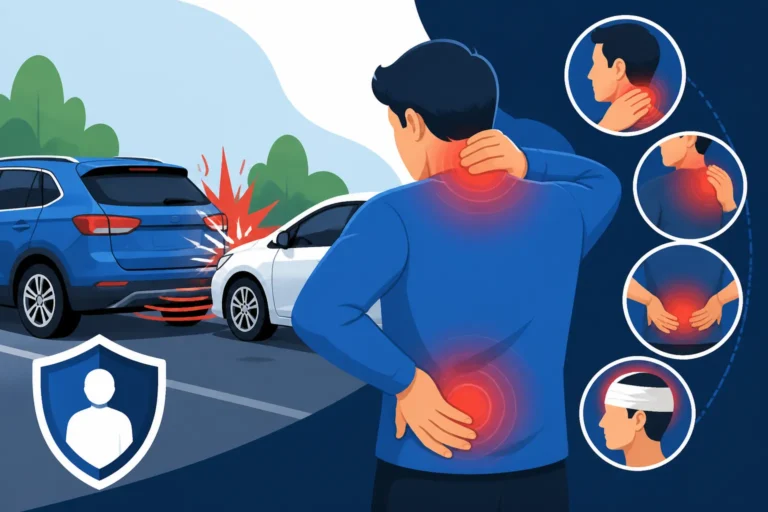
Common symptoms across these types can include a persistent tingling or "pins and needles" sensation, numbness, burning pain that might shoot down a limb, muscle weakness, muscle atrophy over time, increased sensitivity to touch, loss of reflexes, or even paralysis in severe cases. These symptoms can range from a minor annoyance to a debilitating condition that affects your ability to work, sleep, or enjoy your life. Recognizing these signs early is paramount.
The Silent Threat: Delayed Symptoms and Diagnosis Challenges
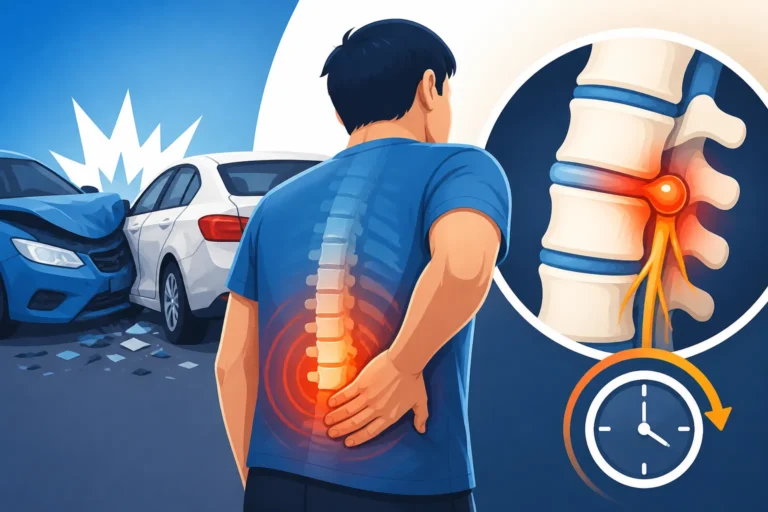
One of the most frustrating aspects of nerve damage is its propensity for delayed onset. You might walk away from a car accident feeling a bit shaken, maybe some bumps and bruises, but otherwise "fine." Then, days, weeks, or even months later, a persistent numbness or a sharp, inexplicable pain begins to emerge. This delay can make people question if their new symptoms are truly related to the accident, and it often makes insurance adjusters highly skeptical.
Think of Maria, who was involved in a moderate T-bone accident where she initially only felt general soreness. A few weeks later, she started experiencing a burning sensation that traveled down her left arm and into her fingers. This was perplexing and alarming because it wasn't there immediately after the crash. The delay often happens because inflammation might build up slowly, or nerve compression might worsen over time due to swelling or shifting tissues. When symptoms do appear, diagnosing nerve damage can be tricky. It's not always visible on standard X-rays, which primarily show bones. Doctors might need to perform specialized diagnostic tests, such as Electromyography (EMG) and Nerve Conduction Studies (NCS), to pinpoint the exact location and severity of the nerve injury. Magnetic Resonance Imaging (MRI) scans can also reveal soft tissue damage that might be impinging on nerves. The diagnostic process can be lengthy and frustrating, requiring multiple appointments with specialists like neurologists or orthopedic surgeons. This uncertainty and the need for extensive testing can add significant stress to an already difficult situation. It’s why it’s always recommended to see a doctor after an accident, even if you feel okay at first, as highlighted in our guide on Why You Should See a Doctor After a Car Accident.
Proving Nerve Damage for Your California Claim
Proving nerve damage is one of the most crucial, and often challenging, steps in any car accident claim. Unlike a broken bone that clearly shows on an X-ray, nerve injuries can be more elusive, making robust documentation and expert testimony absolutely essential. In California, where the stakes can be high, providing clear, undeniable evidence is paramount to receiving the compensation you deserve.
The Critical Role of Medical Documentation
Medical records are the backbone of any personal injury claim, and for nerve damage, they are your strongest allies. Every doctor's visit, every symptom reported, every diagnostic test, and every treatment plan becomes a piece of evidence linking your injury directly to the car accident.
Immediately after the accident, seeking medical attention is non-negotiable, even if symptoms are delayed. A primary care physician can start the process, but you will likely be referred to specialists. Neurologists are often key, as they specialize in the nervous system. An orthopedist might also be involved if the nerve damage is related to a spinal or musculoskeletal injury. These specialists can order and interpret critical diagnostic tests.
- Electromyography (EMG) and Nerve Conduction Studies (NCS): These are often considered the gold standard for diagnosing nerve damage. An NCS measures how fast electrical signals move through your nerves, while an EMG evaluates the electrical activity of muscles when they're at rest and when they're contracting. Abnormal results on these tests provide objective evidence of nerve dysfunction, helping to show the extent and location of the damage.
- Magnetic Resonance Imaging (MRI): While EMGs and NCS directly assess nerve function, an MRI can reveal the underlying cause of nerve compression or impingement, such as a herniated disc, spinal stenosis, or swelling from soft tissue injuries. Seeing a physical cause on an MRI can significantly strengthen your claim.
- Medical Reports and Doctor's Notes: Detailed notes from your treating physicians outlining your symptoms, their professional opinion on the cause of your injury, your prognosis, and any limitations you face are invaluable. Consistent reporting of pain levels, functional limitations, and how the injury affects your daily life will paint a clear picture for the insurance company or court. Remember, a consistent history, without gaps in treatment, helps to demonstrate the ongoing severity of your condition.
Without this comprehensive and consistent medical documentation, it becomes significantly harder to assert the validity and severity of your nerve damage, making it easier for insurance companies to dispute your claim. This is a common pitfall people face, and our guide on How to Prove Injuries in a Car Accident Claim offers more detailed advice.
Linking the Accident to Your Nerve Injury (Causation)
In California, it’s not enough to simply have nerve damage after an accident; you must prove that the car accident was the direct cause of your nerve damage, or at least significantly exacerbated a pre-existing condition. This is known as establishing "causation," and it's a fundamental legal principle in personal injury claims.
Insurance companies are notorious for trying to argue that your nerve damage existed before the accident, or that it was caused by something else entirely. They might suggest it's a natural part of aging, a sports injury, or even a genetic predisposition. This is where the thorough medical documentation mentioned above becomes your shield. Your medical records should clearly show:
- Absence of prior symptoms: If you had no nerve damage symptoms before the accident, and they began shortly after, this helps establish a strong link.
- Acute onset: Medical notes should ideally indicate an acute injury or the rapid onset of symptoms following the crash.
- Mechanism of injury: Expert testimony from an accident reconstructionist or your treating physician can explain how the forces of the collision could realistically have caused your specific nerve injury. For example, a sudden forceful impact could cause a herniated disc to press against a spinal nerve, leading to sciatica.
It’s often necessary to have a medical expert, typically your treating neurologist, provide a report or testimony explicitly stating that, to a reasonable degree of medical certainty, your nerve damage was caused by or directly aggravated by the car accident. This expert opinion can be a game-changer in proving causation and securing your rightful compensation. The concept of What Is Proximate Cause in a Car Accident Claim? delves deeper into this legal standard.
Types of Compensation You Can Claim for Nerve Damage in California
When you're dealing with nerve damage, the financial strain can be overwhelming, alongside the physical and emotional toll. Fortunately, California law allows accident victims to seek compensation for various losses, broadly categorized into economic and non-economic damages. Understanding these categories is essential for ensuring you claim everything you are entitled to.
Economic Damages: Covering Your Tangible Losses
Economic damages are the calculable, out-of-pocket expenses and financial losses you incur directly because of your nerve damage. These are often easier to quantify with receipts, invoices, and pay stubs.
- Medical Bills: This is usually the largest component of economic damages for nerve damage. It includes everything from emergency room visits, ambulance fees, diagnostic tests (EMG, MRI), specialist consultations (neurologists, physical therapists, pain management doctors), surgeries, hospital stays, and prescription medications. Crucially, it also covers future medical expenses if your nerve damage requires ongoing treatment, rehabilitation, or future surgical interventions. For example, if your neurologist predicts you'll need regular physical therapy for the next five years or a nerve block procedure annually, those costs will be included.
- Lost Wages and Earning Capacity: If your nerve damage prevents you from working, or reduces your ability to work, you can claim compensation for both past and future lost income.
- Past Lost Wages: This covers the income you missed from the date of the accident until the present due to your injury and recovery.
- Future Lost Earning Capacity: This is for situations where your nerve damage leads to a permanent disability or long-term limitation that prevents you from returning to your previous job, or requires you to take a lower-paying position. For example, if you were a skilled carpenter whose nerve damage in your hand prevents fine motor control, you might no longer be able to perform your trade. This loss of future earning potential is a significant component of your claim, often requiring vocational experts and economists to calculate. Our article on How Lost Wages Are Calculated in a Settlement provides more insight.
- Rehabilitation and Therapy Costs: This includes physical therapy, occupational therapy, and sometimes even vocational rehabilitation if you need to retrain for a new career. These costs are critical for recovery and managing long-term symptoms.
- Assistive Devices: If your nerve damage necessitates the use of crutches, a wheelchair, braces, or other medical equipment, the cost of these items is recoverable.
- Travel Expenses: Don't forget the mileage and parking fees incurred for traveling to and from doctor's appointments, therapy sessions, and other medical-related visits. While seemingly minor individually, these can add up significantly over time.
Collecting and meticulously organizing all bills, receipts, and wage statements is crucial for proving these economic damages.
Non-Economic Damages: Addressing Intangible Suffering
Non-economic damages are far more subjective but no less real. They compensate you for the intangible losses that profoundly impact your quality of life. In California, there is no cap on non-economic damages in most car accident cases, which can be a significant factor for severe nerve damage.
- Pain and Suffering: This is the most recognized non-economic damage. It accounts for the physical pain you've endured, both acute and chronic, as well as the emotional distress caused by your nerve damage. Imagine the constant burning sensation that keeps you from sleeping, or the shooting pain that prevents you from lifting your child. This covers not only past pain but also the anticipated future pain you will experience. Understanding Pain and Suffering: How It's Calculated is key to appreciating its value.
- Emotional Distress: Nerve damage can lead to anxiety, depression, fear, frustration, and even post-traumatic stress disorder (PTSD). The inability to perform daily tasks, the loss of independence, or the constant discomfort can take a severe toll on your mental well-being. This is a very real part of your suffering and is compensable.
- Loss of Enjoyment of Life: This covers the inability to participate in hobbies, recreational activities, or social events that you once enjoyed. If your nerve damage prevents you from gardening, playing with your pets, exercising, or pursuing passions that brought you joy, that loss of enjoyment is a compensable damage. For instance, if you loved hiking in Yosemite, and nerve damage in your leg now makes it impossible, that loss is significant.
- Disfigurement: While less common for nerve damage alone, if your injury required surgery that left scars, or if nerve damage caused muscle atrophy that visibly altered a limb, this can be claimed.
Quantifying non-economic damages is complex. They are often calculated using a "multiplier" method based on the severity of your injuries and the amount of your economic damages. A higher multiplier is typically used for more severe, long-lasting injuries like chronic nerve damage. Expert testimony from your doctors and your personal accounts of how the injury has affected your daily life are critical in establishing the value of these damages.
Understanding California's Comparative Negligence Rule
California operates under a "pure comparative negligence" system. What does this mean for your claim? It means that if you are found to be partially at fault for the accident, your total compensation will be reduced by your percentage of fault.
For example, let's say your nerve damage claim is valued at $100,000, covering all economic and non-economic damages. However, during the investigation, it's determined that you were 20% at fault for the accident (perhaps you were slightly speeding, or didn't react quite quickly enough). Under California's pure comparative negligence rule, your compensation would then be reduced by 20%, meaning you would receive $80,000 instead of the full $100,000.
This rule is extremely important because insurance companies will almost always try to assign some percentage of fault to you, even if it's minimal, to reduce their payout. Even if the other driver was clearly mostly to blame, their insurer will scrutinize every detail to find any contribution on your part. This highlights why it's so important to be careful about what you say at the accident scene and avoid making any admissions of fault. Our guide on What Happens If You're Partially at Fault? offers a more in-depth explanation of this often-confusing aspect of car accident claims.
Navigating the Claims Process for Nerve Damage in California
The claims process after a car accident is rarely straightforward, and when you add complex injuries like nerve damage into the mix, it becomes even more daunting. Knowing what to expect and how to handle key interactions can significantly impact the outcome of your claim in California.
Initial Steps After the Accident Beyond the Scene
While the immediate aftermath of an accident involves safety and information exchange, the steps you take in the days and weeks that follow are critical, especially when nerve damage might be a concern.
First and foremost, seek immediate medical attention. Even if you don't feel severe pain or obvious nerve symptoms, a medical professional can diagnose injuries you might not be aware of. Follow all their recommendations, attend every appointment, and complete all prescribed therapies. Consistency in your medical care creates a clear record that directly links your injury to the accident and demonstrates its severity. Gaps in treatment can be used by insurance companies to argue that your injury wasn't that serious or that you didn't do enough to mitigate your damages.
Beyond your health, ensure the accident is properly documented. File a police report, if one wasn't already made at the scene. In California, accidents resulting in injury or significant property damage generally require a report to the DMV within 10 days using Form SR-1. If you didn't get a police report, check out our guide on What If There Was No Police Report?. Gather contact information for witnesses, take photos and videos of the accident scene, vehicle damage, and any visible injuries. Documenting your experience from day one, including daily pain levels, limitations, and emotional impact, can provide crucial evidence later on. Keep a detailed journal about how your nerve damage affects your life: when the pain is worse, what activities you can no longer do, and how it impacts your sleep or mood.
Dealing with Insurance Companies in California
Once you start the claims process, you'll be interacting with insurance adjusters – both from your own company and the at-fault driver's company. Remember, their primary goal is to settle your claim for the lowest amount possible. They are not on your side, even if they sound friendly and empathetic.
- Be Cautious with Recorded Statements: The other driver's insurance adjuster will almost certainly ask you for a recorded statement. While it might seem harmless, politely decline to give one until you've spoken with a legal professional. Anything you say can be used against you later to devalue your claim, especially concerning vague nerve damage symptoms or pre-existing conditions. You do not have to provide a recorded statement to the at-fault driver's insurance company.
- Don't Accept Early Offers: Insurance companies often make quick, lowball settlement offers, especially if they know you're dealing with a serious injury like nerve damage. They're hoping you'll be stressed and eager to get the process over with. Do not accept any offer until you have reached Maximum Medical Improvement (MMI), meaning your condition has stabilized, and your doctors can give a clear prognosis for your long-term recovery. For nerve damage, this could take a long time, as nerve healing is a slow process.
- Understand How They Value Claims: Insurance companies use various factors to determine settlement amounts, including the severity of your injuries, medical expenses, lost wages, and the extent of non-economic damages. For nerve damage, they'll scrutinize your medical records, looking for inconsistencies, gaps in treatment, or any evidence of pre-existing conditions they can use to deny or reduce your claim. Our guide on How Insurance Companies Determine Who Is at Fault can give you a peek into their process.
- Be Patient, But Persistent: Nerve damage claims can take time. Investigations, extensive medical treatment, and negotiations can prolong the process. Be patient, but also ensure you or your representative are consistently following up and moving the claim forward.
When to Consider Legal Representation
While some minor car accident claims can be handled independently, nerve damage cases are almost always best handled with the guidance of an experienced car accident attorney in California.
- Complexity of Nerve Damage: As we've discussed, nerve damage is complex to diagnose, treat, and prove. A lawyer understands the medical terminology, knows which experts to consult, and can effectively present your evidence. They can also navigate the often-conflicting medical opinions that might arise.
- Maximizing Your Compensation: An attorney knows how to accurately value all your damages, including future medical costs and lost earning capacity, which are particularly significant in nerve damage cases. They understand California's specific laws regarding comparative negligence and can fight to protect your right to full compensation. They can also effectively negotiate with aggressive insurance adjusters, who often try to undervalue nerve damage claims due to their subjective nature.
- Navigating Legal Procedures: If your case doesn't settle and moves to a lawsuit, a lawyer is indispensable. They will handle all the paperwork, court filings, depositions, and trial procedures, ensuring that your rights are protected every step of the way. Understanding the Statute of Limitations for Car Accidents in California is also crucial, and a lawyer will ensure all deadlines are met. Generally, you have two years from the date of injury to file a personal injury lawsuit in California.
- Peace of Mind: Dealing with severe nerve damage is stressful enough. Having a legal professional handle the intricacies of your claim allows you to focus on your recovery without the added burden of fighting with insurance companies or navigating legal jargon. An attorney acts as your advocate, ensuring your voice is heard and your suffering is acknowledged. Our guide on Do You Need a Lawyer for a Car Accident? outlines many scenarios where legal help is crucial.
| Nerve Damage Symptom | Common Medical Tests/Assessments | Purpose |
|---|---|---|
| Numbness, Tingling, Weakness | Nerve Conduction Studies (NCS) | Measures electrical signal speed in nerves, indicating nerve damage or compression. |
| Muscle Weakness, Atrophy | Electromyography (EMG) | Evaluates electrical activity in muscles, detecting nerve damage that affects muscle function. |
| Burning/Shooting Pain | Physical Examination, Sensory Testing | Doctor assesses reflexes, sensation (light touch, temperature, vibration), and muscle strength. |
| Persistent Back/Neck Pain | MRI (Magnetic Resonance Imaging) | Visualizes soft tissues like discs, ligaments, and nerves to identify compression, herniations, or inflammation affecting nerves. |
| Loss of Function/Mobility | Functional Capacity Evaluation (FCE) | Assesses ability to perform work-related or daily tasks, crucial for determining disability and lost earning capacity. |
| Balance Issues, Coordination | Neurological Examination | Comprehensive assessment of brain, spinal cord, and nerve function including balance, gait, and coordination. |
| Swelling, Inflammation | Ultrasound, X-rays (indirectly) | Ultrasound can visualize superficial nerve inflammation. X-rays rule out bone fractures that might be compressing nerves. |
| Chronic Pain, Emotional Impact | Pain Scales, Psychological Evaluations | Subjective reporting combined with professional assessment of pain's impact on quality of life and mental health (e.g., depression). |
Disclaimer
Please remember that the information provided in this article is for general informational purposes only and does not constitute legal advice. Every car accident and nerve damage claim is unique, and the specifics of California law can be complex. You should always consult with a qualified personal injury attorney in California to discuss your individual situation and get advice tailored to your needs.