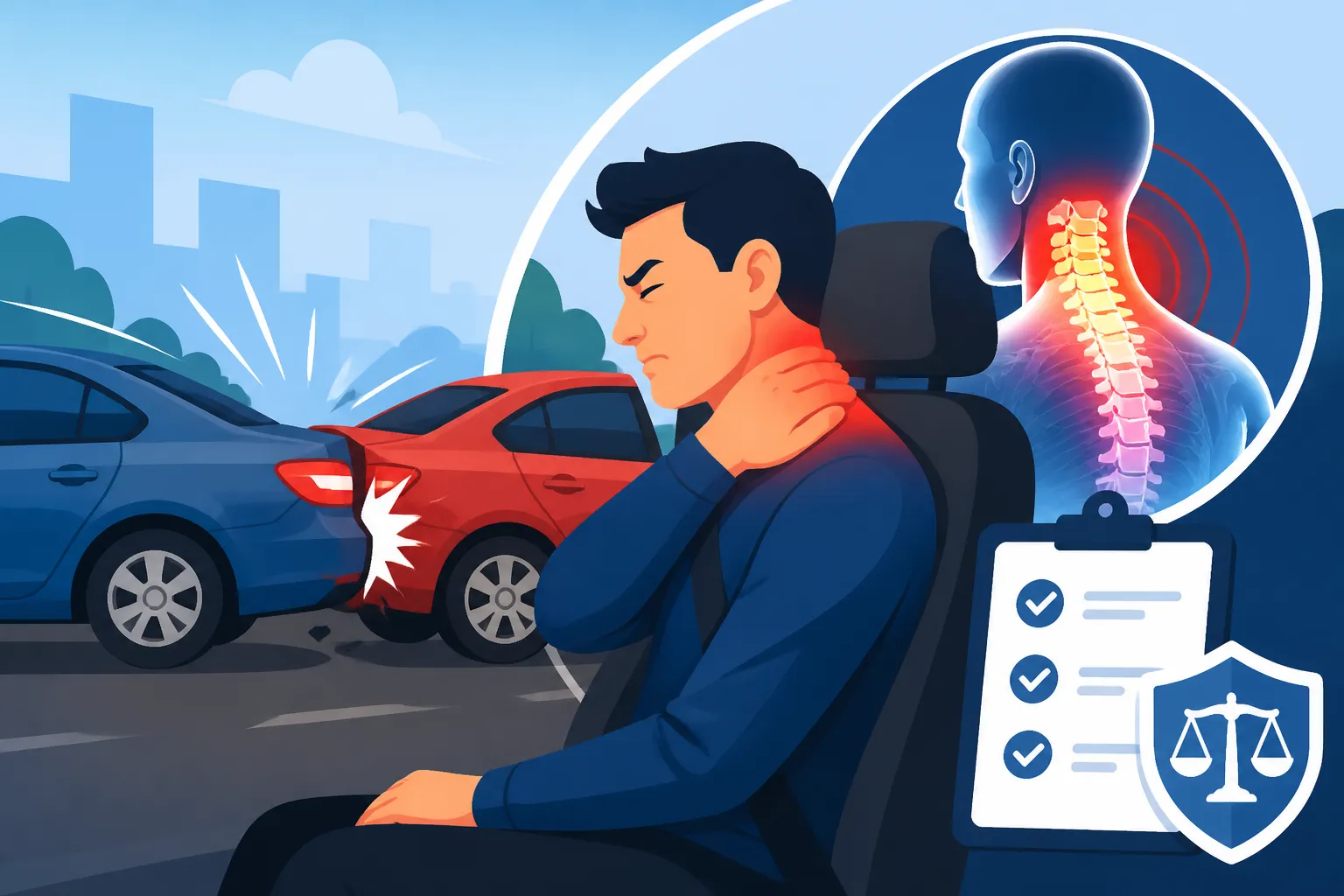
Is Back Injury Common After a Rear-End Collision?
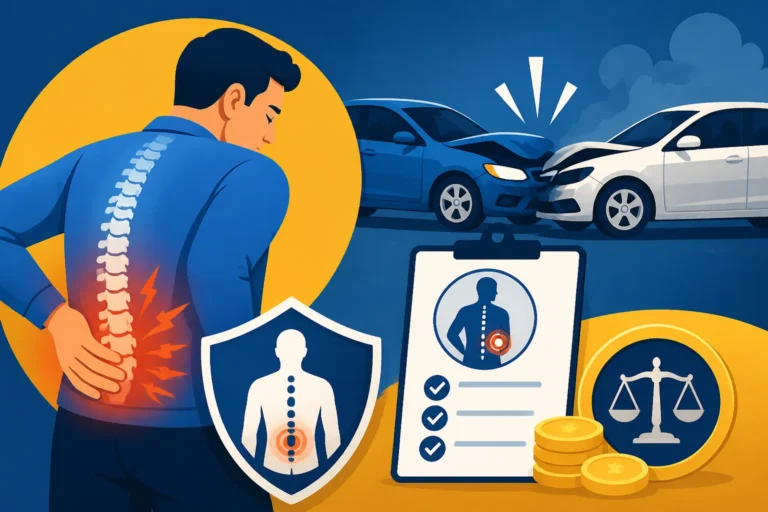
It’s a common, utterly frustrating scenario: you've just been in a rear-end collision, your heart is pounding, you check yourself over, and honestly, you feel fine. Maybe a little shaken, but no immediate pain. Then, a day or two later, a dull ache starts, morphing into sharp, persistent pain in your back. You wonder, "Is this normal? Am I imagining things?" This guide will deep dive into why back injuries are incredibly common after rear-end collisions, what specific types of injuries you might face, and what crucial steps to take next.
The Reality of Back Injuries After a Rear-End Collision
It’s easy to dismiss a rear-end collision, especially if it felt like a minor bump. However, the forces involved, even at seemingly low speeds, can wreak havoc on your body, particularly your spine. The mechanics of these crashes are almost perfectly designed to injure the delicate structures of your back.
Why Rear-End Collisions Target the Back
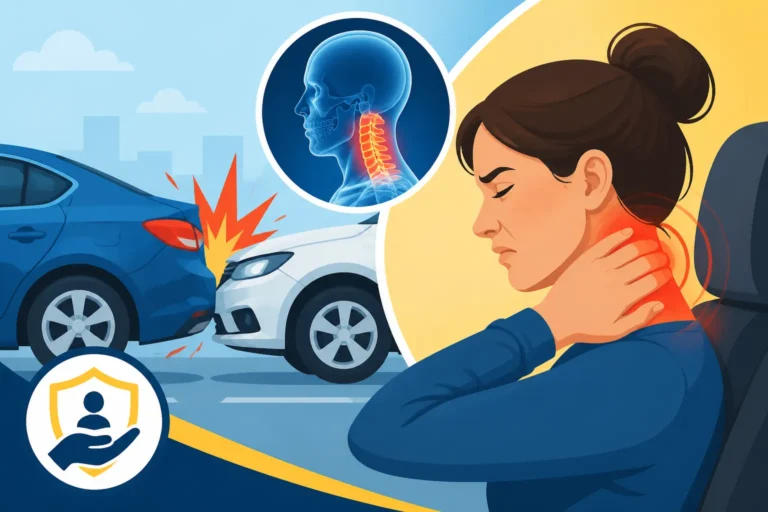
When your vehicle is struck from behind, your body is subjected to a rapid, violent acceleration forward, followed almost immediately by deceleration as your seatbelt and the car's structure arrest your motion. This isn't a gentle push; it's a sudden, whip-like motion that can overextend and compress your spine in ways it's not designed to handle.
Think about it: your car is suddenly propelled forward, but your body, due to inertia, initially wants to stay put. Then, your seat and seatbelt push your torso forward, while your head, initially, snaps backward and then slingshots forward. This complex motion doesn't just affect your neck; the entire spinal column, from your cervical (neck) to your thoracic (mid-back) and lumbar (lower back) regions, absorbs this incredible stress. The lower back, in particular, can be twisted, compressed, and stretched, causing muscles to strain, ligaments to tear, and even discs to shift. Your body’s natural instinct to brace for impact can sometimes worsen these injuries, tensing muscles just before the jolt.
Common Symptoms and Delayed Onset
One of the most insidious aspects of back injuries from rear-end collisions is their tendency to manifest after the initial shock wears off. Many people report feeling absolutely fine at the scene, only for significant pain to set in hours or even days later. This delayed onset is incredibly common and often leads people to question if their pain is truly related to the accident.
There are several reasons for this delay. First, adrenaline is a powerful natural painkiller. In the immediate aftermath of a crash, your body floods with stress hormones that can mask pain, making you feel deceptively okay. Second, it takes time for inflammation to build up around injured tissues. As swelling increases, it can put pressure on nerves and surrounding structures, leading to pain, stiffness, and reduced mobility. Finally, some injuries, like minor muscle tears or disc bulges, might not cause immediate debilitating pain but rather a gradual increase in discomfort as you move and put stress on the compromised area.
Common symptoms to look out for in the days following a rear-end collision include:
- Localized pain: A sharp or dull ache in a specific area of your back (lower back is most common, but mid-back pain is also possible).
- Stiffness and reduced range of motion: Difficulty bending, twisting, or straightening your back, especially in the mornings.
- Radiating pain: Pain that travels down your leg (sciatica) or into your buttocks, indicating potential nerve involvement.
- Numbness or tingling: A pins-and-needles sensation in your legs or feet.
- Muscle spasms: Involuntary tightening of back muscles.
- Weakness: A feeling of weakness in your legs or feet.
If you experience any of these symptoms, even if they appear mild at first, it's crucial to take them seriously. Understanding Delayed Injury Symptoms After a Car Accident is key to protecting your health and your potential claim.
Specific Types of Back Injuries You Might Experience
The human spine is a marvel of engineering, but it’s not indestructible. Rear-end impacts can lead to a range of back injuries, from relatively minor soft tissue damage to severe structural problems that require extensive medical intervention.
Whiplash-Associated Disorders (WAD) and the Lumbar Spine
When most people hear "whiplash," they immediately think of neck injuries. And it's true, whiplash, or more accurately, What Is Whiplash? Symptoms, Treatment & Claims, is very common in the cervical spine after a rear-end collision. However, the same rapid, forceful movements that affect the neck can also cause similar injuries in the lower back, sometimes referred to as "lumbar whiplash" or whiplash-associated disorders (WAD) in the lumbar region.
These injuries primarily involve the soft tissues of your lower back, including:
- Muscle Strains: Overstretching or tearing of the muscles supporting your spine. This can cause localized pain, tenderness, and muscle spasms. Imagine trying to lift something heavy with poor form; the sudden jolt of a rear-end crash is like that, but much more aggressive.
- Ligament Sprains: Ligaments are tough, fibrous bands that connect bones to each other, providing stability to your spinal joints. A sprain occurs when these ligaments are stretched or torn. Ligament injuries often take longer to heal than muscle strains and can lead to instability if severe. The facet joints, small joints connecting the vertebrae, are particularly vulnerable to ligament damage in a whiplash type injury.
While these are often considered "soft tissue injuries," they can be incredibly painful and debilitating, affecting your ability to perform daily tasks, sleep comfortably, and even sit or stand for extended periods.
Disc-Related Injuries
Your spinal discs are the spongy cushions between your vertebrae, acting as shock absorbers. Each disc has a tough outer layer (annulus fibrosus) and a soft, gel-like center (nucleus pulposus). The forces of a rear-end collision can put immense pressure on these discs, leading to various problems.
- Bulging Discs: This occurs when the outer wall of the disc weakens and protrudes outward, often putting pressure on nearby nerves. A bulging disc is like an overinflated tire where the rubber pushes out but doesn't completely rupture. Symptoms can range from localized back pain to pain radiating down the leg if a nerve root is compressed.
- Herniated Discs (Slipped Discs): A more severe form of disc injury, a herniated disc happens when the outer layer of the disc tears, allowing the inner, gel-like material to push out or "herniate." This material can then directly press on spinal nerves, causing intense pain, numbness, tingling, and weakness, often extending into the legs (sciatica). Healing from a Herniated Disc From a Car Accident can be a long and challenging process, often requiring physical therapy, medication, and sometimes surgery.
These disc injuries can be particularly frustrating because they might not always show up immediately on standard X-rays, often requiring more advanced imaging like an MRI for proper diagnosis.
Fractures and More Serious Spinal Trauma
While less common than soft tissue or disc injuries in typical rear-end collisions, more severe impacts can lead to fractures and other significant spinal trauma.
- Compression Fractures: In this type of fracture, one or more vertebrae collapse, often due to a forceful downward compression or a rapid flexion of the spine. Older individuals, or those with osteoporosis, are particularly susceptible, even in moderate impacts. Symptoms include sudden, severe back pain that worsens with movement.
- Facet Joint Injuries: The facet joints are small, bony projections that connect your vertebrae, allowing for spinal movement while limiting excessive rotation and extension. The hyperextension and hyperflexion of a rear-end collision can strain or damage these joints, leading to localized pain, stiffness, and sometimes radiating pain.
- Spinal Cord Injury: This is the most severe and thankfully rarest type of injury. If the impact is violent enough to dislocate vertebrae or cause significant bone fragments to enter the spinal canal, it can damage the spinal cord itself, leading to partial or complete paralysis below the level of injury.
Understanding the potential severity of Back and Spinal Injuries From Car Accidents underscores why prompt and thorough medical evaluation is non-negotiable after any collision, even a seemingly minor one.
What to Do If You Suspect a Back Injury
Discovering you have a back injury days after an accident can be unsettling. However, taking the right steps can make a significant difference in your recovery and any potential car accident claim you might pursue.
Seek Prompt Medical Attention
This is, without a doubt, the most important step. Even if your pain feels minor or you're unsure if it's "bad enough," you must see a doctor immediately. Waiting too long can not only delay your recovery but also make it harder to connect your injuries directly to the car accident from a legal and insurance perspective. Insurance companies often scrutinize claims where there's a significant gap between the accident and the first medical visit.
Your primary care physician is a good starting point, but they might refer you to specialists like an orthopedist, a physical therapist, or a chiropractor, depending on the nature and severity of your symptoms. A comprehensive medical evaluation might include X-rays to rule out fractures, and possibly an MRI to visualize soft tissues like discs, ligaments, and nerves more clearly. Remember, the goal isn't just to alleviate pain, but to properly diagnose the underlying injury so you can receive the most effective treatment. Ignoring pain or hoping it will go away can lead to chronic issues down the road. This is why Why You Should See a Doctor After a Car Accident is always emphasized.
Document Everything for Your Claim
When you're dealing with a back injury, especially one with a delayed onset, solid documentation is your best friend for any insurance claim. The insurance company for the at-fault driver will be looking for reasons to minimize your injuries or argue they weren't caused by the accident.
Here’s what you should meticulously document:
- Medical Records: Every single doctor's visit, diagnosis, treatment plan, medication, and therapy session needs to be recorded. Ensure your medical records clearly state that your back injury is a direct result of the car accident. This paper trail is invaluable for How Medical Records Prove Your Injuries.
- Accident Details: Keep a detailed account of the accident itself – date, time, location, weather conditions, how the impact felt, and any immediate sensations. If a police report was filed, obtain a copy.
- Pain Journal: Start a daily journal documenting your pain levels (on a scale of 1-10), the type of pain (sharp, dull, throbbing), how it affects your daily activities, sleep, and mood. Note any appointments, exercises, or medications you take. This helps illustrate the impact on your life and supports claims for pain and suffering.
- Lost Wages Documentation: If your back injury prevents you from working, collect pay stubs, employment records, and a note from your doctor detailing your inability to work.
- Treatment Adherence: Follow all medical advice and treatment plans diligently. Skipping appointments or not following recommendations can be used against you by insurance companies, suggesting your injuries aren't as severe as claimed or that you're not doing your part to recover. Work towards achieving What Is Maximum Medical Improvement (MMI), which is a crucial point in your recovery journey.
Navigating the aftermath of a back injury from a rear-end collision can be complex. While minor cases might be handled without legal intervention, it's often wise to consult with a lawyer, especially when dealing with delayed or persistent back pain. They can help you understand How to Prove Injuries in a Car Accident Claim and ensure your rights are protected, potentially even if you initially thought it was just a minor accident. For instance, sometimes people wonder, "Should You Get a Lawyer for a Minor Car Accident?" and for back injuries, the answer is often yes, due to their potential long-term impact.
Summary of Common Back Injuries and Treatments
This table provides a quick overview of some common back injuries sustained in rear-end collisions, their typical symptoms, and general treatment approaches. This is for informational purposes and not a substitute for professional medical advice.
| Injury Type | Common Symptoms | Typical Treatments | Potential Recovery Time (General) |
|---|---|---|---|
| Muscle Strain / Ligament Sprain | Localized pain, stiffness, muscle spasms, tenderness to touch | Rest, ice/heat, anti-inflammatory medication (NSAIDs), physical therapy, gentle stretching. | Weeks to months |
| Bulging Disc | Localized back pain, radiating pain (sciatica) into leg, numbness, tingling | Physical therapy, pain medication, epidural steroid injections, activity modification. | Months, potentially chronic |
| Herniated Disc | Severe localized pain, sharp radiating pain, numbness, tingling, weakness | Physical therapy, stronger pain medication, epidural steroid injections, sometimes surgery (discectomy). | Several months to a year, or longer |
| Compression Fracture | Sudden, severe back pain, pain worsening with movement or standing | Rest, pain management, bracing, physical therapy, sometimes surgery (vertebroplasty/kyphoplasty) for severe cases. | Months to a year, potentially chronic |
| Facet Joint Injury | Localized back pain, stiffness, pain with twisting/extension | Physical therapy, anti-inflammatory medication, nerve blocks, radiofrequency ablation. | Weeks to months, can become chronic |
Remember, this table provides general information. Your specific recovery and treatment plan will depend on the exact nature of your injury, your overall health, and how your body responds to treatment. The financial burden of these treatments can also be substantial, which is why understanding How Medical Bills Are Paid From a Settlement is vital. It’s important to stay informed and proactive throughout your recovery journey.
Disclaimer
This article is for general informational purposes only and does not constitute professional advice. Laws and regulations vary by location and change over time. Consult a qualified professional for guidance on your specific situation.