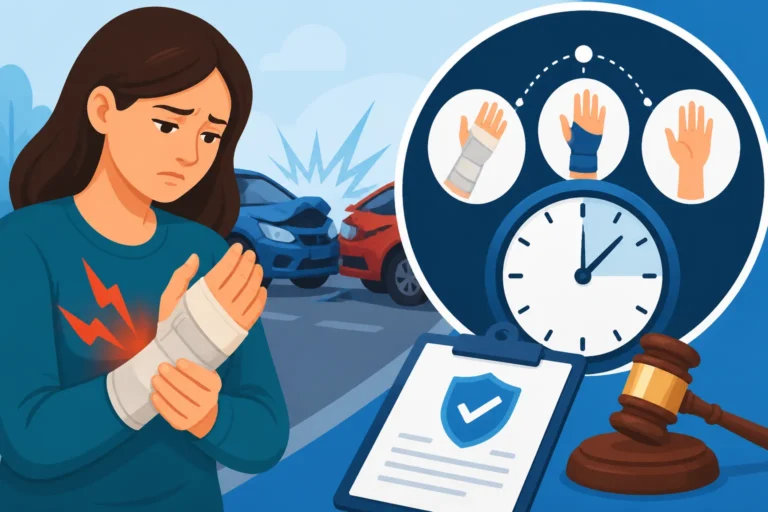
Why You Should See a Doctor After a Car Accident
It's completely normal to feel a bit rattled after a car accident, even a seemingly minor one, and then wonder if you really need to see a doctor. Many of us just want to brush it off, get back to our day, and hope for the best. But ignoring potential injuries, even if you don't feel pain right away, can have serious long-term consequences for your health and can severely jeopardize any car accident claim you might need to make. This guide will walk you through exactly why a prompt medical evaluation is one of the most crucial steps you can take after a collision.
The Hidden Dangers: Why Immediate Pain Isn't Always a Factor
That initial jolt and the chaotic moments immediately following a car accident can be incredibly disorienting. You might feel a surge of energy, a strange numbness, or simply be so focused on the damage to your car or the other driver that you don't notice any physical discomfort. This is a common and dangerous phenomenon, as many significant injuries don't announce themselves with immediate, sharp pain.
Adrenaline's Tricky Role in Masking Pain
Think about it: when something sudden and alarming happens, like a car crash, your body automatically kicks into "fight or flight" mode. This is thanks to a rush of adrenaline and other stress hormones. Adrenaline is an incredible substance that can temporarily mask pain, heighten your senses, and give you a surge of energy. It's designed to help you survive immediate danger.
While this response is protective in the moment, it can be incredibly deceptive when it comes to assessing your physical condition after a collision. You might walk away from the scene feeling perfectly fine, able to move around, talk clearly, and even help exchange information. But once the adrenaline subsides – which could be hours or even a full day later – that's when the aches, stiffness, and more severe pains often begin to surface. This deceptive period can lead many people to delay seeking medical attention, mistakenly believing they were unharmed.
Recognizing Delayed Onset Symptoms
Many common car accident injuries are notorious for their delayed onset. You might go to bed feeling okay, only to wake up the next morning with a stiff neck that you can barely turn, a throbbing headache, or a dull ache in your lower back. These aren't imagined pains; they are often the true indicators of an underlying injury that was initially obscured by your body's stress response.
The challenge with delayed symptoms is that they can sometimes be subtle at first, making it easy to dismiss them as just "soreness" from the shock of the accident. However, what starts as a mild stiffness could be the precursor to something more serious, like a herniated disc or a concussion. Ignoring these early warning signs can allow an injury to worsen, potentially leading to chronic pain or more complex treatment down the line. It's imperative to be aware of how soon after an accident do injuries appear, and to not wait for severe pain to manifest before taking action.
Common Injuries That Appear Days Later
It's truly eye-opening how many injuries don't present immediately. Whiplash, for example, is perhaps the most common delayed injury, where neck pain, stiffness, and headaches might not show up for 24-48 hours. But it's not just whiplash. Concussions, often called "invisible injuries," can have symptoms like confusion, dizziness, fatigue, and sensitivity to light or sound that manifest slowly over time. Even internal injuries, like organ damage or internal bleeding, might not cause noticeable pain until hours or days have passed and they've become more severe.
Other examples include back and spinal injuries from car accidents, which can lead to radiating pain, numbness, or weakness in limbs. Soft tissue injuries explained, affecting muscles, tendons, and ligaments, can also take time to swell and cause significant discomfort. Understanding these possibilities underscores the critical need for a medical evaluation, regardless of how you feel at the accident scene.
Your Health Comes First: The Medical Evaluation Process
Beyond the legal implications, your immediate priority after any car accident should always be your health and well-being. A medical evaluation isn't just about documenting injuries for a claim; it's about getting a professional assessment of your body's condition, identifying potential issues before they worsen, and starting on the path to recovery.
What to Expect During Your Initial Doctor's Visit
When you visit a doctor after an accident, whether it's an urgent care clinic, emergency room, or your primary care physician, they'll perform a thorough examination. They'll ask detailed questions about the accident itself – how it happened, the impact direction, if you hit anything inside the car, etc. – and about any symptoms you're experiencing, even mild ones. This initial visit will typically include a physical examination, checking for range of motion, tenderness, bruising, and any obvious signs of injury.
Depending on your symptoms and the nature of the accident, the doctor might order diagnostic tests. This could include X-rays to check for broken bones, CT scans to look for internal injuries or brain trauma, or an MRI to get a clearer picture of soft tissues like ligaments, tendons, and discs. These tests are vital for identifying hidden injuries that a physical exam alone might miss. Don't be surprised if they also ask about your medical history, as understanding any pre-existing conditions is important for your treatment plan.
The Importance of a Comprehensive Medical History
Providing a full and accurate medical history to your doctor is absolutely critical after an accident. This isn't just about current symptoms; it's about giving your healthcare provider the complete picture of your health before the incident. They'll want to know about any previous injuries, chronic conditions, surgeries, or medications you're taking. This information helps them understand how the accident might have impacted your existing health or created new issues.
For instance, if you had a pre-existing back condition, the doctor needs to know if the accident aggravated it or caused a new, distinct injury. A thorough medical history helps establish a baseline and ensures that your treatment plan is tailored specifically to you. Moreover, from a claims perspective, having a clear and consistent medical record helps prove injuries in a car accident claim, distinguishing new injuries from old ones and showing a direct link to the collision.
Understanding Follow-Up Care and Specialized Treatment
An initial visit is often just the first step. Many car accident injuries, especially those affecting the neck, back, or soft tissues, require ongoing care. Your doctor might recommend physical therapy to regain strength and flexibility, chiropractic care, massage therapy, or even specialized consultations with orthopedists, neurologists, or pain management specialists. Following through with these recommendations is paramount for your recovery.
Skipping follow-up appointments or prescribed therapies can not only hinder your healing process but also negatively impact any potential claim. Insurance companies often look for gaps in treatment as a reason to downplay the severity of injuries or argue that they weren't directly caused by the accident. Adhering to your doctor's recommendations demonstrates that you are taking your recovery seriously and that your injuries require sustained medical attention. For example, if you're dealing with whiplash, understanding whiplash treatment and recovery is essential for both your health and your claim.
Building a Strong Claim: Medical Documentation as Evidence
Beyond your personal health, seeing a doctor immediately creates an official record of your injuries. This documentation is indisputable evidence and forms the backbone of any successful car accident claim. Without it, even the most severe injuries might be difficult to link directly to the collision in the eyes of an insurance company or a court.
Establishing the Crucial Link Between Accident and Injury
One of the first things an insurance adjuster will look for is a clear, unbroken chain linking the car accident to your injuries. When you see a doctor right after the incident, the medical report clearly states that your symptoms or injuries arose after the collision. This immediate record helps to counteract any argument from the insurance company that your injuries were pre-existing, were caused by something else, or that you're exaggerating their severity.
Imagine you wait a week to see a doctor because you were hoping the pain would go away. During that week, you might have done something else that could have caused or worsened your condition, like a strenuous workout or lifting a heavy box. An insurance adjuster could then argue that your injuries weren't directly caused by the car accident but by that other activity. Prompt medical attention eliminates this ambiguity and solidifies the connection. This is how medical records prove your injuries and become invaluable.
Avoiding the "Gap in Treatment" Pitfall
A "gap in treatment" occurs when there's a significant delay between the accident and your first medical visit, or a prolonged period where you stop receiving treatment for your injuries. This is a red flag for insurance companies. They often use these gaps to claim that your injuries aren't serious, that they healed on their own, or that something else happened during the gap to cause your symptoms.
Even if you genuinely thought you were fine initially, waiting too long can damage your claim. For example, if you don't go to the doctor for three weeks, and then suddenly develop severe back pain, the insurance company might argue that it's impossible to tell if the back pain is truly from the accident, especially if there are no initial medical records to show a complaint about your back. This is a critical aspect of how delayed symptoms affect your claim and why continuous care is important.
How Medical Records Support Your Damages
Medical records are the primary evidence used to quantify your damages in a car accident claim. They detail the exact nature of your injuries, the treatments you received, the medications prescribed, the duration of your recovery, and any prognosis for long-term issues. These documents directly support claims for:
- Medical Expenses: Every doctor's visit, diagnostic test, prescription, therapy session, and specialist consultation will be itemized.
- Lost Wages: If your injuries prevent you from working, your doctor's notes and disability certifications provide evidence of your inability to perform job duties.
- Pain and Suffering: The medical records detail the severity of your injuries, the pain levels reported, and the impact on your daily life, which directly influences the value of your pain and suffering damages.
- Future Medical Needs: If your doctor predicts you'll need ongoing care, future surgeries, or permanent limitations, these are documented and can be included in your claim.
Without comprehensive medical records, proving these damages becomes incredibly challenging, often reducing the potential settlement significantly.
| Delayed Symptom | Potential Underlying Injury | Timeframe to Appear (General) | Why it Matters for Your Claim |
|---|---|---|---|
| Neck Stiffness/Pain | Whiplash, Disc Injury | 24-72 hours | Common, but can worsen; requires documentation to link to accident and justify treatment. |
| Headaches/Dizziness | Concussion, TBI | Hours to days | Can indicate serious brain injury; immediate documentation establishes onset, avoiding claims of unrelated causes. |
| Back Pain/Numbness | Herniated Disc, Spinal Injury | 1-7 days | Often worsens over time; early diagnosis prevents long-term damage and strengthens connection to the accident. |
| Abdominal Pain | Internal Bleeding/Organ Damage | Hours to days | Critical for immediate treatment; delay can be life-threatening and complicate proving accident-related cause. |
| Shoulder/Knee Pain | Sprains, Tears | 24-48 hours | Can limit mobility; early diagnosis and treatment plan demonstrate necessity, combatting insurance skepticism. |
| Numbness/Tingling | Nerve Damage, Pinched Nerve | Days to weeks | Progressive symptom; prompt medical record helps track progression and prove severity related to the accident. |
| Anxiety/PTSD | Emotional Trauma | Weeks to months | Mental health impact is real; initial medical mention of shock/distress lays groundwork for later psychological claims. |
Understanding Common Post-Accident Injuries and Their Impact
Car accidents can cause a wide array of injuries, some immediately obvious, others insidious. Knowing what to look for and understanding the potential impact of these common injuries is crucial for both your health journey and your ability to pursue a fair claim. When considering your overall health and claim, remember to consult a comprehensive guide on common car accident injuries: complete guide (2026).
Whiplash and Other Soft Tissue Injuries
Whiplash is a classic example of a soft tissue injury, affecting the muscles, ligaments, and tendons in your neck. It occurs when your head is suddenly jolted forward and backward, stretching these tissues beyond their normal range. Symptoms can include neck pain and stiffness, headaches, dizziness, shoulder pain, and even numbness or tingling in the arms. While often associated with low-speed rear-end collisions, whiplash can occur in any type of impact. Learn more about what is whiplash? Symptoms, treatment & claims.
Beyond whiplash, other soft tissue injuries like sprains, strains, and tears can affect various parts of your body, from your back to your knees. These injuries might not show up on X-rays, making them harder to "prove" without consistent medical documentation and expert testimony. Insurance companies are often skeptical of soft tissue claims, labeling them as minor, so a thorough and consistent medical record of your diagnosis, symptoms, and treatment is essential to validating your experience and demonstrating the real impact on your life.
Head Trauma and Its Long-Term Consequences
Any blow to the head, even a seemingly minor one, can result in a concussion or a more severe traumatic brain injury (TBI). Concussion symptoms after a car accident are not always immediately apparent and can range from headaches and dizziness to confusion, memory problems, irritability, and difficulty concentrating. Even mild TBIs can have significant long-term effects, impacting cognitive function, mood, and quality of life. Understanding signs of a traumatic brain injury is critical.
The danger here is that these injuries are often "invisible." You might look perfectly fine, but your brain function is impaired. Delayed diagnosis and treatment can worsen the prognosis and make it incredibly difficult to connect the head injury directly to the accident later on. Early medical intervention, including neurological assessments and appropriate imaging, is crucial for both effective treatment and for establishing the severity of the injury for your claim. Claiming compensation for traumatic brain injury in California, for example, heavily relies on a well-documented medical history.
Back, Spine, and Orthopedic Concerns
Back and spinal injuries from car accidents can range from muscle strains to herniated discs, fractured vertebrae, or even spinal cord injury from a car accident. These can lead to chronic pain, limited mobility, numbness, weakness, or even paralysis. Orthopedic injuries involve bones, joints, ligaments, and tendons, such as broken bones and fractures in car accidents in limbs like arms, legs, or ribs. These are often more visually apparent and can require extensive treatment, including surgery, physical therapy, and long recovery periods.
The impact of these injuries can be profound, affecting your ability to work, perform daily tasks, and enjoy hobbies. From a claims perspective, these injuries often lead to higher medical bills, greater lost wages, and more significant pain and suffering damages. Thorough medical documentation, including imaging (MRI, CT scans), specialist consultations, and detailed treatment plans, is absolutely essential to fully illustrate the extent of these injuries and secure fair compensation.
Dealing with Insurance Companies Regarding Your Injuries
Interacting with insurance companies after an accident can feel overwhelming, especially when you're also dealing with injuries. They have their own processes and objectives, which often differ from yours. Understanding how they view medical treatment and documentation is key to protecting your interests. This is often where dealing with insurance adjusters after a car accident can get complicated.
Insurance Adjusters and Their Scrutiny of Medical Records
Insurance adjusters are trained to evaluate claims and look for reasons to minimize payouts. Your medical records will be one of the most heavily scrutinized pieces of evidence. They will look for:
- Gaps in Treatment: As mentioned, any delay in seeking care or breaks in your treatment regimen will be questioned.
- Consistency of Symptoms: They want to see consistent reports of your symptoms from your first visit onward. If your complaints change significantly over time without a clear medical explanation, they might become suspicious.
- Pre-Existing Conditions: Adjusters will often try to attribute your current symptoms to pre-existing conditions, even if the accident clearly aggravated them.
- Necessity of Treatment: They may question whether certain treatments were truly necessary or reasonable for the type of injury you sustained.
This scrutiny is why a clear, consistent, and prompt medical record is your best defense. It helps to preemptively counter their common tactics and makes it much harder for them to deny or undervalue your claim.
Providing Medical Information While Protecting Your Privacy
When you file a car accident insurance claim, the insurance company (either yours or the at-fault driver's) will require access to your medical records related to the accident. This is standard procedure, as they need to verify your injuries and treatments. You will likely be asked to sign medical release forms. However, it's important to understand what you're signing.
Ideally, medical release forms should be limited in scope, allowing access only to records directly relevant to the injuries sustained in the accident. Be wary of broad authorizations that could give them access to your entire medical history, as they might try to dig for unrelated conditions to use against you. If you have concerns, it's wise to consult with an attorney before signing any releases to ensure your privacy is protected while still providing necessary information.
Addressing Pre-Existing Conditions and Aggravated Injuries
It's a common fear that if you have a pre-existing condition – like an old back injury or a history of migraines – the insurance company will completely deny your claim if the accident aggravated it. This isn't necessarily true. In most states, you are entitled to compensation if the accident made an existing condition worse. This is known as "aggravation of a pre-existing condition."
The key, however, lies in medical documentation. Your doctor's notes must clearly differentiate between your pre-accident condition and how the car accident specifically worsened it. They should explain the change in your symptoms, pain levels, or functionality directly attributable to the collision. This is where a detailed medical history and careful record-keeping become invaluable. Without a doctor clearly articulating the aggravation, the insurance company will almost certainly try to deny any responsibility.
Practical Advice for Seeking Prompt and Proper Care
Knowing why to see a doctor is one thing; knowing how to navigate that process after the shock of an accident is another. Taking these practical steps can streamline your care and strengthen your potential claim. Reviewing what to do after a car accident: step-by-step (2026) can offer more comprehensive guidance.
Choosing the Right Medical Professionals
Immediately after an accident, if you feel any pain or discomfort, or even just general soreness, your first stop might be an emergency room or an urgent care clinic. They can assess acute injuries, rule out life-threatening conditions, and provide initial diagnosis and treatment. For follow-up care, or if your symptoms are delayed and non-emergent, you might see your primary care physician. They can then refer you to specialists like:
- Orthopedists: For bone, joint, ligament, and tendon injuries.
- Neurologists: For head injuries, nerve damage, and spinal cord issues.
- Chiropractors: For spinal alignment and soft tissue manipulation.
- Physical Therapists: For rehabilitation, strengthening, and improving range of motion.
- Pain Management Specialists: For chronic pain conditions.
The key is to follow your doctor's referrals and to choose medical professionals who are experienced in treating accident-related injuries. A consistent team of healthcare providers ensures a coordinated treatment plan and clear, comprehensive medical records.
Maintaining a Detailed Injury Journal
While your medical records are official, keeping a personal injury journal can be an incredibly powerful tool for both your recovery and your claim. This journal allows you to document your daily experience, which often includes details that might not make it into every doctor's note.
In your journal, record:
- Symptoms: Describe your pain levels (on a scale of 1-10), type of pain (sharp, dull, throbbing), and specific locations. Note any numbness, tingling, weakness, or other sensations.
- Impact on Daily Life: Document how your injuries affect your sleep, work, hobbies, household chores, and personal relationships. Can you lift your child? Can you sit at your desk for long? Can you drive comfortably?
- Treatments: Note every appointment, therapy session, medication taken, and any exercises or stretches you do at home.
- Emotional State: It's okay to record feelings of frustration, anxiety, sadness, or difficulty coping. Emotional distress is a legitimate damage in a claim.
This journal provides a rich, ongoing narrative of your suffering and recovery, which can be invaluable when discussing your case with an attorney or negotiating with an insurance adjuster. It helps quantify the pain and suffering damages and makes your experience more relatable and real.
Navigating the Costs of Medical Treatment
The thought of piling medical bills after an accident can be daunting, but don't let financial concerns prevent you from seeking necessary care. Understanding how your medical expenses will be covered is important.
- Your Health Insurance: Always use your health insurance first, if you have it. They will typically cover your medical bills, though you'll be responsible for deductibles and co-pays.
- MedPay or PIP (Personal Injury Protection): If your car insurance policy includes Medical Payments (MedPay) or Personal Injury Protection (PIP), these cover your medical expenses regardless of who was at fault in the accident, up to your policy limits. This is a great first line of defense.
- The At-Fault Driver's Insurance: Ultimately, the at-fault driver's bodily injury liability insurance is responsible for your medical bills. However, they typically won't pay out until your treatment is complete or your claim is settled.
- Medical Liens: If you don't have health insurance, MedPay, or PIP, some medical providers may agree to treat you under a medical lien, meaning they will be paid directly out of your eventual settlement.
Discuss your options with your medical provider and, if necessary, an attorney. The goal is to get the care you need without undue financial stress, ensuring all expenses are properly tracked for your claim.
Disclaimer
Please remember that this information is intended for general guidance only and does not constitute legal or medical advice. Every car accident case is unique, and the laws governing car accident claims vary significantly by state. It is always recommended to consult with a qualified medical professional for any health concerns and an experienced car accident attorney for specific legal advice regarding your situation.