Common Injuries From a Distracted Driving Accident
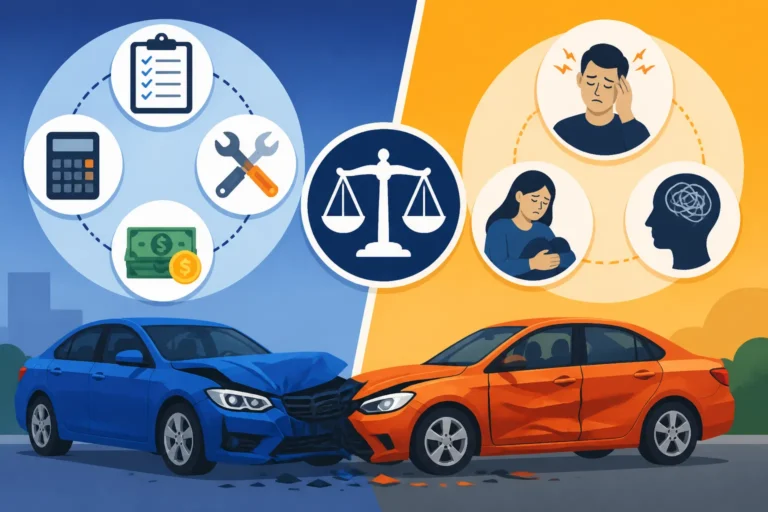
It’s incredibly frustrating when you’re driving carefully, minding your own business, and then suddenly, your world is upended by someone who wasn’t paying attention to the road. Distracted driving accidents are more common than any of us want to admit, and they leave a trail of not just damaged vehicles, but also serious, life-altering injuries. This guide is here to walk you through the common types of injuries often seen in crashes caused by distracted drivers, what to look out for, and why understanding these impacts is crucial for your recovery and any potential car accident claim.
Understanding the Insidious Nature of Distracted Driving
We all know distracted driving is dangerous, but when it actually happens to you, the reality hits differently. It's not just a statistic anymore; it's your pain, your car, your altered plans. Distracted driving isn't just about texting; it's anything that takes a driver's attention away from the critical task of operating a vehicle safely. Because these accidents often involve a driver who isn't reacting or braking appropriately, the impacts can be severe and sudden, leading to specific injury patterns.
What Constitutes Distracted Driving
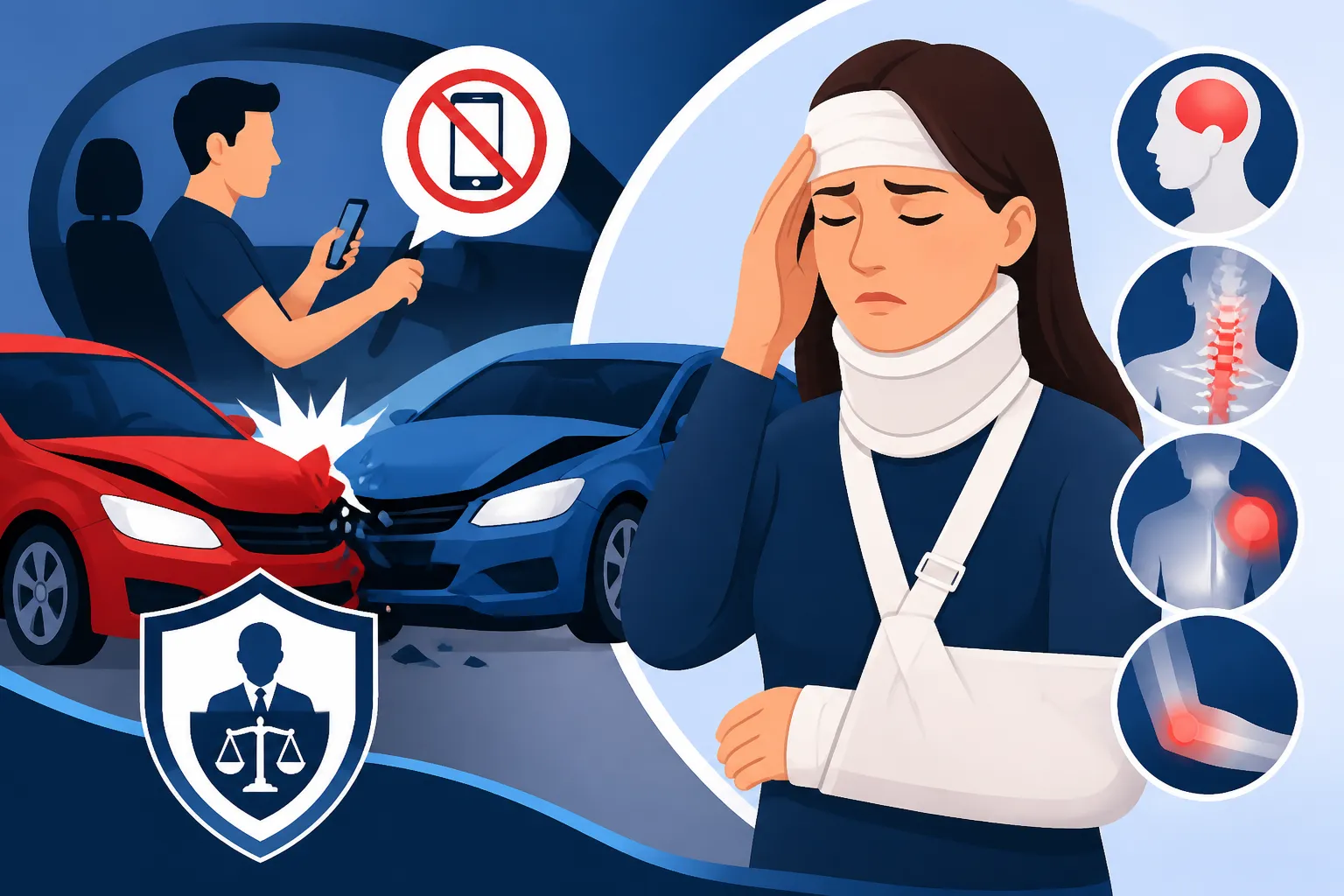
When we talk about distracted driving, most people immediately think of someone glued to their phone, texting or scrolling through social media. And yes, that’s a huge part of the problem. Texting while driving is especially dangerous because it combines all three main types of distraction: visual (taking your eyes off the road), manual (taking your hands off the wheel), and cognitive (taking your mind off driving). It’s a triple threat on the highway.
However, the reality is far broader than just phones. Distractions can be anything from eating a complicated meal, applying makeup, adjusting the radio or navigation system, talking to passengers, or even just being lost in thought or daydreaming. Imagine a driver reaching for a dropped item under their seat, glancing at a billboard for too long, or engaging in an intense conversation with their kids in the back. Each of these moments, however brief, can lead to catastrophic consequences if it occurs at the wrong time, like approaching an intersection or during heavy traffic. These are all scenarios where a driver's response time is significantly impaired, often resulting in high-impact collisions that could have been easily avoided.
Why Distracted Driving Accidents Are So Dangerous
The fundamental danger of distracted driving lies in the delayed or absent reaction time. When a driver is focused elsewhere, they don't see hazards, don't brake when they should, and don't take evasive action. This often means that when an accident occurs, it's at full speed, or with minimal braking, leading to much higher forces involved in the collision. Think about a rear-end collision: if the at-fault driver is distracted and doesn’t hit the brakes at all, the impact will be far more violent than if they had even a second or two to react and slow down.
These high-energy impacts transmit immense force through the vehicles and, critically, through the occupants. This can lead to a more severe impact on the human body, increasing the likelihood of serious injuries. Unlike an accident where both drivers are actively trying to avoid the crash, a distracted driving incident often catches the victim completely off guard, bracing for impact isn't always an option, which can further exacerbate the types and severity of injuries sustained. It's a cruel irony that someone else's momentary lapse in judgment can lead to years of pain and suffering for you.
Common Physical Injuries in Distracted Driving Accidents
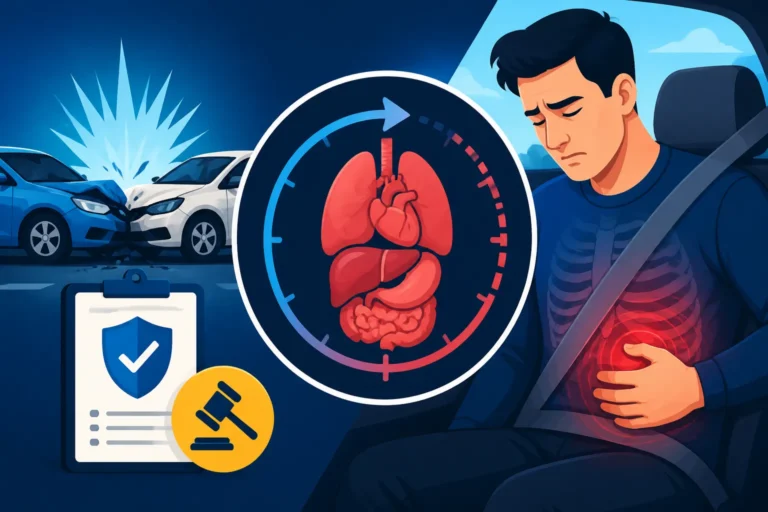
The types of physical injuries sustained in a distracted driving accident can vary widely depending on the speed, angle of impact, and type of vehicles involved. However, because of the unexpected nature and often lack of defensive action from the distracted driver, certain injury patterns are particularly prevalent and often severe. If you've been in a crash, even if you feel okay at first, it's always critical to seek medical attention promptly. Sometimes, the most serious injuries have delayed symptoms after a car accident.
Whiplash and Other Soft Tissue Injuries
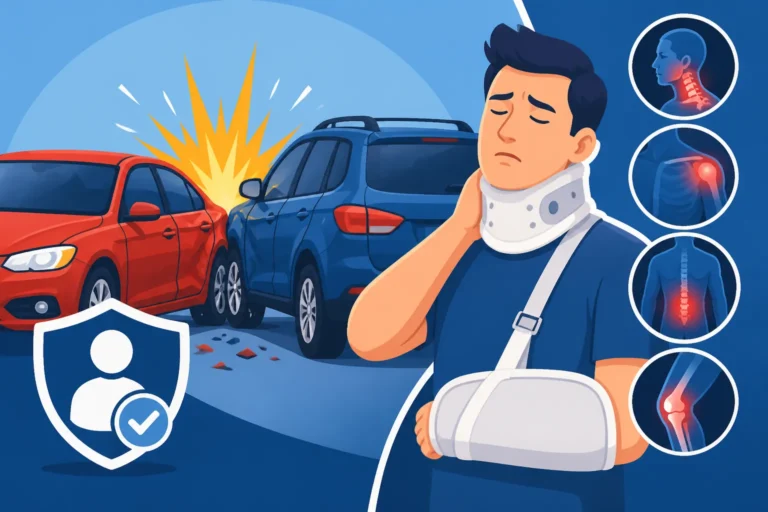
Whiplash is probably one of the most commonly associated injuries with car accidents, and for good reason. It's particularly prevalent in rear-end collisions, which can frequently be the result of a distracted driver failing to stop. Whiplash occurs when the head is suddenly and forcefully jolted back and forth, stretching and tearing the muscles, tendons, and ligaments in the neck and upper back. Symptoms can include neck pain and stiffness, headaches, dizziness, blurred vision, and even ringing in the ears. These symptoms might not appear immediately; sometimes, they creep up hours or even days after the accident, which can be frustrating when you're trying to piece together what happened. You might initially dismiss it as just soreness from the impact, only for it to worsen significantly. Getting an early diagnosis for What Is Whiplash? Symptoms, Treatment & Claims is essential not only for your health but also for your car accident claim.
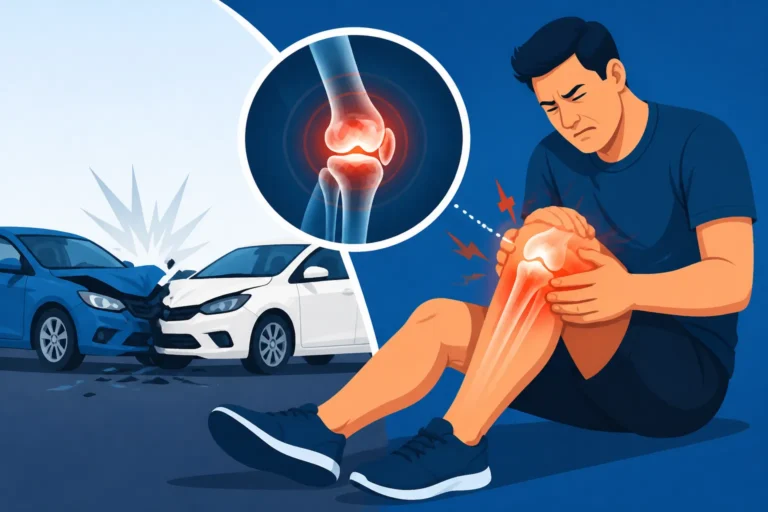
Beyond whiplash, other soft tissue injuries can affect muscles, ligaments, and tendons throughout the body. Sprains and strains in the back, shoulders, knees, and wrists are very common. A sudden sideways impact, for example, could wrench a shoulder or knee. These injuries, while sometimes seeming minor, can lead to chronic pain and limit mobility if not properly treated. They can truly disrupt your daily life, making simple tasks like lifting groceries or even sleeping comfortably a challenge.
Head and Traumatic Brain Injuries
Any sudden impact or jolt to the head can result in a head injury. In a distracted driving crash, the force can cause your head to strike the steering wheel, dashboard, window, or even another object within the vehicle. Concussions are a common form of Traumatic Brain Injury (TBI) From a Car Accident, resulting from the brain being shaken inside the skull. Symptoms can range from mild headaches, dizziness, and confusion to more severe issues like memory loss, difficulty concentrating, sensitivity to light and sound, and changes in mood or personality.
It's crucial to understand that even a "minor" concussion can have significant long-term effects. More severe TBIs can lead to permanent cognitive, physical, and emotional impairments, requiring extensive medical care and rehabilitation. The scary part about brain injuries is that outward signs might be minimal, yet the internal damage can be profound. Always get checked out for any head impact, no matter how insignificant it seems at the time.
Broken Bones and Fractures
The sheer force involved in many distracted driving accidents can easily lead to broken bones. Fractures can occur in arms, legs, ribs, facial bones, and even the spine. For example, drivers might suffer broken wrists or arms if they grip the steering wheel tightly during impact, or broken legs if their lower extremities are pinned or crushed. Passengers, too, are at risk, with feet or ankles sometimes breaking if they brace themselves against the floorboard.
Broken ribs are also a serious concern, especially if they puncture a lung or cause internal bleeding. These injuries are incredibly painful and can sideline you for weeks or months, requiring casts, surgery, and physical therapy. The recovery process can be lengthy and debilitating, impacting your ability to work, care for your family, or simply enjoy everyday activities. The medical bills can quickly add up, adding financial stress to an already difficult situation.
Back and Spinal Injuries
The spine is a complex and delicate structure, and car accidents are a leading cause of back and spinal injuries. The violent motion in a distracted driving crash can cause herniated discs, pinched nerves, or even more severe spinal cord damage. A herniated disc, for instance, occurs when the soft cushioning between vertebrae ruptures, often pressing on nerves and causing intense pain, numbness, or weakness in the extremities. Back and Spinal Injuries From Car Accidents are not just painful; they can be debilitating.
Spinal cord injuries are among the most catastrophic, potentially leading to partial or complete paralysis below the site of the injury. Even seemingly minor back pain should never be ignored after an accident. What starts as a dull ache could evolve into a chronic condition or a sign of something more serious. These types of injuries often require extensive, ongoing medical treatment, from pain management and physical therapy to potential surgeries and long-term care, profoundly affecting a person's quality of life and independence.
Hidden and Long-Term Impacts of Distracted Driving Injuries
While visible wounds and immediate pain are undeniable, many injuries from distracted driving accidents manifest slowly or affect you in ways that aren't immediately obvious. These hidden and long-term impacts can be just as, if not more, debilitating than acute physical injuries, often carrying a heavy emotional and financial toll.
Psychological Trauma and PTSD
It's easy to focus on the physical scars, but the emotional and psychological aftermath of a car accident, especially one caused by someone else’s negligence, can be profound. Experiencing a sudden, violent crash can be traumatic, leaving victims with feelings of fear, anxiety, anger, and helplessness. Many develop PTSD and Emotional Distress After a Car Accident, characterized by flashbacks, nightmares, avoidance of driving or being a passenger, hyper-vigilance, and increased irritability.
The inability to drive, even if your car is repaired, can severely impact your independence and daily routine. You might find yourself constantly scanning for distracted drivers, flinching at sudden noises, or struggling with sleep. These emotional wounds aren't always visible, but they can significantly disrupt your personal and professional life, requiring therapy and sometimes medication. Acknowledging and addressing this trauma is a crucial part of recovery, even if it feels less "tangible" than a broken bone.
Chronic Pain and Nerve Damage
One of the most insidious long-term consequences of a car accident is the development of Chronic Pain After a Car Accident. While initial injuries might heal, residual pain can linger for months, years, or even a lifetime. This is often linked to soft tissue damage that never fully resolves, or nerve damage that wasn't immediately apparent. Imagine living with constant neck stiffness, a persistent ache in your lower back, or throbbing headaches that never truly go away.
Nerve Damage From a Car Accident can be particularly tricky, leading to numbness, tingling, burning sensations, or sharp, shooting pains in various parts of the body. If a nerve is compressed, stretched, or severed, it can cause debilitating symptoms that interfere with everything from walking and typing to sleeping. Diagnosing and treating nerve damage often requires specialized medical attention, and recovery can be slow and uncertain, adding layers of complexity to your life and your injury claim. These conditions can severely impact your quality of life, making even simple daily activities feel like insurmountable tasks.
Cognitive and Emotional Changes from Brain Injuries
As touched on earlier, even mild TBIs can have lasting cognitive and emotional repercussions. Beyond the immediate symptoms, victims might experience persistent difficulties with memory, concentration, problem-solving, and decision-making. They might become more easily fatigued, struggle with organization, or find it hard to multitask. For someone whose job depends on sharp mental acuity, these changes can be devastating, impacting their career and financial stability.
Emotionally, brain injuries can lead to increased irritability, mood swings, depression, and anxiety. Loved ones might notice personality changes, making relationships strained and difficult. Navigating these changes can be incredibly challenging for both the injured individual and their family. These "invisible" injuries from distracted driving can alter the very fabric of a person's life, requiring significant adjustments and support.
Navigating Your Recovery and Claim After a Distracted Driving Accident
Being injured by a distracted driver is a deeply unfair situation, and you shouldn't have to bear the burden of recovery alone. Taking the right steps after the accident is critical, not just for your health, but for protecting your legal rights and ensuring you receive the compensation you deserve.
The Immediate Aftermath and Seeking Medical Attention
First and foremost, your health is paramount. Even if you feel shaken but generally okay at the scene, never assume you’re unharmed. Adrenaline can mask pain and injury symptoms. You absolutely need to Why You Should See a Doctor After a Car Accident as soon as possible after the crash. Go to an urgent care clinic, your primary care physician, or the emergency room. A medical professional can assess your condition, diagnose any immediate injuries, and document everything. This initial medical record is incredibly important for your personal injury claim.
Remember that some injuries, like whiplash or concussions, might have delayed onset of symptoms. What starts as a stiff neck on day one could be agonizing pain by day three. Continue to follow up with medical professionals, attending all recommended appointments and therapies. Consistency in your medical care not only aids your recovery but also provides a continuous record that helps to prove your injuries. Neglecting medical care can significantly harm your chances of receiving fair compensation later on.
Documenting Your Injuries and Their Impact
Documentation is your best friend when dealing with the aftermath of a distracted driving accident. Keep meticulous records of everything: medical bills, prescription receipts, therapy invoices, and any out-of-pocket expenses related to your injuries. It’s also incredibly helpful to keep a journal where you detail your pain levels, limitations, emotional state, and how your injuries are affecting your daily life. This personal account can paint a vivid picture of your suffering that objective medical records alone might not capture.
If you had to miss work due to your injuries or medical appointments, keep track of those lost wages. If your injuries impact your ability to perform household chores, care for your children, or engage in hobbies you once enjoyed, document that too. All of these factors contribute to the overall damages in your claim. This comprehensive record will be invaluable when it comes time to explain How to Prove Injuries in a Car Accident Claim and to calculate How Much Is My Car Accident Settlement Worth? (2026).
How Distracted Driving Impacts Your Claim
When the at-fault driver was distracted, it often strengthens your personal injury claim. Distracted driving is a clear act of negligence, and in many jurisdictions, it can even be considered reckless. This obvious fault makes it harder for the insurance company to deny liability or try to place partial blame on you.
However, even with clear fault, insurance companies are businesses, and their goal is to minimize payouts. They might try to downplay the severity of your injuries, argue that a pre-existing condition is to blame, or make a lowball offer. This is where your thorough documentation and consistent medical care become crucial. They provide the objective evidence needed to counter these tactics. Understanding How Delayed Symptoms Affect Your Claim is also vital, as insurance adjusters might try to argue that if you didn't feel pain immediately, your injuries aren't severe or related to the crash.
It’s often highly beneficial to consult with an experienced personal injury attorney after a distracted driving accident. They can help you navigate the complex claims process, gather necessary evidence, negotiate with insurance companies, and ensure you are fairly compensated for all your damages, including medical expenses, lost wages, pain and suffering, and other long-term impacts. They understand the nuances of cases involving clear negligence like distracted driving and can advise you on whether Do You Need a Lawyer for a Car Accident? (2027) is the right step for your specific situation.
| Injury Type | Common Symptoms | Potential Long-Term Effects | How Distracted Driving Exacerbates It |
|---|---|---|---|
| Whiplash | Neck pain, stiffness, headaches, dizziness, blurred vision, fatigue | Chronic neck pain, reduced range of motion, recurrent headaches, nerve irritation | Sudden, unexpected impact prevents bracing, increasing neck hyperextension |
| Concussion/TBI | Headaches, confusion, dizziness, memory issues, sensitivity to light/sound | Cognitive deficits, mood changes, chronic headaches, post-concussion syndrome | Head striking hard surfaces due to unbraked, high-force impact |
| Broken Bones | Severe pain, swelling, bruising, deformity, inability to move affected area | Limited mobility, arthritis, chronic pain, nerve damage | High-force impacts due to lack of braking or evasive action |
| Soft Tissue Injuries (Sprains/Strains) | Pain, swelling, bruising, reduced range of motion in affected joints | Chronic pain, instability, reduced strength, recurring injuries | Violent twisting or stretching of limbs/torso during unexpected impact |
| Back/Spinal Injuries | Localized pain, radiating pain, numbness, tingling, weakness, muscle spasms | Chronic back pain, sciatica, disc degeneration, nerve damage, paralysis | Forceful compression or twisting of the spine, often from sudden jolt |
| Psychological Trauma (PTSD) | Flashbacks, nightmares, anxiety, avoidance, irritability, difficulty concentrating | Chronic anxiety, depression, phobias, social isolation, relationship strain | Unexpected, violent, and perceived preventable nature of the crash |
Seeking Fair Compensation for Your Injuries
The goal of your car accident claim is to make you "whole" again, as much as possible, after someone else's negligence caused you harm. This means pursuing compensation for all your damages, both economic and non-economic. Economic damages cover tangible financial losses like current and future medical bills, lost wages (including lost earning capacity if your injuries prevent you from returning to your previous job), and property damage. Non-economic damages address the intangible losses, such as pain and suffering, emotional distress, loss of enjoyment of life, and permanent disfigurement or disability.
Insurance companies will scrutinize every aspect of your claim. Having strong evidence, consistent medical records, and a clear understanding of the full impact of your injuries is essential for a successful outcome. Don't let the frustration of dealing with a distracted driver's mistake compound your suffering. Focus on your recovery, and ensure that every step you take helps to build a strong foundation for your claim.
Disclaimer
Please remember that this article provides general informational guidance and is not a substitute for professional legal advice. The specifics of car accident laws, claims processes, and injury settlements can vary significantly by jurisdiction and individual circumstances. It is always recommended to consult with a qualified attorney or legal professional for advice tailored to your unique situation.