Long-Term Effects of Knee Injury From a Car Accident
Experiencing a knee injury from a car accident can be a truly terrifying and life-altering event. The immediate pain and shock are one thing, but what often goes unsaid, and what so many people struggle with, are the insidious, lingering effects that can profoundly impact your life for years, if not forever. This guide aims to shed light on those long-term challenges, providing a realistic picture of what to expect and how to navigate the aftermath of a knee injury after a car crash.
Understanding the Immediate Impact of a Knee Injury in a Car Accident
When you're involved in a car accident, especially one that impacts your lower body, your knee can take a severe hit. It's not just a simple bruise or sprain that will heal up in a few days. The force, the awkward angles, and the sudden movements involved in a collision can inflict damage that, while sometimes immediately apparent, can also lay the groundwork for a lifetime of issues.
Common Acute Knee Injuries
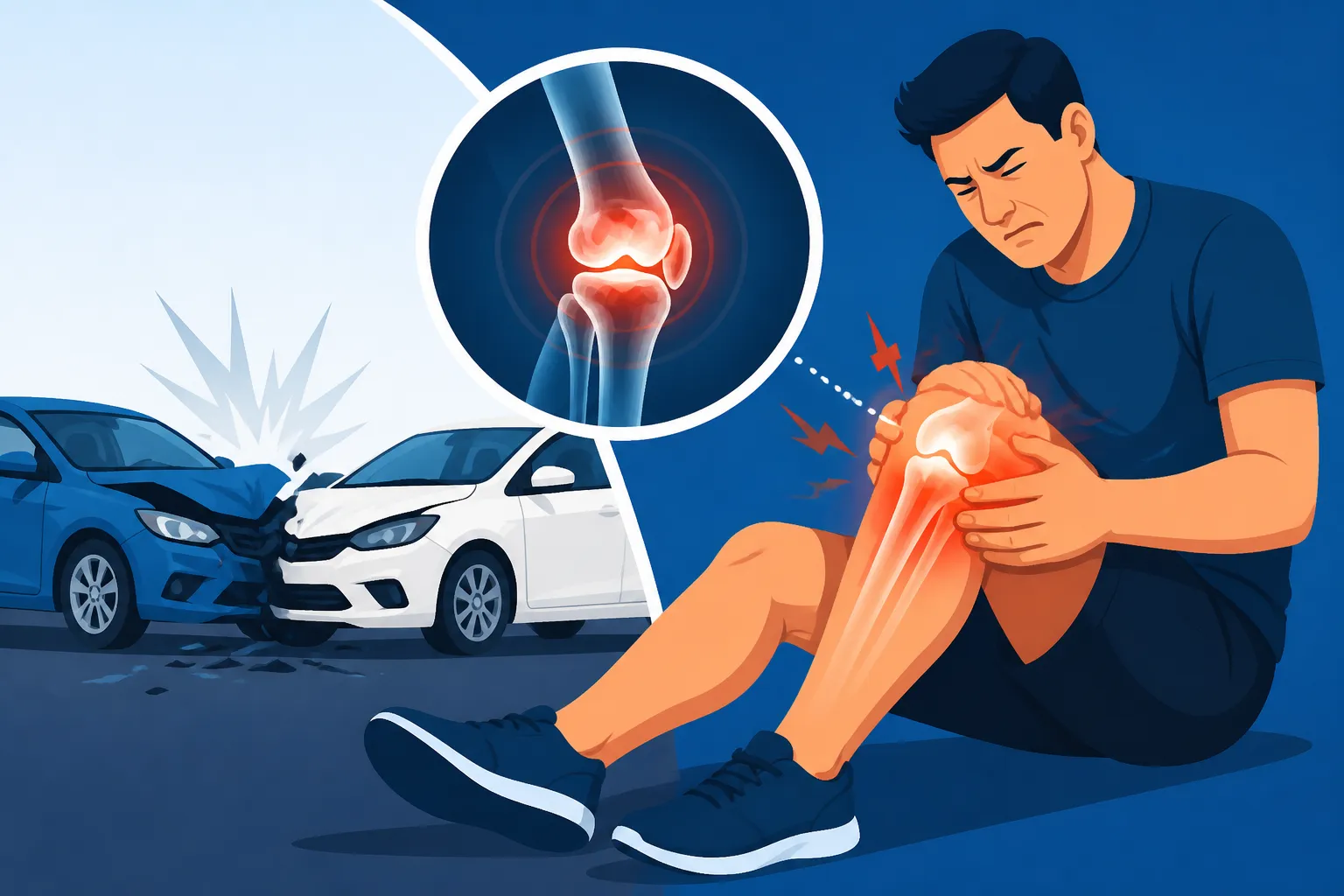
The knee is a complex joint, a marvel of engineering connecting your thigh bone (femur) to your shin bone (tibia) and capped by your kneecap (patella). It relies on a delicate balance of bones, ligaments, tendons, and cartilage. When a car accident violently disrupts this balance, various parts can be severely injured.
One of the most common scenarios is a dashboard injury. Imagine a front-end collision where your body pitches forward, and your knee slams directly into the dashboard. This kind of impact can lead to a patellar fracture, a break in the kneecap, or even a tibial plateau fracture, a serious break in the top part of your shin bone that forms the knee joint. Both can require extensive surgery and a long, painful recovery. Beyond direct impact, the twisting and hyperextension that often occur during a crash can tear the crucial ligaments that stabilize your knee. We're talking about the anterior cruciate ligament (ACL), posterior cruciate ligament (PCL), and the medial (MCL) and lateral (LCL) collateral ligaments. An ACL tear, for example, is notorious for requiring reconstructive surgery and months of rehabilitation. Meniscal tears, affecting the C-shaped cartilage that cushions your knee, are also incredibly common and often lead to persistent clicking, locking, or pain. It's a lot to process, and it often feels like you've gone from a normal, active life to suddenly being sidelined, facing a mountain of medical appointments and uncertainty.
The Initial Shock and Misdiagnosis Concerns
It's a strange phenomenon, but in the immediate aftermath of a car accident, your body’s natural response mechanism kicks in. Adrenaline floods your system, acting as a powerful natural painkiller. This surge of chemicals can mask the true extent of your injuries, especially something as complex as a knee injury. You might feel a dull ache or some stiffness, but assume it’s just the impact and that you’ll be fine after a good night’s sleep. This is a common and dangerous misconception that many people experience. The feeling of "I just need to walk it off" is understandable, but it can lead to devastating consequences down the line.
Because of this initial shock and adrenaline, many significant knee injuries aren't immediately diagnosed. A hairline fracture might be missed on an initial X-ray, or a subtle ligament sprain might be dismissed as minor until swelling and instability become more pronounced days or even weeks later. This is why it’s absolutely critical to seek immediate medical attention, even if you feel okay. Always remember that Delayed Injury Symptoms After a Car Accident are a real and serious concern. A proper medical evaluation, including imaging like an MRI if symptoms persist, is vital to catch these issues early. Missing an injury can lead to improper healing, further damage, and set you up for a much more challenging road to recovery, with problems that could have been mitigated if caught early. The frustration of dealing with an injury that only gets worse over time is something no one should have to endure.
The Evolving Nature of Long-Term Knee Problems
While the acute pain and initial treatment of a knee injury are challenging enough, the real battle often begins months or even years later. Many individuals discover that their knee issues don't simply vanish with physical therapy or surgery; instead, they evolve into chronic conditions that fundamentally alter their daily lives.
Chronic Pain and Persistent Stiffness
One of the most pervasive and debilitating long-term effects of a knee injury from a car accident is chronic pain. This isn't just a lingering ache; it's a constant, often grinding, presence that can dictate everything from your sleep patterns to your ability to concentrate at work. Chronic pain can develop for a multitude of reasons. Nerve damage sustained during the initial trauma might lead to persistent neuropathic pain. Scar tissue, which naturally forms during the healing process, can become stiff and restrict movement, causing pain with every step. Furthermore, if the joint mechanics were altered—even subtly—by the injury, it can put undue stress on other parts of the knee, leading to ongoing inflammation and discomfort.
Imagine wanting to go for a brisk walk around your neighborhood in Phoenix, Arizona, something you used to do daily, but now, after just a few blocks, your knee starts screaming. Or picture trying to navigate the stairs in your own home, each step a carefully calculated effort to avoid a sudden jab of pain. This persistent stiffness, especially after periods of rest or in cold weather, can make simple acts like bending down to tie your shoes or getting out of a low car seat feel like monumental tasks. It's a constant reminder of the accident, eroding your quality of life and often leading to a sense of helplessness. Many find themselves constantly adjusting their posture, changing their gait, or leaning on furniture just to get through the day, all while trying to maintain a facade of normalcy.
Post-Traumatic Arthritis and Degenerative Changes
Perhaps the most feared long-term consequence of a significant knee injury is the accelerated development of post-traumatic arthritis. This isn't the kind of arthritis you might associate with old age; it's a direct result of the trauma your knee endured. When your knee joint is impacted by a car accident, the smooth, protective cartilage that covers the ends of your bones can be damaged. This damage can be immediate, like a direct fracture into the joint surface, or it can be a slow burn, where the altered biomechanics of a repaired ligament or meniscus slowly wear down the cartilage over time.
Once the cartilage begins to erode, bones start to rub against bone, leading to inflammation, pain, and a progressive loss of joint function. This process can happen much faster in a traumatized knee than in a healthy one. What might have been a minor knee issue in your 30s can quickly become a debilitating case of osteoarthritis in your 40s or 50s, far earlier than your peers might experience it. For instance, a PCL tear, even if surgically repaired, can lead to subtle shifts in how your knee moves, putting increased stress on the articular cartilage and significantly increasing your risk of future arthritis. This isn't just about discomfort; it often means facing the daunting prospect of total knee replacement surgery much earlier in life, with all the associated recovery and risks. Understanding these potential Common Car Accident Injuries: Complete Guide (2027), and their long-term implications, is crucial for anyone dealing with the aftermath of a car accident.
Functional Limitations and Lifestyle Adjustments
Beyond the physical pain, long-term knee injuries force significant changes in how individuals live their lives. The inability to perform tasks that once seemed simple can lead to profound frustration and a drastic reduction in overall quality of life.
Restricted Mobility and Activity Impairment
One of the most heartbreaking aspects of a chronic knee injury is the loss of mobility and the resulting inability to engage in activities you once loved. If you were an avid runner, a dedicated hiker who explored trails in the Pacific Northwest, or someone who simply enjoyed playing pickup basketball with friends, these passions might suddenly become impossible. Even everyday activities, like walking for extended periods, climbing stairs, or kneeling to garden, can become difficult, if not entirely out of reach. This isn't just about sports; it impacts your independence and your ability to interact with the world around you.
Consider the practical implications: perhaps your job requires standing for long shifts, or involves lifting or repetitive knee bending. A chronic knee injury can make such work unbearable, potentially leading to career changes or even unemployment. Parents might find it difficult to play actively with their children, run after a toddler, or even carry them without significant pain. The need for assistive devices, like knee braces to provide stability or a cane to reduce weight-bearing, can become a permanent fixture. It’s a constant battle against physical limitations, leading to a profound sense of loss for the person you once were and the life you once led. This is where truly understanding What Is Maximum Medical Improvement MMI? becomes important, as it often defines the point where further significant functional recovery is unlikely without major intervention.
Psychological and Financial Burdens
The ripple effects of a long-term knee injury extend far beyond the physical realm, seeping into your mental health and financial stability. Living with chronic pain and restricted mobility is an immense psychological burden. It’s not uncommon for individuals to experience depression, anxiety, frustration, and even anger as they come to terms with their changed reality. The loss of independence, the inability to participate in social activities, and the constant discomfort can lead to feelings of isolation and hopelessness. Simple tasks that once brought joy, like a weekend trip or a leisurely stroll, now become sources of dread and pain.
The financial strain can be equally devastating. Ongoing medical care for a chronic knee injury is not cheap. This includes continuous physical therapy sessions, regular doctor visits, pain management treatments (like injections or nerve blocks), prescription medications, and potentially future surgeries like knee replacement. These costs can quickly accumulate, even with good insurance, leading to out-of-pocket expenses that can cripple a family budget. And let's not forget the hidden costs: lost wages from time off work for appointments or recovery, diminished earning capacity if the injury forces a career change, and the cost of adaptive equipment. When you consider How Much Is My Car Accident Settlement Worth? (2026), it’s imperative to account for these extensive future medical expenses and financial losses. The legal process itself, from documenting How Medical Records Prove Your Injuries to negotiating with insurance companies, adds another layer of stress to an already overwhelming situation.
Managing Long-Term Knee Injury Effects and Seeking Support
Navigating the aftermath of a severe knee injury requires a multi-faceted approach, combining diligent medical care with a clear understanding of your legal rights to ensure you receive the support you need for a sustainable future.
Ongoing Medical Care and Rehabilitation
Living with a long-term knee injury means committing to ongoing medical care and rehabilitation. This isn't a quick fix; it's a marathon that demands patience, persistence, and a strong partnership with your healthcare providers. Physical therapy often becomes a continuous part of your life, focusing not just on the knee itself but on strengthening surrounding muscles, improving gait, and maintaining flexibility to prevent further degeneration. A good physical therapist can teach you exercises and coping mechanisms to manage your pain and keep your joint as functional as possible.
Beyond physical therapy, pain management strategies are often necessary. This might involve oral medications, steroid injections into the joint, or even more advanced interventional pain procedures. For those facing advanced arthritis or irreparable damage, future surgeries, such as arthroscopy to clean out debris or, eventually, a total knee replacement, might become inevitable. It's crucial to adhere to your treatment plan, even when progress feels slow or frustrating. Maintaining open communication with your orthopedist and other specialists is vital to adapt your care as your condition evolves. Remember, this journey is about managing your condition to maximize your quality of life, not necessarily "curing" the long-term damage.
Legal Recourse and Claiming Compensation for Future Needs
When a car accident leaves you with a long-term knee injury, the financial and emotional toll can be immense. This is precisely why understanding your legal rights and pursuing appropriate compensation is so vital. Your car accident claim shouldn't just cover immediate medical bills and lost wages; it absolutely must account for the future impact of your injury. This includes projected future medical expenses, such as potential surgeries, ongoing physical therapy, medications, and assistive devices for the rest of your life. It also encompasses Lost Earning Capacity vs Lost Wages, addressing how your injury might affect your ability to work and earn income years down the road.
Furthermore, the intangible costs of chronic pain and functional limitations, often referred to as Pain and Suffering: How It's Calculated, are a significant component of your claim. This includes the loss of enjoyment of life, emotional distress, and the permanent changes to your lifestyle. Documenting these long-term effects thoroughly is critical. Keep meticulous records of all medical appointments, treatments, prescriptions, and any impact on your daily activities. It’s highly advisable to consult with an experienced personal injury attorney who can help you navigate this complex process. They can gather the necessary medical evidence, consult with vocational experts to assess lost earning capacity, and work to ensure your settlement or verdict adequately reflects the true, long-term cost of your knee injury. Knowing When to Hire a Car Accident Lawyer can make a significant difference in securing your future financial stability.
Common Long-Term Knee Injury Effects and Implications
Here's a quick overview of some common long-term effects of knee injuries from car accidents and what they typically mean for individuals:
| Long-Term Effect | Description | Common Implications |
|---|---|---|
| Chronic Pain | Persistent pain lasting months or years after the initial injury. | Reduced quality of life, sleep disturbances, psychological distress, reliance on pain management. |
| Persistent Stiffness | Limited range of motion in the knee joint. | Difficulty with bending, squatting, walking, climbing stairs, increased fall risk. |
| Post-Traumatic Arthritis | Accelerated wear and tear of joint cartilage due to injury. | Progressive pain, swelling, stiffness, grating sensation, potential need for joint replacement. |
| Ligamentous Instability | Weakness or laxity in knee ligaments (e.g., ACL, PCL, MCL, LCL). | Feeling of "giving way" or buckling, increased risk of re-injury, difficulty with quick movements. |
| Meniscal Degeneration | Deterioration of the meniscal cartilage cushioning the knee. | Clicking, locking, pain, swelling, increased risk of arthritis. |
| Reduced Activity Tolerance | Inability to perform physical activities for extended periods. | Loss of hobbies, impact on work, social isolation, weight gain. |
| Psychological Impact | Depression, anxiety, frustration, PTSD from living with chronic pain/limitation. | Mental health challenges, strained relationships, diminished overall well-being. |
| Financial Burden | Ongoing medical costs, lost wages, reduced earning capacity. | Economic hardship, stress, dependence on insurance or legal settlements. |
Dealing with a knee injury after a car accident is incredibly challenging, especially when you realize the impact isn't just temporary. Taking proactive steps, both medically and legally, is key to protecting your future.
Disclaimer
Please remember that the information provided in this guide is intended for informational purposes only and does not constitute legal or medical advice. Every car accident and injury is unique, and you should always consult with qualified legal and medical professionals for advice tailored to your specific situation. Relying solely on the information presented here without professional guidance could be detrimental.