What Injuries Are Worth the Most in a Settlement?
Getting into a car accident is a truly jarring experience, and the aftermath can feel overwhelming. Beyond the immediate shock and the hassle of dealing with vehicle damage, the biggest concern for many people is the impact on their health and financial well-being. When you're facing pain, doctor's visits, and missed work, it's natural to wonder how all of this will be accounted for, and exactly what kind of settlement you might be looking at to cover your losses. This comprehensive guide will break down which types of car accident injuries typically result in higher settlements, and why, helping you understand the value of your claim.
Understanding the Components of a Car Accident Settlement
Before we dive into specific injuries, it’s important to understand what makes up a car accident settlement in the first place. It’s not just a lump sum based solely on your medical bills; there are several categories of damages that contribute to the overall value. When people ask, "How Much Is My Car Accident Settlement Worth?", they're usually thinking about all these elements combined.
Economic Damages: The Tangible Losses
These are the most straightforward losses to calculate because they come with receipts, bills, and wage statements. They represent the direct financial impact the accident has had on your life.
Medical Expenses: Past, Present, and Future
This category covers everything from the ambulance ride and emergency room visit to ongoing physical therapy, medications, and specialist consultations. It includes diagnostic tests like X-rays, MRIs, and CT scans, as well as any surgeries you might need. What many people overlook, however, are future medical expenses. If your injury requires long-term care, future surgeries, ongoing medication, or assistive devices like wheelchairs or home modifications, these costs can be substantial and must be factored into your settlement. For instance, a spinal cord injury could necessitate a lifetime of medical care, physical therapy, and specialized equipment, making future medical costs a significant part of the claim.
Lost Wages and Earning Capacity
When you're recovering from an injury, it's highly likely you'll miss time from work. This means lost income, and your settlement should account for every dollar you would have earned had the accident not occurred. This isn't just about the weeks you were off work initially; it also includes any vacation or sick time you had to use. Furthermore, if your injuries are severe enough to permanently affect your ability to perform your job, or even to work at all, you might be entitled to compensation for "lost earning capacity." This looks at your potential future income loss over your lifetime, which can be a massive component for severe, disabling injuries. Imagine a skilled surgeon who loses the fine motor control in their hand due to nerve damage – their career, and thus their future earning potential, is irrevocably altered.
Non-Economic Damages: The Intangible Toll
These damages are often more challenging to quantify because they don't have a direct monetary value, but they are absolutely critical, especially in cases involving serious injuries. This is where the concept of "pain and suffering" truly comes into play.
Pain and Suffering
This encompasses the physical pain, discomfort, and emotional distress you endure because of your injuries. From the sharp agony of a broken bone to the chronic ache of whiplash, pain can significantly diminish your quality of life. But it's not just physical; it also includes emotional suffering like anxiety, fear, anger, frustration, and even depression that can arise after a traumatic accident. For example, someone who develops severe PTSD and cannot drive again after a collision is suffering a non-economic loss that profoundly impacts their daily life. The more severe and long-lasting the pain and suffering, the higher this component of your settlement tends to be. To learn more about how this is assessed, read our article on Pain and Suffering: How It's Calculated.
Loss of Enjoyment of Life
This refers to the inability to participate in activities and hobbies you once enjoyed due to your injuries. Maybe you were an avid hiker and now a knee injury prevents you from hitting the trails. Perhaps you loved playing with your kids, but a back injury makes it impossible to lift them or play sports. These losses, while not directly costing money, deeply impact your overall happiness and well-being. For a professional musician whose hand injury ends their career, the loss of enjoyment goes far beyond just lost wages; it's the loss of their passion and identity.
Factors That Significantly Influence Settlement Value
While the type of injury is a major determinant, it's not the only piece of the puzzle. Several other factors play a critical role in shaping the final settlement amount you receive.
Severity and Permanency of Injuries
This is perhaps the most obvious factor. A minor bruise will never command the same settlement as a severe spinal cord injury. The greater the impact on your physical health, the longer the recovery period, and the higher the likelihood of permanent impairment, the more your claim will generally be worth.
Long-Term Impact and Prognosis
Insurance adjusters and courts will heavily consider the long-term outlook of your injuries. Will you fully recover? Will you need ongoing care for the rest of your life? Will you have permanent scarring, disfigurement, or disability? Injuries that result in lifelong limitations or require continuous medical intervention, such as a traumatic brain injury or paralysis, will naturally lead to substantially higher settlements because of the immense financial and personal burden they place on the victim. For a deeper dive into common injuries, take a look at our Common Car Accident Injuries: Complete Guide (2027).
Objective Evidence of Injury
It's not enough to simply say you're injured. You need clear, objective medical evidence to back up your claim. This includes diagnostic imaging (X-rays, MRIs, CT scans), specialist reports, surgical records, and detailed notes from your doctors and therapists. Without concrete proof, even severe symptoms can be downplayed by insurance companies. This is why it’s so crucial to seek medical attention immediately after an accident, even if you don't feel badly hurt at first. Learn more about How to Prove Injuries in a Car Accident Claim.
Fault and Insurance Policy Limits
The circumstances of the accident and the available insurance coverage are non-negotiable factors in any settlement discussion.
Comparative Negligence and State Laws
In many states, if you are found to be partially at fault for the accident, your settlement amount can be reduced. For example, in a pure comparative negligence state like California, if your damages are assessed at $100,000 but you are found to be 20% at fault, you would only recover $80,000. Other states, like Texas, use a modified comparative negligence system, often with a 51% bar – meaning if you're 51% or more at fault, you can't recover anything. Understanding Comparative vs Contributory Negligence Explained is vital.
Available Insurance Coverage
Unfortunately, even with severe injuries, the at-fault driver's insurance policy limits can cap your potential settlement. If the responsible driver only carries the state minimum liability coverage (e.g., $30,000 per person for bodily injury), and your damages far exceed that amount, you might only be able to recover up to their policy limits unless you have uninsured/underinsured motorist (UM/UIM) coverage on your own policy. This is a tough reality for many accident victims and highlights the importance of carrying adequate UM/UIM coverage.
High-Value Injuries: What They Are and Why
Certain injuries almost invariably lead to higher settlement values due to their catastrophic nature, the extensive medical care they require, and their profound impact on a person's life.
Traumatic Brain Injuries TBI
TBIs are among the most serious injuries you can sustain in a car accident. They range from mild concussions to severe, penetrating head wounds. Even a seemingly "mild" concussion can have long-lasting effects, but moderate to severe TBIs can be truly life-altering.
Permanent Cognitive and Physical Impairments
A severe TBI can result in permanent cognitive deficits, affecting memory, concentration, problem-solving, and communication. It can also cause physical impairments like paralysis, seizures, balance issues, and chronic headaches. The need for ongoing neurological care, rehabilitation, speech therapy, occupational therapy, and potentially round-the-clock personal assistance translates into astronomical medical costs over a lifetime. Furthermore, the profound loss of independence and ability to enjoy life contribute significantly to non-economic damages. For more information, see our guide on Traumatic Brain Injury TBI From a Car Accident.
Emotional and Behavioral Changes
Beyond the physical and cognitive, TBIs can drastically alter a person's personality and behavior. Victims might experience severe mood swings, depression, anxiety, irritability, and even aggression. These changes can strain relationships with family and friends, leading to further emotional distress and a significant reduction in the victim's overall quality of life. The psychological toll on both the injured individual and their loved ones is immeasurable, contributing to a higher pain and suffering component.
Spinal Cord Injuries SCI
Spinal cord injuries are another category of catastrophic harm, often resulting in partial or complete paralysis below the site of the injury.
Paralysis and Loss of Bodily Function
Whether it's paraplegia (paralysis affecting the lower half of the body) or quadriplegia (paralysis affecting all four limbs), a spinal cord injury represents an immediate and permanent loss of bodily function. Victims often require extensive initial hospitalization, multiple surgeries, and lifelong rehabilitation. The cost of adaptive equipment, home modifications, personal care attendants, and ongoing medical management for secondary complications (like bedsores or infections) are staggering.
Diminished Quality of Life and Life Expectancy
Beyond the physical limitations, an SCI profoundly impacts a person's independence, dignity, and ability to engage with the world. Many everyday activities become monumental challenges or impossible. While medical advances have improved life expectancy for SCI victims, the quality of life is undeniably altered. The immense pain, suffering, and loss of enjoyment associated with these injuries drive settlement values into the highest possible range. Dive deeper into Back and Spinal Injuries From Car Accidents for more context.
Amputations and Severe Disfigurement
The loss of a limb or severe, permanent scarring and disfigurement are also considered very high-value injuries.
Prosthetics, Surgeries, and Psychological Trauma
An amputation requires immediate surgery, followed by extensive rehabilitation, fitting for prosthetic limbs (which often need replacement and maintenance throughout life), and potential revision surgeries. The physical pain is immense, but the psychological trauma of losing a limb or being severely disfigured is equally devastating. Victims often struggle with body image issues, depression, and social anxiety. The cost of prosthetics alone can run into the hundreds of thousands over a lifetime, not to mention therapy for emotional recovery.
Permanent Alteration of Identity and Function
These injuries permanently alter a person's physical appearance and functional abilities. The loss of a hand means the loss of countless daily activities, and severe facial scarring can make social interaction a source of constant distress. These are not injuries that "heal" in the traditional sense; they require a lifetime of adaptation and coping, justifying substantial compensation for pain, suffering, and loss of enjoyment.
Medium-to-High Value Injuries: Nuances and Impact
While not always as catastrophic as TBIs or SCIs, many other injuries can still result in substantial settlements, particularly if they lead to chronic conditions, require extensive treatment, or significantly impact daily life.
Herniated Discs and Complex Fractures
These are very common in car accidents and can lead to prolonged pain and functional limitations.
Chronic Pain and Surgical Interventions
A herniated disc, especially in the neck or back, can cause persistent, debilitating pain, numbness, and weakness. While some improve with conservative treatment, many require injections or even surgery (like a discectomy or spinal fusion). Such surgeries are invasive, costly, and involve significant recovery time. Similarly, complex fractures, especially those involving joints or requiring multiple surgeries to repair (e.g., a shattered femur or a comminuted fracture of the wrist), can lead to chronic pain, arthritis, and limited range of motion, impacting a person's ability to work or perform daily tasks. These prolonged issues make the claim more valuable than a simple, clean break.
Impaired Mobility and Quality of Life
Both herniated discs and complex fractures can severely limit mobility. Someone with a herniated disc might struggle to sit, stand, or lift, while a recovering fracture patient might be non-weight bearing for months. These limitations don't just affect work; they impact personal hygiene, household chores, and social activities. The disruption to daily life, coupled with ongoing pain and the possibility of long-term impairment, means these injuries are often settled for significant amounts.
Significant Whiplash with Chronic Pain
Whiplash is a common injury, especially in rear-end collisions, but its severity and long-term impact can vary dramatically. While minor whiplash may resolve in weeks, severe cases can lead to chronic pain.
Long-Term Symptoms and Lifestyle Changes
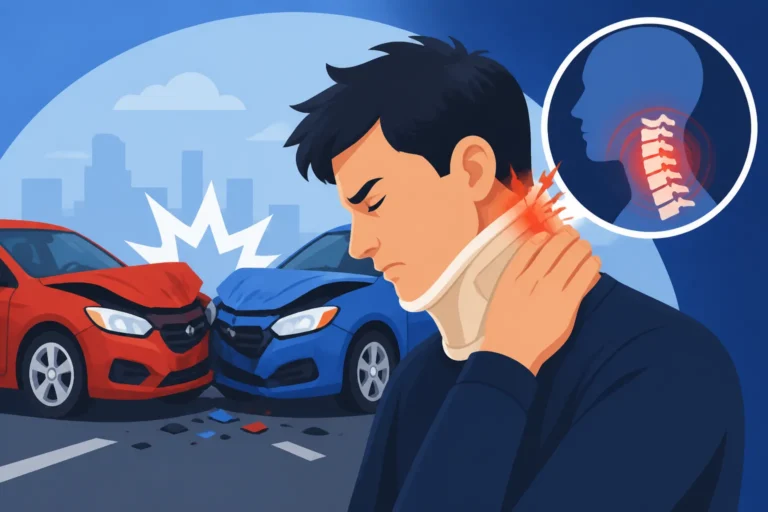
When whiplash evolves into a chronic pain condition, it can involve persistent neck pain, stiffness, headaches, dizziness, and even cognitive issues like difficulty concentrating. This isn't just a "stiff neck"; it's a condition that can impact sleep, work performance, and general well-being for years. If extensive physical therapy, chiropractic care, pain management, and even psychological counseling are required over an extended period, the costs—both economic and non-economic—mount up significantly. Understanding Whiplash Symptoms After a Car Accident is crucial.
Extensive Medical Documentation
For chronic whiplash to command a higher settlement, meticulous medical documentation is absolutely essential. This includes consistent doctor visits, detailed notes on pain levels and limitations, records of all treatments (physical therapy, massage, injections), and referrals to specialists. The longer the treatment period and the clearer the medical evidence of ongoing impairment, the stronger the argument for a higher settlement.
Internal Organ Damage and Serious Lacerations
These injuries, while sometimes not immediately visible, can be life-threatening and lead to lasting complications.
Emergency Surgeries and Potential Long-Term Dysfunction
Damage to internal organs, such as a ruptured spleen, liver laceration, or internal bleeding, requires immediate emergency surgery. The recovery can be lengthy, and there's always a risk of long-term organ dysfunction or the need for follow-up procedures. For example, a severe blow to the abdomen could cause intestinal damage requiring a colostomy, a life-altering procedure. Similarly, deep lacerations, especially if they become infected or affect tendons and nerves, can necessitate multiple surgeries and lead to permanent scarring, nerve damage, and loss of function.
Scarring and Disfigurement Requiring Plastic Surgery
Even if an internal injury heals, large or unsightly scars from emergency surgeries can lead to disfigurement, particularly if they are on visible parts of the body. Serious lacerations can also leave permanent marks. The cost of plastic surgery to minimize scarring, along with the emotional distress associated with altered appearance, can contribute substantially to a settlement.
Lower-Value Injuries: Still Important, But Different Calculation
It's important to remember that all injuries resulting from a car accident deserve compensation, regardless of their perceived severity. While these injuries typically result in lower settlement values compared to catastrophic ones, they are still important and can significantly impact your life.
Minor Sprains, Strains, and Bruises
These are very common, often resulting from the sudden impact of a collision.
Short-Term Discomfort and Recovery
A minor sprain (like a wrist or ankle sprain) or muscle strain (like in the back or shoulder) can cause pain, swelling, and limit movement for several weeks. Bruises, especially large ones, can be quite painful and unsightly. While these injuries are generally expected to heal fully within a few weeks to a few months with conservative treatment (rest, ice, over-the-counter pain relievers, possibly some physical therapy), they still involve medical bills, potential lost time from work, and pain and suffering.
Limited Long-Term Impact
The key differentiator here is the typically limited long-term impact. Once healed, these injuries usually don't result in chronic pain, permanent disability, or ongoing medical needs. Therefore, the "future medical expenses" and "loss of earning capacity" components are usually minimal or non-existent, leading to lower overall settlement figures compared to more severe injuries. However, prompt medical care and diligent documentation are still crucial for proving these claims.
Minor Cuts and Abrasions
Small cuts, scrapes, and "road rash" from an accident are also quite common.
Basic Medical Treatment and Scarring
These often require basic medical care, such as cleaning, bandaging, and sometimes stitches. While they can be painful and prone to infection if not properly cared for, they typically heal well. If a cut is deep or wide, it might leave a small scar. If on a visible area, the scar's presence and any associated emotional distress would contribute to the non-economic damages, but generally to a lesser degree than severe facial disfigurement.
Minimal Impact on Function
Most minor cuts and abrasions do not significantly impair bodily function once healed. They might cause temporary discomfort or restrict certain movements while healing, but they rarely result in long-term disability or loss of earning capacity. The focus of compensation here is primarily on the immediate medical costs, short-term pain, and any minor cosmetic impact from scarring.
The Crucial Role of Medical Treatment and Documentation
No matter the severity of your injuries, diligent medical treatment and thorough documentation are absolutely foundational to proving your claim and achieving a fair settlement. Without it, even the most severe injuries can be difficult to prove.
Seeking Immediate and Consistent Medical Care
After a car accident, your first priority must always be your health. See a doctor immediately, even if you don't feel significant pain. Some serious injuries, like concussions or internal bleeding, can have delayed symptoms. Waiting to seek care can not only harm your health but also weaken your claim, as insurance companies might argue your injuries weren't caused by the accident or weren't serious enough to warrant immediate attention.
Following Doctor's Orders Faithfully
Once you're under a doctor's care, it is paramount that you follow all their recommendations. Attend every scheduled appointment, complete all prescribed physical therapy, and take medications as directed. Skipping appointments or failing to adhere to treatment protocols can be used by the insurance company to suggest that you weren't truly injured or that your injuries were not as severe as claimed. Consistency proves the necessity of your treatment and builds a clear timeline of your recovery, or lack thereof.
Comprehensive Medical Records and Diagnostics
Every visit, every test, every treatment session creates a vital paper trail. These medical records, including doctor's notes, MRI reports, X-rays, CT scans, prescription lists, and physical therapy logs, are the backbone of your injury claim. They objectively confirm your injuries, the severity, the course of treatment, and your prognosis. Without these detailed records, it becomes incredibly difficult to prove the extent of your damages. Learn more about How Medical Records Prove Your Injuries.
Impact on Settlement Value
The more thoroughly documented your medical journey is, the more credible and valuable your claim becomes. Insurance companies evaluate claims based on evidence, and robust medical records provide that evidence.
Connecting Treatment to Injury
Clear documentation helps establish the causal link between the accident and your injuries. It shows a continuous, consistent effort to heal and recover. For example, if you have a Herniated Disc From a Car Accident, showing all your physical therapy sessions, medications, and specialist visits will clearly demonstrate the extent of your injury and the efforts required to treat it.
Justifying Pain and Suffering
While pain and suffering are subjective, they are often directly correlated with the extent and duration of medical treatment. Extensive treatments, surgeries, and long recovery periods inherently imply greater physical pain and emotional distress. Your medical records provide the objective framework that supports the subjective experience of pain and suffering, ultimately helping to justify a higher non-economic damages component in your settlement.
Maximizing Your Car Accident Settlement Value
Beyond understanding which injuries are worth the most, there are concrete steps you can take to strengthen your claim and ensure you receive the fullest possible compensation.
Gather Comprehensive Evidence
The more information you have, the stronger your position will be.
Scene Documentation and Witness Statements
Immediately after an accident, if you are able, document everything. Take photos and videos of the accident scene, vehicle damage, road conditions, and any visible injuries. Exchange information with the other driver and gather contact details from any witnesses. Witness statements can be crucial in establishing fault, especially if there's a dispute. This initial evidence gathering is key for any car accident claim. If there was a police report, that is also a critical piece of evidence. Read about Police Reports and Car Accident Fault.
Keep Meticulous Records
Beyond medical records, keep a detailed log of all your accident-related expenses: transportation costs to appointments, lost wages, out-of-pocket medication costs, and even receipts for everyday services you can no longer perform (e.g., house cleaning, childcare). Also, keep a "pain journal" where you regularly note your pain levels, limitations, and emotional state. This personal account can be powerful in demonstrating the true impact of your injuries.
Avoid Common Pitfalls
Many accident victims inadvertently damage their claims.
Never Admit Fault
Immediately after an accident, it's natural to apologize or express concern, but never admit fault, even if you think you might be partly to blame. This can be used against you later to reduce or deny your claim. Stick to the facts when speaking with police or the other driver. Do not give a recorded statement to the other driver's insurance company without consulting a lawyer first. Learn What Is an Admission of Fault and How to Avoid It?.
Be Wary of Early Settlement Offers
Insurance companies often try to settle claims quickly, especially for what might appear to be minor injuries. They might offer a seemingly reasonable sum upfront. However, these initial offers are almost always lowball attempts designed to minimize their payout. Accepting an early settlement means waiving your right to further compensation, even if new, delayed symptoms or complications arise later. Always understand the full extent of your injuries and their long-term prognosis before considering any offer. Read more on Should You Accept the First Settlement Offer?.
The Advantage of Legal Representation
For serious injuries, hiring an experienced car accident lawyer can make a profound difference in your settlement outcome.
Navigating Complex Legal and Insurance Processes
The world of car accident claims is complex, filled with legal jargon, deadlines (like the Statute of Limitations for Car Accidents by State), and aggressive insurance adjusters. A lawyer knows the law, understands how to value injuries, and can expertly negotiate with insurance companies on your behalf. They can also ensure all damages, including future medical costs and lost earning capacity, are properly calculated and included in your claim.
Maximizing Your Compensation
Studies and anecdotal evidence consistently show that accident victims who retain legal counsel typically receive significantly higher settlements than those who try to negotiate on their own, even after accounting for attorney fees. A lawyer acts as your advocate, protecting your rights and fighting to ensure you receive the maximum compensation you deserve, allowing you to focus on your recovery. For more on this, check out Do You Need a Lawyer for a Car Accident? (2026).
Comparing Injury Types and Potential Impact on Settlement
To give you a clearer picture, here's a general overview of how different injury types might influence a settlement, keeping in mind that every case is unique.
| Injury Type | Typical Severity | Key Factors for Settlement Value | Potential Settlement Impact |
|---|---|---|---|
| Traumatic Brain Injury (TBI) | Catastrophic, permanent | Cognitive impairment, physical disability, lifelong care, personality changes, loss of earning capacity. | Very High: Often millions, depending on severity and impact. |
| Spinal Cord Injury (SCI) | Catastrophic, permanent | Paralysis, loss of bodily function, extensive medical equipment, home modifications, loss of independence. | Very High: Often millions, depending on severity and impact. |
| Amputation | Catastrophic, permanent | Loss of limb, multiple surgeries, prosthetic costs, psychological trauma, disfigurement, functional loss. | Very High: Hundreds of thousands to millions. |
| Severe Burns | Catastrophic, permanent | Multiple surgeries, skin grafts, extensive scarring, chronic pain, psychological trauma. | Very High: Hundreds of thousands to millions. |
| Permanent Organ Damage | Severe, long-term | Lifelong medical management, reduced organ function, potential transplants, chronic health issues. | High: Hundreds of thousands to over a million. |
| Herniated Disc (with surgery) | Moderate to Severe | Chronic pain, nerve damage, spinal surgery, rehabilitation, potential for long-term limitations. | Medium-High: Tens of thousands to hundreds of thousands. |
| Complex Fractures (with surgery) | Moderate to Severe | Multiple surgeries, lengthy recovery, chronic pain, arthritis, limited mobility. | Medium-High: Tens of thousands to hundreds of thousands. |
| Significant Whiplash (chronic) | Moderate | Persistent neck pain, headaches, dizziness, extensive physical therapy, reduced quality of life. | Medium: Tens of thousands. |
| Moderate Fractures | Moderate | Casting/immobilization, physical therapy, some pain, generally good recovery. | Medium: Tens of thousands. |
| Concussion (mild TBI) | Mild to Moderate | Headaches, dizziness, cognitive fogginess, temporary work restrictions, potential for post-concussion syndrome. | Low-Medium: Several thousands to tens of thousands. |
| Soft Tissue Injuries (sprains, strains) | Mild | Short-term pain, physical therapy, usually full recovery, minimal long-term impact. | Low: A few thousands to tens of thousands. |
| Minor Cuts/Bruises | Minor | Immediate pain, basic medical care, usually full recovery, minimal long-term impact. | Very Low: Hundreds to a few thousands. |
This table is a general guide. Many nuances can shift an injury's value, but it illustrates the principle that the more severe, permanent, and life-altering an injury is, the higher its potential settlement value.
Disclaimer
This article is intended for informational purposes only and does not constitute legal advice. Every car accident claim is unique, and the value of your settlement will depend on the specific facts and circumstances of your case, as well as the laws of your state. It is highly recommended to consult with an experienced personal injury attorney to discuss your particular situation and understand your legal options.