Is Herniated Disc Common After a Rear-End Collision?
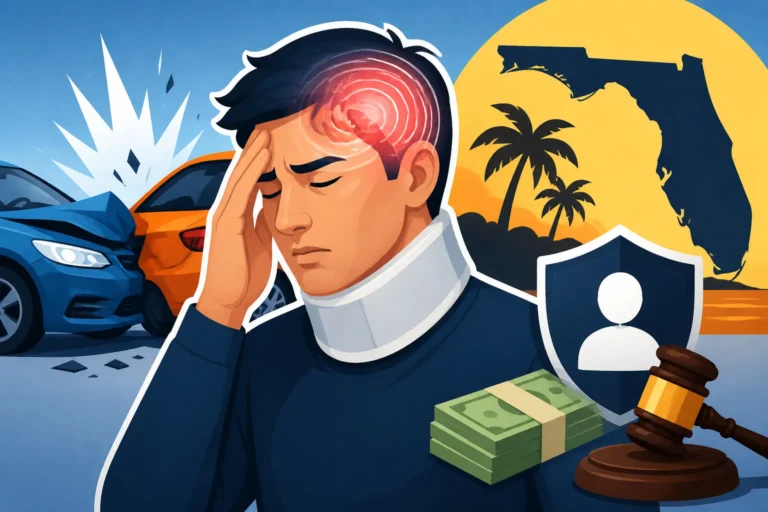
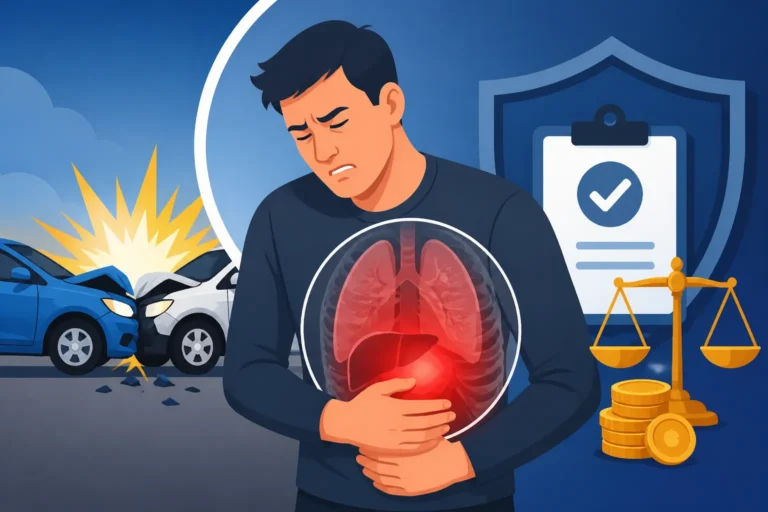
Driving can be a pretty routine part of life, but nothing shatters that routine quite like the sudden, jarring impact of a rear-end collision. One moment you're listening to your favorite podcast or humming along to a song, and the next, your world is shaking. Beyond the initial shock and crumpled metal, many people immediately wonder about their neck and back. Is it just a stiff neck, or could it be something more serious? Specifically, the thought of a herniated disc often creeps into people's minds after a shunt from behind, and for good reason. This guide aims to clear up the confusion, explain why herniated discs are indeed a common concern after these types of accidents, and help you understand what steps to take if you suspect you might have one.
Understanding Rear-End Collisions and Spinal Stress
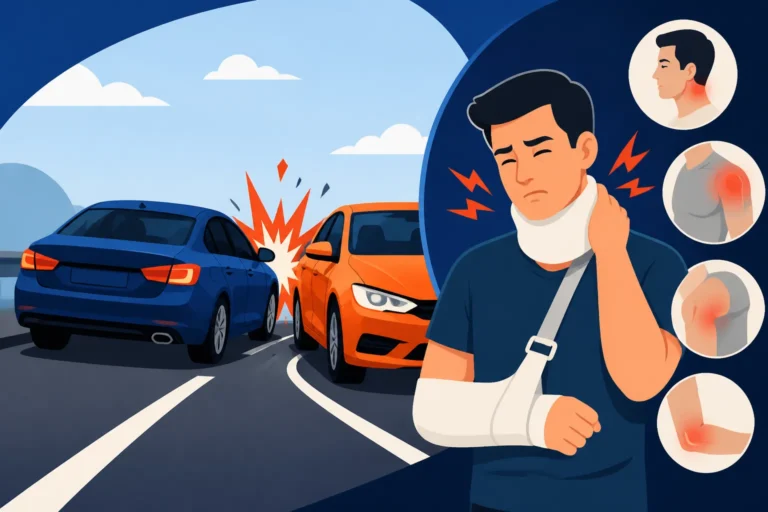
When another vehicle hits yours from behind, the forces involved are anything but gentle on your body, especially your spine. Even a seemingly minor fender bender can generate significant G-forces that whip your body around in ways it's not designed to handle. This sudden, violent motion places immense stress on the delicate structures of your spinal column.
The Physics of Impact on Your Spine
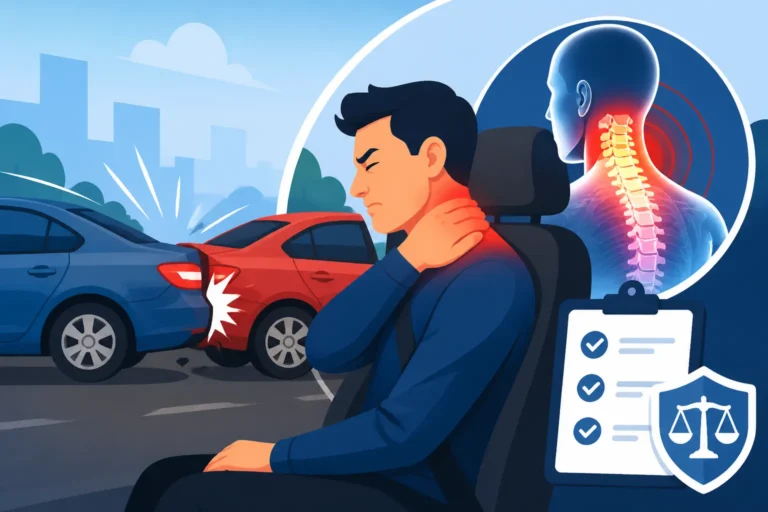
Imagine your car being pushed forward suddenly. Your body tries to stay in place, then gets violently accelerated forward. Your torso is restrained by the seatbelt, but your head, being free, snaps backward (hyperextension) and then forward (hyperflexion). This "whiplash" effect is notorious, but it's not just your neck that takes a beating. The entire kinetic chain of your spine is affected, from your neck down to your lower back.
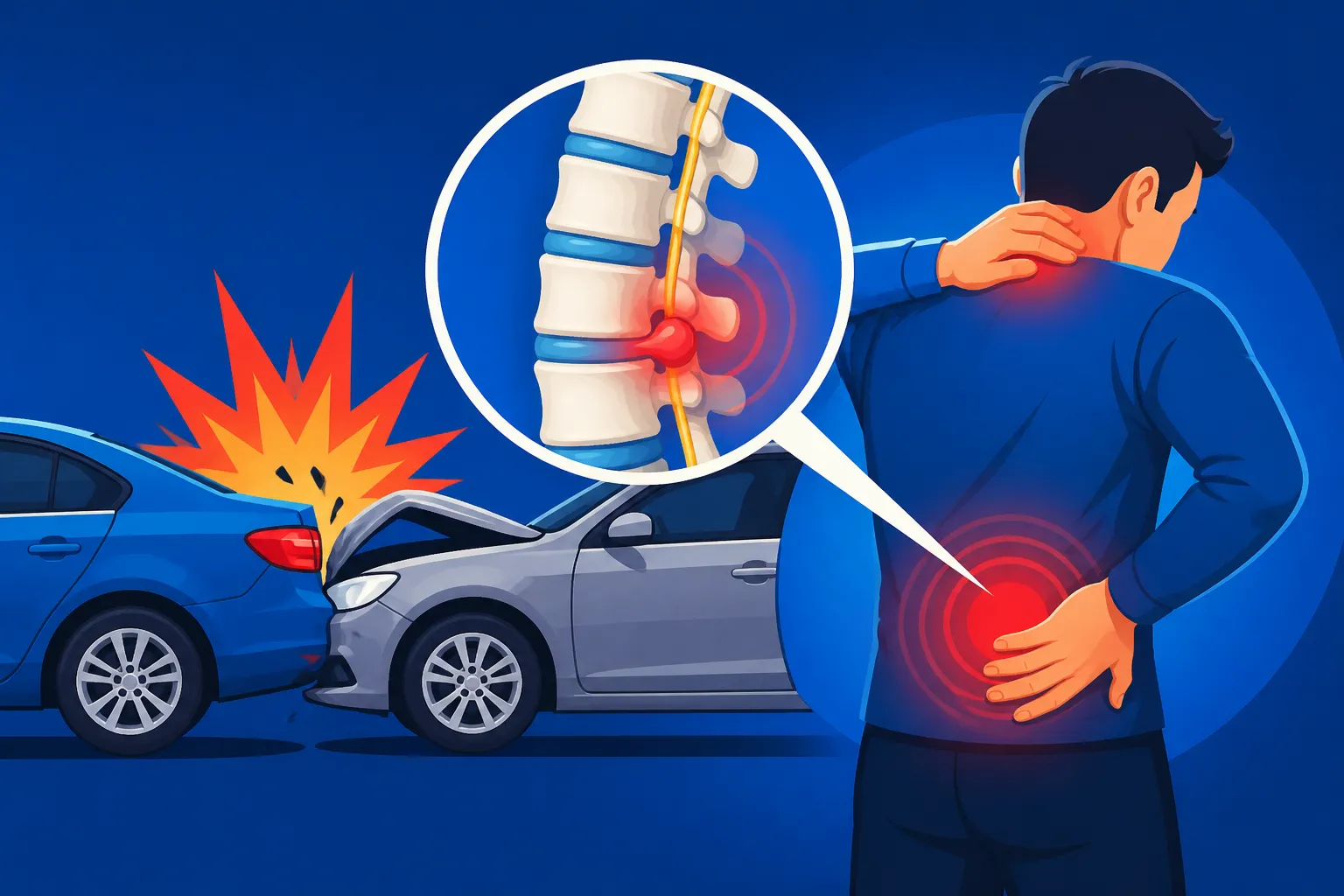
The discs in your spine, which act as shock absorbers between your vertebrae, are particularly vulnerable. The sudden compression and stretching forces can cause these discs to bulge or even tear. Think of a jelly donut: if you squeeze it suddenly from the sides, the jelly inside might squirt out. Your spinal discs are similar; the soft, gel-like center (nucleus pulposus) can be forced out through a tear in the tougher outer layer (annulus fibrosus) due to the trauma. This is the essence of a herniated disc. It's a truly complex biomechanical event, and it's why many people seek out information on Common Car Accident Injuries: Complete Guide (2027).
Why the Neck and Lower Back are Vulnerable
While any part of your spine can be injured in a car accident, the cervical (neck) and lumbar (lower back) regions are particularly susceptible to herniated discs in rear-end collisions.
The cervical spine is the most flexible part of your spine, designed for a wide range of motion. This flexibility, however, makes it prone to injury when subjected to rapid, uncontrolled movements. The whiplash motion of the head and neck directly stresses the cervical discs, increasing the likelihood of herniation. People often experience a stiff neck, but it can quickly escalate.
The lumbar spine, or lower back, bears the brunt of your body's weight and is also subjected to significant forces during a crash. When your car is struck from behind, the force travels up your seat, through your pelvis, and into your lower spine. This can cause a sudden compression or rotation that puts extreme pressure on the lumbar discs. Even if you don't feel an immediate jolt in your lower back, the subtle biomechanical changes can set the stage for a disc injury to manifest later. It’s also important to consider that a significant percentage of collisions involve secondary impacts or jolts that can further complicate spinal trauma, underscoring the importance of understanding specific injuries like those discussed in Back and Spinal Injuries From Car Accidents.
The Insidious Nature of Herniated Discs After a Crash
A herniated disc isn't always like a broken bone where you know instantly something is severely wrong. Often, the pain and symptoms associated with a herniated disc can be delayed, subtle, or even masked by other injuries, making it particularly insidious.
What Exactly is a Herniated Disc?
To truly understand a herniated disc, let’s briefly dive into spinal anatomy. Your spine is made up of individual bones called vertebrae, stacked one on top of the other. Between each vertebra, you have a disc. These intervertebral discs are amazing structures – they're like small, tough cushions with a soft, gel-like center (the nucleus pulposus) encased in a strong, fibrous outer ring (the annulus fibrosus). They allow your spine to bend, twist, and absorb shock.
When a disc herniates, it means that the tough outer layer has torn, allowing some of the soft inner material to push out. This can happen suddenly, like in an acute trauma from a car accident, or it can develop over time due to wear and tear. The real problem usually isn't the tear itself, but what happens next: the displaced disc material can press on nearby spinal nerves. This compression is what leads to the classic symptoms of a herniated disc, such as pain, numbness, tingling, or weakness in the areas supplied by that nerve. It’s distinctly different from a disc bulge, where the outer wall of the disc simply protrudes without a tear. Understanding this distinction is key to comprehending the severity.
Why Initial Pain Might Be Masked
It's a common scenario: you're involved in a rear-end accident, you feel a bit shaken, maybe some stiffness, but nothing too alarming. You might even go about your day. However, hours or even days later, excruciating pain sets in, sometimes radiating down your arm or leg. This delayed onset is incredibly common with many car accident injuries, including herniated discs.
Several factors contribute to this masking effect. Firstly, the body's natural response to trauma is to release adrenaline and endorphins, powerful natural painkillers that can temporarily numb pain. You might be in shock, focused on the immediate aftermath of the accident – exchanging insurance information, talking to police, checking on your passengers. Your body is in "fight or flight" mode, and minor aches might not register.
Secondly, soft tissue injuries like whiplash, muscle strains, and bruising can be immediately painful. This acute, widespread pain can distract from or overshadow the more localized, neurological pain of a herniated disc. It's often only after the initial inflammation and adrenaline subside that the deeper, nerve-related symptoms of a herniated disc truly emerge. This phenomenon makes it crucial to understand Delayed Injury Symptoms After a Car Accident.
Prevalence in Rear-End Crashes
So, is a herniated disc common after a rear-end collision? The answer, unfortunately, is yes. While precise statistics can vary, spinal injuries, including herniated discs, are among the most frequently diagnosed conditions following these types of accidents. The specific mechanics of a rear-end impact, as described earlier, create a perfect storm for disc damage.
Studies and clinical experience show a strong correlation between rear-end impacts and cervical and lumbar disc injuries. The rapid deceleration and acceleration forces directly strain the ligaments and discs, particularly in the lower neck (C5-C7 vertebrae) and lower back (L4-S1 vertebrae). It's not just the high-speed impacts either; even low-speed collisions can generate enough force to cause significant disc damage, sometimes without much visible damage to the vehicles themselves.
This high prevalence is why medical professionals and legal experts strongly advise seeking medical attention after any car accident, even if you feel fine initially. The potential for a herniated disc, with its long-term implications, is simply too great to ignore. Many people who initially dismiss their pain end up later discovering a significant disc injury.
Recognizing Symptoms and Seeking Proper Diagnosis
One of the most challenging aspects of a herniated disc is that its symptoms can sometimes mimic other less severe conditions, or they can be so debilitating that they alarm you right away. Knowing what to look for and understanding the importance of professional medical assessment is critical.
Key Symptoms to Watch For
While a stiff neck or general backache might be a symptom of a simple strain, a herniated disc often presents with more specific, neurological signs due to nerve compression. Here’s what to pay close attention to:
- Radiating Pain (Radiculopathy/Sciatica): This is perhaps the most tell-tale sign. If the herniated disc is in your neck (cervical spine), you might feel sharp, burning, or electrical pain radiating down one arm, into your hand, and even specific fingers. If the disc is in your lower back (lumbar spine), this radiating pain is often called sciatica, traveling down your buttock, hamstring, calf, and into your foot. The path of the pain often follows the nerve that is being compressed.
- Numbness or Tingling: Along with pain, you might experience a "pins and needles" sensation or complete numbness in the same areas of your arm or leg. This indicates nerve irritation.
- Weakness: A compressed nerve can also affect muscle strength. You might notice weakness in your grip, difficulty lifting objects, or a foot drop if the lower back nerve is severely impinged.
- Worsening Pain with Movement: Pain from a herniated disc often gets worse with certain movements, coughing, sneezing, or sitting for long periods (especially with lumbar herniations). Changing positions might offer temporary relief, but the underlying issue persists.
- Loss of Reflexes: In more severe cases, a doctor might note a decrease or absence of reflexes during a physical examination.
It’s easy to dismiss early symptoms as general soreness, but if you notice any of these more specific, radiating symptoms, it’s a strong signal that you could have a herniated disc. It's not just a bad back day; it's a structural issue that needs attention. These are often distinct from the general soreness associated with Whiplash Symptoms After a Car Accident, though the two can certainly coexist.
The Critical Role of Medical Evaluation
Given the potential severity and the insidious nature of herniated discs, seeking prompt and thorough medical evaluation after a car accident is not just advisable, it's absolutely essential. Even if you initially feel fine or only have minor discomfort, don't wait. Why You Should See a Doctor After a Car Accident immediately after a collision is critical.
Here’s what a comprehensive medical evaluation typically involves:
- Initial Physical Exam: Your doctor will assess your range of motion, palpate your spine for tenderness, and conduct neurological tests to check your reflexes, sensation, and muscle strength in your arms and legs. They might perform specific tests like the straight leg raise to see if it reproduces your radiating pain, indicative of nerve root compression.
- Imaging Tests: While X-rays can show bone fractures or alignment issues, they cannot visualize soft tissues like discs. For a suspected herniated disc, a Magnetic Resonance Imaging (MRI) scan is the gold standard. An MRI provides detailed images of your spinal cord, nerve roots, and the discs themselves, clearly showing if a disc has herniated and whether it's pressing on a nerve. Sometimes, a CT myelogram (a CT scan after dye is injected into the spinal canal) might be used if an MRI is contraindicated or inconclusive.
- Electromyography (EMG) and Nerve Conduction Studies (NCS): These tests might be ordered to assess nerve function and pinpoint exactly which nerve roots are affected and the extent of the damage, especially if weakness or numbness is a significant symptom.
Receiving an accurate and timely diagnosis is paramount not only for your physical health and recovery but also for any potential car accident claim you might pursue. A clear medical record demonstrating the link between the accident and your herniated disc will be crucial.
| Symptom Category | General Back/Neck Strain | Herniated Disc |
|---|---|---|
| Pain Type | Dull ache, muscle soreness | Sharp, burning, electric shock-like |
| Pain Location | Localized to injured area | Radiates down arm/leg (radiculopathy/sciatica) |
| Associated Sensations | Stiffness, tenderness | Numbness, tingling ("pins and needles") |
| Muscle Function | Minor weakness due to pain | Significant weakness, muscle atrophy possible |
| Aggravating Factors | Movement, poor posture | Coughing, sneezing, prolonged sitting, specific movements |
| Onset | Often immediate | Can be delayed hours or days |
| Diagnostic Test | Physical exam, X-ray (rule out fractures) | MRI (gold standard), EMG/NCS |
Navigating Recovery and Your Car Accident Claim
Discovering you have a herniated disc after a rear-end collision is a game-changer. It means your recovery journey will likely be more involved, and your car accident claim will need to reflect the significant impact this injury has on your life.
Treatment Paths for Herniated Discs
The good news is that most herniated discs can be successfully treated with conservative, non-surgical methods. However, recovery can take time, often weeks to months, and requires dedication.
-
Conservative Treatments:
- Rest and Activity Modification: Initially, limiting activities that aggravate your pain is key. However, complete bed rest is often not recommended; gentle movement helps.
- Physical Therapy: This is often the cornerstone of recovery. A physical therapist will guide you through exercises to strengthen core muscles, improve flexibility, and posture. They might also use modalities like heat, ice, ultrasound, or electrical stimulation.
- Medications: Over-the-counter pain relievers (like ibuprofen) or prescription medications (muscle relaxants, oral corticosteroids, neuropathic drugs for nerve pain) can help manage symptoms.
- Epidural Steroid Injections: If pain is severe and radiating, your doctor might recommend an injection of corticosteroids directly into the space around the affected nerve roots. This can reduce inflammation and provide significant, though often temporary, pain relief.
- Chiropractic Care: Some patients find relief through gentle chiropractic adjustments, focusing on spinal alignment and reducing nerve impingement.
-
Surgical Options:
- Surgery is typically considered if conservative treatments fail to provide relief after several months, or if you experience severe symptoms like progressive muscle weakness, bowel/bladder dysfunction (cauda equina syndrome), or unbearable pain.
- Common surgical procedures include microdiscectomy (removing the herniated part of the disc) or, in more complex cases, spinal fusion (joining two or more vertebrae together).
It's crucial to follow your doctor's recommendations precisely and consistently. Your commitment to treatment not only aids your physical recovery but also strengthens your injury claim.
Impact on Your Car Accident Claim
A herniated disc isn't just a physical injury; it can have profound financial and emotional consequences. Therefore, it significantly impacts the value and complexity of your car accident claim. Unlike a minor bruise, a herniated disc almost always leads to a much higher settlement value because it involves:
- Extensive Medical Expenses: Diagnostic imaging like MRIs, specialist consultations, physical therapy, medications, injections, and potentially surgery can quickly accumulate massive medical bills. This falls under your Economic vs Non-Economic Damages Explained.
- Lost Wages and Earning Capacity: The pain and limitations from a herniated disc can prevent you from working, leading to lost income. If the injury causes long-term disability or forces you into a less demanding, lower-paying job, you can claim for lost earning capacity.
- Pain and Suffering: This is a major component of compensation for a herniated disc. The chronic pain, discomfort, limitations on daily activities, emotional distress, and loss of enjoyment of life are all valid components of a claim for Pain and Suffering Damages: What They Cover. A herniated disc can make simple acts like sleeping, lifting your child, or enjoying hobbies incredibly difficult. This is a primary reason why an Average Settlement for a Herniated Disc is often substantial.
- Property Damage: While not directly related to your disc injury, don't forget the damage to your vehicle.
Insurance companies, like State Farm or GEICO, know that herniated discs are serious. They also know that proving the link to the accident is crucial. This is why thorough medical documentation is non-negotiable. To understand the full scope of potential compensation, it's worth exploring guides like How Much Is My Car Accident Settlement Worth? (2026).
Documenting Your Journey
For both your health and your claim, meticulous documentation is key. Every step of your journey, from the moment of impact to your final medical appointment, needs to be recorded.
- Medical Records: Keep copies of all medical reports, diagnostic imaging results (MRI scans!), physical therapy notes, medication prescriptions, and bills. These form the backbone of your claim and serve as irrefutable evidence of your injury and treatment.
- Journaling: Maintain a daily journal detailing your pain levels, how the injury impacts your daily life (e.g., difficulty sleeping, getting dressed, doing chores), and any emotional distress you're experiencing. This personal account can provide powerful "non-economic" evidence of your suffering.
- Proof of Lost Wages: Keep pay stubs, employment records, and letters from your employer detailing time missed from work.
- Communication Records: Document all communications with insurance adjusters, doctors, and legal professionals, including dates, times, and summaries of conversations.
Remember, an insurance company's primary goal is often to minimize payouts. They might try to argue that your herniated disc was a pre-existing condition or not directly caused by the accident. Strong, consistent documentation, along with adherence to your treatment plan, makes it much harder for them to dispute your claim. For complex injuries like a herniated disc, many people find that navigating the process without professional help can be incredibly overwhelming, which often leads to the question, Do You Need a Lawyer for a Car Accident? (2026)
Disclaimer
Please remember that this information is intended for general guidance and informational purposes only, and does not constitute legal or medical advice. Every car accident and injury claim is unique. You should always consult with a qualified medical professional for diagnosis and treatment of any injury, and a legal professional for advice regarding your specific car accident claim.