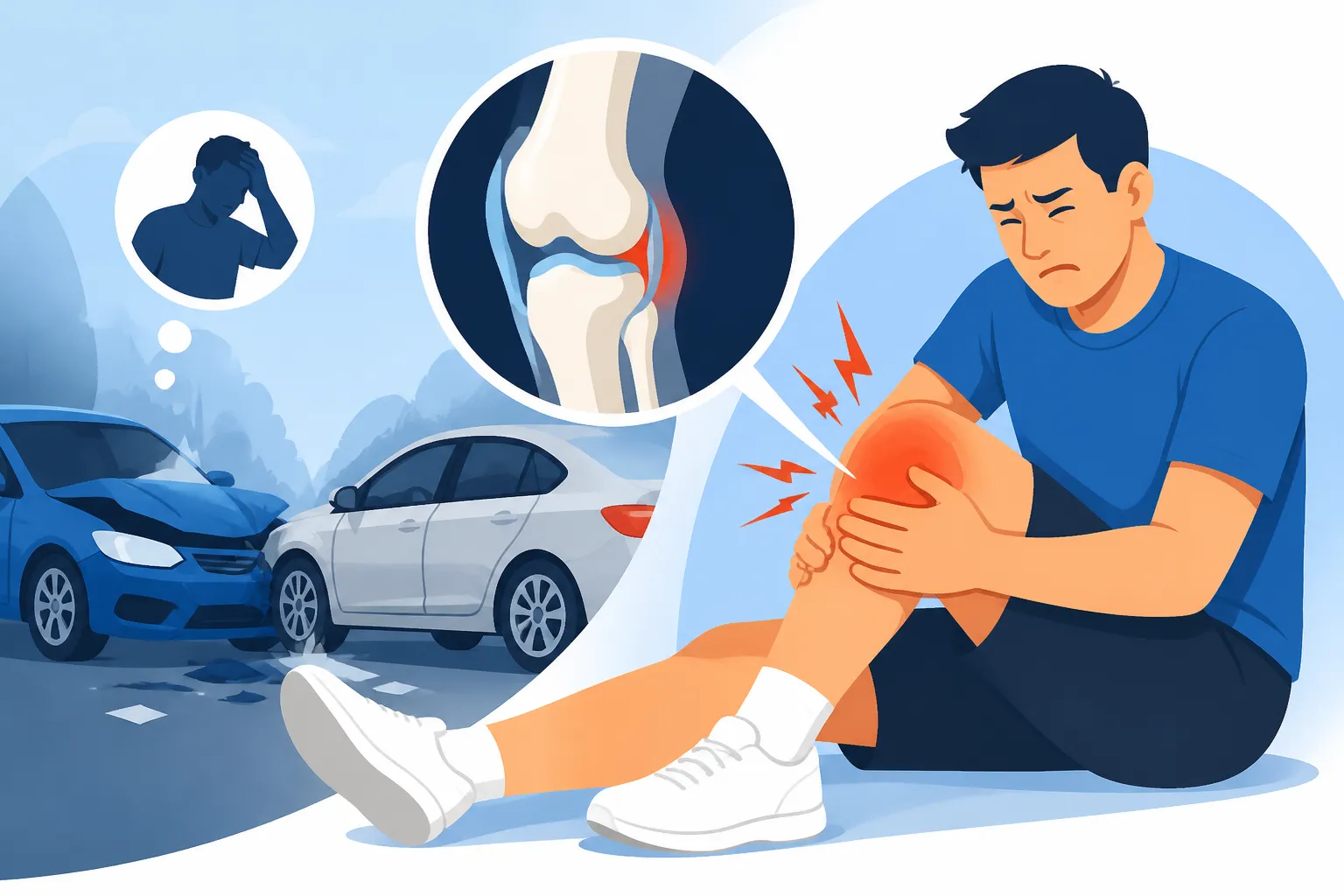
How Long Does Knee Injury Take to Heal After a Car Accident?
A sudden car accident can turn your world upside down, and discovering a painful knee injury in the aftermath adds a whole new layer of stress. You're not just dealing with the shock of the crash; you're also worried about daily tasks, your job, and most importantly, how long it will take for your knee to feel normal again. This comprehensive guide will walk you through the typical healing timelines for various knee injuries sustained in a car accident, what factors influence your recovery, and what to expect during the healing process.
Understanding Knee Injuries from Car Accidents
When your body is subjected to the violent forces of a car accident, your knees, being critical weight-bearing joints, are incredibly vulnerable. Whether it's a direct impact or a twisting motion, the delicate structures within your knee can sustain significant damage. Understanding the specific type of injury you've suffered is the first crucial step in grasping your potential recovery timeline.
Common Types of Knee Injuries from Accidents
Car accidents often lead to a range of knee injuries, stemming from different mechanisms of impact. For instance, in a frontal collision, your knee might strike the dashboard or steering column with immense force, leading to a patellar (kneecap) fracture or posterior cruciate ligament (PCL) tear. This direct impact can shatter the kneecap or drive the shinbone backward, straining the PCL. Alternatively, if your foot is firmly planted on the brake or caught under a pedal, the sudden deceleration can cause a twisting injury to the knee, resulting in meniscal tears or anterior cruciate ligament (ACL) damage. These types of injuries involve the intricate network of bones, cartilage, and ligaments that give your knee its stability and range of motion.
Beyond direct blows, even indirect forces can be incredibly damaging. Imagine a side-impact collision where your body is thrown laterally within the vehicle; the sudden jarring motion can hyperextend or violently twist your knee, potentially rupturing the medial collateral ligament (MCL) or lateral collateral ligament (LCL), or tearing the meniscus. Each type of injury, from a simple bone bruise to a complex multi-ligament tear, presents its own set of challenges for healing and recovery. The initial diagnosis, often involving X-rays and MRI scans, is critical to identify the full extent of the damage and to map out the most effective treatment plan, which in turn directly influences the duration of your recovery.
Beyond the Bones Soft Tissue Damage
It's easy to focus on broken bones because they're visible on X-rays and often involve immediate, undeniable pain. However, some of the most debilitating knee injuries from car accidents involve the "soft tissues" – the ligaments, tendons, and cartilage that hold your knee together and allow it to function smoothly. Ligament tears, such as those affecting the ACL, PCL, MCL, or LCL, can severely compromise knee stability. These are the strong bands of fibrous tissue that connect bones, and when they're torn, your knee can feel like it's giving way, making even simple walking a challenge. Similarly, a torn meniscus, the C-shaped cartilage that acts as a shock absorber between your thigh bone and shinbone, can cause clicking, locking, and persistent pain.
What makes soft tissue injuries particularly frustrating is that they might not always present with immediate, acute pain or obvious swelling, sometimes even showing up as Delayed Injury Symptoms After a Car Accident. An initial X-ray, which only visualizes bones, might even come back "clear," leading to a false sense of security. It's often only after a few days or weeks, as swelling increases or instability becomes more pronounced, that the true nature of the injury emerges, requiring an MRI for proper diagnosis. Because these tissues have limited blood supply compared to bone, their healing process can be notoriously slow and often requires dedicated physical therapy or even surgical intervention. Getting a precise and timely diagnosis from an orthopedic specialist is paramount; a delay can not only prolong your suffering but potentially lead to further damage and more complex long-term issues.
Factors Influencing Healing Timelines
The question of "how long will my knee take to heal?" is one of the first things on anyone's mind after a car accident. Unfortunately, there's no single, universal answer. Your body isn't a textbook, and healing is a highly individual process, influenced by a multitude of interconnected factors.
Severity of the Injury and Initial Impact
Undoubtedly, the most significant factor in your knee injury healing timeline is the severity and specific nature of the damage itself. A minor knee sprain or strain, categorized as a Grade I injury, involves stretching of ligaments or tendons but no major tearing. These often heal relatively quickly, perhaps within a few weeks, with conservative treatment like rest, ice, compression, and elevation (R.I.C.E.). However, if you've suffered a Grade III ligament tear, where the ligament is completely ruptured, or a complex fracture of the patella or tibia, your journey to recovery will be considerably longer and more involved. Such severe injuries almost always require surgical intervention to repair or reconstruct the damaged structures, followed by extensive, months-long rehabilitation.
Consider the mechanics of the accident as well. A direct, high-impact blow that shatters your kneecap will necessitate a different recovery path than a twisting injury that results in a smaller meniscal tear. Fractures often require periods of immobilization in a cast or brace, preventing weight-bearing and movement for several weeks, before rehabilitation can even begin. Surgical repairs, while crucial for restoring stability and function, introduce their own healing complexities, including post-operative pain, swelling, and the need for tissues to mend after being physically manipulated. The initial trauma sets the stage for everything that follows, from the type of medical care you receive to the duration and intensity of your physical therapy.
Your Overall Health and Lifestyle Choices
While the injury itself dictates a significant portion of the healing timeline, your personal health profile plays an enormous supporting role. Younger individuals, generally speaking, tend to have faster healing capabilities due to more robust cellular regeneration and better blood flow. Conversely, older adults or those with pre-existing conditions like diabetes, circulatory issues, or severe arthritis might find their recovery period extended. These conditions can impede the body's natural healing processes, making it harder for damaged tissues to mend effectively. For a comprehensive overview of how various injuries affect people, you can check out Common Car Accident Injuries: Complete Guide (2027).
Beyond existing health issues, your daily lifestyle choices also have a profound impact. Smoking, for example, is notorious for restricting blood flow, which is absolutely vital for delivering oxygen and nutrients to injured tissues. Poor nutrition can also slow recovery, as your body needs specific vitamins, minerals, and proteins to rebuild and repair. On the flip side, someone who is generally active and has strong muscles surrounding their knee prior to the accident might have a better foundation for recovery and rehabilitation. Adherence to a healthy diet, avoiding tobacco and excessive alcohol, and maintaining a positive mental attitude can all contribute positively to your healing trajectory. It's a holistic process, and how you take care of your body outside of medical appointments truly matters.
Adherence to Treatment Protocols
Once you've received a diagnosis and your medical team has outlined a treatment plan, your commitment to that plan becomes a critical determinant of your healing timeline. This isn't just about showing up for appointments; it's about actively participating in your recovery every single day. If your doctor prescribes medication for pain and inflammation, taking it as directed is important. If you're told to keep weight off your knee for a certain period, using crutches and avoiding unnecessary strain is paramount. Ignoring these instructions, even for seemingly minor infractions, can lead to setbacks, re-injury, or complications that drastically prolong your overall recovery.
Physical therapy is often the cornerstone of knee injury rehabilitation, especially after a car accident. Attending all your scheduled physical therapy sessions is non-negotiable, but equally important is diligently performing the prescribed exercises at home. These exercises are specifically designed to restore range of motion, strengthen supporting muscles, and improve stability. Skipping sessions or neglecting your at-home regimen means your knee won't regain strength or flexibility as quickly, potentially leading to chronic pain, stiffness, or functional limitations. Insurance companies also look at consistent medical adherence when evaluating a claim, so it's not just about your health, but also about protecting your right to fair compensation. Remember, consistency and dedication to your treatment plan are key to achieving the best possible outcome and getting you back on your feet faster.
The Healing Process: What to Expect
The road to recovery from a knee injury sustained in a car accident is rarely a straight line. It's a journey with distinct phases, each presenting its own challenges and milestones. Knowing what to expect can help manage your frustrations and keep you motivated.
Immediate Aftermath and Initial Treatment
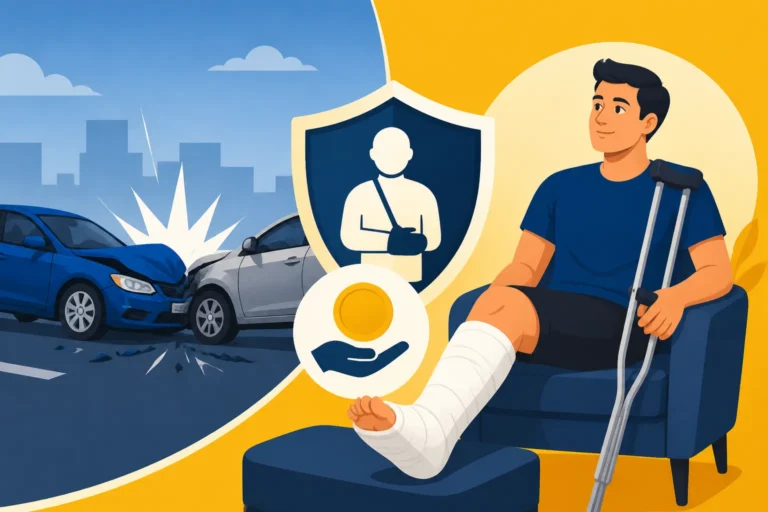
Right after a car accident, your knee injury will likely be characterized by acute pain, swelling, and tenderness. You might find it difficult to bear weight or even bend your knee. This initial phase, typically the first few days to a week, focuses on controlling inflammation and pain. The R.I.C.E. protocol – Rest, Ice, Compression, and Elevation – becomes your immediate best friend. Rest is crucial to prevent further damage, ice helps reduce swelling and pain, compression provides support, and elevation minimizes fluid buildup. It's absolutely vital to seek medical attention promptly, even if you feel your injury is minor. For more on this, consider reading Why You Should See a Doctor After a Car Accident.
Once you're at the emergency room or an urgent care clinic, doctors will perform an initial assessment. X-rays are usually the first diagnostic tool to check for fractures, but for soft tissue injuries, an MRI is often necessary to get a detailed view of ligaments, tendons, and cartilage. Based on the diagnosis, initial treatment might involve immobilization with a brace or splint, crutches to keep weight off the injured knee, and prescription pain medication or anti-inflammatories. If surgery is required, this initial phase will also involve pre-operative consultations and planning. This stage is about stabilizing the injury, reducing immediate discomfort, and preparing your body for the more active recovery phases to come.
Rehabilitation and Physical Therapy Phase
Once the initial acute pain and swelling have subsided, and especially after any necessary surgery, you'll transition into the rehabilitation phase, with physical therapy becoming the cornerstone of your recovery. This phase is often the longest and most challenging, mentally and physically. Your physical therapist will design a personalized program aimed at gradually restoring your knee's range of motion, strengthening the muscles surrounding the joint (like your quadriceps and hamstrings), and improving balance and proprioception (your body's sense of its position in space). You'll start with gentle, passive movements and progress to active exercises, resistance training, and functional movements specific to your daily activities and goals.
This isn't just about exercises in a clinic; it requires consistent dedication at home. The pace of progress can vary wildly depending on your specific injury, its severity, and your body's response. You might feel frustrated by slow gains or even experience temporary setbacks. It's crucial to communicate openly with your physical therapist about your pain levels and any difficulties you encounter. For severe injuries like an ACL reconstruction, this phase alone can last six months to a year, or even longer, before you feel truly strong and stable. Ultimately, the goal is to reach what medical professionals call What Is Maximum Medical Improvement (MMI)? – the point at which your condition has stabilized and further significant improvement is not expected, a key milestone often considered in a car accident claim.
Long-Term Recovery and Potential Complications
For many significant knee injuries from car accidents, especially those requiring surgery, the journey to full recovery can extend well beyond a year. Even after you've completed formal physical therapy, continued dedication to strength training, flexibility, and maintaining a healthy lifestyle is often necessary to prevent future issues. It's a marathon, not a sprint, and patience is truly a virtue here. You might find that your knee feels different, perhaps with some residual stiffness or occasional aches, even years after the accident.
Unfortunately, some knee injuries can lead to long-term complications. Chronic pain, persistent stiffness, and ongoing instability are real possibilities, particularly if the initial injury was severe or if rehabilitation wasn't fully completed. There's also an increased risk of developing post-traumatic arthritis in the injured joint years down the line, due to the initial impact damage to the cartilage. Re-injury is also a concern if the knee isn't fully strengthened before returning to demanding activities. Beyond the physical aspects, the psychological toll of a prolonged and painful recovery can be immense, leading to frustration, anxiety, or even depression. It’s important to address both the physical and mental aspects of healing to achieve the best possible long-term outcome.
Here’s a general overview of typical healing times for common knee injuries from car accidents:
| Knee Injury Type | Typical Healing Time (Conservative Treatment) | Typical Healing Time (Surgical Recovery) | Notes |
|---|---|---|---|
| Minor Sprain/Strain | 2-4 weeks | N/A | Rest, ice, compression, elevation (RICE) is primary treatment. |
| Meniscus Tear (minor) | 4-8 weeks | 3-6 months | Small tears may heal conservatively; larger or complex tears often need surgery. |
| ACL Tear | 6-12 months (post-op) | 6-12 months (post-op) | Usually requires surgery for stability, followed by extensive rehab. |
| MCL Tear (Grade I/II) | 2-8 weeks | N/A | Often heals without surgery; bracing and physical therapy are common. |
| Patellar Fracture (minor) | 6-8 weeks (immobilization) | 4-6 months (post-op) | Non-displaced fractures may heal with immobilization; displaced often need surgery. |
| PCL Tear | 6-12 weeks (conservative) | 6-12 months (post-op) | Can sometimes be managed non-surgically; surgery is common for severe instability. |
| Cartilage Damage | Highly variable | 6-12 months (post-op) | Often leads to chronic issues; treatments aim to manage symptoms and prevent further degeneration. |
Note: These are general estimates. Individual healing times can vary widely based on personal factors, severity, and treatment adherence.
Documenting Your Journey and Navigating Your Claim
Dealing with a knee injury after a car accident is complicated enough, but you also have the added burden of navigating the complexities of a car accident claim. Proper documentation of your injury and recovery is not just good medical practice; it's absolutely crucial for ensuring you receive the compensation you deserve.
Proving Your Injuries and Medical Records
After a car accident, every single interaction with a medical professional becomes a vital piece of evidence for your claim. This means meticulously documenting every doctor's visit, physical therapy session, diagnostic test (X-rays, MRIs, CT scans), prescription, and over-the-counter medication you take. These detailed medical records are the bedrock of your personal injury claim and are exactly How Medical Records Prove Your Injuries to the insurance company or a court. Insurance adjusters will scrutinize these records for consistency, gaps in treatment, and whether your complaints align with the medical findings. Any inconsistencies or delays in seeking treatment can be used by the at-fault driver's insurance company to argue that your injuries weren't serious or weren't directly caused by the accident.
Beyond objective medical data, it's also important to document the subjective experience of your injury. Keep a pain journal where you record your daily pain levels, how the knee injury impacts your sleep, work, personal care, and recreational activities. Be clear and consistent in communicating these impacts to your doctors and therapists, as their notes will also reflect your suffering. This comprehensive approach to documentation helps paint a complete picture of your physical and emotional toll, which is essential when calculating elements like Pain and Suffering: How It's Calculated in your settlement. Remember, the more thoroughly you document your injury and its impact, the stronger your case will be for recovering all your losses.
The Role of a Car Accident Claim in Recovery
A car accident claim isn't just about getting a payout; it's about securing the financial resources necessary for your complete recovery and future well-being. A significant knee injury can rack up thousands, if not tens of thousands, of dollars in medical bills, from initial emergency room visits and specialist consultations to surgical costs, ongoing physical therapy, medications, and even assistive devices like crutches or braces. Beyond medical expenses, you might also face lost wages if your injury prevents you from working, or a reduced earning capacity if your knee never fully recovers to its pre-accident state. Understanding How Much Is My Car Accident Settlement Worth? (2026) involves accounting for all these current and future costs.
Dealing with the other driver's insurance company can be a frustrating and often intimidating experience, as their primary goal is typically to minimize their payout. They will diligently investigate who is at fault in the car accident, as discussed in Who Is at Fault in a Car Accident? Complete Guide (2026), and apply their internal methods for How Insurance Companies Determine Who Is at Fault. This is why many people find themselves asking, Do You Need a Lawyer for a Car Accident? when facing a serious injury like a knee trauma. A skilled personal injury attorney can handle all communication with insurance adjusters, ensure all your damages are properly calculated as explained in How Car Accident Settlements Are Calculated, and fight for the full compensation you deserve. This allows you to focus solely on your physical recovery, without the added stress of battling insurance companies. Deciding When to Hire a Car Accident Lawyer can be a pivotal moment in protecting your rights and ensuring you have the best possible chance at a full and fair recovery, both medically and financially.
Disclaimer
Please remember that the information provided in this article is for general informational purposes only and does not constitute legal or medical advice. Every car accident and knee injury is unique, and the healing process can vary significantly. You should always consult with a qualified medical professional for diagnosis and treatment of any injury, and a legal professional for advice regarding your specific car accident claim. Relying solely on information from the internet can lead to inadequate treatment or jeopardize your legal rights.