Claiming Compensation for Concussion in Texas
Experiencing a car accident in Texas is jarring enough, but discovering you've sustained a concussion days or even weeks later can throw your entire world into disarray. It’s a frustrating and often confusing situation, leaving you wondering how to navigate the medical appointments, insurance calls, and the lingering symptoms of a brain injury while trying to figure out if you can even claim compensation. This guide is here to walk you through the specifics of claiming compensation for a concussion injury resulting from a car accident in the Lone Star State, helping you understand your rights and the steps you need to take.
Understanding Concussions After a Car Accident in Texas
The immediate aftermath of a car accident is a whirlwind of adrenaline, police reports, and often, superficial aches. But what many people don't realize is that some of the most serious injuries, like concussions, don't always announce themselves right away. This delay can make the process of claiming compensation even more daunting, especially when insurance adjusters might try to downplay your injury.
What Exactly is a Concussion?
At its core, a concussion is a mild traumatic brain injury (TBI) caused by a sudden jolt or blow to the head or body that causes your brain to move rapidly back and forth inside your skull. Think of your brain sloshing around, potentially hitting the inner walls of your cranium. This movement can stretch and damage brain cells and create chemical changes. You don't necessarily need to hit your head directly, nor do you need to lose consciousness, to suffer a concussion. Many people mistakenly believe a concussion only occurs with a loss of consciousness, but that's simply not true. It's a functional injury, meaning it disrupts how your brain works, rather than causing a visible structural change on typical imaging like an MRI or CT scan right away. This is why concussions can be so tricky to diagnose and, subsequently, to prove for a claim.
Why Car Accidents Lead to Concussions
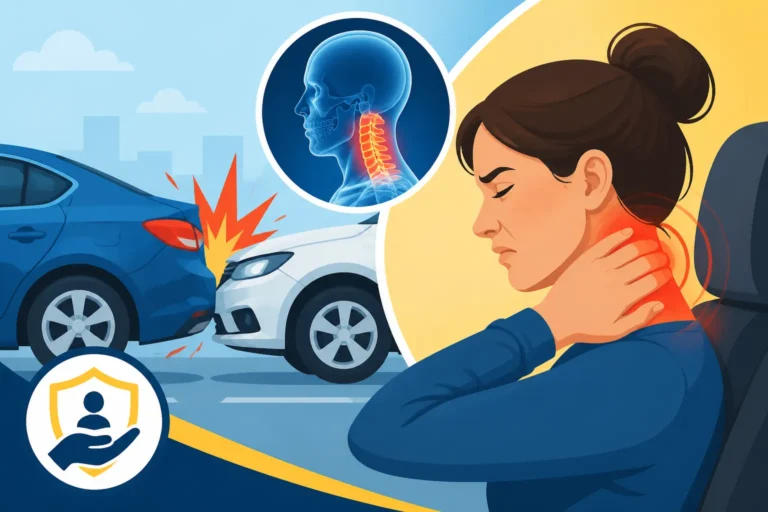
Car accidents are a prime culprit for concussions because they involve sudden, forceful impacts that generate significant acceleration and deceleration forces. Even a seemingly minor fender-bender can transmit enough force to cause your head to snap forward and back – a classic whiplash motion – which can lead to a concussion. Whether it's a rear-end collision, a T-bone accident, or a head-on crash, the abrupt stopping or redirection of your vehicle often results in your head undergoing rapid, uncontrolled movement. The brain, suspended in cerebrospinal fluid, simply isn't designed to withstand such violent forces without consequence. The very mechanisms of occupant safety, like seatbelts, while protecting you from more severe trauma, can sometimes contribute to the whiplash effect that causes concussions by holding your body firm while your head continues to move.
The Sneaky Nature of Delayed Symptoms
One of the most frustrating aspects of concussions is the potential for delayed injury symptoms after a car accident. You might feel "fine" at the scene, attribute any dizziness or headache to the stress of the event, and go home thinking you've dodged a bullet. However, concussion symptoms can manifest hours, days, or even weeks later. This delay often leads to victims questioning themselves, and unfortunately, insurance companies often use this delay to their advantage, arguing that your concussion wasn't directly caused by the accident. Common delayed symptoms include persistent headaches, confusion, dizziness, sensitivity to light and noise, memory problems, difficulty concentrating, irritability, and even changes in sleep patterns. This is why it’s absolutely vital to seek medical attention immediately after an accident, even if you feel okay. A doctor can identify subtle signs and initiate documentation that will be crucial later on.
Proving Your Concussion for a Texas Car Accident Claim
Successfully claiming compensation for a concussion in Texas hinges on your ability to clearly connect your injury to the car accident and demonstrate the impact it has had on your life. This often feels like an uphill battle, especially when you're already struggling with symptoms. But with the right approach, you can build a strong case.
The Critical Role of Medical Documentation
When it comes to proving any injury in a car accident claim, medical documentation is your strongest ally, and for concussions, it's non-negotiable. Because concussions are often "invisible" injuries, meaning they don't show up on standard X-rays, detailed medical records are essential. As soon as possible after your accident, even if you have no obvious signs of injury, you should seek medical evaluation. Explain everything to your doctor – the accident mechanics, any bumps or jolts to your head, and every symptom, no matter how minor, you're experiencing.
Your medical journey should typically include:
- Prompt Examination: Seeing a doctor immediately after the accident establishes a clear timeline linking the incident to your symptoms. This is a critical first step.
- Specialized Care: Follow up with neurologists, neuropsychologists, physical therapists, or other specialists who can properly diagnose and treat your concussion. Their specialized evaluations, such as neurocognitive testing, often provide objective data about your brain's function that general scans might miss.
- Consistent Treatment: Adhere strictly to all recommended treatments, medications, and therapies. Gaps in treatment or non-compliance can be used by insurance companies to argue that your injuries aren't as severe as claimed or weren't accident-related.
- Detailed Records: Ensure all your medical records explicitly state the diagnosis of a concussion (or mild Traumatic Brain Injury (TBI)), connect it to the car accident, and thoroughly document all symptoms, treatments, and prognoses. These records are the backbone of how to prove injuries in a car accident claim.
Gathering Evidence Beyond Medical Records
While medical records are paramount, they aren't the only pieces of evidence that can support your concussion claim. Other forms of documentation can paint a fuller picture of how the injury has affected your daily life.
Consider gathering:
- Personal Journal/Symptom Log: Keep a detailed journal of your daily symptoms, their severity, how they fluctuate, and how they impact your ability to work, perform household tasks, or enjoy hobbies. This provides a narrative that medical charts might not capture.
- Witness Statements: If family members, friends, or coworkers have noticed changes in your behavior, memory, or cognitive function since the accident, their statements can corroborate your claims.
- Lost Wage Documentation: If your concussion has prevented you from working or forced you to reduce your hours, gather pay stubs, employment records, and a statement from your employer detailing your missed work time and lost income.
- Accident Report: A police report, while not definitive on fault or injury severity, will document the date, time, and circumstances of the accident, linking the event to your injury timeline.
Connecting the Crash to Your Concussion
Establishing a clear causal link between the car accident and your concussion is fundamental for any compensation claim in Texas. This is where the medical timeline becomes incredibly important. If you sought medical attention shortly after the accident, even for minor symptoms, and your concussion was diagnosed then or in subsequent visits, it helps to show the injury wasn't pre-existing or caused by some other event.
An expert medical professional can provide an opinion on causation, explaining how the forces involved in the specific type of accident you experienced (e.g., a rear-end collision) could reasonably cause a concussion. This testimony can be invaluable in countering arguments from the at-fault driver's insurance company that your injury is unrelated or exaggerated. They will be looking for any reason to deny or minimize your claim, so robust evidence connecting the two is key.
Types of Compensation for Concussion Injuries in Texas
Texas operates under an "at-fault" insurance system, meaning the person responsible for causing the accident is financially liable for the damages. When you're dealing with a concussion, your damages can be extensive, often falling into two main categories: economic and non-economic. Understanding these can help you better assess how car accident settlements are calculated.
Covering Your Economic Losses
Economic damages are the tangible, measurable financial losses you've incurred directly because of your concussion. These are often easier to quantify with receipts, bills, and pay stubs.
- Medical Expenses: This is usually the largest component of economic damages for a concussion. It includes everything from emergency room visits, diagnostic tests (CT scans, MRIs, even if they appear normal, they are still a cost), doctor consultations, specialist visits (neurologists, neuropsychologists, ophthalmologists), physical therapy, occupational therapy, cognitive therapy, prescribed medications, and any necessary assistive devices. Crucially, it also includes future medical expenses if your doctor determines you'll need ongoing treatment or monitoring for post-concussion syndrome.
- Lost Wages and Earning Capacity: If your concussion symptoms, like severe headaches, dizziness, or cognitive difficulties, prevent you from working, you can claim compensation for lost wages. This covers the income you've already missed. Furthermore, if your concussion leads to long-term cognitive impairment that affects your ability to perform your job duties or secure future employment at the same earning potential, you can seek compensation for lost earning capacity. This looks at the future impact on your career and income.
- Property Damage: While not directly related to your concussion, the damage to your vehicle from the car accident is also an economic loss. This includes repair costs or the actual cash value of your vehicle if it's totaled.
- Other Out-of-Pocket Expenses: Don't forget other incidental costs like transportation to medical appointments, childcare expenses if you're unable to care for your children due to your injury, or even modifications needed to your home if your concussion causes severe balance issues. Keep meticulous records of all these expenses.
Seeking Compensation for Non-Economic Damages
Non-economic damages are far more subjective and aim to compensate you for the intangible suffering and impact your concussion has had on your life. These are often difficult to put a price tag on but are incredibly real for concussion victims.
- Pain and Suffering: This is a broad category covering the physical pain of headaches, neck pain, and other bodily discomfort, as well as the mental anguish and emotional distress caused by your concussion. Living with constant dizziness, nausea, or brain fog can significantly diminish your quality of life. Texas law recognizes that the suffering caused by an injury goes beyond just medical bills. Our guide on Pain and Suffering Damages: What They Cover delves deeper into this often-misunderstood aspect of claims.
- Mental Anguish: Concussions can lead to significant psychological issues, including anxiety, depression, mood swings, irritability, and even post-traumatic stress disorder (PTSD) from the accident itself. These emotional and psychological impacts are legitimate forms of suffering that warrant compensation.
- Loss of Enjoyment of Life: If your concussion prevents you from participating in activities you once loved – whether it's playing sports, reading, working on hobbies, or simply spending quality time with family – you can claim for this loss. A persistent headache might make it impossible to enjoy a concert, or cognitive issues might make reading a book frustrating.
- Loss of Consortium: If your concussion severely impacts your relationship with your spouse due to your injuries, changes in personality, or inability to participate in marital duties, your spouse may be able to claim for loss of consortium.
The Role of Shared Fault in Texas Claims
Texas follows a "modified comparative negligence" rule, specifically the 51% bar rule, when it comes to shared fault in car accidents. This means that if you are found to be 51% or more at fault for the accident, you cannot recover any damages from the other party. If you are found to be 50% or less at fault, your compensation will be reduced by your percentage of fault. For instance, if your concussion damages are determined to be $100,000, but you are found to be 20% at fault, you would only receive $80,000. This is a crucial factor, as insurance companies will often try to shift blame to you to reduce their payout. Understanding what happens if you're partially at fault is vital.
Navigating the Car Accident Claim Process with a Concussion in Texas
The claims process in Texas can be intricate, especially when a complex injury like a concussion is involved. It often feels like a full-time job just to manage your health, let alone deal with insurance companies. Being prepared and understanding the steps involved can make a significant difference.
Immediate Steps After the Accident
Even if you think you're okay, the moments immediately following a car accident are critical, particularly for potential delayed injuries like concussions.
- Ensure Safety: First and foremost, check for injuries and move to a safe location if possible.
- Call the Police: Always call law enforcement, even for minor accidents. A police report provides an official record of the incident, which can be invaluable for your claim.
- Exchange Information: Get contact and insurance details from all drivers involved.
- Document the Scene: Take photos and videos of the vehicles, the accident scene, road conditions, traffic signs, and any visible injuries.
- Seek Medical Attention: This cannot be stressed enough. Go to an emergency room or your doctor as soon as possible, even if you don't feel injured. Explain everything that happened and any symptoms you notice, even subtle ones. Early medical documentation is crucial for linking your concussion to the accident, especially given the delayed onset of symptoms. Our guide on What to Do After a Car Accident: Step-by-Step (2027) offers a more detailed checklist.
Dealing with Insurance Companies
After the accident, you'll likely be dealing with your own insurance company and the at-fault driver's insurer. Be cautious and strategic in your communications.
- Report the Accident (Carefully): Notify your own insurance company promptly. However, when speaking with the other driver's insurance adjuster, remember they are not on your side. Their goal is to settle your claim for the lowest possible amount. Avoid giving recorded statements without consulting with an attorney.
- Do Not Admit Fault: Never admit fault or apologize for the accident. Let the evidence speak for itself.
- Do Not Accept Early Offers: Insurance companies often offer quick, lowball settlements, especially if they know you're struggling. These offers rarely account for the full extent of concussion damages, including future medical costs and long-term suffering. Dealing with insurance adjusters after a car accident requires a strategic approach.
- Provide Documentation: Submit all your medical records, bills, wage loss statements, and other evidence to the insurance company once you have a clear picture of your damages.
Understanding the Texas Statute of Limitations
In Texas, you generally have two years from the date of the car accident to file a personal injury lawsuit. This is known as the statute of limitations. While two years might seem like a long time, it passes quickly when you're managing medical treatments, recovery, and daily life with a concussion. If you miss this deadline, you could lose your right to pursue compensation entirely. There are very limited exceptions, so it's critical to be aware of this timeframe. Our comprehensive guide on How Long Do You Have to File a Car Accident Claim in Texas? provides more specifics on this vital deadline. Given the complex nature of concussions and their potential for long-term effects, it's often wise to consult with a legal professional well before this deadline.
| Stage of Claim | Key Action for Concussion Claims | Why It Matters |
|---|---|---|
| Immediate Aftermath | Seek prompt medical attention, even for minor symptoms. Document the accident scene. | Establishes early medical record, linking injury to accident, crucial for delayed symptoms. |
| Diagnosis & Treatment | Follow all specialist recommendations (neurologist, therapist). Keep a symptom journal. | Provides objective evidence of brain injury, consistent care strengthens causation. |
| Information Gathering | Collect all medical bills, wage loss statements, personal impact statements. | Quantifies economic and non-economic damages, forming the basis of your claim. |
| Insurance Negotiation | Communicate carefully, do not give recorded statements without advice, refuse lowball offers. | Protects your right to full and fair compensation, avoids premature settlement. |
| Legal Consultation | Talk to an attorney, especially if injuries are significant or fault is disputed. | An attorney can protect your rights, negotiate on your behalf, and pursue litigation if necessary. |
| Filing Lawsuit (if needed) | Ensure lawsuit is filed within Texas's 2-year statute of limitations. | Preserves your legal right to compensation if a fair settlement cannot be reached. |
Navigating a concussion claim in Texas can be incredibly challenging, particularly because concussions are often difficult to diagnose and prove, and their symptoms can linger for months or even years. The best way to protect your rights and ensure you receive the compensation you deserve for your concussion is to seek professional legal advice. An attorney experienced in Texas car accident claims can help you understand your options, gather necessary evidence, negotiate with insurance companies, and if necessary, file a lawsuit on your behalf. They can be invaluable in proving the full extent of your damages, both economic and non-economic, and fighting for your best interests. You might also want to consider reading about whether you need a lawyer for a car accident, as it often makes a significant difference in the outcome of your claim.
Disclaimer
Please remember that this article provides general information and insights into claiming compensation for a concussion in Texas after a car accident. It is not intended as legal advice. Every accident and injury claim is unique, and the specific laws and procedures can be complex. For personalized advice regarding your situation, it is strongly recommended to consult with a qualified personal injury attorney in Texas.