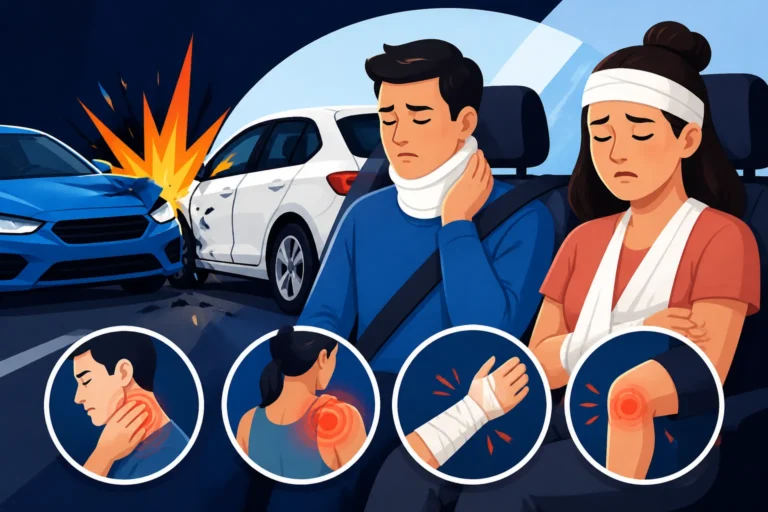
Is Internal Injuries Common After a Rear-End Collision?
It’s a terrifying moment, isn’t it? One minute you’re driving along, minding your own business, and the next, you feel that sickening jolt as another car slams into the back of yours. Even if the damage to your vehicle doesn’t look catastrophic, the real worry often lies beneath the surface. Many people wonder, and rightly so, if internal injuries are a common concern after a rear-end collision. This guide is here to shed light on that exact question, explaining the potential risks and what you absolutely need to know to protect your health and your car accident claim.
Understanding Rear-End Collisions and the Risk of Internal Injuries
Rear-end collisions are, unfortunately, one of the most frequent types of car accidents. While many assume they only lead to whiplash or minor fender benders, the mechanics of these crashes can generate significant forces that impact the human body in complex ways. It’s not just about the visible damage; it’s about the sudden, violent deceleration and acceleration your body undergoes.
The Physics of Impact and Body Trauma
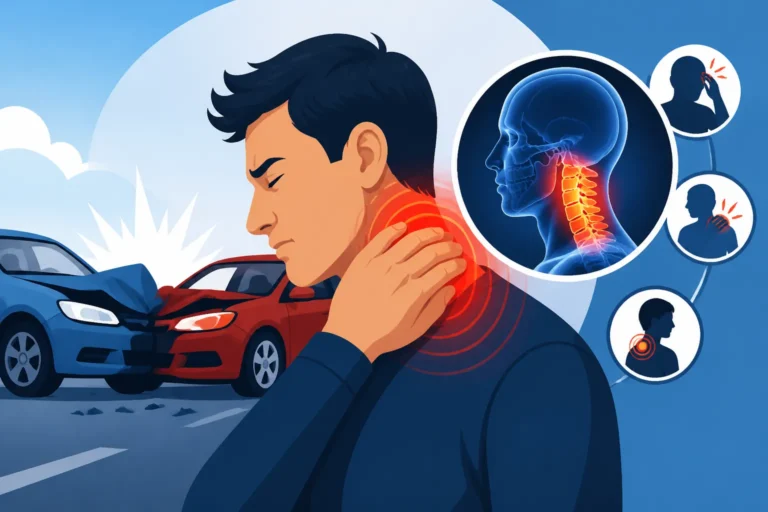
When you're struck from behind, your vehicle is suddenly propelled forward. Your body, however, resists this movement due to inertia, causing it to be thrown backward into the seat, then rebound forward. This rapid whipping motion, often associated with neck injuries like whiplash, also transmits forces throughout your torso and organs. Imagine your internal organs, which are relatively soft and suspended within your skeletal structure, being suddenly sloshed around or compressed against hard surfaces like your ribs or pelvic bone.
The severity of a rear-end collision doesn't always correlate with external car damage. Even a seemingly "minor" impact can create enough force to cause significant internal trauma. Factors like the speed of the vehicles involved, the size difference between them, and whether you were braced for impact or caught off guard all play a crucial role. For instance, if you were stopped at a red light and hit by a distracted driver who didn't even brake, the suddenness and force can be far more damaging than a low-speed tap where both drivers were aware and braking. The sheer kinetic energy involved in these crashes is what makes internal injuries a real and valid concern.
Seatbelts, Airbags, and Organ Impact
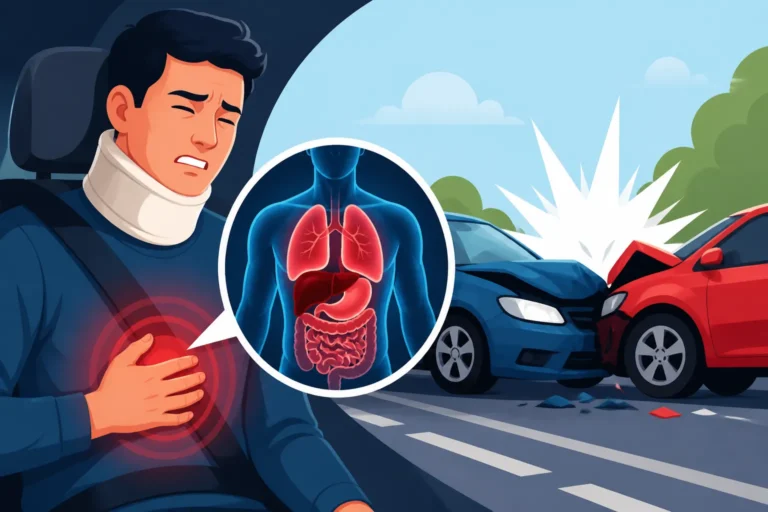
While seatbelts and airbags are designed to save lives and prevent severe injury, they can also contribute to certain types of internal trauma in a rear-end collision. A properly worn seatbelt will restrain your body, preventing you from being thrown forward into the dashboard or steering wheel. However, this restraint itself can exert immense pressure on your abdomen and chest during the sudden stop. The lap belt can compress abdominal organs, while the shoulder strap can dig into your chest, potentially affecting your ribs, lungs, and heart.
Airbags, when deployed, inflate with incredible speed and force. While they cushion your head and chest from direct impact with hard surfaces, the sheer power of their deployment can also cause blunt force trauma. This is particularly true for internal organs in the chest and abdomen. For example, the impact from an airbag can contribute to rib fractures, which in turn can lead to lung punctures or other complications. It’s a bit of a double-edged sword: they prevent worse outcomes, but their protective mechanism isn't without its own set of potential risks for internal damage.
Common Types of Internal Injuries After a Rear-End Crash
While not every rear-end collision results in internal injuries, they are certainly not uncommon, especially when the impact is significant or unexpected. These injuries can range from mild bruising of organs to life-threatening ruptures and internal bleeding. It's crucial to be aware of the possibilities, as many of these injuries don't show immediate external signs.
Abdominal Organ Damage
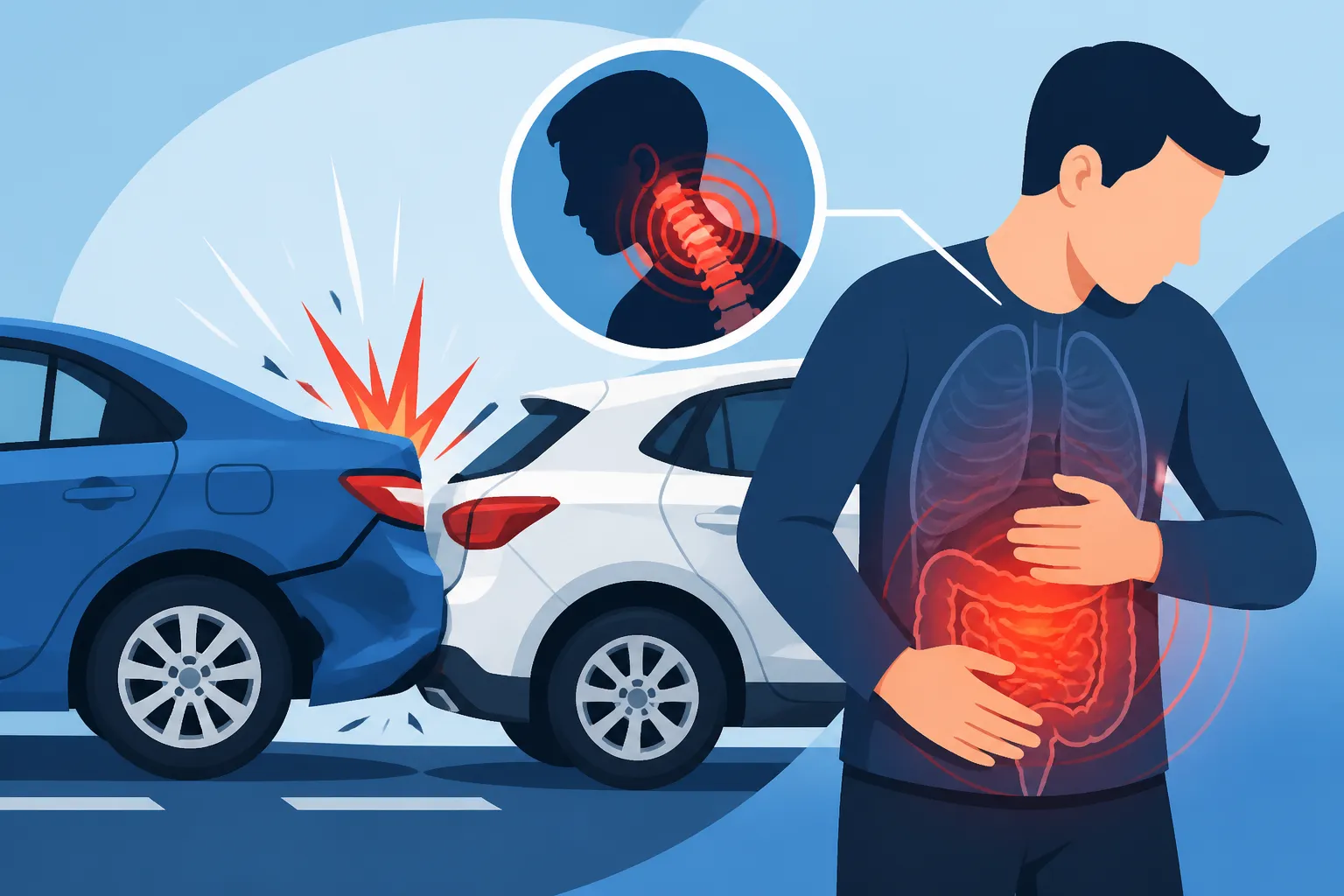
Your abdominal cavity houses many vital organs, and they are particularly vulnerable in car accidents. The sudden impact of a rear-end collision can cause these organs to strike against the abdominal wall or be compressed by a seatbelt. Common abdominal injuries include:
- Spleen Rupture: The spleen is a soft, highly vascular organ located on the left side of your upper abdomen. It’s a common organ to be injured in blunt force trauma, and a rupture can lead to life-threatening internal bleeding. Symptoms might include pain in the upper left abdomen, dizziness, confusion, or a feeling of lightheadedness.
- Liver Lacerations: The liver, located on the right side of the upper abdomen, is another large, vital organ susceptible to injury. Lacerations to the liver can also cause significant internal bleeding and often require immediate surgical intervention.
- Kidney Contusions or Lacerations: Your kidneys, protected by your lower ribs, can still suffer bruising (contusions) or tears (lacerations) from a powerful impact. Pain in the back or flank area, blood in the urine, and tenderness are possible signs.
- Bowel Injuries: Though less common, the intestines can also be damaged, leading to perforations or tears. This can cause severe infection (sepsis) if not quickly identified and treated. Symptoms are often delayed but can include severe abdominal pain, nausea, vomiting, and fever.
These types of injuries often fall under the category of "soft tissue injuries," but their internal nature makes them particularly dangerous because they're not immediately visible.
Chest and Thoracic Injuries
The chest cavity, protecting your heart and lungs, is another area where internal injuries can occur after a rear-end collision, especially if your body is thrown forward against the seatbelt or steering wheel.
- Rib Fractures: While not strictly internal organs, fractured ribs are very common and can lead to more serious internal issues. A broken rib can puncture a lung, causing a pneumothorax (collapsed lung) or hemothorax (blood around the lung). Breathing becomes incredibly painful, and you might notice shortness of breath or a bubbling sound with breathing.
- Lung Contusions or Punctures: A direct impact or fractured rib can bruise the lung tissue (contusion) or even puncture it. A lung contusion can impair oxygen exchange and lead to serious respiratory distress.
- Cardiac Contusion: Although rare, a severe impact to the chest can bruise the heart muscle itself. This can disrupt the heart's electrical activity or pumping function, potentially leading to serious complications. Symptoms might be subtle, like chest pain or palpitations, but can also be severe.
- Diaphragm Rupture: The diaphragm is the muscle separating the chest and abdominal cavities. A strong impact can rupture it, allowing abdominal contents to move into the chest cavity, impacting breathing and organ function.
Head and Brain Injuries
Even in a rear-end collision, where the primary impact is from behind, your head can still suffer significant trauma, leading to various types of brain injuries. The rapid acceleration-deceleration can cause your brain to slosh back and forth within your skull, similar to what happens in a head-on collision or T-bone accident.
- Concussions: These are the most common type of traumatic brain injury (TBI). While often thought of as "mild," concussions involve a temporary disruption of brain function. Symptoms can include headaches, dizziness, confusion, memory problems, and sensitivity to light or sound. These might appear immediately or be delayed.
- Diffuse Axonal Injury (DAI): This is a more severe form of TBI where the brain's long connecting nerve fibers are torn as the brain shifts and rotates inside the skull. DAI can lead to permanent brain damage, coma, or even death. The symptoms are often severe and immediate.
- Brain Hemorrhages/Hematomas: Blood vessels in the brain can tear, leading to bleeding (hemorrhage) either within the brain tissue or in the spaces surrounding it (hematoma). These are extremely dangerous as the expanding blood puts pressure on the brain. Symptoms can worsen over time and include severe headaches, weakness on one side of the body, seizures, and loss of consciousness. It's why recognizing Concussion Symptoms After a Car Accident and other signs of Traumatic Brain Injury TBI From a Car Accident is so critical.
Why Internal Injuries Are Often Undetected at First
One of the most insidious aspects of internal injuries after a car accident is their tendency to be "silent" initially. You might feel fine, your adrenaline might be pumping, and you might assume that because there’s no visible cut or bruise, everything is okay. This delayed onset of symptoms is a common, and dangerous, phenomenon.
The Adrenaline Factor and Delayed Symptoms
Immediately after a traumatic event like a car accident, your body floods with adrenaline. This powerful hormone is your body's natural "fight or flight" response, masking pain and sometimes making you feel surprisingly alert or even euphoric. It's a survival mechanism, but it can hide serious injuries. Many people report feeling little to no pain at the scene of an accident, only for debilitating symptoms to emerge hours or even days later. This is particularly true for internal injuries, where there might be no external sign of trauma.
For example, a slow internal bleed from a ruptured spleen might not cause noticeable symptoms until a significant amount of blood has accumulated, leading to severe dizziness and weakness. Similarly, a lung contusion might initially present as only mild discomfort, but over 24-48 hours, as swelling increases, it can lead to severe breathing difficulties. This is why it's so important to be vigilant about Delayed Injury Symptoms After a Car Accident and not to assume you're fine just because you feel okay right after the crash.
Lack of Visible External Trauma
Unlike a broken arm sticking out at an odd angle or a deep laceration that's clearly bleeding, internal injuries often leave no external trace. There might be no bruising, no swelling, and no visible cuts on the skin covering the affected area. This lack of visible trauma can be incredibly misleading, both for the injured person and sometimes even for emergency responders at the scene, especially if their focus is on more obvious injuries.
You might have a severe liver laceration, but from the outside, your abdomen looks completely normal. This is a common source of frustration for accident victims who feel dismissed because their pain isn't "visible." It’s precisely this hidden nature that makes seeking medical attention paramount, even when you feel you’ve walked away without a scratch. Relying solely on what you can see can be a grave mistake.
The Danger of Ignoring Subtle Signs
Because symptoms can be delayed and invisible, it's easy to dismiss subtle changes in your body as merely "soreness" or "shock." However, even seemingly minor symptoms can be indicative of something far more serious brewing beneath the surface. For instance:
- Persistent abdominal pain or tenderness: This could signal damage to your spleen, liver, or intestines.
- Chest pain, difficulty breathing, or coughing blood: These are red flags for lung or heart issues.
- Unusual headaches, confusion, dizziness, or nausea: These symptoms, especially if they worsen, point towards a potential brain injury.
- Changes in urine color (dark or bloody) or difficulty urinating: This could indicate kidney damage.
Ignoring these early, subtle warnings can lead to a rapid deterioration of your condition, turning a treatable injury into a life-threatening emergency. Always remember, when it comes to internal injuries, your body gives you clues, even if they’re whispered.
The Critical Steps to Take After Suspecting Internal Injuries
If you’ve been involved in a rear-end collision, taking proactive steps immediately afterward can be lifesaving, especially when internal injuries are a concern. Don't wait, don't guess, and don't try to tough it out.
Seek Immediate Medical Evaluation
This cannot be stressed enough: seek medical attention immediately after a car accident, even if you feel fine. This is especially true after a rear-end collision, where the forces involved can easily lead to hidden internal injuries. Go to the emergency room or an urgent care facility right away. Don’t delay because you "feel okay" or think it's "just a minor accident." A doctor can perform a thorough examination, including diagnostic tests like X-rays, CT scans, or ultrasounds, to identify any internal bleeding or organ damage that isn't externally visible.
Think of it this way: your body just endured a significant trauma. It's like a complex machine that took a hard hit. You wouldn't just assume a damaged engine is fine without a mechanic checking it out, would you? Your health is infinitely more valuable. Getting prompt medical care not only addresses your immediate health needs but also creates an official record of your injuries, which is vital for any future car accident claim. If you need more guidance, refer to What to Do After a Car Accident: Step-by-Step.
Document Everything Diligently
From the moment the accident happens until your recovery is complete, meticulous documentation is your best friend. This means:
- Medical Records: Ensure every doctor's visit, every test result (CT scans, MRIs, X-rays), every diagnosis, and every prescribed treatment is recorded. These medical records are the backbone of proving your injuries. They provide objective evidence of the trauma you sustained and the care you received. Keep copies of everything yourself, or ensure your attorney has access to them.
- Symptoms Journal: Keep a detailed journal of your symptoms. Note when they started, their severity, how they impact your daily life, what makes them better or worse, and any new symptoms that appear. This helps track the progression of your recovery and highlights the real-world impact of your injuries. Be honest and thorough; if a particular symptom prevents you from sleeping, working, or enjoying a hobby, write it down.
- Accident Details: Document the accident itself as thoroughly as possible. Take photos of the vehicles, the scene, and any visible injuries. Get contact information from witnesses. If police respond, make sure a police report is filed. All these details contribute to building a strong case if you need to file a claim. You can learn more about How to Prove Injuries in a Car Accident Claim and the importance of Medical Records Prove Your Injuries.
Follow Medical Advice Consistently
Once you’ve seen a doctor and received a diagnosis or treatment plan, it is absolutely paramount to follow it to the letter. If your doctor tells you to rest, rest. If they prescribe medication, take it as directed. If they recommend physical therapy or follow-up appointments, go to every single one.
Not only is this critical for your physical recovery, but it also demonstrates to insurance companies and, if necessary, a court, that you are taking your injuries seriously and are committed to your recovery. Deviating from medical advice can be used by the opposing side to argue that your injuries aren't as severe as you claim or that you exacerbated them through your own actions, potentially reducing the value of your settlement. Consistency in your treatment shows your genuine need for care and validates the severity of your internal injuries.
Impact of Internal Injuries on Your Car Accident Claim
Discovering you have internal injuries after a rear-end collision can be incredibly unsettling, not just physically, but financially and emotionally too. These injuries often lead to complex and high-value claims due to the nature of the damage and the extensive medical treatment required.
Higher Medical Costs and Extensive Treatment
Internal injuries frequently necessitate emergency medical intervention, hospitalization, surgery, and long-term recovery. For example, a ruptured spleen or liver laceration might require immediate surgery, followed by weeks or months of recovery, specialized rehabilitation, and ongoing medical monitoring. Brain injuries, even concussions, can lead to extended periods of cognitive therapy and rehabilitation.
These treatments come with substantial costs. We're talking about ambulance rides, emergency room fees, surgical bills, anesthesiologist fees, specialist consultations, physical therapy, prescription medications, and potentially in-home care. These expenses quickly escalate, far beyond what you might anticipate for a typical "minor" car accident. Your claim will need to account for all these current costs, as well as projected future medical expenses, to ensure you are fully compensated for your recovery journey. This is where understanding Economic vs Non-Economic Damages Explained becomes crucial.
Significant Pain and Suffering
Beyond the tangible medical bills, internal injuries almost always involve a significant amount of pain and suffering. This encompasses physical pain, emotional distress, mental anguish, loss of enjoyment of life, and inconvenience. Living with a severe internal injury, undergoing surgery, and facing a long recovery can take a huge toll. Imagine the anxiety of wondering if you'll ever fully recover, the frustration of being unable to perform daily tasks, or the emotional impact of chronic pain.
These "non-economic damages" are a critical component of any car accident settlement. Because internal injuries can be so debilitating, the value attributed to pain and suffering is often much higher compared to less severe injuries. The long-term consequences of these injuries, such as chronic pain or permanent disability, further increase the value of this aspect of your claim. It’s not just about the bills; it’s about the very real impact on your quality of life. Learn more about Pain and Suffering: How It's Calculated.
Lost Wages and Diminished Earning Capacity
When you're recovering from internal injuries, it's highly likely you'll be unable to work. This means lost income, which can quickly put a strain on your finances, especially with mounting medical bills. Your car accident claim should include compensation for these lost wages, covering the income you missed while recovering.
Furthermore, if your internal injuries result in a long-term or permanent disability that prevents you from returning to your previous job, or limits your ability to earn at the same level, you may also be entitled to compensation for "diminished earning capacity." This accounts for the future income you will lose over the course of your working life due to the accident. Proving diminished earning capacity often requires expert testimony from vocational specialists and economists, but it's a vital component to ensure you're made whole after a devastating injury.
Here's a quick look at how internal injuries might impact various claim aspects:
| Claim Aspect | Impact of Internal Injuries | Key Considerations |
|---|---|---|
| 1. Medical Expenses | Internal injuries often require emergency attention, surgery, and extensive rehabilitation. | The full cost of treatment, current and future, will be factored into the claim. This typically covers doctor visits, diagnostics, surgery, medication, and therapy. |
| 2. Pain & Suffering | The physical pain and emotional distress are typically severe and long-lasting due to the invasive nature of treatment and recovery. | Non-economic damages are likely to be significantly higher due to the severity and disruption to quality of life. |
| 4. Lost Wages | Internal injuries often require extended recovery periods, preventing immediate return to employment. | Compensation covers both direct lost wages and potentially future lost earning capacity, requiring documentation of earning potential and time off. |
| 5. Property Damage | Though not directly tied to internal injury severity, the claim will also include vehicle repairs or replacement. | While not a focus for internal injuries, this is still a component of the overall claim. |
Navigating a car accident claim, especially one involving complex internal injuries, can be daunting. Insurance companies will often try to minimize payouts, particularly for injuries that aren't immediately apparent or that require lengthy treatment. This is where professional guidance becomes invaluable. Understanding How Much Is My Car Accident Settlement Worth? becomes critically important to ensure you don't get shortchanged.
The Role of Legal Representation
If you are dealing with internal injuries after a rear-end collision, hiring a personal injury attorney is almost always a wise decision. An experienced lawyer can:
- Handle Communication with Insurers: They will take over all communication with the at-fault driver's insurance company, protecting you from making statements that could harm your claim. This frees you up to focus on your recovery.
- Gather Evidence: Attorneys know what evidence is needed to prove internal injuries, including securing all relevant medical records, expert witness testimonies, and accident reconstruction reports.
- Negotiate for Fair Compensation: They have the expertise to accurately value your claim, including current and future medical expenses, lost wages, and pain and suffering, and will negotiate aggressively on your behalf.
- Navigate Legal Complexities: Car accident claims can be legally intricate, especially when dealing with severe injuries. An attorney understands the nuances of personal injury law and can guide you through the process, ensuring all deadlines are met and your rights are protected.
Ultimately, while internal injuries might not be immediately obvious, they are a very real and potentially severe consequence of a rear-end collision. Being proactive about your health and understanding the implications for your car accident claim is crucial for your recovery and your future well-being.
Disclaimer
Please remember that this article provides general information and does not constitute legal or medical advice. Every car accident and resulting injury is unique. It is crucial to consult with a qualified medical professional for diagnosis and treatment of any injuries and to seek advice from an experienced personal injury attorney regarding your specific legal situation.