Common Injuries From a Drunk Driving Accident
Getting into a car accident is a jarring, frightening experience for anyone, but when the other driver is impaired by alcohol, the shock and anger can feel overwhelming. It's an unconscionable act, and the consequences often extend far beyond a fender bender, leaving victims with severe physical injuries and deep emotional scars. This guide aims to shed light on the common injuries that unfortunately stem from drunk driving accidents, providing a realistic look at what victims often face and how these profound impacts can affect your life.
The Devastating Impact of Drunk Driving Collisions
Drunk driving accidents aren't just "accidents" in the traditional sense; they are often the result of negligent, reckless choices that lead to catastrophic outcomes. The very nature of impairment means that these collisions frequently involve higher speeds, delayed reactions, and a complete disregard for safety, leading to impacts far more severe than a typical collision.
Understanding the Force and Severity
When a driver is under the influence, their perception, reaction time, and judgment are severely compromised. This often translates to collisions happening at higher speeds, with less braking or evasive action taken by the impaired driver. Imagine a scenario on a busy highway outside of Sacramento, California. A sober driver might react quickly to avoid an obstacle or slow down for traffic, but a drunk driver might barrel through without noticing, leading to a high-speed rear-end collision or a violent head-on crash.
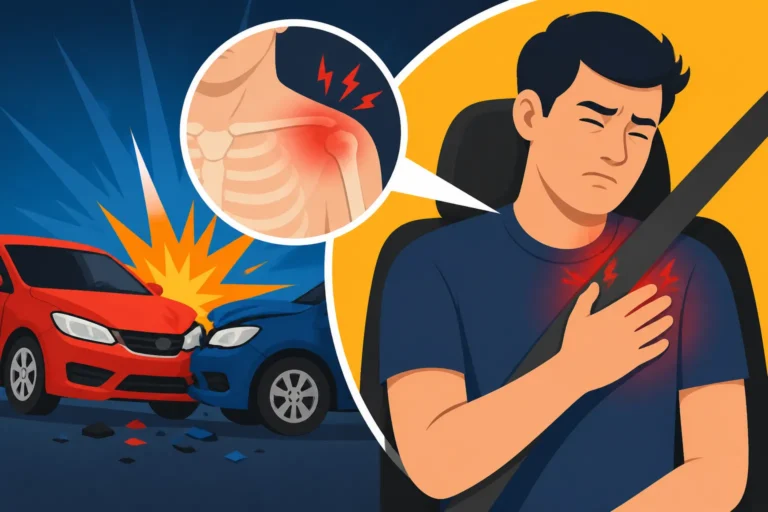
The physics of such impacts mean that the forces exerted on the human body are immense. Instead of minor bumps and bruises, victims frequently suffer from traumatic injuries that can be life-altering. The force can cause vehicles to crumple significantly, trapping occupants and leading to crush injuries, lacerations, and broken bones. The sudden, violent deceleration or acceleration often contributes to complex injuries, particularly those affecting the head and spine, as the body is violently thrown within the vehicle.
Beyond the Physical: Emotional and Psychological Trauma
While the physical injuries are often the immediate focus, the emotional and psychological toll of a drunk driving accident is profound and can linger for years. Victims often grapple with a cocktail of emotions, including anger, fear, frustration, and a deep sense of injustice. It's not just about healing a broken arm; it's about coming to terms with the fact that someone else's irresponsible choice irrevocably altered your life.
Many individuals develop post-traumatic stress disorder (PTSD) after such a traumatic event. This can manifest as recurring nightmares, flashbacks, severe anxiety when driving or riding in a car, and an overwhelming sense of helplessness. Daily activities that used to be routine, like commuting to work or running errands, can become fraught with panic. Some victims may struggle with depression, losing interest in hobbies they once loved, or experiencing difficulty concentrating. The mental health consequences are real and require just as much attention and professional care as any physical injury. You might find yourself constantly replaying the accident in your mind, wondering if you could have done anything differently, even though you were the innocent party. This kind of emotional distress can be just as debilitating as physical pain, impacting work, relationships, and overall quality of life.
Common Physical Injuries Sustained
Drunk driving accidents, because of their inherent severity, often result in a wide range of significant physical injuries. These aren't just aches and pains; they can involve extensive medical treatment, surgeries, and long-term rehabilitation.
Head, Neck, and Spinal Cord Injuries
These are among the most serious and frequently observed injuries in high-impact collisions, especially those involving impaired drivers.
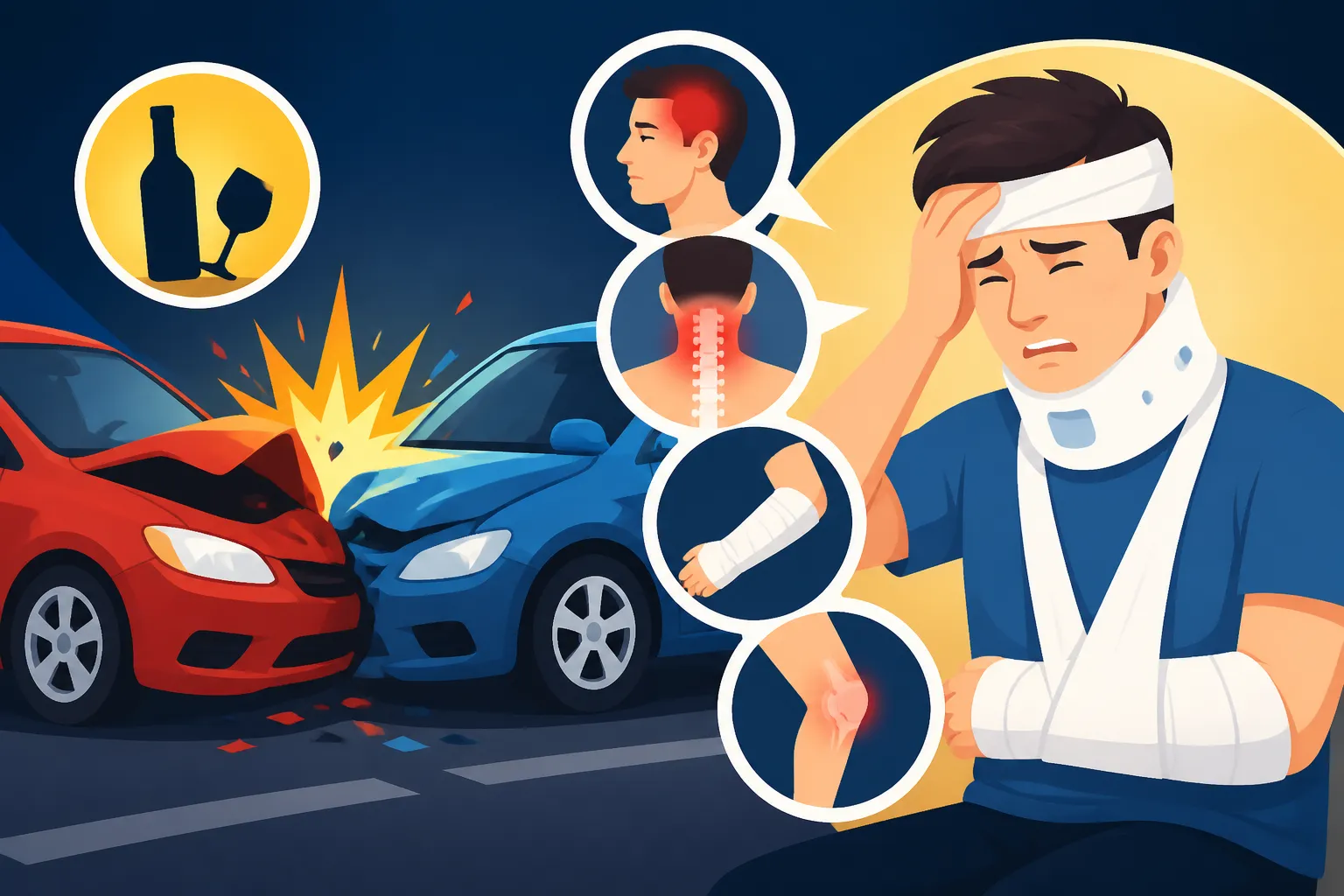
- Concussions and Traumatic Brain Injuries (TBI): The violent jarring motion of a crash can cause the brain to impact the inside of the skull, leading to concussions, which are a form of mild TBI. However, in more severe crashes, the trauma can result in moderate to severe traumatic brain injuries. Symptoms can range from headaches, dizziness, and confusion to more severe cognitive impairments, memory loss, and personality changes. The long-term effects of concussion from a car accident can be debilitating, requiring extensive neurological care.
- Whiplash and Other Neck Injuries: Even at moderate speeds, the sudden, forceful back-and-forth movement of the head can strain the muscles, ligaments, and discs in the neck, leading to whiplash. In drunk driving accidents, the force is often greater, exacerbating whiplash symptoms after a car accident and sometimes causing more severe conditions like herniated discs in the cervical spine. Neck pain, stiffness, headaches, and radiating pain down the arms are common complaints.
- Spinal Cord Injuries: The spine is incredibly vulnerable in high-impact crashes. Vertebrae can fracture, and discs can rupture, leading to pressure on the spinal cord. In the worst cases, the spinal cord itself can be severed or severely damaged, resulting in partial or complete paralysis. A spinal cord injury from a car accident is a life-altering event, demanding lifelong medical care and assistive devices.
- Herniated Discs: The force of impact can cause the soft, jelly-like center of a spinal disc to push through its outer layer, resulting in a herniated disc from a car accident. This can happen in the neck (cervical), mid-back (thoracic), or lower back (lumbar) regions. A herniated disc can cause excruciating pain, numbness, tingling, and weakness in the limbs, often requiring physical therapy, injections, or even surgery to correct.
Internal Injuries and Fractures
The blunt force trauma from a collision can cause significant damage that isn't immediately visible on the outside of the body.
- Broken Bones and Fractures: Fractures are incredibly common, ranging from simple breaks to complex comminuted fractures where the bone shatters into multiple pieces. Common sites include ribs, arms, legs, hips, and facial bones. A broken leg from a car accident might prevent you from walking for weeks or months, requiring extensive physical therapy. Rib fractures, while seemingly minor, can lead to painful breathing and even puncture internal organs.
- Internal Bleeding and Organ Damage: The force of impact can rupture internal organs such as the spleen, liver, or kidneys, leading to life-threatening internal bleeding. This often requires emergency surgery. The crushing forces can also lead to pneumothorax (collapsed lung) or hemothorax (blood in the chest cavity), which are severe conditions needing immediate medical intervention. These types of injuries underscore why it's crucial to seek immediate medical attention after a car accident, even if you feel okay at first.
Soft Tissue and Joint Injuries
While not always as immediately life-threatening as internal injuries or spinal trauma, soft tissue and joint injuries can be incredibly painful and debilitating, leading to chronic issues if not properly treated.
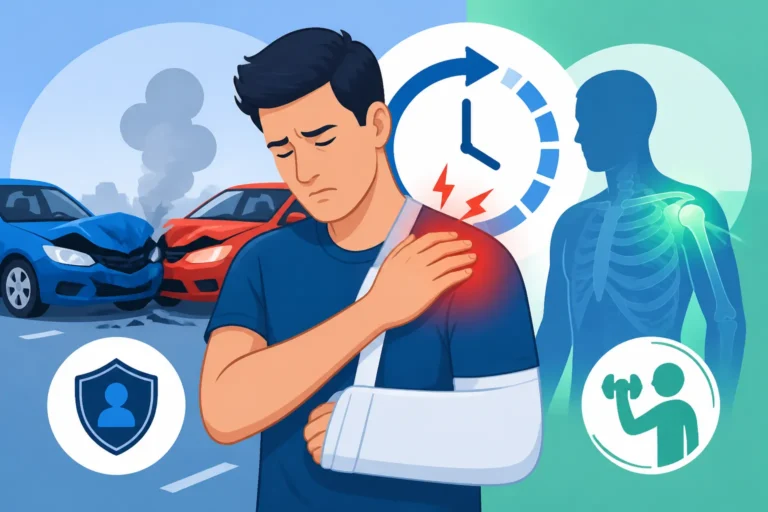
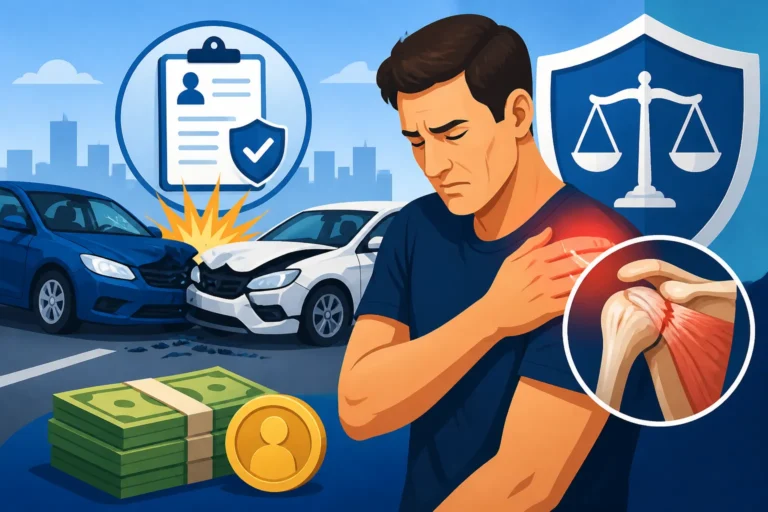
- Sprains, Strains, and Tears: Ligaments (which connect bones to other bones) and tendons (which connect muscles to bones) can be stretched or torn in a crash. Common areas affected include the knees, shoulders, and wrists. For example, a torn rotator cuff from a car accident can severely limit arm movement and often requires surgical repair and extensive rehabilitation. Similarly, knee injuries in car accidents are common, affecting ligaments like the ACL or meniscus, leading to instability and pain.
- Joint Dislocation: The extreme forces can cause joints to be pushed out of their normal alignment, such as a dislocated shoulder or hip. These are incredibly painful and require immediate medical intervention to realign the joint, followed by physical therapy to restore strength and range of motion.
- Bruising and Lacerations: While seemingly minor, deep bruising can indicate underlying muscle damage or internal bleeding. Lacerations, especially from broken glass or jagged metal, can be extensive, require stitches, and lead to significant scarring. Facial injuries and scarring from car accidents can have a particularly distressing psychological impact.
Here's a quick overview of common injuries:
| Injury Type | Common Manifestations | Potential Severity | Typical Treatment |
|---|---|---|---|
| Head & Brain Injuries | Concussion, Traumatic Brain Injury (TBI) | Moderate to Severe | Neurological evaluation, rest, cognitive therapy, surgery |
| Neck Injuries | Whiplash, Herniated Discs, Fractures | Mild to Severe | Physical therapy, medication, injections, surgery |
| Spinal Cord Injuries | Disc herniation, Vertebral fractures, Paralysis | Severe to Catastrophic | Surgery, rehabilitation, long-term care |
| Internal Organ Damage | Ruptured spleen/liver, Internal bleeding, Collapsed lung | Severe, potentially life-threatening | Emergency surgery, critical care |
| Broken Bones/Fractures | Ribs, Limbs (arms/legs), Facial bones | Moderate to Severe | Cast/splint, surgery, physical therapy |
| Soft Tissue Injuries | Sprains, Strains, Ligament tears (e.g., rotator cuff, ACL) | Mild to Moderate (can be chronic) | RICE, physical therapy, injections, surgery |
| Emotional/Psychological | PTSD, Anxiety, Depression, Phobias | Moderate to Severe | Therapy, medication, support groups |
The Long Road to Recovery and Medical Treatment
The journey after a drunk driving accident is rarely a quick one. It's often a long and arduous road, filled with appointments, therapies, and emotional challenges. Understanding what to expect can help you navigate this difficult period more effectively.
Immediate Medical Attention and Diagnosis
One of the most critical steps after any car accident, especially one involving a drunk driver, is to seek immediate medical attention. Even if you feel fine initially, adrenaline can mask pain and symptoms. Many significant injuries, like a concussion from a car accident or internal bleeding, may not present symptoms for hours or even days. Getting checked out by paramedics at the scene and then following up with your doctor or visiting an urgent care center or emergency room is paramount. For example, in a bustling city like Phoenix, Arizona, where drunk driving incidents are sadly not uncommon, local hospitals like Banner University Medical Center Phoenix are equipped to handle acute trauma cases.
A thorough medical evaluation will help diagnose any immediate injuries and establish a clear record of your condition right after the accident. This is not just for your health but also incredibly important for documenting your injuries for a car accident claim. Medical professionals can perform imaging tests like X-rays, CT scans, or MRIs to identify fractures, internal damage, or soft tissue injuries that aren't visible to the naked eye. Following all medical advice, attending follow-up appointments, and taking prescribed medications are essential steps in your recovery and in building a strong case.
Ongoing Treatment and Rehabilitation
For many common injuries from a drunk driving accident, immediate care is just the beginning. The path to recovery often involves ongoing treatment and extensive rehabilitation.
For physical injuries, this might include weeks or months of physical therapy to regain strength, flexibility, and range of motion. If you suffered a herniated disc from a car accident, for instance, you might work with a physical therapist multiple times a week, performing exercises to stabilize your spine and alleviate pain. Occupational therapy might be necessary if your injuries affect your ability to perform daily tasks or work. Severe injuries, like a spinal cord injury, might require long-term care, including specialized equipment, home modifications, and ongoing medical management.
The psychological impact, such as PTSD and emotional distress after a car accident, also requires professional attention. Seeing a therapist, counselor, or psychologist can provide coping strategies and help process the trauma. Cognitive Behavioral Therapy (CBT) or Eye Movement Desensitization and Reprocessing (EMDR) are common therapeutic approaches used to treat accident-related trauma. It's vital to recognize that mental health care is as important as physical health care in the overall recovery process. These ongoing treatments and their associated costs will form a significant part of your overall damages.
Documenting Your Injuries for a Claim
Dealing with the aftermath of a drunk driving accident is complex, and navigating an insurance claim can feel overwhelming when you're also trying to heal. However, meticulous documentation of your injuries and their impact is absolutely crucial for a successful car accident claim.
The Critical Role of Medical Records
Your medical records are the backbone of your injury claim. They provide objective evidence of your injuries, their severity, the treatment you received, and the prognosis for your recovery. Every visit to a doctor, specialist, physical therapist, or chiropractor should be thoroughly documented. This includes:
- Initial diagnostic reports: X-rays, CT scans, MRIs, and any other tests performed immediately after the accident.
- Doctor's notes: Detailed records of your symptoms, diagnoses, treatment plans, and progress.
- Prescription records: Documentation of all medications prescribed for your injuries.
- Physical and occupational therapy notes: Records of your sessions, exercises, and improvements or setbacks.
- Referrals to specialists: Proof that your injuries required the attention of neurologists, orthopedic surgeons, psychologists, or other experts.
These records help establish a clear link between the accident and your injuries, which is vital when proving the other driver was at fault and demonstrating the extent of your damages. Insurance companies will scrutinize these documents, so the more comprehensive and consistent they are, the better your chances of receiving fair compensation for your medical bills and pain and suffering. Without clear medical evidence, it becomes much harder to assert the true value of your claim.
Gathering Evidence Beyond Medical Reports
While medical records are paramount, other forms of evidence can significantly strengthen your claim and illustrate the full scope of how your injuries have affected your life.
- Personal Journal/Pain Log: Keep a detailed journal documenting your daily pain levels, how your injuries impact your sleep, work, hobbies, and personal life, and any emotional distress you experience. This provides a personal, ongoing narrative that complements the objective medical data. For instance, if you usually enjoy hiking in the mountains near Denver, Colorado, but can no longer do so due to a knee injury from a car accident, your journal can reflect that significant loss of enjoyment.
- Photos and Videos: Capture images of your injuries as they progress, from initial bruising and lacerations to surgical scars. Also, consider photos or videos of how your injuries affect daily activities, such as needing assistance to walk or struggling with simple tasks.
- Witness Statements: If anyone witnessed your condition or limitations after the accident, their statements can corroborate your claims. This could be family members, friends, or even colleagues who observed your struggles.
- Lost Wage Documentation: If your injuries have prevented you from working, gather pay stubs, employment records, and a letter from your employer detailing your missed workdays and lost income. This directly proves your lost wages are calculated in a settlement.
- Receipts and Bills: Keep every receipt for out-of-pocket expenses related to your injuries, including prescription co-pays, over-the-counter pain relief, medical devices, transportation to appointments, and even modifications made to your home or vehicle.
Collecting this diverse array of evidence paints a complete picture for insurance adjusters or a jury, demonstrating not just the physical toll but also the economic and emotional burden your injuries have imposed. Understanding how car accident settlements are calculated, including categories like economic vs non-economic damages, is crucial, and comprehensive documentation ensures you account for every loss.
Disclaimer
Please remember that this article provides general information and is not a substitute for professional legal or medical advice. Every car accident case is unique, and the information presented here should not be taken as legal counsel. If you or a loved one has been involved in a drunk driving accident, it is strongly recommended to consult with a qualified attorney to discuss your specific situation and legal options.