Long-Term Effects of Chronic Pain From a Car Accident
Experiencing a car accident is traumatic enough, but what happens when the physical pain doesn't fade with time? Many people find themselves trapped in a cycle of chronic pain, long after the immediate shock and initial injuries have supposedly healed. This persistent discomfort doesn't just make your body ache; it seeps into every aspect of your life, making simple daily tasks feel monumental and eroding your overall well-being. This guide will walk you through the challenging realities of living with long-term chronic pain stemming from a car accident, from its impact on your physical and mental health to the medical and legal steps you can take to manage and seek fair compensation for your ongoing suffering.
The Insidious Nature of Chronic Pain After an Accident
It’s easy to dismiss aches and stiffness right after a crash. We tell ourselves it's just part of the healing process, that it will go away. But for far too many, that initial discomfort evolves into something far more persistent and debilitating: chronic pain. This isn't just about a lingering ache; it's a fundamental shift in how your body experiences and processes pain, often becoming a condition in itself.
Understanding Chronic Pain vs. Acute Pain
To truly grasp the impact of long-term pain, it's crucial to understand the distinction between acute and chronic pain. Acute pain is like a fire alarm – it's your body's immediate response to injury or illness, signaling that something is wrong. Think of the sharp sting of a cut, the throbbing after a broken bone, or the immediate soreness from a whiplash injury. This type of pain usually subsides as the injury heals, typically within three to six months. It serves a vital protective function, prompting you to rest and seek treatment.
Chronic pain, however, is a whole different beast. It’s pain that persists beyond the normal healing time, often lasting for six months or more. Sometimes, it can even continue indefinitely, transforming from a symptom into a primary health condition. With chronic pain, the nervous system can become overactive or even damaged, continuing to send pain signals long after the initial physical injury has resolved or healed as much as it ever will. This can feel incredibly frustrating and isolating because, on the outside, you might look "fine," but on the inside, your body is screaming. It’s a complex condition influenced by physical, psychological, and social factors, making it much harder to pinpoint and treat than acute injuries.
Common Sources of Long-Term Pain
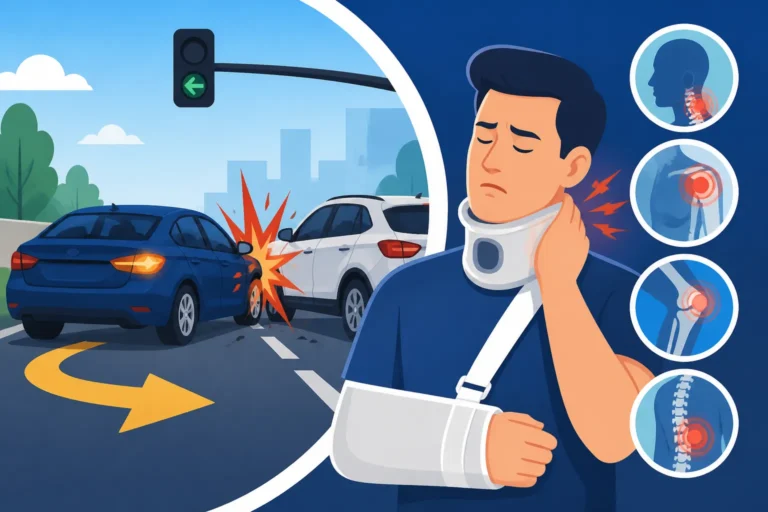
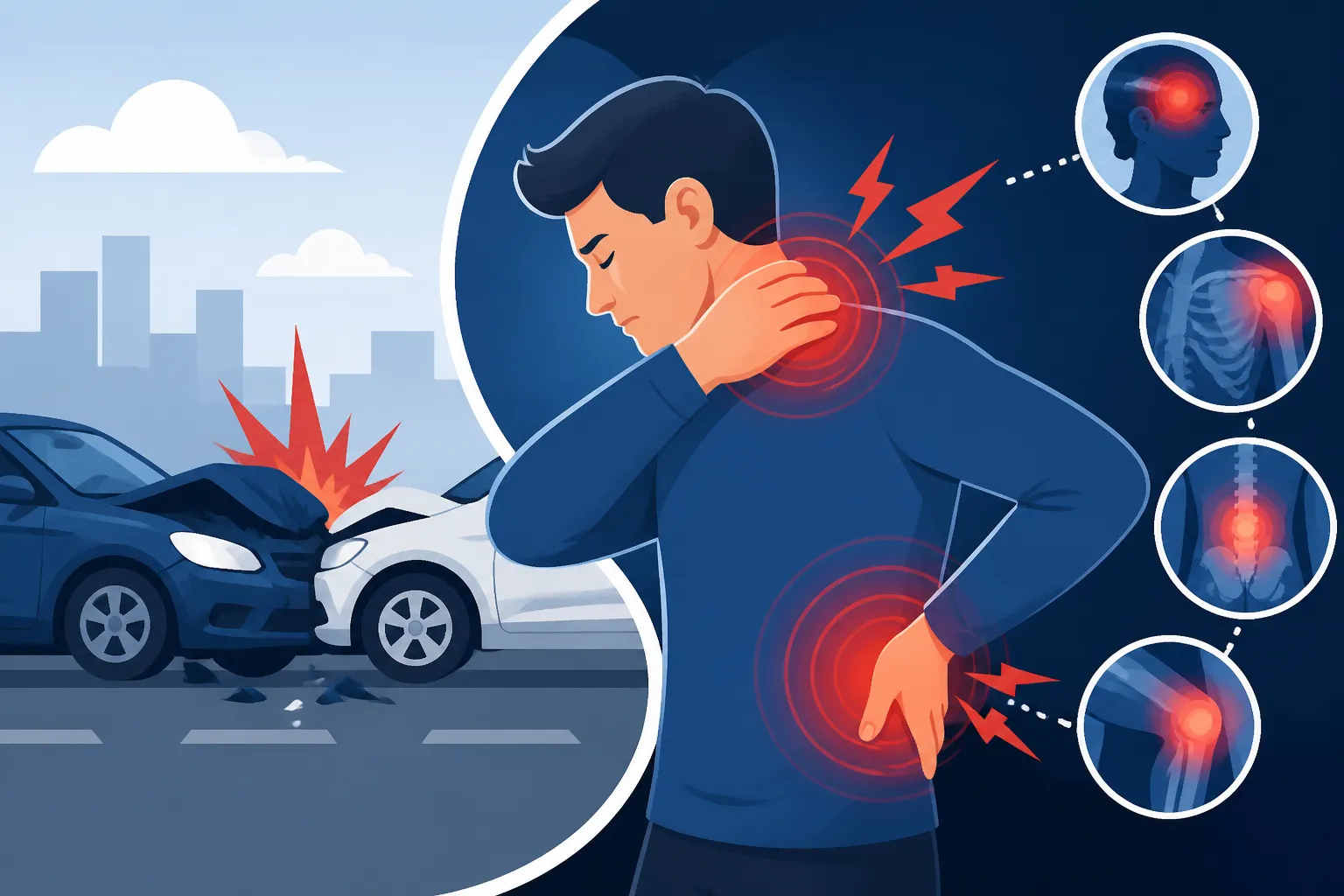
Car accidents can, unfortunately, be a direct catalyst for a wide array of injuries that lead to chronic pain. The sudden, forceful impact can twist, jar, and damage parts of the body in ways that have lasting consequences. One of the most frequently cited culprits is whiplash. While often dismissed as minor, serious whiplash can lead to chronic neck pain, stiffness, and headaches that persist for years. The sudden back-and-forth motion stretches and tears muscles, ligaments, and even discs in the cervical spine. If you've been in a rear-end collision, understanding Whiplash Symptoms After a Car Accident is vital.
Beyond the neck, the back is another highly vulnerable area. The force of a crash can cause herniated or bulging discs, spinal fractures, or nerve impingement. These conditions often result in persistent back pain, sciatica (pain radiating down the leg), and numbness or weakness. A herniated disc from a car accident can be particularly insidious, as its effects might not be immediately apparent but can lead to long-term discomfort and disability. Then there’s nerve damage, which can manifest as burning sensations, shooting pain, or hypersensitivity. This can stem from pinched nerves in the spine, direct trauma to peripheral nerves, or even complex regional pain syndrome (CRPS), a severe and often misunderstood chronic pain condition that can arise after an injury. These are just a few examples of how a sudden, violent event can leave a permanent mark on your body's pain pathways.
How Chronic Pain Impacts Daily Life and Mental Well-being
Living with chronic pain is like carrying an invisible backpack full of bricks, every single day. It's not just about the physical ache; it's about the constant drain on your energy, your patience, and your spirit. It fundamentally alters your relationship with your body, your work, your hobbies, and even your loved ones. The ripple effect extends far beyond the immediate physical sensation, creating a cascade of challenges that can feel overwhelming.
Physical and Functional Limitations
The most immediate and obvious impact of chronic pain is on your physical capabilities. Tasks you once took for granted, like bending down to tie your shoes, lifting groceries, or even sitting upright for an extended period, can become excruciating. For someone suffering from persistent back pain, for instance, even a short drive to the store can become a nightmare, leading to increased stiffness and discomfort. This means saying no to activities you once loved, whether it's hiking, playing with your kids, or simply enjoying a long walk. Your ability to work can also be severely compromised. If your job requires physical exertion, standing for long periods, or even prolonged sitting, chronic pain can make it impossible to perform your duties effectively, or at all. This isn't just about missing a few days of work; it can mean a complete career change or even long-term disability, leading to significant financial strain.
Imagine being a construction worker in San Diego, used to heavy lifting and being on your feet all day. A car accident leaves you with chronic knee pain. Suddenly, climbing scaffolding or carrying tools becomes unbearable. Or perhaps you're an accountant in Los Angeles who now can't sit at your desk for more than an hour without debilitating neck pain and headaches. These aren't minor inconveniences; they are life-altering changes that steal your independence and livelihood. The constant physical limitations can lead to a sedentary lifestyle, which paradoxically can worsen pain, create muscle weakness, and lead to other health issues, creating a vicious cycle that is incredibly hard to break. This is why understanding Economic vs Non-Economic Damages in Injury Claims is so important, as these losses are very real.
Psychological and Emotional Toll
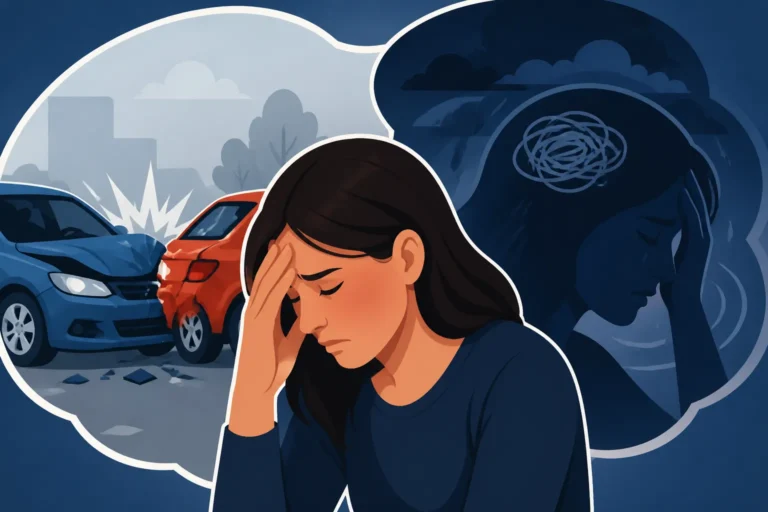
Beyond the physical, chronic pain exacts a heavy toll on your mental and emotional health. Imagine waking up every day knowing that pain will be your constant companion, with no clear end in sight. This relentless, unyielding presence can lead to profound feelings of frustration, helplessness, and hopelessness. It's a leading cause of depression and anxiety among accident survivors. The inability to participate in social activities, the struggle to maintain relationships, and the constant focus on your body's discomfort can lead to isolation and a diminished sense of self-worth.
Sleep disturbances are also incredibly common. Pain makes it difficult to fall asleep, stay asleep, and achieve restorative sleep, which in turn exacerbates pain, fatigue, and irritability. This creates a terrible cycle where lack of sleep makes the pain worse, and worse pain makes sleep even harder to find. Furthermore, many individuals develop PTSD and emotional distress after a car accident, especially if the crash was particularly violent or frightening. The constant pain can act as a persistent reminder of the traumatic event, triggering flashbacks, nightmares, and heightened anxiety. It’s not uncommon for people to experience changes in mood, personality, and an inability to concentrate, further isolating them from their former lives. Family dynamics can suffer, as loved ones struggle to understand an invisible illness and the patient's capacity for patience and empathy diminishes under the weight of constant suffering.
Navigating Medical Care and Long-Term Treatment Strategies
When you're dealing with chronic pain after an accident, getting the right medical care isn't just about feeling better; it's also about building a solid foundation for any potential claim you might pursue. It's a long journey, often requiring a diverse team of healthcare professionals and a persistent approach to treatment. You might find yourself seeing more doctors than you ever thought possible, but each visit contributes to your recovery and documentation.
The Importance of Consistent Medical Documentation
From the moment an accident occurs, every medical visit, every diagnosis, every treatment, and every medication taken becomes a critical piece of your health and legal puzzle. If you experience delayed injury symptoms after a car accident, it’s even more crucial to seek immediate medical attention and document everything. The insurance company on the other side is always looking for reasons to doubt the severity or origin of your injuries. Gaps in treatment, inconsistencies in your complaints, or a lack of objective findings can be used against you.
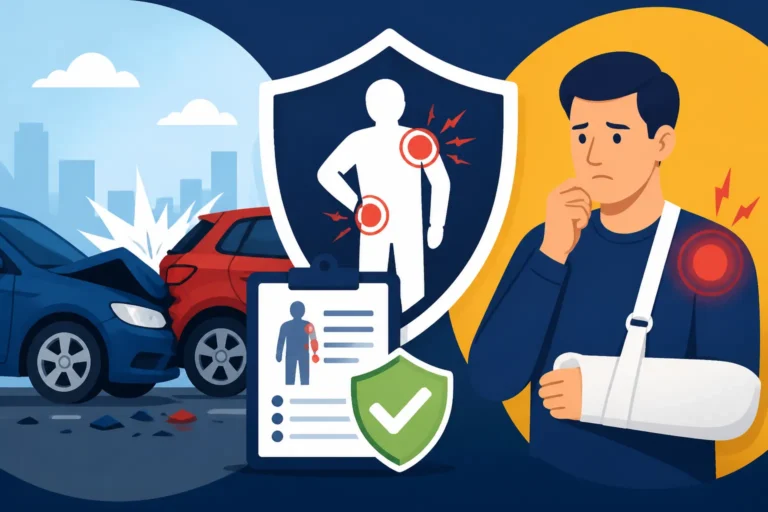
Therefore, it is paramount that you attend all appointments, follow all prescribed treatment plans, and clearly communicate your symptoms and limitations to your doctors. Each doctor's note, physical therapy record, prescription, and diagnostic imaging report (X-rays, MRIs, CT scans) serves as proof of your ongoing condition and the necessity of your treatment. Without this consistent documentation, it can be incredibly difficult to link your long-term chronic pain directly to the car accident, significantly impacting your ability to receive fair compensation. Remember, these records aren't just for your claim; they are essential for your medical team to track your progress, adjust treatments, and ultimately help you manage your pain effectively. This is particularly true if you need to prove injuries in a car accident claim.
A Multifaceted Approach to Managing Chronic Pain
There's rarely a single magic bullet for chronic pain. Instead, effective management often requires a comprehensive, multidisciplinary approach tailored to your specific condition and needs. This might involve a combination of therapies aimed at not only reducing pain but also improving function and quality of life.
Here's a look at common treatment strategies:
- Physical Therapy: This is often a cornerstone of chronic pain management. A good physical therapist can help you regain strength, flexibility, and range of motion, often using exercises, manual therapy, and modalities like heat or cold. They can teach you proper body mechanics to prevent further injury and reduce strain. Consistency here is key, as progress is often slow but steady.
- Medication Management: This can range from over-the-counter pain relievers to prescription medications like NSAIDs, muscle relaxers, nerve pain medications (e.g., gabapentin or pregabalin), or even cautious use of opioids for severe pain. However, managing medication, especially long-term, requires careful oversight from a doctor specializing in pain management to avoid side effects, dependency, or interactions.
- Injections: For certain types of pain, doctors might recommend injections such as epidural steroid injections for spinal pain, nerve blocks, or trigger point injections. These can offer temporary relief, allowing you to engage more effectively in physical therapy.
- Alternative and Complementary Therapies: Many people find relief through acupuncture, massage therapy, chiropractic care, or TENS (Transcutaneous Electrical Nerve Stimulation) units. While not always covered by insurance, these can be valuable additions to a comprehensive plan.
- Psychological Support: Given the significant emotional toll of chronic pain, therapy with a psychologist or counselor can be immensely beneficial. Cognitive Behavioral Therapy (CBT) and acceptance and commitment therapy (ACT) are particularly effective in helping individuals cope with pain, reduce anxiety and depression, and develop coping strategies. Techniques like mindfulness and meditation can also help in managing the perception of pain.
- Lifestyle Adjustments: This includes maintaining a healthy diet, incorporating gentle exercise like walking or swimming (as tolerated), prioritizing sleep, and reducing stress. Making these changes can empower you and give you a sense of control over your condition.
Working closely with a pain management specialist, a physical therapist, and potentially a mental health professional can help create a personalized plan to tackle the complexity of your pain. Remember that what works for one person might not work for another, and finding the right combination can take time and patience.
The Financial and Legal Implications of Chronic Pain
Living with chronic pain isn't just personally devastating; it can also be financially crippling. The costs associated with ongoing medical care, combined with a potential loss of income, can quickly accumulate, placing an enormous burden on you and your family. Understanding these financial realities is critical, especially when considering the legal avenues available to seek compensation. After all, your suffering has a tangible cost, and the law provides mechanisms to help you recover these losses.
Mounting Medical Bills and Lost Income
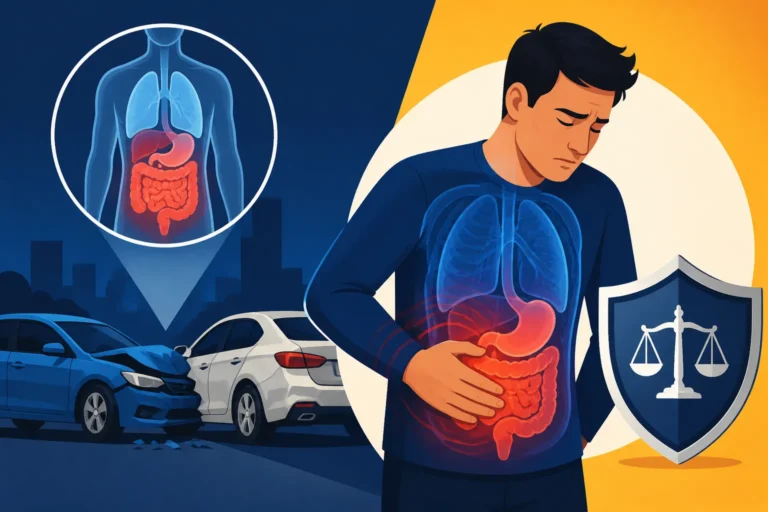
One of the most immediate financial consequences of chronic pain is the relentless stream of medical bills. Unlike acute injuries that often have a clear treatment timeline, chronic conditions require ongoing care, which can include regular doctor visits, physical therapy sessions, medications, injections, diagnostic tests, and potentially even surgeries down the line. Each specialist consultation, from neurologists to orthopedists to pain management doctors, adds to the expense. Even with good health insurance, co-pays, deductibles, and non-covered services can quickly pile up, potentially leading to thousands, or even tens of thousands, of dollars in out-of-pocket costs over time. This financial strain is a significant source of stress, further exacerbating the pain experience.
Simultaneously, chronic pain often severely impacts your ability to work. If your job is physically demanding, you might be forced to take time off, switch to lighter duties (often with reduced pay), or even leave your profession entirely. Even if your job is sedentary, the constant discomfort, fatigue, and cognitive issues associated with pain can make sustained work impossible. This loss of income, or "lost earning capacity vs lost wages," can devastate a household budget, especially if you are the primary earner. Imagine losing your ability to work for months or years, or even permanently. The financial impact isn’t just about the wages you’ve already missed; it's about the future income you will never earn, the career advancements you will miss out on, and the long-term financial security you lose. This combination of rising expenses and falling income can push individuals and families into severe economic hardship.
Seeking Compensation for Long-Term Suffering
When chronic pain stems from a car accident caused by another driver's negligence, you have the right to seek compensation for your suffering. This isn't about getting rich; it's about being made whole again, as much as the legal system can allow, for the profound and lasting impact the accident has had on your life. Your car accident claim should not only cover your immediate medical expenses and lost wages but also project the future costs associated with your chronic condition and the non-economic damages you've endured.
Calculating the true value of a chronic pain claim can be complex. It requires a detailed understanding of your specific medical prognosis, the long-term costs of your treatment, and the impact on your quality of life. This is where damages for "pain and suffering" come into play. These non-economic damages are designed to compensate you for the physical pain, emotional distress, loss of enjoyment of life, and mental anguish caused by your chronic condition. An experienced car accident attorney can help gather all the necessary evidence, including extensive medical records, expert witness testimony from doctors or vocational rehabilitation specialists, and your own detailed accounts of how your life has changed. They will articulate the full scope of your losses, both current and future, to the at-fault driver's insurance company. For example, if you live in California, knowing How Much Is a Chronic Pain Settlement Worth in California? will be crucial for your case. They can also help you understand How Comparative Fault Reduces Your Settlement if there's any dispute about your role in the accident.
Navigating insurance companies, especially when dealing with a complex issue like chronic pain, can be incredibly challenging. They often try to downplay long-term injuries or argue that your pain is due to pre-existing conditions. Having legal representation can make a significant difference in proving your case and securing a fair settlement that accounts for the lifetime of challenges chronic pain presents.
Here's a quick overview of how chronic pain impacts different aspects of your life and claim:
| Impact Category | Specific Effects | Claim Relevance |
|---|---|---|
| Physical Health | Constant pain, reduced mobility, fatigue, muscle weakness | Future medical expenses, physical therapy, medication, long-term care costs |
| Mental Health | Depression, anxiety, PTSD, frustration, sleep issues | Pain and suffering damages, cost of psychological counseling, medication |
| Daily Life | Inability to perform hobbies, household tasks, social withdrawal | Loss of enjoyment of life, impact on family relationships, assistance with daily living |
| Work/Career | Lost wages, reduced earning capacity, job loss, career change | Past and future lost wages, loss of earning potential |
| Financial | Mounting medical bills, transportation to appointments, cost of assistive devices | Reimbursement for all accident-related expenses, compensation for future financial strain |
Remember, your well-being, both physical and financial, is worth fighting for. Don't let chronic pain define your future without exploring all available avenues for treatment and justice.
Disclaimer
This article is for general informational purposes only and does not constitute professional advice. Laws and regulations vary by location and change over time. Consult a qualified professional for guidance on your specific situation.