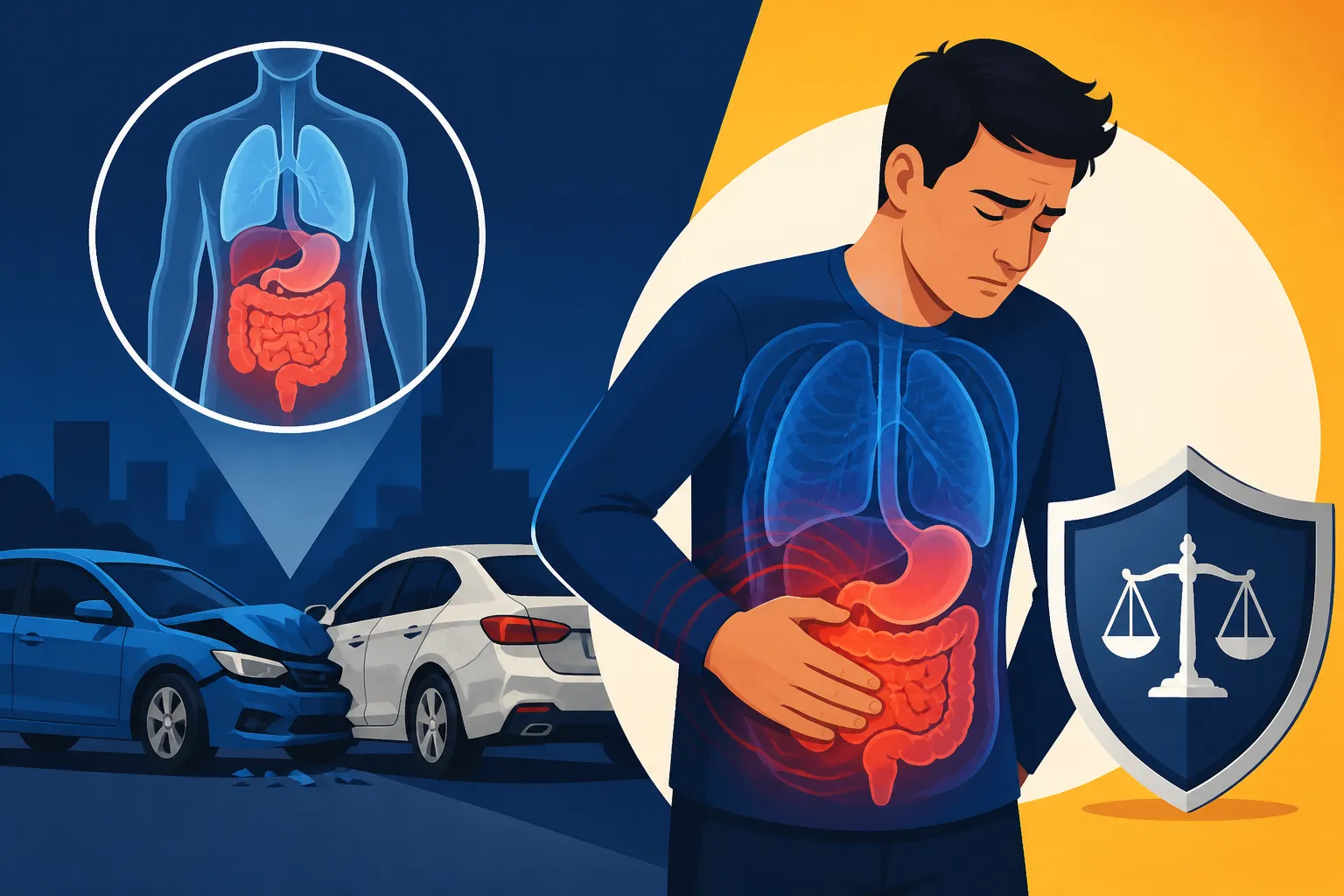
Claiming Compensation for Internal Injuries in California
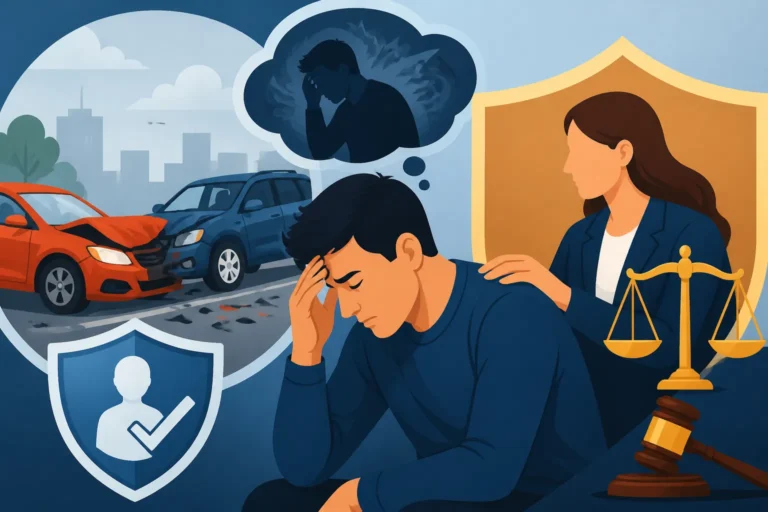
Experiencing a car accident is already traumatic enough, but when you realize you might be dealing with internal injuries, a whole new layer of fear and uncertainty sets in. Unlike a visible cut or a broken bone, internal injuries can be insidious, often not showing immediate symptoms, yet posing severe, even life-threatening risks. For anyone in California facing this daunting situation, understanding your rights and the process of claiming compensation for these hidden damages is paramount. This guide is here to walk you through exactly what you need to know to protect your health and your financial future.
Understanding the Insidious Nature of Internal Injuries in Car Accidents
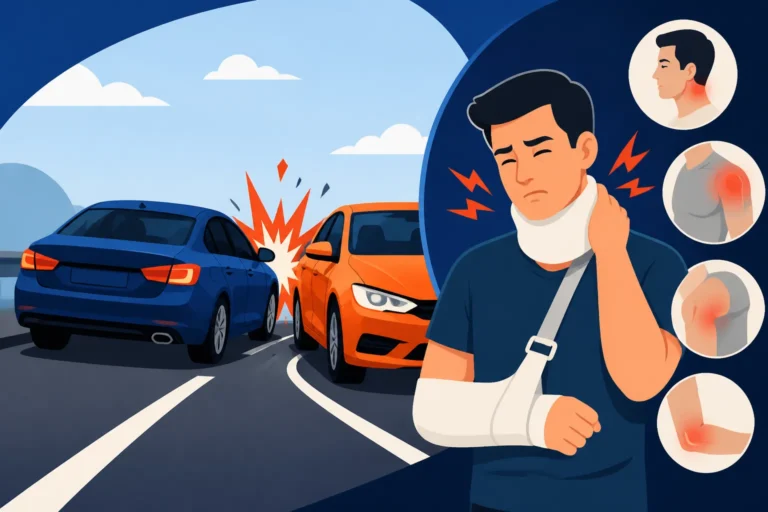
When a car accident happens, our minds often jump to visible damage – dents in the car, scrapes, or obvious fractures. However, it's the injuries you can't immediately see that often present the most significant danger and long-term complications. Internal injuries are a particularly frightening aspect of car accidents because they can develop silently and progress rapidly, often without the injured person realizing the severity of their condition until it's critical.
The Hidden Dangers of Internal Injuries
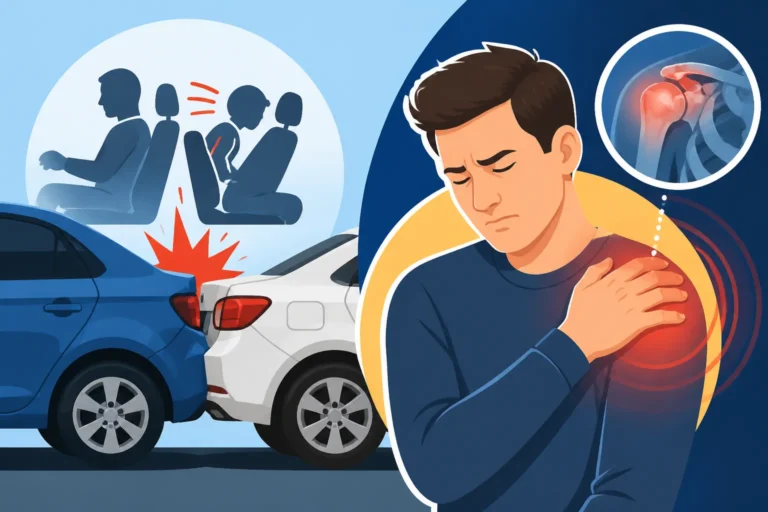
The human body is remarkably resilient, but it's also vulnerable to the immense forces at play during a collision. While airbags and seatbelts save countless lives, the impact itself can cause organs to shift, tear, or bleed internally. The problem is, adrenaline often masks pain in the immediate aftermath of an accident, making you feel "fine" even when something is seriously wrong. You might feel a dull ache that you dismiss as muscle soreness, only for it to be a sign of a ruptured spleen or a bruised kidney. These hidden injuries require prompt medical diagnosis and treatment, not just for your immediate health but also for the strength of any future compensation claim. Without documented proof of injury linked directly to the accident, securing compensation becomes incredibly difficult. This is why understanding Delayed Injury Symptoms After a Car Accident is so vital.
Common Types of Internal Injuries After a Crash
Internal injuries can range significantly in severity and the specific organs affected. The blunt force trauma of an impact, the rapid deceleration, or even the compression from a seatbelt can cause a variety of internal damages. Here are some of the more common and serious types we see:
- Organ Damage: This can include the liver, spleen, kidneys, or intestines. A common and very serious internal injury is a ruptured spleen, which can lead to life-threatening internal bleeding if not treated immediately. Similarly, liver lacerations or kidney contusions can cause significant pain, internal bleeding, and require extensive medical intervention, sometimes even surgery.
- Internal Bleeding: This is a broad category but incredibly dangerous. It can result from damaged blood vessels or organs. Symptoms might include dizziness, weakness, abdominal pain, or even fainting, but these can be subtle at first. Internal bleeding can lead to hypovolemic shock, a medical emergency.
- Collapsed Lung (Pneumothorax): A strong impact to the chest can cause a lung to partially or completely collapse, making it difficult to breathe. This can occur if a broken rib punctures the lung, or due to the sheer force of the impact itself.
- Traumatic Brain Injury (TBI): While concussions are often thought of as external head injuries, TBIs encompass a spectrum of internal brain damage, from mild concussions to severe brain bruising, swelling, or bleeding within the skull. These injuries can have profound and lasting effects on cognitive function, personality, and physical abilities. For a deeper dive, consider reading about Traumatic Brain Injury TBI From a Car Accident.
- Aortic Dissection/Rupture: The aorta, the body's largest artery, can be torn or ruptured due to the shearing forces of a high-speed collision, often a fatal injury if not immediately addressed.
- Diaphragmatic Rupture: The diaphragm, the muscle separating the chest and abdominal cavities, can tear, allowing abdominal organs to push into the chest, impairing lung function.
Recognizing the potential for these injuries, even without obvious external signs, underscores the critical importance of seeking immediate and thorough medical evaluation after any car accident, regardless of how minor you perceive it to be.
Here's a table summarizing common internal injuries and their typical symptoms:
| Internal Injury Type | Common Symptoms (May Be Delayed) | Urgency of Medical Attention |
|---|---|---|
| Organ Damage | Abdominal pain, tenderness, bruising, nausea, vomiting, distension, fever, dark urine, weakness, dizziness | HIGH (ER Visit Essential) |
| Internal Bleeding | Dizziness, weakness, fainting, pale skin, cold sweats, confusion, rapid heart rate, abdominal swelling/tenderness | CRITICAL (Emergency) |
| Collapsed Lung | Shortness of breath, chest pain (sharp, often worse with deep breath), rapid breathing, cyanosis (bluish skin) | HIGH (ER Visit Essential) |
| Traumatic Brain Injury | Headache, confusion, dizziness, memory loss, nausea, sensitivity to light/sound, mood changes, difficulty concentrating | HIGH (Immediate Doctor) |
| Aortic Dissection/Rupture | Severe, sudden chest/back pain, shortness of breath, weakness, loss of consciousness, low blood pressure | CRITICAL (Life-Threatening Emergency) |
| Diaphragmatic Rupture | Chest pain, difficulty breathing, abdominal pain, nausea, vomiting, bowel sounds in chest | HIGH (ER Visit Essential) |
Establishing Fault and Causation in California
Claiming compensation for internal injuries after a car accident in California isn't just about proving you were hurt; it's also about proving that someone else was at fault for the accident and that their negligence directly caused your injuries. This is where the legal specifics of California law and meticulous documentation become incredibly important.
California's Comparative Negligence Rule
California operates under a system of pure comparative negligence. This means that if you are involved in an accident, your ability to recover damages will be reduced by your percentage of fault. For example, if your internal injuries are assessed at a total value of $100,000, but a jury or insurance company determines you were 20% at fault for the accident, you would only be able to recover $80,000.
This rule is a double-edged sword. On one hand, it means you can still recover some compensation even if you contributed to the accident, unlike in states with contributory negligence rules where even 1% fault bars recovery entirely. On the other hand, insurance companies will often try aggressively to assign a percentage of fault to you to reduce their payout. Understanding What Happens If You're Partially at Fault? is critical, as is knowing how to counter arguments that place undue blame on you. It means that establishing clear fault on the other driver is a significant component of maximizing your compensation for severe internal injuries.
Proving Your Internal Injuries Were Caused by the Accident
This is often the most challenging aspect of an internal injury claim. Because these injuries aren't always immediately obvious and can sometimes mimic other conditions, the link between the accident and your diagnosis needs to be meticulously established.
- Immediate Medical Attention: This cannot be stressed enough. Even if you feel okay after a crash, see a doctor. Go to the emergency room, an urgent care clinic, or your primary care physician as soon as possible. Explain everything you felt during and after the accident. Documenting your symptoms from day one provides a clear timeline. Any delay in seeking treatment can be used by insurance companies to argue that your injuries weren't caused by the accident, or that you exacerbated them yourself.
- Thorough Medical Diagnosis and Records: Internal injuries are diagnosed through various medical tests, such as CT scans, MRIs, ultrasounds, X-rays, and blood tests. Ensure that all these diagnostic results, along with doctor's notes, treatment plans, medication prescriptions, and referral details, are collected and kept organized. These records are the backbone of your claim, proving the existence, severity, and treatment of your internal injuries.
- Expert Testimony: In complex internal injury cases, especially those involving the brain or major organs, you may need an expert medical witness to testify about the nature of your injuries, their direct causal link to the accident, and their long-term prognosis. This is particularly true if an insurance company attempts to claim your injuries are pre-existing or unrelated.
- Connecting the Dots: Your legal representation will work to connect the sequence of events from the accident (e.g., the force of impact, your body's movement) directly to the specific internal injuries you sustained. This often involves reviewing accident reconstruction reports and consulting with medical professionals to paint a clear picture of causation. Detailed records of How to Document a Car Accident Scene can also support this narrative.
Without strong evidence linking the accident to your internal injuries, even the most severe conditions might not lead to appropriate compensation.
Types of Compensation You Can Claim for Internal Injuries
When you're dealing with internal injuries from a car accident, the financial strain can be enormous, on top of the physical and emotional toll. Thankfully, California law allows you to claim a wide range of damages designed to make you "whole" again, as much as possible, after someone else's negligence caused your harm. These damages generally fall into two categories: economic and non-economic.
Economic Damages
These are the tangible, quantifiable financial losses you've incurred or will incur as a direct result of your internal injuries. They are often easier to calculate because they come with receipts, bills, or clear wage statements.
- Medical Bills: This is usually the largest component of economic damages for internal injuries. It includes everything from emergency room visits, ambulance rides, and diagnostic tests (CT scans, MRIs) to surgeries, hospital stays, medication, specialist consultations, and physical therapy. If your internal injuries require ongoing treatment, rehabilitation, or future surgeries, these anticipated costs are also factored in. It’s not uncommon for serious internal injuries to rack up hundreds of thousands of dollars in medical expenses. You'll need to know how Medical Bills Are Paid From a Settlement.
- Lost Wages and Future Earning Capacity: Internal injuries can put you out of work for an extended period. You can claim compensation for all wages, bonuses, and benefits you lost while recovering. Furthermore, if your internal injuries result in permanent disability or a reduced ability to perform your job (or any job) in the future, you can claim for "loss of earning capacity." This accounts for the difference between what you would have earned over your lifetime had the accident not occurred and what you are now projected to earn.
- Property Damage: While not directly related to your internal injuries, the damage to your vehicle is typically part of the overall claim. This includes repair costs or the fair market value of your vehicle if it was totaled.
- Other Out-of-Pocket Expenses: Don't forget costs like transportation to medical appointments, home modifications if your injury causes permanent disability, or even the cost of hiring help for household tasks you can no longer perform. Keep detailed records and receipts for everything.
Non-Economic Damages
These damages are often more challenging to quantify because they don't come with a specific bill, but they are incredibly real and significant when dealing with severe internal injuries. California law recognizes the profound impact that pain, suffering, and emotional distress can have on a person's life. For more on this, see Pain and Suffering Damages What They Cover.
- Pain and Suffering: This refers to the physical pain and discomfort you experience from your internal injuries. This isn't just the acute pain immediately after the accident or during surgery, but also the chronic pain, discomfort from rehabilitation, and the general physical hardships endured during recovery.
- Emotional Distress: Internal injuries can lead to significant psychological trauma. This can manifest as anxiety, depression, fear, frustration, anger, or even post-traumatic stress disorder (PTSD). The inability to lead a normal life, the fear of future health complications, and the stress of medical procedures all contribute to emotional distress. This component is highly personal and can greatly influence the overall settlement.
- Loss of Enjoyment of Life: When internal injuries prevent you from participating in hobbies, social activities, or daily routines that you once enjoyed, you can claim compensation for this loss. If you can no longer play with your children, enjoy outdoor activities, or pursue a beloved sport, that loss significantly diminishes your quality of life.
- Loss of Consortium: If your internal injuries are so severe that they negatively impact your relationship with your spouse – affecting intimacy, companionship, or the ability to perform household duties – your spouse may also be able to claim damages for loss of consortium.
Calculating non-economic damages, especially for something as complex as internal injuries, often involves using a "multiplier" method, where your economic damages are multiplied by a factor (usually between 1.5 and 5, or even higher for very severe, permanent injuries) to arrive at a pain and suffering value. The higher the severity and permanence of your internal injuries, the higher the multiplier tends to be.
The California Claim Process for Internal Injuries
Navigating the aftermath of a car accident is never easy, especially when you're contending with internal injuries that might not be immediately apparent. The claims process can be complicated and drawn-out, but understanding the steps in California can empower you to protect your rights.
Initial Steps After a Car Accident
The actions you take immediately after an accident, even if you feel "fine," are crucial, particularly when internal injuries are a possibility.
- Ensure Safety and Call 911: First and foremost, check for injuries to yourself and others. Move to a safe location if possible. Always call 911, especially if there are injuries or significant property damage. A police report is an essential document for your claim, detailing the circumstances of the accident and often providing an initial assessment of fault. If you're wondering, Does a Police Report Determine Who Pays?, it doesn't directly, but it significantly influences insurance company decisions.
- Gather Information: Exchange contact and insurance information with all drivers involved. Get names and numbers of any witnesses. Take photos and videos of the accident scene, vehicle damage, road conditions, and any visible injuries. This documentation is invaluable.
- Seek Immediate Medical Attention: As highlighted earlier, this is non-negotiable for suspected internal injuries. Don't delay. Go to an emergency room or your doctor. Be honest and thorough about all symptoms, even subtle ones. Tell them you were in a car accident. This establishes a clear medical record linking your injuries to the incident. Waiting days or weeks can severely undermine your claim.
- Notify Your Insurance Company: Report the accident to your own insurance company promptly, even if you believe the other driver was entirely at fault. Provide only factual information about the accident's date, time, and location. Do not admit fault or speculate on injuries before a medical diagnosis. Your policy may have reporting requirements, and early notification can help with aspects like Rental Car Reimbursement After an Accident or medical payments coverage.
Dealing with Insurance Companies
After an accident with internal injuries, you'll likely be dealing with both your own insurance company and the at-fault driver's insurer. This can be a high-stakes game.
- Beware of Early Settlement Offers: Insurance adjusters are trained negotiators whose primary goal is to minimize payouts. They might contact you quickly with a lowball settlement offer, especially if they know your injuries aren't fully diagnosed. Do not accept any offer, sign any releases, or give a recorded statement without first understanding the full extent of your internal injuries and consulting with a legal professional. Accepting an early offer almost always means giving up your right to claim additional compensation if your injuries worsen or new symptoms appear. You'll want to know How to Deal With a Lowball Insurance Offer.
- Limit Your Communication: Be very careful about what you say to insurance adjusters. While you must cooperate with your own insurer as per your policy, you are generally not obligated to give a recorded statement to the at-fault driver's insurance company. Giving a recorded statement can easily be twisted or used against you later. It’s always best to have a lawyer handle all communications with the other party's insurance.
- Understand Their Tactics: Insurance companies often try to downplay the severity of internal injuries, argue pre-existing conditions, or claim delays in treatment indicate your injuries weren't serious or related to the accident. They will scrutinize your medical records and may even hire their own doctors to review your case. This adversarial environment is precisely why experienced representation is crucial.
The Role of a Car Accident Lawyer
For internal injury claims in California, especially those involving significant medical bills or long-term impact, hiring a car accident lawyer is almost always advisable.
- Expert Navigation: A lawyer understands California's comparative negligence laws, the nuances of proving causation for internal injuries, and how to accurately calculate both economic and non-economic damages. They know what evidence to gather and how to present it effectively.
- Protection from Insurers: Your lawyer will act as a buffer between you and the insurance companies, handling all communication and negotiations. This protects you from making statements that could harm your claim and ensures that your rights are fully protected. They can push back against unfair blame or inadequate offers.
- Access to Resources: Personal injury attorneys often have networks of medical specialists, accident reconstructionists, and other experts whose testimony can be vital in strengthening your claim and proving the extent of your internal injuries.
- Maximizing Compensation: With internal injuries, especially those that might require future medical care or impact your ability to work, accurately assessing the full value of your claim is complex. A lawyer will fight to ensure you receive full and fair compensation for all your past, present, and future losses. This is particularly important for injuries like Traumatic Brain Injury TBI From a Car Accident which can have lifelong consequences. If you're wondering When to Hire a Car Accident Lawyer, complex and severe injuries like internal damage are a clear indicator.
- Statute of Limitations: There are strict deadlines, known as the statute of limitations, for filing a car accident lawsuit in California. Generally, you have two years from the date of the accident to file a personal injury lawsuit. Missing this deadline means losing your right to sue, so timely action is critical. A lawyer will ensure all deadlines are met.
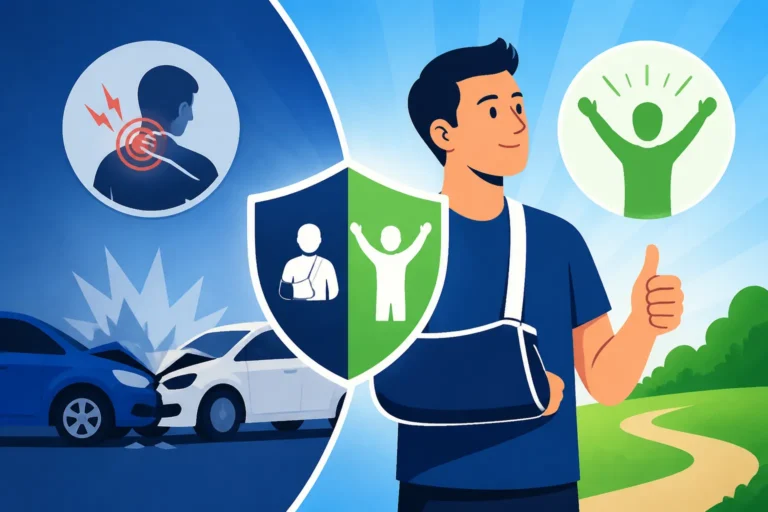
By focusing on these steps, especially securing prompt medical care and consulting with a knowledgeable legal professional, you put yourself in the best position to claim the compensation you deserve for your internal injuries in California.
Disclaimer
Please remember that this article provides general information and insights into car accident claims for internal injuries in California. It is not legal advice. Every accident and injury claim is unique. For personalized advice tailored to your specific situation, it is crucial to consult with a qualified personal injury attorney in California.