Is PTSD Common After a Rear-End Collision?
It's a common misconception that if a car accident isn't a high-speed, dramatic crash, the emotional aftermath will be minimal. Many people, especially after a rear-end collision, feel pressure to "shake it off" because the physical injuries might seem minor at first. But the truth is, the sudden, unexpected jolt of a rear-end can be profoundly traumatizing, and for many, it can lead to Post-Traumatic Stress Disorder (PTSD). This guide will help you understand why PTSD is, in fact, common after such incidents, what symptoms to look for, and how to navigate this challenging experience.
Understanding PTSD After a Car Accident
When we hear "PTSD," our minds often jump to combat veterans or victims of violent crimes. But the reality is much broader. Any event that involves a serious threat or perceived threat to life, serious injury, or sexual violence can trigger PTSD. A car accident, even a seemingly minor one like a rear-end collision, absolutely fits that description.
What Exactly Is Post-Traumatic Stress Disorder (PTSD)?
At its core, PTSD is a mental health condition that some people develop after experiencing or witnessing a terrifying event. It's not just "being stressed out" or "nervous." It's a complex set of symptoms that can severely impact a person's daily life, relationships, and overall well-being. These symptoms generally fall into four main clusters: intrusive thoughts, avoidance, negative changes in thinking and mood, and changes in arousal and reactivity. It’s important to remember that developing PTSD isn't a sign of weakness; it's a natural, albeit often debilitating, response to trauma. The brain and body go into survival mode, and sometimes, they struggle to return to a baseline state of safety even after the danger has passed.
Why Rear-End Collisions Can Be Traumatic
You might think, "It was just a fender bender, how can that cause trauma?" But consider the dynamics of a rear-end crash. You're typically stopped or moving slowly, completely unaware of the impending impact. There's no time to brace yourself, no opportunity to react or avoid. The sudden, violent force from behind can create a profound sense of helplessness and loss of control. Your body is thrown forward, then backward, often leading to immediate physical injuries like Whiplash Symptoms After a Car Accident or Herniated Disc From a Car Accident.
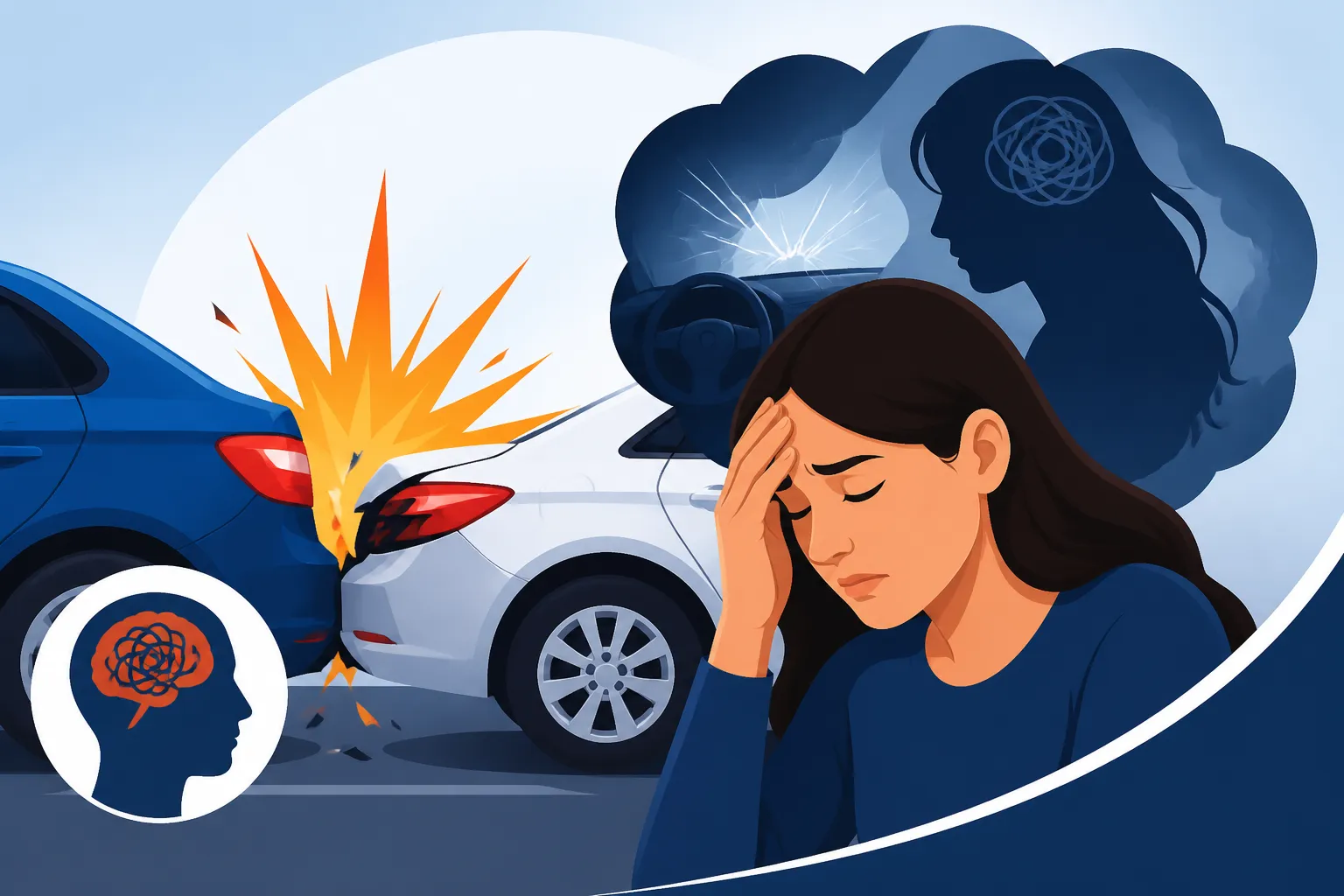
But beyond the physical, your brain registers this as an attack, a sudden, unexpected threat. Even if you walk away with no visible injuries, the psychological shock can be immense. The sound of screeching tires, the metallic crunch, the unexpected impact – these sensory details can become deeply ingrained. For some, the fear of death or serious injury, however fleeting, is enough to create lasting psychological effects. It’s not just about the severity of the damage to the car; it’s about the unexpected violation of your sense of safety.
Common Symptoms of PTSD After a Rear-End Collision
Recognizing the signs of PTSD is the first step toward healing. It’s not always obvious, and sometimes symptoms can be Delayed Injury Symptoms After a Car Accident, appearing weeks or even months after the incident. If you've been in a rear-end collision and find yourself struggling, pay attention to these common indicators.
Intrusive Thoughts and Flashbacks
One of the most hallmark signs of PTSD is the involuntary re-experiencing of the traumatic event. This can manifest in several ways. You might have upsetting memories of the accident that pop into your head at random times during the day. You could be driving, and suddenly, a car braking ahead triggers a vivid, sensory flashback of the impact, making your heart race and your palms sweat. These aren't just memories; they're often so intense that you feel like you're reliving the moment. Nightmares about the crash are also very common, disrupting your sleep and leaving you exhausted and anxious even after waking.
Avoidance Behaviors
To cope with the distressing thoughts and feelings, people with PTSD often develop avoidance strategies. After a rear-end collision, this commonly means avoiding driving altogether, especially in situations that remind you of the crash, like heavy traffic, intersections, or highways. You might start taking significantly longer routes to avoid specific roads, or you might rely on friends, family, or rideshares, even if it's inconvenient. Beyond driving, you might find yourself avoiding talking about the accident, even with close loved ones, or shying away from news stories about car crashes. The goal of avoidance is to protect yourself from re-experiencing the emotional pain, but it often ends up limiting your life and isolating you further.
Negative Changes in Mood and Thinking
The emotional landscape after trauma can shift dramatically. Many individuals report feeling a pervasive sense of detachment or estrangement from others, even those they were once close to. You might find it hard to experience positive emotions, or feel constantly irritable, angry, or anxious. A general loss of interest in activities you once enjoyed, like hobbies or social gatherings, is also common. Some people develop distorted thoughts, such as blaming themselves for the accident even when they were clearly not at fault, or believing that the world is an inherently dangerous place where another accident is always imminent. This can contribute to a sense of hopelessness and difficulty in imagining a positive future.
Changes in Arousal and Reactivity
The body's "fight or flight" system can remain on high alert long after the actual danger has passed. This leads to symptoms of increased arousal and reactivity. You might become easily startled by sudden noises or movements, constantly feeling "on edge" or hypervigilant, as if you're always scanning for potential threats. Sleep disturbances are incredibly common, beyond just nightmares, often involving difficulty falling or staying asleep. You might have trouble concentrating on tasks, feel an exaggerated or disproportionate anger, or engage in reckless or self-destructive behaviors. These symptoms can make it incredibly difficult to relax, focus, or simply feel safe in your own skin.
The Link Between Rear-End Collisions and PTSD Prevalence
While any car accident can lead to PTSD, rear-end collisions often present a unique psychological challenge due to their sudden nature and the common underestimation of their traumatic potential.
The "Minor" Accident Misconception
One of the biggest hurdles for someone developing PTSD after a rear-end collision is the pervasive societal idea that if a crash looks minor, the consequences must also be minor. When there's little vehicle damage, or if initial physical injuries seem like just Soft Tissue Injuries Explained, friends, family, or even insurance adjusters might downplay the incident. This can lead to feelings of invalidation, shame, or guilt, making it harder for the victim to acknowledge their psychological distress and seek help. They might internalize the message that they are overreacting, even when their brain is genuinely struggling to process the trauma. This misconception often delays diagnosis and treatment, exacerbating the long-term impact of PTSD. The truth is, psychological trauma is not always proportional to visible damage or immediate physical pain.
Factors Increasing PTSD Risk
While no one can predict who will develop PTSD, certain factors can increase a person's vulnerability after a rear-end collision:
- Perceived Threat to Life: Even if the accident wasn't fatal, the moment of impact often involves a fleeting but intense perception of imminent death or severe injury. This subjective experience of danger is a significant predictor of PTSD.
- Prior Trauma History: Individuals who have experienced previous traumas, whether car accidents, other types of accidents, or interpersonal violence, may be more susceptible to developing PTSD after a subsequent event. Their nervous system might already be primed to react strongly to perceived threats.
- Lack of Social Support: A strong support system from family, friends, or community can be a protective factor. Conversely, feeling isolated or unsupported after an accident can increase the risk and severity of PTSD symptoms.
- Severity of Physical Injury: While physical injury isn't the only factor, more severe or debilitating physical injuries can prolong recovery, lead to chronic pain, and exacerbate psychological distress, increasing the likelihood of PTSD.
- Financial Stress: The added burden of medical bills, lost wages, and car repairs can amplify stress levels, making it harder to cope with the emotional aftermath of the accident. This is where understanding How Much Is My Car Accident Settlement Worth? (2026) and how to calculate Economic vs Non-Economic Damages Explained becomes vital.
- Disputes over Fault: If there's a disagreement over who is at fault in a car accident, or if the other driver's insurance company is uncooperative, the added stress and uncertainty can worsen psychological symptoms.
Seeking Help and Documenting Your Experience
Recognizing PTSD is just the beginning. The next crucial step is seeking appropriate help and meticulously documenting your experience, especially if you plan to pursue a claim for damages.
When to Seek Professional Support
If you or a loved one are experiencing persistent symptoms of PTSD—intrusive thoughts, avoidance, mood changes, or heightened arousal—for more than a month after a rear-end collision, it's absolutely vital to seek professional help. Don't wait for it to get worse or assume it will simply "go away." Early intervention can significantly improve outcomes.
Consider reaching out to:
- Psychologists or Psychiatrists: These mental health professionals can provide an official diagnosis and offer therapies specifically designed for trauma, such as Cognitive Behavioral Therapy (CBT) or Eye Movement Desensitization and Reprocessing (EMDR).
- Therapists or Counselors: Many licensed therapists specialize in trauma and can provide a safe space to process your feelings and develop coping strategies.
- Your Primary Care Physician: Your doctor can be a great first point of contact. They can assess your overall health, rule out other conditions, and refer you to mental health specialists. They can also ensure that any physical injuries, which might be contributing to stress, are properly treated. Remember, it's always advisable to Why You Should See a Doctor After a Car Accident, even for seemingly minor incidents.
Documenting Emotional Distress for a Claim
If you're considering a car accident claim, documenting your emotional distress, including PTSD symptoms, is just as important as documenting physical injuries. Insurance companies often look for objective evidence to evaluate "pain and suffering" or Pain and Suffering Damages: What They Cover.
Here's how to effectively document your experience:
- Medical Records: This is perhaps the most crucial evidence. Ensure that every visit to a mental health professional is recorded, detailing your symptoms, diagnosis, treatment plan, and progress. Your medical records are key to How to Prove Injuries in a Car Accident Claim and How Medical Records Prove Your Injuries.
- Journaling: Keep a detailed daily journal. Document how you're feeling, specific PTSD symptoms you experience (e.g., "Had a flashback while driving to work this morning, felt intense panic for 15 minutes"), how these symptoms impact your daily life (e.g., "Couldn't sleep last night due to nightmares about the crash"), and any social or work disruptions. This helps to How to Document Pain and Suffering in your own words.
- Witness Statements: If friends, family, or colleagues have noticed changes in your behavior or mood since the accident, their testimony can corroborate your claims of emotional distress.
- Work Records: If your PTSD symptoms have led to missed work, reduced productivity, or changes in your job responsibilities, these records can provide objective evidence of lost earning capacity or How Lost Wages Are Calculated in a Settlement.
- Prescription Records: If you're prescribed medication for anxiety, depression, or sleep disturbances related to your PTSD, these records further solidify the medical aspect of your claim.
A rear-end collision can be far more than just a dented bumper. The psychological impact, particularly the development of PTSD, is a very real and common consequence that deserves serious attention and care.
| PTSD Symptom Category | Common Manifestations After a Rear-End Collision | Impact on Daily Life |
|---|---|---|
| Intrusive Thoughts | Flashbacks of the crash, nightmares, intrusive memories of the impact, sounds, or smells. | Difficulty concentrating, disrupted sleep, anxiety, panic attacks, feeling constantly "on guard." |
| Avoidance | Avoiding driving, specific routes, traffic, talking about the accident, or places that remind you of the crash. | Limited mobility, social isolation, inability to resume normal routines, impact on work/school. |
| Negative Changes in Mood/Thinking | Feeling detached from others, loss of interest in hobbies, persistent negative beliefs about oneself or the world, anger, irritability, guilt. | Strained relationships, difficulty experiencing joy, feelings of hopelessness, increased risk of depression. |
| Arousal and Reactivity | Being easily startled, hypervigilance (constantly scanning for danger), difficulty sleeping, angry outbursts, trouble concentrating. | Chronic fatigue, irritability, difficulty relaxing, impaired performance at work/school, increased conflict with others. |
Disclaimer
Please remember, the information provided in this article is for general informational purposes only and does not constitute legal or medical advice. Every car accident case and personal injury is unique, and the information presented here may not apply to your specific situation. You should consult with a qualified legal professional for advice regarding your individual circumstances and a medical professional for any health concerns or treatment.