Claiming Compensation for Concussion in California
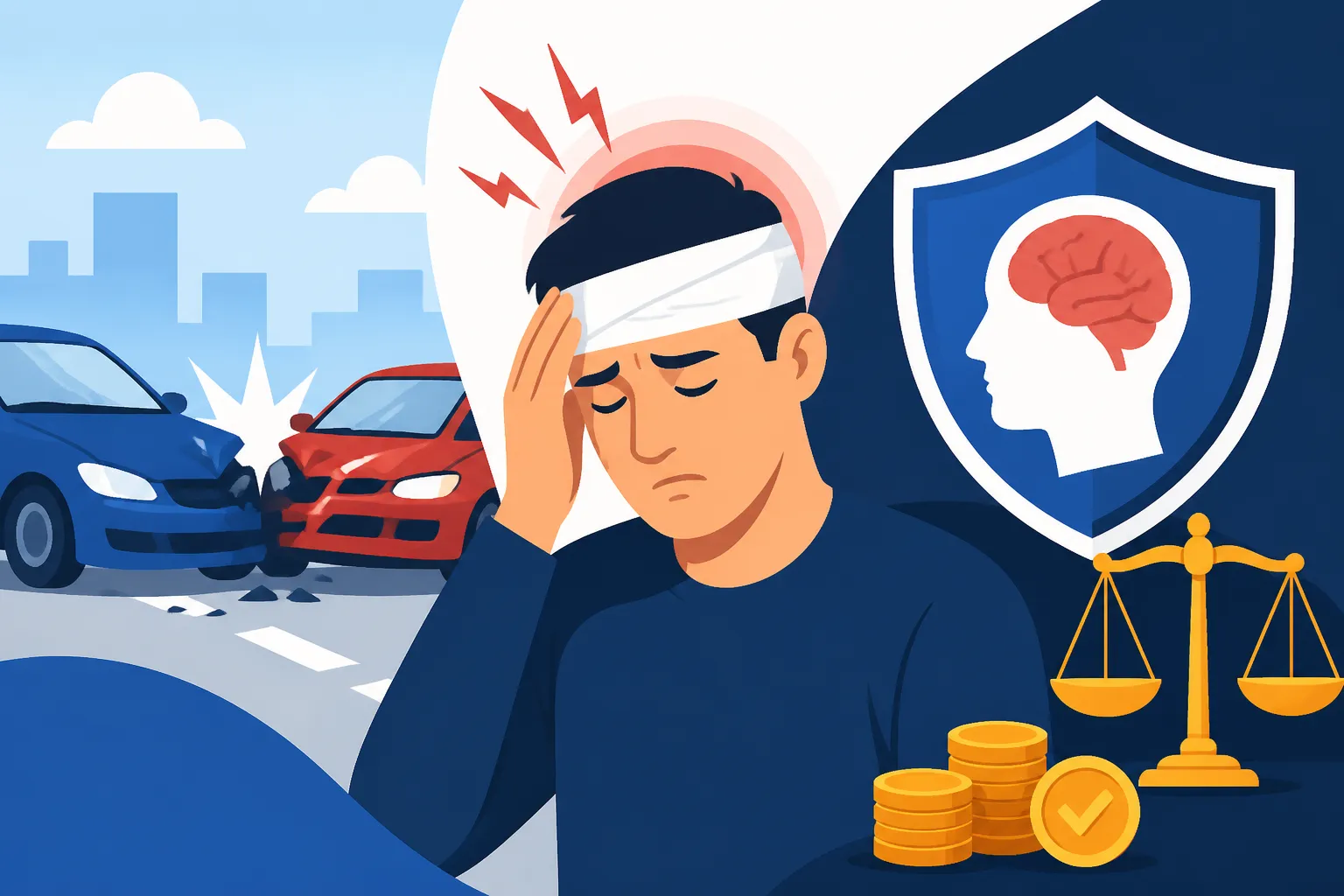
Experiencing a car accident is terrifying enough, but discovering you've sustained a concussion afterwards can add a whole new layer of confusion and frustration. Dealing with the physical and mental fallout of a brain injury, all while trying to navigate the complexities of a car accident claim in a state like California, can feel utterly overwhelming. This comprehensive guide is here to walk you through the specifics of claiming compensation for a concussion, helping you understand your rights and the steps you need to take.
Understanding Concussions After a Car Accident
A car accident can deliver a sudden, jarring force to your body, and your brain is particularly vulnerable to this kind of trauma. Even if you don't hit your head directly on the dashboard or window, the rapid acceleration and deceleration can cause your brain to impact the inside of your skull, leading to a concussion.
What Exactly Is a Concussion?
At its core, a concussion is a mild traumatic brain injury (mTBI) caused by a bump, blow, or jolt to the head, or by a hit to the body that causes the head and brain to move rapidly back and forth. This sudden movement can cause the brain to twist or bounce inside the skull, stretching and damaging brain cells and creating chemical changes. It's not just about losing consciousness – many people with concussions never "black out."
Common concussion symptoms after a car accident can vary widely and include headaches, dizziness, confusion, nausea, sensitivity to light and sound, memory problems, difficulty concentrating, irritability, and even sleep disturbances. These symptoms might appear immediately, or they might creep in hours or even days later, which is why it's so crucial to pay attention to how you feel. For a deeper dive into the specifics, check out our guide on Concussion Symptoms After a Car Accident.
How Car Accidents Cause Concussions
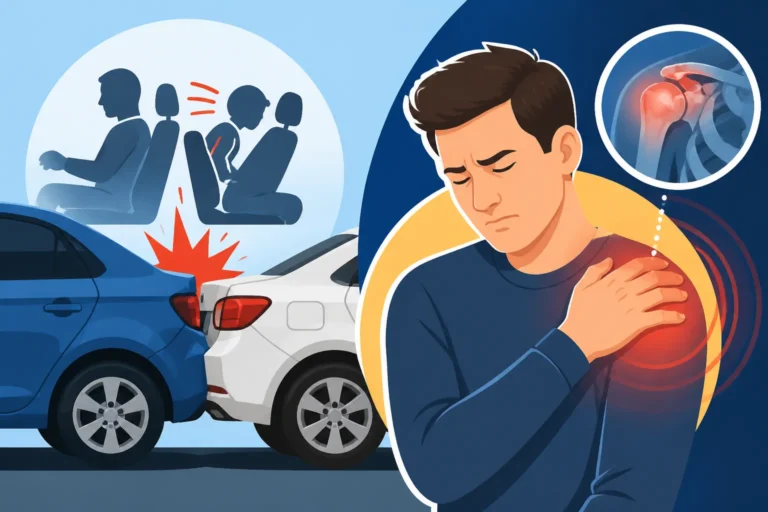
The physics of a car crash are often perfect for causing concussions. Imagine a rear-end collision on the 101 Freeway in Los Angeles. Even at moderate speeds, the sudden forward thrust, followed by the seatbelt restraining your body, can cause your head to whip forward and then backward violently. This whiplash-like motion subjects your brain to powerful forces. Similarly, in a T-bone accident at an intersection in San Diego, the side impact can cause your head to jerk sideways, resulting in similar brain trauma.
It's not always about direct impact. The shearing forces and rotational acceleration alone can be enough to trigger a concussion. The brain, which has a gel-like consistency, sloshes around, and this internal movement can disrupt its normal functioning. This is why you might not have a visible head wound but still suffer a serious brain injury.
The Insidious Nature of Delayed Concussion Symptoms
One of the most frustrating aspects of concussions, especially in the context of a car accident claim, is the potential for delayed symptoms. You might feel "fine" right after the crash, exchange information, and go home, only for a splitting headache, intense dizziness, or persistent confusion to set in 24 to 72 hours later. This delay can make people question if their symptoms are truly related to the accident, and it can also make insurance companies skeptical.
However, delayed symptoms are a well-documented phenomenon. Adrenaline from the accident can mask pain and cognitive issues initially. As your body calms down, the underlying injury begins to manifest. This is why it's so important to monitor yourself closely in the days following any impact, no matter how minor it seems. Our article on Delayed Injury Symptoms After a Car Accident goes into more detail about why this happens and what to look for. If you experience any of these delayed symptoms, seek medical attention immediately. Documenting these symptoms as they arise is paramount for your claim.
Navigating Medical Care and Documentation in California
After a car accident, your health is the absolute priority. For a concussion claim, however, proper medical care and meticulous documentation become your strongest allies. Without a clear paper trail, proving the link between the accident and your concussion becomes incredibly difficult.
Why Immediate Medical Attention Is Crucial
Even if you don't feel immediate pain or symptoms after a car accident in California, seeking medical attention as soon as possible is non-negotiable, especially when dealing with head trauma. A visit to an urgent care center or the emergency room can establish an immediate record of the accident and any initial complaints, even if they seem minor. This creates a baseline for your condition and helps connect any future symptoms directly to the incident. If you wait days or weeks, the insurance company for the at-fault driver might argue that your concussion was caused by something else entirely, making your claim much harder to prove. Our guide, What to Do After a Car Accident: Step-by-Step (2027), provides a comprehensive checklist that includes seeking medical care.
Essential Medical Tests and Records for Your Claim
When claiming compensation for a concussion, simply stating you have a headache isn't enough. You need objective evidence from medical professionals. While concussions often don't show up on standard imaging tests like CT scans or MRIs (which typically look for structural damage like bleeding or fractures), these tests are often performed to rule out more severe brain injuries.
What is crucial for a concussion claim are:
- Detailed doctor's notes: Every visit, every symptom reported, every observation made by your physician or specialist. These notes should clearly link your symptoms to the car accident.
- Neurological evaluations: These can assess cognitive functions, balance, reflexes, and other indicators of brain injury.
- Neuropsychological testing: These specialized tests can quantify deficits in memory, attention, processing speed, and executive function, providing objective evidence of how the concussion has impacted your cognitive abilities.
- Therapy records: Documentation from physical therapy, occupational therapy, vestibular therapy, or cognitive rehabilitation sessions, outlining your progress (or lack thereof) and the ongoing need for treatment.
- Referrals to specialists: Evidence that your primary care physician referred you to neurologists, ophthalmologists (for vision issues), or ear, nose, and throat (ENT) specialists (for balance/dizziness) demonstrates the severity and complexity of your injury.
Every single piece of medical documentation helps build a compelling case that your concussion is real, medically diagnosed, and directly attributable to the car accident.
The Role of Specialists in Concussion Recovery
Concussions are not "one size fits all" injuries. Some people recover quickly, while others experience persistent post-concussion syndrome for months or even years. This is where specialists become invaluable, both for your recovery and for validating your claim. A neurologist specializing in traumatic brain injury can provide expert opinions on your prognosis, the extent of your cognitive impairment, and the long-term impact on your life.
For example, if you're a student struggling to focus on your studies at UC Berkeley or a professional in downtown San Francisco experiencing severe memory issues, a neuropsychologist can conduct assessments that clearly illustrate these deficits. Their reports carry significant weight with insurance companies and, if necessary, in court, because they provide objective measurements of your brain function. Engaging with these specialists not only ensures you receive the best care but also creates a robust medical record that strengthens your compensation claim.
Building Your Concussion Compensation Claim in California
California operates under an "at-fault" system, which means the person responsible for causing the car accident is also responsible for paying for the damages suffered by others. This is a critical distinction from "no-fault" states, where your own insurance typically pays for your initial medical bills regardless of who was at fault. Understanding this system is the first step in building your claim for concussion compensation.
Identifying Damages Related to Concussions
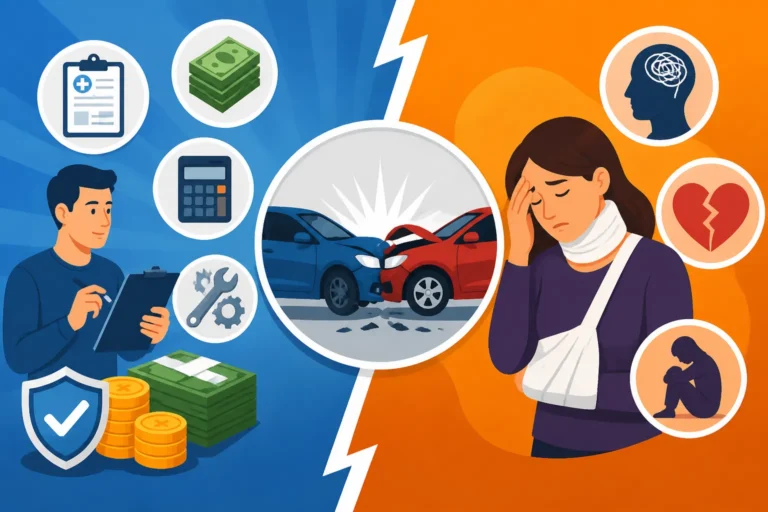
When you're dealing with a concussion, the damages you can claim go far beyond a simple repair bill for your vehicle. Your claim should encompass all the ways the concussion has impacted your life, both financially and personally. These generally fall into two categories:
-
Economic Damages: These are quantifiable financial losses.
- Medical Expenses: This includes everything from emergency room visits and diagnostic tests (like MRIs or CT scans performed to rule out other injuries) to neurologist appointments, physical therapy, cognitive rehabilitation, medications, and any specialized equipment or ongoing care you might need.
- Lost Wages: If your concussion symptoms (like headaches, dizziness, or cognitive impairment) prevent you from working, your lost income, bonuses, and even lost earning capacity for future opportunities can be included. For instance, if you're a software engineer in Silicon Valley who can no longer concentrate for long periods, this directly impacts your ability to perform your job.
- Out-of-Pocket Expenses: This covers costs like transportation to medical appointments, childcare if you can't care for your children due to your symptoms, and even assistive technologies if needed.
-
Non-Economic Damages: These are more subjective but equally real losses that impact your quality of life.
- Pain and Suffering: This is a major component of concussion claims. It includes the physical pain of chronic headaches, the dizziness, the nausea, and the emotional distress that comes with living with a brain injury. It also accounts for mental anguish, anxiety, depression, and loss of enjoyment of life. Imagine not being able to enjoy a hike in Yosemite or focus on your favorite book because of your concussion symptoms. Our guide on Pain and Suffering: How It's Calculated delves into the methods used to determine this amount.
- Loss of Consortium: If your concussion severely impacts your relationship with your spouse or partner, they may be able to claim damages for the loss of companionship, affection, and support.
Every car accident injury, especially a brain injury like a concussion, carries unique damages. For a broader overview of injury types, you might find our Common Car Accident Injuries: Complete Guide (2027) helpful. When assessing your case, knowing How Much Is My Car Accident Settlement Worth? (2026) often depends heavily on the extent and documentation of these damages.
Understanding California's Fault Laws
California uses a system called "pure comparative negligence." This means that even if you were partially at fault for the accident, you can still recover damages from the other driver. However, your total compensation will be reduced by your percentage of fault.
For example, if a jury determines your total damages for a concussion are $100,000, but they also find you 20% at fault because you were slightly speeding, you would only receive $80,000. This is a crucial aspect of any claim in California, as insurance companies will often try to pin some percentage of fault on you to reduce their payout. Understanding Comparative Negligence Laws in California is vital to protect your claim. For more context on how responsibility is assigned, consider reading How Fault Is Determined in a Car Accident.
Steps to File a Concussion Claim
Filing a car accident claim in California for a concussion follows a general process, but with specific emphasis on your medical condition:
- Seek Medical Care Immediately and Consistently: As discussed, this is the cornerstone of your claim. Continue all recommended treatments and attend all appointments.
- Gather Evidence: Collect all documentation, including police reports, photos of the accident scene, witness statements, and especially all your medical records, bills, and prescriptions. Keep a detailed journal of your symptoms, how they affect your daily life, and any lost work time.
- Notify Insurance Companies: Report the accident to your own insurance company as soon as possible, even if you weren't at fault. Then, make a claim against the at-fault driver's insurance.
- Avoid Making Recorded Statements to the Other Insurance Company: Do not give a recorded statement without consulting a personal injury lawyer. Insurance adjusters are trained to get you to say things that could hurt your claim.
- Calculate Your Damages: Tally up all your economic losses and begin to understand the potential value of your non-economic damages. This step is critical in determining How Car Accident Settlements Are Calculated.
- Send a Demand Letter: Once you've reached Maximum Medical Improvement (MMI) or have a clear understanding of your long-term prognosis, a demand letter outlining your injuries, damages, and requested compensation is sent to the insurance company.
- Negotiate or File a Lawsuit: The insurance company will likely respond with a lower offer. This is where negotiations begin. If a fair settlement cannot be reached, you may need to file a personal injury lawsuit to pursue your claim in court.
For a more detailed breakdown, our guide How to File a Car Accident Claim in California can walk you through the specifics.
What to Expect During the Claims Process
The claims process, especially with a brain injury like a concussion, can be a marathon, not a sprint. It's often filled with back-and-forth communication, evaluations, and sometimes frustrating delays. Being prepared for what's ahead can help manage your expectations and protect your rights.
Dealing With Insurance Adjusters
Insurance adjusters are professionals trained to protect their company's bottom line. While they may seem friendly and helpful, their primary goal is to minimize the amount they pay out. This can be particularly challenging when dealing with a concussion claim, as brain injuries are often "invisible" and harder to quantify than a broken bone.
Expect the adjuster to:
- Question the severity of your concussion: They might imply your symptoms are exaggerated or not directly caused by the accident.
- Request extensive medical records: This is standard, but they'll be looking for inconsistencies or pre-existing conditions they can blame.
- Offer a low initial settlement: This is a common tactic to see if you'll accept a quick, insufficient payout.
- Try to get you to admit partial fault: As California is a comparative negligence state, any admission of fault can reduce your compensation.
It's crucial to be polite but firm. Never provide a recorded statement or sign any medical release forms beyond what's absolutely necessary without consulting legal counsel. Remember that their job is to pay you as little as possible, not to ensure you are fully compensated for your injuries. For more detailed advice, read our article Dealing With Insurance Adjusters After a Car Accident.
Potential Settlement Amounts and Factors
The value of a concussion settlement in California can vary dramatically, depending on numerous factors. There's no "average" settlement that applies to every case, as each injury and its impact on an individual's life are unique.
Key factors influencing your concussion settlement include:
- Severity of the Concussion: A mild concussion with a quick recovery will yield less than a severe concussion leading to long-term post-concussion syndrome, cognitive impairment, or chronic pain.
- Medical Treatment Required: The extent and cost of your medical care (ER visits, specialist consultations, therapies, medications) directly impact your economic damages.
- Lost Wages and Earning Capacity: If your concussion prevents you from working or limits your ability to earn at your previous capacity, this significantly increases your claim's value.
- Impact on Quality of Life (Pain and Suffering): How has the concussion affected your daily activities, hobbies, relationships, and emotional well-being? A detailed journal documenting these impacts is invaluable.
- Clear Evidence of Fault: The less ambiguity there is about the other driver's responsibility, the stronger your claim.
- Insurance Policy Limits: The at-fault driver's insurance policy limits can cap the maximum compensation you can receive, though sometimes your uninsured/underinsured motorist coverage can help.
A settlement for a concussion might cover tens of thousands for less severe cases, or hundreds of thousands (and sometimes more) for cases involving persistent cognitive deficits, chronic headaches, or significant life-altering impacts. The better your documentation and the clearer the link between the accident and your ongoing symptoms, the stronger your position in negotiations.
When to Consider Legal Representation
While some minor fender-benders might be handled directly with insurance, a concussion is never a "minor" injury, and navigating a claim for it without legal representation in California is incredibly challenging. Insurance companies have vast resources and experienced adjusters. You, on the other hand, are likely recovering from a brain injury, dealing with symptoms like brain fog and fatigue, and trying to understand complex legal and medical terminology.
You should seriously consider hiring a car accident lawyer if:
- Your concussion symptoms are persistent or severe: Especially if you have post-concussion syndrome, ongoing cognitive issues, or chronic pain.
- The insurance company is denying your claim or offering a lowball settlement: They are likely attempting to take advantage of your inexperience.
- Fault for the accident is disputed: A lawyer can help gather evidence and establish liability.
- You've suffered significant lost wages or your career is impacted: Calculating these complex damages accurately requires expertise.
- You're unsure about the statute of limitations: In California, you typically have two years from the date of injury to file a personal injury lawsuit, but there can be exceptions. A lawyer ensures you don't miss critical deadlines. Our guide Do You Need a Lawyer for a Car Accident? offers further insights into this decision.
A qualified personal injury attorney in California can manage all communication with insurance companies, gather necessary evidence, secure expert medical opinions, accurately calculate your damages, and fight for the full compensation you deserve. This allows you to focus on what truly matters: your recovery.
Concussion Symptoms and Impact Summary
To help you understand the widespread effects of a concussion, here's a brief overview of common symptoms and how they can interfere with daily life and your ability to function.
| Symptom Category | Common Symptoms | Impact on Daily Life & Claim |
|---|---|---|
| Cognitive | Memory loss, difficulty concentrating, brain fog, slowed thinking, difficulty processing information, confusion. | Inability to work, study, manage finances, follow conversations, higher education challenges, reduced earning potential. |
| Physical | Headaches, dizziness, nausea/vomiting, balance problems, visual disturbances (blurry vision, light sensitivity), noise sensitivity, fatigue. | Inability to drive, perform household tasks, participate in hobbies, exercise, increased risk of falls, sleep disturbances. |
| Emotional/Mood | Irritability, anxiety, depression, mood swings, sadness, nervousness. | Strained relationships, social isolation, need for therapy/medication, emotional distress, loss of enjoyment of life. |
| Sleep | Insomnia, sleeping more than usual, difficulty falling asleep or staying asleep. | Exacerbates other symptoms, impacts recovery, leads to chronic fatigue, affects overall well-being. |
This table illustrates why claiming compensation for a concussion is so complex and requires thorough documentation of not just the injury itself, but its pervasive effects on every aspect of your life.
Disclaimer
Please remember that this article provides general information and is not a substitute for professional legal or medical advice. Every car accident and personal injury claim is unique. You should consult with a qualified attorney to discuss the specifics of your situation and obtain advice tailored to your individual needs. Medical information should always be discussed with a healthcare professional.