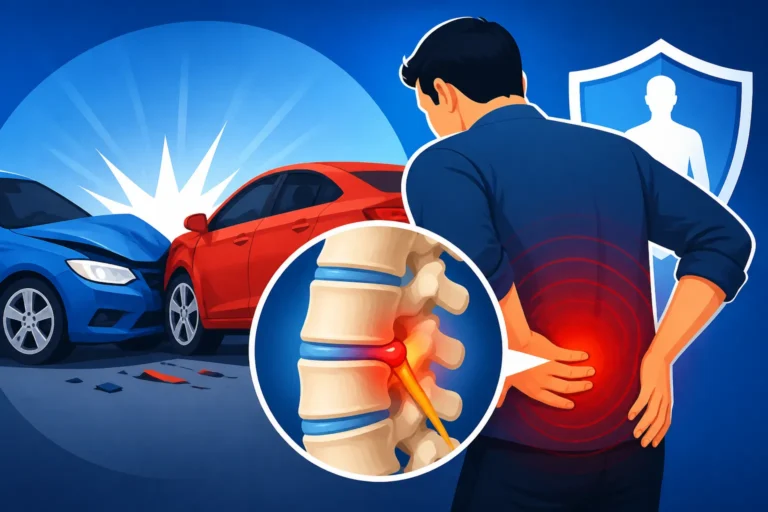
Claiming Compensation for Chronic Pain in Texas
Dealing with the aftermath of a car accident is never easy, but when your injuries don't just heal up in a few weeks or months, and instead morph into something persistent and debilitating, it's a whole different level of frustrating. Living with chronic pain after an accident can turn your life upside down, making even simple tasks feel like monumental challenges. This guide is here to walk you through the complex process of claiming compensation for chronic pain in Texas, offering realistic insights into what you can expect and how to build a strong case.
Understanding Chronic Pain After a Car Accident
When you're involved in a car accident, the immediate focus is often on acute injuries – the broken bones, lacerations, or immediate whiplash symptoms that show up right away. But for far too many people, those initial injuries don't just disappear with time and treatment. Instead, they linger, evolve, and become chronic pain, fundamentally altering their quality of life. This isn't just a persistent ache; it's a condition that can affect your physical capabilities, mental well-being, and overall ability to enjoy life.
Chronic pain is generally defined as pain that lasts for more than six months, or beyond the expected recovery period for an injury. It can manifest in countless ways. Perhaps you initially had a back strain, and now you’re living with constant, radiating lower back pain that makes sitting or standing for long periods unbearable. Maybe that initial jolt to your head has led to debilitating headaches or migraines that never truly go away. Nerve damage from the impact might cause burning, tingling, or numbness that interferes with your sleep and daily tasks. This kind of pain isn't just an inconvenience; it's a constant companion that dictates how you live, work, and interact with the world around you. The impact can be profound, leading to issues like depression, anxiety, and even social isolation because you can no longer participate in activities you once loved.
In Texas, the legal system recognizes that chronic pain is a legitimate injury that deserves compensation. However, because it's often more subjective than a clearly fractured bone, proving its severity and its direct link to the car accident can be a significant challenge. Insurance companies are notorious for scrutinizing these types of claims, so building an ironclad case from the outset is absolutely critical. It’s not enough to simply feel the pain; you have to prove it, consistently and thoroughly.
Proving Chronic Pain for Your Texas Car Accident Claim
One of the biggest hurdles in a chronic pain claim is proving that the pain isn't just something you're imagining or that it wasn't pre-existing. Insurance adjusters are trained to minimize payouts, and they will often look for any reason to deny or reduce your claim, especially when it comes to long-term, less visible injuries. This is where meticulous documentation and expert support become your best allies.
The Importance of Medical Documentation
You cannot overstate how crucial consistent and thorough medical documentation is when you're dealing with chronic pain after a car accident. Every single doctor's visit, every diagnostic test, and every treatment you receive creates a paper trail that directly supports your claim. From the moment the accident happens, seeking immediate medical attention is paramount, even if you feel okay at first. Many injuries, especially those that lead to chronic pain, can have Delayed Injury Symptoms After a Car Accident.
Once you've been seen, it's about continuity of care. This means regularly attending appointments with your primary care physician, and more importantly, following through on referrals to specialists. A neurologist might be vital for nerve pain, an orthopedic specialist for lingering joint or back issues, or a pain management specialist for comprehensive treatment plans. Physical therapists, chiropractors, and even mental health professionals (for the emotional toll of chronic pain) can all provide valuable records. Every X-ray, MRI, CT scan, nerve conduction study, and physical therapy record tells a part of your story. Keep a detailed log of all medications prescribed, including dosage and frequency, and any over-the-counter pain relief you rely on. In Texas, proving a direct causal link between the car accident and your chronic pain is absolutely essential, and these medical records are the backbone of that proof.
Documenting Your Daily Life and Impact
While medical records prove the existence and treatment of your chronic pain, showing its impact on your daily life is how you put a real human face on your claim. This is where the concept of "pain and suffering" truly comes into play. It's not just about the numbers on your medical bills; it's about how your life has fundamentally changed. A simple, yet incredibly powerful tool for this is a detailed pain journal.
In this journal, you should record your pain levels daily, what activities trigger or worsen your pain, and how it limits you. Did you used to go on daily runs, and now you can barely walk around the block? Did you love gardening, but now kneeling or bending is impossible? Is your sleep constantly interrupted by discomfort? Are you struggling to concentrate at work, or even worse, are you unable to perform your job duties as effectively as before, or at all? These real-life examples illustrate the extent of your suffering and the loss of enjoyment of life. This documentation will be invaluable when demonstrating How to Document Pain and Suffering to an insurance adjuster or a jury.
| Aspect of Life | Pre-Accident Activity Example | Post-Accident Impact (Chronic Pain) |
|---|---|---|
| Work | Full-time construction foreman | Can no longer lift heavy objects, reduced hours, potential job loss |
| Hobbies | Weekend hiking, playing guitar | Unable to hike due to back pain, hand numbness prevents guitar |
| Sleep | 7-8 hours undisturbed | Constant waking due to neck pain, reliance on sleep aids |
| Household | Cleaning, cooking, yard work | Difficulty with bending, standing; rely on family for chores |
| Social Life | Dinners with friends, sports | Avoid outings due to fatigue, inability to sit comfortably |
| Mental Health | Generally positive outlook | Increased anxiety, depression, irritability due to constant pain |
This kind of detail paints a vivid picture for anyone evaluating your claim, moving it beyond abstract medical terms to a clear understanding of your personal losses.
Expert Medical Testimony
Sometimes, even with extensive medical records and a detailed pain journal, chronic pain claims require an extra layer of validation. This is particularly true when symptoms are subjective or when insurance companies try to argue that your pain isn't directly related to the accident. This is where expert medical testimony becomes invaluable.
A medical expert, often a specialist in pain management, neurology, or orthopedics, can review all of your medical records, diagnostic images, and your personal account of pain. They can then provide a professional opinion, often in the form of a written report or direct testimony, explaining the physiological basis of your chronic pain, its direct causation by the car accident, and its long-term prognosis. This expert can articulate how your specific injuries from the crash led to your ongoing condition, countering any attempts by the insurance company to dismiss your pain. They can also explain why traditional treatments might not have fully resolved your condition and why ongoing care is necessary. Having a reputable doctor clearly state that your chronic pain is a direct and permanent consequence of the accident significantly strengthens your claim, adding a level of credibility that is hard for insurance companies to dispute.
Types of Compensation for Chronic Pain in Texas
When you're dealing with chronic pain after a car accident in Texas, the compensation you can claim goes beyond just the immediate damage to your vehicle. The law allows for recovery of various "damages" designed to make you whole again, as much as possible, for the profound impact your pain has had and will continue to have on your life.
Economic Damages
Economic damages are the quantifiable financial losses you've suffered and will continue to suffer due to your chronic pain. These are often easier to calculate because they come with receipts, invoices, and pay stubs. The most significant component for chronic pain sufferers is typically past and future medical expenses. Think about all the ongoing treatments you need: physical therapy sessions, regular appointments with pain management specialists, prescriptions for medication, nerve blocks, steroid injections, and even potential future surgeries that might be recommended down the line. These costs can quickly accumulate, and you deserve compensation for every penny.
Beyond medical bills, Lost Earning Capacity vs Lost Wages is another critical aspect. If your chronic pain has forced you to miss work, you can claim those lost wages. But for many, chronic pain doesn't just mean missing a few days; it means a permanent reduction in their ability to work. You might have to switch to a less demanding, lower-paying job, or you might be unable to work at all. This is where "lost earning capacity" comes in, which compensates you for the difference in what you would have earned over your lifetime versus what you can now earn due to your injury. This is a complex calculation that often requires economic experts to project future losses based on your age, profession, and pre-accident earning potential.
Non-Economic Damages (Pain and Suffering)
This category is often the most significant for chronic pain claims because it attempts to compensate you for the intangible, yet very real, losses that don't have a fixed price tag. Pain and Suffering Damages: What They Cover includes the actual physical pain and discomfort you endure daily. It also covers mental anguish, which is the emotional distress, anxiety, fear, frustration, and depression that often accompany a life of chronic pain. The constant worry about your future, the inability to perform simple tasks, and the feeling of helplessness can take a severe toll on your mental health.
Furthermore, non-economic damages encompass "loss of enjoyment of life." Did you love to hike, play with your kids, or simply garden in your backyard? If chronic pain has stripped you of these joys, you can be compensated for that loss. If the accident left you with visible scarring or disfigurement, that would also fall under this category. In Texas, a huge advantage for accident victims is that there are generally no caps on non-economic damages in most car accident cases, unlike some other states which limit how much you can recover for pain and suffering. This means that if you can adequately prove the profound and lasting impact of your chronic pain, your non-economic damages can be substantial, truly reflecting the full extent of your suffering.
Navigating the Claims Process in Texas with Chronic Pain
The path to claiming compensation for chronic pain in Texas is rarely straightforward. It involves dealing with powerful insurance companies, understanding complex legal timelines, and potentially even going to court. Knowing what to expect can help you prepare and protect your rights.
Dealing with Insurance Companies
Insurance companies, whether it's the at-fault driver's insurer or even your own, are businesses focused on their bottom line. When it comes to chronic pain claims, they often employ tactics to minimize their payout. They might try to argue that your chronic pain isn't directly related to the accident, suggesting it's a pre-existing condition, a result of aging, or even that you're exaggerating your symptoms. This is why the comprehensive medical documentation and daily life impact logs we discussed earlier are so critical. They are your shield against these common arguments.
You'll likely be contacted by an insurance adjuster. Remember, anything you say can be used against you. It's usually best to keep your initial communications brief and factual, sticking to basic information like your name, address, and the date and location of the accident. Avoid speculating about fault or the extent of your injuries, especially when chronic pain is involved, as symptoms can evolve over time. If they press you for a recorded statement, politely decline until you've had a chance to speak with a legal professional. Being transparent but cautious is key. Insurance companies want to close claims quickly and cheaply, and if you're not careful, they might try to get you to settle for far less than your chronic pain injury is truly worth. Being prepared for What Happens If the Other Driver Blames You? is also crucial, as insurers often try to shift blame to reduce their liability. Your best bet for navigating these initial conversations is often to have an attorney handle all communication. For more insights on this, read about Dealing With Insurance Adjusters After a Car Accident.
The Role of a Car Accident Lawyer
Given the complexities and the inherent challenges in proving chronic pain, hiring a car accident lawyer is often not just helpful, but essential for these types of claims in Texas. A skilled attorney acts as your advocate, navigating the legal maze so you can focus on your recovery. They understand Texas personal injury laws inside and out, including how to properly value chronic pain claims, which is often far more than just your medical bills. If you're wondering, "Do You Need a Lawyer for a Car Accident?" for chronic pain, the answer is almost always yes.
Your lawyer will meticulously gather all the necessary evidence, including medical records, diagnostic reports, and your personal pain journal. They have experience working with medical experts who can provide crucial testimony, connecting your chronic pain directly to the accident. They will handle all communications and negotiations with aggressive insurance companies, ensuring your rights are protected and you don't inadvertently say anything that could jeopardize your claim. When it comes to How to Negotiate a Car Accident Settlement for chronic pain, an attorney's expertise is invaluable in countering lowball offers and advocating for fair compensation for your past and future losses. They know When to Hire a Car Accident Lawyer is often sooner rather than later, especially with the long-term nature of chronic pain injuries.
Understanding the Statute of Limitations
One of the most critical legal deadlines to be aware of in any car accident claim, especially one involving chronic pain, is the statute of limitations. In Texas, for most personal injury claims stemming from a car accident, you generally have two years from the date of the accident to file a lawsuit. This might seem like a long time, but for chronic pain, it can pass surprisingly quickly.
Chronic pain often develops or worsens over time, and its full impact might not be apparent for many months after the initial incident. However, this two-year window remains crucial. If you miss this deadline, you will almost certainly lose your right to seek compensation through the court system, regardless of how severe your chronic pain is or how strong your evidence might be. This makes it incredibly important to consult with an attorney as soon as possible after an accident, even if your injuries initially seem minor. An experienced lawyer can ensure that all necessary steps are taken within this timeframe to protect your claim. Knowing How Long Do You Have to File a Car Accident Claim in Texas and understanding the specifics of the Statute of Limitations for Car Accidents in Texas is paramount.
Living with chronic pain after a car accident is a truly overwhelming experience, impacting every facet of your life. While the path to claiming compensation can feel just as daunting, remember that you don't have to face it alone. By meticulously documenting your medical journey and the daily impact of your pain, and by partnering with a knowledgeable Texas car accident attorney, you can build a robust case to seek the compensation you rightfully deserve. Your focus should be on managing your pain and rebuilding your life, while your legal team handles the complexities of the claim.
Disclaimer
Please remember that this article provides general information and should not be considered legal advice. Every car accident claim is unique, and the specific laws and procedures can vary. For personalized guidance regarding your car accident claim and chronic pain compensation in Texas, it is always recommended to consult with a qualified personal injury attorney.