How Long Does Back Injury Take to Heal After a Car Accident?
Experiencing a back injury after a car accident is incredibly jarring, not just physically painful but also mentally exhausting as you grapple with the uncertainty of recovery. One of the most common questions that swirls in your mind, amidst the doctor's appointments and insurance calls, is "How long is this going to take to heal?" It's a valid concern, and navigating the complexities of your recovery journey and understanding the potential timelines for healing your back injury is what this guide aims to illuminate.
Understanding Different Types of Back Injuries from Car Accidents
The truth is, there isn't a one-size-fits-all answer to how long a back injury takes to heal because "back injury" is a broad term. What might seem like a simple ache after a fender bender could actually be something far more complex lurking beneath the surface. The type of injury you sustain plays a colossal role in your recovery timeline.
Soft Tissue Injuries: Strains and Sprains
These are, without a doubt, the most frequently reported back injuries following a car accident. Think of the sudden jolt of an impact; your body is thrust forward or backward with immense force, often beyond its normal range of motion. This can lead to your muscles, tendons, or ligaments in your back being stretched or torn.
- Back Strains: This occurs when the muscle fibers or tendons in your back are torn or overstretched. You might feel a dull, persistent ache, muscle spasms, or a limited range of motion. Healing for a mild to moderate back strain can typically take anywhere from 2 to 6 weeks. However, if the strain is severe, involving a significant tear, it could extend to several months, sometimes requiring extensive physical therapy and rest. Many people find themselves recovering from these and similar conditions, which are often categorized under Soft Tissue Injuries Explained.
- Back Sprains: Similar to strains, but these involve the ligaments that connect bones in your spine. Ligaments are tough, fibrous bands, and when they are stretched or torn, it can be quite painful. A mild back sprain might heal in a few weeks, but more severe sprains, particularly those affecting the lumbar (lower back) region, could take 6 to 12 weeks, or even longer, especially if they cause instability in the spine. The acute pain often subsides sooner, but true healing and strengthening take time.
Herniated or Bulging Discs
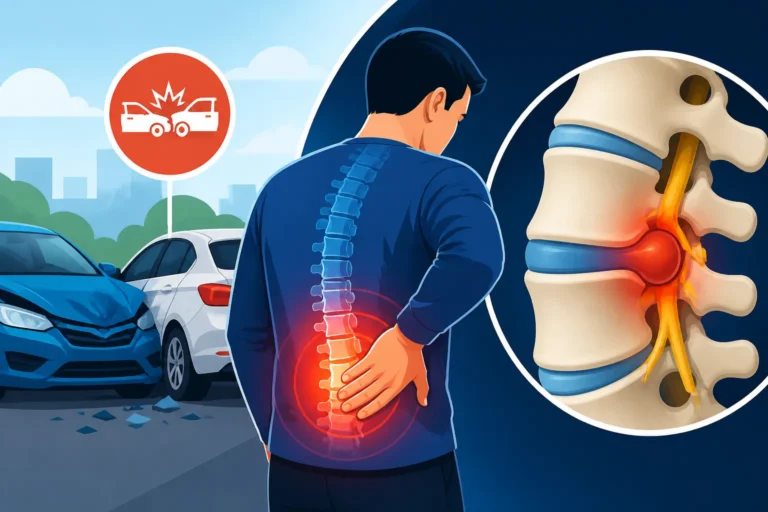
This is where things can get a bit more serious and, consequently, healing times tend to lengthen. Your spine is made up of vertebrae separated by soft, jelly-like discs that act as shock absorbers. A car accident can put immense pressure on these discs, causing them to bulge outwards or even rupture, leading to a herniated disc.
- Bulging Disc: This happens when the disc pushes out between the vertebrae but doesn't completely rupture. It can still press on nearby nerves, causing pain, numbness, or tingling. Recovery for a bulging disc, often managed with conservative treatments like physical therapy and medication, might range from 6 weeks to 3 months.
- Herniated Disc: A herniated disc, also known as a ruptured or slipped disc, occurs when the soft inner material of the disc pushes through a tear in the tougher outer layer. This can lead to excruciating pain, radiating down your legs (sciatica if in the lower back) or arms (if in the neck/upper back). The pressure on nerve roots is often more pronounced here. Healing for a herniated disc can be a much longer road, typically taking 3 to 6 months with conservative treatment. If surgery is required (which is usually a last resort), the recovery period can extend to 6 months to a year or more, factoring in post-operative physical therapy and rehabilitation. For a deeper dive, consider learning more about a Herniated Disc From a Car Accident.
Vertebral Fractures
While less common than soft tissue injuries or disc issues, car accidents can generate enough force to cause fractures in the vertebrae, the bones that make up your spinal column. These can range from hairline compression fractures to more severe burst fractures.
- Compression Fractures: Often seen in the thoracic (mid-back) or lumbar spine, these occur when the front part of a vertebra collapses. They can be incredibly painful. Healing can take 8 to 12 weeks with brace support and pain management, but the complete resolution of symptoms and return to full activity might take much longer, potentially up to a year.
- More Severe Fractures: Fractures involving displacement of bone fragments or instability of the spine are surgical emergencies. Recovery from such complex fractures, especially if they involve spinal fusion or other reconstructive surgeries, is a long-term process, easily spanning 6 months to 2 years or even longer, often with ongoing rehabilitation and potential for permanent limitations. This is a critical component of Back and Spinal Injuries From Car Accidents.
Spinal Cord Injury
This is the most severe and devastating type of back injury, and thankfully, also the least common. A spinal cord injury (SCI) occurs when there is damage to the spinal cord itself, which transmits signals between your brain and the rest of your body.
- Impact on Healing: Unlike the other injuries mentioned, a complete spinal cord injury often results in permanent paralysis and loss of function below the level of injury. Partial SCIs can lead to varying degrees of recovery, but healing in the traditional sense is limited. The focus shifts to rehabilitation, regaining as much function as possible, and managing long-term care. While some neurological recovery can occur in the first 6-12 months, significant improvements typically plateau after 1-2 years. The impact of an SCI is life-altering, and recovery is about adaptation and maximizing remaining abilities.
Factors Influencing Back Injury Healing Time
Beyond the specific type of injury, several other personal and situational factors can significantly influence how long it takes for your back to heal after a car accident. It's not just about the injury itself; it's about you and how you approach your recovery.
Injury Severity and Type
We've already touched on this, but it bears repeating: the initial force of impact, the angle of the collision, and the specific tissues damaged all dictate the severity and, therefore, the healing timeline. A minor whiplash-associated back strain from a rear-end collision will generally heal much faster than a burst fracture from a high-speed T-bone accident. The extent of inflammation, nerve involvement, and tissue damage are critical indicators. A deep bruise to the muscle will resolve quicker than a torn ligament that requires surgical repair and extensive rehabilitation.
Age and Overall Health
This is a big one. Our bodies simply don't bounce back as quickly as we age.
- Age: Younger individuals, generally under 30, often have more resilient tissues, better blood flow for healing, and faster cell regeneration. They might recover from a moderate back strain in a few weeks. Older adults, on the other hand, may have pre-existing conditions like degenerative disc disease, osteoporosis, or arthritis, which can complicate recovery and prolong healing. A similar injury in someone over 60 could take twice as long to heal, or even lead to chronic pain.
- Overall Health: Your general health prior to the accident plays a huge role. Are you a smoker? Smoking can significantly impede blood flow and oxygen delivery to injured tissues, slowing down healing. Do you have diabetes? Chronic diseases can impair your body's ability to repair itself. Are you overweight or obese? Excess weight puts additional strain on your spine, which can exacerbate back pain and delay recovery, especially for lower back injuries. A healthy diet, regular (appropriate) exercise, and good overall physical condition can accelerate healing.
Adherence to Treatment Plan
This might seem obvious, but it's often overlooked. Your doctor, physical therapist, and other medical professionals are creating a roadmap for your recovery. Following it precisely is paramount.
- Medication and Rest: Taking prescribed medications (anti-inflammatories, muscle relaxers, pain relievers) as directed, and getting adequate rest, especially in the initial acute phase, helps your body focus on healing. Ignoring rest recommendations can lead to re-injury or chronic inflammation.
- Physical Therapy and Exercises: Physical therapy is often the cornerstone of back injury recovery, especially for soft tissue and disc injuries. Skipping sessions, not doing your at-home exercises, or pushing too hard too soon can set you back significantly. The exercises are designed to restore strength, flexibility, and range of motion gradually. Consistency is key. You'll want to ensure you're documenting this process thoroughly, as it will be vital for your How to Prove Injuries in a Car Accident Claim.
Early Diagnosis and Intervention
The sooner your back injury is accurately diagnosed and treatment begins, the better your chances for a faster and more complete recovery.
- Delayed Symptoms: Sometimes, especially with whiplash or soft tissue injuries, pain and other symptoms might not appear immediately after the accident. You might feel "fine" in the immediate aftermath, only to wake up stiff and sore the next day, or even several days later. This phenomenon, known as Delayed Injury Symptoms After a Car Accident, is common.
- Importance of Prompt Medical Attention: If you experience any back pain, stiffness, numbness, or tingling after a car accident, it is crucial to Why You Should See a Doctor After a Car Accident immediately. Don't try to "tough it out." Early medical evaluation can pinpoint the exact nature of the injury, prevent it from worsening, and start you on the right treatment path. For example, a minor disc bulge caught early might be managed conservatively, whereas if left untreated, it could progress to a full herniation requiring more invasive procedures.
The Healing Process: What to Expect
Healing from a back injury is rarely a linear journey. There will be good days and bad days, periods of progress, and sometimes frustrating plateaus. Understanding the general phases of recovery can help manage expectations.
Initial Acute Phase
This is the immediate aftermath of the injury, typically lasting the first few days to a couple of weeks. Pain is usually at its peak due to inflammation and tissue damage.
- Focus: The primary goals here are pain management and reducing inflammation. This often involves rest, ice, heat, over-the-counter or prescription pain relievers, and sometimes muscle relaxants. Your doctor might recommend a short period of bed rest for severe pain, but prolonged immobility is generally discouraged as it can lead to stiffness and muscle weakening.
- What to Expect: During this phase, you might experience significant discomfort, difficulty sleeping, and limited movement. The body is in protective mode. It’s important to avoid activities that aggravate your pain.
Sub-Acute Phase
Once the initial acute pain and inflammation start to subside, you enter the sub-acute phase, which can last from a few weeks to several months, depending on the injury.
- Focus: This is where rehabilitation truly begins. The focus shifts to restoring function through physical therapy. Exercises will aim to improve range of motion, strengthen core muscles (which support the spine), and improve flexibility. Techniques like massage, stretching, and gentle strengthening exercises are common.
- What to Expect: You'll likely notice gradual improvements in pain levels and mobility. However, setbacks are possible if you overdo it. This phase requires patience and consistent effort. Your physical therapist will guide you on how to safely increase your activity levels and monitor your progress toward regaining functional movement. This is also the period where your recovery journey becomes a critical part of your overall Car Accident Claim Timeline: What to Expect.
Chronic Phase/Long-Term Recovery
For more severe back injuries, or if initial healing is prolonged, symptoms might persist beyond 3-6 months, classifying the injury as chronic. This doesn't mean you won't get better, but it signifies a longer recovery road.
- Focus: Long-term management often involves continued physical therapy, home exercise programs, and sometimes alternative therapies like acupuncture or chiropractic care. For some, managing Chronic Pain After a Car Accident becomes a part of their ongoing health strategy. The goal is to maximize function, minimize pain, and prevent recurrence.
- What to Expect: You might not return to 100% of your pre-injury state, but significant improvements in pain control and quality of life are achievable. For certain injuries, reaching Maximum Medical Improvement (MMI) might signify the point where further significant recovery isn't expected, but ongoing management remains. This is a crucial concept in car accident claims, as it often dictates when a settlement can be finalized.
Here’s a simplified table summarizing typical healing ranges for common back injuries, keeping in mind individual recovery can vary widely:
| Injury Type | Typical Healing Range (Conservative Treatment) | Potential Healing Range (Severe/Surgical) | Key Challenges |
|---|---|---|---|
| Mild to Moderate Back Strain | 2 – 6 weeks | Up to 3 months | Muscle spasms, stiffness |
| Mild to Moderate Back Sprain | 4 – 8 weeks | Up to 4-6 months | Ligament instability, recurring pain |
| Bulging Disc | 6 weeks – 3 months | Up to 6 months | Nerve compression, radiating pain |
| Herniated Disc | 3 – 6 months | 6 months – 1+ year | Severe nerve pain, potential surgery recovery |
| Compression Fracture | 8 – 12 weeks | 6 months – 1+ year | Pain with movement, brace reliance |
| Severe Vertebral Fracture | N/A (requires surgery) | 1 – 2+ years | Surgical recovery, long-term rehabilitation |
| Spinal Cord Injury | Ongoing management (limited healing) | Lifelong care | Paralysis, loss of sensation/function |
Documenting Your Back Injury for a Car Accident Claim
While your immediate focus will rightly be on healing, it's impossible to ignore the practicalities of dealing with the aftermath, especially if you need to pursue a car accident claim. Proper documentation of your back injury and its recovery process is absolutely vital.
Importance of Medical Records
Your medical records are the backbone of any car accident claim involving personal injury. They provide objective evidence of your injury, the treatments you received, and the impact on your life.
- Diagnosis and Treatment: Detailed reports from emergency room visits, specialist consultations (orthopedists, neurologists, pain management doctors), diagnostic imaging (X-rays, MRIs, CT scans), and physical therapy notes all serve as crucial evidence. They show the direct link between the car accident and your back injury. Without these, it becomes incredibly difficult to prove your case. These documents help clarify How Medical Records Prove Your Injuries.
- Progression and Prognosis: Medical records track your recovery progress, or lack thereof. They document your pain levels, functional limitations, and ultimately, your prognosis – whether you are expected to make a full recovery, or if you will have permanent impairments. This information is critical for calculating potential damages, including future medical expenses and pain and suffering.
Tracking Your Recovery Journey
Beyond official medical records, keeping your own detailed account of your recovery can be incredibly helpful. This personal log complements your medical documentation and provides a clearer picture of your daily struggles and progress.
- Pain Journal: Start a simple journal where you record your pain levels daily (on a scale of 1-10), what activities aggravate your pain, what helps alleviate it, and any new symptoms. Note how your back pain affects your sleep, work, and daily living activities. This detailed account illustrates the real-world impact of your injury.
- Rehabilitation Logs: Keep track of every physical therapy appointment, chiropractic visit, or other treatment session. Note the exercises you performed, how you felt afterward, and any advice or instructions given. This demonstrates your commitment to your recovery plan and helps correlate your efforts with your progress.
- Communication Records: Document all communications with your doctors, therapists, and especially the insurance companies. Note the dates, who you spoke with, and what was discussed. If you're dealing with an at-fault driver's insurance, this paper trail can be invaluable, especially if you need to negotiate a settlement. A comprehensive record will also be helpful if you need to understand What Happens If the Other Driver Blames You?.
The healing process for a back injury after a car accident is unique to each individual and the specific injury. It can be a long, challenging road, but with proper medical care, diligent adherence to your treatment plan, and thorough documentation, you can optimize your recovery and ensure you have the necessary evidence to support any car accident claim you pursue.
Disclaimer
Please remember that this article provides general information and insights into car accident claims and related injuries. It is not a substitute for professional legal or medical advice. Every car accident case is unique, and the information presented here may not apply to your specific situation. Always consult with a qualified attorney for legal guidance and a medical professional for any health concerns or treatment.