Traumatic Brain Injury (TBI) From a Car Accident
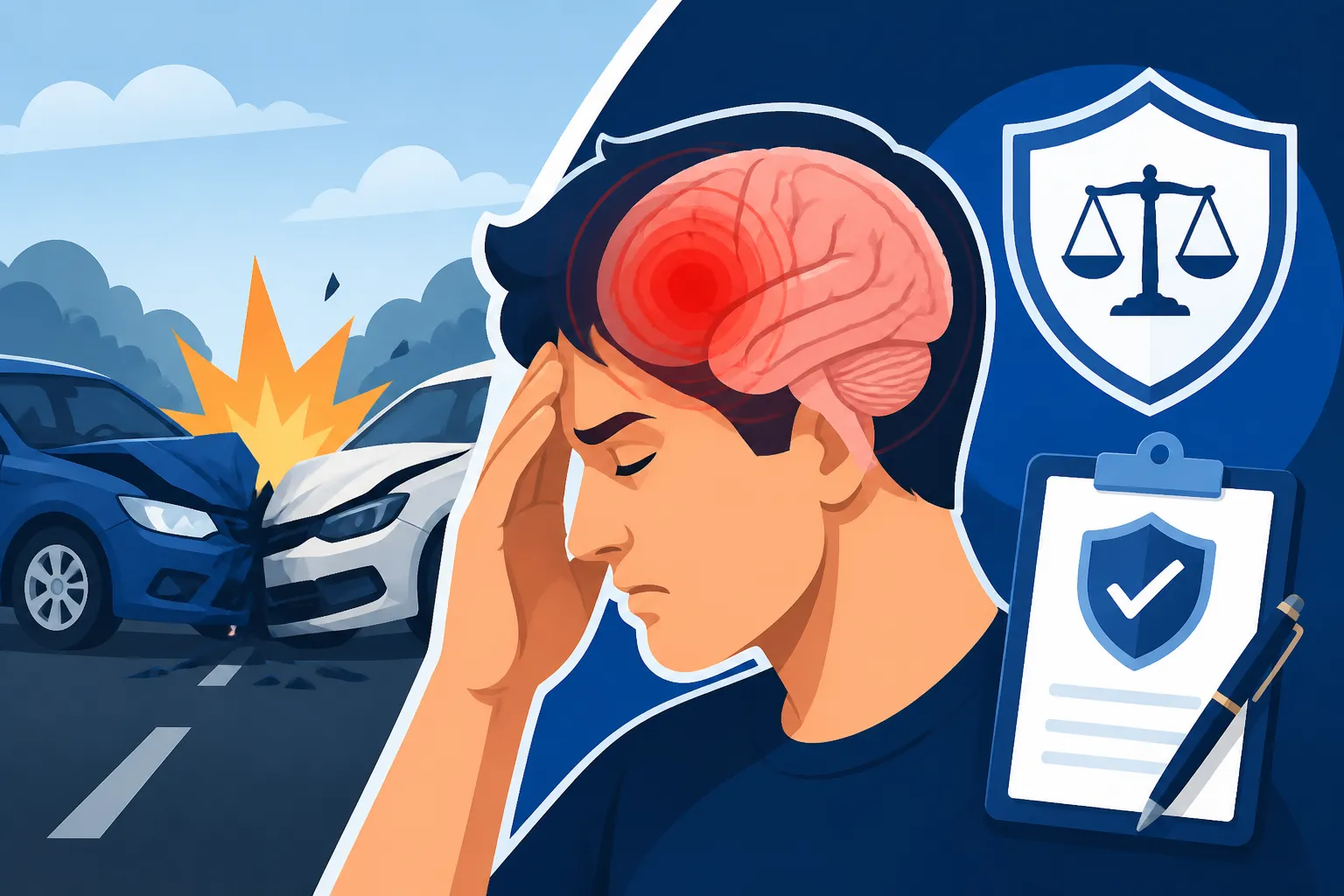
Getting into a car accident is disorienting enough, but what happens when the real damage isn't immediately visible? Traumatic Brain Injury, or TBI, is one of those hidden injuries that can turn your life upside down, often without you even realizing the full extent of it for days, weeks, or even months after a crash. This comprehensive guide is here to walk you through everything you need to know about TBI from a car accident, from understanding the different types and symptoms to navigating your recovery and potential legal claims.
Understanding Traumatic Brain Injury TBI After a Car Accident
When your vehicle is involved in a collision, the forces at play can be immense. Even a seemingly minor fender bender can generate enough G-force to cause your brain to impact the inside of your skull, leading to a traumatic brain injury. It’s a terrifying thought, especially because you might not feel anything more than a headache at first, or even nothing at all. But make no mistake, the brain is incredibly delicate, and any trauma can have profound, lasting effects.
Defining TBI and Its Spectrum
Let's start by clarifying what a TBI actually is. A traumatic brain injury is any injury to the brain caused by an external force. This could be a direct blow, a sudden jolt, or even a penetrating injury. The key is that it's an acquired injury, not something you were born with. The "traumatic" part refers to the external force, not necessarily the severity of the injury itself.
What many people don't realize is that TBI exists on a spectrum, from mild to severe. A "mild" TBI is often what we commonly refer to as a concussion. While it might sound mild, concussions are still serious brain injuries that can lead to significant impairments if not properly managed. On the other end of the spectrum are severe TBIs, which can result in prolonged unconsciousness, coma, and permanent neurological damage. The challenge is that a TBI isn't always obvious; there isn't always a gash or a broken bone to point to. The damage is often internal and can manifest in subtle ways, making diagnosis and understanding crucial.
The Mechanics of Brain Injury in a Crash
So, how does a car accident actually injure your brain? It’s not always about your head hitting something directly, though that certainly happens. Often, it's the sudden, violent movement of your head that causes the damage. Imagine your car abruptly stops or changes direction. Your body, including your head, is still in motion due to inertia. Even with a seatbelt, your head can whip forward, backward, or sideways with incredible speed, then snap back.
This rapid acceleration and deceleration can cause your brain, which is essentially floating in cerebrospinal fluid inside your skull, to slosh around and forcefully strike the inner walls of your cranium. This impact can bruise the brain tissue (a contusion), shear and stretch nerve fibers (diffuse axonal injury or DAI), or even cause bleeding within the brain. Sometimes, the brain impacts the front of the skull, then rebounds to hit the back, known as a coup-contrecoup injury. The sheer forces involved can also twist and strain delicate brain structures, leading to widespread damage that can be difficult to detect with standard imaging. This is why even a low-speed impact can lead to a significant TBI.
Why Car Accidents Pose a Unique TBI Risk
Car accidents are a leading cause of TBI for several reasons, making them particularly dangerous for brain injuries. First, the speeds involved, even in moderate collisions, create immense kinetic energy. This energy transfers directly to the occupants, leading to rapid changes in velocity that the brain is not designed to withstand. Your body might be restrained by a seatbelt and airbags, but your head still has a range of motion, and the brain inside has even more.
Second, the unpredictable nature of crashes means impacts can come from any direction—front, rear, side, or even rollovers. Each type of impact presents a different set of forces and potential brain movement. For example, a side-impact collision (often called a T-bone accident) can cause extreme lateral head movement, leading to rotational forces that are particularly damaging to the delicate nerve fibers deep within the brain. Furthermore, debris from the vehicle, shattered glass, or even objects inside the car can become projectiles, leading to penetrating head injuries. The combination of high-energy impacts, varied directions of force, and potential for secondary trauma makes car accidents uniquely hazardous for brain health.
Immediate vs Delayed Symptoms of TBI
One of the most frustrating and dangerous aspects of a TBI is that the symptoms aren't always immediate. You might feel fine, maybe a little shaken, right after the accident. You might even go home thinking you dodged a bullet, only for debilitating symptoms to creep up hours, days, or even weeks later. This delay can lead to serious complications and make it harder to link your symptoms directly back to the accident. It’s a common scenario that leaves many people confused and struggling to understand what's happening to them.
Recognizing Early Warning Signs Even if Subtle
Even if you don't feel like you've sustained a major injury, it's crucial to be aware of any changes, no matter how minor, in the immediate aftermath of a car accident. Early warning signs of a TBI can be surprisingly subtle. You might experience a mild headache that you attribute to stress or the shock of the accident. You could feel a bit dizzy or lightheaded, perhaps attributing it to standing up too quickly.
Other subtle signs include feeling unusually tired or sluggish, having trouble concentrating on simple tasks, or feeling "foggy." Some people report feeling disoriented or confused, struggling to recall details of the accident, or having difficulty answering questions. Even slight changes in vision, ringing in the ears (tinnitus), or an unusual sensitivity to light or noise can be red flags. It's incredibly easy to dismiss these as normal reactions to a traumatic event, but they could be your brain trying to tell you something is wrong. Understanding these potential early indicators is the first step in seeking timely medical help. If you're unsure, it's always best to err on the side of caution.
The Deceptive Nature of Delayed Symptoms
The insidious thing about TBI is how often symptoms lie in wait, only to emerge days or weeks after the initial trauma. You might think you're recovering well, and then suddenly you're hit with a cascade of issues. This phenomenon of Delayed Injury Symptoms After a Car Accident can be incredibly frustrating, making you doubt yourself and making it harder for others, including insurance adjusters, to believe your injuries are accident-related.
For example, you might develop persistent headaches that don't respond to over-the-counter medication. You might find yourself struggling with memory lapses, forgetting appointments or conversations you just had. Irritability, mood swings, anxiety, or even depression can become overwhelming. Friends and family might notice changes in your personality or behavior that you're not even aware of. Sleep disturbances, extreme fatigue, difficulty processing information, or struggles with balance can also appear later. This delay can make it feel like you're losing your mind, and it's vital to understand that this is a recognized pattern with TBI, especially concussions, leading to what's known as Post-Concussion Syndrome.
When to Seek Medical Attention Immediately
Given the deceptive nature of TBI symptoms, the most critical piece of advice we can give you is this: if you suspect any head injury, or if you've been in a car accident, you should always Why You Should See a Doctor After a Car Accident immediately. Even if you feel fine right after the crash, seeing a medical professional can help detect issues that aren't immediately apparent.
However, certain symptoms absolutely warrant an emergency room visit without delay. These include: loss of consciousness (even briefly), severe headache that worsens over time, repeated vomiting or nausea, convulsions or seizures, dilation of one or both pupils, clear fluid draining from the nose or ears, weakness or numbness in the limbs, loss of coordination, increased confusion, restlessness, agitation, slurred speech, or changes in behavior. If you notice any of these Signs of a Traumatic Brain Injury in yourself or someone else after a car accident, do not wait. Prompt medical attention can be life-saving and can significantly improve long-term outcomes.
Common Types of TBI Sustained in Vehicle Collisions
Not all TBIs are created equal, and understanding the specific type of injury you might have sustained can help demystify your symptoms and guide your treatment plan. Car accidents can inflict a wide range of brain injuries, from the more common concussions to severe and life-threatening conditions. Each type affects the brain differently and carries its own set of challenges for recovery.
Concussions Mild TBI and Post-Concussion Syndrome
Let's talk about concussions. While often labeled "mild TBI," there's nothing truly mild about them. A concussion occurs when the brain is violently shaken or jostled, causing microscopic damage to brain cells and chemical changes. Symptoms can include headaches, dizziness, confusion, nausea, sensitivity to light or sound, and difficulty concentrating. You don't need to lose consciousness to have a concussion. Many people mistakenly believe if they weren't knocked out, they couldn't have a concussion, but that's simply not true.
The real challenge often begins weeks or months later for a significant number of concussion sufferers who develop Post-Concussion Syndrome (PCS). This is where those delayed symptoms we talked about earlier truly shine, making life incredibly difficult. Someone with PCS might experience chronic headaches, persistent fatigue, memory problems, sleep disturbances, irritability, anxiety, and even depression. Imagine trying to hold down a job or maintain relationships when every day feels like you're walking through thick fog, constantly battling pain and exhaustion. For more detailed information on common symptoms, check out our guide on Concussion Symptoms After a Car Accident.
Contusions Coup-Contrecoup Injuries and Diffuse Axonal Injury DAI
Beyond concussions, car accidents can lead to more physically destructive brain injuries. A cerebral contusion is essentially a bruise on the brain tissue itself. Just like a bruise on your arm, it involves bleeding and swelling, but inside your skull, swelling can be incredibly dangerous due to limited space. Contusions often occur at the site of impact, or on the opposite side of the brain as it slams against the skull, leading to what's known as a coup-contrecoup injury. For example, if your head hits the steering wheel (coup), your brain can rebound and strike the back of your skull (contrecoup), causing bruising in both locations.
Even more severe is Diffuse Axonal Injury (DAI), which is one of the most devastating forms of TBI. DAI happens when the brain rapidly shifts or rotates within the skull, causing the long connecting fibers of the brain cells, called axons, to stretch and tear. This microscopic tearing disrupts the brain's ability to communicate, leading to widespread damage that can result in prolonged coma or even death. Because the damage is at a cellular level, DAI is often difficult to detect on standard MRI or CT scans, making diagnosis challenging but the impact profound and often permanent.
Penetrating Injuries and Skull Fractures
While less common in typical car accidents than concussions or DAI, severe collisions can also result in penetrating injuries and skull fractures, which are immediately life-threatening. A penetrating brain injury occurs when an object, such as a piece of shattered windshield or vehicle debris, pierces the skull and enters the brain tissue. These injuries carry a high risk of infection, severe neurological damage, and immediate complications like massive bleeding. The outcome depends heavily on the trajectory of the object and the areas of the brain affected.
Skull fractures are breaks in the bony casing of the head. While some skull fractures are linear and may not directly damage the brain, others can be depressed (where a piece of the skull is pushed inward), comminuted (multiple bone fragments), or basilar (a break at the base of the skull). Fractures can lead to bleeding, cerebrospinal fluid leaks, and an increased risk of infection or direct brain trauma. Both penetrating injuries and severe skull fractures require immediate emergency medical intervention and often extensive surgery to prevent further damage and save the patient's life.
Diagnosing TBI The Medical Journey
The journey to diagnosing a TBI can be complex and, at times, frustrating. Because the brain is an intricate organ and its injuries aren't always visible, doctors rely on a combination of observation, imaging, and specialized tests. It's not uncommon for individuals to go through several medical appointments and different types of evaluations before a clear diagnosis is made, especially for milder forms of TBI. This process can feel overwhelming when you're already struggling with symptoms.
Initial Assessment and Neurological Exams
Your medical journey typically begins with an initial assessment, often in an emergency room or urgent care clinic right after the accident. During this crucial first step, healthcare providers will conduct a thorough physical and neurological exam. They'll ask detailed questions about the accident itself, how you felt immediately afterward, and any symptoms you're experiencing. Don't hold back, even about seemingly minor details. Your medical history, including any previous head injuries or neurological conditions, will also be important.
The neurological exam is designed to assess your cognitive function and motor skills. This might include checking your reflexes, eye movements, balance, coordination, memory, and ability to follow commands. Doctors might use tools like the Glasgow Coma Scale (GCS) to assess the severity of brain injury based on eye-opening, verbal response, and motor response. For milder injuries, a similar but more detailed assessment like the SCAT5 (Sport Concussion Assessment Tool – 5th edition) might be used to evaluate Whiplash Symptoms After a Car Accident and other head injury signs. These initial tests help doctors get a baseline understanding of your condition and determine if further, more advanced diagnostics are needed.
Imaging Techniques CT Scans MRIs fMRIs
To get a clearer picture of what's happening inside your skull, doctors will often order various imaging tests. The most common is a CT (Computed Tomography) scan. This quick imaging technique uses X-rays to create cross-sectional images of your brain and skull. CT scans are excellent at detecting acute issues like skull fractures, large hemorrhages (bleeding), and significant swelling immediately after an injury. They are often the first line of imaging in emergency situations due to their speed and ability to spot critical, life-threatening conditions.
However, CT scans aren't always sensitive enough to detect all types of brain injury, especially the more subtle damage from concussions or diffuse axonal injury. For a more detailed look at soft tissues and to identify smaller lesions, an MRI (Magnetic Resonance Imaging) scan is often used. MRIs provide highly detailed images of the brain structure and can reveal damage not visible on a CT scan, such as small contusions or shear injuries. In some advanced cases, fMRI (functional MRI) might be used to measure brain activity, or DTI (Diffusion Tensor Imaging) to assess the integrity of white matter tracts, which can be particularly useful in diagnosing DAI and understanding the functional impact of the injury. It’s important to remember that even if initial scans are clear, it doesn't necessarily mean there's no brain injury.
Neuropsychological Testing and Specialized Evaluations
When physical exams and imaging don't fully explain your symptoms, or to understand the nuanced impact of a TBI, doctors often recommend neuropsychological testing. This is a specialized and comprehensive evaluation performed by a neuropsychologist. It involves a series of tests that assess various cognitive functions, including memory, attention, concentration, processing speed, problem-solving abilities, language skills, and executive functions.
These tests can pinpoint specific cognitive deficits that might not be obvious in everyday conversation. For example, you might be able to hold a conversation, but the tests could reveal subtle difficulties with multitasking or short-term memory. Neuropsychological evaluations also assess emotional and behavioral changes, which are common after a TBI. The results of these tests are crucial for understanding the full scope of the injury, guiding rehabilitation plans, and providing objective evidence of the brain damage, which can be incredibly important when it comes to a legal claim. They offer concrete data to complement the subjective experience of living with a TBI.
Treatment and Rehabilitation for TBI
The path to recovery from a TBI, regardless of its severity, is rarely a straight line. It's a marathon, not a sprint, and it often requires a multidisciplinary approach involving various medical professionals. Treatment and rehabilitation aim not just to heal the immediate injury but to help the individual regain as much function and independence as possible, improving their quality of life after a truly life-altering event.
Acute Medical Interventions
Immediately following a severe TBI, the focus is on acute medical interventions to stabilize the patient and prevent further brain damage. In cases of severe trauma, this might mean emergency surgery to remove blood clots (hematomas), repair skull fractures, or relieve pressure on the brain caused by swelling. Doctors will closely monitor intracranial pressure, blood flow to the brain, and oxygen levels. Medications might be administered to reduce swelling or prevent seizures, which are a common complication after a TBI.
For milder TBIs, such as concussions, acute treatment often involves rest—both physical and cognitive. This means avoiding strenuous activities, limiting screen time, and taking a break from mentally demanding tasks like work or school. The "wait and see" approach of simply resting is gradually evolving, with more doctors now recommending a carefully managed, gradual return to activity to promote healing and prevent prolonged symptoms. The key during this acute phase is to prevent any secondary brain injuries, which can often be more damaging than the initial trauma itself.
Long-Term Rehabilitation Therapies
Once the acute phase is over and the patient is stable, the long and often challenging process of rehabilitation begins. This is where a team of specialists comes together to address the wide range of deficits that can arise from a TBI.
- Physical Therapy (PT): Helps improve strength, balance, coordination, and endurance. If an accident victim is struggling with mobility or has issues with gait, a physical therapist will design exercises and strategies to regain physical function.
- Occupational Therapy (OT): Focuses on regaining independence in daily activities (ADLs) such as dressing, eating, bathing, and performing household tasks. OTs also help patients adapt to their environment and develop compensatory strategies for cognitive or physical limitations.
- Speech-Language Pathology (SLP): Addresses difficulties with communication, including speech production, comprehension, and cognitive aspects of language like memory, attention, and problem-solving, which are often affected by TBI.
- Cognitive Rehabilitation Therapy: A specialized therapy focusing on improving cognitive functions like memory, attention, executive function, and information processing. This might involve exercises, strategies, and tools to help the brain relearn or compensate for lost abilities.
- Psychological Counseling/Therapy: Crucial for managing the emotional and behavioral changes common after TBI, such as depression, anxiety, irritability, and personality shifts. Therapy can also help patients and families cope with the profound lifestyle adjustments required.
The specific combination of therapies will depend entirely on the individual's needs and the nature of their injury. It's an intensive process that requires immense patience and dedication from both the patient and their support system.
Managing Chronic Symptoms and Lifestyle Adjustments
For many TBI survivors, recovery isn't about a complete return to "normal." Instead, it's about learning to manage chronic symptoms and making significant lifestyle adjustments. This can be a tough pill to swallow, especially for individuals who were highly active or intellectually engaged before their accident. Chronic headaches, fatigue, memory issues, sensory sensitivities, and emotional dysregulation can persist for years, sometimes even a lifetime.
Managing these symptoms often involves a combination of medication, ongoing therapy, and adaptive strategies. For example, someone with chronic fatigue might need to schedule regular rest breaks throughout their day, or someone with light sensitivity might need to wear special glasses. Lifestyle adjustments can be profound, impacting career choices, social activities, and personal relationships. Learning to advocate for oneself, managing expectations, and finding a strong support network become absolutely vital. It's a continuous process of adaptation, resilience, and finding new ways to thrive within the "new normal."
The Impact of TBI on Daily Life and Relationships
A TBI isn't just a physical injury; it's an injury that reverberates through every aspect of a person's life, profoundly affecting their mental, emotional, and social well-being. It can feel like the person you once were has been replaced by a stranger, both to yourself and to your loved ones. The ripple effects extend far beyond the individual, placing immense strain on family, friends, and caregivers.
Cognitive Emotional and Behavioral Changes
One of the most challenging aspects of TBI, particularly for those around the survivor, is the array of cognitive, emotional, and behavioral changes that can occur. Cognitively, a person might struggle with:
- Memory: Difficulty learning new information, recalling recent events, or remembering names and faces.
- Attention and Concentration: Inability to focus on tasks, easily distracted, or problems sustaining attention.
- Processing Speed: Slower thinking, difficulty keeping up with conversations, or needing more time to complete tasks.
- Executive Functions: Impairments in planning, organizing, problem-solving, decision-making, and impulse control.
Emotionally, survivors often experience heightened anxiety, depression, mood swings, irritability, or anger outbursts, which can be incredibly frustrating for both the individual and their family. They might also exhibit a lack of empathy or emotional flatness. Behaviorally, a person might become more impulsive, socially inappropriate, or show poor judgment. These changes are not intentional; they are direct consequences of brain damage and can be heartbreaking for families to witness, often leading to misunderstandings and increased tension.
Challenges in Work School and Social Interactions
The cognitive and behavioral changes associated with TBI inevitably create significant challenges in major life domains. At work, an individual who was once highly proficient might now struggle with basic tasks, remembering instructions, meeting deadlines, or handling complex responsibilities. Many TBI survivors find it impossible to return to their previous jobs, leading to financial stress and a loss of identity. Students might face difficulties with learning, retention, test-taking, and managing the demands of academic life, often requiring significant accommodations or even needing to withdraw from school.
Socially, the impact can be devastating. Difficulty processing social cues, controlling emotions, or initiating conversations can lead to isolation. Friends might find it hard to understand the "new" personality, and misunderstandings can strain relationships. The survivor themselves might feel overwhelmed in social settings, leading them to withdraw further. These challenges can erode self-esteem and contribute to a profound sense of loneliness and frustration, even for those with a strong support system.
The Strain on Family Members and Caregivers
While the TBI survivor is at the center of the storm, their family members and caregivers often bear an enormous, unspoken burden. Spouses might find themselves not only caring for their injured partner but also becoming the sole financial provider and emotional anchor for the family. Children might struggle to understand why a parent has changed so dramatically. Caregivers often face significant physical demands, emotional exhaustion, and financial strain. They might have to manage medical appointments, administer medications, assist with daily tasks, and navigate complex insurance and legal systems.
The emotional toll is immense. Witnessing a loved one struggle with cognitive and emotional changes, sometimes losing the person they knew, can lead to grief, anger, and profound sadness. Caregivers are at a high risk for burnout, depression, and anxiety. It's essential for families to seek their own support, whether through counseling, support groups, or respite care, to ensure they can continue to provide care without sacrificing their own well-being. The TBI impacts everyone in its orbit, reshaping family dynamics in unforeseen ways.
Navigating a Car Accident Claim with a TBI
Filing a car accident claim is complicated enough on its own, but when a traumatic brain injury is involved, the process becomes exponentially more complex. Unlike a broken bone, TBI is often an invisible injury, and its full extent might not be understood for months or even years. This makes proving your damages to an insurance company a significant challenge. However, with careful documentation and professional guidance, it is possible to pursue the compensation you need for recovery. If you're wondering Do You Need a Lawyer for a Car Accident? (2027), especially with a TBI, the answer is almost always yes.
Documenting Your Injuries and Medical Journey
Thorough documentation is the bedrock of any successful car accident claim, and it's absolutely critical when dealing with a TBI. You need to create a meticulous record of your entire medical journey, starting from the moment of the accident. This means:
- Immediate Medical Attention: Ensure you get examined right after the accident, even if you feel fine. This creates the earliest possible record of the incident and any initial symptoms.
- Detailed Medical Records: Keep copies of all medical reports, doctor's notes, hospital discharge summaries, imaging results (CT, MRI, fMRI), and neuropsychological evaluation reports. Every appointment, every complaint, and every diagnosis must be documented.
- Treatment Log: Maintain a log of all treatments received, including physical therapy, occupational therapy, speech therapy, cognitive rehabilitation, and counseling. Note the dates, providers, and types of therapy.
- Medication Records: Keep a list of all prescribed medications, dosages, and how long you've been taking them.
- Journaling Symptoms: Regularly journal your symptoms, noting their severity, frequency, and how they impact your daily life. This helps track the progression of your injury and provides a personal account of your suffering. For instance, documenting frequent headaches, memory lapses, or mood changes in a daily diary can be powerful evidence of How to Document Pain and Suffering.
This comprehensive record will serve as undeniable evidence of your injuries and the treatment you've undergone. Remember, How Medical Records Prove Your Injuries in a claim is paramount.
Proving Causation and Damages in a TBI Case
Proving causation—that the TBI was directly caused by the car accident—is often the trickiest part of a TBI claim. Insurance companies will look for any pre-existing conditions or other potential causes to deny or reduce your claim. This is where your meticulous medical documentation and the expertise of your doctors become invaluable. Medical professionals need to clearly state that, in their opinion, your TBI is a direct result of the forces experienced during the car accident.
Beyond causation, you'll need to prove the full extent of your damages. This includes:
- Economic Damages: These are quantifiable losses like past and future medical expenses (hospital stays, doctor visits, therapies, medications), lost wages (both past and future earning capacity), property damage, and out-of-pocket expenses for things like assistive devices or home modifications.
- Non-Economic Damages: These are subjective, non-monetary losses that are harder to quantify but can be substantial. They include Pain and Suffering Damages: What They Cover, emotional distress, loss of enjoyment of life, loss of consortium (for spouses), and disfigurement. The long-term impact of a TBI on your quality of life often accounts for a significant portion of non-economic damages.
Calculating How Much Is My Car Accident Settlement Worth? (2026) in a TBI case requires a thorough assessment of all these factors, often projecting future needs for decades to come.
The Role of Expert Witnesses and Long-Term Care Planning
Given the complexity of TBI, expert witnesses often play a crucial role in substantiating your claim. These professionals provide specialized knowledge and opinions that can clarify the medical and financial aspects of your injury for insurance adjusters or a jury.
- Medical Experts: Neurologists, neuropsychologists, physiatrists (rehabilitation physicians), and other specialists can testify about the nature and extent of your brain injury, its causal link to the accident, and your prognosis. They can explain complex medical concepts in an understandable way.
- Vocational Experts: Can assess your ability to return to work, your lost earning capacity, and the types of jobs you might be able to perform given your TBI-related limitations.
- Life Care Planners: These experts create a detailed plan outlining all the current and future medical, rehabilitative, personal care, and equipment needs a TBI survivor will require over their lifetime. This plan is invaluable for accurately calculating future medical expenses and long-term care costs, ensuring that your settlement accounts for lifelong needs.
- Economists: Can project the financial impact of lost wages and future medical costs, providing a monetary value for your long-term damages.
An experienced car accident attorney, like those at firms such as Morgan & Morgan or The Barnes Firm, understands What Does a Car Accident Lawyer Actually Do? and how to leverage these experts to build a compelling case. They also know that when considering How Long Does a Car Accident Settlement Take? with a TBI, it often takes longer due to the need for thorough prognosis and long-term care planning.
Long-Term Prognosis and Support for TBI Survivors
Living with a TBI is a journey that often extends far beyond the initial recovery period. For many, it becomes a lifelong process of adaptation and management. Understanding the long-term prognosis, potential for permanent impairment, and the available support resources is crucial for TBI survivors and their families to navigate this challenging path with knowledge and resilience.
Understanding the Potential for Permanent Impairment
The unfortunate reality for many TBI survivors is the potential for permanent impairment. While some individuals, particularly those with mild concussions, may make a full recovery, a significant percentage experience lasting deficits. These impairments can range from subtle cognitive difficulties to severe physical and neurological disabilities.
For example, someone might permanently struggle with chronic headaches, intractable fatigue, persistent memory problems, or a reduced ability to multitask. Others might face permanent changes in their personality, increased irritability, or ongoing challenges with emotional regulation. In more severe cases, permanent impairments can include motor deficits (weakness, spasticity, balance issues), speech impediments, visual disturbances, or even seizure disorders. The degree of permanent impairment depends on factors like the severity of the original injury, the areas of the brain affected, the individual's age and overall health, and the quality of their rehabilitation. A TBI often necessitates a fundamental shift in how one lives, works, and interacts with the world.
Support Groups and Resources for TBI Patients and Families
No one should have to face the challenges of TBI alone. There is a vast network of support groups and resources available to help patients and their families cope with the aftermath of a brain injury. These resources provide invaluable emotional support, practical advice, and a sense of community.
- Brain Injury Association of America (BIAA): This national organization offers a wealth of information, resources, and a helpline for TBI survivors and their families. They can connect you with local support groups and provide educational materials.
- Local Support Groups: Many cities and regions have local TBI support groups where survivors and caregivers can share experiences, strategies, and emotional support. Hearing from others who understand what you're going through can be incredibly validating and empowering.
- Online Forums and Communities: For those who cannot attend in-person meetings, online forums and social media groups offer a virtual space to connect with others facing similar challenges.
- Rehabilitation Centers and Hospitals: Many hospitals and specialized rehabilitation centers offer their own patient and family support services, including counseling and educational programs.
These resources can help alleviate feelings of isolation, provide practical tips for managing daily life, and offer a space for shared understanding and healing.
Advocating for Ongoing Care and Future Needs
One of the most important lessons for TBI survivors and their families is the need for relentless advocacy. The medical and insurance systems can be difficult to navigate, and ensuring ongoing care and future needs are met often requires a proactive approach.
- Ongoing Medical Follow-ups: Regular check-ups with neurologists, neuropsychologists, and rehabilitation specialists are essential to monitor progress, adjust treatment plans, and address any new symptoms that arise.
- Insurance Navigation: Understand your health insurance and car insurance policies thoroughly. Know what rehabilitation services, adaptive equipment, and long-term care are covered. Don't be afraid to appeal denials and fight for the care you need.
- Legal Advocacy: If your TBI resulted from someone else's negligence, working with an experienced personal injury attorney is crucial. They can help ensure your legal settlement adequately covers your future medical expenses, lost earning capacity, and other long-term damages. They can also connect you with life care planners to project these costs accurately.
- Educational and Vocational Support: If applicable, advocate for accommodations in school or at work. This might include extended time for tasks, reduced workloads, or assistive technologies. Vocational rehabilitation services can help TBI survivors find suitable employment or retrain for new careers.
Advocacy is about ensuring that the TBI survivor receives the continuous care and support necessary to live the fullest possible life, even with the lasting impact of their injury. It's a testament to the resilience of the human spirit in the face of profound adversity.
TBI Symptoms and Impacts Summary Table
To help consolidate the information, here's a quick overview of the TBI spectrum and its common effects:
| TBI Severity | Common Symptoms (Initial & Delayed) | Potential Long-Term Impacts (without proper care) | Recovery Timeline |
|---|---|---|---|
| Mild (Concussion) | Headache, dizziness, confusion, nausea, fatigue, sensitivity to light/noise, memory issues, irritability, anxiety | Post-Concussion Syndrome (chronic headaches, memory deficits, mood swings, sleep disturbances) | Days to weeks for initial symptoms; months or longer for PCS |
| Moderate | Prolonged confusion, loss of consciousness (minutes to hours), vomiting, slurred speech, balance problems, weakness/numbness | Persistent cognitive deficits (memory, attention), emotional dysregulation, physical weakness, seizure risk | Weeks to months for initial recovery; years for full potential |
| Severe | Coma, prolonged unconsciousness, severe neurological deficits, paralysis, pupillary changes, difficulty breathing | Significant, often permanent, physical, cognitive, and emotional disabilities; high risk of dependency | Months to years of intensive rehabilitation; often lifelong management |
Disclaimer: This table provides a general overview. Individual experiences with TBI can vary widely.
Disclaimer
The information provided in this article about traumatic brain injury (TBI) from a car accident is intended for general informational purposes only and does not constitute legal or medical advice. Every TBI case is unique, and the severity, symptoms, and long-term prognosis can vary significantly. It is crucial to seek immediate medical attention if you suspect a TBI after a car accident. For personalized medical diagnosis and treatment, consult with qualified healthcare professionals. For specific legal advice regarding your car accident claim, including TBI-related compensation, it is essential to consult with an experienced personal injury attorney in your jurisdiction. Reliance on any information provided in this article is solely at your own risk.