What to Do If Insurance Blames You Unfairly
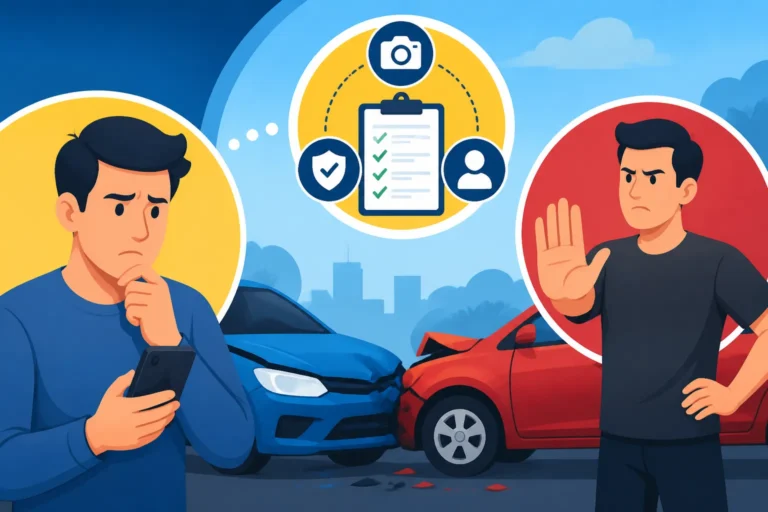
It's incredibly frustrating, confusing, and frankly, insulting when you've been in a car accident and the insurance company, whether yours or the other driver's, decides to unfairly place the blame squarely on your shoulders. You know what happened, you were careful, and yet suddenly you're being told a different story. This guide is here to walk you through exactly what to do when you find yourself in this unfair situation, providing practical steps to challenge their assessment and protect your rights.
Initial Shock and Disbelief: Understanding Why This Happens
When you get that call or letter stating you're at fault, even when you clearly weren't, it can feel like a punch to the gut. Your mind races, replaying the accident, trying to figure out where they could possibly be getting this information. It’s important to remember that insurance companies operate from a specific perspective, and understanding that can help you navigate the challenge ahead. They are not always your friends, even your own insurer.
The Insurance Company's Motive: Protecting Their Bottom Line
Let's be real: insurance companies are businesses. Their primary goal is to minimize payouts and maximize profits. This isn't a cynical take; it's simply how their model works. When an accident occurs, their adjusters are trained to assess fault, and sometimes, that assessment might lean towards blaming a driver who could be easily swayed, or towards a scenario that reduces their liability. If they can put even partial blame on you, it can significantly reduce what they have to pay out in a claim, or even shift the entire burden to your policy. They might interpret events in a way that aligns with their financial interests, sometimes overlooking crucial details or misinterpreting evidence. This is why it's so vital to be prepared and persistent when you know you're in the right.
Common Scenarios for Unfair Blame
There are many situations where an insurance company might incorrectly assign fault. Sometimes it’s a genuine misunderstanding based on limited information, but other times it can feel like a deliberate tactic. For instance, in a complex intersection accident, they might misinterpret who had the right-of-way, especially if there were no clear witnesses or traffic camera footage. Another common one is when someone makes an unexpected maneuver, like a sudden lane change, and then blames the driver behind them for a resulting collision. Or consider a situation where a driver runs a stop sign, but then tries to claim the other driver was speeding, subtly shifting the narrative. Even something like a tricky parking lot accident can lead to disputed fault, where each driver's account might be given equal weight despite one being clearly in violation of basic driving etiquette. Understanding these common pitfalls can help you anticipate their arguments.
Early Warning Signs of Trouble
How do you even know an insurance company is leaning towards blaming you unfairly? Often, there are subtle clues. You might notice the adjuster asking leading questions during your initial conversation, trying to get you to admit to something you didn't do or to downplay the other driver's responsibility. They might focus heavily on minor details of your actions while glossing over the other driver's obvious errors. Perhaps they'll seem unusually skeptical of your account, or they might delay responding to your inquiries while they "investigate." If you feel like they're trying to trip you up or twist your words, that's a huge red flag. Another common tactic is for the other driver's insurance to try and get you to give a recorded statement quickly, before you've had a chance to fully process the event or consult with anyone. Recognizing these signs early can empower you to react strategically, rather than being caught off guard when the blame is formally assigned.
Gathering Your Evidence: Building an Unshakeable Case
When an insurance company unfairly blames you, your best defense is a strong offense rooted in irrefutable evidence. The more objective proof you can provide, the harder it will be for them to dismiss your side of the story. Think of yourself as building a puzzle, and each piece of evidence brings the full picture into clearer focus. This process begins right at the scene of the accident and continues as you collect information. If you're wondering, "How to Prove the Other Driver Was at Fault," collecting solid evidence is the absolute cornerstone of your strategy.
Documenting the Accident Scene Thoroughly
The accident scene itself is a goldmine of information, and what you do immediately afterward can be critical. First, take a deep breath and ensure everyone's safety. Then, if possible and safe to do so, use your smartphone to take as many photographs and videos as you can. Get wide shots showing the positions of both vehicles, and close-ups of all damage, skid marks on the road, shattered glass or debris, and any relevant traffic signs or signals. Don't forget to capture the surrounding area, including road conditions, weather, and any potential hazards. These visual records can speak volumes. For example, specific debris patterns might show the point of impact, or vehicle positions could contradict a false claim about who ran a red light. Remember, documenting what to do after a car accident: step-by-step is crucial, and photos are often the most objective form of immediate evidence.
Obtaining Witness Statements and Contact Information
Independent witnesses can be incredibly powerful allies. Unlike the drivers involved, their accounts are often seen as less biased. If there were any bystanders, pedestrians, or other drivers who saw the collision, approach them calmly and politely ask if they'd be willing to provide a statement. Even a brief note on what they observed can be invaluable. Make sure to get their full name, phone number, and email address. Don't press them for details or try to lead their statements; simply ask what they saw. Sometimes, people are hesitant to get involved, but explaining that their neutral perspective is important for a fair assessment can help. A witness describing how the other car clearly ran the stop sign, for instance, can directly refute an insurance company's attempt to place fault on you for not avoiding them.
Leveraging Official Reports and Professional Assessments
Beyond your own efforts, official reports and professional assessments carry significant weight. The police report, in particular, is a foundational piece of evidence. Even if the police don't officially assign fault, their report will contain crucial details like diagrams of the accident scene, statements from drivers and witnesses, citations issued (or not issued), and observations about road conditions. This can be critical, as police reports and car accident fault often go hand-in-hand in the initial stages of a claim. It's a good idea to obtain a copy of this report as soon as it's available. Furthermore, if you sustained injuries, your medical records from doctors, specialists, and therapists serve as professional assessments of your physical state and the direct link to the accident. For vehicle damage, professional repair estimates from reputable body shops can also corroborate the severity and nature of the impact. All these pieces combined present a robust and difficult-to-dispute picture of what truly transpired.
Communicating with Confidence: Dealing with Insurance Adjusters
Dealing with insurance adjusters can feel like navigating a minefield, especially when they're trying to pin blame on you. They are skilled negotiators, and their job is to gather information that supports their company's position, which might not always align with a fair outcome for you. Knowing how to communicate effectively and confidently is key to protecting your interests. This is especially true when you're dealing with insurance adjusters after a car accident who might be subtly trying to get you to admit fault.
What to Say and What to Absolutely Avoid
When speaking with adjusters, be factual and concise. Stick to the observable facts of the accident: where it happened, when it happened, what direction you were going, and what you saw. Never speculate, guess, or admit fault – even if you think you might have been partly to blame. For instance, avoid phrases like, "I think I might have been going a little fast," or "I guess I didn't see them coming." Instead, state something like, "The other driver entered my lane without signaling," or "I was stopped at the red light when I felt the impact from behind." If you don't know an answer, simply say, "I don't recall that detail at the moment." Do not apologize, as this can be misconstrued as an admission of fault. Focus on presenting your evidence and reiterate that you believe the other party was responsible, backing it up with the facts you've gathered. Remember, less is more when you are giving your account.
Keeping a Detailed Record of All Interactions
Organization is your best friend when disputing an unfair blame. Every single phone call, email, letter, and conversation you have with any insurance representative should be meticulously documented. Create a dedicated file for your accident and keep a chronological log. For phone calls, note the date, time, the name of the person you spoke with, their title, and a brief summary of the conversation. If they promised to send you something or take a specific action, make a note of that too. For emails, save them all. If you send letters, keep copies. This detailed record serves as an undeniable timeline of events and communications. It can be incredibly valuable if inconsistencies arise in the adjuster's story, or if you need to prove delays or broken promises on their part. This habit is part of effectively handling your car accident claim timeline: what to expect.
The Dangers of a Recorded Statement
One of the trickiest situations you might encounter is when an adjuster asks you to provide a recorded statement. While it might seem harmless, or even helpful, it can actually be detrimental to your case. The adjuster's questions are often designed to elicit information that could be used against you, to create inconsistencies, or to get you to make an admission of fault. For example, they might ask, "Were you distracted at all?" which could be used to imply negligence, even if you were just thinking about your grocery list. Remember that "What Is an Admission of Fault (and How to Avoid It)?" is a critical concept here. You are generally not legally obligated to give a recorded statement to the other driver's insurance company. You can politely decline and state that you will provide all necessary information in writing. If it's your own insurance company asking, consult with a legal professional before agreeing, as your policy might require cooperation. Even then, a lawyer can guide you on how to provide a statement that protects your interests.
Understanding Legal Recourse: When to Seek Professional Help
There comes a point in challenging an unfair blame where you might realize you're in over your head. The insurance company might be digging in their heels, the legal jargon might be overwhelming, or you might just feel exhausted from fighting a battle that isn't yours to begin with. This is precisely when you should start thinking about professional legal assistance. Trying to handle a complex claim, especially when fault is disputed, can quickly become an uphill battle if you go it alone. Many people wonder, "Do you need a lawyer for a car accident?" The answer is often a resounding yes, especially in situations where you are unfairly blamed.
Recognizing When You're Out of Your Depth
How do you know when it's time to call in the cavalry? Several signs indicate you might need a lawyer. If the insurance company outright denies your claim based on unfair blame, that's a major red flag. If they are refusing to negotiate, offering a ridiculously low settlement that doesn't cover your damages, or if they are just plain ignoring your evidence, it's time. Similarly, if you've suffered significant injuries, lost wages, or if your medical bills are mounting, the stakes are simply too high to risk handling it yourself. Dealing with the complexities of "What to Do If an Insurance Company Denies Your Claim" without legal expertise can be incredibly challenging, and a lawyer can help break down the process and fight on your behalf. Don't wait until you've exhausted all your emotional energy before seeking help; an early consultation can often prevent further headaches.
The Benefits of a Car Accident Lawyer
A seasoned car accident lawyer brings a wealth of knowledge and experience to your corner. They understand how insurance companies operate, what tactics they employ, and how to effectively counter their arguments. They can help you gather additional evidence, interview witnesses, interpret police reports, and even reconstruct the accident scene if necessary. Crucially, they know the intricacies of how fault is determined in a car accident, and they can articulate your case in a way that resonates with insurance adjusters or, if necessary, in court. Lawyers also handle all communications and negotiations, shielding you from the stress and potential pitfalls of speaking directly with the at-fault driver's insurer. They can also connect you with medical professionals who understand accident-related injuries, ensuring your health is prioritized while your legal case moves forward. Furthermore, they are adept at explaining concepts like "What happens if you're partially at fault?" and how that might impact your claim, providing clarity in confusing situations.
Understanding State-Specific Laws and Fault Systems
Car accident laws vary significantly from state to state, especially when it comes to how fault affects your ability to recover damages. Some states, like California and Florida, operate under a "pure comparative negligence" system, meaning you can recover damages even if you're mostly at fault, though your payout will be reduced by your percentage of blame. Other states follow a "modified comparative negligence" rule, like Texas, where you can only recover if you're less than 50% or 51% at fault, depending on the specific state. Then there are a handful of "contributory negligence" states where being even 1% at fault bars you from any recovery. Understanding these nuances is critical, and a lawyer practicing in your local area will be intimately familiar with the specific laws that apply to your situation. For instance, if you're in a pure comparative negligence state, a lawyer can argue for a lower percentage of fault against you, maximizing your potential compensation.
| Type of Evidence | Description | Impact on Proving Fault |
|---|---|---|
| Police Report | Official record of the incident, driver statements, officer observations, citations issued. | Strong, provides objective third-party summary of initial findings. |
| Photos/Videos | Visual documentation of vehicle positions, damage, road conditions, debris, traffic signs. | Very strong, irrefutable visual proof of scene and impact. |
| Witness Statements | Accounts from independent individuals who observed the accident. | Strong, provides unbiased narrative of events. |
| Medical Records | Documentation of injuries, diagnoses, treatment plans, and prognosis. | Strong, establishes direct link between accident and injuries, proves damages. |
| Dashcam Footage | Video recording from your vehicle's perspective leading up to and during the collision. | Extremely strong, can be definitive proof of fault. |
| Accident Reconstruction | Expert analysis of physical evidence to determine how the accident occurred. | Very strong (if needed for complex cases), provides scientific basis for fault. |
| Traffic Camera Footage | Video from municipal or private cameras capturing the intersection or roadway. | Extremely strong, definitive visual proof of traffic violations/movements. |
Navigating the Appeals Process: Challenging a Formal Denial
If the insurance company has formally denied your claim or upheld their unfair blame, don't despair. There's usually an appeals process, and knowing how to navigate it effectively can still turn the tide in your favor. This stage is where all your diligent evidence gathering and careful communication truly pay off. It’s also often where the guidance of a legal professional becomes absolutely invaluable.
Preparing Your Formal Appeal Letter
The first step in challenging a formal denial is usually to submit a well-written, comprehensive appeal letter. This isn't just a complaint; it's a formal, persuasive document that systematically dismantles their reasoning for denying your claim or assigning blame. Your letter should reference their denial letter, explicitly state why you believe their decision is incorrect, and then present all your supporting evidence. Attach copies of your police report, witness statements, photographs, medical records, and any other documentation that proves the other driver's fault and your lack thereof. Be clear, concise, and professional, avoiding emotional language. Clearly articulate how your evidence contradicts their conclusion. For example, if they claim you failed to yield, and you have dashcam footage showing the other driver blowing through a red light, your appeal letter should highlight this direct contradiction and include the footage as an exhibit. Remember, this is a formal legal step and should reflect that seriousness.
Escalating Within the Insurance Company
If your initial appeal is unsuccessful, or if you feel you're still not being heard, it's often possible to escalate your case within the insurance company itself. This might involve speaking with a supervisor, a different adjuster, or even an internal review board. Persistence is key here. Politely but firmly request to speak with someone higher up the chain of command, explaining that you believe your case has been unfairly handled and that you have significant evidence to support your position. A fresh pair of eyes on the case might reveal something the previous adjuster missed or misinterpreted. Sometimes, simply demonstrating that you're serious about pursuing your claim and won't back down can prompt the insurance company to take another look. Continue to document every interaction during this escalation process, noting who you spoke with, when, and the outcome. This can be a tedious process, which is why having an experienced lawyer handle these communications can take a huge weight off your shoulders.
Pursuing Arbitration or Litigation
If you've exhausted all internal appeal options with the insurance company and they still refuse to budge, your next steps typically involve external dispute resolution. One common option is arbitration, where a neutral third party (the arbitrator) reviews the evidence from both sides and makes a binding decision. This is often less formal and less expensive than a full lawsuit, but the decision is usually final. Another, more definitive, route is to file a lawsuit and take the case to court. This is a significant step and almost always requires the expertise of a car accident lawyer. A lawsuit allows you to present your case before a judge or jury, who will then determine fault and damages. While the prospect of a lawsuit can be intimidating, a lawyer can guide you through every stage of how a car accident lawsuit works, from filing the complaint to discovery, mediation, and ultimately, trial if necessary. They can help you understand the full implications and weigh the pros and cons of pursuing litigation to ensure you get the fair outcome you deserve.
Disclaimer
Please note that this article provides general information and guidance regarding car accident claims and dealing with insurance companies. It is not intended as legal advice. Every car accident case is unique, and the laws governing such claims vary significantly by state. For personalized advice regarding your specific situation, it is strongly recommended that you consult with a qualified personal injury attorney in your jurisdiction.