What to Do If the At-Fault Driver Won’t Cooperate
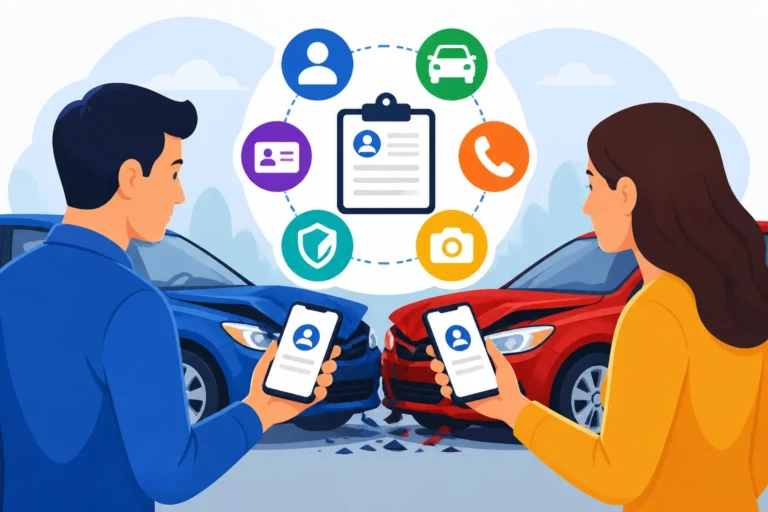
Getting into a car accident is already stressful enough, but imagine the added frustration when the other driver, the one who caused all this mess, simply refuses to cooperate. It’s infuriating when you’re dealing with property damage, potential injuries, and the sheer inconvenience of it all, only to have the person responsible make things even harder by not providing information, dodging calls, or outright blaming you. This guide is here to walk you through exactly what to do when the at-fault driver becomes uncooperative, ensuring you can still protect your claim and seek the compensation you deserve.
The Immediate Aftermath and Lingering Frustration
When a car accident happens, there's a whirlwind of emotions and tasks. You're trying to assess the damage, check for injuries, and gather information. The standard procedure is to exchange insurance details, contact information, and maybe even make a police report. But what if the other driver decides they're not going to play by the rules? This lack of cooperation can throw a huge wrench into what is already a difficult situation, leaving you feeling helpless and angry.
Why Drivers Become Uncooperative
It’s natural to wonder why someone would actively make a bad situation worse, especially when they're clearly at fault. Often, this non-cooperation stems from a place of fear, guilt, or even outright malice. Some drivers might be uninsured or underinsured, and they're terrified of the financial consequences. They might have been driving without a valid license, or perhaps they were under the influence of alcohol or drugs, and any official interaction could lead to severe legal trouble for them. In other cases, they might simply be in denial about their fault, hoping that by stonewalling, the problem will somehow disappear or shift to your shoulders. This behavior is incredibly frustrating because it complicates what should be a straightforward claims process.
Types of Non-Cooperation You Might Encounter
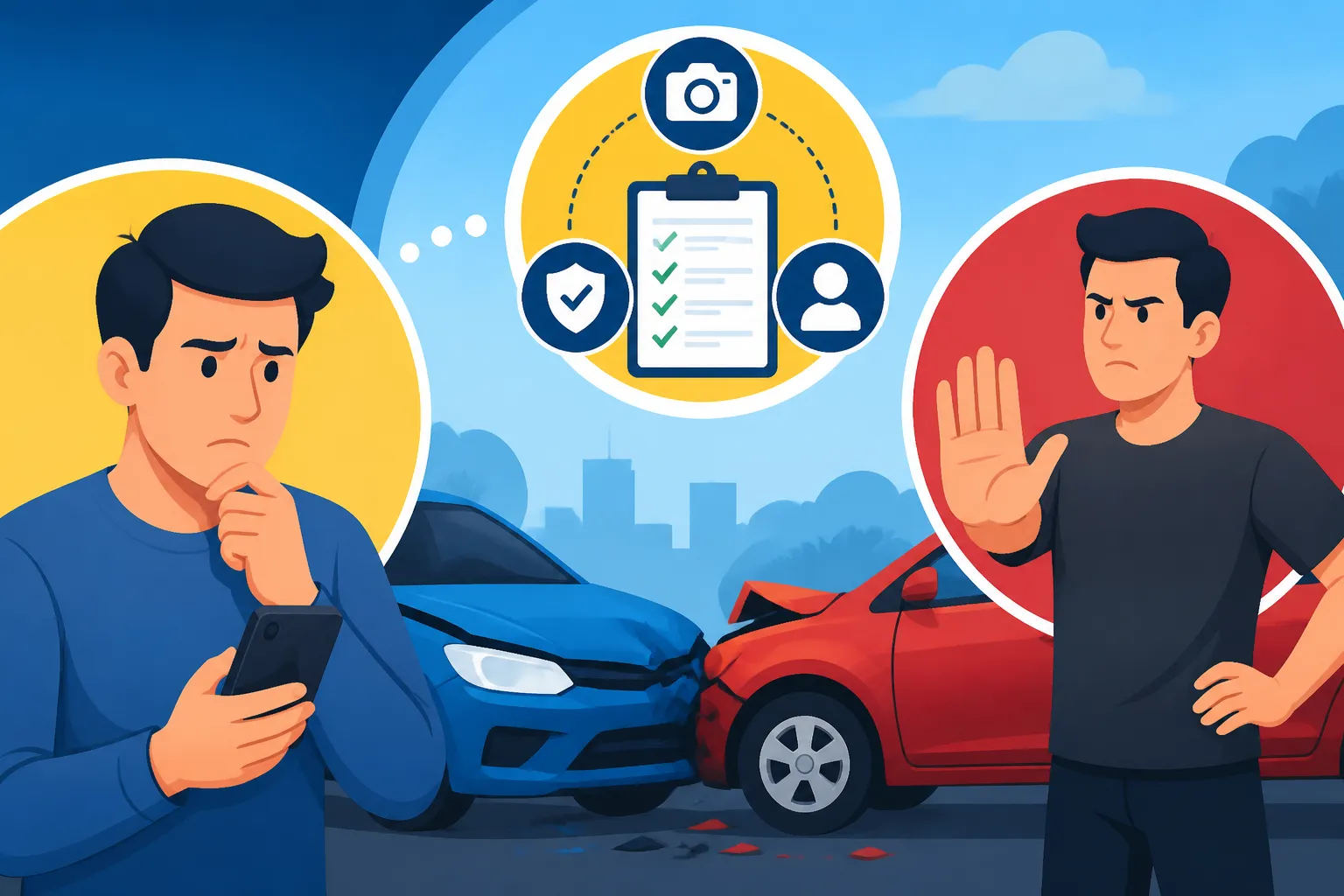
Non-cooperation isn't always a dramatic refusal to speak. It can manifest in several subtle, yet equally damaging, ways. You might experience a driver who initially seems cooperative but then provides incorrect or incomplete insurance information. Perhaps they give you a phone number that's disconnected or belongs to someone else entirely. Another common scenario is when they agree to exchange information but then disappear from the scene before you've fully documented everything, or they refuse to provide a statement to their own insurance company once a claim is filed. Sometimes, it’s even more direct: they might become confrontational, blame you outright, or even drive away before you've had a chance to gather any details. Each of these scenarios presents unique challenges, and it's crucial to be prepared to handle them.
Safeguarding Your Claim Through Meticulous Documentation
When the at-fault driver isn't cooperating, your best defense is an ironclad offense of documentation. This means gathering every single piece of evidence you possibly can, as thoroughly and quickly as possible. This robust collection of facts will become the cornerstone of your claim, allowing you to proceed even without the other driver's full participation.
Documenting the Accident Scene
Even if the other driver is being difficult, you must prioritize documenting the scene yourself. Start by taking a multitude of photographs and videos. Capture the positions of both vehicles before they're moved, if safe to do so. Get close-ups of all damage to your vehicle and theirs. Don't forget to photograph the surrounding area, including road signs, traffic signals, skid marks, debris, and any relevant landmarks. Wide shots showing the intersection or street layout are also incredibly important. If there are any witnesses, politely ask for their contact information and a brief statement of what they observed. Write down the precise date, time, and location of the accident, down to the nearest cross-street or mile marker on a highway. The more details you can capture, the stronger your position will be when you need to How Insurance Companies Determine Who Is at Fault.
Gathering Third-Party Evidence
Beyond what you collect at the scene, there's a wealth of third-party evidence that can help establish fault and support your claim. This includes things like police reports, which are often indispensable when the other driver is uncooperative. If the police were called to the scene, their report will often contain vital information, including their assessment of fault, driver details, and witness statements. Even if the police didn't issue a citation, their narrative can be incredibly helpful. Furthermore, think about potential surveillance footage from nearby businesses or traffic cameras. If the accident occurred in a parking lot, for instance, a store like a Kroger or Walmart might have external cameras that captured the incident. Dashcam footage, if either you or the other driver had one, is also golden. The more independent sources you can find to corroborate your story, the harder it will be for an uncooperative driver to derail your claim.
Understanding Legal Obligations and Recourse
It's infuriating when someone acts irresponsibly, but knowing what they should have done and what legal options are available to you can help you navigate the tricky path ahead. The law provides certain protections and expectations, even when the other party is trying to avoid them.
Reporting the Accident to Authorities
While not every minor fender-bender requires a police report, if the other driver is uncooperative, calling the police becomes absolutely critical. In many states, like California or Texas, you're legally required to report accidents resulting in injury, death, or significant property damage (often exceeding $1,000 or $1,500, though this varies by state). Even if the damage seems minor, an uncooperative driver elevates the situation. A police officer can compel the other driver to provide their information, conduct an investigation, and create an official record. This official record is a powerful tool when How Fault Is Determined in a Car Accident because it provides an objective account of the incident. If the police can't make it to the scene, you may still be able to file a civilian accident report at your local police station within a certain timeframe. Don't underestimate the power of an official report; it's a critical piece of evidence that can help prove How to Prove the Other Driver Was at Fault later on.
The Duty to Exchange Information
Every driver involved in an accident has a legal duty to stop and exchange information with other parties. This typically includes their name, address, driver's license number, vehicle registration number, and insurance information. Refusing to do so, or intentionally providing false information, can lead to serious legal consequences for the at-fault driver, including fines, license suspension, or even criminal charges, especially if it's considered a hit-and-run. While this might not directly help your immediate insurance claim, it underscores the severity of their non-cooperation and can be used to apply pressure through legal channels. If you find yourself in a situation where the other driver outright refuses to give you their information, clearly state that you will be calling the police and document their refusal with photos or video if possible.
Leveraging Your Own Resources and Insurance
When the other driver is playing hard to get, you can't just sit back and wait. You need to proactively use the resources available to you, primarily your own insurance company, to move your claim forward. This often means relying on your policy's coverage and letting the professionals handle the heavy lifting of tracking down the uncooperative party.
Contacting Your Own Insurance Company
This is often the most important step when the other driver is uncooperative. Many people hesitate to call their own insurance if they believe they weren't at fault, fearing their rates might go up. However, your insurance company is there to protect you. They have adjusters and legal teams specifically trained to handle these kinds of situations. When you explain that the at-fault driver is not cooperating, your insurer can often initiate a third-party claim against the other driver's policy on your behalf, even if you only have their license plate number or a vague description of the vehicle.
Furthermore, if you have certain types of coverage, like collision coverage or uninsured/underinsured motorist (UM/UIM) coverage, you can typically use your own policy to cover your damages while your insurance company pursues reimbursement from the at-fault driver (a process called subrogation). This allows you to get your vehicle repaired and your medical bills paid much faster, rather than waiting indefinitely for the other driver to comply. Your own insurance company also has more leverage and resources to track down the uncooperative driver and their insurance details than you do as an individual.
Utilizing Uninsured/Underinsured Motorist Coverage
If the at-fault driver is not just uncooperative but also uninsured or severely underinsured, your UM/UIM coverage can be a lifesaver. This optional but highly recommended coverage protects you if you're hit by a driver who doesn't have insurance or whose insurance isn't enough to cover your damages. In states like Maryland, where contributory negligence laws can be strict, having this coverage is even more important as it provides a safety net.
If the uncooperative driver vanishes or their insurance information turns out to be fake, your UM/UIM coverage will kick in. This means your insurance company will pay for your medical expenses, lost wages, and potentially pain and suffering, up to your policy limits, just as if the other driver had adequate insurance. They will then attempt to recover these costs from the at-fault driver if they can be located. This coverage is specifically designed for these nightmare scenarios where the other party either cannot or will not pay.
Seeking Help from the Department of Motor Vehicles (DMV)
Sometimes, all you manage to get from an uncooperative driver is a license plate number. This seemingly small detail can actually be incredibly powerful. Your insurance company, or a personal injury attorney, can often use this information to conduct a reverse lookup through your state's Department of Motor Vehicles (DMV). While DMVs typically don't release personal information to individuals, insurance companies and legal representatives often have a greater ability to access this data for legitimate accident claims. They can use the license plate to identify the registered owner of the vehicle and potentially cross-reference it to find insurance details. This is an important step in cases where the other driver won't cooperate with giving their information directly.
Navigating the Insurance Claim Without Full Cooperation
The core of your post-accident process is filing an insurance claim. When the at-fault driver is uncooperative, it undeniably adds layers of complexity, but it doesn't make the process impossible. You still have avenues to pursue your claim.
Filing a Claim with the At-Fault Driver's Insurer (If Known)
If you managed to obtain at least some identifying information about the at-fault driver and their insurance company, even if they were reluctant, you should still attempt to file a third-party claim directly with their insurer. You might have their name and a policy number, or even just their name and the name of their insurance carrier. When you contact their insurance company, explain clearly that their insured was at fault but is being uncooperative. Provide all the evidence you have: police report numbers, witness statements, photos, and your detailed account of the accident.
The at-fault driver's insurance company has a duty to investigate claims made against their policyholder, regardless of their insured's cooperation level. They might try to reach out to their client themselves. If their client remains uncooperative, it can actually reflect poorly on the insured and strengthen your position, as it demonstrates a lack of credibility or an attempt to hide something. The insurance company might even make a decision on fault based solely on the evidence you provide and any police reports. Remember, Dealing With Insurance Adjusters After a Car Accident can be tricky, so always be clear, concise, and persistent.
What Happens If the Other Driver Ignores Their Insurer
It’s not uncommon for an uncooperative at-fault driver to also ignore calls from their own insurance company. When this happens, their insurer is in a bind. They have a contract with their policyholder, but they also have a responsibility to investigate claims. If their insured fails to cooperate with their own insurance company's investigation, it can be a breach of their policy contract. This can lead to the insurance company denying coverage for their client, effectively leaving the at-fault driver personally responsible for damages.
While this might seem like a win for you, it often means that instead of dealing with an insurance company, you might have to pursue the at-fault driver directly. This is where your own UM/UIM coverage or legal action becomes even more important. However, it's a powerful point to leverage during negotiations or in court, as it shows the other driver's unwillingness to take responsibility even with their own insurance.
The Power of a Demand Letter
If the at-fault driver and their insurance company are dragging their feet or denying your claim unfairly due to lack of cooperation, a formal demand letter can sometimes spur action. This is a detailed letter, often drafted by an attorney, that outlines the facts of the accident, summarizes your injuries and damages, and demands a specific settlement amount. It's backed by all the evidence you've meticulously collected.
While a demand letter might not magically make an uncooperative driver suddenly become helpful, it serves as a clear, official communication that you are serious about pursuing your claim. It puts their insurance company on notice that you are prepared to escalate matters if a fair resolution isn't reached. It's a critical step before considering a lawsuit and can often prompt the insurance company to take a closer look, even if their insured remains silent.
Table: Non-Cooperation Scenarios and Immediate Steps
To help visualize how to react in different uncooperative scenarios, here's a quick guide:
| Scenario of Non-Cooperation | Immediate Action You Should Take | Next Steps for Your Claim |
|---|---|---|
| Refuses to exchange info at scene | Call 911/Police immediately. Get their license plate, vehicle description, and any photos. Seek witnesses. | File police report. Contact your own insurer. DMV lookup with license plate. |
| Provides fake/incomplete info | Attempt to verify information (e.g., call the number). If suspicious, call police to report potential fraud or hit-and-run. | File police report. Contact your own insurer with all info you have. Consider UM/UIM if info is dead-end. |
| Admits fault, then disappears/denies | Gather all initial evidence (photos, witnesses). Note their admission (if recorded or witnessed). If police report, ensure it reflects this. | Contact your own insurer. File claim with their insurer (if known), explaining the situation. Be prepared for What Happens If the Other Driver Blames You?. |
| Ignores their own insurance company | Document all attempts to contact them. Provide all evidence you have to their insurer. | Lean on your own UM/UIM coverage. Attorney may pursue direct claim against them. |
| Becomes confrontational/aggressive | Prioritize your safety. Retreat to a safe distance. Do not engage. Call police immediately. | Follow police instructions. File police report. Contact your insurer. Consider a personal injury attorney. |
When to Bring in Professional Help: The Role of a Lawyer
Dealing with an uncooperative at-fault driver is precisely the kind of situation that highlights the value of legal representation. While you might try to handle a straightforward claim yourself, adding the complexity of non-cooperation often makes a lawyer indispensable.
When to Consider Hiring an Attorney
If the other driver is being difficult, refusing to provide information, or their insurance company is unresponsive, that's a huge red flag that you might need professional help. An attorney specializing in car accident claims understands the nuances of the law and the tactics insurance companies use. They can conduct their own investigation, track down the at-fault driver, and compel them to provide information through legal means if necessary. They can also ensure you're not missing crucial deadlines, such as the Statute of Limitations for Car Accidents by State, which varies significantly from one place to another.
A lawyer can also assess the full value of your damages, including future medical expenses and pain and suffering, which you might underestimate on your own. Most personal injury lawyers work on a contingency fee basis, meaning you don't pay anything upfront, and they only get paid if they win your case. This makes legal representation accessible even if you're worried about costs. If you're wondering Do You Need a Lawyer for a Car Accident?, an uncooperative at-fault driver is often a clear indicator that the answer is yes.
How an Attorney Can Force Cooperation
One of the biggest advantages of having an attorney is their ability to use legal tools to compel cooperation. They can send formal letters of representation to the at-fault driver and their insurance company, demanding information and an explanation. If the other driver continues to be uncooperative, your attorney can initiate a lawsuit.
Once a lawsuit is filed, legal processes like discovery come into play. This includes depositions, where the at-fault driver is legally required to give sworn testimony, and interrogatories, which are written questions they must answer under oath. Refusing to cooperate with these legal demands can lead to court-ordered sanctions, fines, or even a default judgment against them, meaning you would automatically win your case. This legal pressure often succeeds in getting even the most stubborn individuals to finally cooperate. A lawyer also knows how to expertly handle a scenario where What Happens If You're Partially at Fault? and the other party tries to shift blame.
Pursuing a Lawsuit if All Else Fails
If all attempts to resolve the claim amicably or through insurance negotiations fail due to the other driver's continued non-cooperation, your attorney may advise pursuing a car accident lawsuit. This is the final step in the legal process. While most car accident cases settle out of court, having a lawyer ready to take the case to trial demonstrates your commitment and can sometimes push the opposing side to offer a fair settlement.
A lawsuit isn't just about recovering damages; it's about holding the responsible party accountable. In cases where the at-fault driver actively avoids responsibility, a lawsuit ensures that the legal system can intervene to deliver justice. Your attorney will guide you through every stage of the lawsuit process, from filing the complaint to representing you in court, ensuring your rights are protected and you have the best possible chance of obtaining the compensation you need.
Disclaimer
Please remember that this information is for general guidance only and does not constitute legal advice. Car accident laws vary significantly by state and specific circumstances. It is always best to consult with a qualified legal professional regarding your individual situation.