What to Do If Hit by an Uninsured Driver in Virginia
Getting into a car accident is jarring enough, but discovering the other driver doesn't have insurance can quickly turn that stress into a full-blown panic. You're left wondering who will pay for the damage to your vehicle, your medical bills, and the sheer inconvenience of it all. This guide is here to walk you through the essential steps and explain your options if you find yourself hit by an uninsured driver in Virginia, helping you navigate this confusing and often frustrating situation.
Immediate Steps After an Uninsured Driver Accident in Virginia
The moments right after an accident are chaotic, but the actions you take can significantly impact any future claim, especially when an uninsured driver is involved. It’s critical to prioritize safety and then gather as much information as possible. Don't let the shock prevent you from securing crucial details.
Ensuring Safety and Calling for Help
First and foremost, check yourself and any passengers for injuries. Even if you feel fine, some injuries have delayed symptoms after a car accident, so it's always wise to be cautious. If anyone is injured, or if the vehicles are obstructing traffic, or if there's significant property damage, call 911 immediately. In Virginia, you generally need to report an accident to the police if there are injuries, fatalities, or property damage exceeding $1,500. Even if it's a minor fender bender with seemingly no damage, it's often best to involve the police when dealing with an uninsured driver. A police report creates an official record of the incident and can be invaluable evidence later on. Remember, their primary role is to ensure public safety and document the facts of the crash.
Once you’ve confirmed everyone is safe and emergency services are en route if needed, move your vehicle to a safe location if possible and if it's safe to do so. This might mean pulling over to the shoulder or into a nearby parking lot. Leaving your vehicle in the middle of traffic could lead to another accident and further complications. Turn on your hazard lights to warn other drivers of the obstruction. While waiting for the authorities, take a deep breath. It’s easy to get overwhelmed, but staying calm helps you think clearly and accurately recall details.
Gathering Critical Information at the Scene
This is where your inner detective needs to come out. Since the other driver is uninsured, you can't rely on their insurance company to cover damages without a fight, so thorough documentation is your best friend. Start by exchanging information with the other driver. Get their full name, address, phone number, and driver's license number. Even though they don't have insurance, this personal information is vital for any potential claims or legal action. If they refuse to provide it, make sure the police are aware.
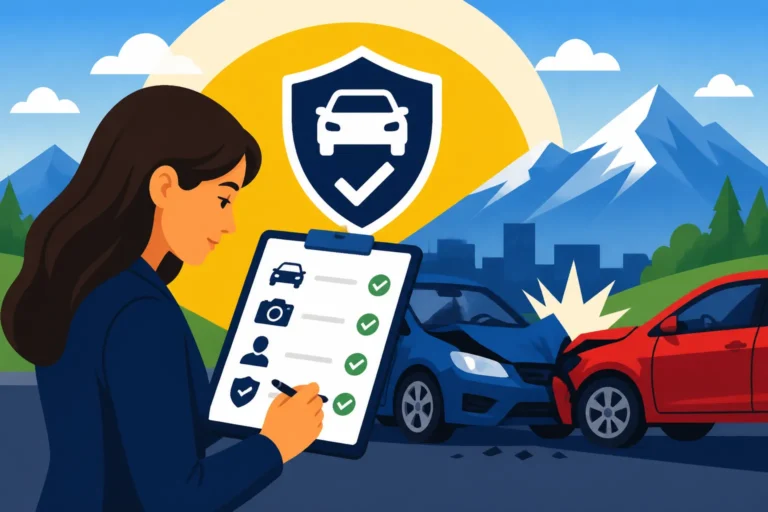
Next, document the accident scene comprehensively. Use your smartphone to take photos and videos from multiple angles. Capture the position of both vehicles, the damage to each car, any skid marks on the road, traffic signs, road conditions, and environmental factors like weather. Zoom in on specific damage points and get wider shots that show the overall scene. If there are any witnesses, politely ask for their names and contact information. Their independent account could be incredibly helpful in confirming what happened, especially if the uninsured driver tries to dispute fault later. You can learn more about how to document a car accident scene in our detailed guide.
Don't forget to get the police report number and the investigating officer's name and badge number. This will allow you to obtain a copy of the official report once it's available, which is usually a few days after the incident. This report will detail who is at fault in a car accident and provide a verified account of the circumstances.
Understanding Virginia's Uninsured Motorist Laws
Virginia has specific laws regarding uninsured drivers and how you can protect yourself. It’s not a "no-fault" state, meaning that the person responsible for the accident is generally liable for the damages they cause. This makes having the right coverage even more crucial.
Virginia's Insurance Requirements and UM Coverage
In Virginia, drivers are required to carry a minimum amount of liability insurance. As of January 1, 2025, the minimums are $50,000 for bodily injury per person, $100,000 for bodily injury per accident, and $25,000 for property damage. However, Virginia also offers an alternative: you can pay an uninsured motor vehicle fee of $500 instead of purchasing insurance. This fee provides no coverage whatsoever for you or others if you cause an accident. It simply allows you to legally drive an uninsured vehicle, but you remain personally liable for any damages you cause.
This is where Uninsured Motorist (UM) and Underinsured Motorist (UIM) coverage on your own policy becomes your absolute lifesaver. While it's not strictly mandatory to purchase UM/UIM coverage if you have liability insurance, it is required that insurers offer it to you. If you declined it in writing, you won't have it. If you didn't decline it, you should have it. This coverage is designed to protect you financially if you're involved in an accident with a driver who either has no insurance (uninsured) or not enough insurance to cover your damages (underinsured). UM/UIM coverage typically matches your liability limits, meaning if you carry $100,000 in bodily injury liability, you would also have $100,000 in UM/UIM bodily injury coverage. It's a critical safety net in a state where some drivers legally operate without traditional liability insurance.
The Importance of Your Own Insurance Policy
Your own insurance policy is your first line of defense against an uninsured driver. Without UM coverage, you might be left to pursue the at-fault driver directly for damages, which can be a lengthy, difficult, and often fruitless endeavor if they have no assets. With UM coverage, you essentially make a claim against your own insurance company, and they step into the shoes of the uninsured driver's insurance. They pay for your medical expenses, lost wages, and property damage up to your policy limits, and then they pursue the uninsured driver for reimbursement.
Many people hesitate to use their own insurance, fearing rate increases. However, if the accident was clearly not your fault, your rates are generally less likely to increase significantly due to an uninsured motorist claim. Insurance companies understand that this coverage is there for this exact scenario. Always review your policy and understand your specific UM/UIM limits. If you only carry the state minimums, your UM/UIM coverage might also be quite low, which could leave you with substantial out-of-pocket costs if your injuries are severe.
Navigating Your Insurance Claim with an Uninsured Driver
Once the immediate aftermath is handled, the real work of dealing with the insurance claim begins. This process can feel daunting, but knowing what to expect can ease some of the burden.
Initiating Your Uninsured Motorist Claim
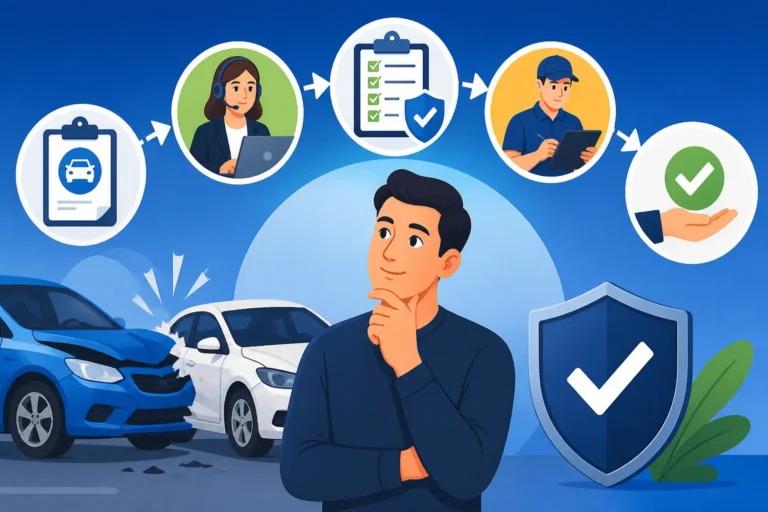
The first thing you need to do is notify your own insurance company as soon as possible after the accident. Delaying this step can complicate your claim. When you call, explain clearly that you were involved in an accident with an uninsured driver. They will then guide you through the process of filing an uninsured motorist claim. This is distinctly different from how to file a claim with the other driver's insurance.
Your insurance company will likely ask for all the information you gathered at the scene: the other driver's details, police report number, photos, witness statements, and any initial medical reports. They will open a claim under your Uninsured Motorist Bodily Injury (UMBI) and Uninsured Motorist Property Damage (UMPD) coverages, if you have them. Be prepared to provide a detailed account of the accident. Remember, you'll be dealing with insurance adjusters after a car accident, and their job is to process claims, so clear, consistent information is key.
If you sustained injuries, your UMBI coverage will help pay for your medical expenses, lost wages, and pain and suffering. For property damage, your UMPD coverage will pay for repairs to your vehicle. If you don't have UMPD, your collision coverage would be another option, though it might carry a deductible. It's important to understand the full scope of what your policy covers.
Proving Damages and Seeking Compensation
To get the full compensation you deserve, you'll need to meticulously document all your damages. For medical expenses, this means keeping track of every doctor's visit, physical therapy session, prescription, and hospital bill. Even if you think an injury is minor, see a doctor. This not only ensures your well-being but also creates an official medical record, which is vital for proving injuries in a car accident claim. Without this documentation, it's very difficult to link your injuries directly to the accident. Our guide on common car accident injuries can help you understand what symptoms to look for.
For vehicle damage, get estimates from reputable repair shops in Virginia. Your insurance company might also send an adjuster to inspect your car. Ensure these estimates are fair and cover all necessary repairs. If your car is deemed a total loss explained, your UMPD or collision coverage will pay out its actual cash value.
When it comes to financial compensation, car accident settlements are calculated based on various factors. These include economic damages like medical bills, lost wages, and vehicle repair costs, as well as non-economic damages like pain and suffering. The amount of your settlement will heavily depend on the severity of your injuries and the available limits of your UM coverage. You'll want to review how much is my car accident settlement worth to get a general understanding.
Here's a simplified breakdown of how different coverages typically apply:
| Coverage Type | Covers (Uninsured Driver) | Typical Deductible | Key Use Case |
|---|---|---|---|
| Uninsured Motorist BI | Medical bills, lost wages, pain & suffering | None | Your injuries when hit by an uninsured driver |
| Uninsured Motorist PD | Damage to your vehicle | Typically $200-$300 | Your car repairs when hit by an uninsured driver |
| Collision Coverage | Damage to your vehicle (fault doesn't matter) | Varies ($500-$1000+) | Your car repairs, regardless of fault or other driver's insurance |
| Medical Payments (MedPay) | Small medical bills for you/passengers | None | Immediate medical expenses, regardless of fault |
What If You Don't Have UM Coverage?
If you didn't have Uninsured Motorist coverage on your policy, the situation becomes significantly more challenging. You have a few main avenues, though none are guaranteed:
- Personal Injury Protection (PIP) or MedPay: If you have Medical Payments (MedPay) coverage, it can help with some of your medical bills, regardless of fault. Virginia does not mandate PIP, but MedPay is an optional add-on that many drivers choose.
- Health Insurance: Your personal health insurance will become crucial for covering your medical expenses. However, they may seek reimbursement from any settlement you eventually receive (subrogation).
- Sue the Uninsured Driver Directly: This is often the most difficult path. You would have to file a personal injury lawsuit against the at-fault driver for all your damages. Even if you win a judgment, collecting that money can be nearly impossible if the driver has no assets or income to seize. This often involves significant legal fees and time.
- Property Damage Options: For vehicle damage, if you have collision coverage, your own policy will pay for the repairs (minus your deductible). If you don't have collision coverage either, you're looking at paying for repairs out-of-pocket or pursuing the uninsured driver for damages, which again, is often a dead end.
When to Consider Legal Action
While your insurance company should handle the claim with your UM coverage, there are times when legal counsel becomes invaluable. Understanding when to hire a car accident lawyer can make a huge difference in your outcome.
Pursuing the At-Fault Driver Directly
If you have extensive damages that exceed your UM coverage limits, or if you simply don't have UM coverage, you might be tempted to directly pursue the at-fault uninsured driver. In Virginia, you have two years from the date of the accident to file a personal injury lawsuit for most car accident claims. This is known as the statute of limitations for car accidents in Virginia.
While you can sue them, the practical reality is often bleak. Many uninsured drivers are uninsured because they cannot afford insurance, and often they lack significant assets that could be used to satisfy a judgment. Even if a court awards you hundreds of thousands of dollars, if the defendant has no money or property, the judgment is effectively worthless. An attorney can help you investigate the uninsured driver's assets, but often, the costs of litigation outweigh the potential for recovery.
When a Lawyer Can Help Your UM Claim
Even with UM coverage, a car accident attorney can be a huge asset. Your own insurance company, while obligated to pay under your UM policy, is still a business. They might try to minimize their payout, offer a lowball settlement, or dispute the extent of your injuries. An attorney can ensure your rights are protected and that you receive fair compensation.
For example, if the insurance company tries to argue that your injuries weren't caused by the accident or that you're partially at fault, a lawyer can step in. They understand how fault is determined in a car accident and can gather additional evidence, negotiate with the adjusters, and even file a lawsuit against your own insurance company if they act in bad faith. They can also help you understand complex aspects like economic vs non-economic damages and how they contribute to your overall settlement. A lawyer can also help if your claim is taking too long or if the insurance company is giving you the runaround. They can be your advocate, allowing you to focus on your recovery rather than battling bureaucracy.
Hiring an attorney is particularly advisable if:
- You suffered serious injuries requiring extensive medical treatment.
- The insurance company is denying your claim or offering a settlement that seems too low.
- You don't have UM coverage and need to explore other options.
- There's a dispute over who is at fault.
- You need help navigating the complexities of medical liens or lost wages calculations.
In these situations, a lawyer can often help you secure a much larger settlement than you might achieve on your own, even after their fees. Many personal injury lawyers work on a contingency fee basis, meaning they only get paid if you win your case, making legal representation accessible.
Navigating a car accident claim, especially when an uninsured driver is involved, is undoubtedly stressful. But by understanding your rights, knowing the laws in Virginia, and leveraging your own insurance coverage, you can protect yourself financially and physically. Remember, diligent documentation and seeking professional advice are your best tools in this challenging situation.
Disclaimer
Please remember that this information is for educational purposes only and not legal advice. Car accident laws are complex and vary by jurisdiction. You should consult with a qualified attorney or insurance professional in Virginia to discuss your specific situation and get personalized advice.