What to Do If Hit by an Uninsured Driver in Maryland
Being involved in a car accident is disorienting enough, but discovering the other driver doesn't have insurance adds a whole new layer of stress and uncertainty. You're left wondering who will pay for the damage to your vehicle, your medical bills, and all the other expenses piling up. This guide will walk you through the specific steps to take if you find yourself hit by an uninsured driver in Maryland, ensuring you understand your rights and how to protect yourself financially.
Immediate Steps After an Accident with an Uninsured Driver
Even though the other driver lacks insurance, your initial actions right after a collision remain critically important. These steps lay the groundwork for any potential claim you might need to make, whether through your own insurance or other avenues. Don't let the uninsured status throw you off; focus on the essentials first.
Prioritize Safety and Seek Medical Attention
Your health and safety are paramount. The very first thing you should do is ensure that you and any passengers are out of harm's way. Move your vehicle to the side of the road if it's safe to do so, or at least get yourselves to a safe location away from traffic. Even if you feel fine, it's incredibly important to seek medical attention as soon as possible. Adrenaline can mask pain, and many common car accident injuries, like whiplash or concussions, have delayed symptoms. Waiting to see a doctor can not only jeopardize your health but also make it harder to prove a direct link between the accident and your injuries later on. Medical records are vital evidence in any car accident claim, documenting the full extent of your injuries and the treatment received.
Document the Scene Thoroughly
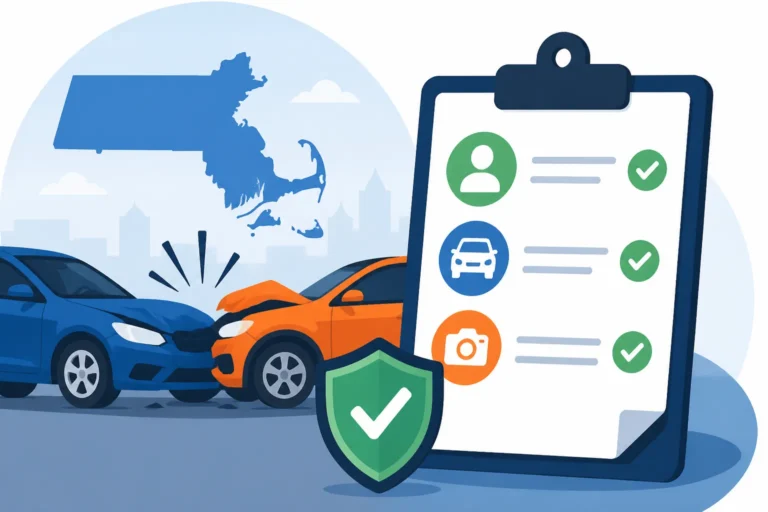
After ensuring safety and alerting emergency services if needed, gathering as much information as possible from the accident scene is crucial. This is particularly vital when dealing with an uninsured driver, as proving fault and damages falls heavily on your shoulders. Take photos and videos from multiple angles, capturing vehicle damage, road conditions, traffic signs, skid marks, and any debris. Get contact information from all parties involved, including the uninsured driver (name, address, phone number, driver's license number, license plate number, vehicle make/model). Critically, ask for their insurance information even if they claim they don't have it, as sometimes people are mistaken or attempting to evade responsibility. Additionally, speak to any witnesses, get their names and contact details, and ask them what they observed. A detailed account of what happened, supported by evidence, will be invaluable. Remember, in Maryland, determining fault is a key step, and thorough documentation helps prove the other driver's negligence.
Report the Accident to the Police
Regardless of how minor the accident seems or if the other driver is uninsured, you should always report the collision to the police. In Maryland, like many states, certain accidents require a police report, especially if there are injuries or significant property damage. Even if it's a minor fender bender, a police report provides an official, unbiased record of the incident. This report will include details about the accident, identifying information for all drivers, and often an initial determination of fault. While a police report doesn't solely determine who pays, it carries significant weight with insurance companies. If the other driver is uninsured, the police report will officially document this fact, which is essential for your uninsured motorist claim. Without it, you might face an uphill battle trying to convince your insurer of the specifics of the accident.
Understanding Maryland's Uninsured Motorist UM Coverage
Navigating the aftermath of an accident with an uninsured driver often leads to questions about how your own insurance policy can protect you. In Maryland, specific laws are in place to address these challenging situations through uninsured motorist (UM) coverage.
Mandatory UM/UIM Coverage in Maryland
Maryland is not a no-fault state, meaning the at-fault driver is generally responsible for damages. To protect drivers from those who don't carry sufficient insurance, Maryland law mandates that all auto insurance policies include Uninsured Motorist (UM) and Underinsured Motorist (UIM) coverage. This isn't an optional add-on; it's a built-in safety net designed to protect you, your passengers, and your vehicle if you're involved in an accident with a driver who either has no insurance (uninsured) or not enough insurance to cover your damages (underinsured). The minimum UM/UIM coverage amounts must match the minimum liability coverage required in Maryland: currently, that's $30,000 for bodily injury per person, $60,000 for bodily injury per accident, and $15,000 for property damage. This means your UM/UIM coverage will kick in up to these limits if the at-fault driver can't pay.
Types of Uninsured Motorist Coverage
Maryland's UM coverage typically comes in two main components:
- Uninsured Motorist Bodily Injury (UMBI): This part of your policy covers medical expenses, lost wages, and pain and suffering for you and your passengers if you are injured by an uninsured driver. For instance, if you sustain a significant neck injury or even a herniated disc after being hit by someone without insurance, your UMBI coverage would step in to cover your medical treatment, physical therapy, and any income you lost because you couldn't work. It's designed to put you in the same position you would have been in if the at-fault driver had adequate insurance. This is especially crucial because dealing with injuries can lead to massive medical bills and a long recovery.
- Uninsured Motorist Property Damage (UMPD): This covers the costs of repairing or replacing your vehicle if it's damaged by an uninsured driver. So, if your car is totaled or requires extensive repairs after a collision, your UMPD coverage would help cover these costs, usually after a deductible. It essentially acts like the uninsured driver's property damage liability coverage would have, but it's paid out by your own insurer.
It’s important to review your own policy to understand your specific limits and any deductibles that apply to these coverages. Some policies might offer higher limits than the state minimums, providing an even greater layer of protection.
How UM Coverage Protects You
Essentially, your Uninsured Motorist coverage steps into the shoes of the uninsured driver's liability policy. Instead of the uninsured driver's insurance company paying your damages, your insurance company pays you, up to your UM policy limits. This means your own insurer becomes responsible for compensating you for your medical bills, lost income, and vehicle damage, just as if the other driver had been insured.
For example, if a distracted driver runs a red light and T-bones your car, causing you serious injuries and totaling your vehicle, but they have no insurance, your UM coverage would be your primary recourse. It's a critical safety net that prevents you from being left with massive out-of-pocket expenses because of someone else's negligence and irresponsibility. Keep in mind that filing a claim with your own UM policy typically does not count against you in terms of rate increases, as it's not considered an "at-fault" claim on your part. This can be a huge relief, especially if you're already worried about your insurance rates going up after a claim.
Navigating Your Claim with an Uninsured Driver in Maryland
Once the immediate aftermath is handled and you understand your coverage, the next phase involves the actual claims process. This can feel daunting, but knowing the steps will empower you.
Filing a Claim with Your Own Insurance Company
Because Maryland mandates UM coverage, your first course of action after an accident with an uninsured driver is to file a claim with your own insurance company. You'll explain the situation, provide all the documentation you collected at the scene, and let them know the other driver was uninsured. Your insurer will then investigate the claim, much like they would if the other driver had insurance. They'll review the police report, witness statements, photos, and your medical records to assess the damages.
It’s important to notify your insurance company promptly. Many policies have specific timelines for reporting accidents. Even if you're not sure about the extent of your injuries or vehicle damage, it's better to report it early. Be prepared to provide a detailed account of the accident, including the date, time, location, and a description of what happened. This is where your thorough documentation from the accident scene becomes invaluable. Your insurer will work to verify that the other driver indeed lacks insurance or has insufficient coverage before your UM policy benefits are triggered. This process can sometimes feel like you're battling your own insurance company, but they are contractually obligated to provide this coverage under Maryland law.
Dealing with a Hit-and-Run Incident
What if the uninsured driver fled the scene? Being the victim of a hit-and-run is particularly frustrating and scary. Thankfully, Maryland's uninsured motorist coverage often extends to hit-and-run accidents where the at-fault driver cannot be identified. For your UM coverage to apply in a hit-and-run scenario, you typically must:
- Report the accident to the police immediately: This is paramount. Most policies require prompt reporting to law enforcement within a specified timeframe (e.g., 24-72 hours) to qualify for UM coverage. The police will create an official report, which your insurance company will need.
- Provide corroborating evidence: While identifying the driver is impossible, you may need to prove that actual physical contact occurred between your vehicle and the hit-and-run vehicle. This is to prevent fraudulent claims where a driver might attribute pre-existing damage to a phantom hit-and-run. Witness statements, skid marks, paint transfers, or debris at the scene can help substantiate physical contact.
Your insurance company will investigate the hit-and-run claim, looking for evidence that a collision with an unknown vehicle indeed occurred. If your claim is approved, your UMBI and UMPD coverages would apply just as if you had identified an uninsured driver. This protection is a significant relief, considering the challenges involved in a hit-and-run.
What to Expect During the Claims Process
The claims process for an uninsured motorist accident in Maryland usually mirrors a standard third-party claim, with your own insurer acting as the "third party."
- Investigation: Your insurance company will investigate the accident, including verifying the other driver's uninsured status. They may contact witnesses, review police reports, and examine vehicle damage.
- Medical Treatment and Documentation: Continue to follow your doctor's recommendations for any injuries. Keep meticulous records of all medical appointments, treatments, prescriptions, and any out-of-pocket expenses. This is vital for proving your injuries in a car accident claim. Your insurer will likely want access to your medical records to assess the extent of your injuries and determine compensation for pain and suffering.
- Settlement Negotiation: Once your medical treatment is complete or you've reached maximum medical improvement (MMI), your insurance company will review all documentation to make a settlement offer. This offer will consider your medical bills, lost wages, property damage, and potentially pain and suffering. You have the right to negotiate this settlement if you feel it's too low. This is often where having a knowledgeable advocate can be incredibly beneficial.
- Deductibles and Subrogation: Be aware that your UMPD claim for vehicle damage will likely involve a deductible, which you'll need to pay out of pocket. However, if your insurance company recovers money from the uninsured driver (through a process called subrogation), you may be reimbursed for your deductible.
The timeline for a car accident claim can vary significantly based on the complexity of the accident, the severity of injuries, and how quickly all necessary documentation can be gathered. Be prepared for a process that can take several months, particularly if injuries are involved.
| Claim Component | Uninsured Motorist Bodily Injury (UMBI) | Uninsured Motorist Property Damage (UMPD) |
|---|---|---|
| What it Covers | Medical expenses, lost wages, pain and suffering for you/passengers. | Repair or replacement costs for your damaged vehicle. |
| Who Pays | Your own insurance company. | Your own insurance company. |
| Mandatory in Maryland | Yes (matching liability limits). | Yes (matching liability limits). |
| Hit-and-Run Coverage | Yes (with police report and evidence of contact). | Yes (with police report and evidence of contact). |
| Deductible Applies? | Typically no deductible for bodily injury. | Yes, a deductible usually applies. |
| Impact on Rates | Generally no increase, as it's not considered an at-fault claim. | Generally no increase, as it's not considered an at-fault claim. |
| Goal | Compensate for personal injuries as if other driver was insured. | Compensate for vehicle damage as if other driver was insured. |
Common Challenges and Seeking Further Assistance
While your UM coverage is a lifesaver, the process isn't always smooth. You might encounter hurdles that require additional strategies and sometimes, professional help.
When Your Insurer Disputes Your Claim
Even though you're filing a claim with your own insurance company, they are still a business, and sometimes their interests might not perfectly align with yours. You might find your insurer disputing the severity of your injuries, the necessity of certain medical treatments, or the amount they're willing to pay for your pain and suffering. They might offer a lowball insurance offer that doesn't fully cover your losses. If your insurance company denies your claim outright or offers a settlement that you believe is unfair, you have options.
This is a common frustration for many people, especially when they're already dealing with physical pain and financial strain. It can feel like a betrayal, given you've been paying them premiums for years. They might argue that your injuries were pre-existing conditions or that you delayed seeking treatment too long, making it harder to link your symptoms directly to the accident. In these situations, having robust medical documentation, witness statements, and a detailed police report is crucial. You might need to appeal a denied car accident claim, providing additional evidence or clarification.
The Role of a Car Accident Lawyer
This is where a car accident lawyer can be an invaluable asset. While you might be able to handle a straightforward claim on your own, when an uninsured driver is involved, or if your own insurance company is being difficult, the complexities can quickly become overwhelming. A lawyer specializing in personal injury and car accidents can help you in several ways:
- Expert Navigation: They understand Maryland's specific laws regarding uninsured motorist claims and insurance policies. They know the tactics insurance companies use and how to counter them.
- Evidence Gathering: A lawyer can help gather additional evidence, interview witnesses, work with accident reconstructionists, and obtain expert medical opinions to strengthen your case.
- Negotiation: They can negotiate directly with your insurance company on your behalf, ensuring you receive a fair settlement that fully compensates you for all your damages, including medical bills, lost wages, property damage, and pain and suffering. They are skilled at negotiating a car accident settlement and can explain how much your car accident settlement is worth.
- Litigation (if necessary): If negotiations fail, a lawyer can represent you in court, though most cases settle before trial.
- Maximizing Recovery: A lawyer's expertise can often lead to a significantly higher settlement than you might achieve on your own, even after accounting for their fees. They can also help you understand how comparative fault reduces your settlement if there's any dispute about your own role in the accident.
While the thought of hiring an attorney might seem intimidating, many car accident lawyers work on a contingency fee basis, meaning you don't pay anything upfront, and they only get paid if they win your case. This makes legal representation accessible when you need it most.
Understanding Subrogation and Deductibles
When you make a UMPD claim for damage to your vehicle, you'll typically have to pay a deductible. This amount is usually outlined in your policy, often between $100 and $500. This might seem unfair, as you're not at fault, but it's part of how insurance policies are structured. However, your insurance company has a right called "subrogation." This means they can pursue the uninsured at-fault driver to recover the money they paid out for your damages, including your deductible.
If your insurance company successfully recovers funds from the uninsured driver, you will usually be reimbursed for your deductible. This process can take time, as tracking down and collecting from an uninsured driver can be challenging. Sometimes, the uninsured driver may not have any assets or income from which to collect, making subrogation difficult or impossible. Your attorney can also advise you on whether pursuing the uninsured driver directly through a personal lawsuit is a viable option to recover your deductible and any damages not fully covered by your UM policy. This dual approach of working with your insurer and potentially pursuing the at-fault driver individually offers the most comprehensive path to recovery when dealing with the complexities of an uninsured driver in Maryland.
Disclaimer
Please note that this article provides general information and guidance regarding car accident claims involving uninsured drivers in Maryland. It is not intended as legal advice. Laws and insurance policies can be complex and are subject to change. For personalized advice regarding your specific situation, it is always recommended to consult with a qualified legal professional or your insurance provider.