Should You Accept the First Settlement Offer?
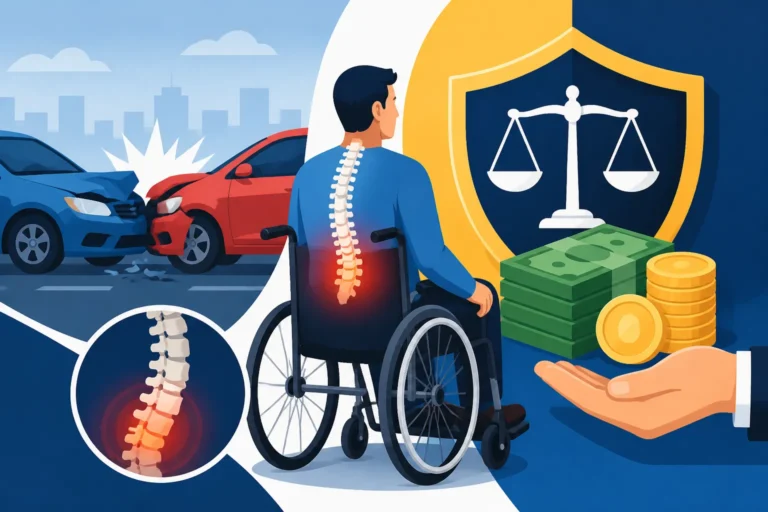
You've just been in a car accident, and while you're still reeling from the shock, the phone rings: it's the insurance company, and they're offering you a settlement. It feels like a lifeline, a quick fix to make the whole mess disappear, and the urge to just say "yes" and move on is incredibly strong. But hitting that "accept" button too soon can leave you regretting it for years, potentially costing you thousands in future medical bills and lost income. This comprehensive guide will walk you through the complexities of that first settlement offer, helping you understand why it's usually not in your best interest to accept it, and what you should do instead to protect your future.
The Immediate Aftermath and the Temptation of a Quick Offer
The moments, days, and even weeks following a car accident are often chaotic, stressful, and emotionally draining. You're dealing with vehicle repairs, potential injuries, missed work, and the general disruption to your daily life. It's completely natural to want to resolve everything as quickly as possible and put the incident behind you. This desire for swift resolution is something insurance companies are very much aware of, and they often capitalize on it.
Why Insurance Companies Offer Quick Settlements
Let's be real: insurance companies are businesses, and like any business, their primary goal is to minimize their payouts to protect their bottom line. When they reach out to you with an offer almost immediately after an accident, it’s not out of pure generosity. They're making a calculated move.
They know you're likely feeling vulnerable, possibly in pain, and perhaps overwhelmed by medical appointments and car repair estimates. A quick offer, even if it's modest, can seem incredibly appealing in this state. Their hope is that you'll accept it before you've had a chance to fully assess the extent of your injuries, gather all your medical bills, or even consider the long-term impact the accident might have on your life. They want to close the claim quickly and for as little money as possible, before you understand the full value of your claim or consult with a legal professional.
The Psychology Behind Accepting Early Offers
Imagine being a new parent, sleep-deprived and juggling a thousand new responsibilities, when suddenly your car is totaled. The insurance company calls, offers what seems like a decent sum for your car and a little extra for your minor scrapes, and you just want to get a new family vehicle and focus on your baby. This is exactly the kind of scenario where the psychological pressure to accept an early offer is immense.
The stress of an accident can lead to cognitive biases. We tend to favor immediate gratification over uncertain future gains. The "bird in the hand" phenomenon suggests that a guaranteed, smaller sum now feels more valuable than a potentially larger sum later, especially if that larger sum involves more effort, paperwork, or uncertainty. Fear of the unknown, anxiety about medical bills piling up, and the simple desire for closure can all push someone towards accepting the first offer, even if deep down they suspect it might not be enough. It’s a completely understandable human reaction to a difficult situation.
Initial Losses vs. Long-Term Impact
When that first offer comes in, it often covers only the most apparent, immediate losses: the visible damage to your car, maybe an initial emergency room visit, and a few days of missed work. What it rarely accounts for is the full scope of your damages, particularly when it comes to personal injuries.
Consider a scenario where you experience what seems like a minor fender bender. You have some neck stiffness, but figure it's just whiplash that will resolve in a week or two. The insurance company offers you $1,500. You accept. A month later, that "minor stiffness" has turned into chronic neck pain radiating down your arm, requiring weeks of physical therapy, MRI scans, and potentially even specialist consultations. Now, those medical bills are skyrocketing, you're missing more work, and you've already signed away your right to seek further compensation. The initial offer, which seemed adequate for your perceived initial losses, pales in comparison to the true long-term impact on your health, finances, and quality of life. This is why understanding the true value of your claim is crucial.
Understanding the Components of a Settlement Offer
Before you can even think about whether to accept a settlement offer, you need to understand what that offer is actually supposed to cover. It’s not just a lump sum; it’s typically composed of different categories of damages, all stemming from the impact of the accident. Knowing these components helps you evaluate if the offer is truly comprehensive.
Economic Damages: The Tangible Costs
Economic damages are the easiest to quantify because they come with receipts, bills, and pay stubs. These are your actual, out-of-pocket losses that have a clear monetary value. Think of them as the direct hit to your bank account because of the accident.
This category includes things like:
- Medical Expenses: This is huge. It covers everything from your ambulance ride and emergency room visit to follow-up doctor appointments, diagnostic tests (like X-rays or MRIs), physical therapy, prescription medications, and even future medical treatments or surgeries that might be necessary. It's not just what you've paid so far, but what you will pay.
- Lost Wages: If your injuries prevented you from working, or forced you to take time off, you're entitled to compensation for that lost income. This also includes lost commissions, bonuses, and even sick or vacation time you had to use. If your injury affects your ability to work in the future, that falls under "lost earning capacity," which is a distinct, often larger, claim.
- Property Damage: This covers the cost to repair or replace your vehicle. If your car is declared a total loss, the insurance company should compensate you for its actual cash value (ACV) before the accident. It can also include damage to personal items inside your car, like a laptop or expensive car seat. You can learn more about how insurance companies calculate total loss (ACV) here.
- Other Out-of-Pocket Expenses: Don't forget the smaller costs that add up. This could be rental car fees while your vehicle is being repaired, transportation costs to and from medical appointments, household services you had to hire because you couldn't perform them yourself (like cleaning or yard work), or even modifications to your home if your injuries are severe.
Non-Economic Damages: The Intangible Toll
While economic damages are straightforward to calculate, non-economic damages are much more subjective. These are the intangible losses that significantly impact your quality of life but don't come with a bill. They represent the human cost of the accident.
This is where the concept of "pain and suffering" comes into play. It encompasses:
- Physical Pain and Suffering: This is the actual physical discomfort you endure, from acute pain immediately after the accident to chronic pain that might linger for months or years. It also includes discomfort from medical procedures, recovery, and rehabilitation.
- Emotional Distress: Accidents are traumatic. Many people experience anxiety, fear, depression, PTSD, or even just general emotional upheaval after a crash. This can disrupt sleep, relationships, and overall mental well-being.
- Loss of Enjoyment of Life: If your injuries prevent you from participating in activities you once loved – whether it's playing with your kids, jogging, gardening, or even just comfortably driving your car – that's a significant loss that deserves compensation.
- Disfigurement or Impairment: If the accident left you with permanent scarring, disfigurement, or a long-term physical impairment, these are profound non-economic damages.
Calculating these can be complex, often involving a "multiplier" method or a "per diem" method to translate the subjective experience into a monetary value. You can read more about how pain and suffering is calculated here. Understanding the distinction between economic vs non-economic damages explained is crucial for a complete claim.
The Role of Property Damage in the Offer
Often, the first offer you receive focuses heavily, if not exclusively, on your property damage. This is deliberate. Property damage is usually easier to assess and settle quickly. The adjuster might get an estimate for your car repairs, add a small token for your "inconvenience," and present it as a complete offer.
However, accepting a property damage settlement too early, especially if it doesn't explicitly separate out the personal injury claim, can be a major pitfall. Sometimes, the language in the release form you sign can inadvertently waive your right to pursue further claims, including those for bodily injury. Always ensure that any property damage settlement explicitly states that it is only for property damage and does not affect your ability to pursue a personal injury claim if you are still experiencing symptoms or undergoing treatment. Your focus shouldn't just be on getting your car fixed, but on ensuring your physical recovery is fully accounted for.
Common Reasons to Decline the First Offer
Receiving that first settlement offer can feel like a light at the end of a very dark tunnel. It's an affirmation that the insurance company acknowledges their insured's responsibility, and it offers a promise of financial relief. But as tempting as it is to accept, there are very compelling reasons why you should almost always decline it.
Undiscovered or Underestimated Injuries
This is perhaps the most critical reason not to rush into an early settlement. Many significant injuries don't manifest immediately after an accident. You might feel a bit sore or stiff initially, attributing it to the trauma of the crash. However, conditions like whiplash, herniated discs, concussions, or even internal injuries can have delayed symptoms after a car accident. What feels like a minor headache on day one could evolve into a debilitating concussion or even a traumatic brain injury weeks later.
Imagine Sarah, who was rear-ended at a stoplight. She felt fine, just a little shaken, and her car had minimal damage. The other driver's insurance called the next day with a small offer to cover a minor ding and $500 for "personal inconvenience." Sarah, thinking she was fine, almost accepted. A week later, she started experiencing severe headaches, dizziness, and couldn't concentrate at work. A visit to her doctor confirmed a concussion, requiring weeks of rest and specialized therapy. If she had accepted that initial offer, she would have had no recourse to cover her mounting medical bills and lost income. You simply cannot know the full extent of your injuries until you've received a comprehensive medical evaluation and had time for symptoms to develop.
Incomplete Medical Treatment and Future Costs
Even if your injuries are apparent, the initial offer often comes long before your medical treatment is complete. Insurance companies will base their initial offer on the medical bills they have at that moment, which might only include an emergency room visit or a couple of chiropractic sessions. They won't account for ongoing physical therapy, specialist consultations, potential surgeries, long-term pain management, or even adaptive equipment you might need down the road.
Let's say Mark suffered a knee injury in a car accident. The insurance company offered him $8,000 for his initial doctor visits and physical therapy. Mark was still in pain but considered the offer. After consulting with his orthopedist, it became clear he would need arthroscopic surgery, followed by several months of intensive rehabilitation. The total cost of this treatment, plus his time off work, would be closer to $30,000. If Mark had accepted the initial offer, he would have been left with a massive financial burden. Until your doctor can give you a clear prognosis and you've reached Maximum Medical Improvement (MMI), it's impossible to know the true cost of your care, including future medical expenses.
The "Lowball" Tactic
It's an unfortunate truth that initial offers from insurance companies are often "lowball" offers. They start at the lower end of what they might eventually pay, hoping you'll jump at the first number they throw out. It's a negotiation tactic, pure and simple. They're testing the waters to see how informed or desperate you are.
Think of it like selling your house. You wouldn't accept the first offer, especially if it's below market value, without doing your research, showcasing your property's best features, and understanding its true worth. Your car accident claim is no different. The insurance company's job is to protect their financial interests, not yours. They're not going to volunteer the highest amount they could possibly pay. Accepting a lowball offer means you're leaving money on the table – money that is rightfully yours to cover your damages. Learning how to negotiate a car accident settlement is a skill, and it starts with not accepting the first number.
How Insurance Companies Calculate Initial Offers
It might seem like the insurance company pulls a number out of thin air when they make that first offer, but rest assured, there's a method to their madness. It's a systematic approach designed to achieve their objective: resolving your claim for the lowest possible cost. Understanding their process can empower you to challenge their figures.
Internal Formulas and Algorithms
Insurance companies don't just guess what your claim is worth. They use sophisticated internal software, formulas, and algorithms to estimate the value of claims. These systems input data points like the type of injury, the amount of medical bills incurred so far, property damage costs, and even historical settlement data for similar cases in your geographic area. For example, a minor rear-end collision in Sacramento, California, with documented whiplash might trigger a specific range in their system.
These formulas are designed to be conservative. They'll often assign a lower value to certain types of injuries, particularly soft tissue injuries, which can be harder to objectively prove compared to a broken bone that shows up clearly on an X-ray. The initial offer is often generated by these systems, reflecting the bare minimum the company believes they might have to pay, assuming you haven't yet amassed extensive medical documentation or hired an attorney. They are trying to quickly resolve the claim before your medical records become too extensive.
Minimizing Their Payout
Every dollar paid out on a claim is a dollar less in profit for the insurance company. This fundamental business principle drives their strategy. Their adjusters are trained to look for ways to minimize the payout, not maximize your compensation.
This often involves:
- Questioning Necessity: They might question whether certain medical treatments were truly necessary or whether the cost was reasonable.
- Blaming Pre-Existing Conditions: If you had a prior injury or medical condition, they might try to argue that your current pain is due to that pre-existing condition, not the accident. You can learn more about pre-existing conditions and car accident claims here.
- Disputing Causation: They might suggest that your injuries weren't directly caused by the accident but by something else.
- Delaying Tactics: Sometimes, delays in the claims process can wear down claimants, making them more likely to accept a lower offer out of sheer frustration. What to do if your claim is taking too long is a common concern.
Their goal is to find any factor that could reduce the perceived value of your claim, thus justifying a lower settlement offer. This isn't personal; it's just how the business operates.
Adjuster Strategies and Tactics
Insurance adjusters are professionals trained in negotiation and claims management. They are often empathetic and appear helpful, but remember, their loyalty is to their employer. Some common tactics they use include:
- Building Rapport: They might call frequently, ask how you're doing, and express concern. This is often to build trust and make you feel comfortable sharing information that could later be used against your claim.
- Requesting Recorded Statements: They might ask you for a recorded statement about the accident. While you have a contractual obligation to cooperate with your own insurance company, you are generally not obligated to give a recorded statement to the at-fault driver's insurance company. These statements can be incredibly risky, as anything you say can be misinterpreted or used to undervalue your claim. Should you talk to a lawyer before the insurance company? Often, yes.
- Suggesting You Don't Need a Lawyer: They might imply that hiring a lawyer will just complicate things or eat into your settlement, even though lawyers often help clients secure significantly higher compensation. Do you need a lawyer for a car accident? It depends on the specifics, but for anything beyond minor property damage, it's a strong consideration.
- The "Final Offer" Bluff: Sometimes, an initial offer will be presented as "our best and final offer," even when it isn't. This is designed to pressure you into accepting without further negotiation.
Being aware of these tactics isn't about distrusting every adjuster; it's about being informed and protecting your own interests in a system that isn't inherently designed to protect you.
Steps to Take Before Considering Any Offer
So, you've received that initial settlement offer. What now? The most important thing is to resist the urge to react immediately. There are crucial steps you need to take before you even begin to consider whether any offer, first or otherwise, is fair. These steps are about building the strongest possible case for yourself.
Document Everything Thoroughly
Comprehensive documentation is the bedrock of a strong car accident claim. Without it, your word against theirs means little, and the insurance company will have an easy time minimizing your damages.
Right from the scene of the accident, start documenting. Take photos of:
- Vehicle Damage: Both your car and the other vehicle, from multiple angles, close-ups and wide shots.
- Accident Scene: Skid marks, road conditions, traffic signs, debris, and the overall environment.
- Injuries: Any visible scrapes, bruises, cuts on yourself or passengers.
- License Plates and Insurance Cards: Get clear pictures of these.
Beyond the immediate scene, maintain meticulous records of everything related to the accident and your recovery:
- Medical Records: Keep every single bill, receipt, diagnosis, treatment plan, and prescription. This includes ambulance bills, ER visits, doctor co-pays, physical therapy invoices, and receipts for medications or medical devices. These prove your injuries and the costs associated with them.
- Lost Wages Documentation: Get a letter from your employer confirming missed workdays and your average earnings. If you're self-employed, gather tax returns and invoices that show your income reduction.
- Communication Log: Keep a detailed log of every phone call, email, or letter with insurance adjusters, doctors, or anyone else involved. Note the date, time, who you spoke with, and a summary of the conversation.
- Personal Journal: Keep a journal detailing your daily pain levels, emotional distress, limitations, and how your injuries are impacting your daily life. This helps document pain and suffering and loss of enjoyment.
The more detailed your documentation, the harder it is for an insurance company to dispute your claim. For a complete guide, refer to What to Do After a Car Accident: Step-by-Step (2026).
Seek Comprehensive Medical Evaluation
Even if you feel "fine" or your injuries seem minor, it is absolutely essential to seek medical attention immediately after an accident. Many serious injuries, as mentioned, have delayed symptoms. Waiting too long can not only worsen your condition but also create a gap in medical treatment that the insurance company can exploit. They might argue that your injuries weren't caused by the accident, but by something that happened in the interim.
Your medical evaluation should be comprehensive:
- ER Visit (if necessary): If you feel any significant pain or disorientation at the scene, go to the emergency room or urgent care right away.
- Primary Care Physician: Follow up with your family doctor who can provide a general diagnosis and refer you to specialists if needed.
- Specialists: Don't hesitate to see orthopedic doctors, neurologists, physical therapists, chiropractors, or mental health professionals if recommended. Your recovery is paramount.
- Follow Treatment Plans: Diligently follow all medical advice, attend all appointments, and complete all prescribed therapies. Skipping appointments or failing to follow recommendations can significantly harm your claim.
A thorough medical record not only supports your injury claim but also guides your recovery. Common car accident injuries: complete guide (2026) provides an overview of what to look out for.
Understand Your State's Laws and Your Rights
Car accident laws vary significantly from state to state. What applies in California might be very different from what applies in Texas or Florida. Understanding the specific laws in your state is crucial for protecting your rights.
Key legal aspects to research include:
- Fault Systems: Is your state a "fault" or "no-fault" state? In no-fault states, you typically file a claim with your own insurance company for medical expenses, regardless of who caused the accident. In fault states, the at-fault driver's insurance is responsible. What is a no-fault state? (And Which States Are No-Fault) can explain this further.
- Comparative vs. Contributory Negligence: What happens if you are partially at fault for the accident? Some states, like Maryland, use contributory negligence (meaning even 1% fault can bar recovery), while most use some form of comparative negligence, which reduces your compensation based on your percentage of fault. Pure comparative negligence states explained, and Modified comparative negligence (50% vs 51% bar) are good resources.
- Statute of Limitations: This is the deadline for filing a personal injury lawsuit. It varies by state and is critical to know. Missing this deadline means you forfeit your right to sue, and the insurance company will no longer have an incentive to settle. How long do you have to sue after a car accident? This is a key question.
- Insurance Minimums: Understand the minimum liability coverage required in your state. This affects the maximum an at-fault driver's insurance can pay.
While you don't need to become a legal expert overnight, a basic understanding of these concepts will prevent you from being easily swayed or misled by insurance adjusters. If you feel out of your depth, it’s a strong sign that you might need to consult with a legal professional.
The Negotiation Process: How to Counter an Offer
So, you've done your due diligence: you've thoroughly documented everything, sought comprehensive medical care, and have a grasp of your state's laws. Now you're in a position to confidently decline that first offer and begin the negotiation process. This isn't about being aggressive; it's about being prepared, persistent, and persuasive.
Building Your Demand Package
Before you can even think about countering an offer, you need to compile a comprehensive demand package. This is essentially your formal presentation to the insurance company, detailing all your damages and explaining why you are entitled to a specific, higher amount of compensation. It's your side of the story, backed by concrete evidence.
A robust demand package typically includes:
- A Detailed Demand Letter: This is the centerpiece. It clearly outlines the facts of the accident, establishes the other driver's fault, describes your injuries, details your medical treatment, lists all your economic damages (medical bills, lost wages, property damage), and provides a justification for your non-economic damages (pain and suffering). It concludes with a specific demand for settlement. What is a demand letter (and how to write one)? This guide can help you craft it effectively.
- Supporting Documentation: Attach all the evidence you've meticulously collected:
- Copies of all medical records and bills.
- Proof of lost wages (employer letters, pay stubs).
- Repair estimates or total loss valuation for your vehicle.
- Photographs from the accident scene and of your injuries.
- Police report.
- Witness statements, if any.
- Your personal pain journal.
- Summary of Damages: A clear, itemized list of all your damages, categorized as economic and non-economic, with a total sum. This makes it easy for the adjuster to see exactly what you're claiming and why.
This package isn't just about presenting numbers; it's about painting a complete picture of how the accident has impacted your life. It demonstrates that you've done your homework and understand the full value of your claim.
Strategies for Effective Negotiation
Negotiating a car accident settlement can feel intimidating, but with the right approach, you can achieve a much better outcome than accepting the first offer. It's a back-and-forth process, so be prepared for some pushback.
Here are some strategies to keep in mind:
- Start Higher Than Your Target: Your initial demand should be higher than the lowest amount you'd be willing to accept. This gives you room to negotiate downwards without going below your bottom line. Insurance companies expect you to negotiate, and they rarely accept the first demand.
- Justify Your Demands: Every number you present should be backed by evidence from your demand package. If the adjuster challenges a cost, explain why it's necessary and refer to the supporting documentation. For example, "My physical therapy bills total $X, as you can see from the attached invoices. My doctor prescribed this treatment for my [specific injury]."
- Be Patient and Persistent: Negotiations can take time. Don't feel pressured to make a quick decision or accept a revised offer just because you're tired of the process. Keep detailed notes of all conversations.
- Focus on Facts, Not Emotion: While the accident was likely emotional, keep your negotiations professional and factual. Stick to the evidence.
- Don't Settle Too Soon: Remember the reasons you're negotiating in the first place: your injuries might be more severe than initially thought, your treatment might be ongoing, and the first offer was likely a lowball. Your goal is to secure a settlement that fully compensates you for all your damages. How long does a car accident settlement take? It varies, but patience often pays off.
When to Bring in Legal Representation
While it's possible to negotiate a settlement on your own, there are definite points at which hiring a car accident lawyer becomes not just helpful, but almost essential. If you're feeling overwhelmed, if the insurance company is being uncooperative, or if your injuries are serious, a lawyer can be your strongest advocate.
Consider bringing in an attorney if:
- Serious Injuries: If you've suffered severe injuries like broken bones, concussions, spinal cord damage, or any injury requiring surgery or long-term care, the complexity and value of your claim will be significantly higher, and a lawyer is almost certainly needed. These types of injuries can result in settlements that require an understanding of how car accident settlements are calculated for pain and suffering and future medical costs.
- Disputed Fault: If the insurance company is trying to place blame on you, or if there's any dispute over who is at fault, a lawyer can gather evidence to prove the other driver's negligence. How fault is determined in a car accident can be a complex process.
- Lowball Offers or Stalling Tactics: If you've submitted a strong demand package and the insurance company is still offering a ridiculously low amount, or if they're engaging in delaying tactics, a lawyer can put pressure on them and escalate the negotiation.
- Multiple Parties Involved: If there are multiple vehicles or injured parties, the claim can become much more complex, requiring legal expertise to navigate.
- Your Policy is Complex: If you're dealing with uninsured motorist coverage, underinsured motorist coverage, or other complex policy issues, a lawyer can help interpret the fine print.
- You're Uncomfortable Negotiating: If the thought of going head-to-head with a professional adjuster fills you with dread, a lawyer can take that burden off your shoulders.
A lawyer understands the intricacies of the legal system, knows how to value claims accurately, and isn't afraid to go to court if necessary. While lawyers do take a percentage of your settlement (often on a contingency fee basis, meaning they only get paid if you win), their expertise often leads to a significantly higher overall payout, even after fees. Do you need a lawyer for a car accident? For serious injuries, the answer is almost always yes.
What Happens If You Don't Settle Immediately
Declining the first settlement offer and engaging in negotiations is a common and often necessary step. But what does that process actually look like? It's not a single conversation; it's a dynamic period that can range from a few weeks to several months, depending on the complexity of your case and the willingness of both parties to compromise.
Potential for Higher Compensation
The most obvious benefit of not settling immediately is the potential to secure significantly higher compensation. Remember, the first offer is rarely the best offer. By allowing time for your injuries to fully manifest, for medical treatment to conclude, and for a comprehensive demand package to be assembled, you're building a stronger case for a larger payout.
Consider the example of Maria, who suffered a seemingly minor back strain in a collision. The initial offer from the insurance company was $2,000. Maria, on her lawyer's advice, declined. Over the next six months, her back pain worsened, leading to an MRI that revealed a herniated disc requiring ongoing physical therapy and medication. Her medical bills and lost wages climbed to $15,000, not to mention her considerable pain and suffering. After her attorney submitted a detailed demand letter, backed by all medical documentation, the insurance company eventually offered $35,000 to settle. This stark difference illustrates how understanding your true damages and holding out for a fair offer can dramatically impact your final settlement amount. Many factors affect your settlement amount, and time to assess damages is one of the biggest.
The Time Factor and Statute of Limitations
While patience is a virtue in negotiations, it's not unlimited. Every state has a "statute of limitations," which is a legal deadline for filing a lawsuit after an injury. This period varies, typically ranging from one to three years for personal injury claims, but it can be shorter for certain types of claims or against government entities. If you miss this deadline, you generally lose your right to pursue compensation, no matter how strong your case.
This is a critical consideration. While you want to take your time to fully understand your injuries and treatment, you cannot afford to delay indefinitely. Your lawyer will keep a close eye on this deadline, ensuring that negotiations are either successfully concluded or a lawsuit is filed before time runs out. The car accident claim timeline: what to expect, outlines these important dates. It's a delicate balance: don't rush, but don't dawdle beyond the legal limits.
Preparing for a Potential Lawsuit
Most car accident claims (over 95%) settle out of court. However, if negotiations reach an impasse – meaning the insurance company refuses to offer a fair settlement, and you're unwilling to accept their low offer – your next step might be to file a personal injury lawsuit. This doesn't necessarily mean you'll go to trial; often, the act of filing a lawsuit pushes insurance companies to take the claim more seriously and offer a more reasonable settlement to avoid the costs and risks of litigation.
If a lawsuit becomes necessary:
- Filing the Complaint: Your attorney will file a formal complaint with the court, initiating the legal process.
- Discovery Phase: Both sides exchange information, including witness lists, evidence, and interrogatories (written questions). Depositions (sworn testimonies taken outside of court) may also occur. This is where your meticulous documentation truly pays off.
- Mediation/Arbitration: Before a trial, many courts require or encourage alternative dispute resolution methods like mediation (a neutral third party helps facilitate a settlement) or arbitration (a neutral third party makes a binding or non-binding decision).
- Trial: If all else fails, the case proceeds to trial, where a judge or jury hears the evidence and determines fault and damages. This is a lengthy and expensive process, which is why both parties usually try to avoid it.
Understanding how a car accident lawsuit works (if you don't settle) can help manage expectations. While the prospect of a lawsuit can be daunting, having an experienced attorney by your side can make the process manageable and ensure your rights are protected every step of the way.
Making an Informed Decision
Ultimately, the decision to accept or reject a settlement offer is yours. No one can force you to take a specific path. However, by arming yourself with knowledge and understanding the complexities involved, you can move from a place of uncertainty to one of confidence, ensuring your decision is truly informed and serves your best interests in the long run.
Weighing the Pros and Cons
Before saying yes to any offer, take a moment to weigh the advantages and disadvantages. This isn't just about the dollar amount; it's about your peace of mind, your recovery, and your future.
Pros of Accepting an Early Offer (or any reasonable offer):
- Quick Resolution: You get money faster, which can be helpful if you have immediate financial needs like car repairs or initial medical bills.
- Reduced Stress: The claim process can be long and stressful. Accepting an offer provides closure and allows you to move on.
- Guaranteed Payout: A bird in the hand, as they say. You avoid the uncertainty of negotiation or litigation, where the outcome is never 100% guaranteed.
Cons of Accepting an Early Offer (especially the first one):
- Undervaluation of Claim: The offer is almost certainly less than the true value of your claim, especially if your injuries are still developing or your treatment isn't complete.
- Waiving Future Rights: Once you sign a settlement release, you typically give up your right to seek additional compensation for that accident, even if new injuries or complications arise later.
- Lack of Full Information: You likely haven't had enough time to gather all medical records, calculate lost wages accurately, or understand the full extent of your pain and suffering.
- Missed Opportunity for Negotiation: You bypass the chance to advocate for yourself and potentially secure a much higher, more equitable settlement.
The key is to not mistake a swift resolution for a fair resolution. A truly fair settlement addresses all your damages, present and future.
Consulting with Experts
You don't have to navigate the post-accident world alone. In fact, relying on experts is one of the smartest moves you can make.
- Medical Professionals: Your doctors are your primary resource for understanding your injuries, prognosis, and future medical needs. Their reports and testimonies are invaluable evidence for your claim. Ensure you follow their advice and keep all medical records.
- Financial Advisors: If you have significant lost wages or long-term disability, a financial expert can help calculate the true economic impact of the accident, including lost earning capacity and future medical expenses.
- Car Accident Attorneys: This is perhaps the most crucial consultation. A qualified car accident lawyer can provide an objective assessment of your claim's worth, handle all communications with the insurance company, gather evidence, negotiate on your behalf, and represent you in court if necessary. They know the tactics insurance companies use and how to counter them. They can also provide a realistic estimate of how much is my car accident settlement worth? (2026). Remember, a free consultation can offer immense clarity without any obligation.
Don't let the fear of legal fees deter you; most personal injury lawyers work on a contingency basis, meaning they only get paid if you win your case.
Trusting Your Gut, Armed with Knowledge
After all the research, documentation, consultations, and negotiations, there will come a point when you face a settlement offer that you need to decide on. At this stage, you've done everything you can to arm yourself with knowledge. You understand the components of the offer, the full extent of your damages, and the negotiation process.
While it's important to trust the advice of your experts, also listen to your gut feeling. Does the offer feel right? Does it genuinely compensate you for everything you've been through and everything you anticipate in the future? If you still feel like you're being shortchanged, or if you have lingering doubts about your long-term recovery, it might be a sign to push a little harder or explore further options, like mediation or preparing for a lawsuit. Your well-being and financial security are too important to compromise.
No one expects you to be an expert in car accident claims overnight. It's a complex, often frustrating process designed to challenge you. But by being prepared, patient, and partnering with the right professionals, you can confidently decline that initial lowball offer and pursue the full, fair compensation you deserve.
Disclaimer
Please remember that this article provides general informational guidance and not legal advice. Every car accident claim is unique, and the information provided here may not apply to your specific situation. Laws regarding car accident claims, negligence, and compensation vary significantly by state. It is highly recommended to consult with a qualified personal injury attorney in your jurisdiction to discuss the specifics of your case and receive tailored legal advice.