Average Settlement for a Left-Turn Accident
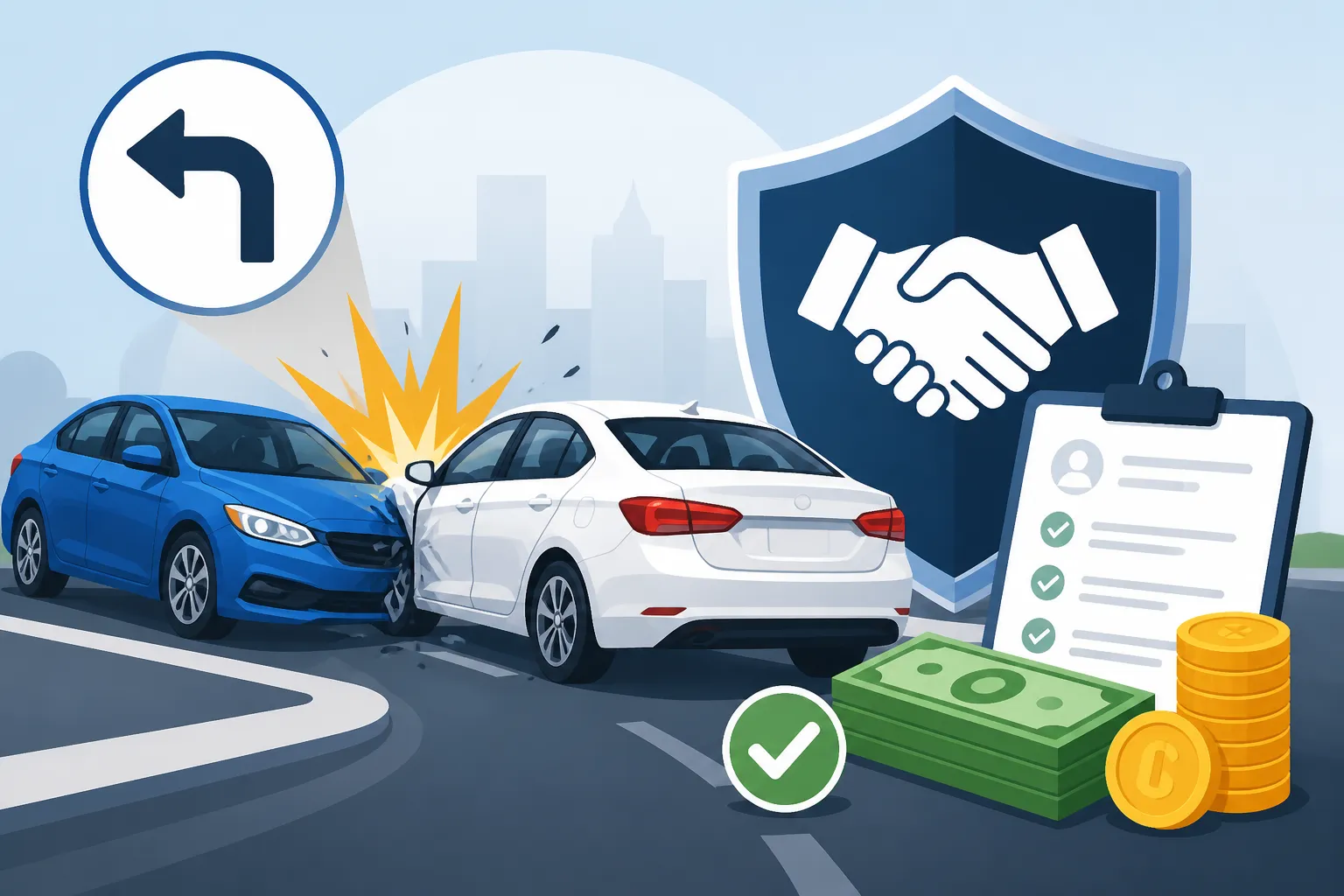
Getting into a car accident, especially a left-turn collision, can feel like a sudden, chaotic blur. You're left with a crumpled vehicle, potential injuries, and the overwhelming question of "What now?" One of the biggest anxieties is trying to understand what kind of financial recovery you can expect. This guide aims to cut through the confusion and give you a realistic overview of the factors that influence the average settlement for a left-turn accident.
Understanding Left-Turn Accidents and Fault
Left-turn accidents are a notoriously complex area in car accident claims, often leaving drivers stressed and confused about who truly bears the responsibility. The chaos of the moment, conflicting accounts, and the specific dynamics of a turning vehicle can make determining fault feel like a riddle. It's not uncommon for both drivers to feel they were in the right, leading to disputes with insurance companies.
Why Left Turns Are Tricky for Determining Fault
When two vehicles collide, the immediate instinct is often to assign blame quickly. However, with left-turn accidents, this isn't always as straightforward as it seems. Imagine a busy intersection in downtown Los Angeles: one driver is trying to make a left turn, while another is proceeding straight through. Suddenly, there's a crash. Who's at fault? While many might assume the turning driver is always to blame, the reality involves a closer look at traffic signals, speed, and other contributing factors.
The dynamic nature of a left turn means that drivers must make judgments about oncoming traffic, pedestrian crossing, and signal changes. A moment of miscalculation, a slight acceleration by an oncoming vehicle, or even a driver running a stale yellow light can completely change the fault picture. These nuanced situations are why understanding the specifics of Left-Turn Accident Fault Rules is so crucial. It’s not just about who was turning, but how the turn was executed and what the other driver was doing simultaneously. This complexity can be incredibly frustrating for those involved, as the common presumption of fault isn't always the full story.
Common Scenarios and Presumed Fault
In most jurisdictions, there's a general legal presumption that the driver making a left turn is at fault if they collide with an oncoming vehicle that is proceeding straight through an intersection. This is because the turning driver has a duty to yield the right-of-way to straight-through traffic. This rule is a cornerstone of traffic law, intended to keep traffic flowing safely and predictably.
However, this presumption isn't absolute, and there are several common scenarios where the straight-through driver might share some, or even all, of the fault:
- Speeding by the Oncoming Driver: If the vehicle going straight was traveling significantly above the posted speed limit, they might have made it impossible for the turning driver to complete their turn safely, even if the turning driver had initially estimated a safe gap.
- Running a Red Light: If the oncoming driver ran a red light, then the turning driver, even if making an unprotected left, would not be at fault because the oncoming driver had no right-of-way. Evidence like witness statements or traffic camera footage would be vital here.
- Protected Left Turns: If the turning driver had a green arrow, indicating a protected left turn, and the oncoming driver proceeded through a red light, the oncoming driver is clearly at fault.
- Improper Lane Usage: Sometimes, an oncoming driver might suddenly change lanes or be in a lane not intended for straight-through traffic, contributing to the collision.
For instance, consider a situation in Phoenix, Arizona, where a driver attempts a left turn on a solid green light, believing they have enough time. An oncoming driver, perhaps distracted or speeding, fails to slow down or even accelerates through a yellow light that's about to turn red. In such a case, the fault could be split, or even predominantly shifted to the straight-through driver. Understanding How Fault Is Determined in a Car Accident involves a thorough investigation of all these factors, often requiring police reports, witness testimonies, and sometimes accident reconstruction. Without a deep dive into the specifics, it's very difficult to pinpoint a single party as 100% responsible.
Factors Influencing Left-Turn Accident Settlements
When you've been in a left-turn accident, one of the first things you're likely wondering is, "How much is my claim actually worth?" It's a natural question, especially when facing medical bills and car repair costs. The truth is, there isn't a single "average settlement" figure that applies to all left-turn accidents. Instead, a complex array of factors comes into play, creating a wide range of potential outcomes. These factors directly impact the monetary value of your claim, making each case truly unique.
Severity of Injuries
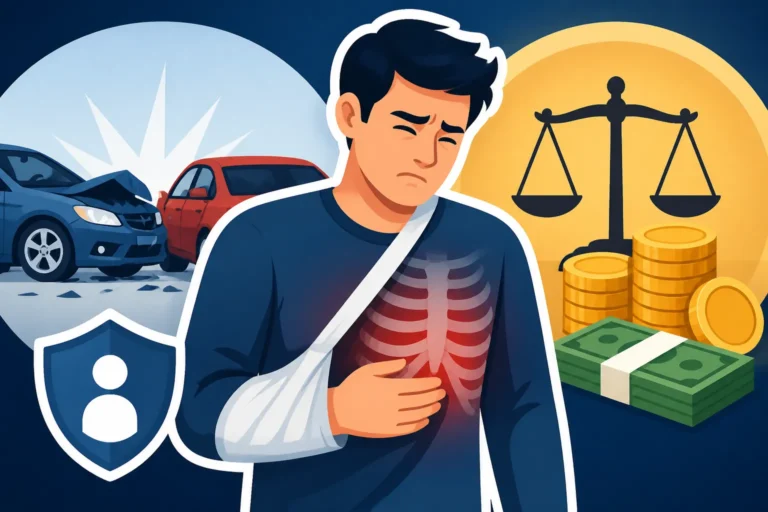
The nature and severity of the injuries sustained are, without a doubt, the most significant drivers of a car accident settlement value. A minor fender bender with no injuries will yield a vastly different settlement than a head-on collision resulting from a left turn where serious injuries were sustained. In left-turn accidents, impacts can often be at an angle, leading to specific types of injuries.
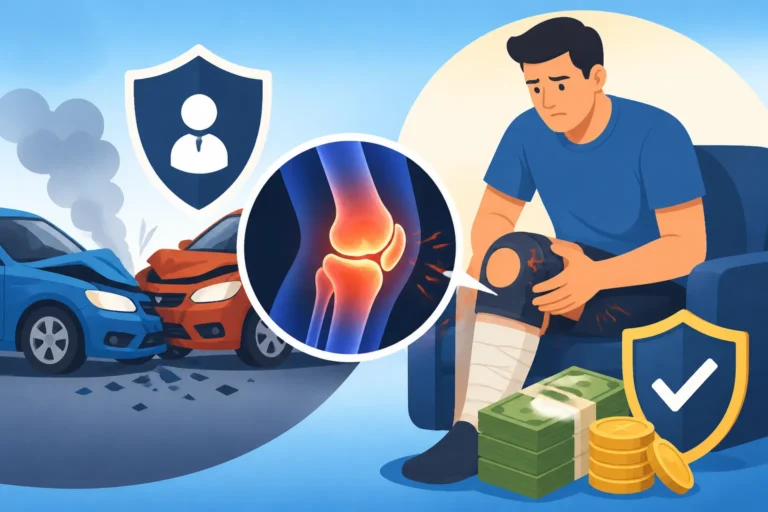
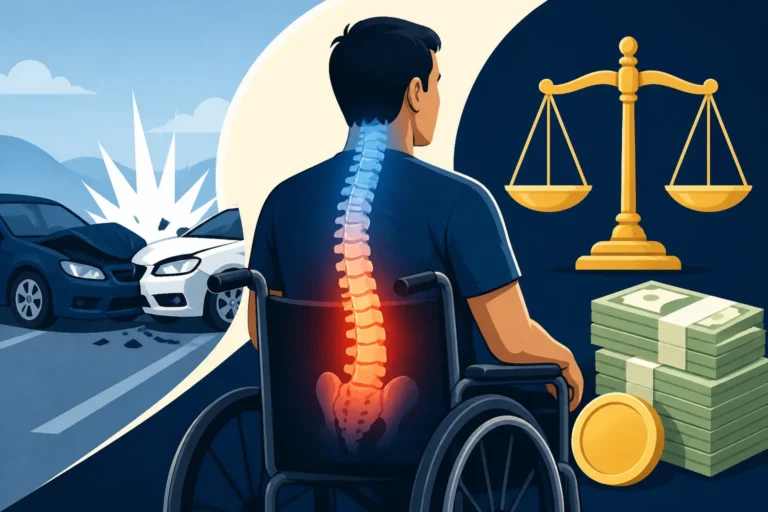
For example, common injuries in these types of crashes might include whiplash, other neck and back injuries, concussions, or even broken bones if the impact was particularly forceful. If the collision causes the vehicle to spin or impact a secondary object, the injuries can escalate quickly. A simple whiplash might result in a few weeks of chiropractic care and some pain medication, leading to a settlement in the lower thousands. However, a herniated disc requiring surgery, or a traumatic brain injury (TBI) with long-term cognitive effects, could lead to settlements in the tens or hundreds of thousands, or even more, due to extensive medical bills, lost income, and long-term care needs. This is why it's so important to get prompt medical attention and understand the full scope of Common Car Accident Injuries: Complete Guide (2027) to accurately assess your claim.
Extent of Property Damage
Beyond personal injuries, the damage to your vehicle is another immediate and tangible loss that significantly impacts your settlement. This includes the cost of repairs or the fair market value of your vehicle if it's deemed a total loss. Insurance adjusters will assess the damage, often through their preferred body shops or by reviewing repair estimates you obtain.
If your vehicle is repairable, the settlement component for property damage will cover the cost of those repairs. However, even after repairs, a car that has been in a significant accident may suffer from "diminished value" – meaning its market value is now less than a comparable vehicle that has never been in an accident. In some states, you can claim this diminished value. If your vehicle is totaled, the insurance company will pay you its Actual Cash Value (ACV) immediately before the accident. This value is often determined using market data from sources like Kelley Blue Book or NADA guides. For instance, if you had a newer Toyota Camry in pristine condition that was totaled in a left-turn crash on I-5 in California, the settlement would aim to replace that vehicle at its pre-accident market value, accounting for mileage, condition, and features.
Comparative Negligence and State Laws
This factor is particularly relevant in left-turn accidents because, as discussed, fault isn't always 100% one-sided. Many states follow some form of comparative negligence, which means your ability to recover damages can be reduced by your percentage of fault. For example, in a pure comparative negligence state like California, if you are found 20% at fault for a left-turn accident, your total settlement would be reduced by 20%. So, if your damages were calculated at $10,000, you would only receive $8,000.
Other states, like Texas, operate under a modified comparative negligence rule, specifically the 51% bar rule. This means if you are found 51% or more at fault, you cannot recover any damages. However, if you are 50% or less at fault, your damages are reduced by your percentage of fault. For example, if you were 40% at fault for a left-turn accident in Dallas, Texas, and your total damages were $10,000, you would receive $6,000. This is why understanding What Happens If You're Partially at Fault? is vital, as even a small percentage of fault can significantly impact your final payout. The specific laws in your state, whether it's Comparative vs Contributory Negligence Explained or a modified system, play a huge role in determining your ultimate settlement amount.
Components of a Left-Turn Accident Settlement
When you hear about a "car accident settlement," it's not just a lump sum for your troubles. It's actually a carefully calculated total made up of various types of damages, each addressing a specific loss you've incurred because of the accident. These components are categorized primarily into economic and non-economic damages, and understanding them helps you see how How Much Is My Car Accident Settlement Worth? (2026) is determined.
Economic Damages: Tangible Losses
Economic damages are the quantifiable, out-of-pocket expenses you incur directly because of the accident. These are relatively straightforward to calculate because they come with receipts, bills, and pay stubs.
- Medical Expenses: This is often the largest component for injury claims. It includes everything from emergency room visits, ambulance rides, doctor consultations, prescription medications, physical therapy, chiropractic care, and any necessary surgeries or specialist treatments. It also covers future medical expenses if your injuries require ongoing care, which a doctor will need to provide a prognosis for. Imagine a left-turn accident near the Golden Gate Bridge in San Francisco: an injured driver might face immediate ER bills from California Pacific Medical Center, follow-up appointments with orthopedic specialists, and months of physical therapy. These costs add up rapidly.
- Lost Wages and Earning Capacity: If your injuries prevent you from working, your settlement should cover the income you've lost, whether it's for a few days, weeks, or even permanently. This includes not just your regular salary but also any bonuses, commissions, or benefits you would have received. If your injuries are so severe that they permanently reduce your ability to earn a living in the future, you can also claim "loss of earning capacity." This is a more complex calculation, often requiring expert vocational and economic analysis, but it's a critical component for long-term injuries. Understanding How Lost Wages Are Calculated in a Settlement is essential for maximizing this part of your claim.
- Property Damage: As mentioned, this covers the cost of repairing your vehicle or its fair market value if it's totaled. It can also include the cost of a rental car while your vehicle is being repaired or replaced, and sometimes even the cost of items damaged inside your vehicle, like a laptop or expensive sunglasses.
Non-Economic Damages: Intangible Suffering
Non-economic damages are far more subjective and aim to compensate you for the intangible losses that don't come with a bill but significantly impact your quality of life. These are often harder to quantify but are a very real part of your suffering.
- Pain and Suffering: This is probably the most commonly known non-economic damage. It accounts for the physical pain, discomfort, and agony you endure from your injuries, both immediately after the accident and throughout your recovery. This isn't just about acute pain; it encompasses chronic pain, discomfort from treatments, and limitations on your daily activities. For example, if your left-turn accident left you with a rotator cuff tear, the pain might prevent you from lifting your children, participating in hobbies, or even sleeping comfortably.
- Emotional Distress: Accidents can be incredibly traumatic, leading to anxiety, fear, depression, PTSD, and even nightmares. The emotional toll of an accident, especially one that leads to significant injury or loss, can be profound. This component of damages acknowledges and compensates for that psychological suffering. It's a very real part of recovery for many accident victims.
- Loss of Enjoyment of Life: This covers the diminished ability to enjoy hobbies, recreational activities, or social engagements that you participated in before the accident. If a left-turn accident in Miami, Florida, leaves a keen surfer unable to hit the waves for months or even permanently, that loss of enjoyment of a beloved activity is a compensable damage.
- Disfigurement and Scarring: If the accident results in permanent scars, disfigurement, or impairment, these losses are also factored into non-economic damages.
These non-economic damages are often calculated using methods like the multiplier method, where your economic damages are multiplied by a factor (usually between 1.5 and 5, depending on injury severity) to arrive at a value for pain and suffering. This process of valuing the intangible is a complex but crucial part of How Car Accident Settlements Are Calculated and determining Pain and Suffering: How It's Calculated.
| Damage Type | Description | Examples | Ease of Calculation |
|---|---|---|---|
| Economic Damages | |||
| Medical Expenses | Costs associated with treatment, rehabilitation, and future care. | ER visits, doctor bills, physical therapy, prescriptions, surgery. | High |
| Lost Wages | Income lost due to inability to work. | Salary, hourly wages, commissions, bonuses. | High |
| Property Damage | Costs for vehicle repair or replacement, damaged personal items. | Car repairs, diminished value, rental car, replacement of damaged belongings. | High |
| Non-Economic Damages | |||
| Pain & Suffering | Physical pain, discomfort, and agony from injuries. | Acute pain, chronic pain, discomfort from treatments. | Low |
| Emotional Distress | Psychological impact, anxiety, depression, PTSD. | Stress, fear of driving, sleep disturbances. | Low |
| Loss of Enjoyment | Inability to participate in hobbies or daily activities. | Unable to play sports, travel, or perform household chores. | Low |
| Disfigurement | Permanent scarring or physical alterations. | Visible scars, loss of limb function. | Low |
Navigating the Settlement Process
After a left-turn accident, the idea of pursuing a settlement can feel incredibly daunting. You're likely still recovering, dealing with a damaged vehicle, and now you have to contend with insurance companies. It's a process that requires patience, meticulous documentation, and often, a bit of strategic maneuvering. Knowing what to expect can significantly ease the burden and help you make informed decisions.
Gathering Evidence and Filing a Claim
The foundation of any successful car accident claim, especially for a left-turn collision, lies in the evidence you collect immediately after the incident and continue to gather throughout your recovery. The more thoroughly you document everything, the stronger your position will be when negotiating.
- At the Scene: This is your first and most critical opportunity. Take copious photos and videos of the accident scene from multiple angles, including vehicle positions, damage, road conditions, traffic signs, skid marks, and any debris. Get contact information from all parties involved and any witnesses. If the police respond, make sure you get a copy of the accident report, as Police Reports and Car Accident Fault can be a crucial piece of evidence, even if not definitive.
- Medical Documentation: Seek medical attention immediately, even if you feel fine. Some injuries, like whiplash or concussions, have Delayed Injury Symptoms After a Car Accident. Comprehensive medical records directly link your injuries to the accident and document the necessity of your treatment. Keep records of every doctor's visit, diagnosis, treatment, and medication.
- Financial Records: Keep track of all expenses related to the accident: medical bills, pharmacy receipts, car repair estimates, rental car invoices, and records of lost wages from your employer.
- Filing Your Claim: Once you have initial documentation, the next step is to officially file a claim. This involves notifying your own insurance company, and potentially the other driver's insurance company, about the accident. This is often the first step in How to File a Car Accident Insurance Claim. Be prepared to provide detailed information about the accident, the parties involved, and your injuries and damages.
Negotiating with Insurance Companies
Once your claim is filed, you'll begin interacting with insurance adjusters. This stage can be incredibly stressful, as adjusters are trained to protect the insurance company's bottom line, which often means offering lower settlements.
- Initial Offers: It's very common for insurance companies to make a quick, lowball settlement offer, especially if they think you're eager to settle or unaware of the full extent of your damages. Do not feel pressured to accept the first offer. It rarely reflects the true value of your claim, particularly if you have injuries that might have long-term implications. Understanding How to Deal With a Lowball Insurance Offer is key to protecting your interests.
- Documentation is Power: When an adjuster pushes back or offers a low amount, your detailed documentation becomes your strongest weapon. You can counter their offer with a demand letter outlining all your damages (economic and non-economic), supported by medical bills, wage statements, and repair estimates. This back-and-forth negotiation is a normal part of How to Negotiate a Car Accident Settlement.
- Dealing with Adjusters: Insurance adjusters will likely ask for a recorded statement. While you must cooperate with your own insurer, be cautious about providing a recorded statement to the other driver's insurance company without consulting an attorney. These statements can sometimes be used against you later. Getting advice on Dealing With Insurance Adjusters After a Car Accident is a smart move.
- When to Consider Legal Help: If negotiations stall, if the insurance company blames you unfairly, or if your injuries are serious, it might be time to consider legal representation. A skilled personal injury attorney can take over communications, gather additional evidence, understand complex state laws (like those in California for Who Is at Fault in a Left-Turn Accident in California?), and push for a fair settlement. While not every minor accident requires a lawyer, it's worth knowing Do You Need a Lawyer for a Car Accident? (2027) for more complex or highly contentious claims. They can often secure a significantly higher settlement, even after their fees, by presenting a strong case and being prepared to go to court if necessary.
Disclaimer
Please remember that this information is for educational purposes only and not legal advice. Every car accident case is unique, and the information provided here may not apply to your specific situation. We highly recommend consulting with a qualified legal professional to discuss the details of your accident and understand your rights and options.