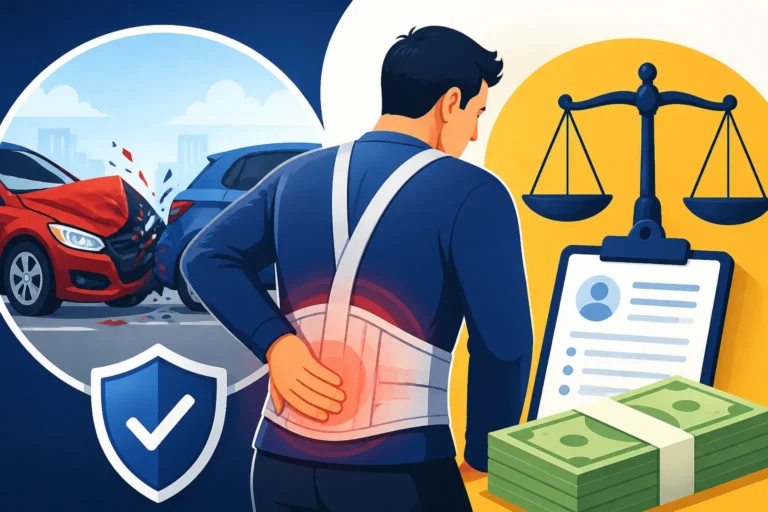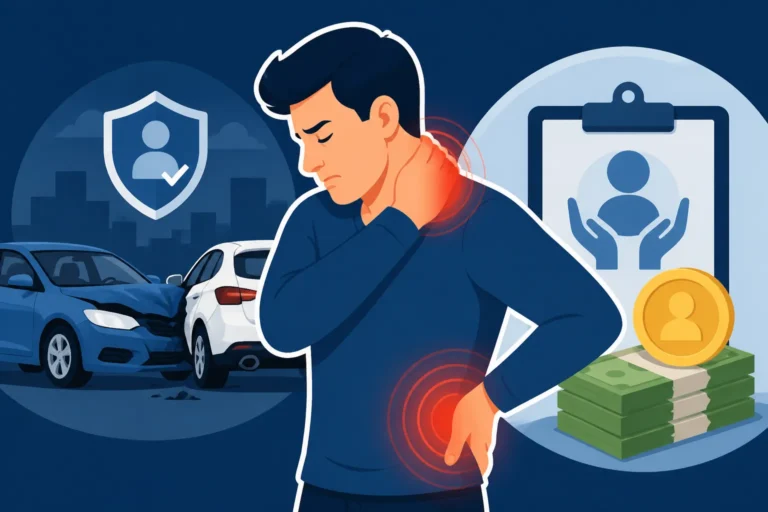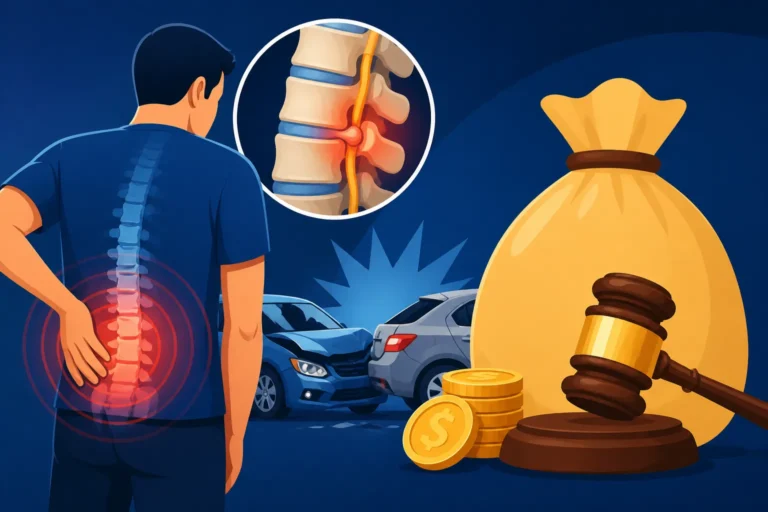
Average Settlement for Concussion From a Car Accident
Getting into a car accident is jarring enough, but when you realize you might have suffered a concussion, a whole new layer of stress and uncertainty kicks in. You're not just dealing with the immediate pain and confusion; you're also left wondering about the long-term impact on your health, your ability to work, and frankly, what kind of financial support you can expect. This guide is here to walk you through the often-confusing landscape of car accident concussion settlements, helping you understand the factors involved and what steps you can take.
Understanding Concussions and Their Impact After a Car Accident
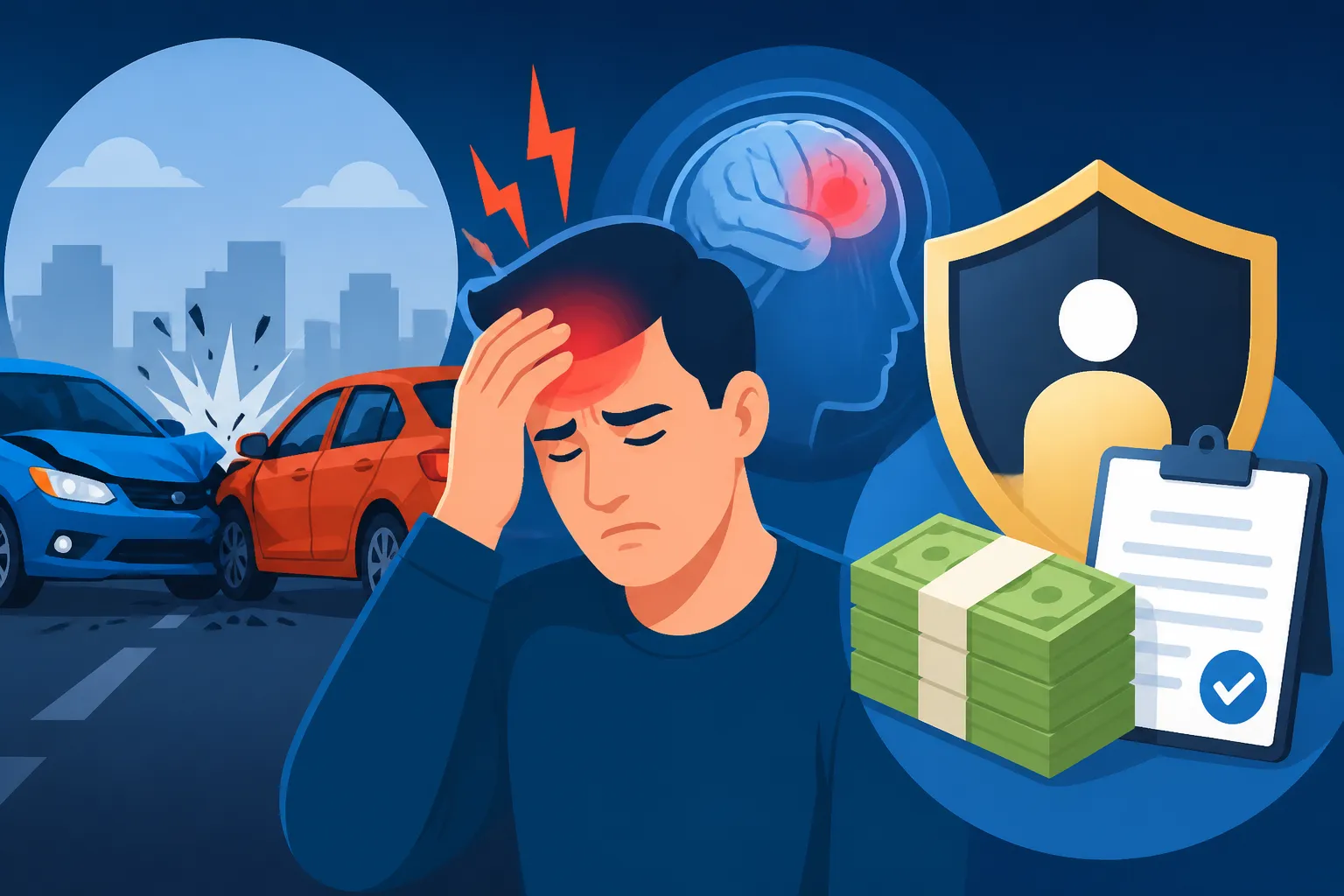
Concussions are far more serious than a simple "bump on the head." They are traumatic brain injuries (TBIs) resulting from a sudden jolt or blow to the head or body that causes the brain to move rapidly inside the skull. This movement can stretch and damage brain cells and create chemical changes that affect how the brain functions. When you're involved in a car accident, even a seemingly minor fender bender, the force of impact can easily cause your head to snap forward and back, leading to a concussion.
The immediate aftermath of a car crash is often chaotic, filled with adrenaline, which can mask the symptoms of a concussion. Many people don't realize they've sustained a TBI until hours or even days later, adding to the frustration and delay in seeking proper medical care. This delay can sometimes complicate an insurance claim, as insurance companies might try to argue that the injury wasn't directly related to the accident.
The Elusive Nature of Concussion Symptoms
One of the most challenging aspects of a concussion is how varied and often subtle its symptoms can be. Unlike a broken bone that shows up clearly on an X-ray, concussions often don't have obvious physical signs of injury on standard imaging tests. Instead, symptoms can range widely, impacting physical, cognitive, emotional, and sleep functions. You might experience headaches, dizziness, nausea, or light and noise sensitivity.
Beyond the physical, cognitive symptoms like difficulty concentrating, memory problems, feeling mentally "foggy," or slowed thinking are incredibly common and can be debilitating. Many people find even simple tasks at work or home suddenly become monumental challenges. Emotionally, you might notice increased irritability, anxiety, or sadness, which can be particularly distressing as they affect your relationships and overall well-being. It's truly an invisible injury in many ways, making it hard for others to understand what you're going through, and even harder to articulate for a legal claim.
Medical Diagnosis and Documentation Challenges
Getting a definitive diagnosis for a concussion is absolutely critical for your health and for any potential car accident claim. This isn't just about a quick check-up; it often involves a comprehensive evaluation by medical professionals. After an accident, it’s imperative to seek medical attention immediately, even if your symptoms seem minor or delayed. A general practitioner is a good first step, but they will often refer you to specialists like neurologists, neuropsychologists, or concussion clinics for more in-depth assessment.
These specialists use various diagnostic tools, including detailed neurological exams, cognitive testing, and sometimes advanced imaging like functional MRI, though standard CT scans or MRIs might not always show the microscopic brain damage associated with a concussion. The documentation from these visits—including detailed notes on your symptoms, their progression, and the treatment plan—forms the backbone of your injury claim. Without thorough and consistent medical records, it becomes incredibly difficult to prove the link between your accident and your concussion, which insurance companies will scrutinize relentlessly. Remember, how medical records prove your injuries is a key component of a strong claim.
Long-Term Effects and Hidden Costs
While some concussions resolve within weeks or months, a significant percentage of individuals go on to experience what's known as post-concussion syndrome (PCS). PCS can involve persistent headaches, dizziness, fatigue, sleep disturbances, irritability, anxiety, and difficulties with memory and concentration that can last for months or even years after the initial injury. The prospect of living with these lingering issues is not only frightening but also carries substantial hidden costs.
These long-term effects can seriously impact your quality of life, your ability to return to work, and your overall mental health. You might need ongoing physical therapy, cognitive therapy, psychological counseling, or even vocational rehabilitation to cope. These are expenses that might not be immediately apparent but become crucial components of a comprehensive settlement. Ignoring these potential future costs when negotiating a settlement could leave you with significant out-of-pocket expenses down the line. Many of the discussions around common car accident injuries underscore the importance of recognizing these prolonged impacts.
Key Factors Influencing a Concussion Settlement Amount
When you're dealing with the aftermath of a car accident and a concussion, one of the most pressing questions is, "How much is my claim worth?" Unfortunately, there's no universal magic number. The "average settlement" for a concussion from a car accident can vary wildly, from a few thousand dollars for a mild case with minimal impact to hundreds of thousands or even millions for severe traumatic brain injuries with profound, lasting effects. This wide range exists because settlements are highly individualized, based on a multitude of specific factors unique to your situation.
Understanding these influencing factors is crucial, as they directly contribute to how car accident settlements are calculated. It's a complex equation that takes into account not only your immediate expenses but also the long-term consequences of your injury.
Severity of the Injury and Medical Treatment
The severity of your concussion is arguably the most significant factor in determining your settlement value. A mild concussion, where symptoms resolve completely within a few weeks and require minimal medical intervention, will naturally result in a lower settlement than a moderate to severe concussion. A more severe concussion might involve a longer period of unconsciousness, significant cognitive impairment, or the development of post-concussion syndrome, necessitating extensive and ongoing medical care.
Consider the level of medical treatment you've received. Did you just go to urgent care once, or have you been seeing multiple specialists like neurologists, neuropsychologists, physical therapists, and occupational therapists for months? The duration and intensity of your treatment, including any medications, therapies, or even potential surgeries if the TBI is severe enough to warrant it, will directly correlate with the total medical expenses incurred. These expenses, both current and projected future costs, form a major part of your economic damages, dictating a substantial portion of the settlement. For instance, questions about how medical bills are paid from a settlement become extremely relevant here.
Economic Damages: Tangible Losses
Economic damages are the easily quantifiable financial losses you've incurred directly because of the concussion and the car accident. These are the "receipts" you can show to an insurance company. The most straightforward example is your past and future medical expenses. This includes everything from emergency room visits, ambulance fees, doctor's appointments, prescriptions, diagnostic tests (like CT scans and MRIs), physical therapy, occupational therapy, and any specialized rehabilitation programs for brain injury. Keep meticulous records of all medical bills and receipts.
Beyond medical costs, lost wages are a huge component. If your concussion prevented you from working, whether for a few days, weeks, or even longer, that lost income is recoverable. This includes not just your regular salary but also lost commissions, bonuses, and benefits. For those whose concussions lead to long-term cognitive issues, claiming for lost earning capacity becomes critical if your ability to perform your job at the same level or secure future promotions is compromised. Furthermore, property damage to your vehicle, rental car expenses while your car is being repaired, and even the cost of household services you couldn't perform due to your injury (like cleaning or childcare) can all be included in economic damages.
Non-Economic Damages: The Intangible Toll
While economic damages cover your calculable financial losses, non-economic damages address the intangible, subjective suffering you’ve endured. This category often represents the largest portion of a concussion settlement, precisely because it accounts for the profound impact a brain injury has on your life beyond just dollars and cents. The most common form of non-economic damage is pain and suffering, which includes physical pain from headaches, dizziness, and fatigue, as well as the emotional and mental anguish associated with a brain injury.
Imagine the frustration of not being able to think clearly, the anxiety of worrying about permanent brain damage, or the depression that can set in when you can't participate in activities you once loved. These are all part of your pain and suffering. Other components include loss of enjoyment of life, where your ability to engage in hobbies, social activities, or daily routines is diminished, and emotional distress, encompassing fear, grief, anger, and psychological trauma like PTSD. Assigning a monetary value to these deeply personal experiences is challenging, but methodologies like the multiplier method are often used by insurance adjusters and lawyers to calculate pain and suffering: how it's calculated is often based on multiplying your economic damages by a factor (usually 1.5 to 5, depending on injury severity).
The Complexities of Calculating "Average" Concussion Settlements
It's natural to want a clear-cut number when you're trying to figure out what your car accident concussion settlement might look like. People often ask, "What's the average settlement for a concussion?" The truth is, that single average figure you might be looking for simply doesn't exist in a way that's genuinely helpful or accurate for your specific situation. This can be incredibly frustrating when you're already feeling vulnerable and overwhelmed by your injuries and the claims process.
The complexity stems from the unique nature of each accident, each injury, and the specific legal and insurance frameworks in place. What might be a reasonable settlement for a mild concussion in one state could be drastically different in another, even for similar injuries. This is why any generalized "average" figure you encounter should be viewed with extreme caution, as it rarely reflects the nuances of individual cases. When considering the average car accident settlement amounts by injury, remember that even within specific injury types, there's a huge range.
Why There’s No Single "Average" Number
The idea of a single "average" concussion settlement is misleading because so many variables come into play. Firstly, the specifics of the accident itself matter immensely. Was the other driver clearly at fault? Was it a drunk driving accident or a distracted driving (texting) accident? The clearer the liability, the less an insurance company can dispute fault. If there's any dispute, your claim could become far more complicated.
Secondly, the individual details of your injury are paramount. No two concussions are exactly alike, even if they're given the same medical classification. Your age, pre-existing conditions, overall health, and how well you respond to treatment all influence the outcome. A young, healthy person with no prior head injuries might have a better recovery prognosis than an older individual with a history of concussions, which can impact the perceived value of their claim. Furthermore, the state where the accident occurred plays a huge role. For example, knowing what is a no-fault state and which states are no-fault will completely change how your claim is processed and what types of damages you can recover.
Impact of Comparative Fault Laws
Another critical factor that significantly skews any notion of a simple "average" settlement is the concept of comparative fault. In many states, if you are found to be partially responsible for the accident, your potential settlement amount can be reduced proportionally. For instance, if you suffered a concussion and the other driver was 90% at fault, but you were found to be 10% at fault for some minor infraction (like speeding slightly), your total damages could be reduced by 10%.
Understanding comparative vs contributory negligence explained is crucial because some states, known as contributory negligence states, might bar you from recovery entirely if you are found even 1% at fault. Most states, however, follow some form of comparative negligence. Whether it's pure comparative negligence or modified comparative negligence (50% or 51% bar rules), your level of fault directly impacts your final payout. This means that two identical concussion injuries from similar accidents could yield vastly different settlements if the injured parties had different degrees of fault attributed to them. This adds another layer of complexity to predicting an "average."
Role of Insurance Companies and Legal Representation
The insurance company involved, both yours and the at-fault driver's, plays a massive role in shaping the final settlement. Insurance companies are businesses, and their primary goal is to minimize payouts. They have adjusters who are highly skilled in evaluating claims, and they often start with a lowball offer. Their assessment of what constitutes an "average" concussion settlement might be very different from what a victim or their attorney considers fair. This is often where the initial negotiation process begins.
Having experienced legal representation can significantly impact the outcome. A skilled car accident lawyer understands how insurance companies determine who is at fault, how to accurately calculate the full scope of your damages (economic and non-economic), and how to effectively negotiate on your behalf. They can push back against low offers, gather necessary evidence, and, if needed, be prepared to take the case to court to ensure you receive fair compensation. Without a lawyer, you might be at a distinct disadvantage, potentially accepting a settlement that doesn't adequately cover all your present and future needs.
Here's a quick look at some key factors influencing concussion settlement amounts:
| Factor | Description | Impact on Settlement |
|---|---|---|
| Injury Severity | Mild, moderate, severe concussion; presence of post-concussion syndrome. | Mild: Lower. Severe/PCS: Higher, covering extensive long-term care. |
| Medical Expenses | ER visits, diagnostics (CT/MRI), specialist consultations, therapies, prescriptions, future care. | Direct correlation; higher costs mean higher economic damages. |
| Lost Wages | Income lost due to inability to work; potential for lost earning capacity if long-term. | Directly recoverable; can be substantial, especially with prolonged recovery. |
| Pain and Suffering | Physical pain, emotional distress, mental anguish, loss of enjoyment of life. | Often the largest component, calculated using multipliers or per diem methods. |
| Evidence & Documentation | Quality of medical records, police reports, witness statements, accident photos, personal journals. | Strong evidence substantiates claims, weaker evidence can reduce value. |
| Fault Determination | Who was responsible for the accident (100% other driver, shared fault, etc.). | Your percentage of fault can reduce your settlement in comparative negligence states. |
| Insurance Policy Limits | Maximum coverage available from the at-fault driver's policy and your uninsured/underinsured motorist (UIM) coverage. | Caps the maximum recoverable amount unless suing personally; often a practical limit. |
| Jurisdiction | State-specific laws (no-fault vs. at-fault, comparative negligence rules). | Different legal frameworks can drastically alter claim process and potential payout. |
| Legal Representation | Whether you have a personal injury attorney. | Can significantly increase settlement value and navigate complexities, often resulting in higher net. |
Steps to Take to Maximize Your Concussion Claim
Dealing with a concussion after a car accident is already a heavy burden. But knowing the right steps to take can make a monumental difference in the success and value of your settlement. It’s not just about treating your injury; it’s about diligently building a strong case from the very beginning. Many people, understandably, focus solely on their recovery, which is paramount, but neglecting the administrative and legal aspects can severely undermine your ability to receive the compensation you deserve.
The process of securing a fair settlement can be lengthy and complex, but by being proactive and organized, you put yourself in the best possible position. Remember, every action you take (or don't take) in the immediate aftermath and throughout your recovery can impact your claim. This is especially true when it comes to demonstrating the validity and severity of your concussion.
Immediate Actions and Medical Attention
The moments immediately following a car accident are critical, particularly when a concussion is suspected. Even if you feel "fine" or just a little dazed, seeking medical attention should be your top priority. Adrenaline can mask symptoms, and some concussion signs, like confusion, memory issues, or mood changes, can develop hours or even days later. A visit to the emergency room or your doctor immediately after the accident creates an undeniable link between the crash and any subsequent injuries. This is a vital step in how to prove injuries in a car accident claim.
Beyond the initial medical evaluation, it’s crucial to follow all medical advice, attend every follow-up appointment, and adhere to any prescribed treatment plan (medication, physical therapy, cognitive rehab). Inconsistent medical care can be used by insurance companies to argue that your injuries were not severe or that you are not actively trying to recover, thereby diminishing the value of your claim. Keep a detailed log of all appointments, treatments, and conversations with medical providers. This diligent record-keeping is a cornerstone of building a robust claim. Don't forget the broader steps of what to do after a car accident: step-by-step actions like exchanging information and reporting the incident are also essential.
Thorough Documentation and Evidence Gathering
When it comes to a concussion claim, the more evidence you have, the better. Start by collecting all possible documentation related to the accident itself. This includes the police report, contact information for all parties involved and any witnesses, photographs of the accident scene (showing vehicle damage, road conditions, debris), and notes about the time, date, and weather conditions. These details establish the circumstances of the crash and can help determine fault.
Next, focus on documenting your injuries and their impact on your life. Maintain a dedicated journal where you record your concussion symptoms daily, noting their severity, how they affect your daily activities, your pain levels, and any emotional distress you experience. This personal account, along with all your medical records, bills, and receipts for treatments and prescriptions, will paint a comprehensive picture of your suffering and economic losses. If your concussion has caused you to miss work, gather pay stubs and letters from your employer detailing your lost wages. The goal is to provide a clear, undeniable paper trail demonstrating the full extent of your damages.
Navigating the Claims Process and Negotiation
Once you have gathered sufficient evidence, the next step is to formally initiate your car accident claim. This usually involves notifying your own insurance company and the at-fault driver's insurance company. Be cautious when speaking with insurance adjusters; they are trained to minimize payouts and might try to get you to admit fault or downplay your injuries. It's often advisable to consult with a personal injury attorney before giving any recorded statements. An attorney can guide you on how to file a car accident insurance claim effectively and protect your interests.
Your attorney will then help you prepare a comprehensive demand letter, outlining all your economic and non-economic damages, backed by your medical records and other evidence. This is where the negotiation process truly begins. Be prepared for the insurance company to make a low initial offer. It's rare that their first offer will be fair, especially for a complex injury like a concussion. Your lawyer will help you evaluate settlement offers and counter unfair proposals. If a fair settlement cannot be reached through negotiation, your attorney will discuss the possibility of filing a lawsuit to pursue compensation through the court system. This entire process can be lengthy, but patience and persistence, often facilitated by expert legal counsel, are key to maximizing your concussion settlement.
Disclaimer
Please remember that the information provided in this guide is for general informational purposes only and does not constitute legal or medical advice. Every car accident and concussion injury claim is unique. You should consult with a qualified legal professional for advice tailored to your specific situation and with a medical professional for accurate diagnosis and treatment of your injuries. Relying solely on general information may not be sufficient for your individual needs.